
Need French Drain Installation in Licking County, Ohio to Keep Up With Growth and Water Issues?
French drain installation in Licking County, Ohio is essential for controlling water around both rural farmland and new industrial sites, especially near the rapidly developing Intel corridor. Fortress Level Construction delivers expert drainage solutions tailored to Newark, Granville, and Buckeye Lake’s unique soils. Call (844) 656-0129 for a free, fast quote.
The Quick Answer
- French drain installation in Licking County, Ohio addresses water issues from rural fields to new Intel-driven sites.
- Fortress Level Construction is veteran-founded, licensed, and insured since 2009.
- Licking County’s soils range from farm loam to rocky hills, impacting drainage design.
- We serve Newark, Johnstown, Granville, Pataskala, Heath, Hebron, and Jersey Twp.
- Flat-rate quotes after a free on-site walk-through, with 2-3 hour response during business hours.
- Our John Deere 333G loaders and Diamond drum mulchers handle tough terrain and large acreage.
- Ohio law requires an 811 utility locate before any digging, handled by Fortress for every project.
- Most French drain installations in Licking County cost $1,000 to $3,000 per project.
Related Questions People Ask Next
Licking County’s terrain is a patchwork of flat greenfields near Johnstown’s industrial corridor, rolling farmland around Hebron and Buckeye Lake, and wooded hills east of Newark. These differences require careful assessment of slope, soil, and water flow. Fortress Level Construction customizes every French drain to match the local landscape and ensure proper drainage.
French drains are especially valuable in Newark, Granville, Pataskala, Heath, Johnstown, Hebron, Buckeye Lake, and Jersey Township. As these towns experience rapid population and industrial growth, proper drainage prevents flooding and protects property investments. Fortress Level Construction delivers reliable French drain solutions for both rural and urban sites throughout Licking County.
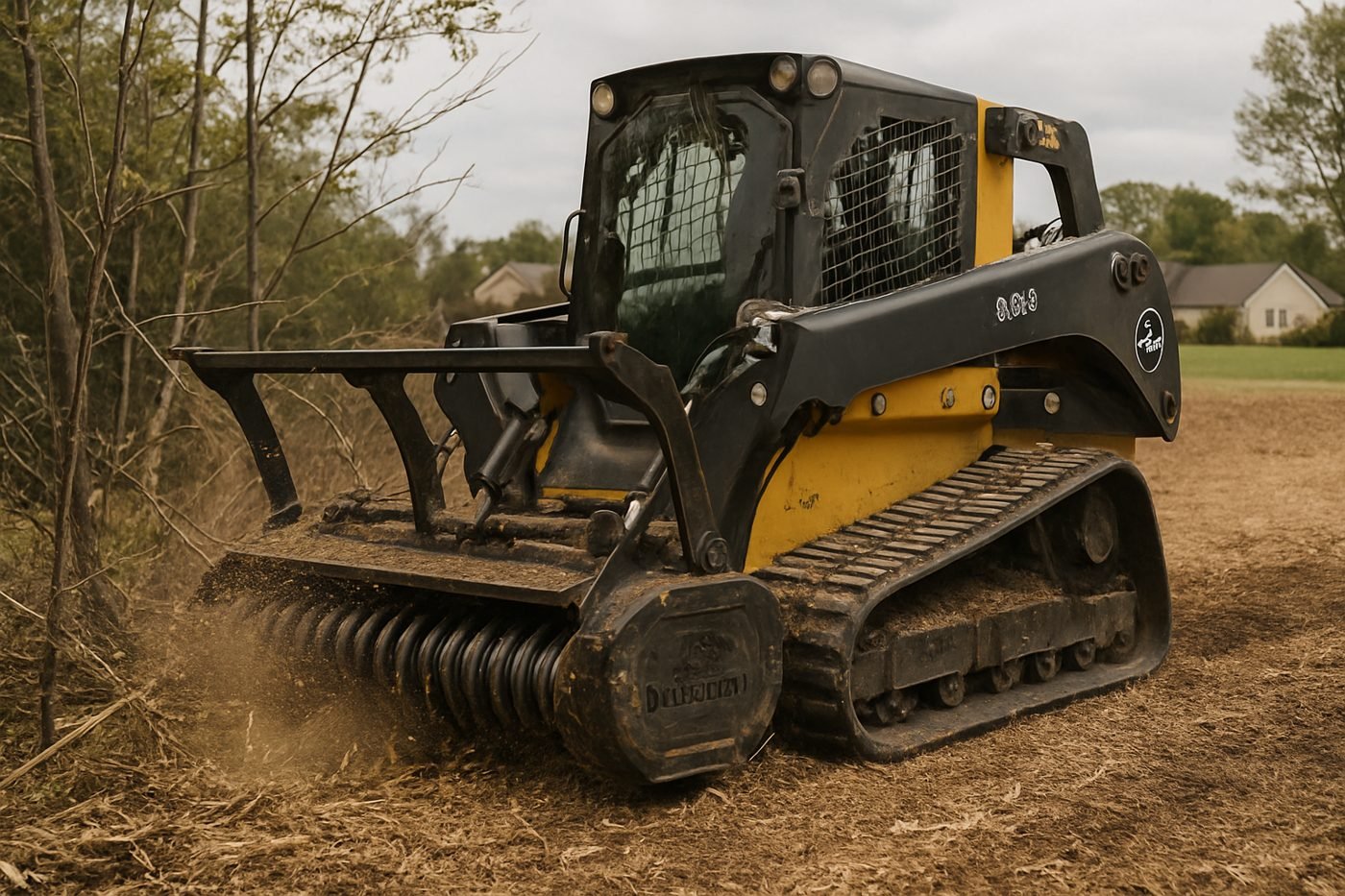
The crew at Fortress Level Construction uses John Deere 333G compact track loaders, Diamond drum mulchers (for stems up to 14 inches), dozers, and excavators. This equipment allows efficient trenching and brush clearing, even on rocky hills near Blackhand Gorge or expansive farmland near Buckeye Lake, ensuring every Licking County project is handled professionally.
Most French drain installations by Fortress Level Construction in Licking County take 1 to 3 days, depending on acreage, soil type, and site preparation. Our team schedules a free walk-through within a week of your call, and after the Ohio 811 utility locate, we can begin work quickly to address your drainage needs.
What Makes French Drain Installation Different in Licking County?
Licking County’s mix of rural farmland, wooded hills, and extensive new industrial development creates unique drainage challenges that demand customized French drain solutions. Proper water management is especially important near major waterways like the Licking River, Buckeye Lake, and Raccoon Creek, as well as in fast-growing areas around Johnstown and Jersey Township.
Properties in Newark or Granville often face water pooling due to clay soils, while greenfield sites near Johnstown’s Intel project require rapid drainage to protect new construction. Fortress Level Construction assesses soil, slope, and nearby water features to design the most effective French drain for your site.
Our crew uses advanced equipment to trench through everything from farm fields in Hebron to rocky terrain near Blackhand Gorge. The right installation prevents foundation damage, erosion, and crop loss, critical for both rural and industrial Licking County properties.
How Does Fortress Level Construction Install French Drains in Licking County?
Fortress Level Construction tailors every French drain installation to Licking County’s diverse sites, whether it’s farmland near Buckeye Lake, wooded hills by Blackhand Gorge, or new industrial zones near Johnstown. The crew uses professional equipment and handles all required utility locates to ensure a safe, effective, and legal installation every time.
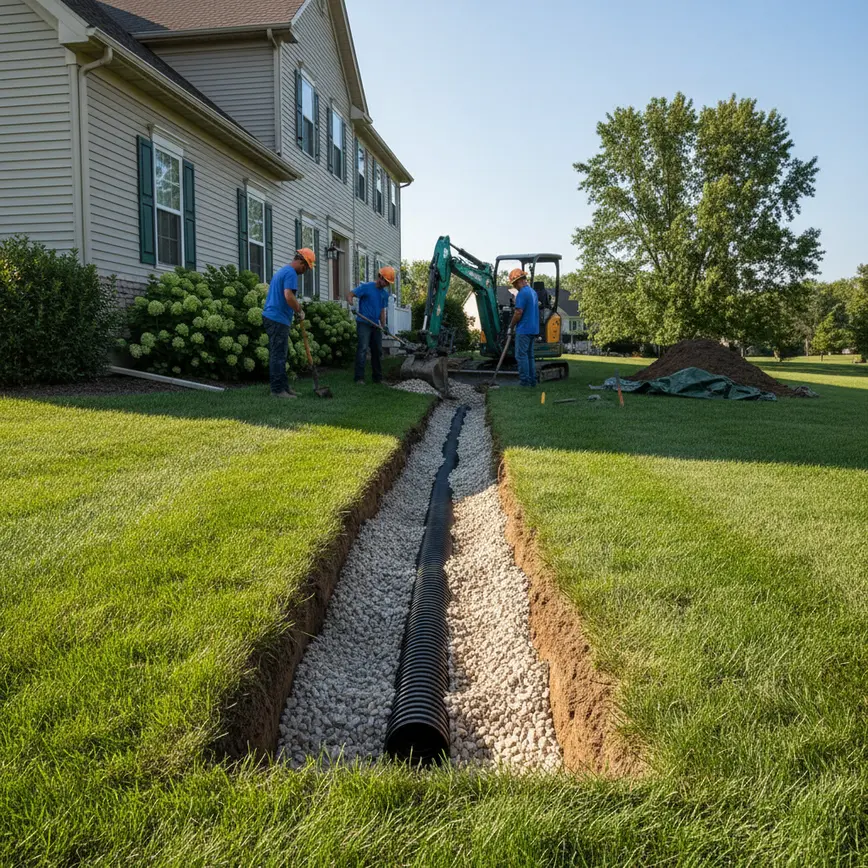
Each installation starts with a free on-site walk-through, often scheduled the same week, to assess your drainage needs. Fortress handles the Ohio 811 utility locate (per ORC 3781.28) and then uses compact track loaders and excavators to dig precise trenches, even on sloped or wooded sites.
We install filter fabric, gravel, and perforated pipe, then backfill and restore the area. Our Diamond drum mulchers clear brush or small trees (up to 14 inches), making us ideal for rural or overgrown properties in Pataskala, Heath, or Jersey Twp.
What Does French Drain Installation Cost in Licking County, Ohio?
French drain installation in Licking County typically falls within a $1,000 to $3,000 per project range, depending on property size, terrain, and complexity. Permit fees may apply, especially in rapidly developing industrial areas near Johnstown and Jersey Township, and our team always provides a flat-rate quote after a detailed site assessment.
Rural projects near Buckeye Lake or Hebron may cost less if access is simple, while new builds on cleared greenfields in Johnstown’s industrial zone may require more extensive trenching and restoration. Fortress Level Construction gives flat-rate quotes after a free site visit, so there are no surprises.
Our quotes consider local permitting, water table issues near the Licking River, and any needed brush clearing. We work efficiently to keep costs down, even on large rural acreage or challenging terrain.
Why Is French Drain Installation Important for Licking County’s Future?
As Licking County experiences rapid growth, especially around Johnstown and Jersey Township, stormwater management is critical for both new and established properties. Professional French drain installation by Fortress Level Construction helps protect homes, farmland, and industry from flooding, erosion, and costly water damage in this changing landscape.
With rapid industrialization in Jersey Twp and Johnstown, plus established farmland and neighborhoods in Newark and Granville, the risk of water issues is rising. French drains help protect investments and land value by controlling runoff and groundwater.
Fortress Level Construction’s experience across Licking County ensures your property is ready for the next storm and the region’s continued growth. Our crew’s expertise delivers long-term drainage solutions tailored to local needs.
How Does French Drain Installation in Licking County Compare to Other Drainage Solutions?
French drains offer unique advantages for the diverse properties found in Licking County, including farms, wooded lots, and new industrial sites. Compare French drains to other drainage methods to see which solution is best for your Newark, Granville, Pataskala, or Johnstown property.
| French Drain | Surface Swale | Dry Well | Grading Only |
|---|---|---|---|
| Best for subsurface water near Newark, Johnstown, and Buckeye Lake | Directs surface water, effective for gentle slopes in Pataskala | Captures roof runoff in small yards (Granville, Heath) | Improves runoff on flat greenfield sites (industrial zones) |
| Requires trenching and gravel/pipe | Shallow, grass-lined channels | Underground pit with gravel | No added materials, just soil movement |
| Handles high groundwater and heavy rain | Less effective on heavy clay or steep hills | Limited capacity, not for large rural lots | May not address deep water table issues |
| Typical cost: $1,000-$3,000 in Licking County | Lower cost, but less durable in rural/agricultural areas | Lower cost, but requires frequent maintenance | Lowest cost, but often a temporary fix |
When Is French Drain Installation NOT the Right Solution in Licking County?
French drains are not always suitable for every Licking County property. High bedrock near Blackhand Gorge, protected wetlands by the Newark Earthworks, or certain floodplain areas may make French drains impractical or restricted. Fortress Level Construction will recommend the best alternative drainage approach for your site’s unique challenges.
If your Licking County property sits on shallow bedrock (common east of Newark or near Blackhand Gorge), trenching may be impossible or prohibitively expensive. Sites near protected wetlands or the Newark Earthworks may have permitting restrictions that rule out French drains.
In these cases, Fortress Level Construction recommends surface swales, dry wells, or regrading to direct water away from structures. We provide honest site assessments and will suggest the best alternative for your land’s specific challenges.
What Do French Drain Installations Look Like in Licking County?
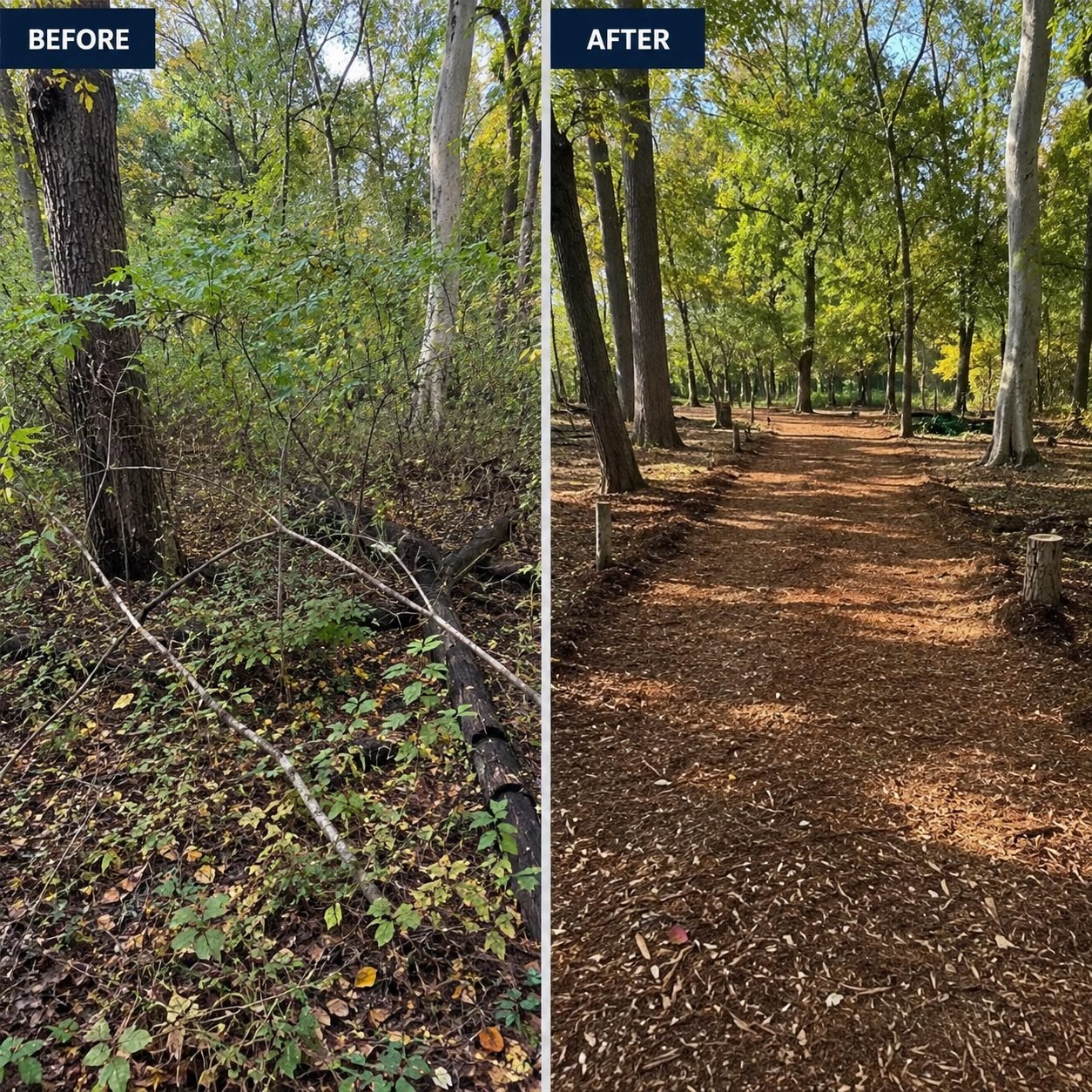
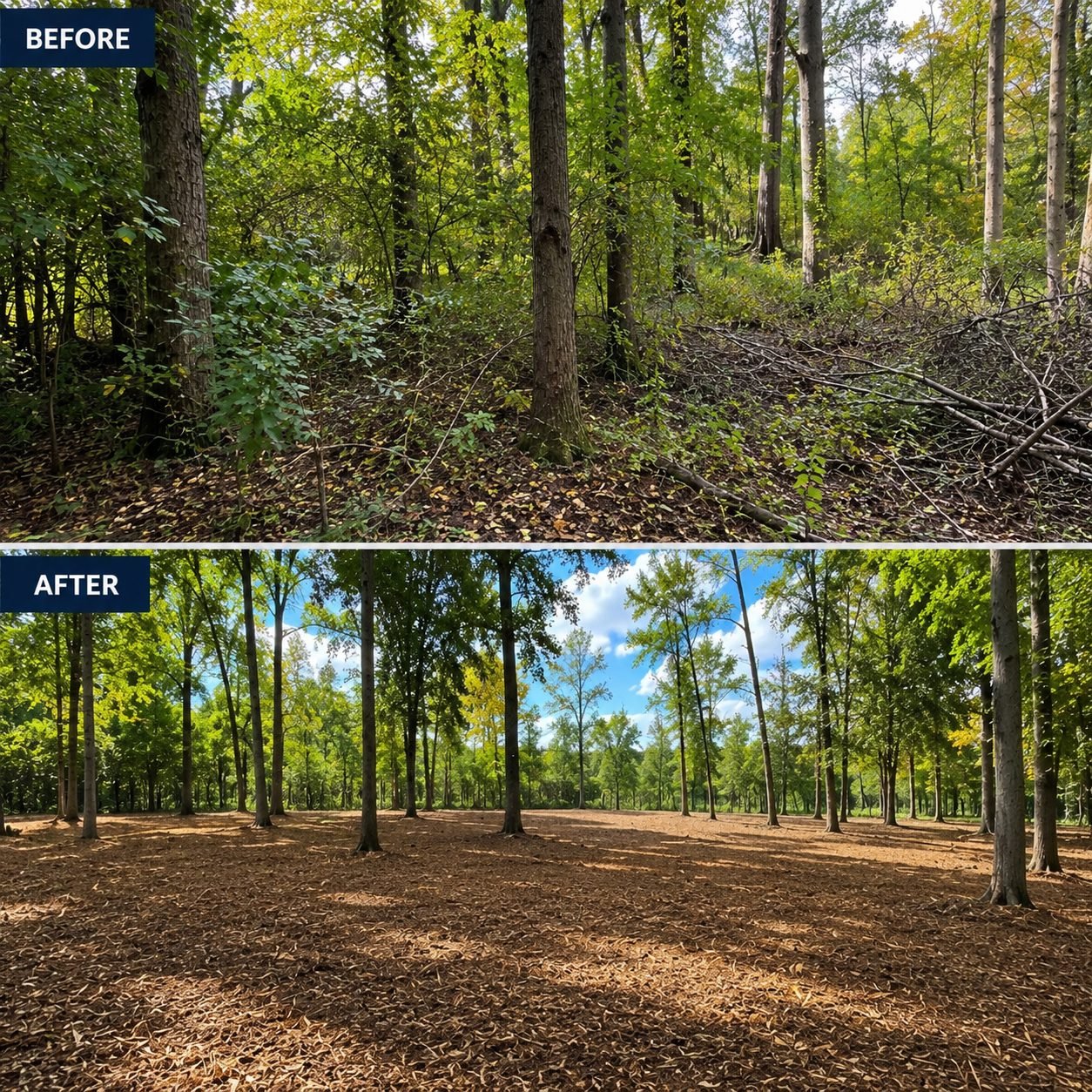
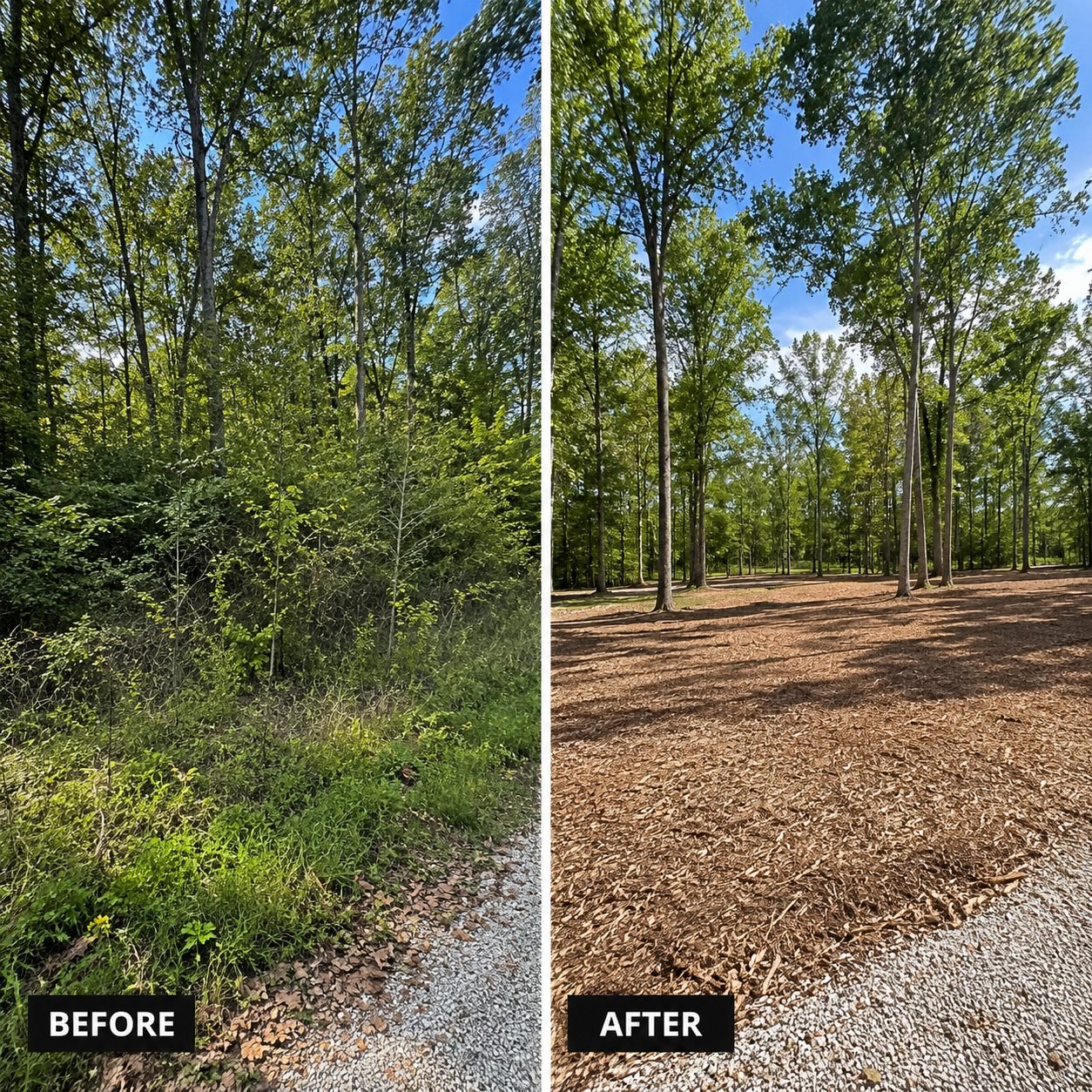
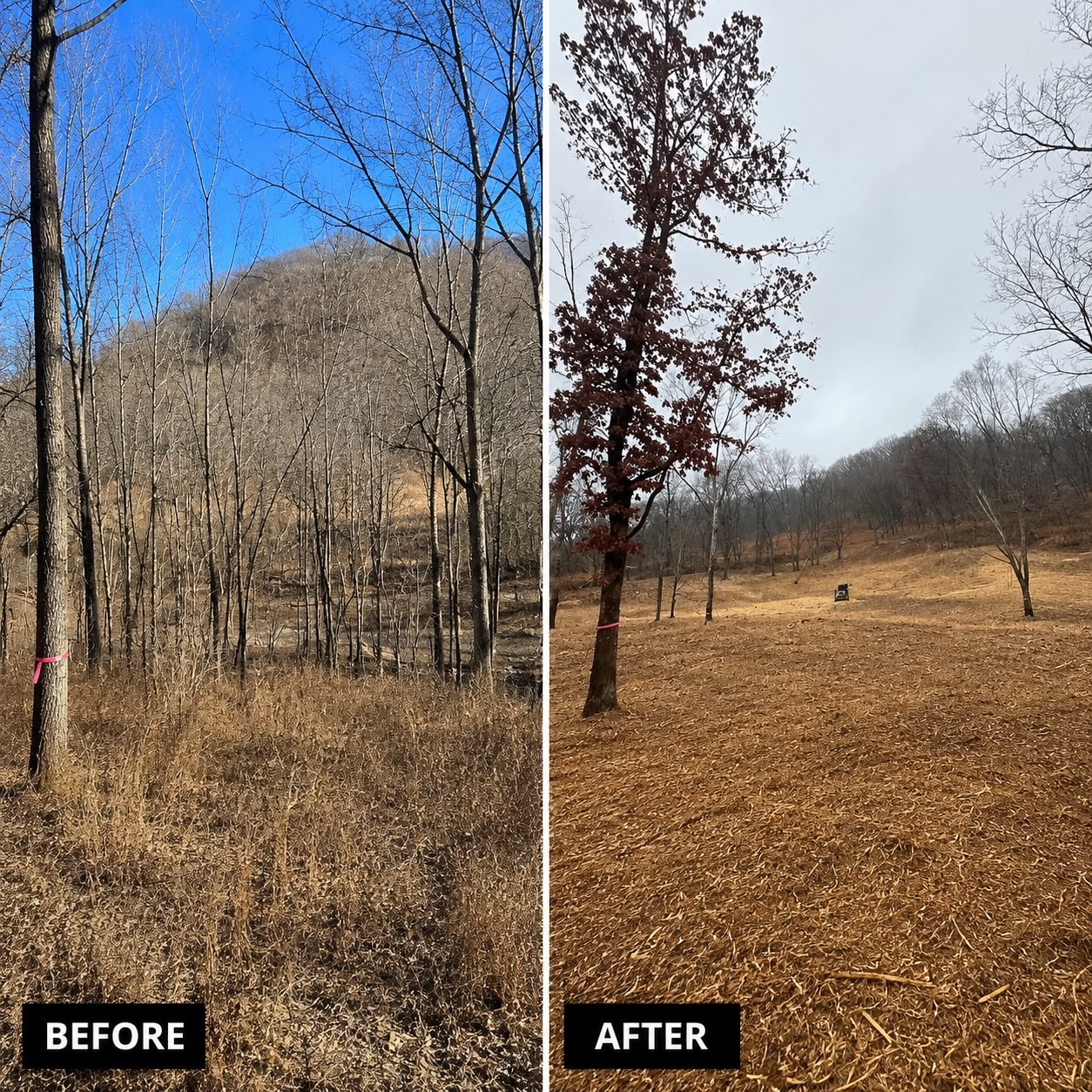
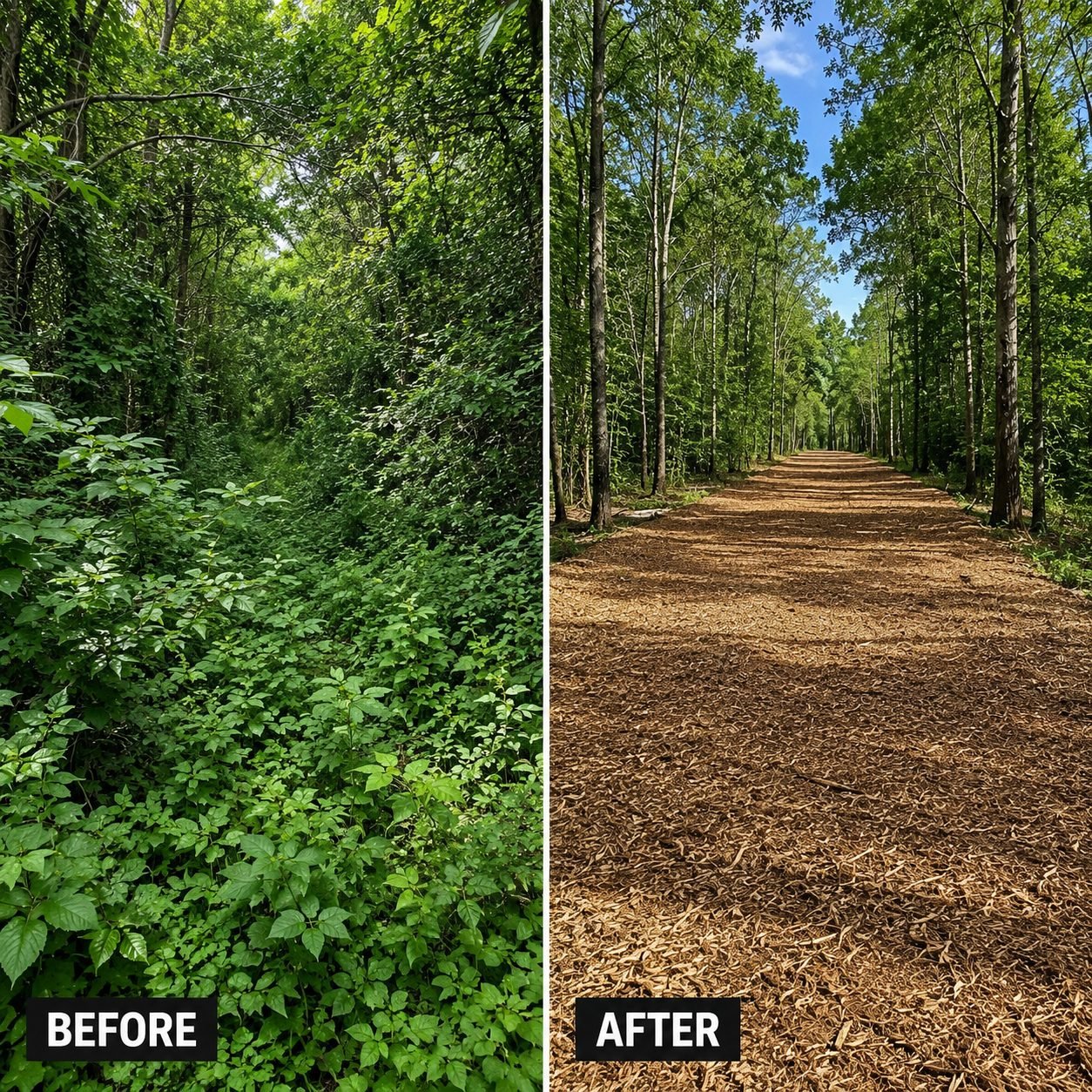
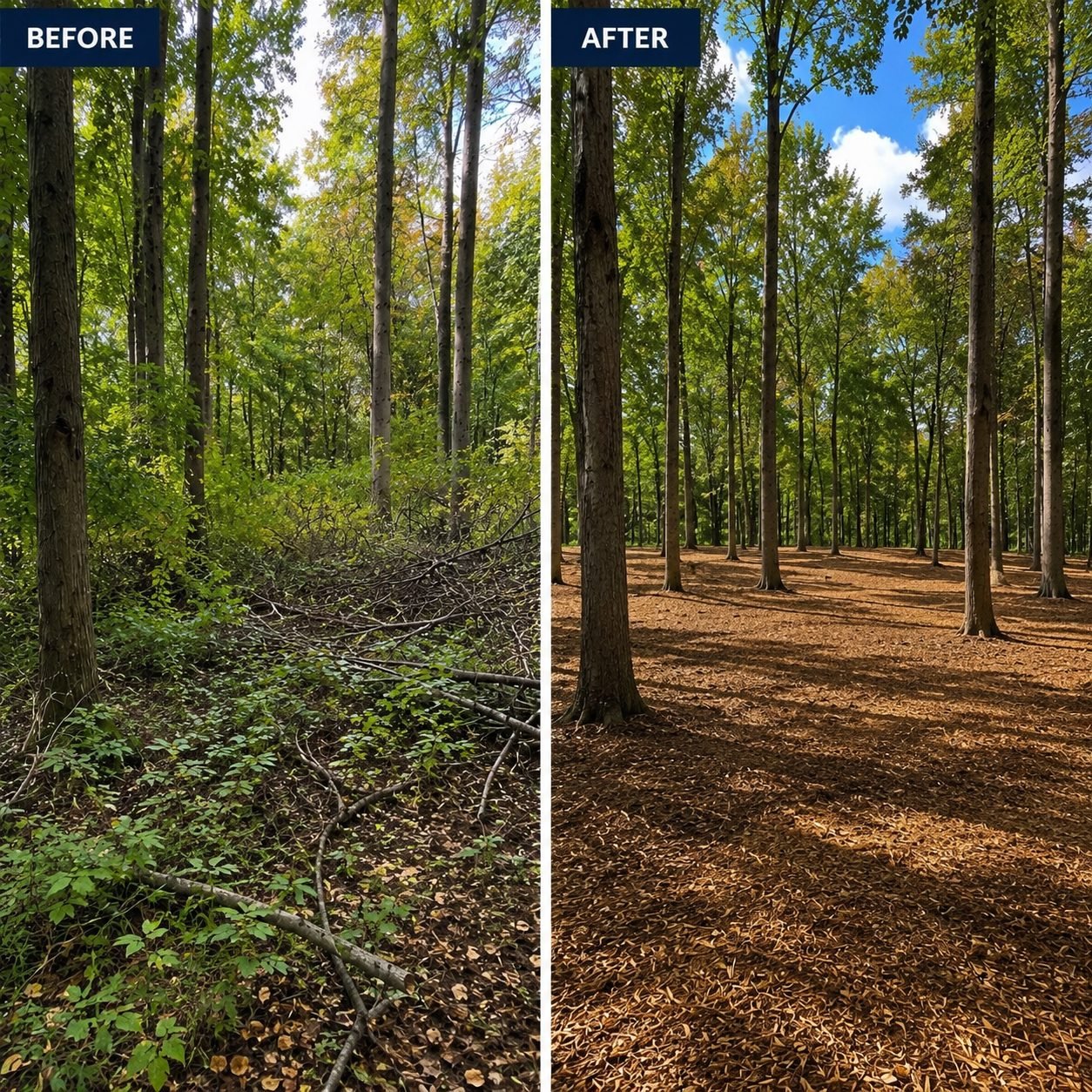
View real before-and-after French drain installations completed by Fortress Level Construction across Licking County. Our gallery includes projects in rural farmland near Buckeye Lake, hillside properties in Granville, and new industrial sites near Johnstown. See how professional drainage transforms both residential and commercial properties throughout the county.
Frequently asked questions
Most French drain projects in Licking County do not require a building permit for residential sites, but some townships or new industrial zones, especially near Johnstown or Jersey Twp, may require drainage or soil disturbance permits ($100-$300). Fortress Level Construction can advise and coordinate any necessary local approvals.
The massive new semiconductor campus in Jersey Township is transforming land use in Licking County. With more impervious surfaces and construction, runoff and drainage issues are increasing. French drains installed by Fortress Level Construction helps protect established homes, farms, and new commercial sites from flooding and erosion as the county develops.
Licking County soils range from silty loam in Buckeye Lake and Hebron to rocky or clay-heavy ground near Granville and Blackhand Gorge. These differences affect trench depth, pipe type, and backfill material. Fortress Level Construction customizes every French drain to match your property’s unique soil conditions.
We respond to quote requests in 2-3 business hours and schedule free on-site walk-throughs within the week. After the Ohio 811 utility locate (minimum 48 hours), most French drain installations can begin within 7-10 days, weather and permitting permitting. Our crew works year-round across Licking County.
French drains are very effective for Licking County farmland, especially in low-lying fields near Buckeye Lake or the Licking River that suffer from standing water. Fortress Level Construction’s team can quickly install drains to protect crops, reduce soil erosion, and restore productivity for rural landowners and agricultural businesses across the county.
Properly installed French drains need minimal maintenance. In Licking County, check outlets for blockages after heavy rain, and keep surface inlets clear of debris, especially in wooded areas or near farm fields. Fortress Level Construction uses quality filter fabric and gravel to reduce the risk of clogging and keep drains flowing.
French Drain Installation Cities and Counties We Serve
What Other Services Does Fortress Offer in Central Ohio?
Fortress Level Construction runs a full range of land-clearing, excavation, grading, and site-work services across Central Ohio, so one owner-operated crew can clear, grade, and prep a site end to end.
Get a Flat-Rate Quote from Lee Carson
Owner-operated land clearing across all five Central Ohio counties. Send your property details and Lee gets back to you within 2 to 3 hours during business hours with one flat number after a free on-site walk-through.