
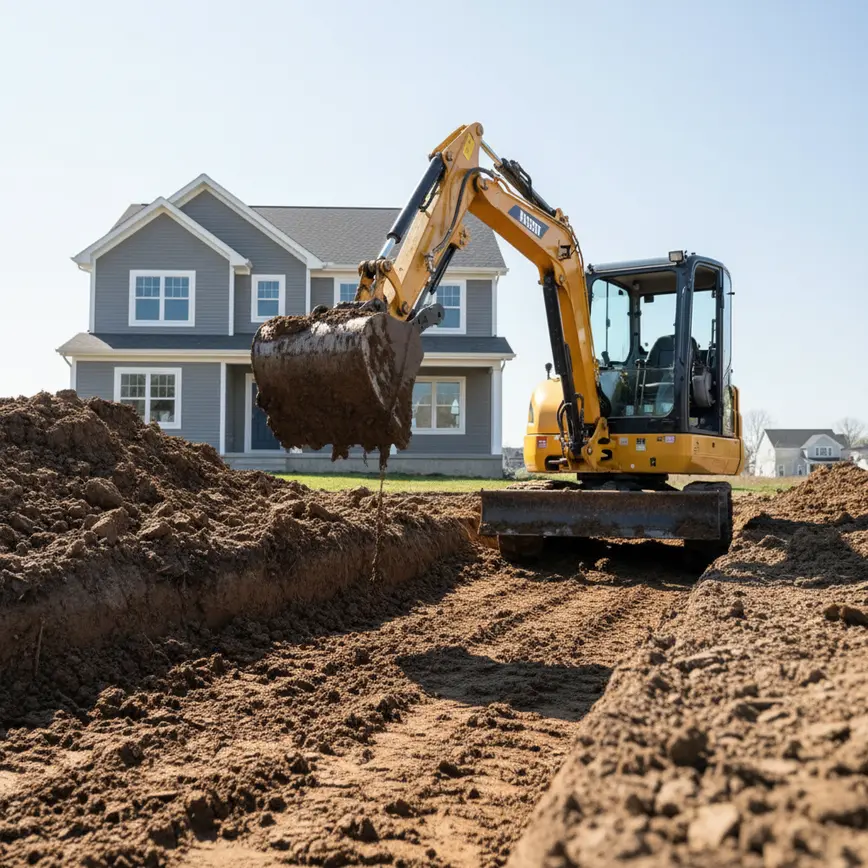

Pond excavation in Baltimore, Ohio requires careful planning due to steep Appalachian foothills, Coshocton silt loam, and pronounced erosion risk. Fortress Level Construction, led by Mr. Carson since 2009, manages pond builds using heavy equipment suited for local sandstone outcrops and slopes. Call (844) 656-0129 for site assessment and project quotes.
Pond Excavation in Baltimore, Ohio: Local Terrain and Challenges
Pond excavation in Baltimore, Ohio calls for a technical approach tailored to the local landscape. The area sits in the foothills of the Appalachians, with steep grades and the presence of Coshocton silt loam. These soils are fertile but prone to compaction and water retention, which can complicate grading and require specialized drainage planning. Erosion is a constant concern, especially near the headwaters of the Hocking River, making proper embankment construction and sediment control critical to long-term pond stability.
Baltimore’s rural properties often feature sandstone outcrops and rolling fields, demanding heavy tracked equipment to achieve solid excavation. Mr. Carson and Fortress Level Construction have been operating in Fairfield County since 2009, navigating permit requirements from the Fairfield County Regional Planning office and working with landowners to design ponds that balance water retention with natural runoff management. Projects in this region often involve deep-core excavation, precise slope engineering, and reinforcement against hillside slides.
Access to reliable machinery and knowledge of the local soil profile is essential for pond construction here. Fortress Level Construction deploys dozers, excavators, and compactors specifically chosen for the mix of silt loam and fractured sandstone beneath Baltimore. Site access can be challenging on steeper terrain, so pre-planning for staging and haul routes is a must. Each pond project in Baltimore undergoes detailed planning, from initial survey and soil sampling to final grading and seeding for erosion control.
Key Numbers at a Glance
Comparing Pond Excavation in Baltimore and Surrounding Areas
Here’s how pond excavation in Baltimore compares to nearby towns and Fairfield County locations.
| Service | Population | Terrain | Soil Type | Permit Authority | Common Projects |
|---|---|---|---|---|---|
| Baltimore | 2,981 | Appalachian foothills, steep grades | Coshocton silt loam | Fairfield County Regional Planning | Slope stabilization, sandstone excavation, erosion control |
| Pickerington | 23,094 | Rolling uplands | Miamian loam | Fairfield County Regional Planning | Residential pond builds, drainage improvements |
| Carroll | 508 | Flat to gently rolling | Eldean loam | Fairfield County Regional Planning | Farm pond excavation, minimal slope adjustments |
| Lancaster | 40,505 | Mixed hills and floodplain | Ross silt loam | Fairfield County Regional Planning | Stormwater retention ponds, mitigation for clay layers |
Land and Pond Excavation Services in Baltimore
Pond Excavation
Pond excavation in Baltimore requires attention to steep slopes and the Coshocton silt loam soils common throughout Fairfield County. Fortress Level Construction offers full-service excavation, including site grading, core trenching, and embankment building. Mr. Carson’s experience with the sandstone outcrops in the area ensures that each pond is properly engineered for water retention and erosion resistance.
Erosion Control Grading
With Baltimore’s pronounced risk of hillside erosion, proper grading is critical. Fortress Level Construction provides erosion control grading, installing sediment barriers and constructing diversion channels to manage runoff. Projects often involve reshaping slopes to reduce the velocity of water and protect nearby waterways like the Hocking River headwaters.
Land Clearing for Pond Sites
Before excavation begins, heavy brush and trees must be cleared, especially on Baltimore’s rural lots with uneven terrain. Fortress Level Construction uses forestry mulchers and dozers to clear access while minimizing soil disruption. This prepares the site for efficient excavation and helps prevent unnecessary exposure of silt loam to erosive forces.
Permitting and Compliance Assistance
Navigating Fairfield County Regional Planning’s permit process is a step many Baltimore property owners find challenging. Fortress Level Construction works directly with clients to secure the necessary permits, complete site surveys, and ensure projects meet all local and county regulations regarding drainage, setbacks, and water rights.
“We needed a pond for livestock on our property outside Baltimore, but the hillside location made us nervous. Mr. Carson walked us through the excavation plan, handled the permits, and made sure the slopes were stable. The pond filled as expected and runoff is controlled even during heavy rains.”
Photo Gallery: Baltimore Pond Excavation Projects
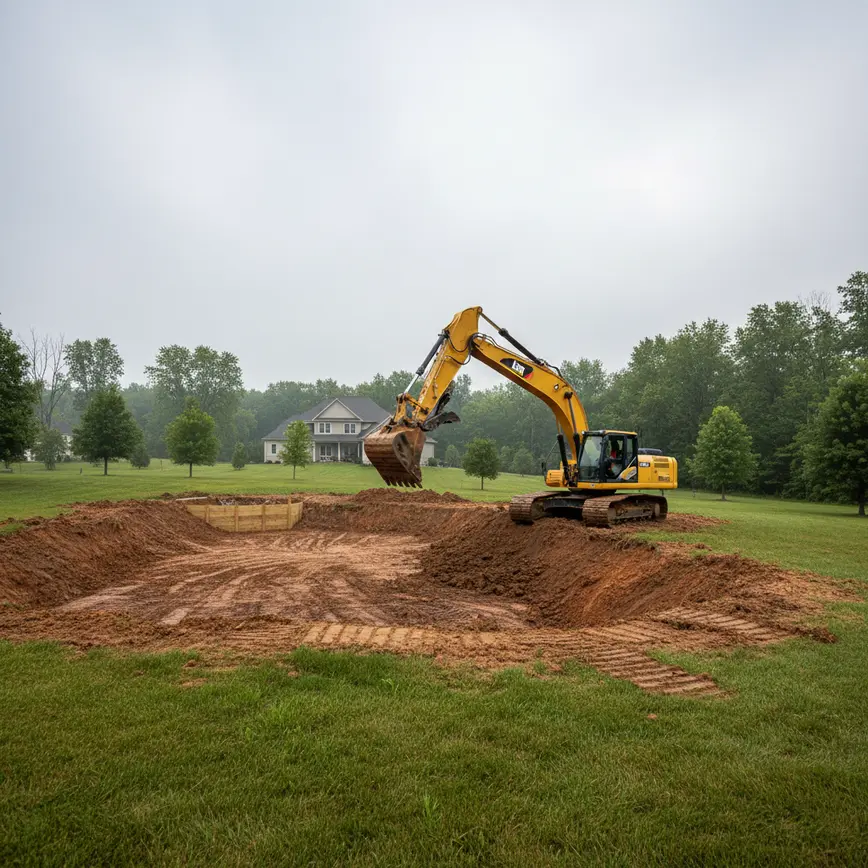
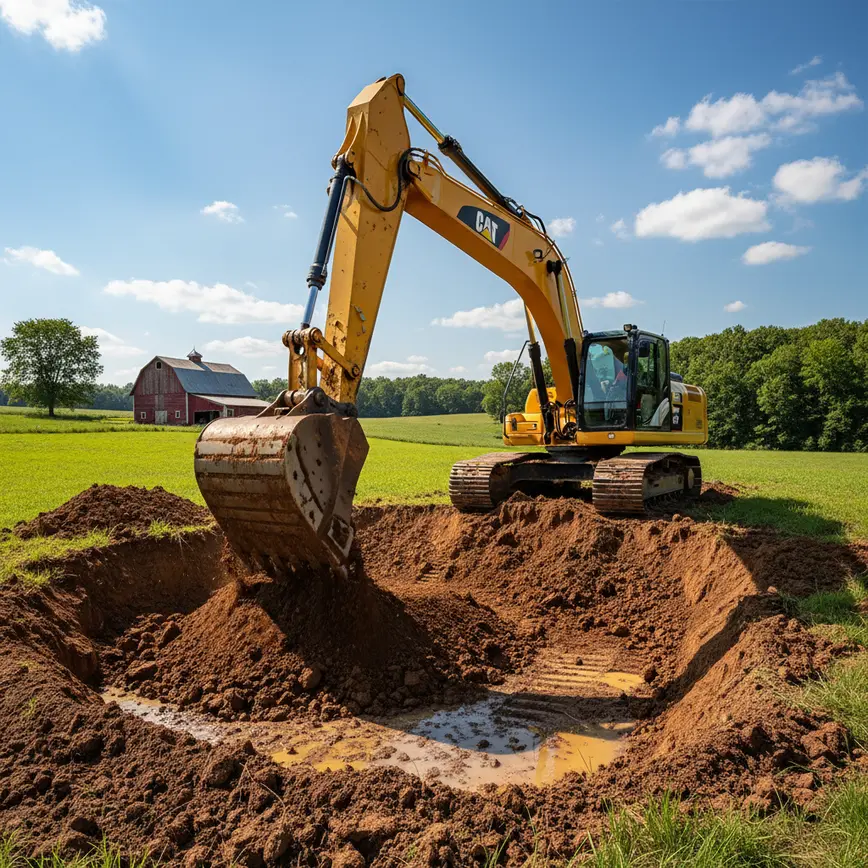
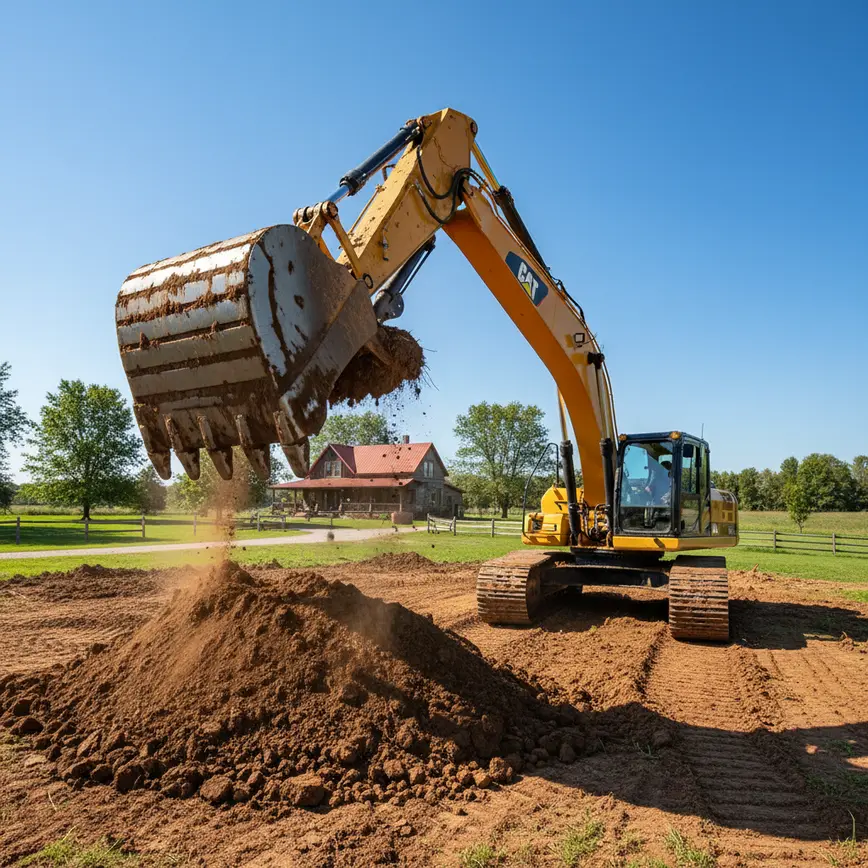
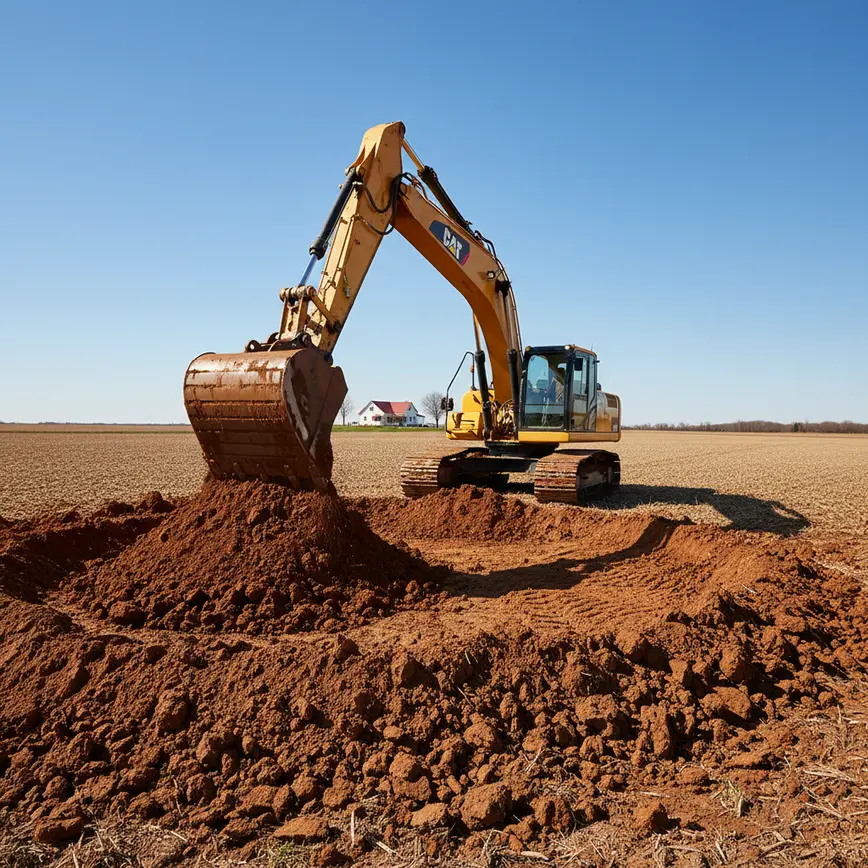
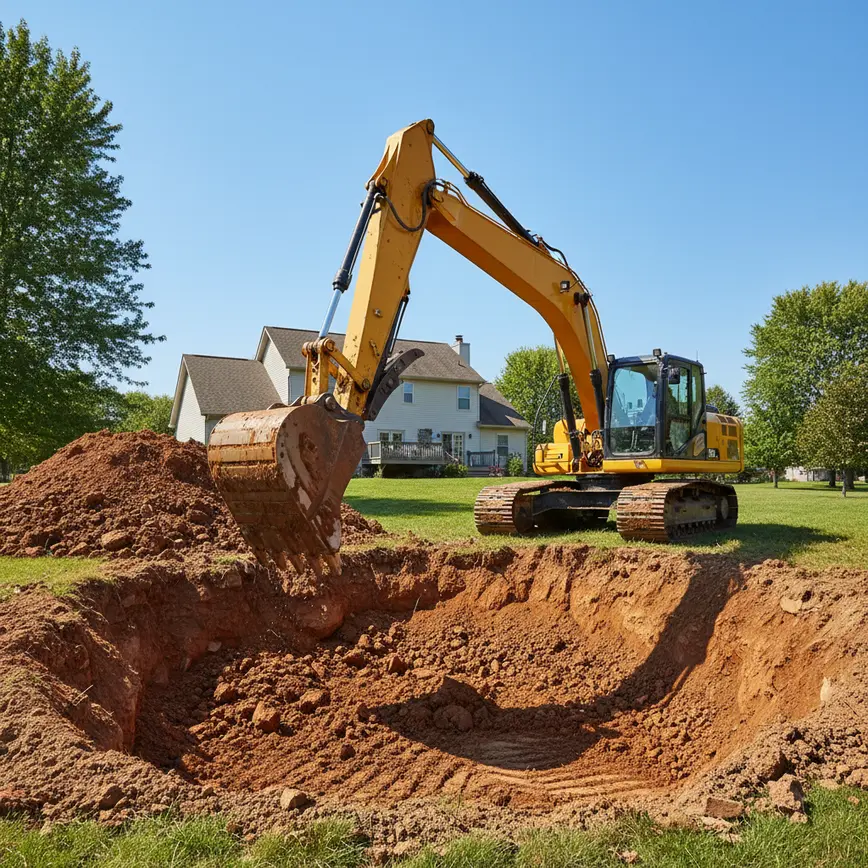
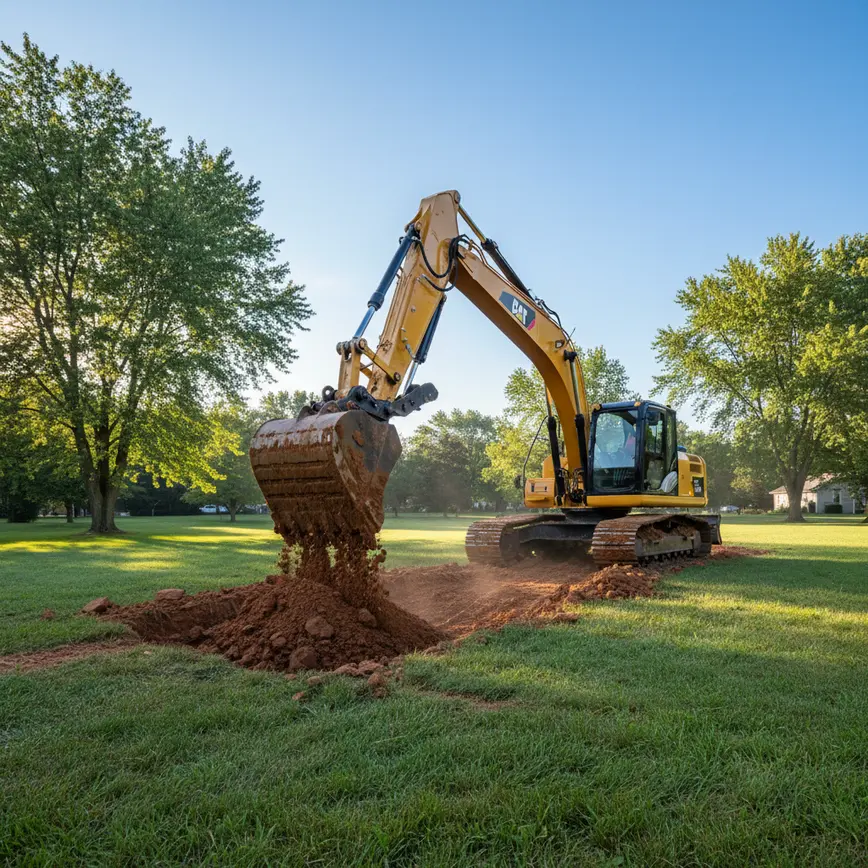
Mr. Carson walks every property personally. Estimates are written, site-specific, and include all permitting — no hidden costs anywhere in our service area.
Our Pond Excavation Process for Baltimore Properties
Site Assessment and Planning
Every Baltimore pond build starts with a thorough site visit. We evaluate slope, access, Coshocton silt loam depth, and proximity to sandstone outcrops. Mr. Carson reviews drainage patterns and works with property owners to design a pond layout that manages runoff and maximizes water retention for the specific terrain.
Permitting and Survey
Next, we handle the Fairfield County Regional Planning permit process. This involves site surveys, soil sampling, and submitting detailed excavation plans. We make sure the project meets setback requirements and addresses any environmental concerns near the Hocking River headwaters or other local waterways.
Excavation and Grading
Using excavators and dozers equipped for silt loam and sandstone, we break ground and shape the pond basin. Core trenching is performed for water retention, and embankments are built up and compacted. Special attention is paid to stabilizing steep grades to prevent future erosion and slope failure.
Finishing and Erosion Control
After the main excavation, we finish grade the site, install overflow structures if needed, and seed exposed soils with erosion-control grasses. Final inspections confirm pond shape, stability, and compliance with county requirements. The result is a durable pond that fits Baltimore’s landscape and climate.
Specialized Equipment for Baltimore Pond Excavation
CAT 320 Hydraulic Excavator
44,000 lbs, 32-foot reach, heavy-duty rock bucket — Digging through Coshocton silt loam and sandstone outcrops common around Baltimore
John Deere 850K Dozer
LGP tracks, 205 HP, 10.5-foot blade — Grading steep Appalachian foothills and building embankments for pond edges
Sheepsfoot Compactor
15,000 lbs, padfoot drum — Compacting silt loam in core trenches and dam areas to prevent seepage
Forestry Mulcher
High-flow skid steer attachment — Clearing dense brush and trees on rural Baltimore sites before excavation
Serving Baltimore, Nearby Towns, and Fairfield County
ColumbusWestervilleDublinHilliardGrove CityGahannaUpper ArlingtonReynoldsburgWhitehallWorthingtonBexleyGrandview HeightsNew AlbanyGroveportDelawarePowellLewis CenterSunburyGalenaWesterville NorthOrange TownshipOstranderNewarkHeathPataskalaGranvilleJohnstownHebronBuckeye LakeEtna
Frequently Asked Questions
Coshocton silt loam holds water well but compacts easily, so we use specialized equipment to avoid over-compaction and ensure proper drainage. Our excavation process includes soil testing and, if needed, amendments to improve water retention while minimizing seepage.
Yes, all new ponds in Baltimore require permits from the Fairfield County Regional Planning office. We handle the application process for you, ensuring your project meets all local codes, including setbacks from property lines and waterways like the Hocking River headwaters.
Depending on site conditions and weather, most Baltimore pond excavation jobs take 2 to 4 weeks from initial assessment through final grading. Permit approval can add extra time, especially if the site is near protected areas or requires additional drainage review.
Given the steep slopes and silt loam soils in Baltimore, we use sediment fencing, diversion ditches, and quick-seeding with erosion-control grasses. Embankments are shaped and compacted to resist washouts, and overflow structures are installed to manage heavy rain events.
Yes, with proper engineering. We grade slopes to reduce failure risk, build reinforced embankments, and use soil compaction techniques specifically for hilly terrain. Our equipment is suited for steep access and working around sandstone outcrops common in the area.
Our service includes site assessment, permit handling, clearing, excavation, core trenching, embankment building, and final grading. We address drainage, erosion control, and finish with seeding for soil stabilization, all tailored to the unique challenges of Baltimore’s landscape.
Related Services in Central Ohio
Pool Excavation BaltimoreFoundation Excavation BaltimoreDriveway Excavation BaltimoreResidential Excavation Baltimore
Start Your Baltimore Pond Excavation Project
Contact Fortress Level Construction for a detailed evaluation of your Baltimore property. Mr. Carson will discuss your goals, inspect your site, and outline a plan built around local terrain, soil, and permit requirements. Call (844) 656-0129 to schedule.