
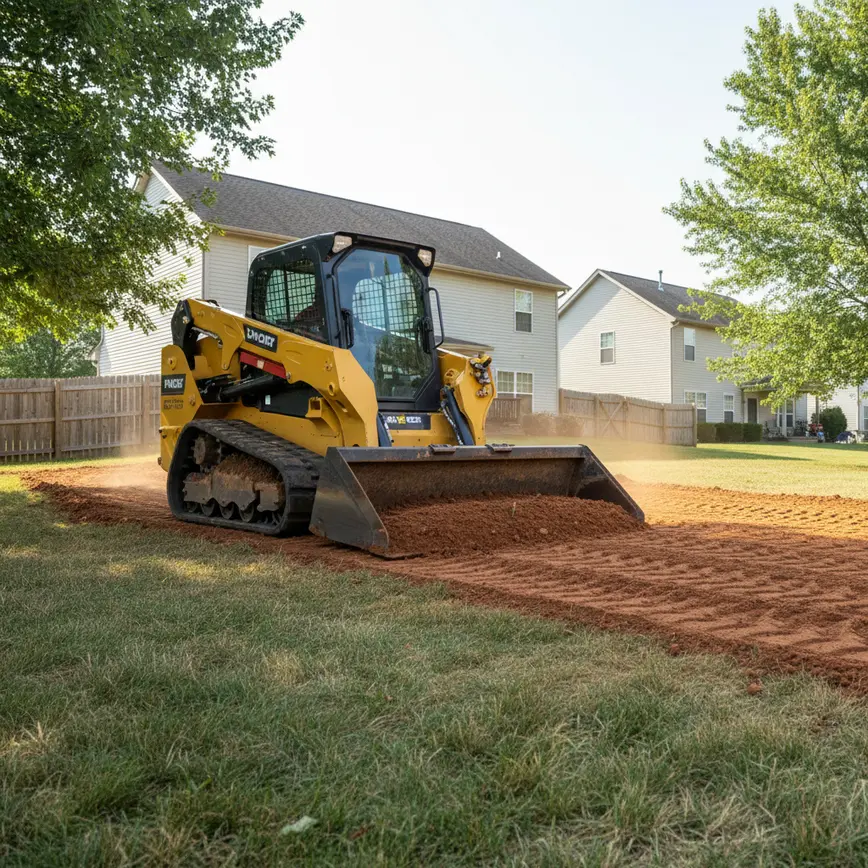

What does Grading Near Me in Ostrander, Ohio involve for rural acreage and farmland?
Grading Near Me in Ostrander, Ohio usually means reshaping open cropland, drive approaches, and large rural acreage, not tight suburban lots. In this Scioto Township farming community near the Scioto River, Fortress Level Construction uses compact track loaders, dozers, and excavators to cut, level, drain, and prepare ground for usable access and stable surfaces.
The Quick Answer
- Grading Near Me in Ostrander usually means large-acreage and farmland grading, not compact residential lot work.
- Fortress Level Construction is licensed and insured, and Lee Carson’s crew handles the work as a team.
- Typical Ostrander jobs often involve open cropland, working farm parcels, drive approaches, and rolling terrain.
- Local soil conditions can include Ohio shale near creeks and Bennington, Cardington, and Pewamo clays.
- The crew uses John Deere 333G compact track loaders with Diamond drum mulchers, plus dozers and excavators.
- Diamond drum mulchers can process stems up to 14 inches and help clear 1 to 5 acres per day.
- Flat-rate quotes and a free on-site walk-through help define grading scope before dirt moves.
- Ohio law requires an Ohio 811 utility locate at least 48 hours before any digging.
Related Questions People Ask Next
In Ostrander, grading is usually shaped by open cropland, rural acreage, and farm parcels instead of tight subdivision pads. That changes the equipment mix, access planning, and drainage layout. Fortress often brings compact track loaders, dozers, and excavators to move farther, work wider, and keep surfaces usable across rolling ground near Delaware, Radnor, Prospect, and Marysville.
For Ostrander grading, the crew often uses John Deere 333G compact track loaders with Diamond drum mulchers, plus dozers and excavators. That setup works well on open acreage, farm entrances, and rough terrain with clays or shale. The team can clear, rough grade, and refine drainage so the finished surface matches the property’s rural use.
The free on-site walk-through looks at slope, soft spots, drainage flow, access points, and any areas tied to farm traffic or equipment movement. In Ostrander, that also means checking how rolling terrain, cropland edges, and creek-adjacent soils may affect the grade. The crew then gives a flat-rate quote based on the actual work needed.
Soil and terrain control how fast grading can move and how stable the final finish will be. In Ostrander, the crew may face Ohio shale near creeks and Bennington, Cardington, or Pewamo clays, which can hold water or cut unevenly. That is why Fortress sizes the approach around drainage, compaction, and equipment choice.
How does Fortress approaches grading near me on Ostrander acreage?
Fortress starts with a free on-site walk-through, then maps slope, runoff, and access across large rural acreage. In Ostrander, that matters because parcels are often open cropland or working farmland near Scioto Township, not tight residential pads. The team then sets a flat-rate quote and schedules the right equipment for the soil and terrain.
For Grading Near Me in Ostrander, the crew usually begins with wide-area layout, utility locate timing, and drainage review. Ohio law requires an Ohio 811 utility locate at least 48 hours before digging. After that, the team uses John Deere 333G compact track loaders, dozers, and excavators to reshape ground efficiently.
Because Ostrander sits in a small rural village of about 1,100 people, jobs often spread across acreage rather than one compact lot. That rural pattern changes the process: more travel across the site, more attention to farm access, and more focus on keeping the grade practical for future use in Delaware County.
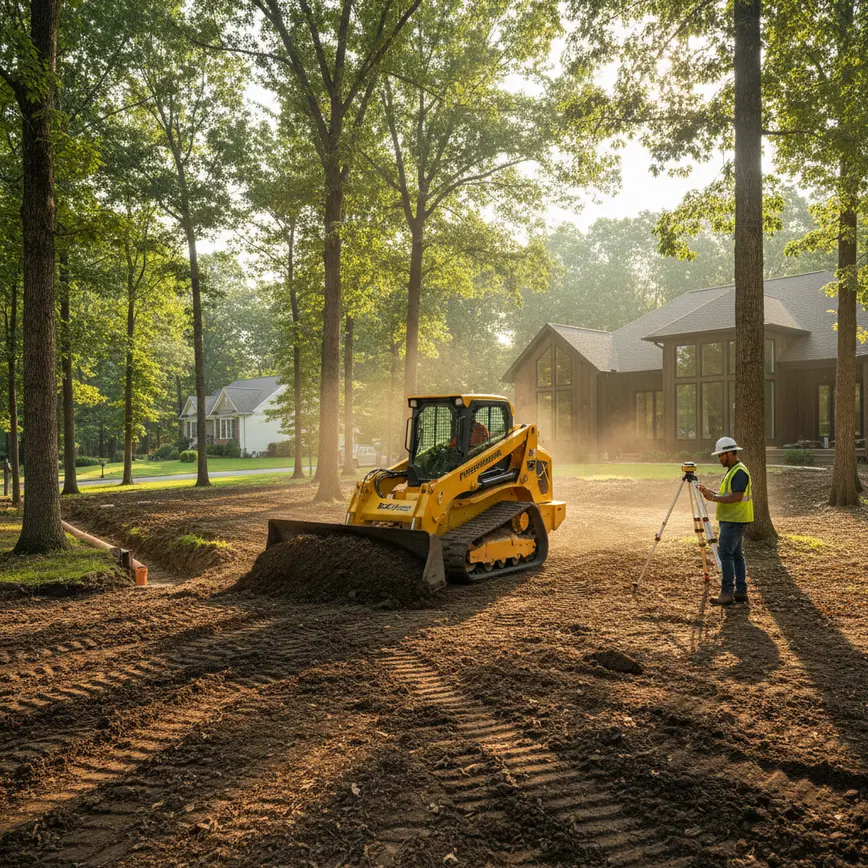
Which machines matter most for grading near me in Ostrander?
The main grading setup for Ostrander is a John Deere 333G compact track loader with a Diamond drum mulcher, backed by dozers and excavators. That combination fits rural work where rough clearing, reshaping, and final leveling happen on larger parcels. It is a better match for farmland than small-lot equipment.
The Diamond drum mulcher can handle stems up to 14 inches and supports clearing about 1 to 5 acres per day, depending on conditions. In Ostrander, where open cropland and working farmland are common, that speed helps the crew move from rough clearing into actual grading without changing the whole site plan.
Dozers and excavators matter when the ground has rolling sections, creek-side shale, or clays that do not cut evenly. Near Ostrander, those conditions can show up around Scioto River influenced ground and the rural edges toward Radnor, Prospect, and Marysville, so machine choice directly affects cost, finish, and drainage quality.
What drives the cost of grading near me in Ostrander?
Most Ostrander grading projects land in the real-world range of $1,000 to $3,000 per project, with final cost tied to acreage, access, drainage, and soil. Rural open ground can be more efficient than tight lots, but shale, clay, and clearing needs can raise labor and equipment time.
A flat-rate quote works well here because the crew can price the job around what the property actually needs, not around guesswork. In Ostrander, that often means larger rural acreage, farm parcel entrances, and areas where grading must support traffic, runoff control, and long-term use on open land.
If the site includes heavy clearing, poor drainage, or tough clay, the work can move from simple rough grade to a more involved cut-and-shape process. That is why the free walk-through matters: it lets Fortress match the right equipment to the soil and terrain before any machine starts moving dirt.
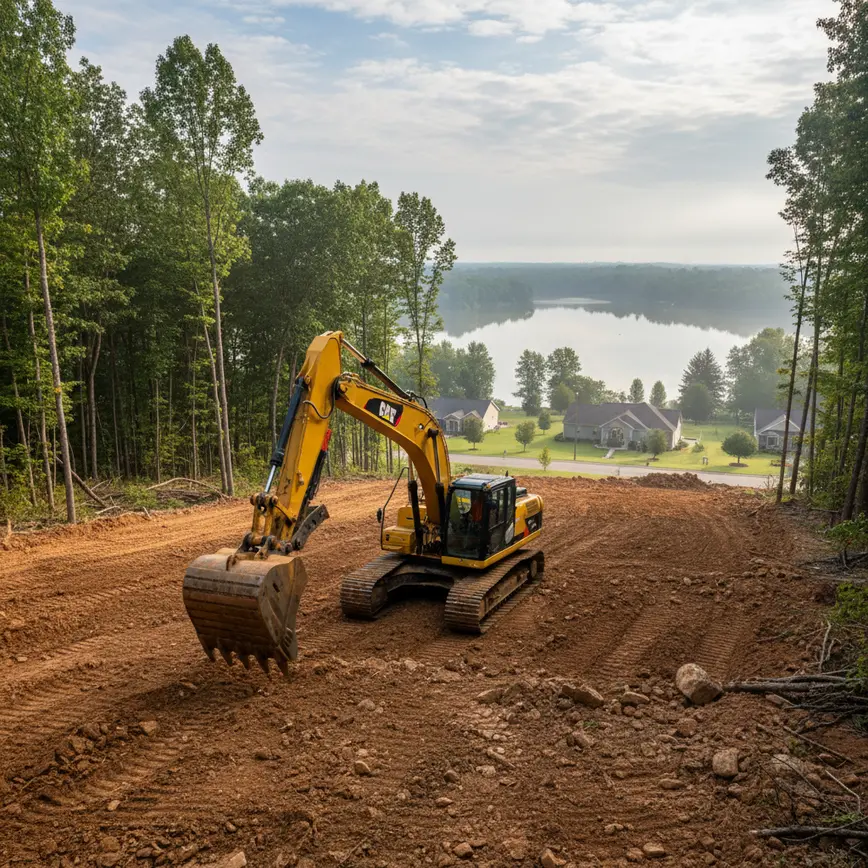
How do rural conditions around Ostrander change grading near me?
Ostrander grading is shaped by rolling terrain, open cropland, and soils that can vary quickly near creeks. That means the crew has to think about drainage lines, machine footing, and access from the first pass. Fortress uses that local read to avoid a grade that looks level but performs poorly after rain.
Near the Scioto River and through Scioto Township, the land can shift from firmer ground to Ohio shale or clay pockets. Bennington, Cardington, and Pewamo clays can hold moisture, so the crew may need multiple passes with loaders, dozers, and excavators to create a stable surface that drains instead of ponding.
Because Ostrander is small and rural rather than dense and suburban, the grading process is usually about function over curb appeal. The team focuses on access lanes, equipment routes, farm usability, and drainage control across acreage, which is why land grading near me here is often more about performance than appearance.
What is the practical difference between rural grading and small-lot grading in Ostrander?
In Ostrander, grading near me is usually about acreage, farm access, and drainage across open ground. Small-lot grading focuses on tight spaces and short runs. Fortress plans rural work with wider machine movement, longer haul paths, and soil-aware passes so the finished grade supports real farm and land use.
| Rural acreage in Ostrander | Small residential lot work | Fortress grading process | Typical equipment |
|---|---|---|---|
| Open cropland and working farmland parcels | Confined pads and narrow side yards | Wide layout with slope and runoff review | 333G loaders, dozers, excavators |
| Rolling terrain and creek-adjacent soils | More predictable surface changes | Adjust passes to clay, shale, and moisture | Diamond drum mulcher for clearing |
| Longer access routes and larger machine movement | Shorter access and tighter turning radius | Plan around farm traffic and equipment paths | Loaders and excavators for shaping |
| Drainage over acres and entrances | Drainage on smaller footprints | Grade for stable runoff and usable surfaces | Compaction and finish grading tools |
| Often best priced by flat-rate scope | Often priced by smaller task blocks | Free walk-through before quote | Quote tailored to acreage and conditions |
When is grading near me not the right call in Ostrander, and what should happen instead?
Grading is not the first step if the problem is a buried utility issue, standing water caused by a drainage system failure, or a project that needs engineered design before dirt moves. In Ostrander, the right response is usually an Ohio 811 locate, a site walk-through, and then the crew decides whether grading is enough.
If the land needs permits, drainage design, or utility verification first, Fortress does not start cutting immediately. In rural Ostrander, where acreage and farm parcels may stretch across open ground, that sequencing matters. The team can still provide a flat-rate quote after the walk-through, but the work may wait on locate timing or another trade’s input.
Grading also is not the answer when the goal is just to remove brush without shaping the site, or when the soil is too wet to hold a finish. In those cases, the crew may recommend waiting, revising the plan, or splitting clearing from grading so the final surface stays usable.
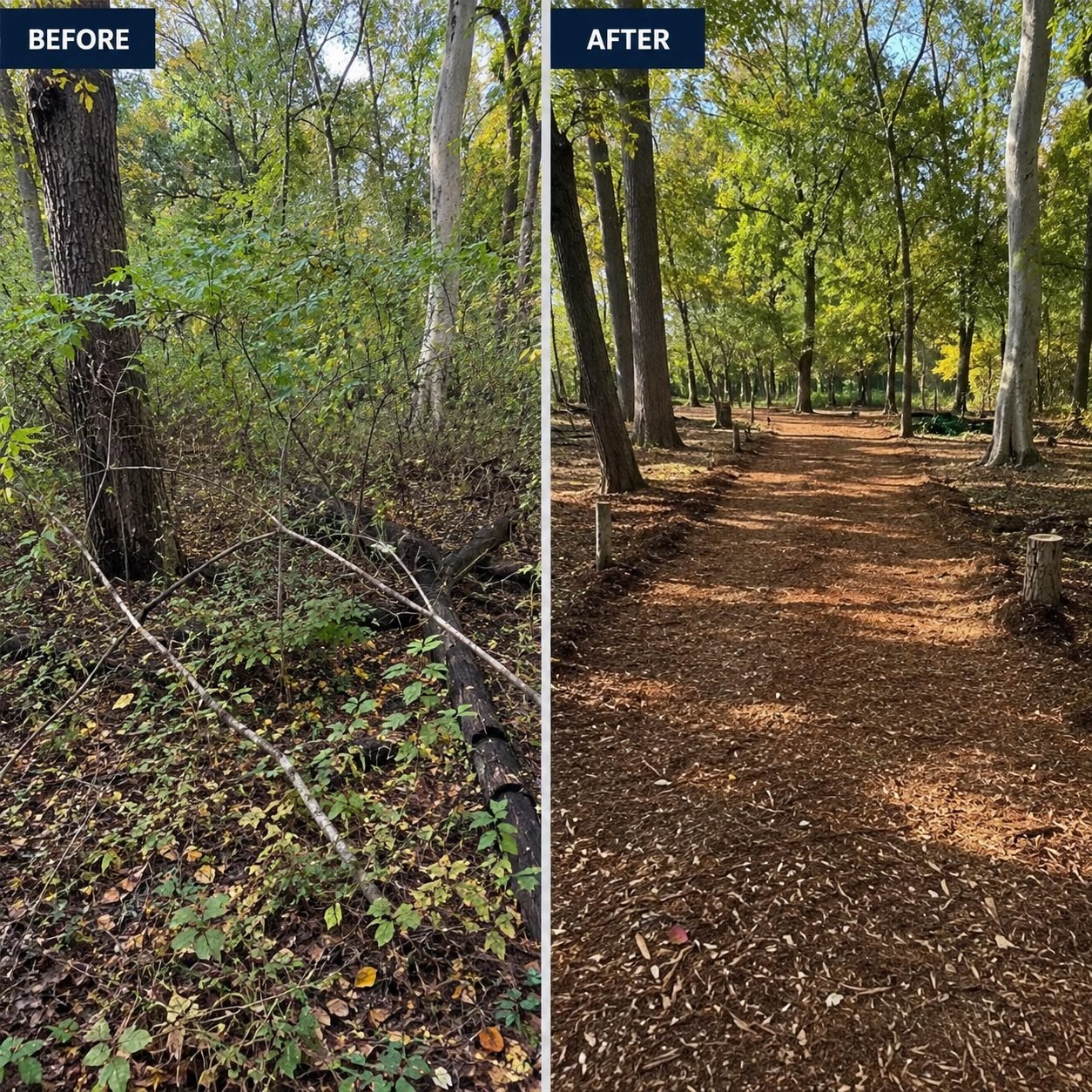
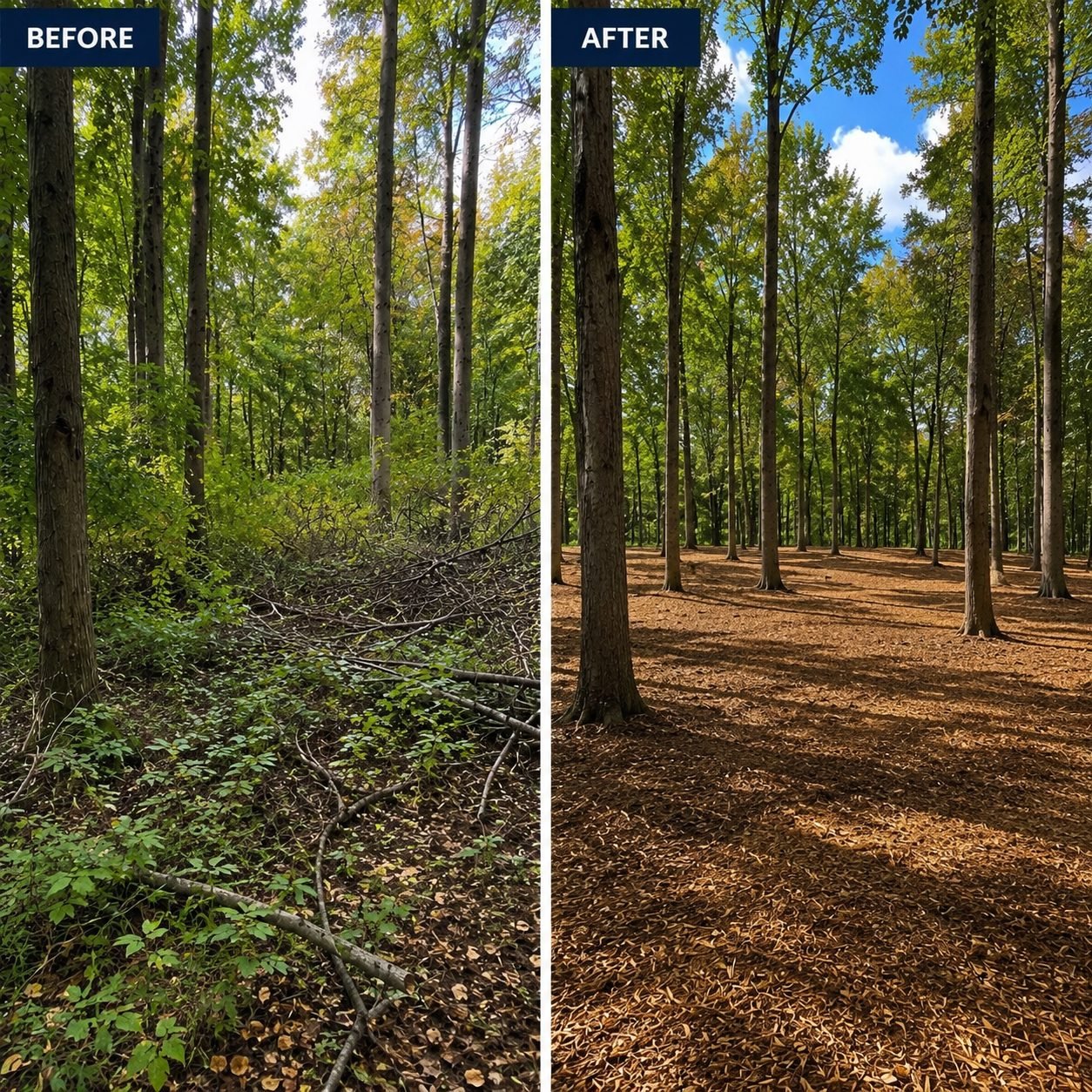
What should before and after grading near me look like in Ostrander?
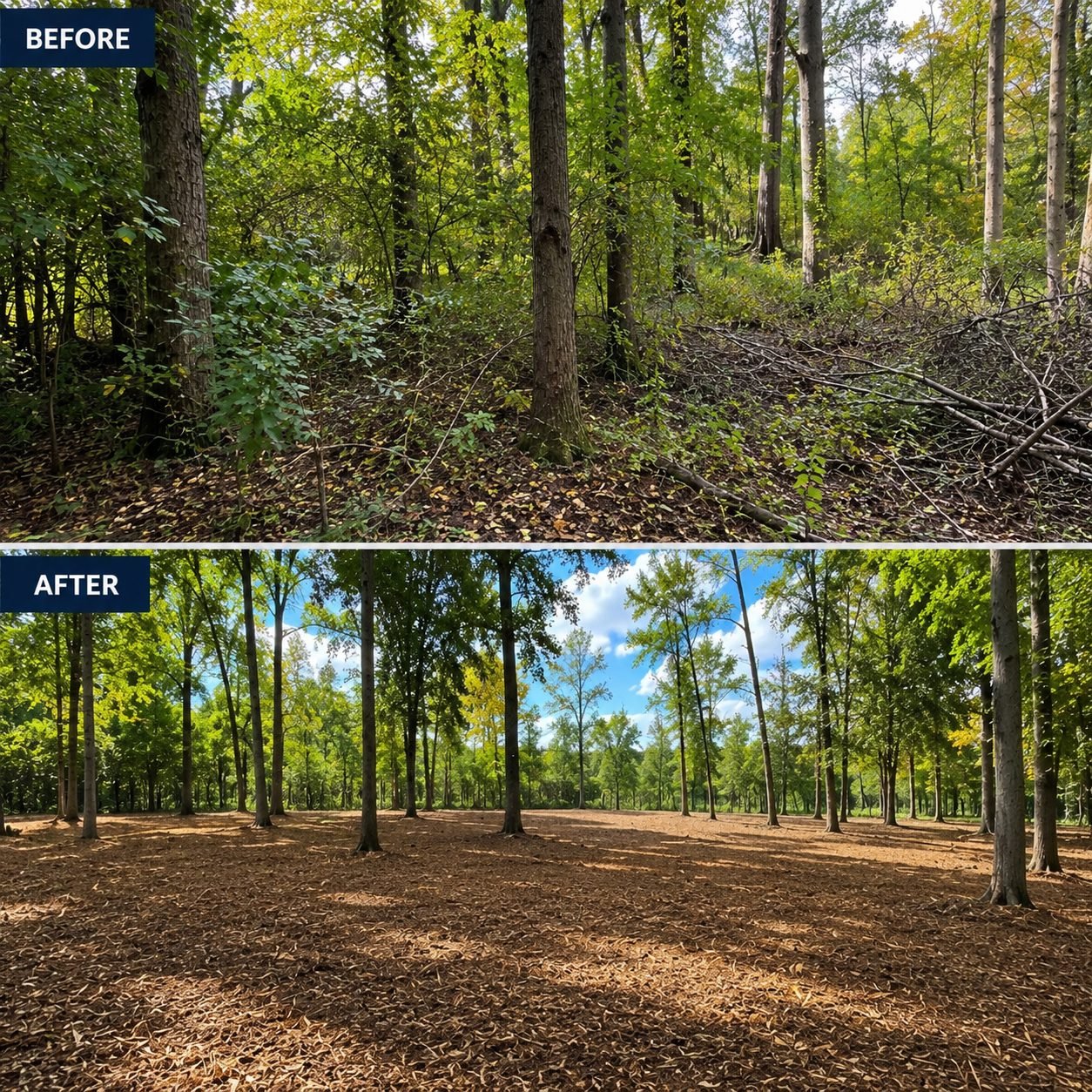
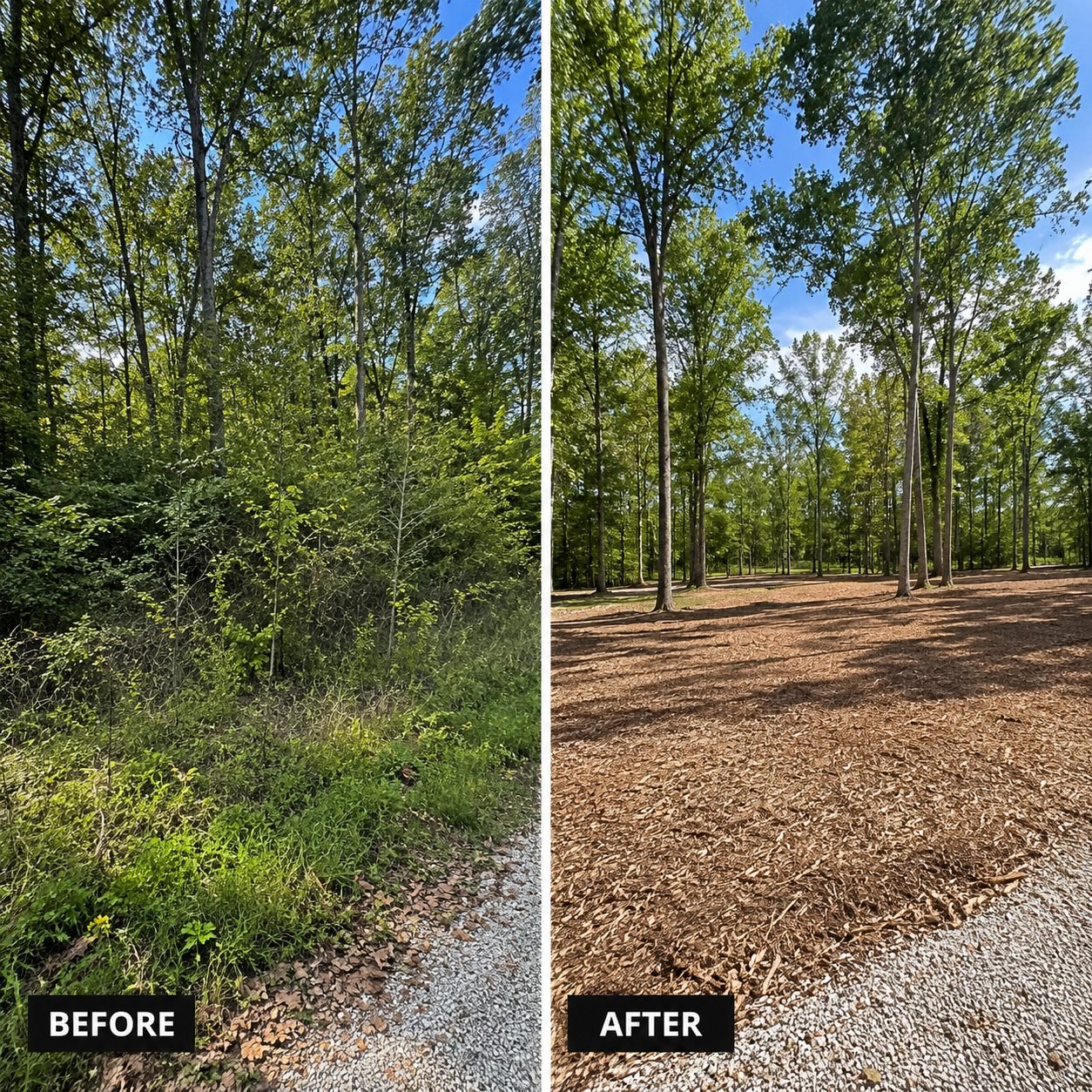
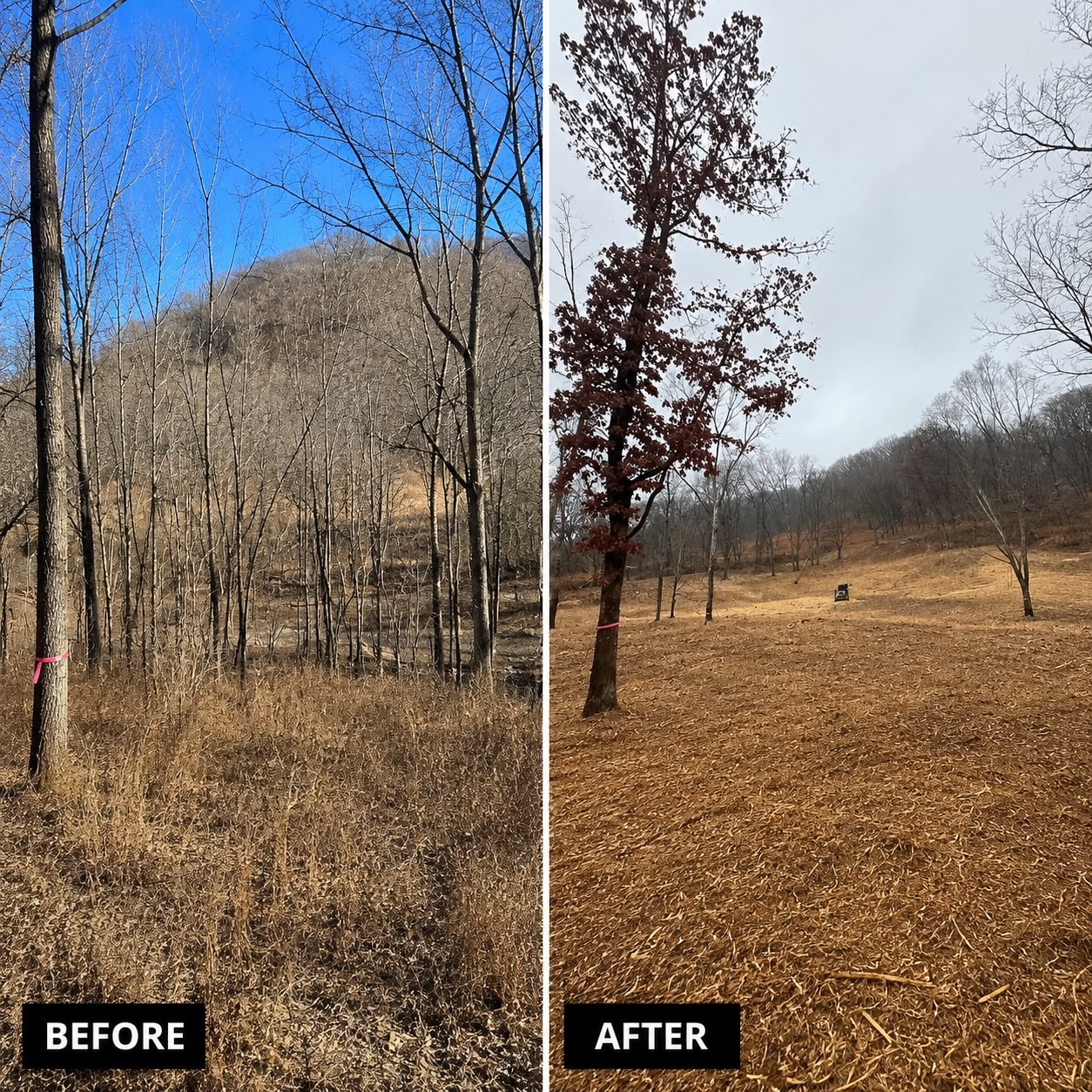
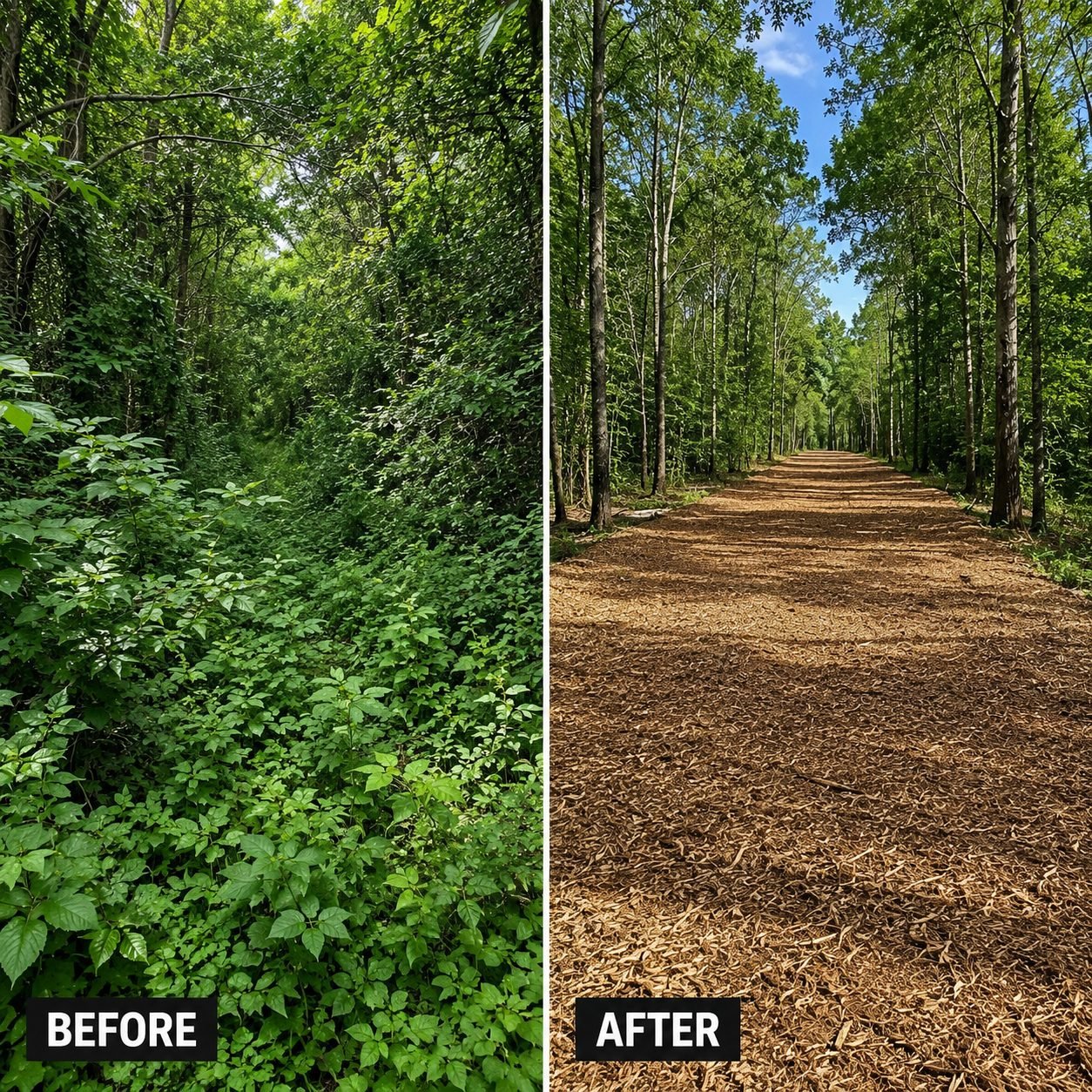
Before and after in Ostrander should show more than a flatter surface. Before often means uneven cropland, ruts, or a rough farm entrance on rolling ground. After should show a cleaner, more usable grade with better access, controlled runoff, and a surface ready for rural traffic, equipment movement, or the next phase.
Frequently asked questions
During business hours, the team usually responds in 2 to 3 hours, then schedules same-week walk-throughs when possible. In a small rural village like Ostrander, that quick contact helps keep acreage grading moving without losing time while the site waits for a flat-rate quote and utility locate planning.
Yes. Ohio Revised Code 3781.28 requires an Ohio 811 utility locate at least 48 hours before any digging. That applies in Ostrander too, even on farmland or open acreage. The crew uses the locate result to plan safe grading and avoid problems before machines start cutting or shaping.
Yes. Ostrander is exactly the kind of place where larger rural acreage and farmland parcels are common, so the crew is set up for wide-area grading. The team uses loaders, dozers, and excavators to work across open ground rather than forcing small-lot methods onto land that needs broader shaping.
Bennington, Cardington, and Pewamo clays can change how the site cuts, drains, and compacts. In Ostrander, that means the crew may need more passes and a different machine strategy to keep the finished grade from holding water or shifting after rain. Soil type directly affects both schedule and cost.
It is often for farms, acreage, drive approaches, and rural land improvements rather than dense residential lots. Ostrander’s small village setting and surrounding cropland shape the work. That is why Fortress focuses on access, drainage, and stable surfaces that support working land instead of only cosmetic reshaping.
Call (844) 656-0129 to set a free on-site walk-through. The crew reviews the acreage, soil, drainage, and access, then provides a flat-rate quote based on the real scope. In Ostrander, that is the fastest way to get a price that matches rural grading conditions instead of guessing from photos.
Grading Near Me Near Ostrander
What Other Services Does Fortress Offer in Central Ohio?
Fortress Level Construction runs a full range of land-clearing, excavation, grading, and site-work services across Central Ohio, so one owner-operated crew can clear, grade, and prep a site end to end.
Get a Flat-Rate Quote from Lee Carson
Owner-operated land clearing across all five Central Ohio counties. Send your property details and Lee gets back to you within 2 to 3 hours during business hours with one flat number after a free on-site walk-through.