


Best time of year for land clearing in Ohio?
The best time of year for land clearing in Ohio is late summer through early fall, when soils are firm and vegetation is fully grown. Clearing during this period minimizes soil compaction and rutting, reduces regrowth of invasives, and allows easier access for heavy equipment on drier ground. This timing also supports more efficient project completion.
The Quick Answer
- Late summer through early fall is the best time for land clearing in Ohio.
- Soils like Brookston-Crosby clay drain better by late summer, reducing equipment ruts.
- Clearing in drier months helps prevent soil compaction and erosion.
- Fully grown vegetation is easier to identify and remove in late summer.
- Forestry mulching is often used for most jobs and handles stems up to 14 inches.
- Land clearing with haul-off and grading ranges from $4,000-$8,000 per acre.
- Ohio law requires an 811 utility locate at least 48 hours before digging.
- Most residential and agricultural clearing does not require a permit.
Related Questions People Ask Next
Early spring in Ohio is not ideal for land clearing because Brookston-Crosby clay soils are often saturated, increasing the risk of deep ruts and compaction. Heavy equipment can easily damage wet ground, leading to costly repairs and delays. Waiting until late summer or early fall is recommended for best results.
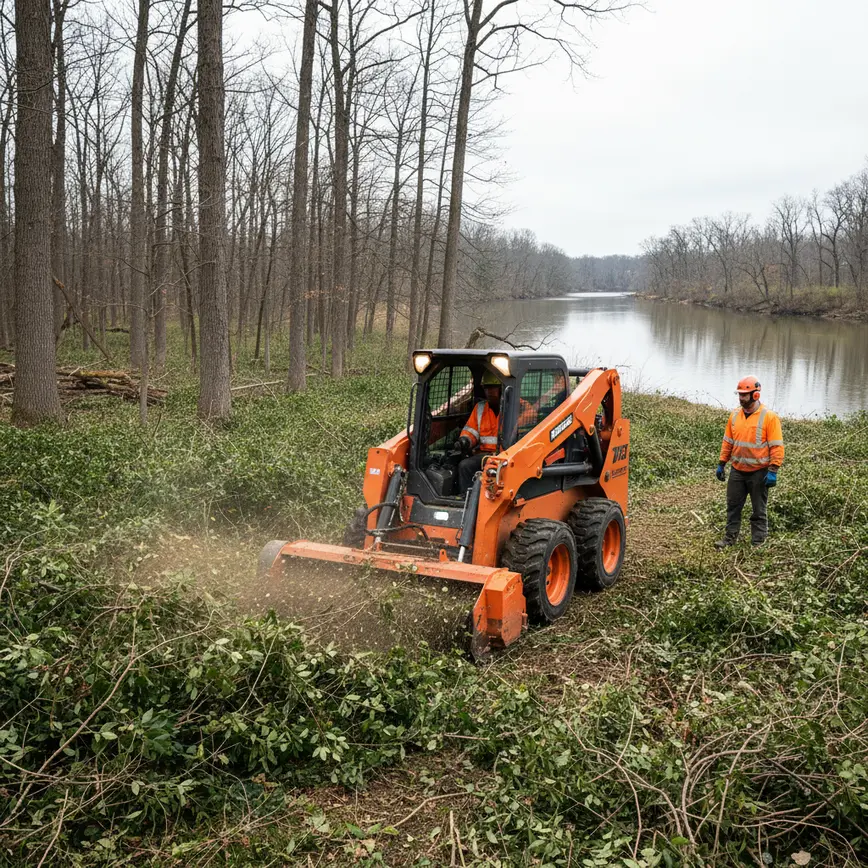
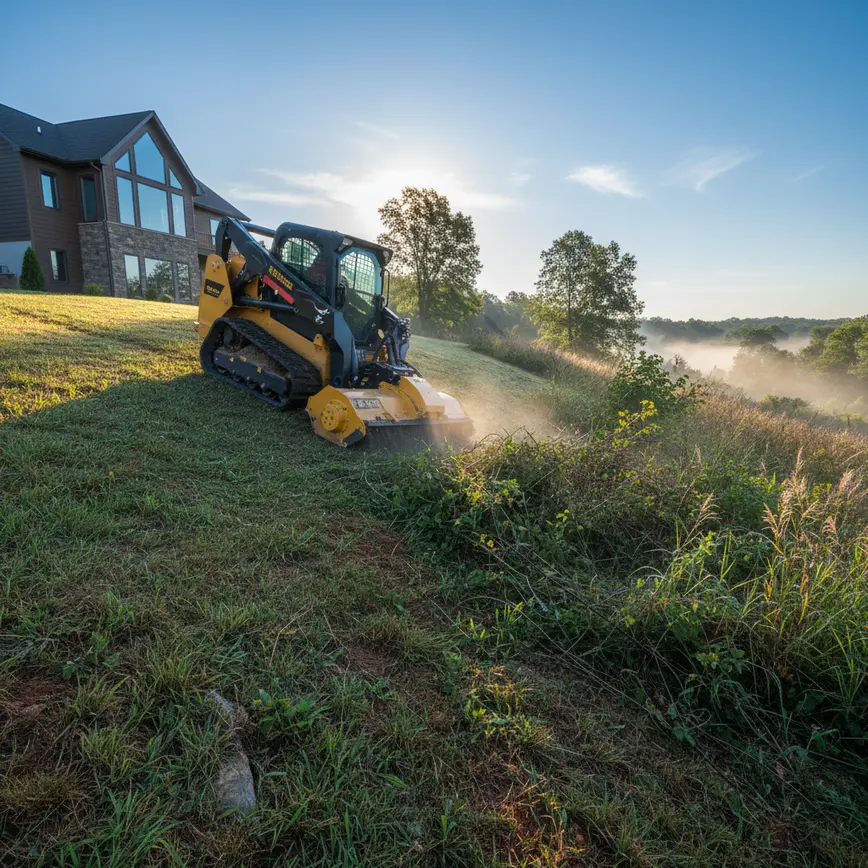
Fortress Level Construction uses John Deere and Caterpillar compact track loaders, a Diamond drum mulcher that can handle stems up to 14 inches in one pass, and has dozers, excavators, and loaders available when needed. This equipment allows efficient clearing of 1-5 acres per day, even on dense or overgrown sites.
Most residential and agricultural land clearing projects in Central Ohio do not require a permit. However, for larger or commercial jobs, a local land-disturbance permit may be needed, typically costing $100-$300. Always check with your local municipality to confirm specific requirements before starting work.
Clearing invasive species in late summer or fall can help reduce regrowth, but aggressive plants like bush honeysuckle and multiflora rose will resprout if cut without follow-up treatment. Timing clearing with herbicide application and proper management is key for lasting results and to prevent thicker regrowth.
Why is late summer to early fall ideal for land clearing in Ohio?
Late summer to early fall is ideal because soils are drier and firmer, reducing rutting and compaction from heavy machinery. Vegetation is also fully grown, making it easier to identify and remove unwanted plants before winter. This timing supports efficient clearing and minimizes long-term site disturbance or erosion.
Brookston-Crosby clay soils in Ohio retain water well into spring, making early-season clearing difficult and potentially damaging to the land.
By late summer, the ground is typically dry and stable, allowing equipment to operate efficiently and minimizing long-term soil disturbance.
What are the risks of clearing land during wet seasons in Ohio?
Clearing land during wet seasons, especially spring, can cause deep ruts, soil compaction, and erosion. Wet clay soils are easily damaged by heavy equipment, leading to costly site repairs and delayed project timelines. Equipment can get stuck, and disturbed soils can increase future drainage issues or weed problems.
Operating on saturated soils can compact the ground, making future planting or construction more difficult.
Wet conditions also increase the risk of equipment getting stuck, which can add time and expense to a project.
How do invasive species affect land clearing timing in Ohio?
Invasive plants like bush honeysuckle and multiflora rose resprout vigorously if cut without follow-up treatment. Clearing late in the season allows for better identification and can be timed with herbicide applications for more effective control. Proper timing and management are essential to prevent thicker regrowth and long-term issues.
According to OSU Extension, invasives resprout thicker if simply cut, so timing and follow-up are crucial.
Late summer clearing can be paired with targeted treatments to suppress regrowth and improve long-term results.
What permits or legal steps are required for land clearing in Ohio?
Ohio law requires an Ohio 811 utility locate at least 48 hours before any digging or excavation. Most residential and agricultural clearing needs no permit, but some projects may require a local land-disturbance permit costing $100-$300. Always check local rules and coordinate utility locates before starting any clearing work.
The Ohio Revised Code 3781.28 mandates utility locating to prevent damage during excavation.
Always check with your local municipality to confirm if a land-disturbance permit is needed for your specific project.
How does full land clearing compare to forestry mulching in Ohio?
Full land clearing involves complete removal and haul-off, while forestry mulching grinds vegetation in place. Each method has different costs, speeds, and best-use scenarios for Ohio properties. Choosing the right method depends on your goals, site conditions, and whether you need grading or just brush removal.
| Service | Typical Cost per Acre | Equipment Used | Best For |
|---|---|---|---|
| Full Land Clearing | $4,000-$8,000 | Dozer, excavator, loader | New builds, grading, total removal |
| Forestry Mulching | $1,850-$3,500 | John Deere 333G, Diamond drum mulcher | Brush, invasives, selective clearing |
| Daily Capacity | 1-5 acres | Compact track loaders | Medium to large lots |
| Maximum Stem Size | 14 in | Diamond drum mulcher | Dense brush, small trees |
| Permit Needed? | Rarely | Depends on scope | Check local rules |
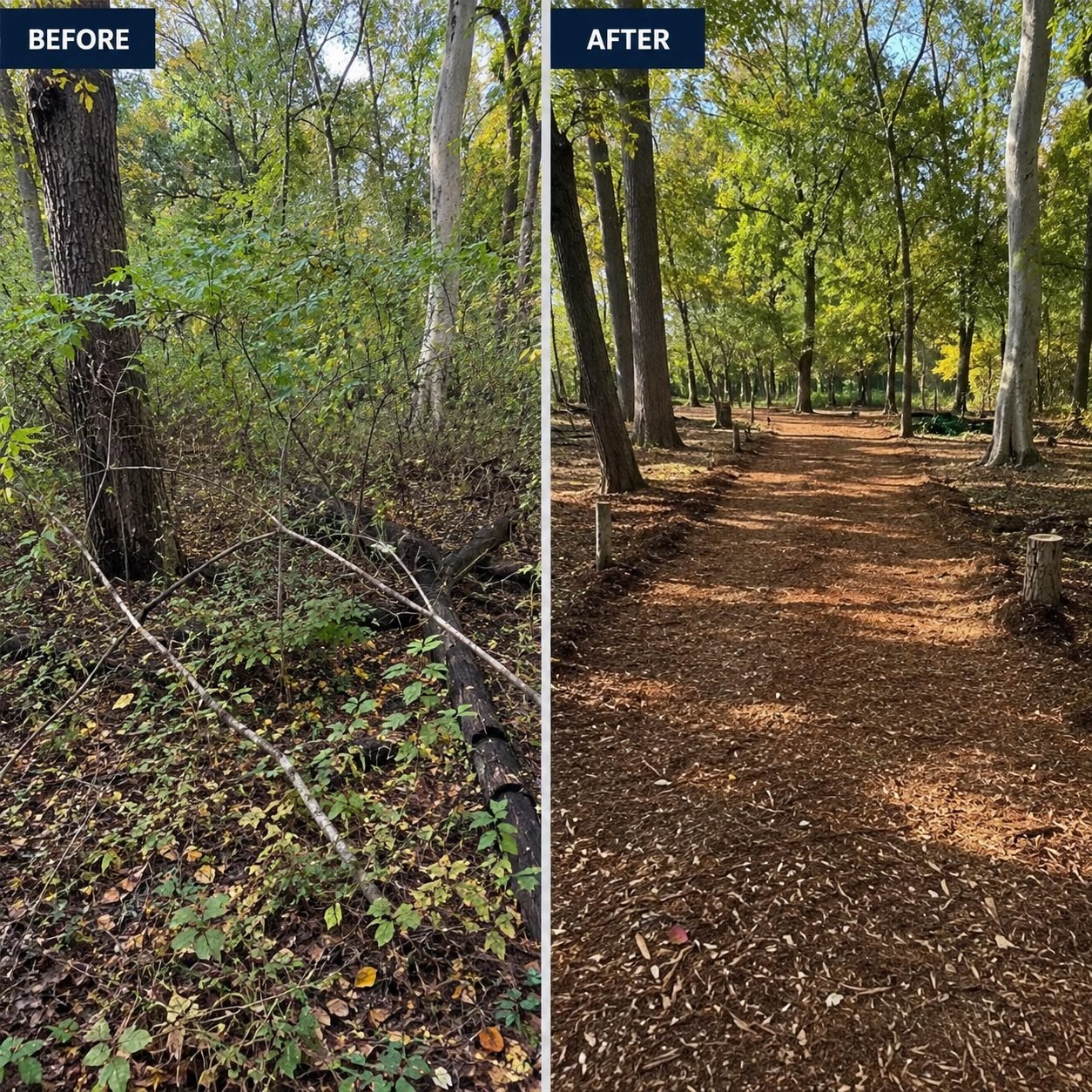
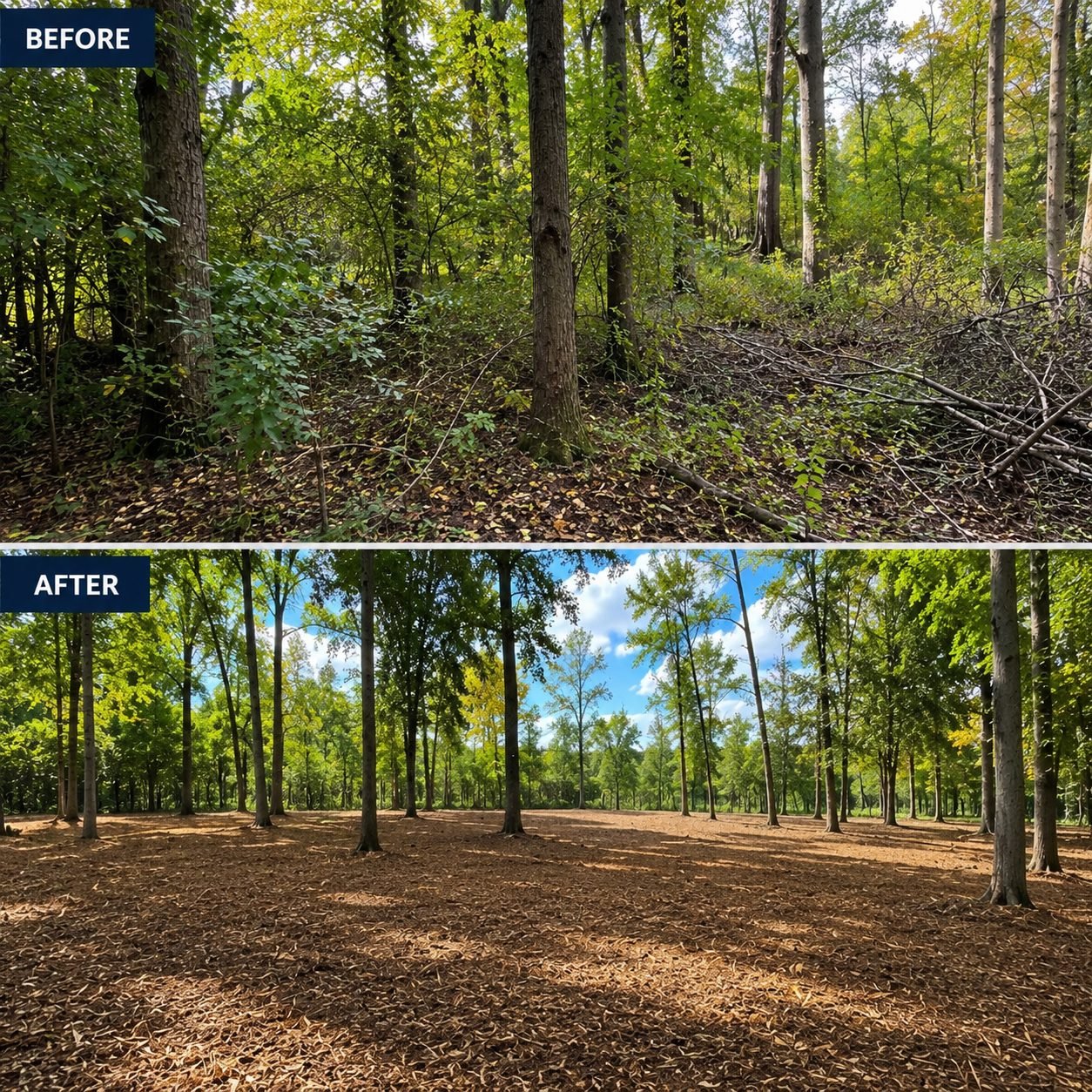
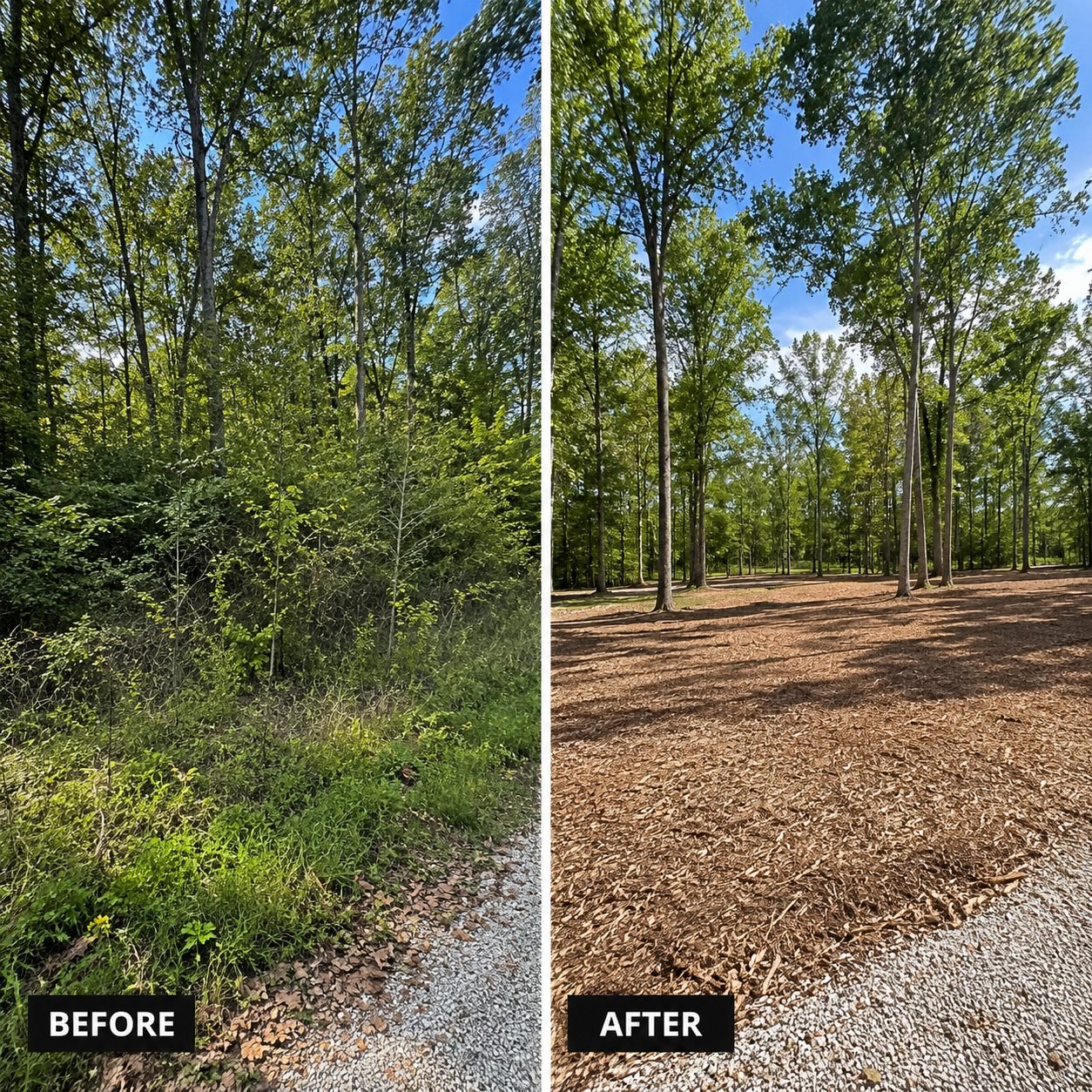
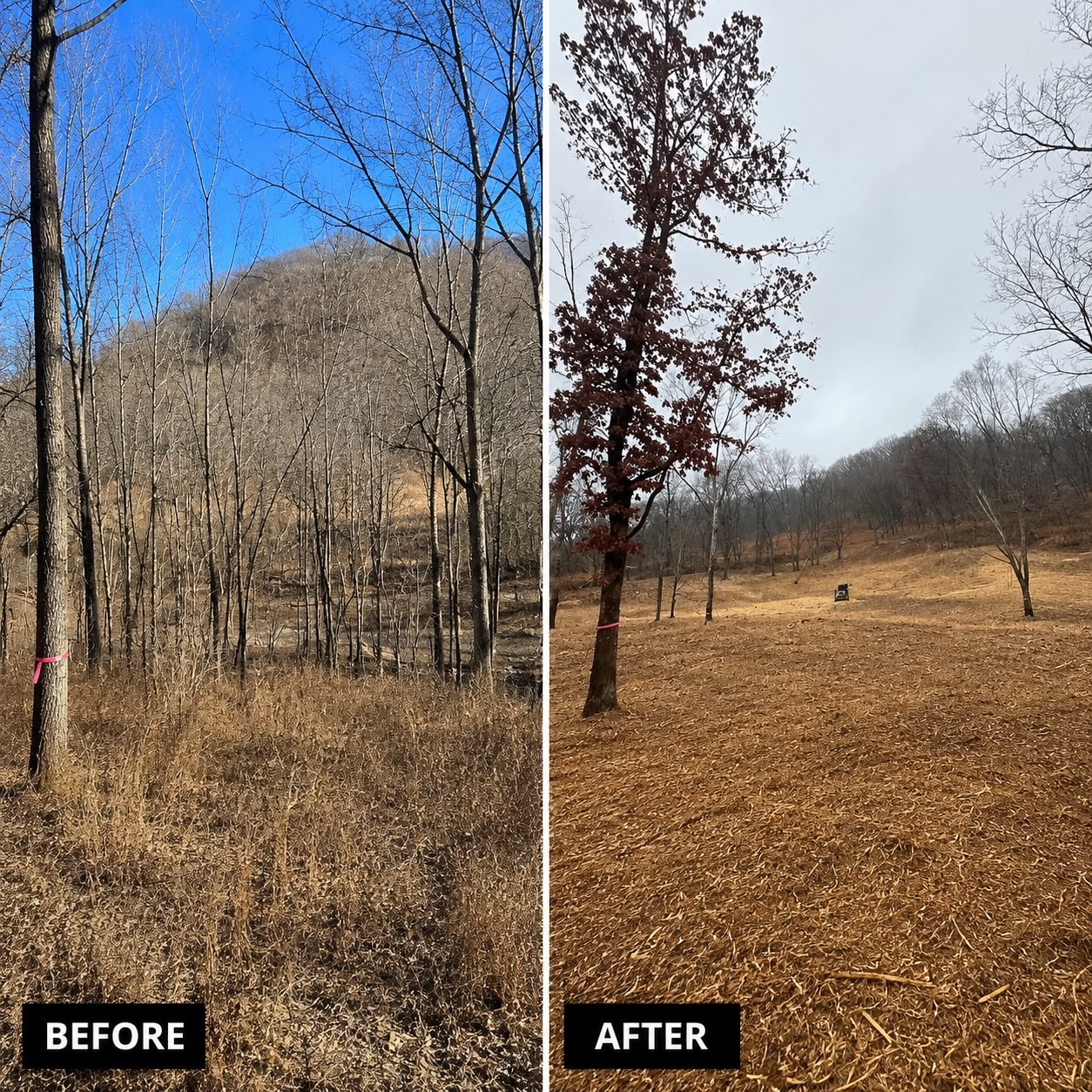
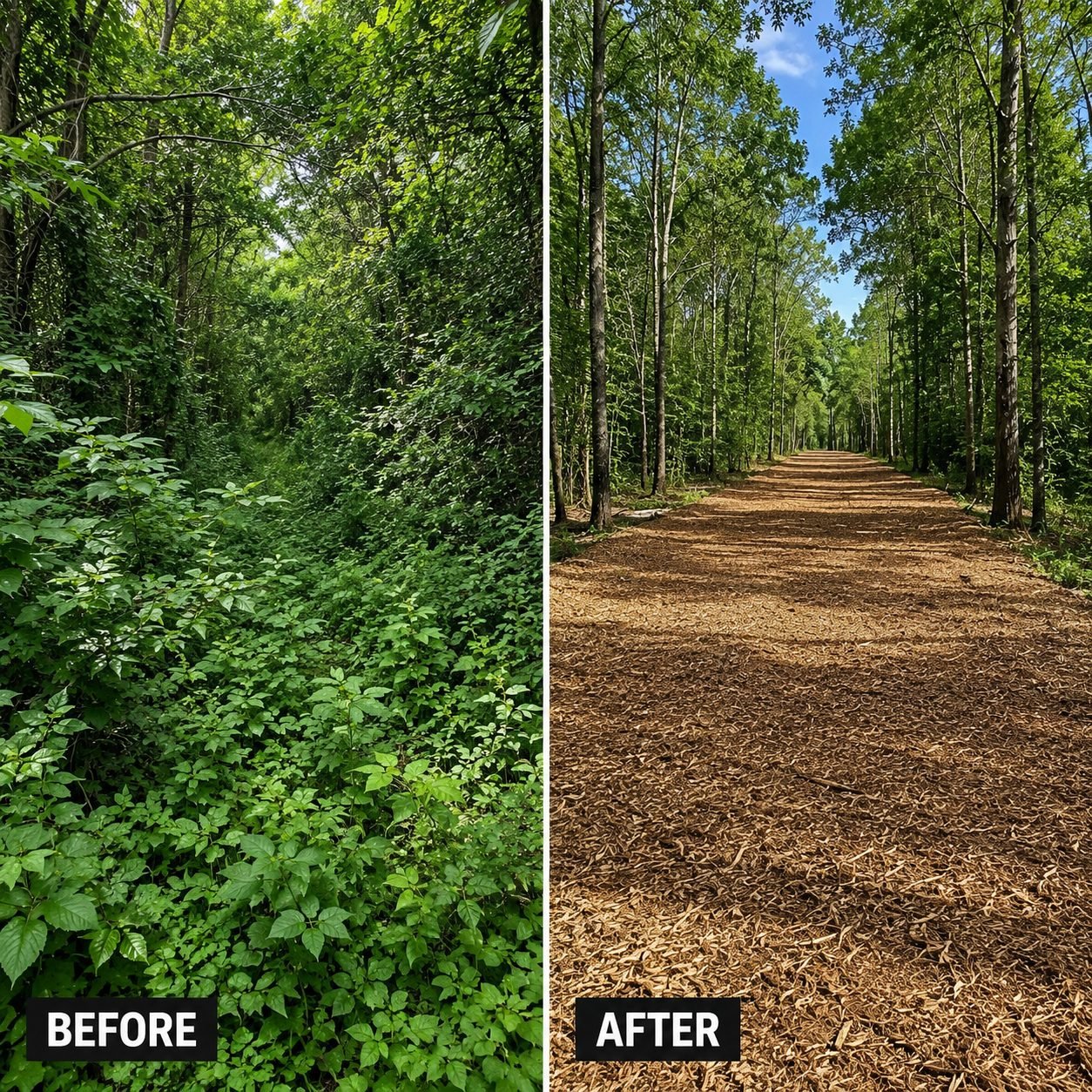
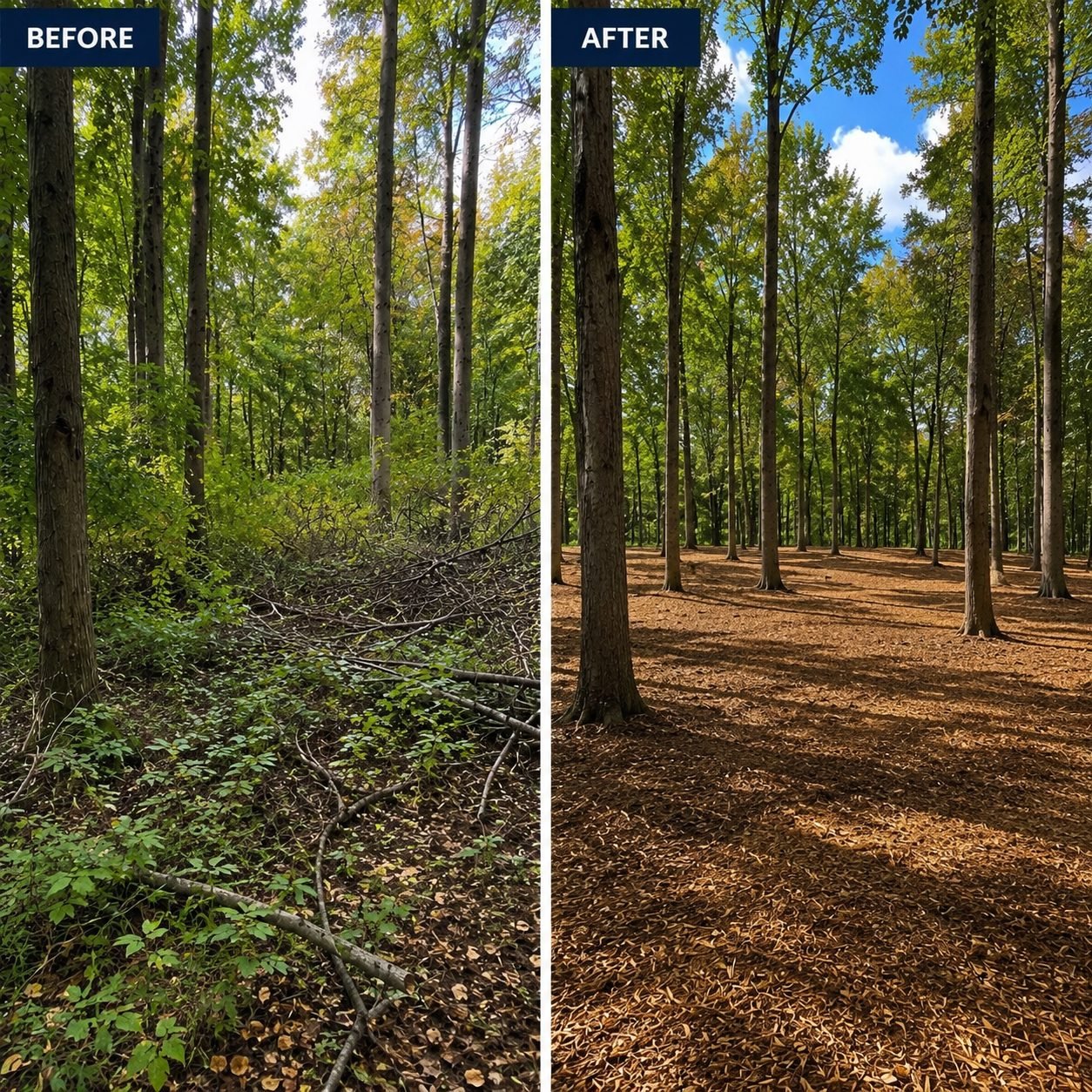
What Does Central Ohio Land Clearing Look Like Before and After?
Land clearing turns dense, unusable Central Ohio ground into open, walkable property. These are real Fortress jobs across Franklin, Delaware, Licking, Fairfield, and Union counties, cleared with mature trees left standing and no debris piles to burn or haul.
Frequently asked questions
Land clearing can be performed in winter if the ground is frozen and dry, which can support heavy equipment. However, unpredictable weather and snow cover may limit visibility and access, making late summer to early fall generally more reliable for most projects. Winter clearing is less common but sometimes possible.
Full land clearing with haul-off and grading typically ranges from $4,000 to $8,000 per acre, depending on site conditions and scope. Forestry mulching, which grinds brush in place, is a lower-cost option ranging from $1,850 to $3,500 per acre. The chosen method affects the total project cost.
Forestry mulching uses specialized equipment to grind brush, small trees, and invasives into mulch on site. It is ideal for clearing 1-5 acres per day and is especially useful for managing overgrown lots, invasive species, and selective clearing without disturbing the soil. It’s the preferred method for many Ohio projects.
Yes, Ohio law (Ohio Revised Code 3781.28) requires you to call 811 for a utility locate at least 48 hours before any digging or excavation. This step is essential for safety and to prevent damage to underground utilities. Always complete this before starting any clearing or grading work on your property.
Common invasive plants encountered during Ohio land clearing include bush honeysuckle, autumn olive, multiflora rose, and buckthorn. These species can resprout vigorously if cut without follow-up treatment, so proper management and timing are important. OSU Extension recommends follow-up to prevent thicker regrowth and long-term issues.
Owner Lee Carson typically responds to quote requests within 2-3 business hours and can schedule a same-week walk-through. Most projects begin promptly after permits and utility locates are completed, ensuring minimal delays. Fast response and scheduling help keep your project on track and moving forward efficiently.
What Other Services Does Fortress Offer in Central Ohio?
Land clearing is one of nine services Fortress Level Construction runs across Central Ohio, so one owner-operated crew can clear, grade, and prep a site end to end.
Get a Flat-Rate Quote from Lee Carson
Owner-operated land clearing across all five Central Ohio counties. Send your property details and Lee gets back to you within 2 to 3 hours during business hours with one flat number after a free on-site walk-through.