
What are the main soil types in Central Ohio?
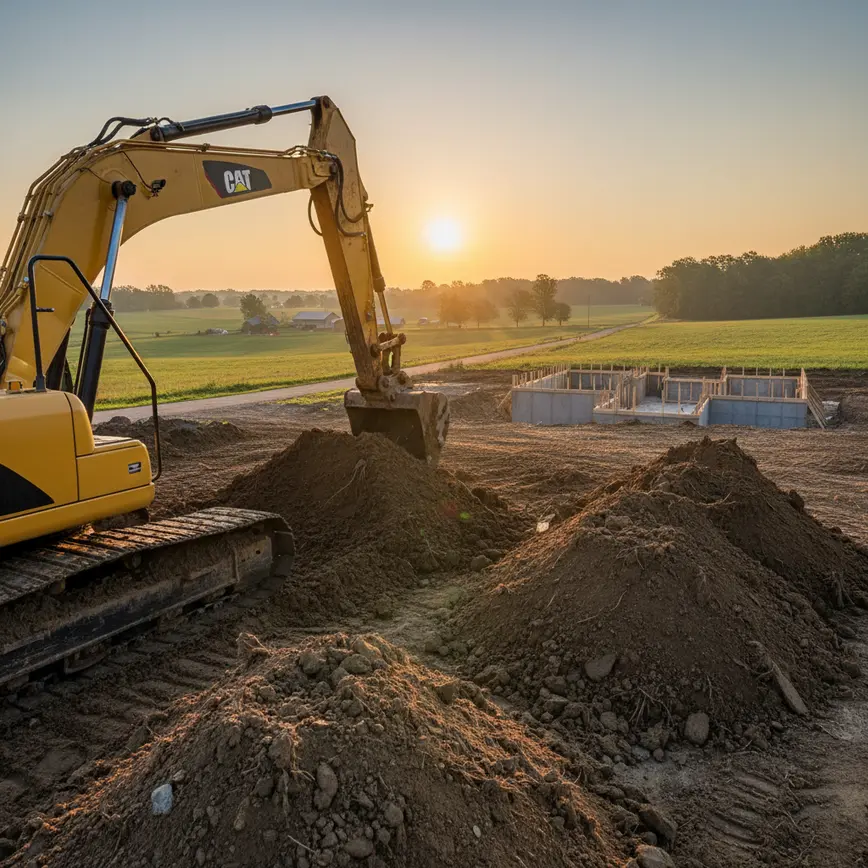
Central Ohio’s main soil types are poorly drained Brookston-Crosby clay soils, which tend to hold water into spring. These heavy clays can impact land clearing, grading, and drainage. Understanding local soil conditions is essential for planning any clearing or construction project in the region, especially when considering equipment and timing.
The Quick Answer
- Central Ohio soils are mostly poorly drained Brookston-Crosby clays.
- These soils hold water well into spring, affecting site access and clearing.
- Land clearing in these soils may require grading to improve drainage.
- Forestry mulching is effective for brush and invasives on clay soils.
- Brookston-Crosby soils often require careful equipment selection.
- Permits are rarely needed for most residential or agricultural clearing.
- Ohio law requires an 811 utility locate before digging or excavation.
- Owner Lee Carson provides flat-rate, owner-walked quotes.
Related Questions People Ask Next
Central Ohio’s heavy clay soils, such as Brookston-Crosby, retain water and create muddy, soft conditions that can slow down clearing and grading. Specialized tracked equipment is often needed to prevent getting stuck, and projects may require careful timing or additional grading to address water retention and site drainage.
Bush honeysuckle, autumn olive, multiflora rose, and buckthorn are common invasive plants found in Central Ohio’s clay soils. These species can resprout vigorously if not managed properly, especially in fertile, poorly drained soils. Forestry mulching is often used for initial control, but follow-up treatment is usually necessary.
Most residential and agricultural land clearing projects in Central Ohio do not require a permit. However, larger or commercial clearing jobs may need a local land-disturbance permit, which typically costs between $100 and $300. Always check with your county office before starting any major clearing project.
Tracked equipment such as the John Deere 333G compact track loader and drum mulchers are best suited for Central Ohio’s clay soils. These machines provide excellent traction and minimize soil disturbance, making them ideal for wet, soft conditions. Dozers and excavators are available for grading or heavy brush removal.
What is Brookston-Crosby clay and why is it common in Central Ohio?
Brookston-Crosby clay is a poorly drained, heavy soil type that dominates much of Central Ohio. Its high clay content causes water to pool, especially in spring, making it a challenge for land clearing and construction projects. These soils formed from glacial deposits and are widespread throughout the region.
Brookston-Crosby clay soils formed from glacial deposits and are widespread across Central Ohio. Their dense structure slows water movement, leading to soggy ground in wet seasons.
Because these soils hold water, they can delay clearing and require careful planning for equipment access and drainage improvement.
How do Central Ohio soils impact land clearing and grading?
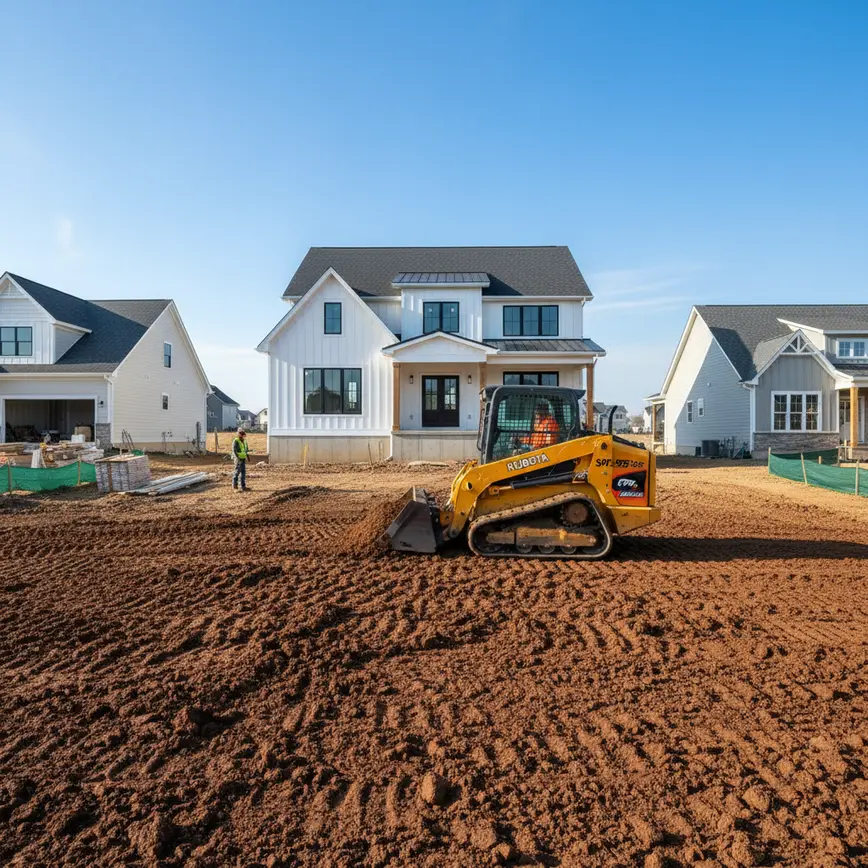
Central Ohio’s clay soils make land clearing and grading more challenging due to their poor drainage and tendency to become soft and muddy. Specialized tracked equipment is often required to avoid getting stuck, and grading may be needed after clearing to improve drainage and prevent future water issues.
Heavy clay soils often require tracked loaders and mulchers to prevent sinking or excessive soil disturbance. Clearing may be slower in wet conditions.
Grading after clearing is important to improve drainage and prevent future water issues, especially on sites with Brookston-Crosby soils.
Are permits or utility locates needed for clearing in Central Ohio?
Most residential and agricultural clearing in Central Ohio does not require a permit, but a local land-disturbance permit may be needed for larger or commercial projects. Ohio law requires an 811 utility locate at least 48 hours before any digging or excavation to prevent utility line damage and ensure safety.
Permit fees, when needed, typically range from $100 to $300. Always check with your local county office for specific requirements.
Ohio law (ORC 3781.28) mandates contacting 811 at least 48 hours before starting any excavation to prevent utility line damage.
What invasive species thrive in Central Ohio’s clay soils?
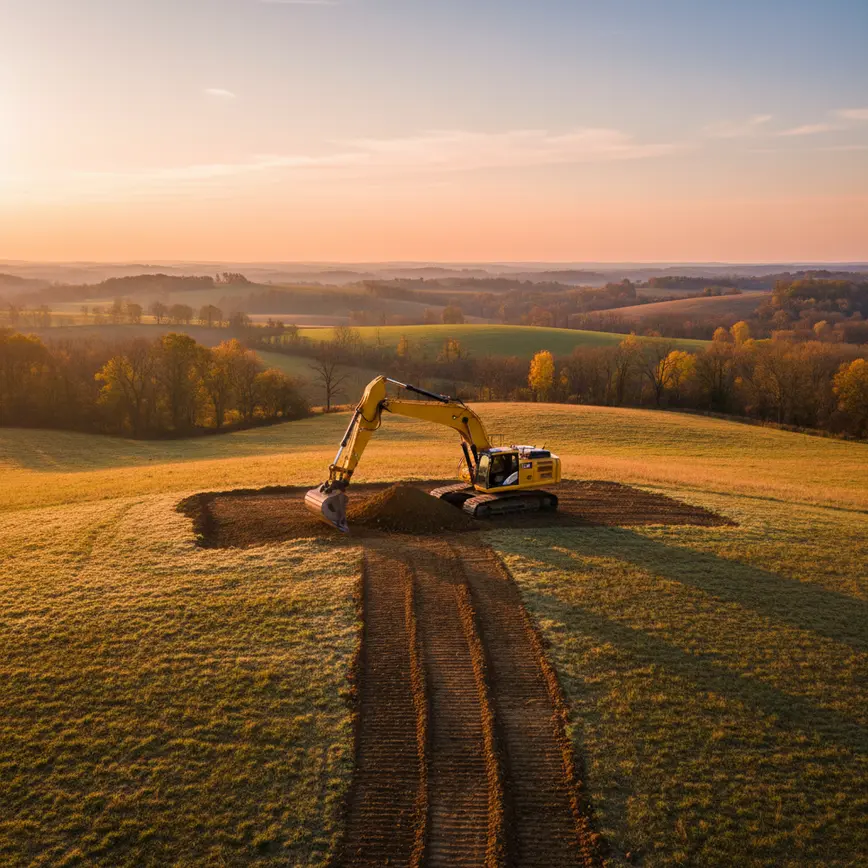
Bush honeysuckle, autumn olive, multiflora rose, and buckthorn are common invasive plants in Central Ohio’s clay soils. These species resprout vigorously if not treated properly after cutting, and fertile, poorly drained soils can encourage even thicker regrowth if follow-up management is not performed.
Forestry mulching is an effective way to control these invasives, but follow-up treatment is often needed to prevent regrowth.
The OSU Extension Ohioline F-68 factsheet recommends integrated management for these species, especially in fertile, poorly drained soils.
How does forestry mulching compare to full land clearing in Central Ohio soils?
Forestry mulching is often preferred for Central Ohio’s clay soils because it minimizes soil disturbance and is more cost-effective than full clearing with haul-off and grading. Full clearing is used for site prep or pasture, but requires more grading and can disturb wet clay soils.
| Method | Soil Impact | Typical Use | Cost per Acre |
|---|---|---|---|
| Forestry Mulching | Minimal disturbance, good on wet clay | Brush, invasives, light trees | $1,850-$3,500 |
| Full Clearing | More disturbance, grading needed | Site prep, construction, pasture | $4,000-$8,000 |
| Tracked Loader | Best traction on clay | Both methods | Included in service |
| Dozer/Excavator | Used for grading, heavy brush | Full clearing | Included in service |
| Hand Cutting | Labor-intensive, less efficient | Small areas, sensitive sites | Varies |
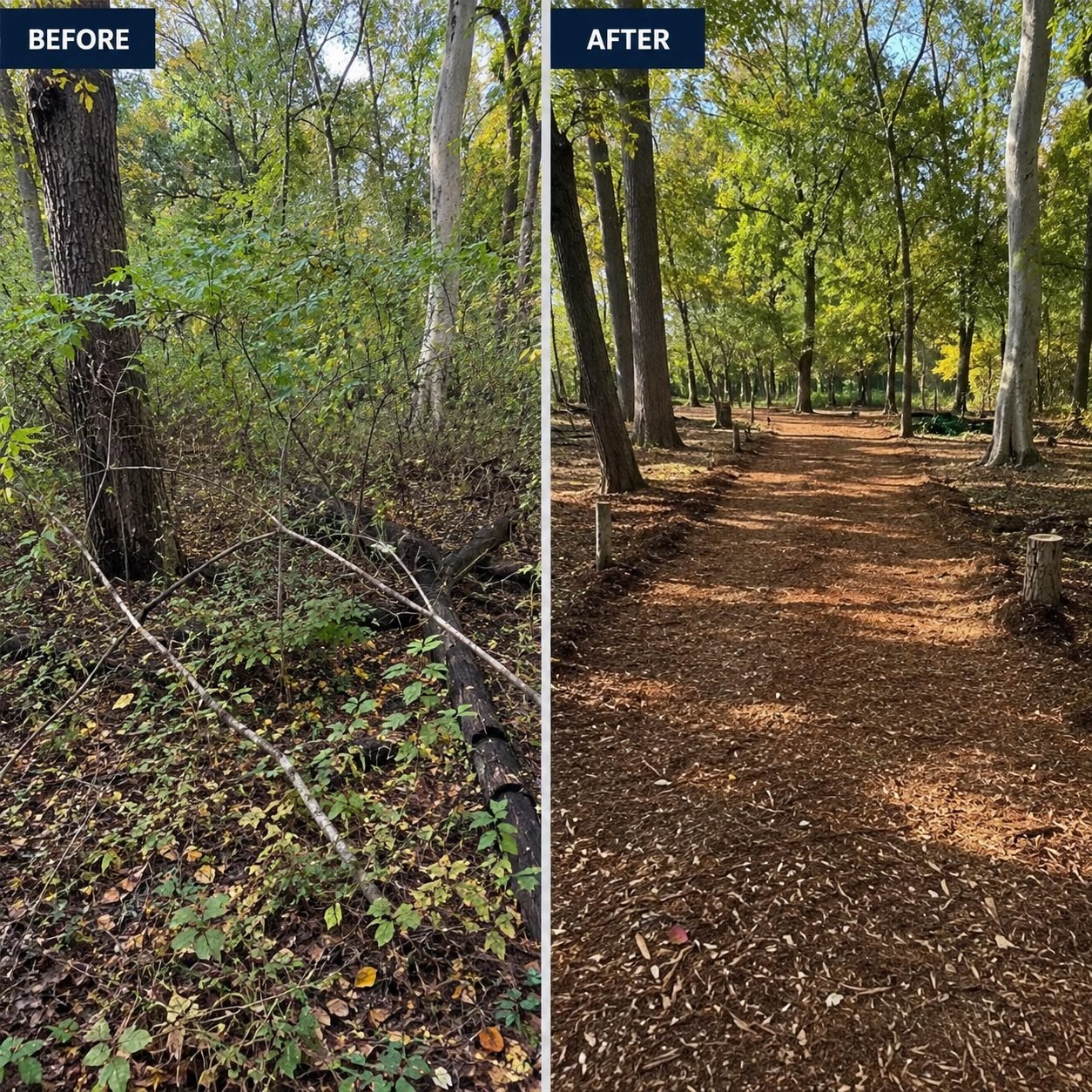
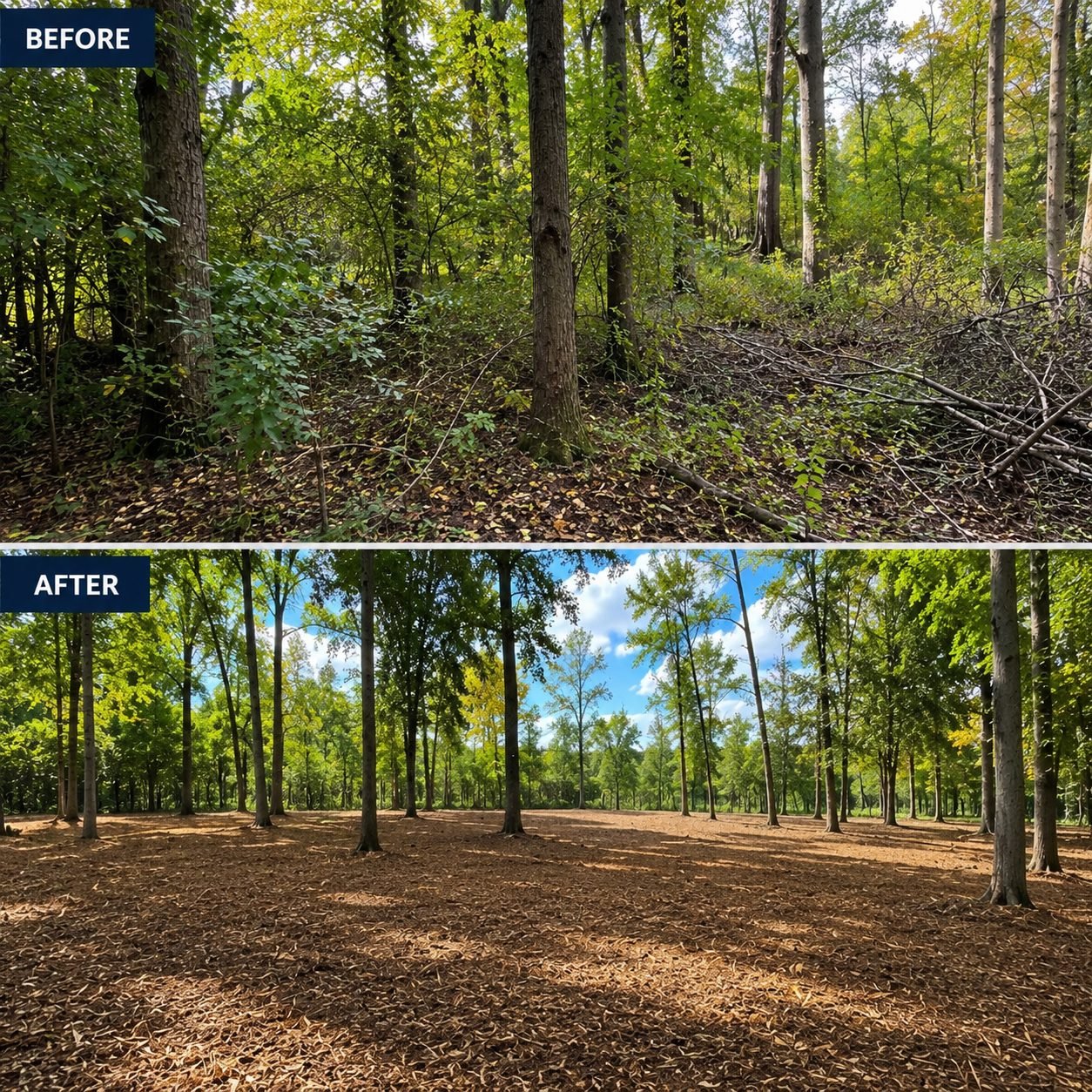
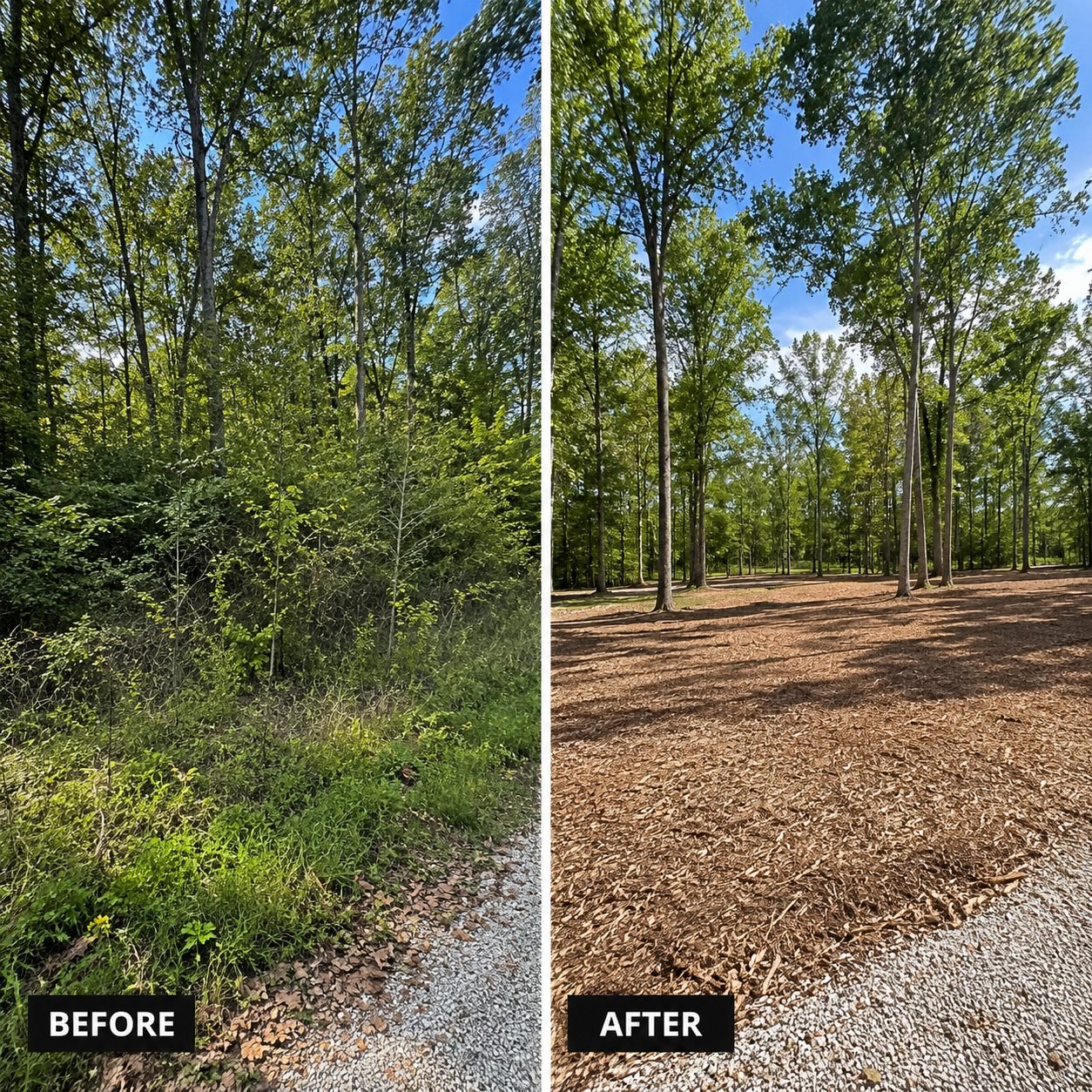
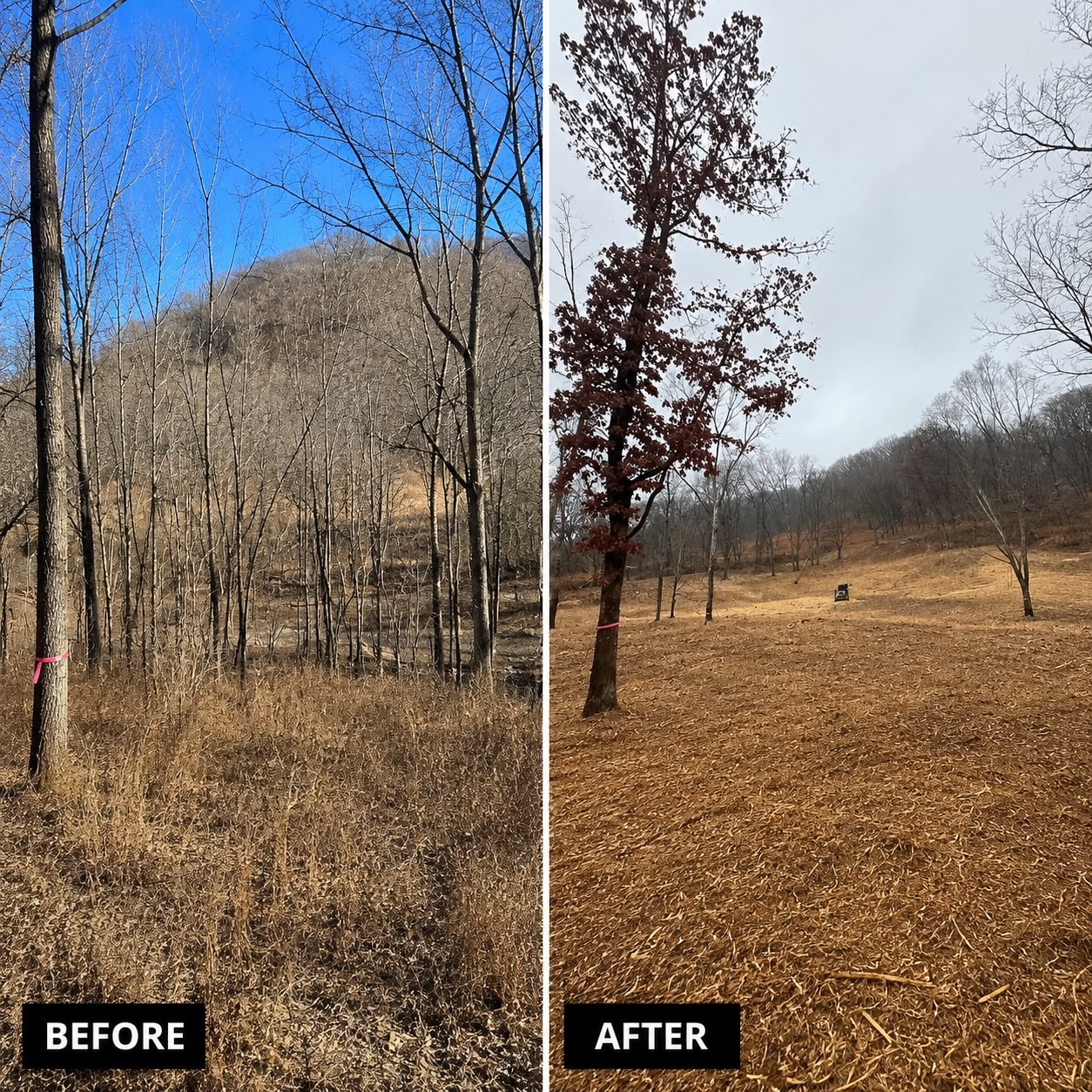
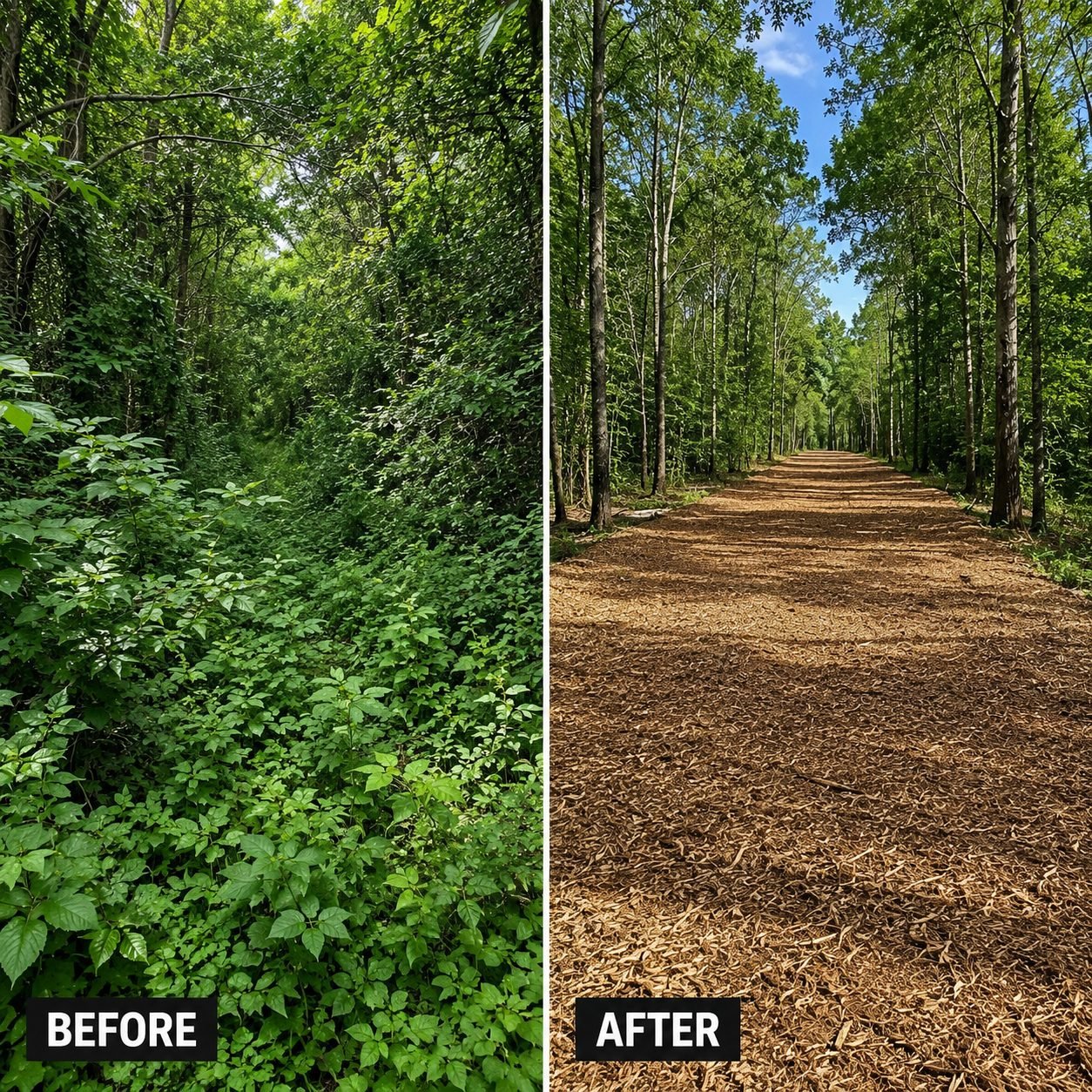
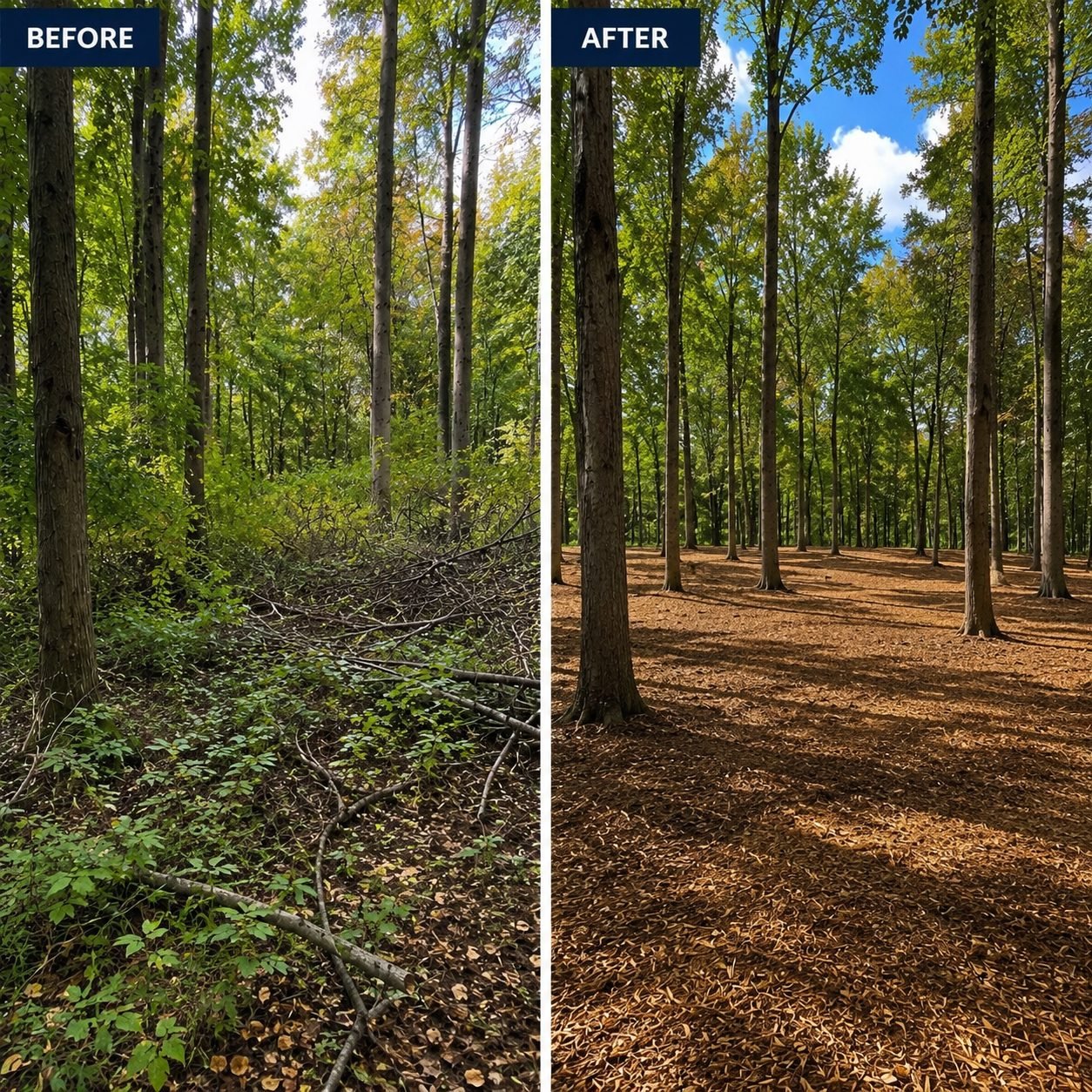
What Does Central Ohio Land Clearing Look Like Before and After?
Land clearing turns dense, unusable Central Ohio ground into open, walkable property. These are real Fortress jobs across Franklin, Delaware, Licking, Fairfield, and Union counties, cleared with mature trees left standing and no debris piles to burn or haul.
Frequently asked questions
Brookston-Crosby soils are poorly drained, clay-rich soils that dominate much of Central Ohio. Their dense structure slows water movement, causing the ground to remain wet and soft, especially in spring. These conditions can make land clearing, grading, and construction more challenging and require specialized equipment.
Central Ohio’s soils, especially Brookston-Crosby clays, have a high clay content that slows water drainage. This causes the ground to stay wet and soft well into spring, delaying land clearing and grading projects until the soil firms up enough for equipment access and effective work.
Yes, heavy clay soils in Central Ohio require tracked equipment such as compact track loaders and drum mulchers for effective clearing. Tracked machines distribute weight more evenly, providing better traction and minimizing soil disturbance, especially when the ground is wet or soft from spring moisture.
Forestry mulching is effective for controlling invasives like bush honeysuckle, autumn olive, multiflora rose, and buckthorn in Central Ohio’s clay soils. However, these species can resprout vigorously after cutting, so follow-up treatment is often required to prevent thicker regrowth, especially in fertile soils.
Most residential and agricultural clearing projects in Central Ohio do not require a permit. For larger or commercial jobs, a local land-disturbance permit may be needed. Permit fees typically range from $100 to $300, but always check with your local county office before starting work.
Before any digging or excavation in Ohio, you are legally required to contact 811 for a utility locate at least 48 hours in advance. This ensures that underground utilities are marked, helping to prevent accidental damage and ensuring safety for everyone involved in the project.
What Other Services Does Fortress Offer in Central Ohio?
Land clearing is one of nine services Fortress Level Construction runs across Central Ohio, so one owner-operated crew can clear, grade, and prep a site end to end.
Get a Flat-Rate Quote from Lee Carson
Owner-operated land clearing across all five Central Ohio counties. Send your property details and Lee gets back to you within 2 to 3 hours during business hours with one flat number after a free on-site walk-through.