


Erosion control in Newark, Ohio requires specialized methods due to Coshocton silt loam soils, rolling hills, and the proximity to the Licking River and Raccoon Creek. Fortress Level Construction, led by Mr. Carson since 2009, uses heavy-duty hydroseeding and silt fencing tailored for Licking County terrain. Call (844) 656-0129 for Newark-specific erosion mitigation.
Erosion Control in Newark, Ohio
Erosion control in Newark, Ohio is shaped by the area’s rolling hills, abundant creek valleys, and Coshocton silt loam soils. These local factors often lead to severe runoff, especially on steeper terrain near the Licking River and Raccoon Creek. Unchecked, this runoff can wash away valuable topsoil and destabilize slopes, impacting both residential and commercial sites. The transitional foothills of Appalachia mean vegetation loss or improper grading quickly escalates into major erosion issues. Effective erosion control here is not just about compliance; it’s about long-term site stability for Newark’s unique landscape.
Local regulations in Newark require permits from the Licking County Planning Commission for most significant earthwork projects, especially when disturbing large areas or working close to waterways like Raccoon Creek. Erosion control measures must meet specific county standards to protect natural resources and prevent off-site sediment migration. Techniques that work on flat ground elsewhere often fall short in Newark’s hilly, wooded conditions. Proper planning and execution can minimize delays and avoid costly rework or violations.
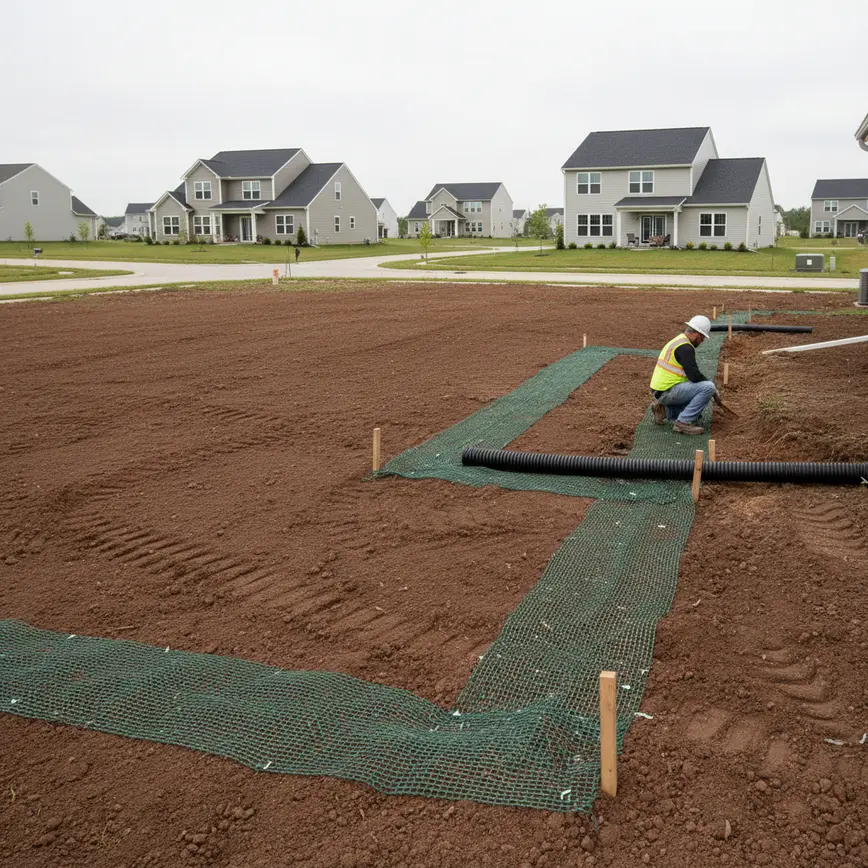
Fortress Level Construction addresses Newark’s erosion challenges with a combination of silt fences, straw wattles, hydroseeding, and erosion blankets, all selected for the Coshocton silt loam and the area’s slope profiles. Mr. Carson’s experience since 2009 ensures that every project gets the right equipment and approach for Newark’s terrain—whether stabilizing a new construction site, restoring a creek bank, or protecting infrastructure during utility work. The goal is always durable, code-compliant erosion control that holds up through Ohio’s wettest seasons.
Key Numbers at a Glance
Erosion Control Comparison: Newark and Nearby Licking County Cities
Erosion control needs vary across Licking County due to changes in soil and terrain.
| Service | Population | Terrain | Soil Type | Permit Authority | Common Projects |
|---|---|---|---|---|---|
| Newark | 49,857 | Rolling hills, creek valleys | Coshocton silt loam | Licking County Planning Commission | Steep slope stabilization, riverbank protection, hydroseeding |
| Heath | 10,310 | Level to gently rolling | Miamian silt loam | Heath Building & Zoning | Commercial lot sediment control |
| Granville | 5,946 | Hills with wooded ravines | Cardington loam | Granville Township Zoning | Erosion blankets on campus projects |
| Pataskala | 15,750 | Flat to rolling, floodplains | Bennington silt loam | Pataskala City Permits | Streambank stabilization along South Fork |
Erosion Control Services Available in Newark
Slope Stabilization
Steep hillsides and embankments are common around Newark, especially near the Appalachian foothills and creek valleys. Our slope stabilization service uses a combination of engineered matting, native seeding, and mechanically anchored systems to prevent landslides and soil loss on properties in north and east Newark. We also address gullies forming after heavy rain, using equipment sized for local hillside access.
Hydroseeding & Erosion Blankets
For Newark sites needing rapid vegetative cover, hydroseeding is paired with erosion blankets to lock down Coshocton silt loam during critical growth periods. This service is essential for new subdivisions, commercial builds, and public works projects along the Licking River corridor, ensuring compliance with Licking County standards while preventing silt runoff into sensitive waterways.
Silt Fence & Sediment Barrier Installation
Newark’s frequent rainfall and steep grades make proper silt fence and sediment barrier installation essential for any earthwork or excavation. We install heavy-duty silt fencing and straw wattles at key drainage points, especially near Raccoon Creek and flood-prone sites, to prevent sediment migration during construction. This service is tailored for Licking County permit requirements.
Streambank & Creek Restoration
Erosion along the Licking River and Raccoon Creek often threatens both private property and public infrastructure in Newark. We provide streambank stabilization using rock armoring, live staking, and riparian planting, designed to resist high-flow events typical to the region. Our restoration work meets county guidelines and addresses both soil loss and habitat protection.
“Our hillside property in Newark was losing soil every spring. Mr. Carson’s crew put in a reinforced silt fence, hydroseeded bare spots, and stabilized the slope above the Licking River. It’s held up through two big storms—no more muddy runoff into our yard.”
Erosion Control Photo Gallery — Newark Projects
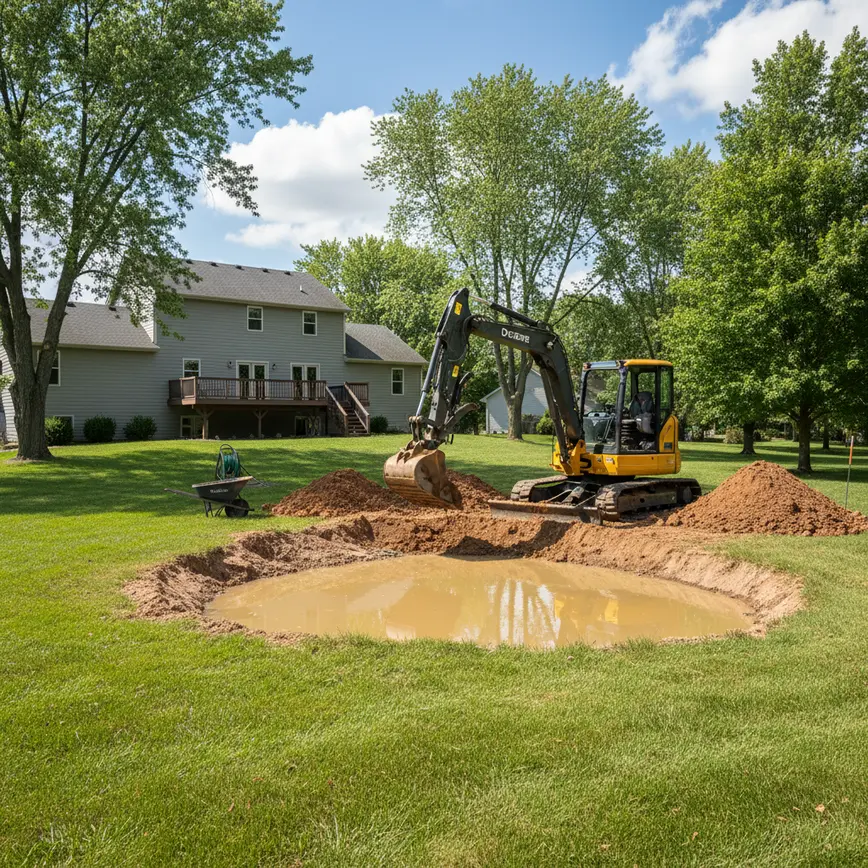
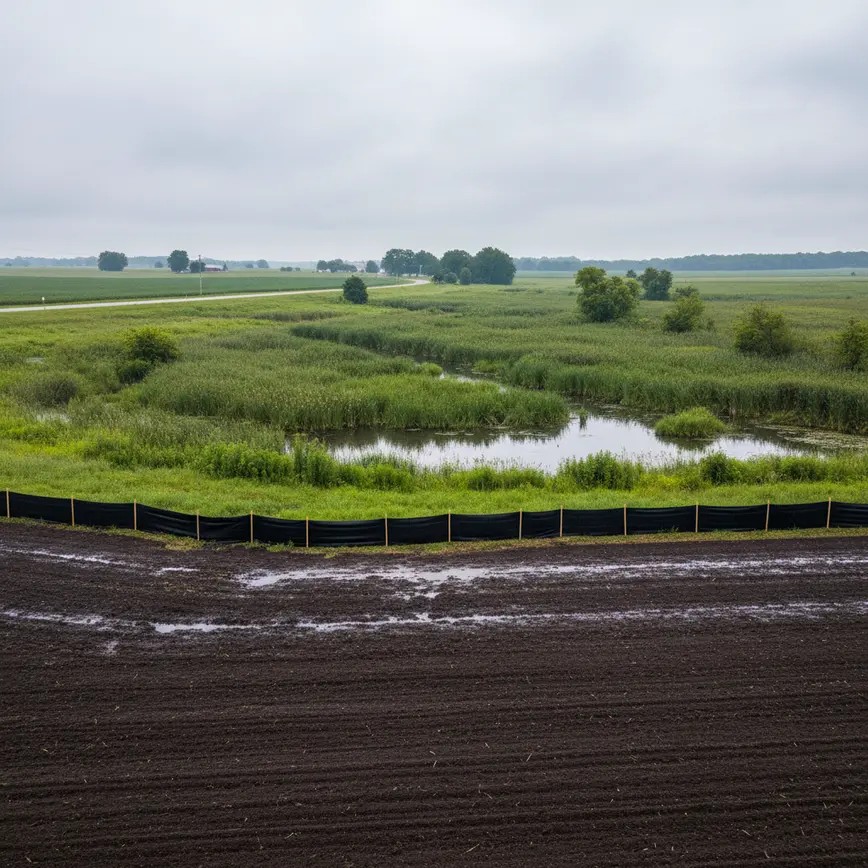
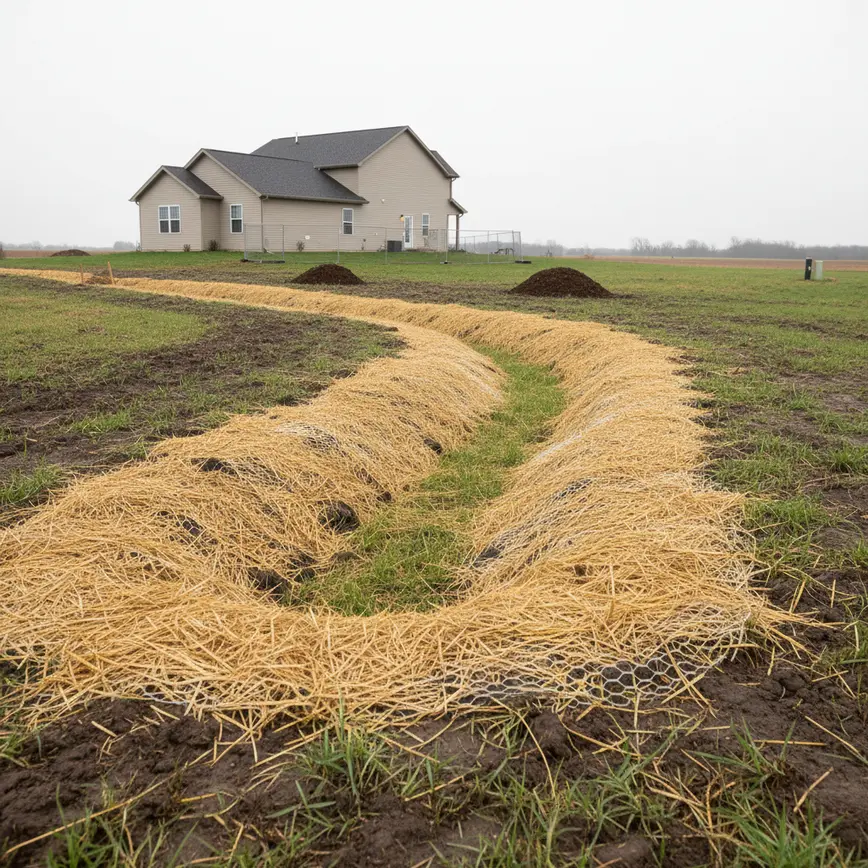

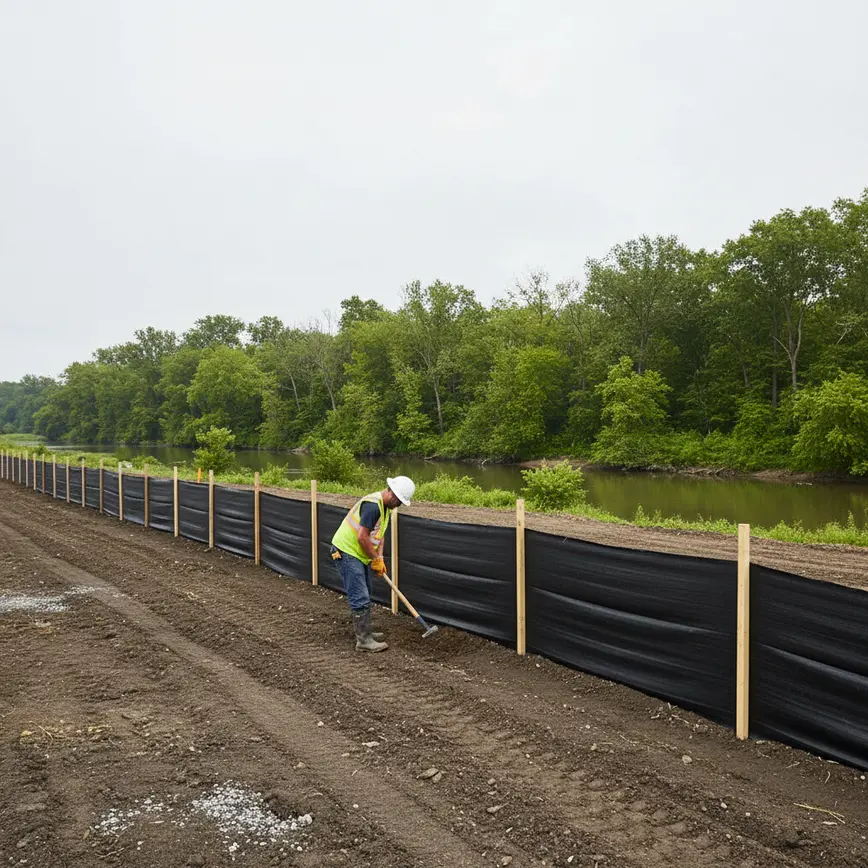
Mr. Carson walks every property personally. Estimates are written, site-specific, and include all permitting — no hidden costs anywhere in our service area.
Our Newark Erosion Control Process
Site Assessment & Soil Testing
We start every Newark project with a detailed walk-through, identifying problem slopes, drainage paths, and proximity to waterways like the Licking River. Soil samples are taken to confirm Coshocton silt loam presence, and slope angles are measured to determine the right stabilization method for the city’s rolling terrain.
Permit Acquisition & Planning
Before breaking ground, we handle all necessary paperwork with the Licking County Planning Commission. This includes submitting site maps, erosion control plans, and any required sediment control details, especially important for Newark sites near creeks or within city development zones.
Installation of Erosion Control Measures
Our crew mobilizes with equipment sized for Newark’s narrow, hilly lots. Silt fences, erosion blankets, and hydroseed are installed according to site-specific needs. We pay close attention to runoff patterns, especially on west-facing slopes where heavy rain can cause rapid erosion.
Inspection, Maintenance, and Final Stabilization
After installation, we inspect all controls after significant rain events and throughout the growing season. Adjustments and repairs are made as needed, with a final site review before permit closeout. We provide guidance on long-term maintenance for Newark property owners to keep erosion in check.
Specialized Erosion Control Equipment for Newark
Tracked Skid Steer
High-flotation tracks, 74 HP — Accesses steep Newark hillsides without rutting Coshocton silt loam
Hydroseeder
900-gallon tank, multi-nozzle — Rapid seeding and mulch application on large Newark lots
Vibratory Plate Compactor
3,500 lbs force — Anchors erosion blankets on sloped Newark sites
Mini-Excavator
Zero-tail swing, 12-ft reach — Installs silt fence and wattles in tight, wooded areas near Newark creeks
Serving Newark, Surrounding Cities, and All of Licking County
ColumbusWestervilleDublinHilliardGrove CityGahannaUpper ArlingtonReynoldsburgWhitehallWorthingtonBexleyGrandview HeightsNew AlbanyGroveportDelawarePowellLewis CenterSunburyGalenaWesterville NorthOrange TownshipOstranderHeathPataskalaGranvilleJohnstownHebronBuckeye LakeEtna
Frequently Asked Questions
Newark’s rolling hills, especially on the city’s north and west edges, create rapid runoff during heavy storms. Combined with Coshocton silt loam soils, this leads to increased gully formation and slope instability, particularly near the Licking River. Effective erosion control requires engineered solutions matched to site-specific grades and soil types.
Yes. Any significant grading, excavation, or soil disturbance in Newark requires a permit from the Licking County Planning Commission. This is especially true for work near creeks, the Licking River, or large-scale developments. Permits ensure compliance with local erosion and sediment control standards.
Hydroseeding rapidly establishes ground cover on disturbed soils, holding Coshocton silt loam in place during Newark’s spring and fall rains. Combined with erosion blankets, it prevents soil loss on new construction sites or recently graded slopes. This is critical in areas with heavy tree loss or where seed-to-soil contact is poor.
For Newark’s wooded and sloped properties, tracked skid steers and mini-excavators are essential. These machines reduce compaction and can maneuver between trees or along creek banks, allowing precise installation of silt fences, wattles, and erosion blankets where larger equipment can’t reach.
Most residential erosion control projects in Newark take 2-5 days, depending on site size, slope, and weather. Larger or multi-phase projects—such as subdivision grading or streambank restoration—may take several weeks. Timelines also depend on Licking County permit processing and inspection schedules.
After controls are installed, regular inspection is needed—especially after heavy Newark rainstorms. This might include re-securing silt fences, patching erosion blankets, or reseeding bare spots. We provide maintenance guidance and can return for repairs if needed, ensuring long-term erosion protection for your Newark property.
Related Services in Central Ohio
Demolition NewarkStump Grinding NewarkTrenching NewarkFrench Drain Installation Newark
Get Erosion Control Solutions for Newark’s Terrain
Call (844) 656-0129 to schedule a site evaluation for erosion control in Newark. Get solutions built for Licking County’s hills, soils, and creek valleys.