
How Does Erosion Control Work in Central Ohio?
Erosion control in Central Ohio uses specialized methods and equipment to prevent soil loss and sediment runoff, adapting to the region’s clay soils, rolling terrain, and strict regulations. Fortress Level Construction tailors each project to local conditions, using forestry mulchers and track loaders for effective, site-specific solutions across five counties. Owner-led, rapid response is standard.
The Quick Answer
- Erosion control in Central Ohio involves specialized methods to prevent soil loss and sediment runoff, tailored to local soils and terrain.
- Brookston-Crosby clay soils and rolling hills increase erosion risks, especially during spring thaw and heavy rains.
- Fortress Level Construction uses forestry mulchers, CAT and John Deere track loaders, and excavators for efficient, site-specific erosion solutions.
- Most projects range from $1,000 to $3,000, depending on site size and complexity.
- Erosion control is often required by local regulations for construction sites over one acre.
- Native vegetation is restored after invasive species like bush honeysuckle and autumn olive are cleared.
- Owner Lee Carson personally oversees each project, providing rapid response and expert execution.
- Free site assessments and flat-rate quotes are available for all erosion control projects in Central Ohio.
Related Questions People Ask Next
Forestry mulching grinds brush and small trees in place, leaving mulch on the ground to reduce erosion. Land clearing removes all vegetation and debris, often requiring haul-off and grading. Mulching is less disruptive and is preferred for erosion control preparation in Central Ohio.
Brookston clay soils hold water and become saturated during wet periods, making them prone to runoff and surface erosion. When disturbed, these soils quickly lose structure, so targeted erosion control is needed to keep sediment out of streams and prevent property damage.
Common invasive plants include bush honeysuckle, autumn olive, multiflora rose, and buckthorn. These species can worsen erosion if cut without proper follow-up, as they resprout vigorously. Clearing and reseeding with native plants is key for long-term erosion control and soil stability.
Contact Fortress Level Construction at (844) 656-0129 to request a free site assessment. Owner Lee Carson typically responds within 2-3 business hours and can schedule a walk-through within the same week to evaluate your property’s erosion risks and recommend solutions tailored to your site.
What Is Erosion Control and How Does It Differ from Other Services?
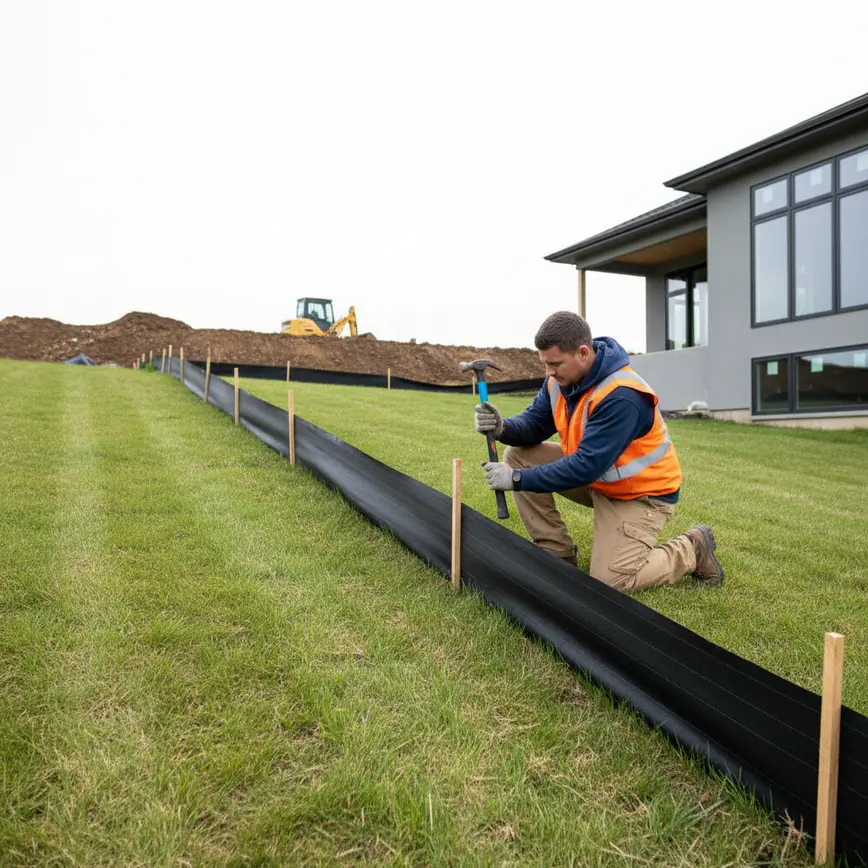
Erosion control is the practice of preventing soil movement and sediment runoff, especially during construction or land disturbance. Unlike general landscaping or drainage work, erosion control focuses on stabilizing soil, managing water flow, and meeting regulatory requirements. It is a targeted, compliance-driven process for protecting property and waterways.
Erosion control includes installing silt fences, erosion blankets, and riprap to keep soil in place during storms or construction.
It is distinct from services like simple grading or landscaping, as it addresses specific soil and water challenges and requires compliance with local and state permitting.
Why Do Central Ohio’s Soils and Terrain Make Erosion Control Essential?
Central Ohio’s poorly drained Brookston-Crosby clay, rolling hills, and rapid development make erosion control a necessity. These conditions increase runoff and sediment risk, especially during spring thaw and heavy rains, requiring targeted solutions to protect property and waterways. Local regulations and unique soils demand expert, site-specific approaches.
Brookston clay soils retain water and become unstable, making them prone to erosion when disturbed.
Rolling terrain in counties like Licking and Fairfield amplifies runoff, while urban expansion increases land disturbance, demanding expert erosion control.
What Equipment Does Fortress Level Construction Use for Erosion Control?
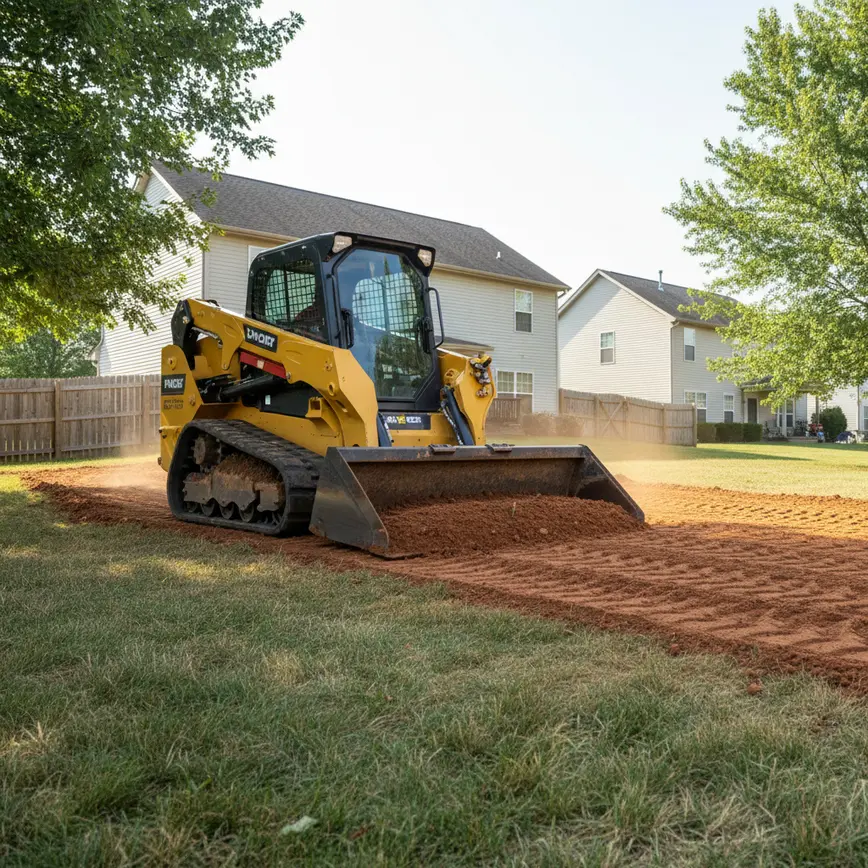
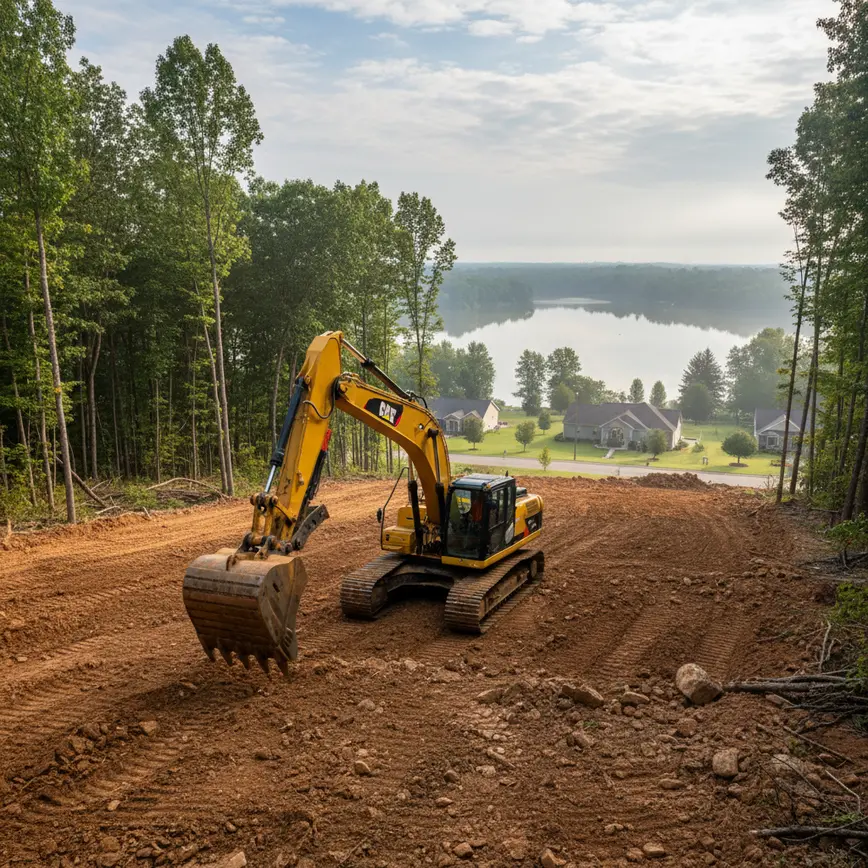
Fortress Level Construction uses forestry mulchers, CAT and John Deere track loaders, and excavators with thumbs for precise erosion control. This specialized equipment allows for efficient clearing, grading, and installation of erosion materials on both flat and sloped sites, adapting to the unique needs of Central Ohio properties.
Forestry mulchers clear invasive brush and prepare ground for seeding without full soil disturbance.
Track loaders and excavators handle grading, matting, and riprap installation, adapting to varied terrain and site needs.
What Does the Erosion Control Process and Timeline Look Like?
The process starts with a site assessment and planning, followed by utility locates, installation of erosion control measures, and final compliance checks. Most projects are completed within days, with timing depending on site size, weather, and permit requirements. Owner-led walk-throughs ensure tailored solutions and regulatory compliance.
Owner Lee Carson personally walks each site to assess risks and recommend solutions.
A land-disturbance permit ($100-$300) may be required for certain projects, with installation and restoration typically completed in one week or less.
How Does Erosion Control Compare to Other Land Services in Central Ohio?
Erosion control is distinct from land clearing, forestry mulching, and drainage improvement. Here’s how these services differ in purpose, process, cost, and regulatory requirements.
| Erosion Control | Land Clearing | Forestry Mulching | Drainage Improvement |
|---|---|---|---|
| Prevents soil loss and sediment runoff, stabilizes disturbed areas | Removes all vegetation and debris, prepares land for new use | Grinds brush and small trees in place, leaves mulch as ground cover | Redirects water flow to prevent flooding or pooling |
| Uses silt fences, erosion blankets, riprap, seeding | Involves haul-off, grading, and sometimes burning | Uses drum mulchers, minimal soil disturbance | Installs drains, swales, or grading for water management |
| $1,000-$3,000 per project | Higher per-acre cost, varies by project | Separate service, often used for prep | Varies by scope and site complexity |
| Often required by regulation for construction sites | Needed for major site changes or development | Ideal for invasive species removal and erosion prep | Addresses standing water and chronic drainage issues |
| Restores native vegetation after invasives are cleared | Leaves site bare, may increase erosion risk if not stabilized | Leaves mulch to suppress regrowth and erosion | May be paired with erosion control for full site stability |
When Is Erosion Control Not the Right Choice in Central Ohio?
Erosion control is not always the best solution in every situation. Some sites require full land clearing, extensive drainage work, or even no intervention, depending on your project goals, property conditions, and local requirements. Choosing the right service is key for long-term results.
If your property needs total vegetation removal for new construction, full land clearing is more appropriate than erosion control.
For properties with chronic standing water or flooding, dedicated drainage improvement may be needed before or instead of erosion control.
What Do Erosion Control Results Look Like on Central Ohio Properties?
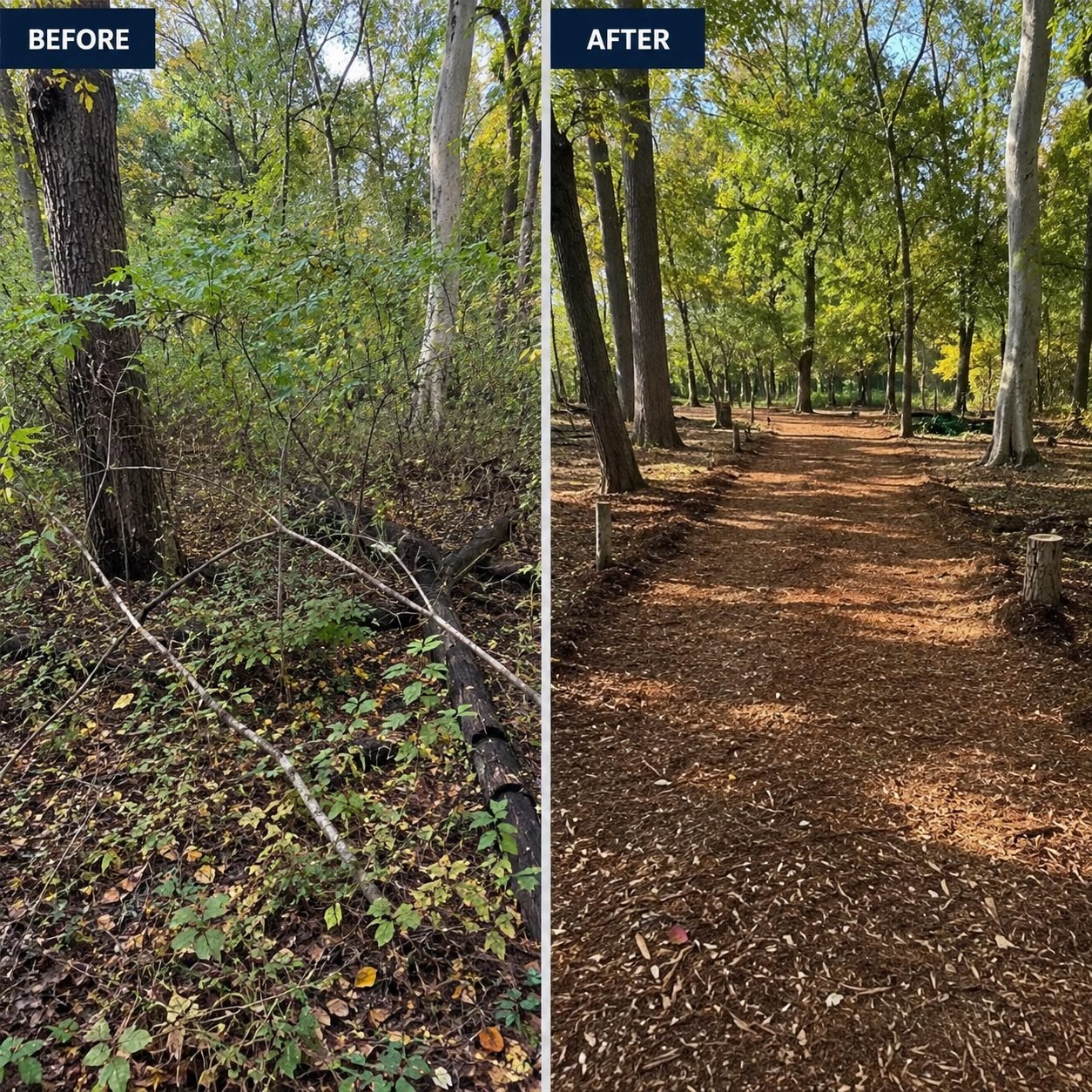
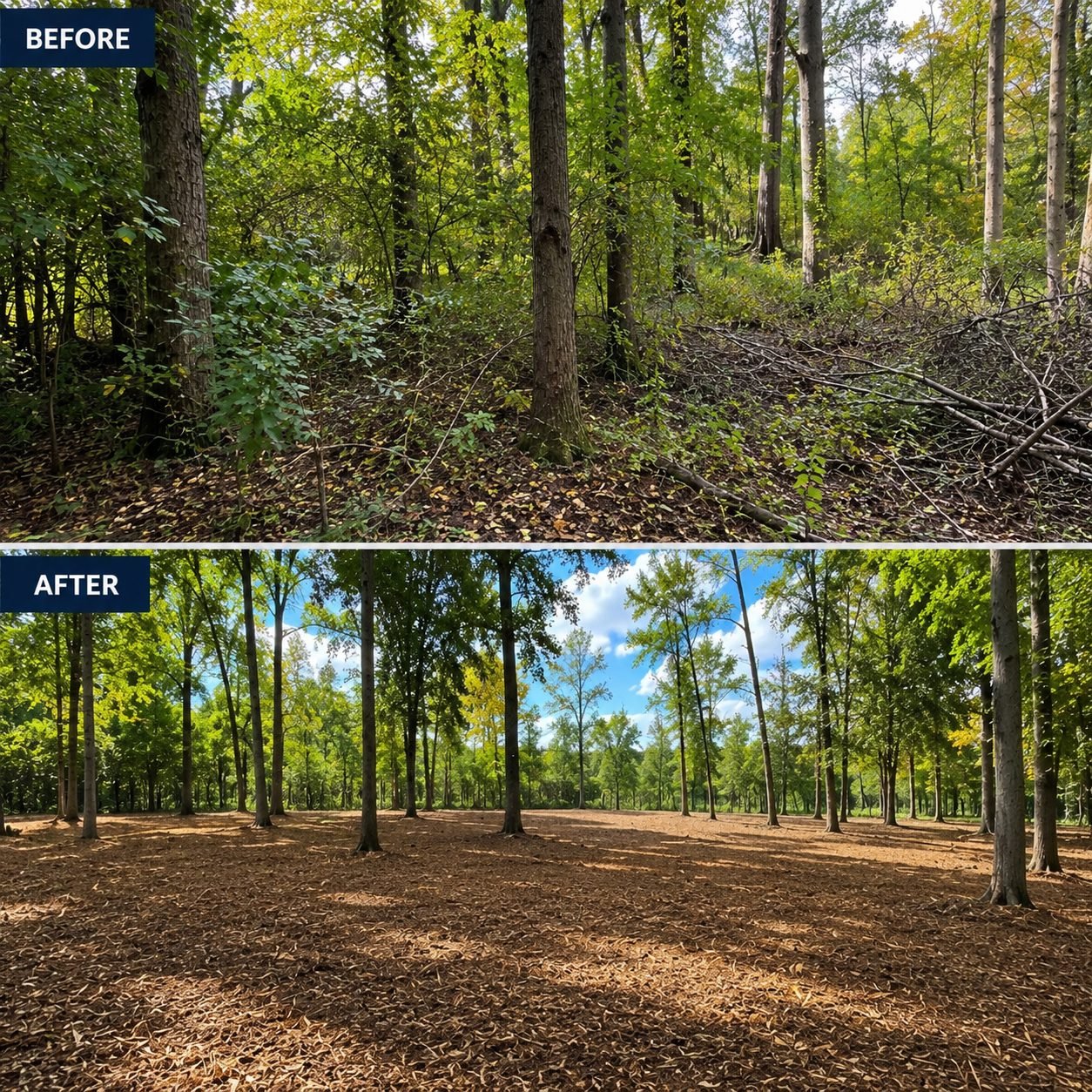
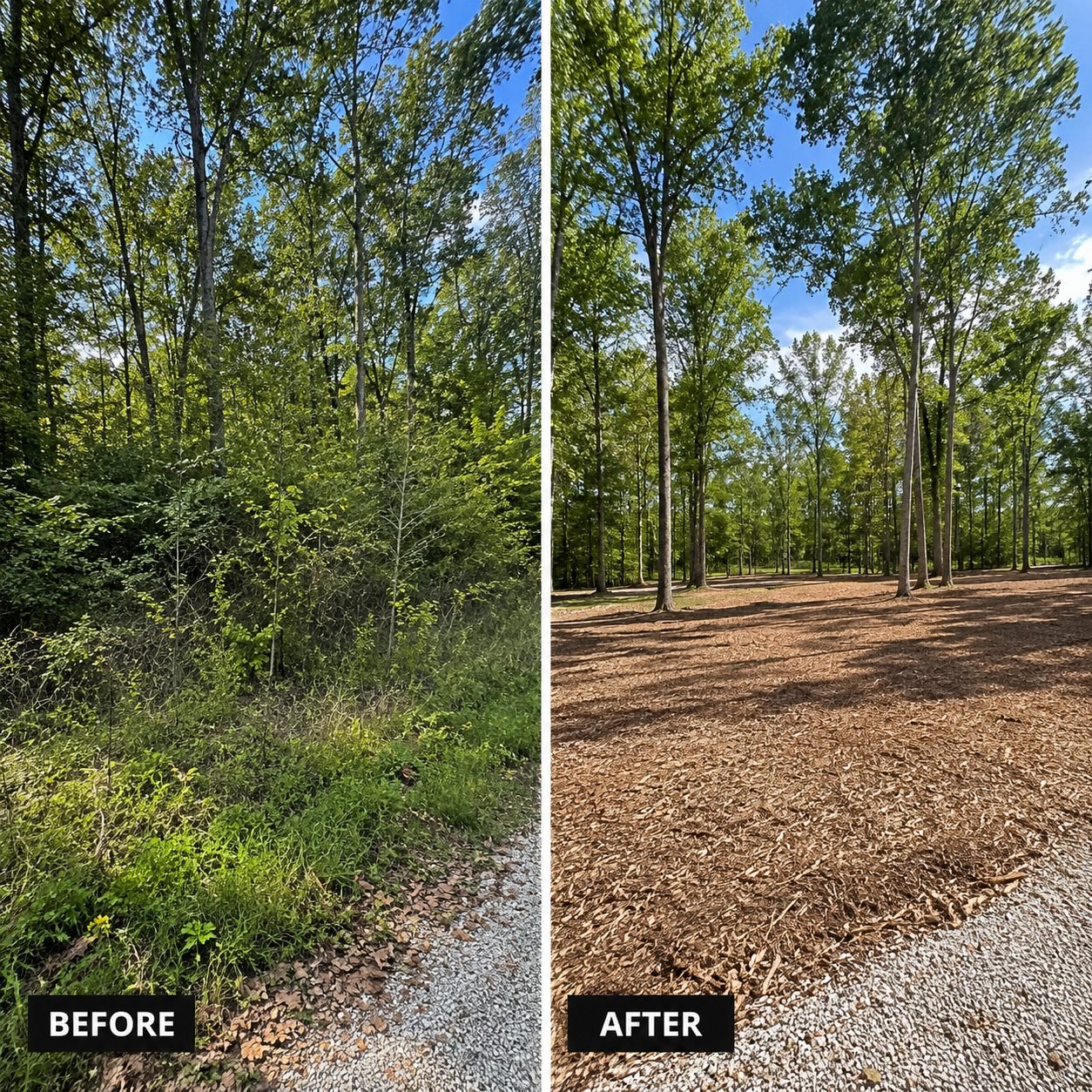
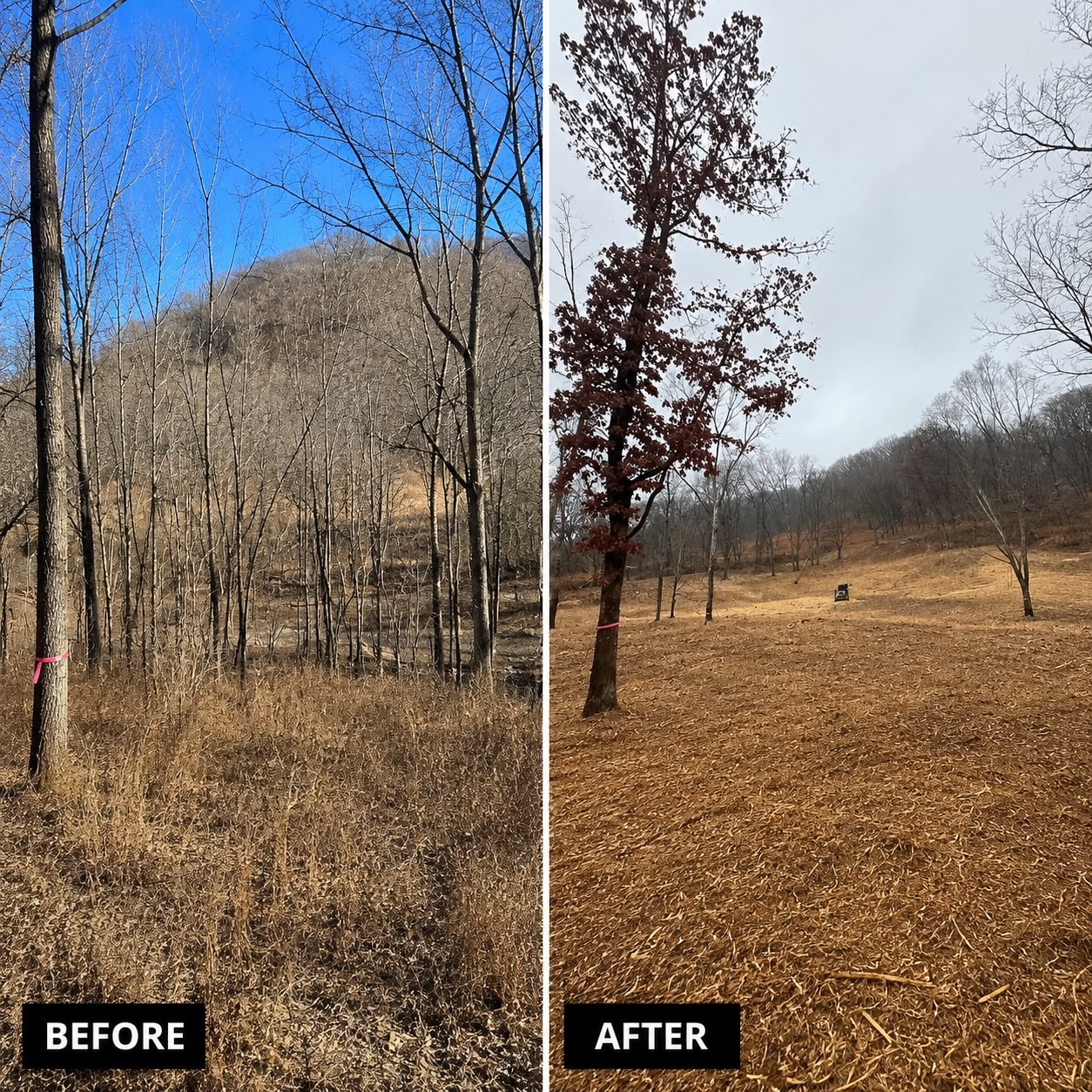
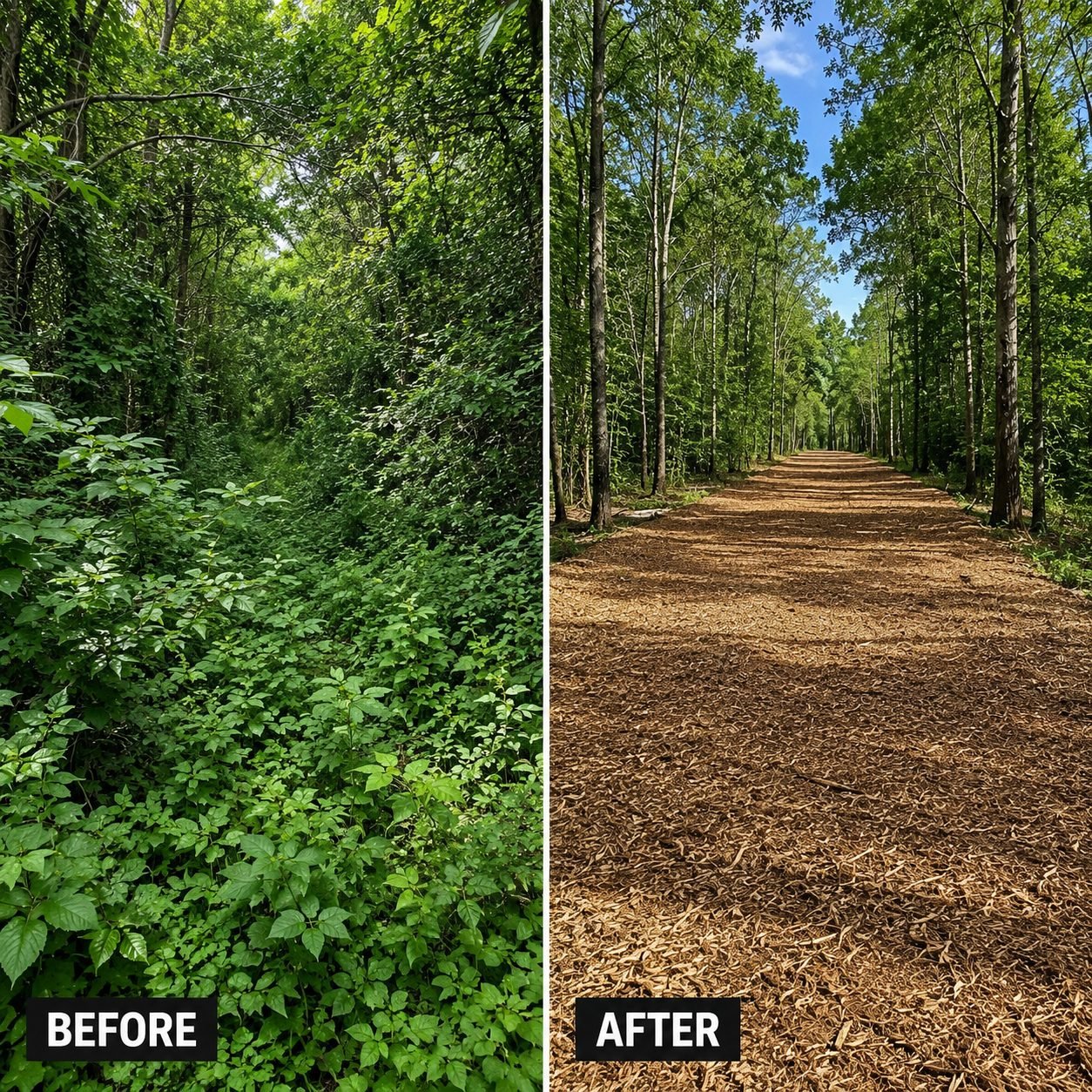
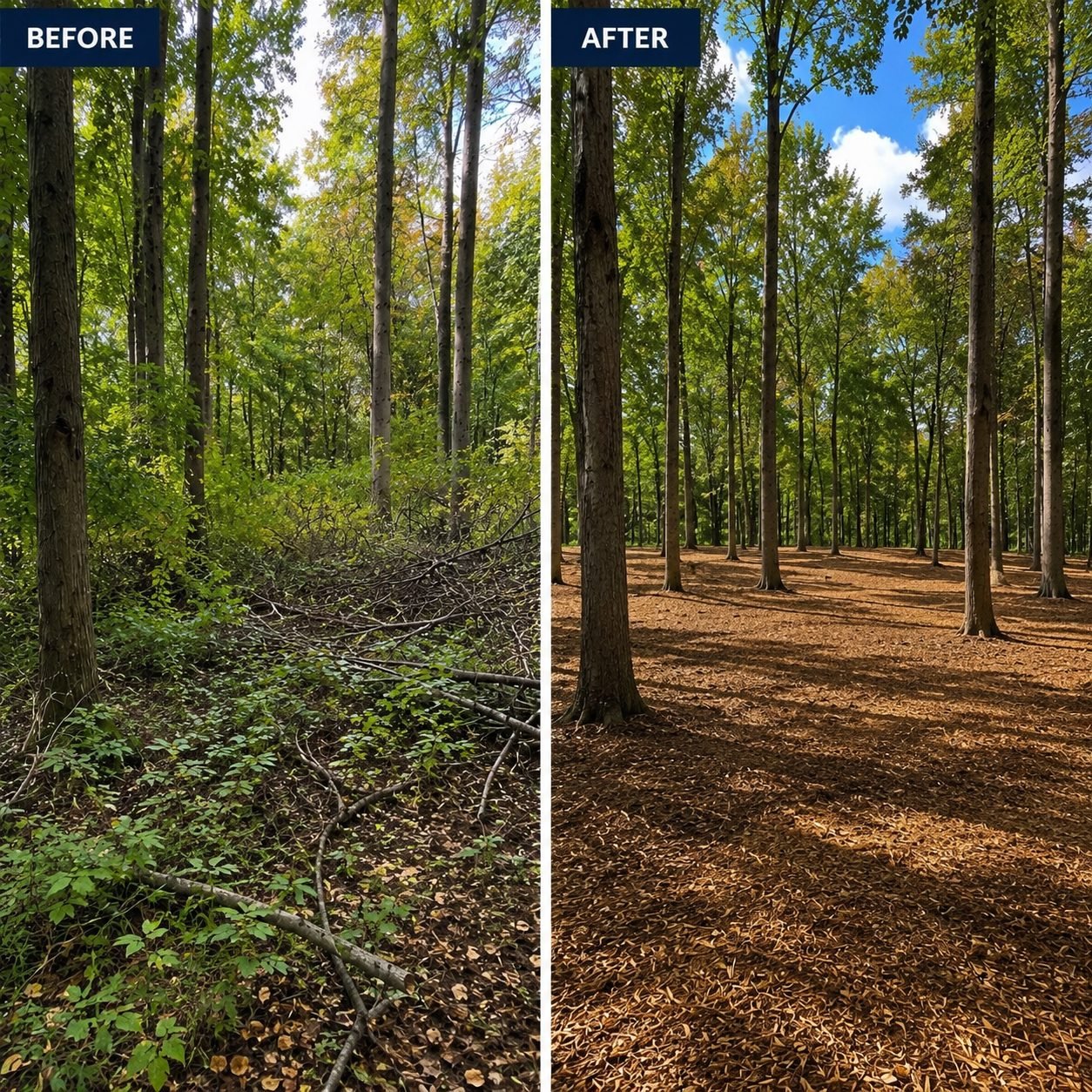
Before erosion control, sites often show bare soil, runoff channels, and invasive brush. After treatment, you’ll see stabilized slopes, silt fences or erosion blankets, and new native vegetation taking root. These visible changes protect property and local waterways from sediment and erosion damage.
Frequently asked questions
Most erosion control projects in Central Ohio range from $1,000 to $3,000, depending on the size, terrain, and complexity of the site. This includes assessment, planning, and installation of erosion control measures. A local land-disturbance permit, if required, typically adds $100 to $300.
A land-disturbance permit is required for most construction sites disturbing over one acre in Central Ohio. For smaller residential or agricultural projects, a permit is often not needed. Fortress Level Construction can advise on local permitting and handle the process if required.
Typical erosion control measures include silt fences, erosion control blankets, straw wattles, riprap, and seeding with native grasses. The specific combination depends on your site’s slope, soil type, and erosion risk. Fortress Level Construction customizes solutions to each property’s unique conditions for lasting results.
Most erosion control projects are completed within a few days to a week, depending on site size, weather, and permit requirements. The process includes assessment, planning, utility locates, installation, and final compliance checks to ensure effectiveness and regulatory approval for your property.
Invasive plants like bush honeysuckle and autumn olive are cleared using forestry mulchers, which grind them in place. Sites are then reseeded with native vegetation to stabilize the soil and prevent regrowth. Proper follow-up is essential to keep invasives from resprouting and worsening erosion.
Owner Lee Carson, a combat veteran, personally oversees each erosion control project. He conducts the initial site walk, recommends solutions, and ensures all work meets local regulations and client expectations. Rapid response and expert execution are standard on every job.
Erosion Control by County and City in Central Ohio
Franklin County
Fairfield County
Union County
What Other Services Does Fortress Offer in Central Ohio?
Fortress Level Construction runs a full range of land-clearing, excavation, grading, and site-work services across Central Ohio, so one owner-operated crew can clear, grade, and prep a site end to end.
Get a Flat-Rate Quote from Lee Carson
Owner-operated land clearing across all five Central Ohio counties. Send your property details and Lee gets back to you within 2 to 3 hours during business hours with one flat number after a free on-site walk-through.