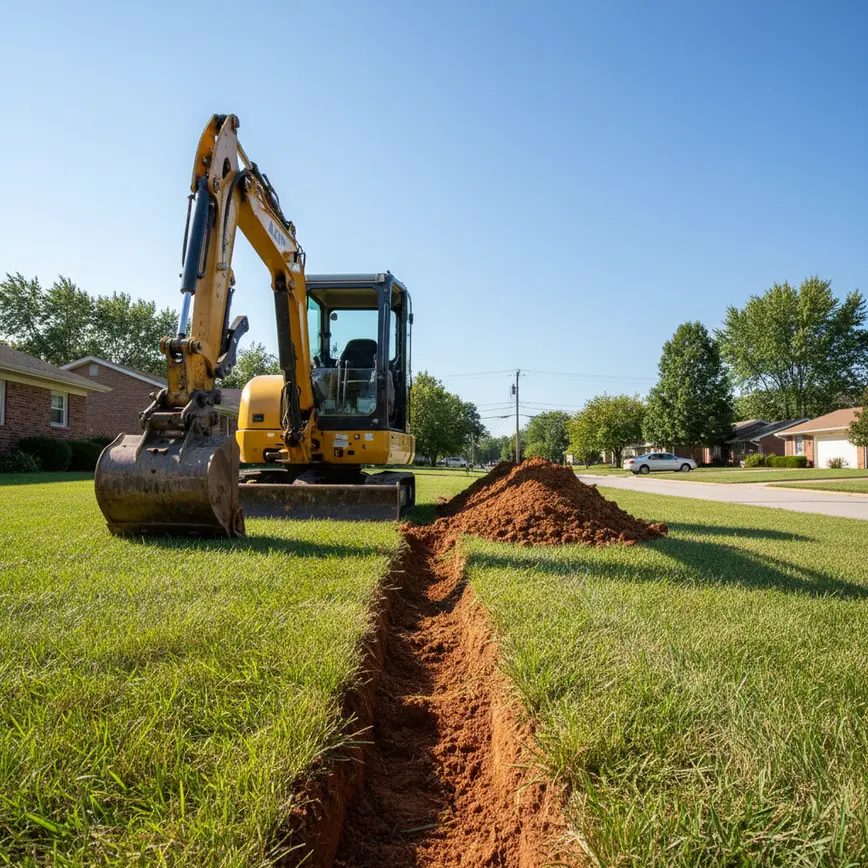

How Does Trenching Work in Central Ohio’s Unique Soils?
Trenching in Central Ohio means digging narrow, precise channels through dense clay and silt soils to install utilities, drainage, or foundations. Fortress Level Construction adapts methods to local soil types, site conditions, and strict permitting, using specialized CAT equipment for safe, efficient results across both urban and rural properties.
The Quick Answer
- Trenching in Central Ohio requires adapting to dense clay and silt soils, strict permitting, and varied terrain.
- Brookston-Crosby clay holds water, demanding careful trench design for drainage and utilities.
- Coshocton silt loam in Licking and Fairfield Counties affects trench stability and water movement.
- Fortress Level Construction uses CAT excavators with thumbs for precise digging and root removal.
- Owner Lee Carson oversees every project, ensuring compliance with local and state regulations.
- Ohio 811 utility locate is legally required at least 48 hours before any excavation.
- Flat-rate, owner-walked quotes and free site assessments are available for all trenching projects.
- Trenching costs typically range from $50 to $200 per cubic yard, depending on soil, access, and project complexity.
Related Questions People Ask Next
Permitting requirements vary by county and municipality. Columbus and Franklin County require permits through the Department of Building & Zoning, while Licking, Fairfield, Delaware, and Union Counties each have their own planning authorities. Sites over one acre must meet NPDES stormwater compliance. Always call Ohio 811 for utility locates before any excavation.
Trench depth depends on the purpose and local codes. Utility trenches are usually dug below frost depth, which ranges from 30 to 42 inches in Central Ohio. Drainage and foundation trenches may be deeper or shallower based on soil, water table, and engineering requirements for the specific project.
Trenching is possible year-round, but winter brings challenges such as frozen ground and heavy, waterlogged clay in spring. Fortress Level Construction schedules work based on soil conditions, weather, and project urgency to minimize delays and ensure safe, stable trenches regardless of the season or location.
Fortress Level Construction is owner-operated, with Lee Carson on every job since 2009. The company owns its CAT excavators, forestry mulchers, and stump grinders, allowing efficient handling of both urban and rural projects, including challenging tree roots and debris. This direct oversight ensures quality and compliance.
What Is Trenching and How Does It Differ from Other Excavation Services?
Trenching is the process of digging narrow, deep channels for utilities, drainage, or foundations, unlike broader excavation for ponds or basements. In Central Ohio, it requires precision to navigate dense soils, roots, and existing infrastructure, making it distinct from general site grading or mass earthmoving.
Trenching focuses on creating linear cuts, usually for pipes, cables, or drainage systems, while excavation covers larger, open areas for foundations or site prep.
In Central Ohio, trenching often means working in tight spaces, around mature trees, or through heavy clay, demanding specialized equipment and expertise.
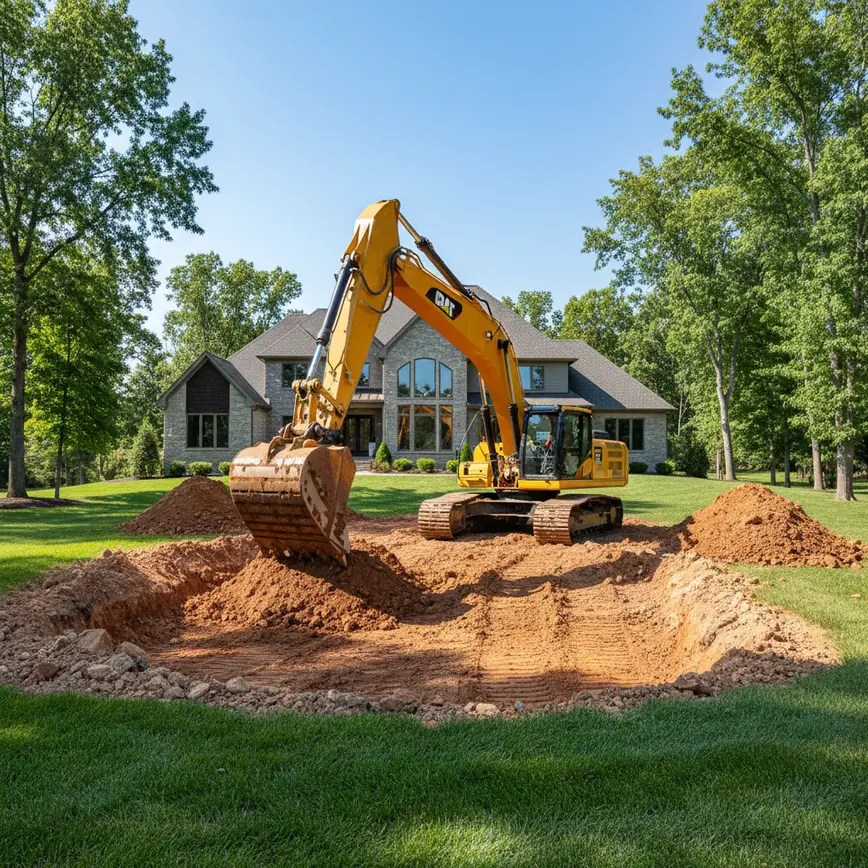
Why Do Central Ohio’s Soils and Terrain Make Trenching Challenging?
Central Ohio’s soils range from poorly drained Brookston-Crosby clay to rolling Coshocton silt loam, each presenting unique trenching challenges. Clay holds water and can collapse, while silt loam affects drainage and trench stability. Urban growth adds tight spaces and root obstacles, requiring tailored trenching approaches.
Franklin County’s flat glacial plains feature clay that stays wet into spring, complicating trench wall stability and drainage.
Rolling hills in Licking and Fairfield Counties bring silt loam and variable terrain, impacting trench depth, slope, and water management strategies.
What Equipment Does Fortress Level Construction Use for Trenching?
Fortress Level Construction operates CAT track loaders and excavators with thumbs for precise digging, pipe placement, and root removal. Forestry mulchers and stump grinders clear trench paths, especially in wooded or overgrown areas, allowing efficient trenching even in challenging Central Ohio conditions.
The company’s equipment fleet includes CAT excavators suited for both urban and rural trenching, with attachments for handling roots and debris.
Owning their own mulchers and grinders sets Fortress apart, enabling rapid site clearing and minimizing project delays.
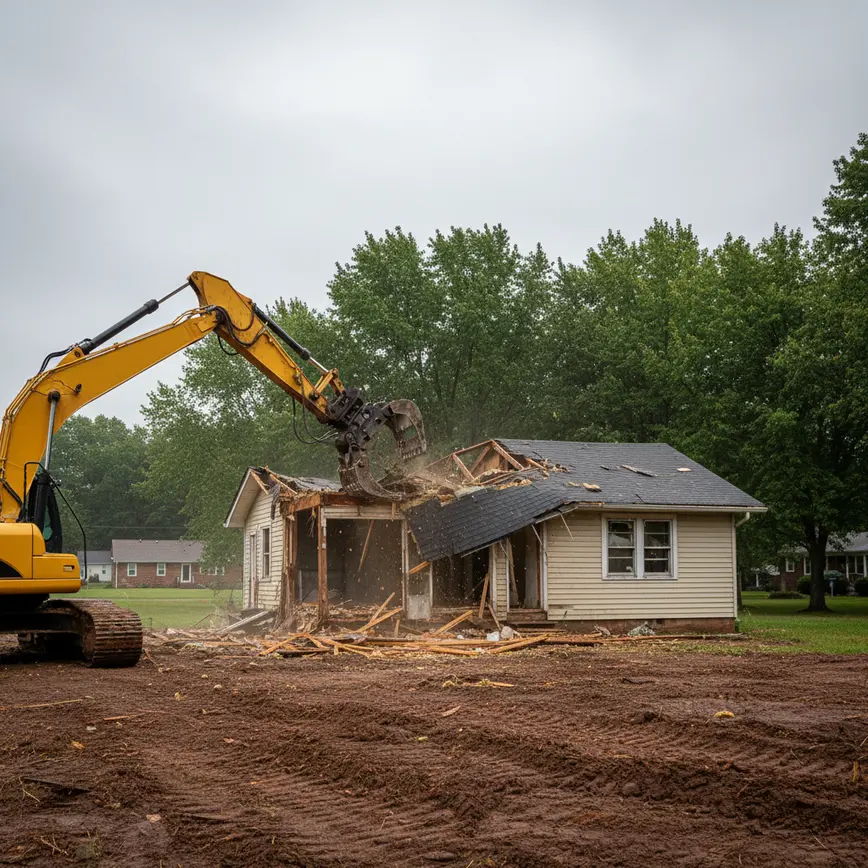
What Does the Trenching Process and Timeline Look Like in Central Ohio?
The process starts with a site walk and utility locate, followed by excavation, inspection, and backfilling. Timelines vary by project size and soil conditions, but most residential trenches are completed in days. Fortress Level Construction manages permits, inspections, and debris removal for a streamlined experience.
After a free assessment and flat-rate quote, the team schedules Ohio 811 utility locates, then mobilizes equipment for excavation and pipe or drain installation.
Permitting may add $100 to $300 for local land-disturbance approval, depending on municipality and project scope.
How Does Trenching Compare to Other Excavation Methods in Central Ohio?
Trenching is tailored for linear utility and drainage runs, while other excavation methods address broader site needs. Here’s how trenching stacks up against adjacent services in Central Ohio, including cost, equipment, scope, and soil handling.
| Trenching | Mass Excavation | Directional Boring | Hand Digging | |
|---|---|---|---|---|
| Purpose | Narrow channels for utilities, drainage, or footers | Large-scale earthmoving for basements, ponds | Non-invasive pipe or cable install under obstacles | Small-scale, tight-access or delicate areas |
| Equipment Used | CAT excavators, loaders, mulchers, stump grinders | Bulldozers, large excavators, loaders | Boring rigs, drill heads | Shovels, trenching spades |
| Typical Cost Range | $50-$200 per cubic yard | $50-$200 per cubic yard | $50-$200 per cubic yard | $100-$300 per permit (if required) |
| Best For | Utility lines, drainage, foundation footers | Basements, site prep, major grading | Crossing roads, driveways, tree roots | Garden beds, tight urban spaces |
| Limitations | Soil collapse in wet clay, root obstacles | Not suitable for precise utility runs | Limited by soil type, not for large pipes | Labor intensive, slow for long runs |
When Is Trenching Not the Right Choice in Central Ohio?
Trenching is not ideal for sites with extensive underground utilities, extremely rocky terrain, or where non-invasive methods are required. In these cases, directional boring or hand digging may be safer and more practical for property protection. Fortress can recommend the best approach for your site conditions.
If your site has dense underground utilities or needs to cross paved surfaces without disturbance, directional boring is often the better choice.
On small urban lots with limited access or delicate landscaping, hand digging or vacuum excavation may be safer than mechanical trenching.
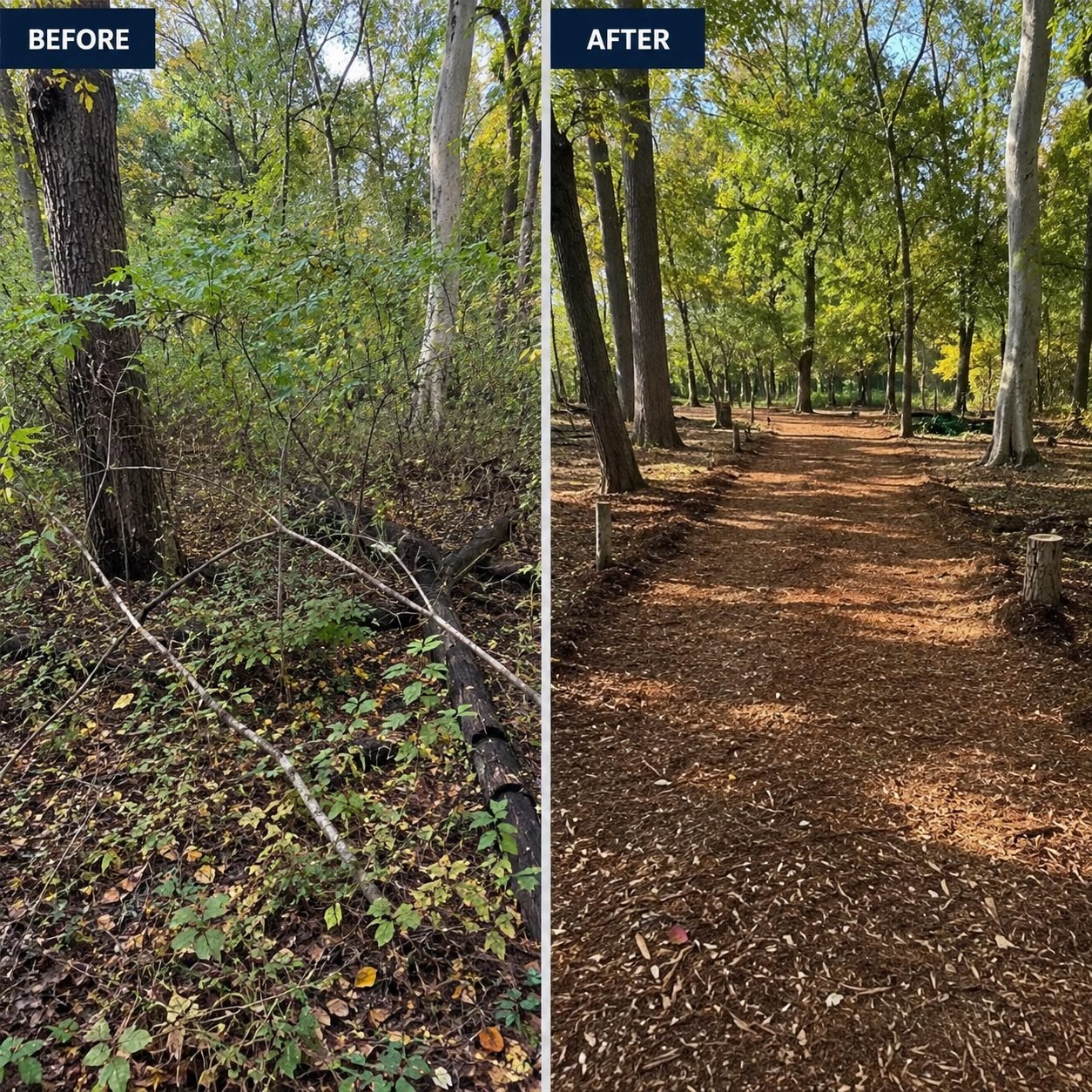
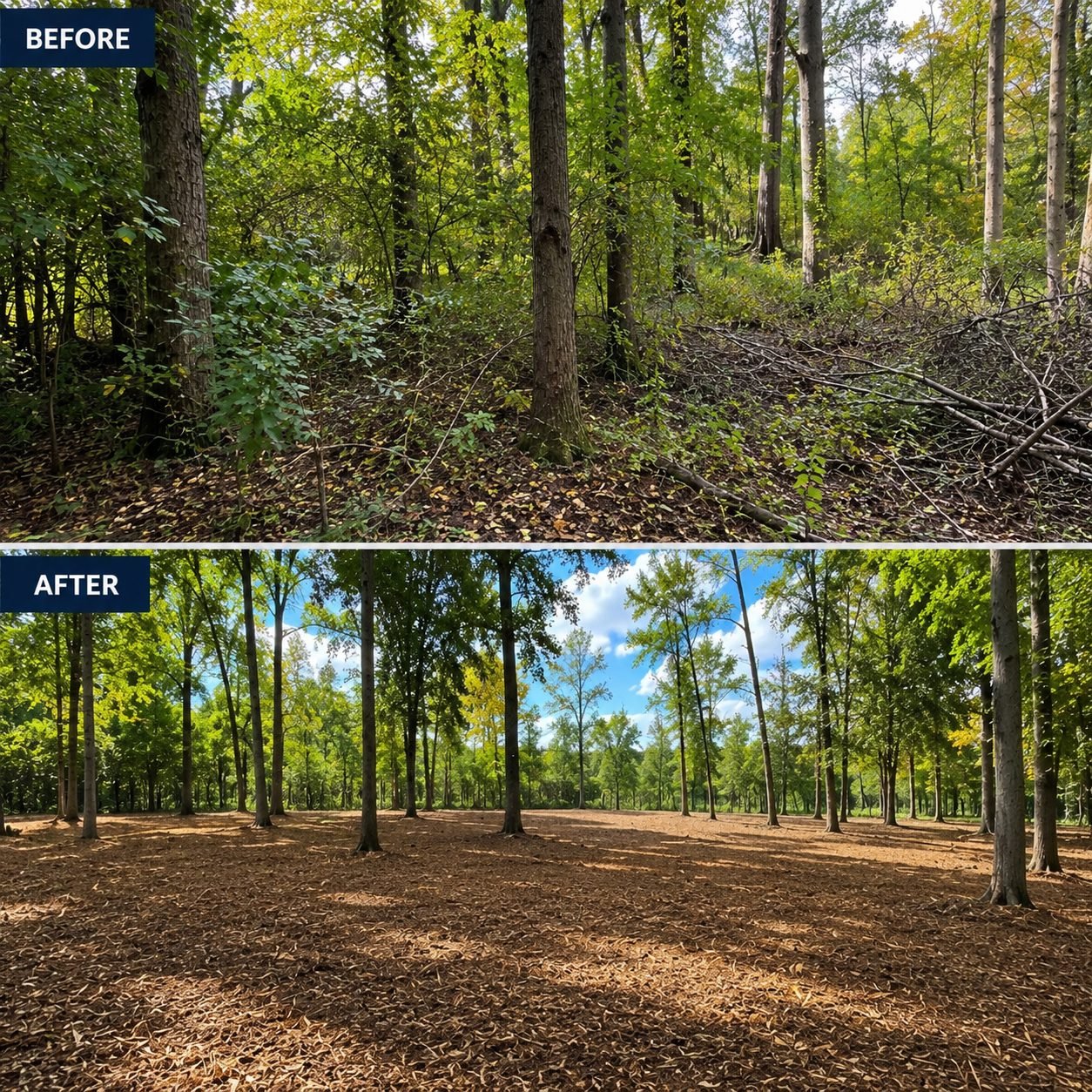
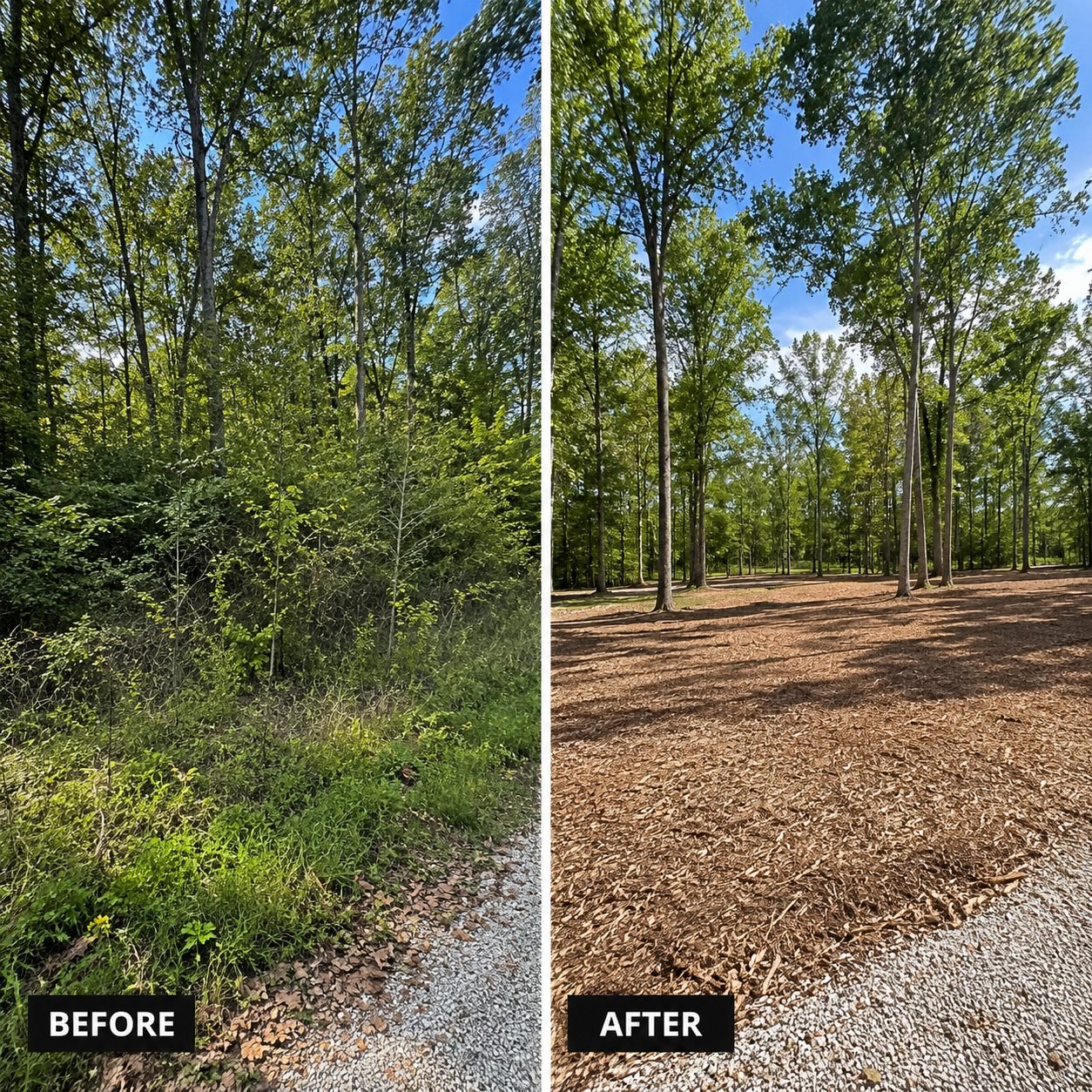
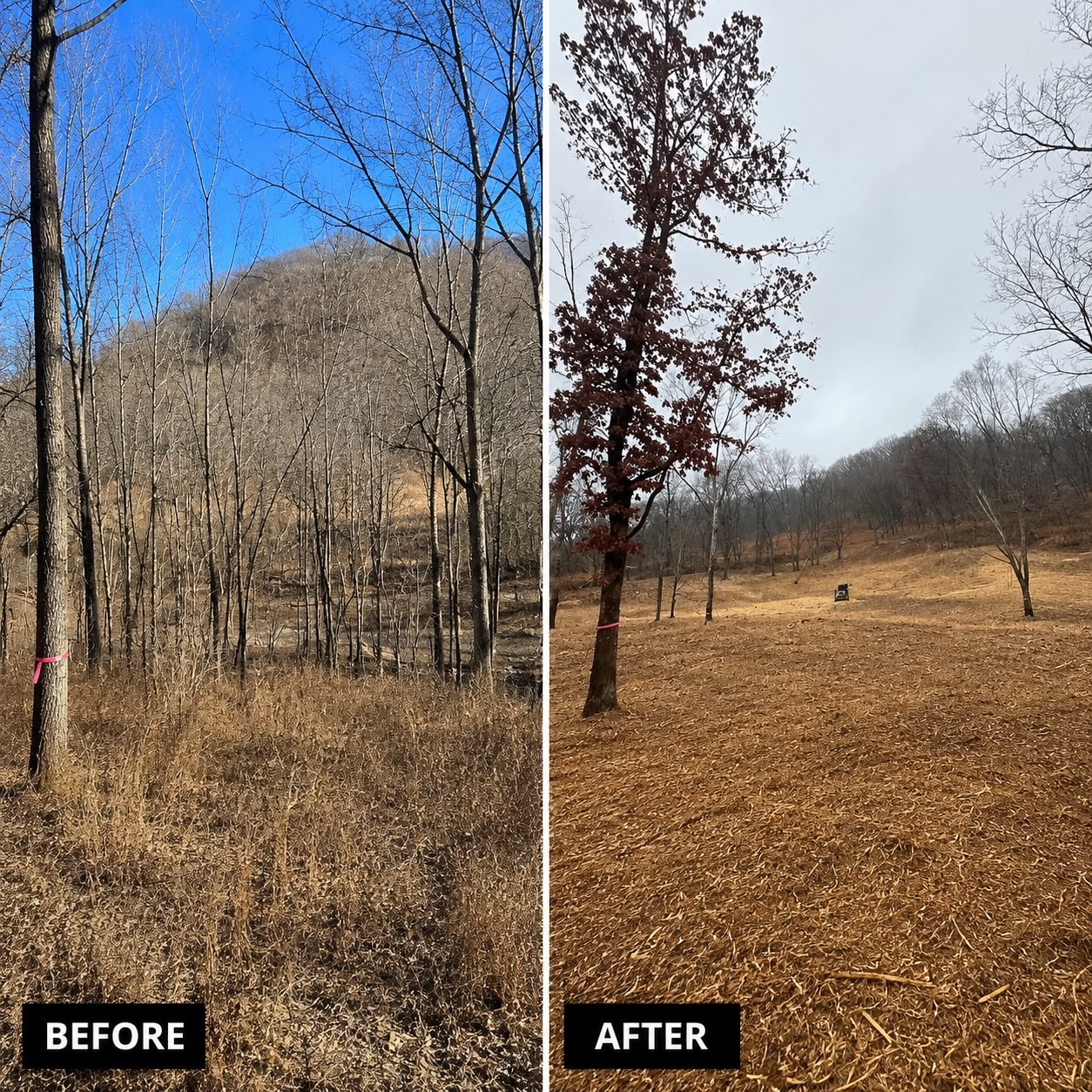
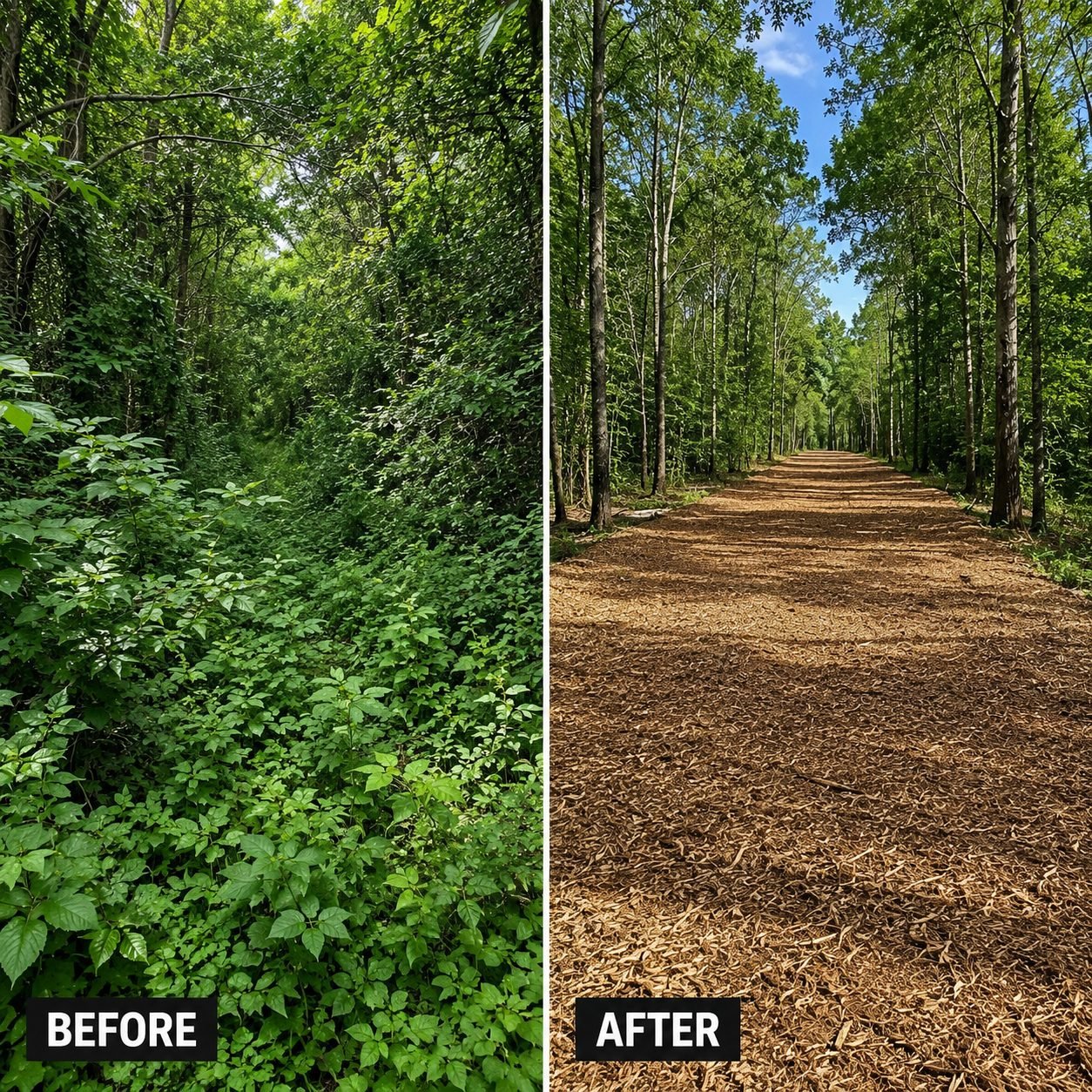
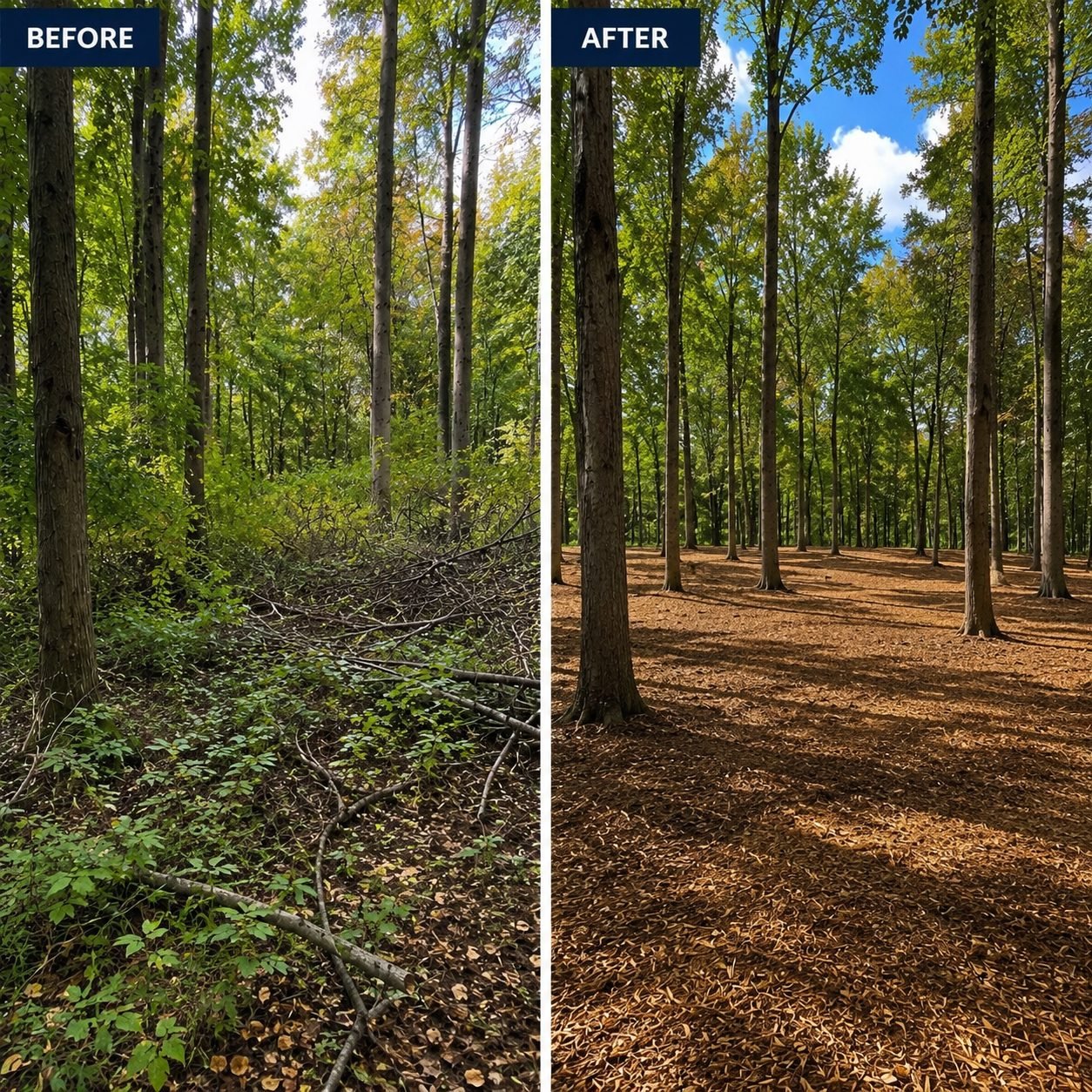
What Do Before and After Trenching Results Look Like on Central Ohio Properties?
Before trenching, sites may show overgrown brush, compacted clay, or tight urban spaces. After trenching, you’ll see clean, narrow channels ready for pipe or cable installation, with disturbed soil neatly backfilled and debris removed, leaving the property prepared for utility connections or improved drainage.
Frequently asked questions
Trenching costs in Central Ohio typically range from $50 to $200 per cubic yard, depending on soil type, access, depth, and project complexity. Permitting, if required, may add $100 to $300. Fortress Level Construction provides flat-rate, owner-walked quotes after a free site assessment.
Most municipalities in Central Ohio require a permit for trenching, especially if the work disturbs more than a set area or involves utility connections. Permit fees usually range from $100 to $300, depending on location and project size. Fortress Level Construction manages all permitting as part of the process.
Owner Lee Carson responds to inquiries within 2-3 business hours. After a site walk and quote, Ohio law requires an Ohio 811 utility locate at least 48 hours before any digging. Most projects can be scheduled for the same week, weather and permitting permitting.
Trenching is commonly needed for installing water, gas, or electric lines, drainage systems, and foundation footers. It’s also used for irrigation, septic lines, and stormwater management. Fortress Level Construction adapts trenching methods to suit urban, suburban, and rural project needs.
Safety is prioritized through mandatory Ohio 811 utility locates, use of shoring or sloping in deep or unstable soils, and owner oversight on every project. CAT equipment with specialized attachments allows precise digging, minimizing risk to existing structures, utilities, and landscaping.
Trenching can be done year-round, but wet Brookston-Crosby clay in spring and frozen ground in winter present challenges. Fortress Level Construction schedules work based on soil conditions and uses equipment suited for tough Central Ohio terrain to maintain safe, efficient progress.
Trenching by County and City in Central Ohio
Franklin County
What Other Services Does Fortress Offer in Central Ohio?
Fortress Level Construction runs a full range of land-clearing, excavation, grading, and site-work services across Central Ohio, so one owner-operated crew can clear, grade, and prep a site end to end.
Get a Flat-Rate Quote from Lee Carson
Owner-operated land clearing across all five Central Ohio counties. Send your property details and Lee gets back to you within 2 to 3 hours during business hours with one flat number after a free on-site walk-through.