

Land clearing for new construction in Licking County means dealing with rolling hills, Coshocton silt loam, and dense tree cover from Newark to Buckeye Lake. Fortress Level Construction, led by Mr. Carson since 2009, handles challenging Appalachian foothill transitions with specialized equipment. Call (844) 656-0129 for site prep tailored to Licking County’s terrain.
Land Clearing for New Construction in Licking County: What to Know
Land clearing for new construction in Licking County requires an approach tailored to the region’s rolling hills, dense hardwood forests, and creek valleys. The area’s transition zone into the Appalachian foothills means steeper grades and heavier tree cover than most of Central Ohio. Coshocton silt loam soils can pose challenges for heavy machinery, especially after heavy rain or during the spring thaw. Clearing land here isn’t just about removing trees—it’s about anticipating how water moves through valleys, how to prevent erosion, and how to create a stable building site from forested slopes.
The Licking County Planning Commission oversees permitting for new construction and clearing, meaning every project needs to follow local guidelines specific to areas like Newark, Heath, and Granville. Proximity to the Licking River and Raccoon Creek means extra attention must be given to runoff control and sediment barriers. Each town brings its own challenges, from the compact neighborhoods in Heath to larger wooded tracts in Granville and Johnstown. Knowing local codes and hydrology is essential to avoid project delays.
Since 2009, Mr. Carson has managed land clearing operations that account for the unique challenges in Licking County. Whether it’s clearing a steep hillside near Buckeye Lake or prepping a commercial site in Pataskala, Fortress Level Construction uses equipment suited for local soils and terrain. This includes tracked loaders for wet silt loam, forestry mulchers to handle heavy underbrush, and dozers with low ground pressure for sensitive sites. Every job is planned to minimize soil disturbance and maximize site stability.
Licking County’s growth—now over 180,000 residents—means more demand for reliable land clearing services that keep projects on schedule and within code. The region’s mix of rural, suburban, and lakeside properties requires a contractor who understands both heavy timber removal and detailed sediment control. Fortress Level Construction delivers land clearing with an eye on local conditions, so new construction starts on solid ground.
Key Numbers at a Glance
Land Clearing Conditions in Licking County Cities
Land clearing needs can differ greatly among Licking County’s major cities due to varying terrain, soil, and regulatory requirements.
| City | Population | Terrain | Soil Type | Permit Authority | Common Projects |
|---|---|---|---|---|---|
| Newark | 50,000 | Hilly, urban edges | Coshocton silt loam | Licking County Planning Commission | Residential subdivision clearing on slopes |
| Heath | 11,000 | Urban, mixed woodlots | Coshocton silt loam | Licking County Planning Commission | Commercial site prep, small lot clearing |
| Pataskala | 15,500 | Rolling open fields | Coshocton silt loam | Licking County Planning Commission | Large parcel residential and commercial clearing |
| Granville | 5,800 | Steep wooded hills | Coshocton silt loam | Licking County Planning Commission | Custom home and institutional site clearing |
| Buckeye Lake | 2,700 | Lakeside, flat to gently sloped | Coshocton silt loam | Licking County Planning Commission | Lakeside lot clearing, erosion control |
Licking County Land Clearing Services
Forestry Mulching and Brush Removal
In Licking County, heavy brush and hardwood stands are common on building sites, especially near Granville and Johnstown. Our forestry mulchers grind trees and underbrush directly into mulch, reducing haul-off costs and stabilizing the soil. This approach fits the rolling hills and silt loam soils, minimizing erosion risk and prepping lots for foundation work in areas with thick cover.
Stump and Root Ball Excavation
After tree removal, Licking County’s Coshocton silt loam makes stump extraction a challenge, particularly on wet or sloped sites. Fortress Level Construction uses excavators fitted with root rakes and hydraulic thumbs to remove stumps and root balls efficiently, leaving a build-ready surface. This service is critical for new subdivisions and custom homes on wooded parcels.
Site Grading and Erosion Control
With Licking County’s steep grades and proximity to waterways like Raccoon Creek, proper grading and erosion control are essential. We install silt fences, temporary seeding, and berms as required by local regulations. Our dozers and graders reshape the land for drainage, making sure your project meets county sediment control standards from Newark to Etna.
Permit Assistance and Regulatory Compliance
Land clearing in Licking County requires coordination with the Planning Commission and, in some cases, soil and water conservation districts. Fortress Level Construction helps clients compile the necessary documentation, maps, and erosion control plans. We manage the permitting process so projects in towns like Heath or Buckeye Lake start on schedule and pass every inspection.
“Fortress Level Construction cleared our wooded lot outside Granville, handling steep slopes and heavy oak stumps without delay. Mr. Carson made sure all work met county erosion control standards. The site was ready for our builder on time, even with the spring rains. Highly recommended for Licking County jobs.”
Photo Gallery: Land Clearing Projects in Licking County
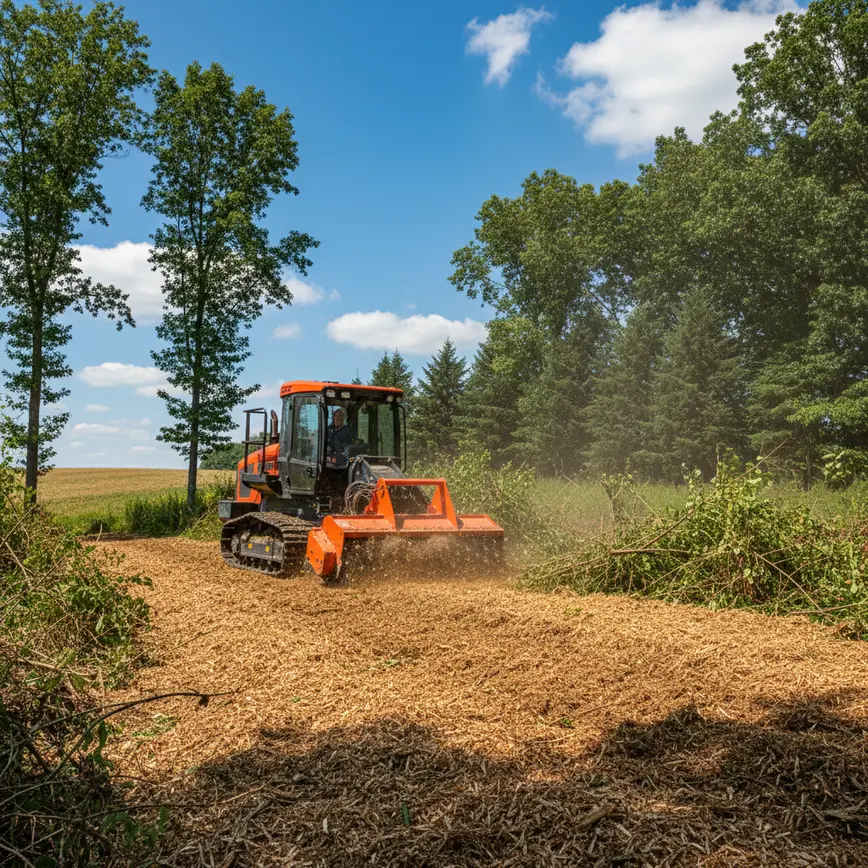
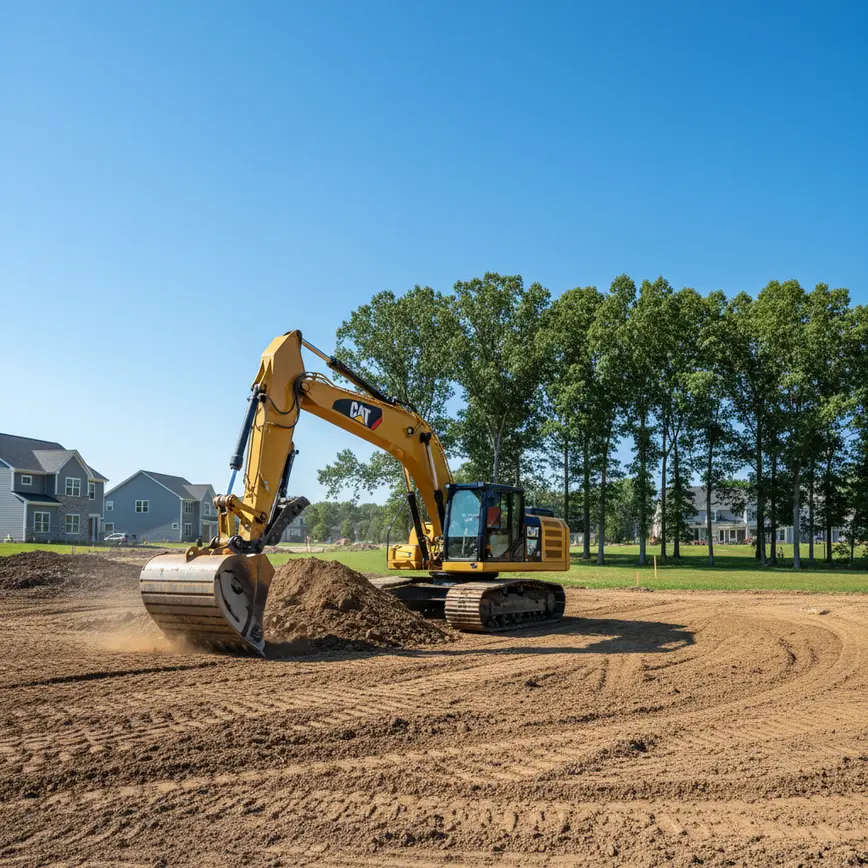
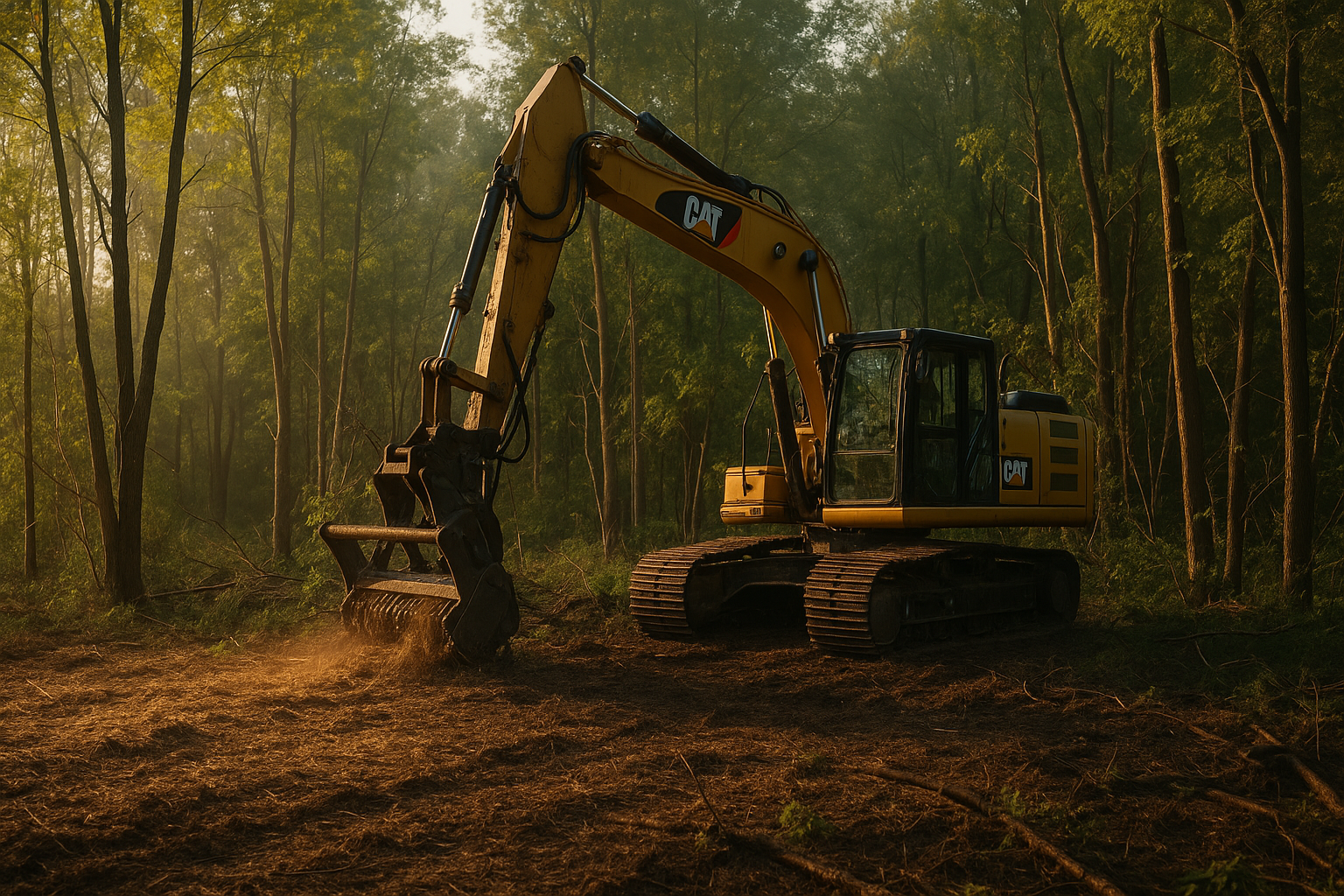
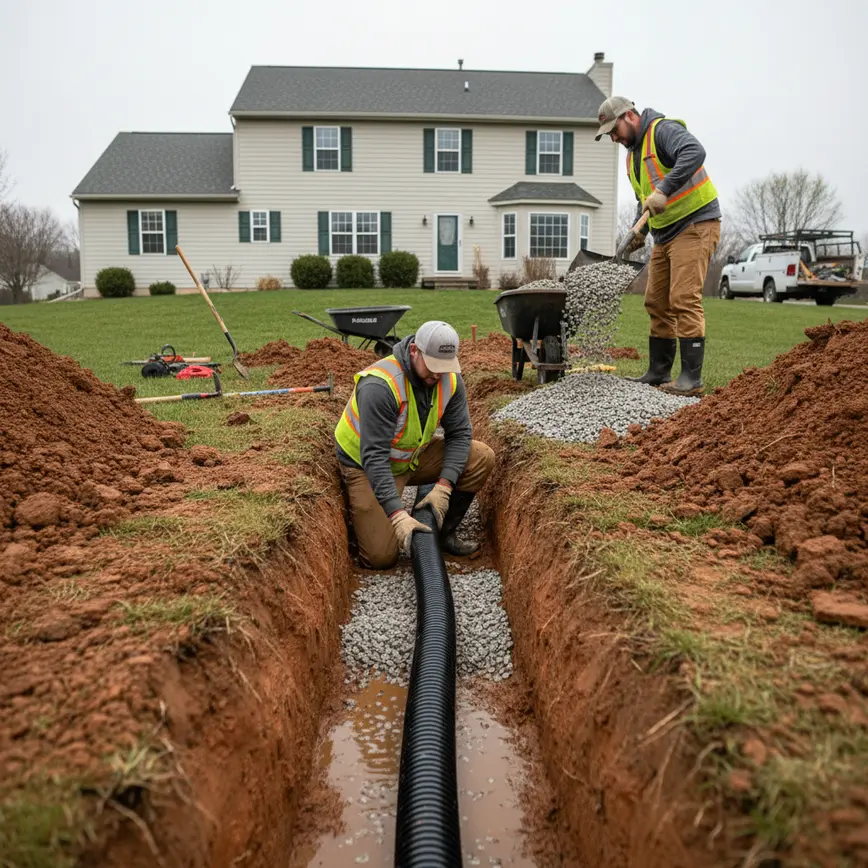
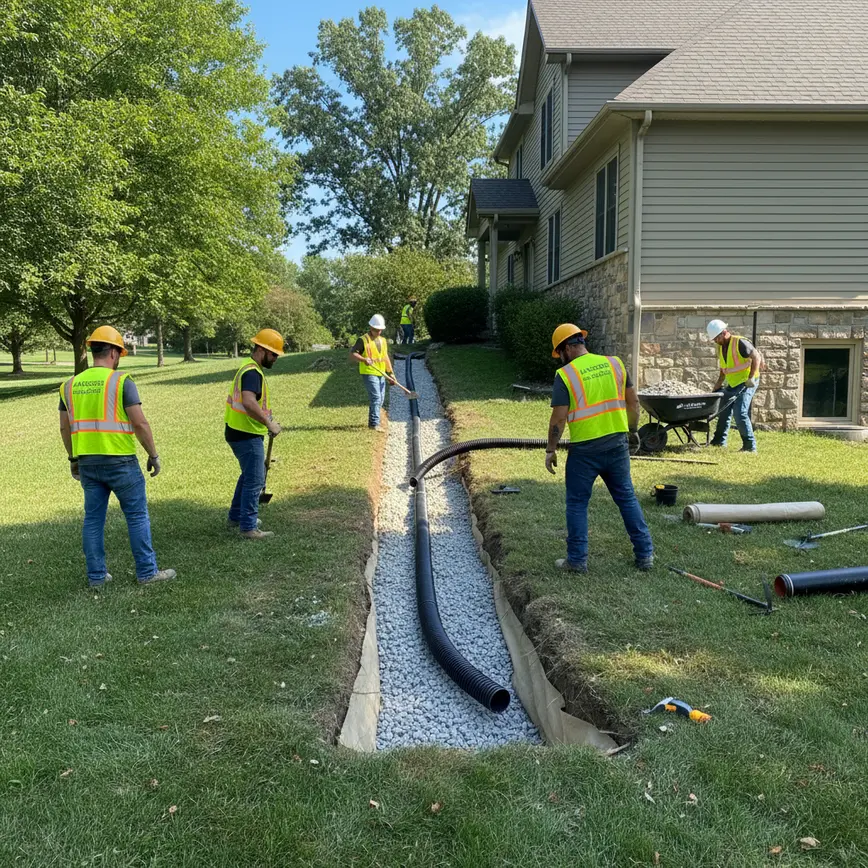
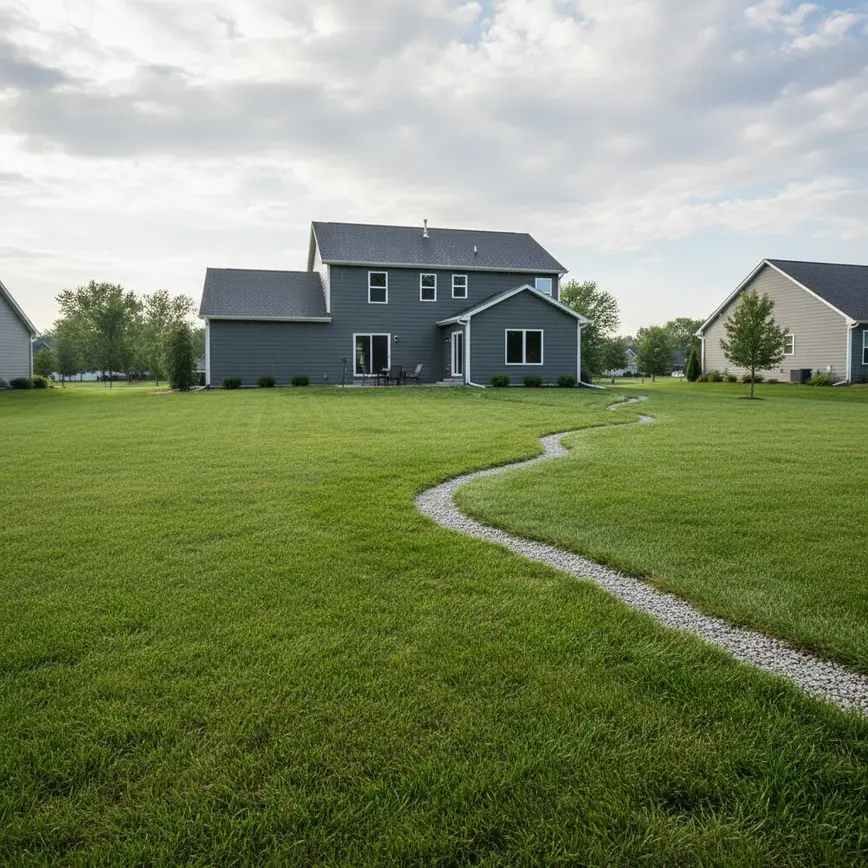
Mr. Carson walks every property personally. Estimates are written, site-specific, and include all permitting — no hidden costs anywhere in our service area.
Our Land Clearing Process in Licking County
Site Evaluation and Planning
Every Licking County land clearing job starts with a thorough site walk. We inspect slopes, soil conditions, and tree types—from Newark’s urban edge to Buckeye Lake’s wooded lots. This helps determine equipment needs and plan for erosion control based on the area’s Coshocton silt loam and local permit requirements.
Tree and Brush Removal
We use forestry mulchers, chainsaws, and excavators to remove trees and underbrush. In Licking County, this step often means working around creek valleys and steep hillsides. Mulching helps stabilize soil and prevents runoff issues common in the region’s hilly areas.
Stump Extraction and Debris Management
Once trees are down, our crews dig out stumps and root balls, especially important on Licking County’s silt loam soils that can become slick or boggy. We haul debris as needed or chip it on-site for mulch, depending on site accessibility and local disposal guidelines.
Final Grading and Erosion Control
We finish by grading the site to county specs, installing silt fencing and seeding exposed areas. This is crucial near waterways like the Licking River. The result is a stable, build-ready pad that meets Licking County code and keeps sediment out of nearby creeks and lakes.
Specialized Equipment for Licking County Land Clearing
Tracked Skid Steer with Forestry Mulcher
High-flow hydraulic, low ground pressure — Efficient brush and small tree removal on steep or wet Licking County slopes
Excavator with Root Rake and Thumb
30,000 lbs class, hydraulic thumb — Stump and root ball extraction in Coshocton silt loam
Bulldozer (Low Ground Pressure)
Wide tracks, 130 hp — Site grading and pad prep on soft, hilly terrain
Hydroseeder
1,000-gallon tank, hose reel — Seeding and erosion control on slopes near Licking River
Cities Served for Land Clearing in Licking County
ColumbusWestervilleDublinHilliardGrove CityGahannaUpper ArlingtonReynoldsburgWhitehallWorthingtonBexleyGrandview HeightsNew AlbanyGroveportDelawarePowellLewis CenterSunburyGalenaWesterville NorthOrange TownshipOstranderNewarkHeathPataskalaGranvilleJohnstownHebronBuckeye LakeEtna
Frequently Asked Questions
Land clearing for new construction in Licking County typically requires a permit from the Licking County Planning Commission. Projects near waterways or involving large acreage may also need review by the Soil and Water Conservation District. We help clients prepare site plans and sediment control details for local approval.
Steep terrain is managed by using low ground pressure machinery and careful planning to prevent soil compaction and erosion. We install temporary sediment controls and work in phases to stabilize each area before moving on. This approach reduces runoff and keeps sites compliant with county codes.
Most debris is mulched on-site using forestry equipment, reducing haul-off and providing ground cover to control erosion. Where haul-off is required, we follow Licking County disposal guidelines. In residential areas, we can leave mulch for landscaping or arrange for full removal if desired.
Most standard residential lots in Newark or Heath can be cleared in 2–4 days, depending on tree density, access, and weather conditions. Wet silt loam soils may require schedule adjustments. We coordinate closely with homeowners and builders to minimize delays and meet permit deadlines.
Yes, we provide full erosion and sediment control, including silt fence installation, straw matting, and hydroseeding for disturbed soil near sensitive waterways like the Licking River and Raccoon Creek. These measures are required by Licking County regulations and protect local water quality.
Most land clearing is possible year-round, but Coshocton silt loam soils can limit heavy equipment access during early spring or after heavy rain. We monitor soil conditions and use tracked equipment to minimize rutting and delays. Winter projects can proceed with the right planning and equipment.
Related Services in Central Ohio
Land Clearing Licking CountyExcavation Licking CountyGrading Licking CountyDemolition Licking County
Ready to Start Your Licking County Land Clearing Project?
For land clearing tailored to Licking County terrain, call Fortress Level Construction at (844) 656-0129. Mr. Carson will schedule a site visit and provide a detailed plan for your new construction project.