
How does excavation in Buckeye Lake, Ohio differ from other areas?
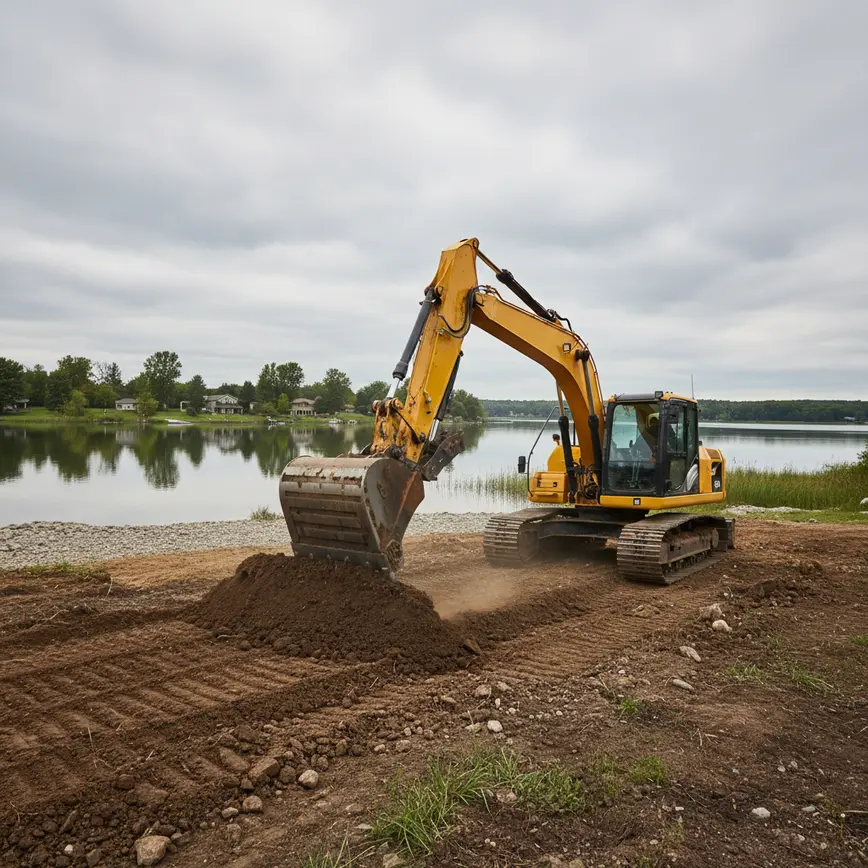
Excavation in Buckeye Lake, Ohio, is defined by the village’s lakeside resort setting, tight cottage lots, and clay-rich glacial till soils. Fortress Level Construction’s crew specializes in overcoming access challenges and shoreline constraints, delivering safe, code-compliant earthwork for unique local properties. Free on-site walk-throughs are available for all Buckeye Lake projects.
The Quick Answer
- Excavation in Buckeye Lake, Ohio, requires specialized approaches for lakeside and cottage lots.
- Fortress Level Construction is a licensed, insured crew serving all of Licking County since 2009.
- Typical jobs involve tight access, shoreline constraints, and glacial till soils.
- The team uses John Deere 333G loaders, dozers, and excavators for efficient, safe earthmoving.
- Waterfront projects often require careful planning due to proximity to Buckeye Lake and the Cranberry Bog preserve.
- Free, flat-rate quotes and on-site walk-throughs are available, usually within the same week.
- Ohio law mandates a utility locate (Ohio 811) at least 48 hours before digging.
- Work is performed by a veteran-founded crew led by Lee Carson, not subcontractors.
Related Questions People Ask Next
Excavation in Buckeye Lake is unique due to its lakeside and cottage lot layouts, requiring careful access planning, especially near water. The area’s clay-heavy glacial till soils and proximity to the Cranberry Bog preserve also demand specific equipment and techniques to prevent shoreline erosion and environmental impact.
Fortress Level Construction uses compact John Deere 333G loaders and skilled crews to work within the limited space of Buckeye Lake’s lakeside and cottage lots. The team plans access routes in advance and takes extra precautions to avoid disturbing shoreline areas or neighboring properties.
While excavation in Buckeye Lake generally follows Licking County and Ohio codes, projects near the lake or Cranberry Bog preserve may require additional environmental permits. Fortress assists clients in identifying necessary permits and always arranges the mandatory Ohio 811 utility locate before starting work.
Excavation costs in Buckeye Lake typically range from $50 to $200 per cubic yard, depending on site access, soil conditions, and project complexity. Tight lakeside lots or wooded parcels can affect equipment choice and labor, but Fortress provides flat-rate quotes after a free walk-through.
What is the excavation process for lakeside and cottage lots in Buckeye Lake?
Excavation in Buckeye Lake’s lakeside and cottage lots requires careful planning due to tight access and shoreline proximity. Fortress Level Construction customizes the process to each parcel’s unique terrain and soil, ensuring efficient digging and minimal disruption to the lake’s environment.
Most Buckeye Lake properties are compact lots nestled along the water or set back in rural wooded areas. Excavation starts with a site walk-through to assess access, soil type, and any nearby water features. The glacial till soils here are clay-heavy, demanding specialized equipment for stability and drainage.
The crew uses compact track loaders and excavators to maneuver within tight spaces, safeguarding neighboring cottages and the shoreline. For lots near Buckeye Lake or the Cranberry Bog preserve, extra care is taken to prevent runoff or erosion. Every project includes an Ohio 811 utility locate for safety and compliance.
Which equipment is best for Buckeye Lake’s excavation needs?
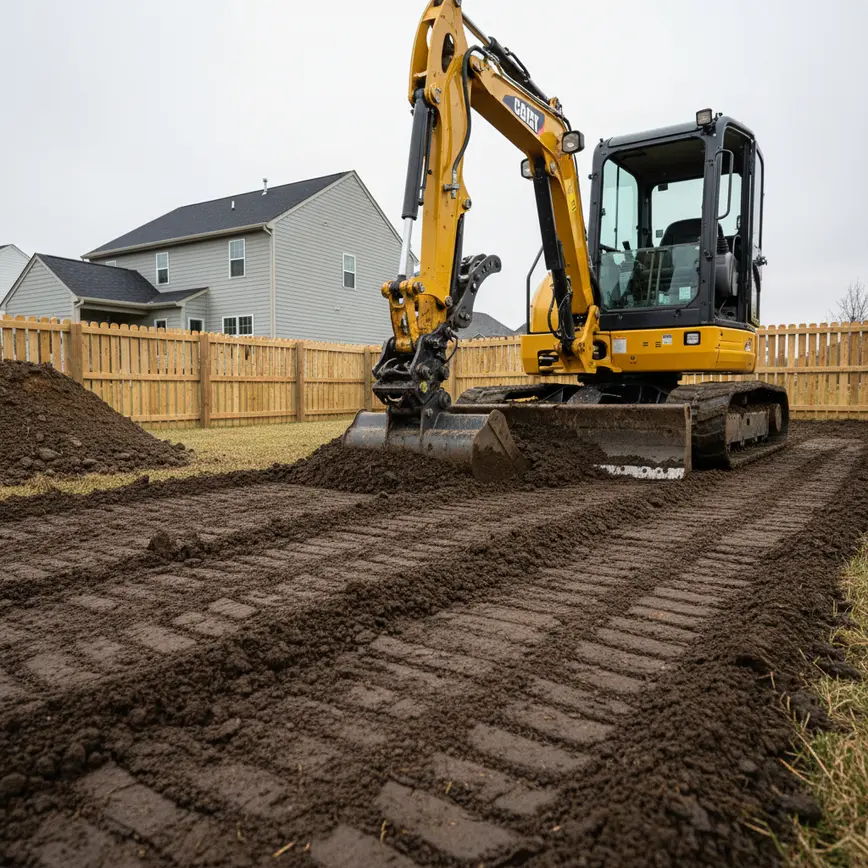
The varied terrain of Buckeye Lake, from lakeside cottages to wooded parcels, requires versatile excavation equipment. Fortress Level Construction relies on John Deere 333G loaders, drum mulchers, dozers, and excavators to handle clay-heavy soils and navigate tight, waterfront access points.
Tight lakeside lots and wooded ground in Buckeye Lake demand machines that balance power and precision. Fortress uses John Deere 333G compact track loaders with Diamond drum mulchers for clearing and site prep, especially where access is limited. These machines can process stems up to 14 inches in diameter, ideal for local wooded parcels.
For excavation and grading, dozers and excavators are deployed as needed, depending on the soil’s clay content and the proximity to water. This equipment allows the crew to dig, trench, and move earth efficiently, whether the project is near Buckeye Lake State Park or a rural site off Hebron or Millersport Road.
How does local soil and terrain affect excavation costs in Buckeye Lake?
Buckeye Lake’s glacial till soils and lakeside setting can influence excavation costs. Tight access, clay-heavy ground, and environmental safeguards all play roles. Fortress Level Construction provides flat-rate quotes, typically ranging from $50 to $200 per cubic yard based on site-specific factors.
The clay-heavy glacial till found around Buckeye Lake can require extra stabilization and drainage measures during excavation. Waterfront projects may also need erosion control to protect the lake and preserve the Cranberry Bog area. These factors can affect labor and equipment needs, impacting the final cost.
Tight cottage lots, wooded parcels, and rural farmland each present their own challenges. Access for machinery, distance from the main road, and proximity to utilities all influence pricing. Fortress Level Construction always provides a free on-site walk-through and a transparent, flat-rate quote before any digging begins.
What are the legal and safety requirements for excavation in Buckeye Lake?
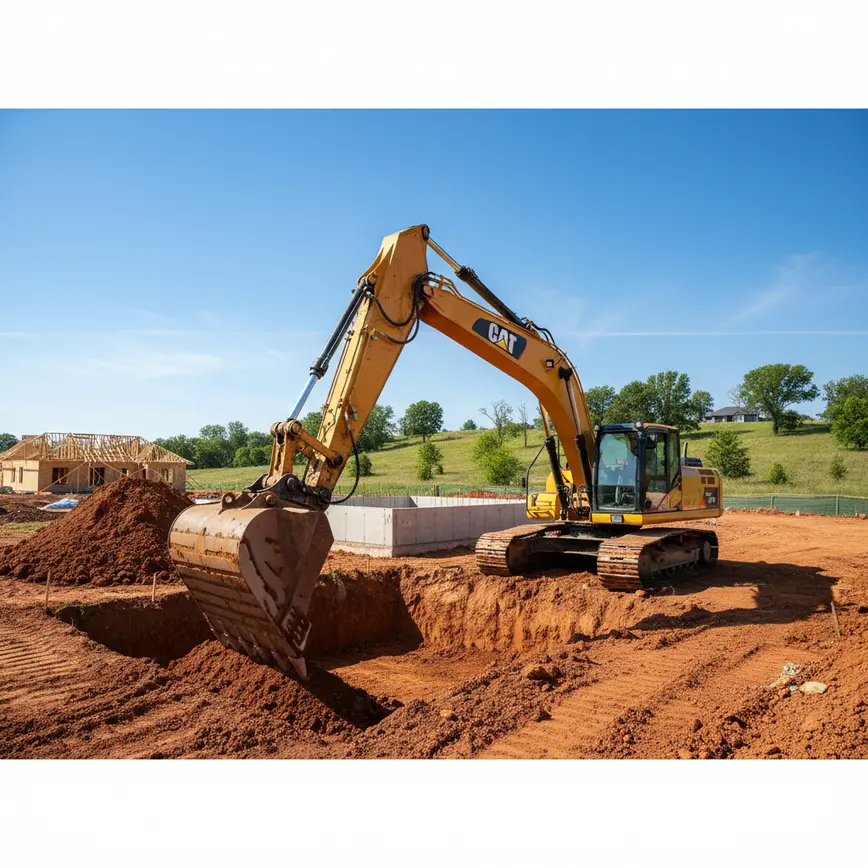
Excavation in Buckeye Lake must comply with Ohio Revised Code 3781.28, requiring an Ohio 811 utility locate at least 48 hours before digging. Fortress Level Construction coordinates all safety and permitting steps to protect clients, the village, and the lake’s environment.
Before any excavation starts in Buckeye Lake, Ohio law requires a utility locate through Ohio 811. This protects underground lines and ensures safe digging, especially important in tightly clustered lakeside and cottage lots. Fortress Level Construction schedules these locates in advance for all projects.
Depending on project location, such as near Buckeye Lake State Park or the Cranberry Bog preserve, additional permits may be needed. The Fortress team helps identify regulatory requirements and manages all site safety, including erosion controls and environmental safeguards, for every excavation job.
How does Buckeye Lake excavation compare to other Central Ohio locations?
Excavation in Buckeye Lake stands out for its tight lakeside lots and clay-rich glacial till, requiring different equipment and planning than other Central Ohio towns. Here’s how local conditions stack up.
| Feature | Buckeye Lake | Nearby Towns (Hebron, Millersport, Thornville) | Columbus Suburbs |
|---|---|---|---|
| Lot Size & Access | Tight lakeside/cottage lots, limited access | Larger rural parcels, easier equipment access | Suburban lots, moderate access |
| Soil Type | Clay-heavy glacial till, needs drainage solutions | Mixed soils, moderate clay content | Urban fill, variable soils |
| Waterfront Constraints | Frequent, shoreline protection required | Occasional, fewer strict constraints | Rare, minimal water issues |
| Environmental Sensitivity | High (Cranberry Bog, lake, state park) | Moderate (farmland, minor wetlands) | Low |
| Equipment Choice | Compact loaders, mulchers, small excavators | Standard excavators, dozers | Standard urban equipment |
When is excavation NOT the right choice in Buckeye Lake?
Excavation may not always be suitable in Buckeye Lake, especially for minor landscape work or in sensitive areas like the Cranberry Bog nature preserve. Fortress Level Construction’s crew will guide you to the safest alternative when mechanized digging could risk the unique lakeside or wetland environment.
Excavation is not recommended in Buckeye Lake for minor landscaping, hand-dug garden beds, or areas directly within the Cranberry Bog preserve where mechanized digging could harm sensitive habitats.
In such cases, Fortress suggests hand tools or specialist wetland contractors. For shoreline restoration, bioengineering or erosion matting may be more suitable than excavation. The crew will always guide homeowners to the safest, most compliant approach.
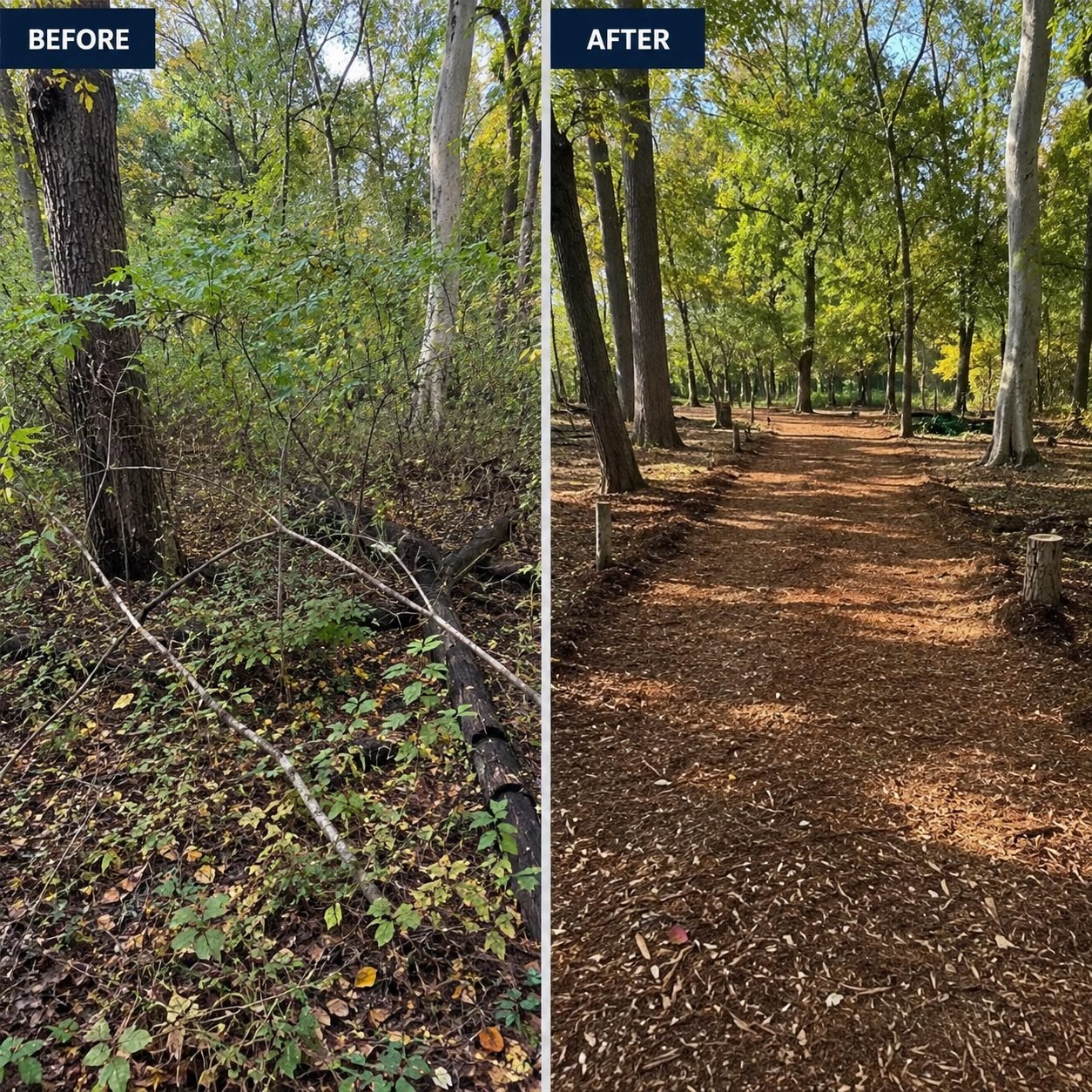
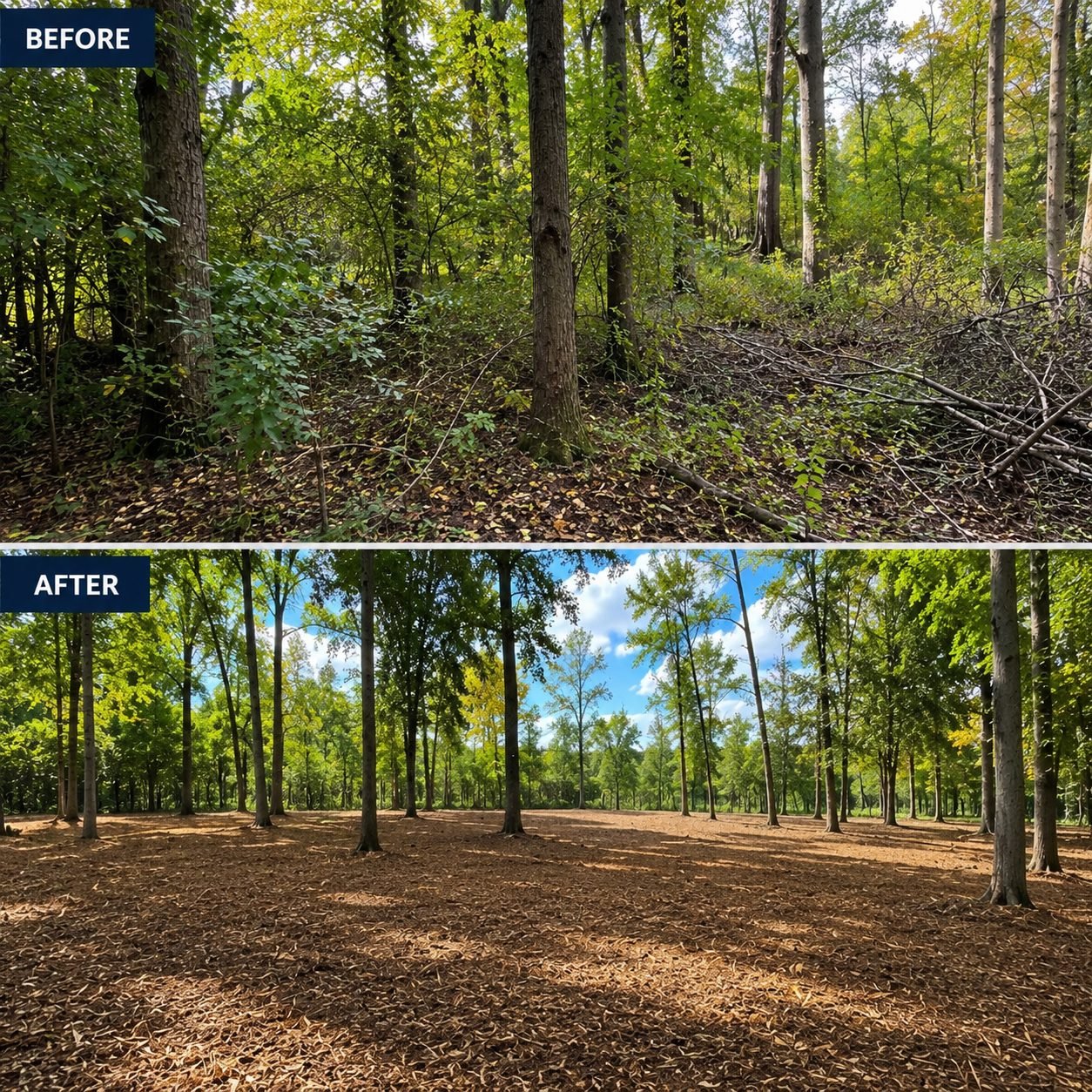
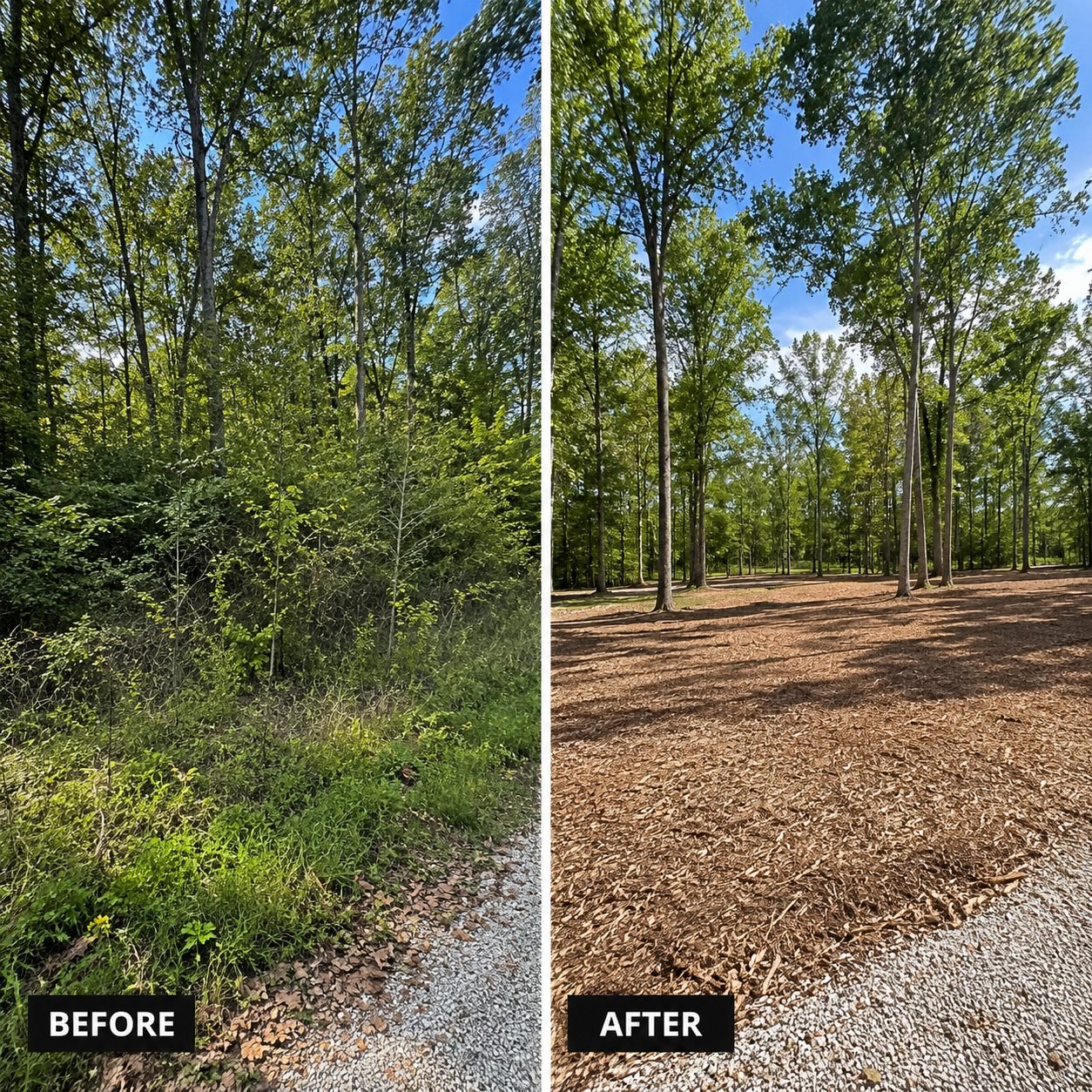
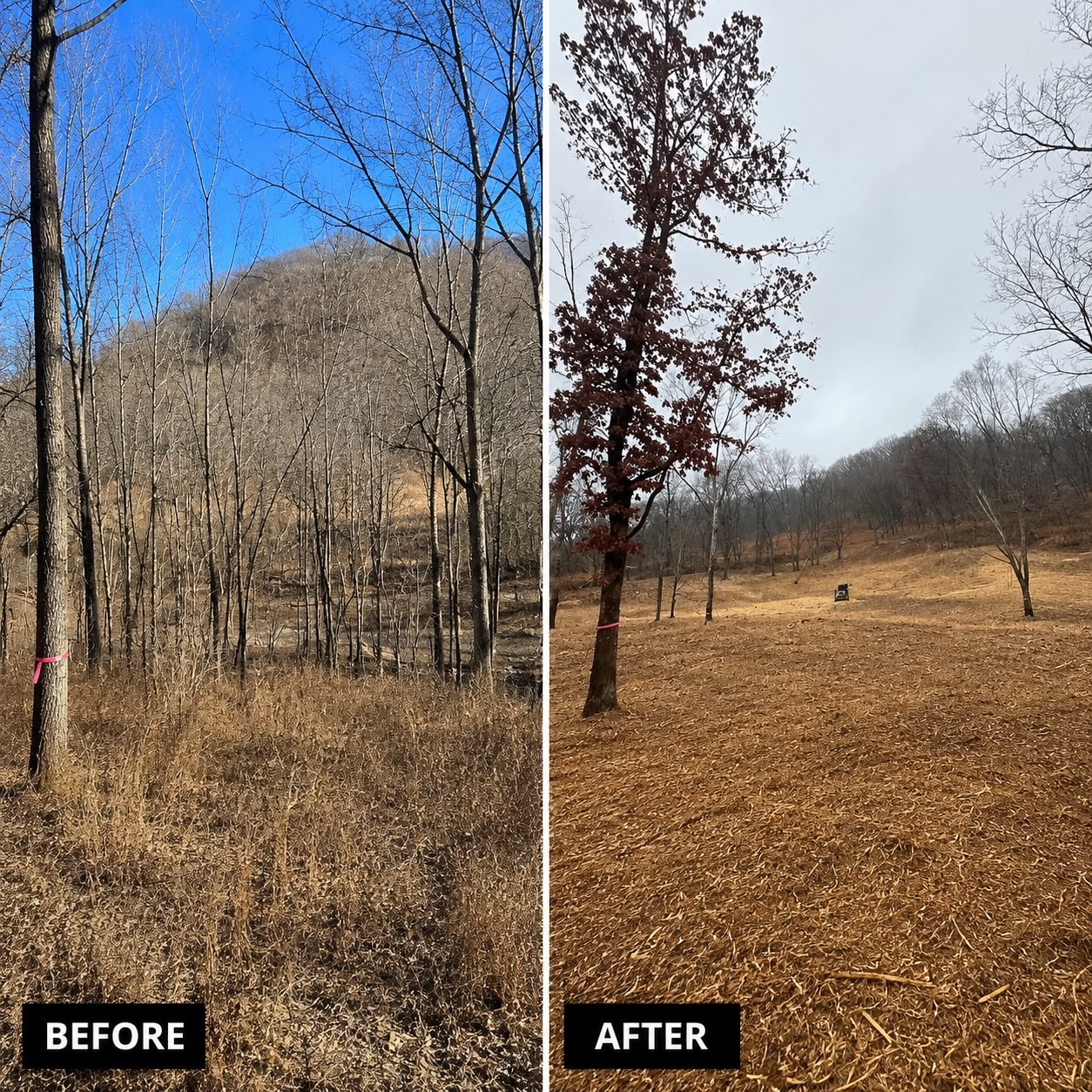
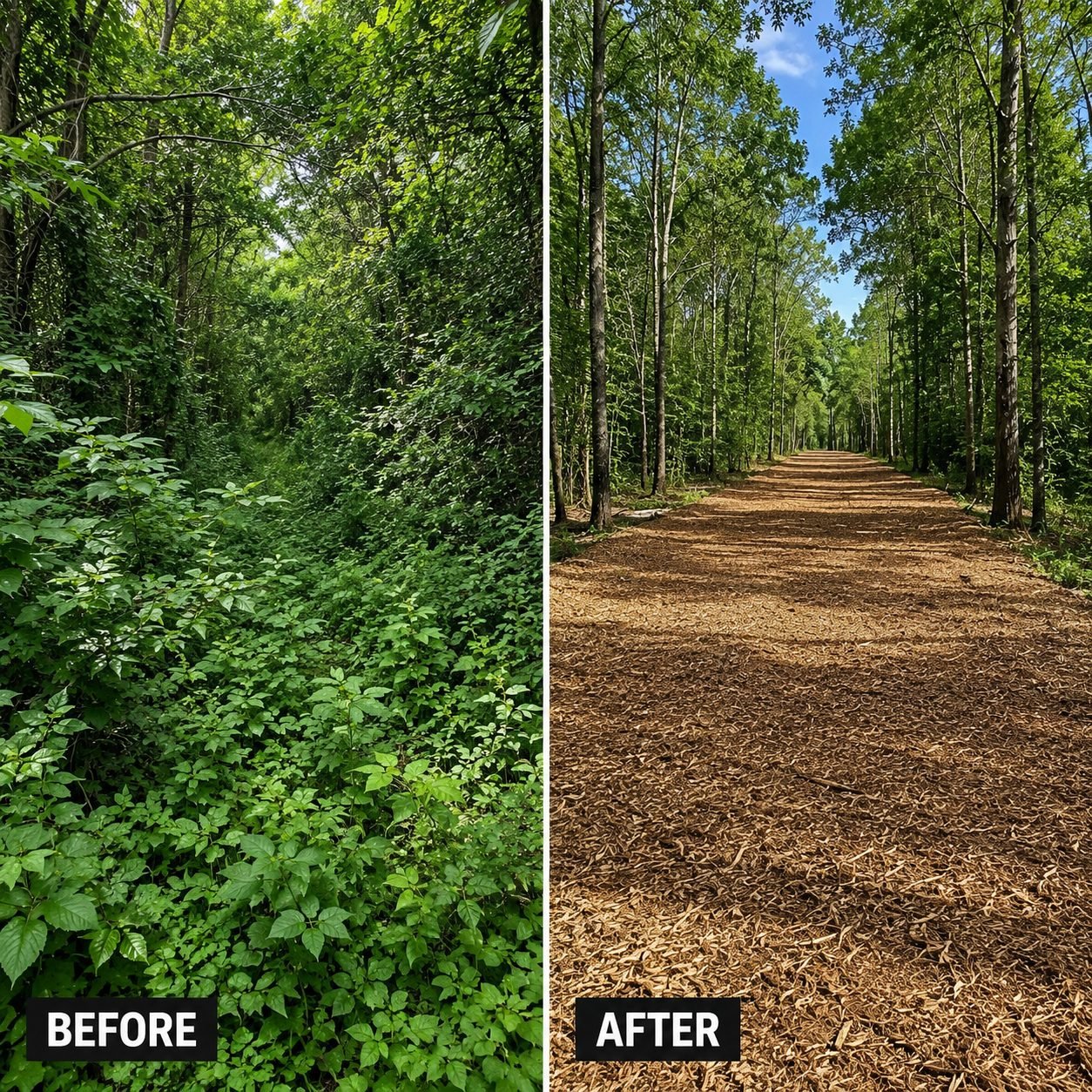
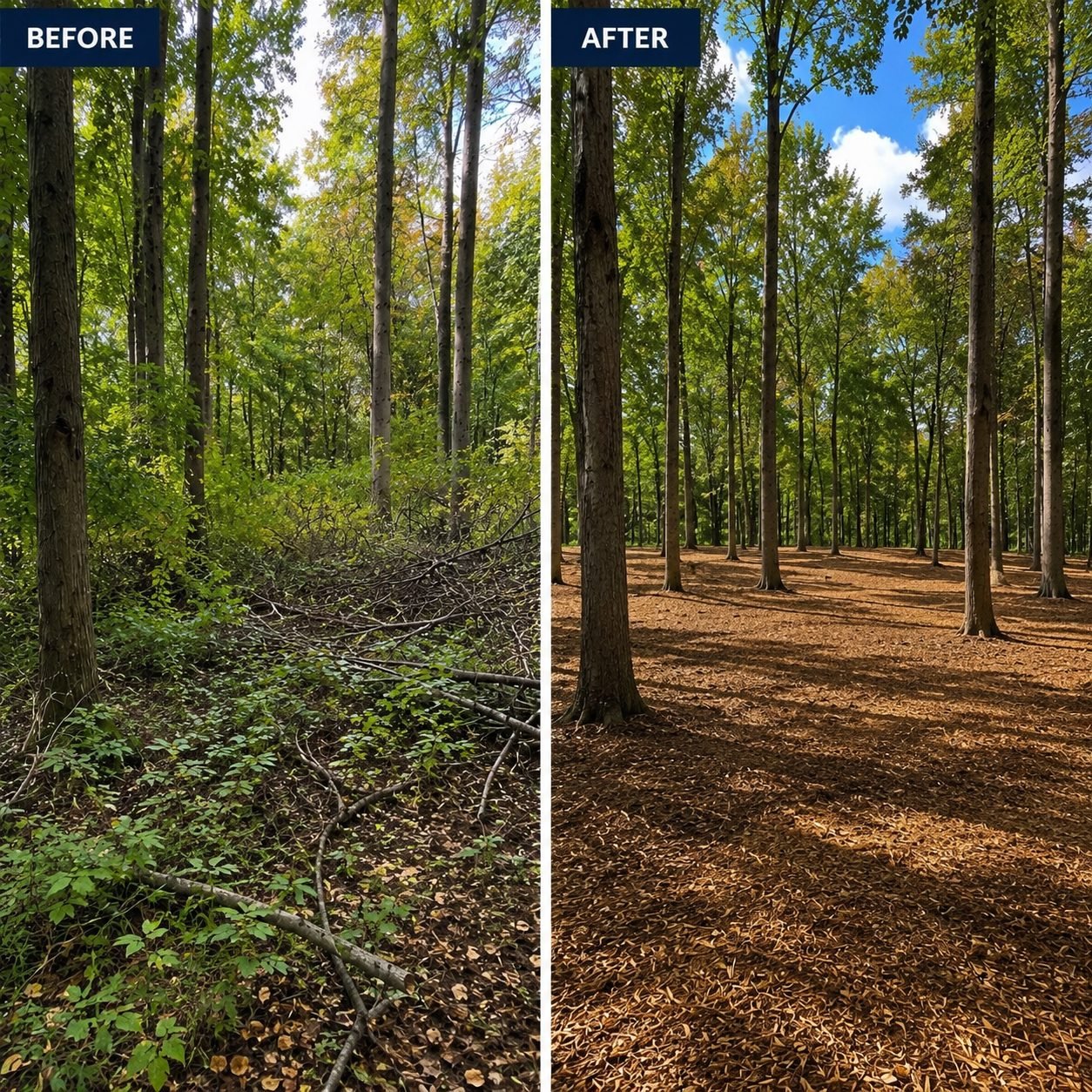
What does before-and-after excavation look like in Buckeye Lake?
Before-and-after excavation in Buckeye Lake often shows transformation of a wooded or overgrown lakeside cottage lot into a build-ready site with improved drainage and shoreline stability. The crew’s work highlights how careful planning preserves the village’s lakeside character while preparing land for new construction or upgrades.
Frequently asked questions
After your free on-site walk-through in Buckeye Lake, the Fortress Level Construction crew typically schedules excavation within one to two weeks, depending on project size and the Ohio 811 utility locate clearance. The team responds within 2-3 hours during business hours to arrange your quote and walk-through, ensuring prompt local service.
Yes, Fortress Level Construction’s crew is experienced with both tight lakeside cottage lots and larger wooded parcels throughout Buckeye Lake. Using compact yet powerful equipment, the team safely and efficiently handles the unique challenges of local glacial till soils, shoreline proximity, and rural access along the lakeshore.
A free Buckeye Lake excavation quote from Fortress Level Construction includes a same-week site walk-through, assessment of local soil and access, and a flat-rate estimate. The quote covers all labor, equipment, and compliance steps, including the required Ohio 811 utility locate.
Yes, Fortress Level Construction’s crew can excavate near Buckeye Lake State Park or the Cranberry Bog preserve, but special environmental safeguards and permits may apply due to the sensitivity of these areas. The team ensures all earthwork is fully compliant with local, state, and environmental regulations before starting any project.
Fortress Level Construction uses John Deere 333G compact track loaders, Diamond drum mulchers (up to 14-inch stems), dozers, and excavators. This equipment is chosen for maneuverability in tight lakeside or cottage lots and power for wooded or rural parcels around Buckeye Lake.
Most excavation in Buckeye Lake requires at least a utility locate per Ohio law. Additional permits may be needed for projects near the lake, Cranberry Bog, or state park. Fortress Level Construction helps clients identify and secure all necessary permits before digging.
What Other Services Does Fortress Offer in Central Ohio?
Fortress Level Construction runs a full range of land-clearing, excavation, grading, and site-work services across Central Ohio, so one owner-operated crew can clear, grade, and prep a site end to end.
Get a Flat-Rate Quote from Lee Carson
Owner-operated land clearing across all five Central Ohio counties. Send your property details and Lee gets back to you within 2 to 3 hours during business hours with one flat number after a free on-site walk-through.