
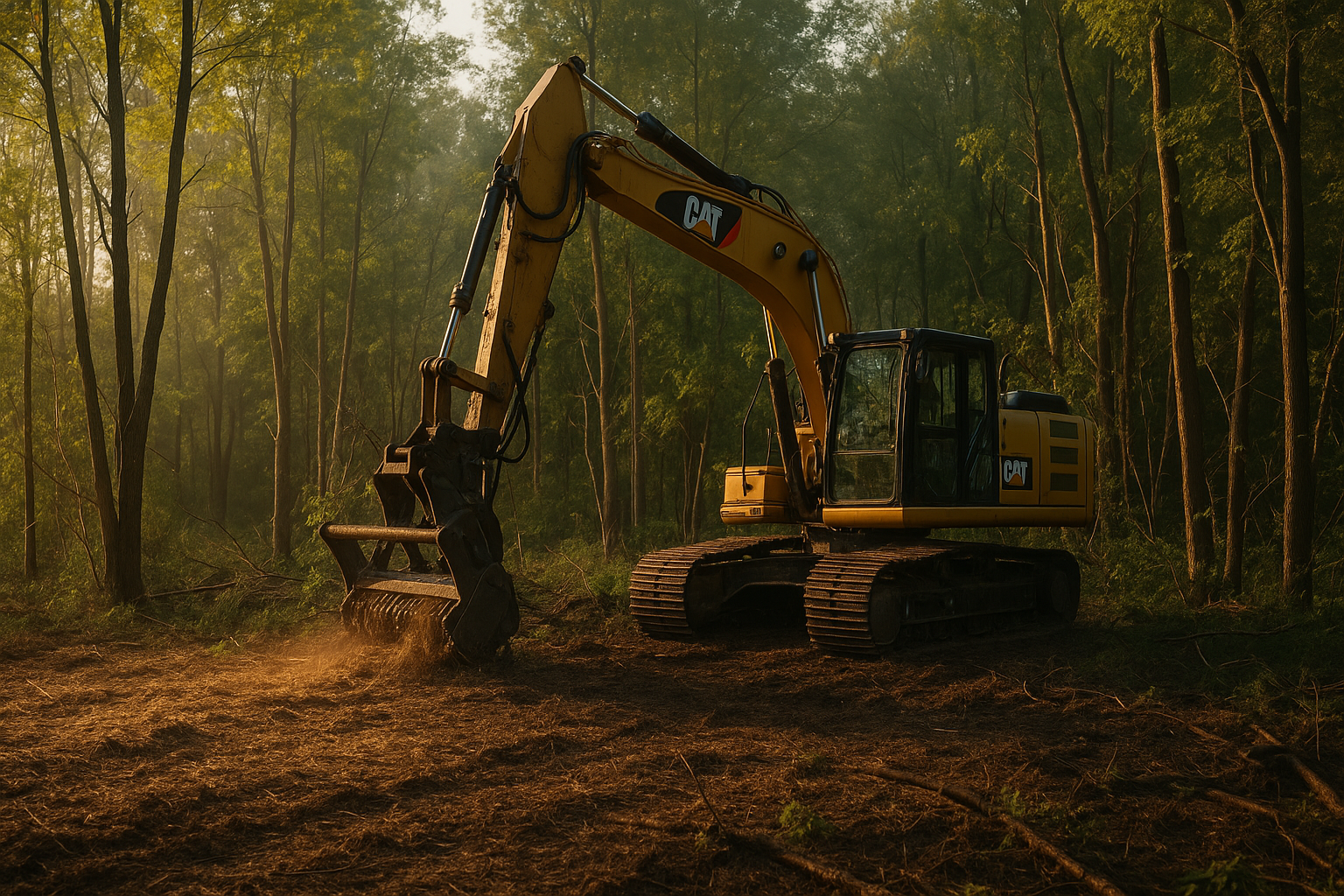

Food plot clearing in Newark often means working with steep, wooded terrain and Coshocton silt loam soils, especially near the Licking River and Raccoon Creek. Fortress Level Construction, led by Mr. Carson since 2009, handles heavy tree removal and grading with specialized forestry equipment. Call (844) 656-0129 for a Newark food plot assessment.
Food Plot Clearing in Newark, Ohio
Food plot clearing in Newark brings unique challenges due to the area's rolling hills and dense tree cover, especially in the Appalachian foothills transition zone. The Coshocton silt loam soils are productive but can be compacted or waterlogged in creek valleys, making careful site prep essential. Clearing land for food plots here often means working on slopes and avoiding erosion near the Licking River or Raccoon Creek, which run right through Licking County.
Mr. Carson has operated Fortress Level Construction in Newark since 2009, focusing on landowners who want to establish wildlife food plots on their property. Clearing thick hardwoods and underbrush on Newark’s steeper sites requires heavy-duty tracked mulchers and excavators to minimize soil disturbance. All work is performed with attention to Licking County Planning Commission permit requirements and local runoff management standards.
Newark’s location in east-central Ohio means field edges often border mature woods, and brush grows back quickly if not managed. Fortress Level Construction prepares seedbeds, removes stumps, and can address drainage issues on Coshocton silt loam. Every food plot is cleared with an eye on local terrain and soil specs, so landowners don’t face rework or compliance problems after the job.
Newark’s food plot clearing projects see a mix of small acreage jobs for hunting stands and larger installations for habitat improvement. With nearly 50 inches of annual rainfall and heavy clay subsoils in spots, proper grading and surface prep are crucial to avoid soggy, unusable fields. Mr. Carson’s operation brings the right equipment and local know-how to keep projects on schedule and within Licking County guidelines.
Key Numbers at a Glance
Nearby Cities and Food Plot Clearing Service Comparison
Compare food plot clearing specifics across Newark and surrounding Licking County communities.
| Service | Population | Terrain | Soil Type | Permit Authority | Common Projects |
|---|---|---|---|---|---|
| Newark | 49,934 | Rolling hills, creek valleys | Coshocton silt loam | Licking County Planning Commission | Steep sites, heavy tree cover, near Licking River |
| Heath | 10,412 | Gentler slopes, urban fringe | Miamian & Blount silt loams | Licking County Planning Commission | Small food plots, suburban edge clearing |
| Granville | 5,946 | Hilly, wooded, historic farmlands | Cardington & Reesville loams | Granville Village/County | Woodlot openings, deer food plots |
| Pataskala | 17,886 | Flat to rolling, mixed residential/ag | Bennington silt loam | Licking County Planning Commission | Pasture conversion, field edge clearing |
Land Clearing and Related Services in Newark
Food Plot Clearing
Food plot clearing for Newark properties means taking on dense hardwoods and brush on rolling terrain, often close to creek beds or the Licking River. Mr. Carson uses forestry mulchers and excavators suited to Coshocton silt loam soils, ensuring seedbed prep doesn’t cause excess compaction or runoff. All work complies with Licking County permit requirements and local erosion control standards.
Brush and Tree Removal
Brush and tree removal in Newark requires equipment that can handle mature oak, hickory, and maple stands common in the region. Fortress Level Construction removes stumps and woody debris, making land usable for agriculture or habitat. The process is tailored to Newark’s hilly landscape and avoids unnecessary soil disturbance near waterways.
Grading and Drainage Improvement
Proper grading is key in Newark due to its sloped fields and occasional clay subsoils. Fortress Level Construction recontours the land to manage runoff and prevent pooling after heavy rains. Drainage solutions are designed for the area’s rainfall patterns and soil types, helping landowners avoid erosion and crop failure on their cleared food plots.
Site Preparation for Wildlife Habitat
Site prep in Newark for wildlife habitat includes not just clearing, but also amending soils and creating access points. Mr. Carson can prepare access trails and manage invasive species, with a focus on maximizing habitat value for deer, turkey, and small game. Every project is adjusted for Newark’s local terrain and regulatory context.
“Mr. Carson’s crew cleared a heavily wooded area on our Newark acreage for a new food plot. They handled the steep slope and thick underbrush without damaging the creek bank. Everything was ready for seeding, and they made sure the job fit Licking County permit requirements.”
Mr. Carson walks every property personally. Estimates are written, site-specific, and include all permitting — no hidden costs anywhere in our service area.
Our Newark Food Plot Clearing Process
Assessment and Planning
Mr. Carson visits Newark properties to assess terrain, slope, and soil type. He checks for Coshocton silt loam conditions, drainage patterns, and local vegetation. Permit requirements from the Licking County Planning Commission are reviewed early to keep the process smooth and compliant for Newark landowners.
Clearing and Brush Removal
We bring in forestry mulchers and tracked excavators to remove trees, brush, and stumps. Clearing is done with Newark’s steep hillsides and creek valleys in mind, minimizing soil disturbance and preventing erosion along the Licking River or Raccoon Creek.
Grading and Drainage Management
After clearing, we regrade the site to direct water runoff safely and avoid pooling, which is common on Newark’s silt loam soils. Any necessary drainage tile or contouring is installed to keep the future food plot dry and productive.
Final Prep and Compliance Check
Before wrapping up, we smooth the seedbed and double-check that all work meets Licking County Planning Commission standards. Mr. Carson ensures the cleared area is ready for planting and that access routes are established for future maintenance.
Equipment for Food Plot Clearing in Newark
Tracked Forestry Mulcher
High-flow, steel track, 200+ HP — Removes heavy brush and trees on Newark’s hilly, wooded lots
Excavator with Stump Grinder
35,000 lb class, hydraulic grinder — Extracts stumps and roots from Coshocton silt loam soils
Bulldozer
Low ground pressure, 10’ blade — Grades Newark food plot sites, spreads topsoil, contours slopes
Hydroseeder
1,000-gallon tank, high-pressure pump — Applies seed mix and erosion matting for quick ground cover in cleared Newark areas
Serving Newark, Licking County, and Surrounding Communities
ColumbusWestervilleDublinHilliardGrove CityGahannaUpper ArlingtonReynoldsburgWhitehallWorthingtonBexleyGrandview HeightsNew AlbanyGroveportDelawarePowellLewis CenterSunburyGalenaWesterville NorthOrange TownshipOstranderHeathPataskalaGranvilleJohnstownHebronBuckeye LakeEtna
Frequently Asked Questions
Late winter through early spring is ideal in Newark. Frozen or dry ground conditions minimize soil compaction, and there’s less risk of disturbing nesting wildlife. Clearing before heavy spring rains also helps with grading and seedbed prep on Coshocton silt loam soils.
Yes, if the clearing is near the Licking River or Raccoon Creek in Newark, you’ll need approval from the Licking County Planning Commission. Additional restrictions may apply for floodplains or wetlands, so always check before starting the project.
Yes, Fortress Level Construction uses tracked equipment specifically designed for Newark’s steep terrain. Mr. Carson assesses slope stability before work and uses mulching and grading techniques that prevent erosion and runoff issues common on rolling hills.
Newark’s Coshocton silt loam can have clay layers underneath, leading to drainage issues. We use grading, subsoiling, and sometimes install drainage tile to ensure food plots don’t become waterlogged, especially after Central Ohio’s frequent rains.
Cleared material in Newark is typically mulched on site or hauled away, depending on the landowner’s needs and local regulations. Mulching returns nutrients to the soil and reduces hauling costs, which is often preferred for rural Newark food plots.
Most Newark food plots are ready for planting as soon as grading and seedbed prep are finished. On Coshocton silt loam, we recommend letting the soil settle for a few weeks if heavy equipment was used, but seeding can begin as soon as conditions allow.
Related Services in Central Ohio
Start Your Newark Food Plot Clearing Project
Call Fortress Level Construction at (844) 656-0129 for a Newark-specific food plot clearing quote. Mr. Carson will walk your land, discuss your goals, and outline a plan that fits Newark’s terrain and soil conditions.