

How does pasture clearing work in Hanover, Ohio?
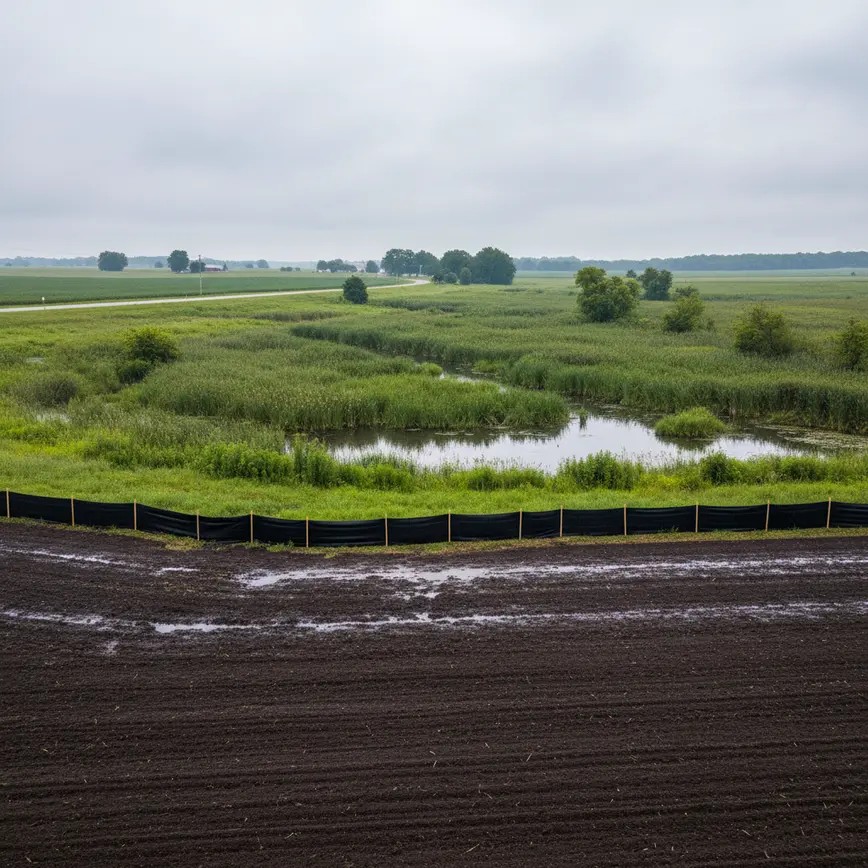
In Hanover, pasture clearing usually means opening wooded acreage and clay-heavy glacial till so a rural parcel can return to usable grazing or field space. Fortress Level Construction brings a crew to Hanover’s farming and woodland hills east of Newark, then matches mulching, dozing, or excavation to the lot size, slope, and root density.
The Quick Answer
- In Hanover, Ohio, pasture clearing is usually about wooded acreage and rural ground, not tight subdivision lots.
- Fortress Level Construction gives flat-rate quotes after a free on-site walk-through.
- The crew typically responds in 2 to 3 hours during business hours and can schedule same-week walk-throughs.
- John Deere 333G compact track loaders with Diamond drum mulchers handle stems up to 14 inches.
- Forestry mulching in Hanover often runs about $1,850 to $3,500 per acre.
- Full clearing with dozers and excavators commonly runs about $4,000 to $8,000 per acre.
- Ohio law requires an Ohio 811 utility locate at least 48 hours before any digging.
- Hanover’s wooded hills, clay-heavy glacial till, and rural acreage shape the clearing plan.
Related Questions People Ask Next
On Hanover acreage, pasture clearing usually starts with a walk-through to map tree lines, brush density, access points, and any soft or clay-heavy areas. Because the village sits in wooded hills east of Newark, the crew often uses forestry mulching first, then shifts to dozers or excavators if the goal is full reclamation instead of surface clearing.
Hanover jobs are commonly rural and wooded, so the work is built around acreage, uneven ground, and thick volunteer growth rather than narrow backyards. The team can bring compact track loaders for mulch work or heavier equipment for full clearing, which is why a free on-site quote matters before pricing the parcel.
Clay-heavy glacial till can hold moisture, rut under traffic, and make access tricky on wooded hills east of Newark. That affects whether the crew mulches first, stages the work in drier weather, or brings dozers and excavators for tougher sections. A site visit lets Fortress price the plan instead of guessing from a map.
Ask whether you want forestry mulching, full clearing, or a mix, because the method changes cost and finish. In Hanover, the crew also needs to know if the parcel is wooded acreage, what the slope looks like, and whether an Ohio 811 locate has been scheduled before any digging begins.
How does Fortress clears pasture on Hanover’s wooded rural acreage?
Fortress starts with a free on-site walk-through, then builds the plan around Hanover’s rural acreage, wooded hills, and clay-heavy glacial till. On many parcels east of Newark, the crew uses John Deere 333G compact track loaders with Diamond drum mulchers to cut brush and stems up to 14 inches fast and leave a workable surface.
For lighter reclamation, forestry mulching is usually the right fit because it opens pasture without stripping the ground bare. That method often lands around $1,850 to $3,500 per acre. In Hanover’s quiet farming and woodland setting near the forks of the Licking River, that approach helps owners reclaim acreage while keeping soil disturbance lower.
If the parcel needs more than brush reduction, Fortress can bring dozers and excavators for full clearing and root work. That is common on larger rural lots and wooded parcels around Newark, Hebron, Toboso, and Nashport. Full clearing typically runs about $4,000 to $8,000 per acre, and the final quote stays flat after the walk-through.
What equipment is best for pasture clearing in Hanover, Ohio?
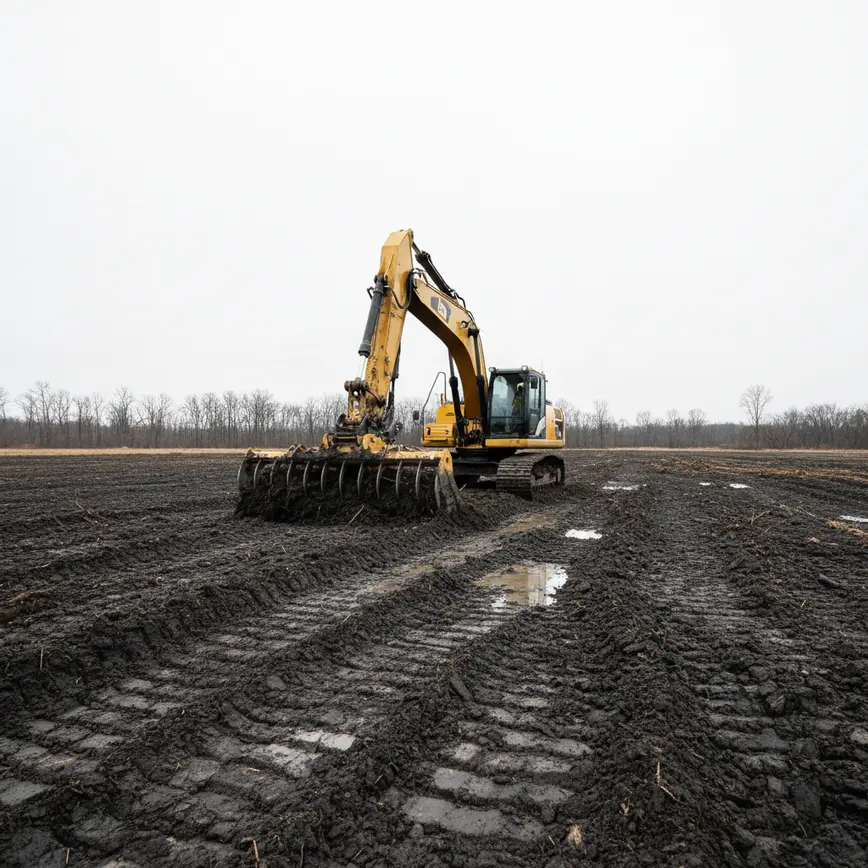
The right equipment depends on whether the Hanover parcel needs mulch-only reclamation or full removal. Fortress uses John Deere 333G compact track loaders with Diamond drum mulchers for brush and small to medium stems, then adds dozers or excavators when the job calls for grading, pushing piles, or extracting rooted material from wooded acreage.
In Hanover, that equipment mix fits the local pattern of large rural acreage instead of tight residential ground. The hills east of Newark and the clay-heavy glacial till can make traction and turning important, so compact track loaders help on softer sections while heavier iron handles dense tree lines and rougher access routes.
Because pasture clearing is price sensitive, the equipment choice changes the quote more than the village name does. Mulching is the lower-cost option when the goal is to open grazing or reduce brush quickly. Full clearing costs more because it adds hauling, stump and root handling, and more machine time per acre.
How is pasture clearing priced for Hanover acreage?
Fortress prices Hanover pasture clearing by method, density, access, and acreage, then gives a flat-rate quote after the walk-through. Forestry mulching usually falls between $1,850 and $3,500 per acre, while full clearing often ranges from $4,000 to $8,000 per acre, especially on wooded parcels with heavier root systems or steep rural edges.
That range reflects the way rural land east of Newark behaves. Large parcels with open runs may clear faster, but thick woodland, clay soil, and limited access can slow production. A parcel near the forks of the Licking River may also need more staging, which is why same-week walk-throughs help the crew price the actual site instead of a guess.
If digging is part of the scope, Ohio 811 locate timing matters before machinery breaks ground. Ohio law requires the utility locate at least 48 hours ahead of digging. For many Hanover landowners, that step is built into the schedule before the quote becomes final, especially on acreage that has old fence lines or buried services.

What process should Hanover landowners expect from first call to finish?
After you call Fortress at (844) 656-0129, the team responds in 2 to 3 hours during business hours and sets a same-week walk-through when possible. In Hanover, the process starts with acreage review, tree and brush density, access checks, and a method choice that matches rural pasture clearing, not generic land work.
The walk-through also checks slope, wet spots, and whether the parcel is better served by forestry mulching or full clearing. Because Hanover is a small village with no named neighborhoods, the crew works from the land itself and nearby places like Newark, Hebron, Toboso, and Nashport rather than from subdivision assumptions.
Once the scope is clear, Fortress gives a flat-rate quote and schedules the work with the right machines and crew size. Lee Carson founded the company in 2009, and the team operates as a licensed and insured land-services crew across Central Ohio, so the buyer gets a clear process instead of piecemeal machine time.
Which pasture clearing method fits a Hanover parcel?
In Hanover, the choice usually comes down to how much woody growth you want gone and how bare you want the ground afterward. Forestry mulching is faster and less disruptive for pasture reclamation, while full clearing fits parcels that need a cleaner reset on wooded acreage east of Newark.
| Method | Best use in Hanover | Typical cost | Equipment |
|---|---|---|---|
| Forestry mulching | Brushy acreage, light tree lines, pasture reclamation | $1,850 to $3,500 per acre | John Deere 333G with Diamond drum mulcher |
| Full clearing | Heavier wooded parcels, root removal, clean reset | $4,000 to $8,000 per acre | Dozers and excavators |
| Mixed method | Uneven rural ground with both brush and denser timber | Quoted after walk-through | Mulcher plus heavier equipment |
| Not yet cleared | When access, locates, or scope are unresolved | No pricing until site review | Planning first, then machinery |
| Best fit factor | Hanover’s wooded hills and clay-heavy glacial till | Affects production rate | Determines machine selection |
When is pasture clearing not the right call in Hanover?
Pasture clearing is not the right call if the land only needs mowing, if the goal is to preserve mature trees, or if utility work has not been located yet. In Hanover, wooded acreage and clay-heavy hills often need more than a quick pass, so the first step is a site review and the right scope, not a rushed machine booking.
If the parcel is already open grass with only seasonal mowing needs, a pasture clearing crew is usually unnecessary. That is especially true on small rural edges near Newark, Hebron, Toboso, or Nashport where the work is maintenance, not reclamation. In those cases, the smarter move is to keep the land on a mowing schedule instead of paying for brush removal.
If the site has buried utilities, uncertain boundaries, or a specific conservation goal, the plan should change before clearing starts. Ohio 811 locates must be done at least 48 hours before digging, and steep wooded hills in Hanover may call for selective clearing rather than full removal. Fortress can still quote it, but the method must match the land.
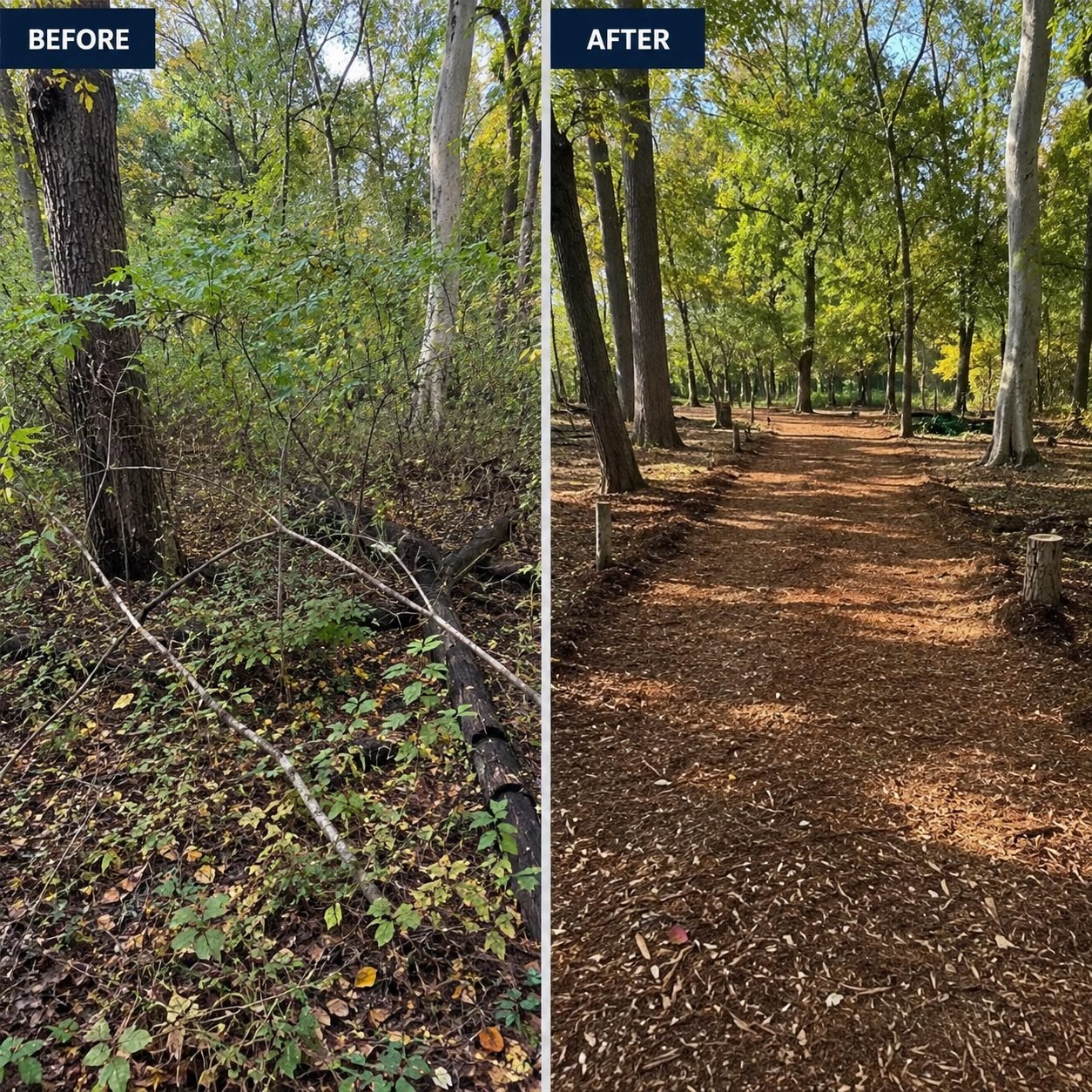
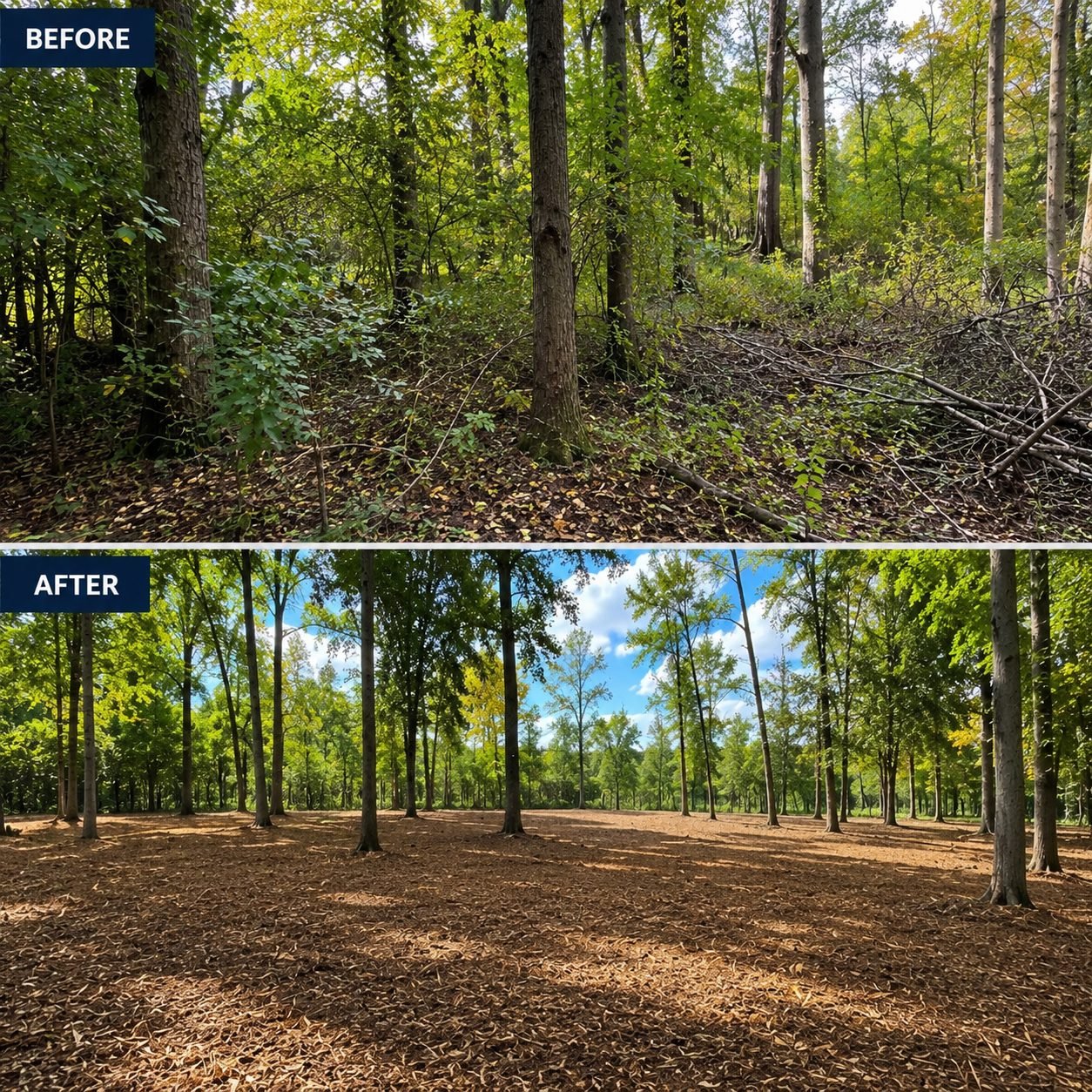
What does Hanover pasture clearing look like before and after?
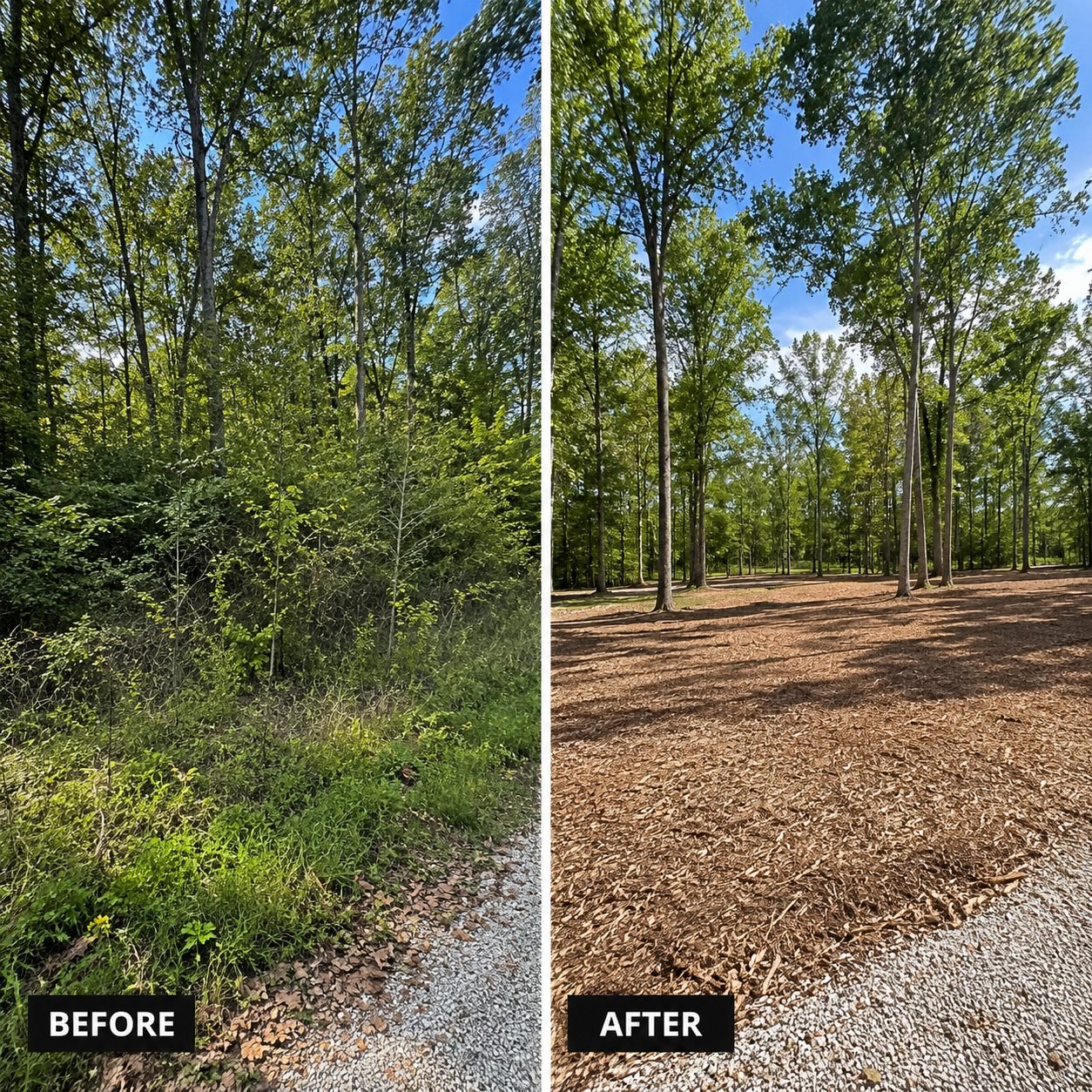
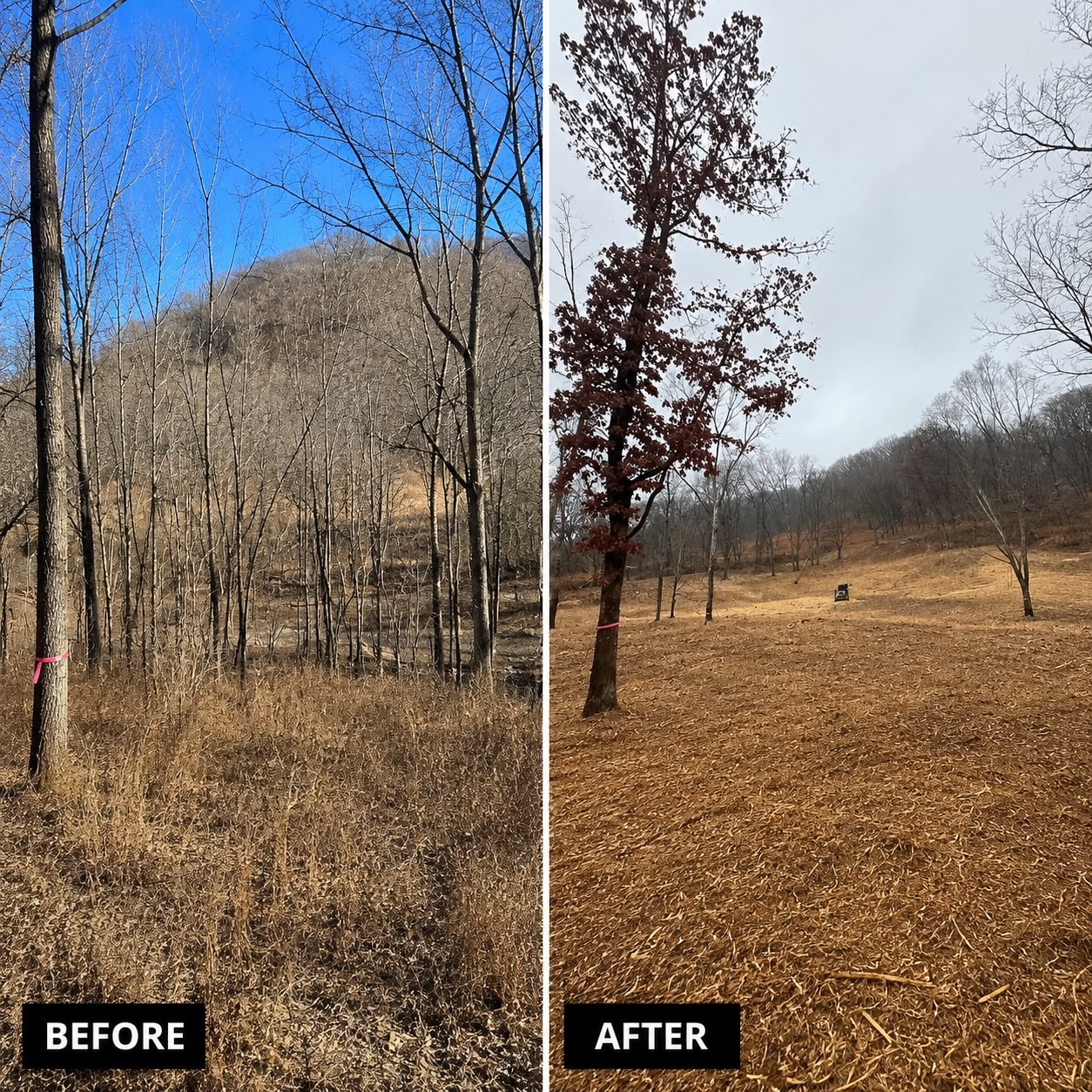
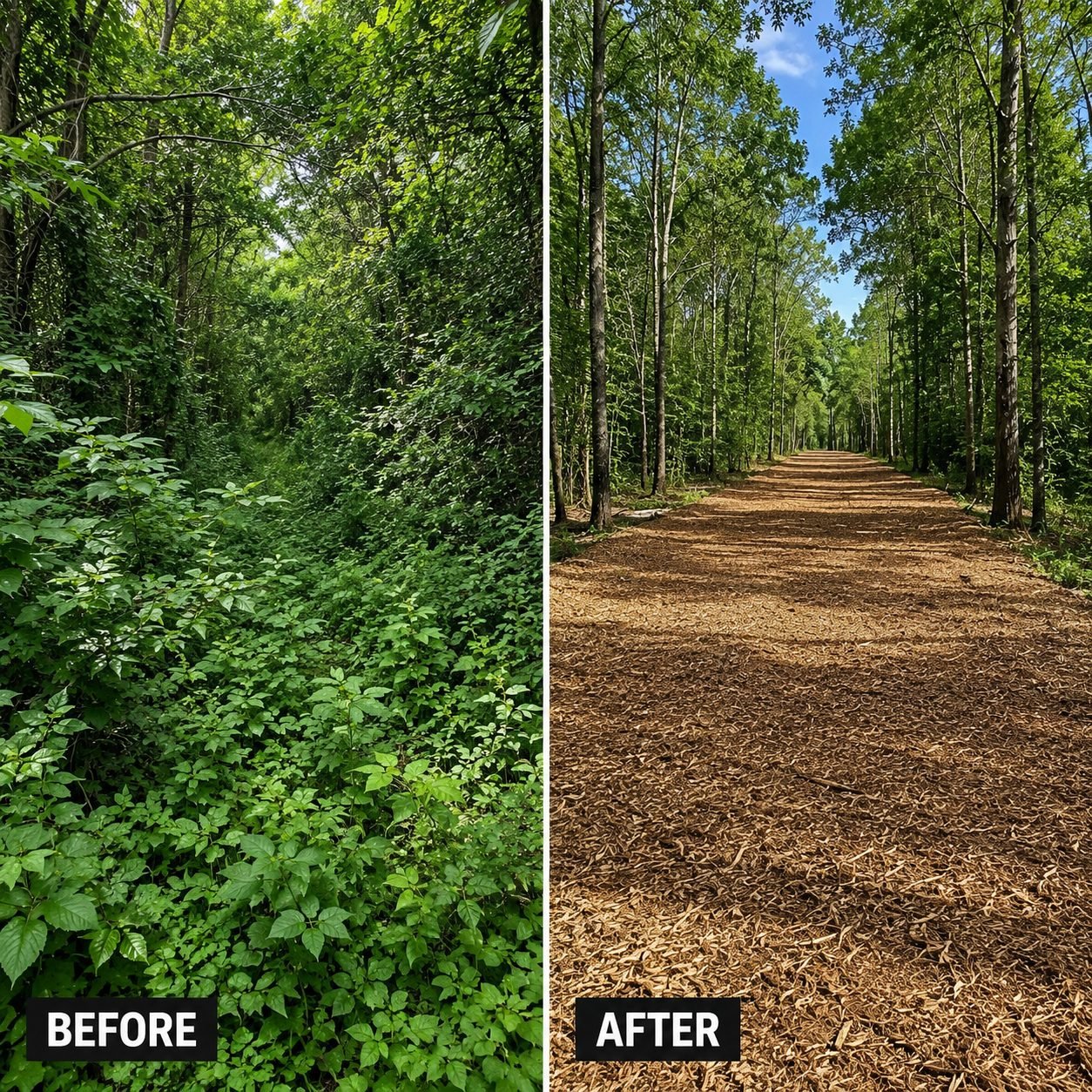
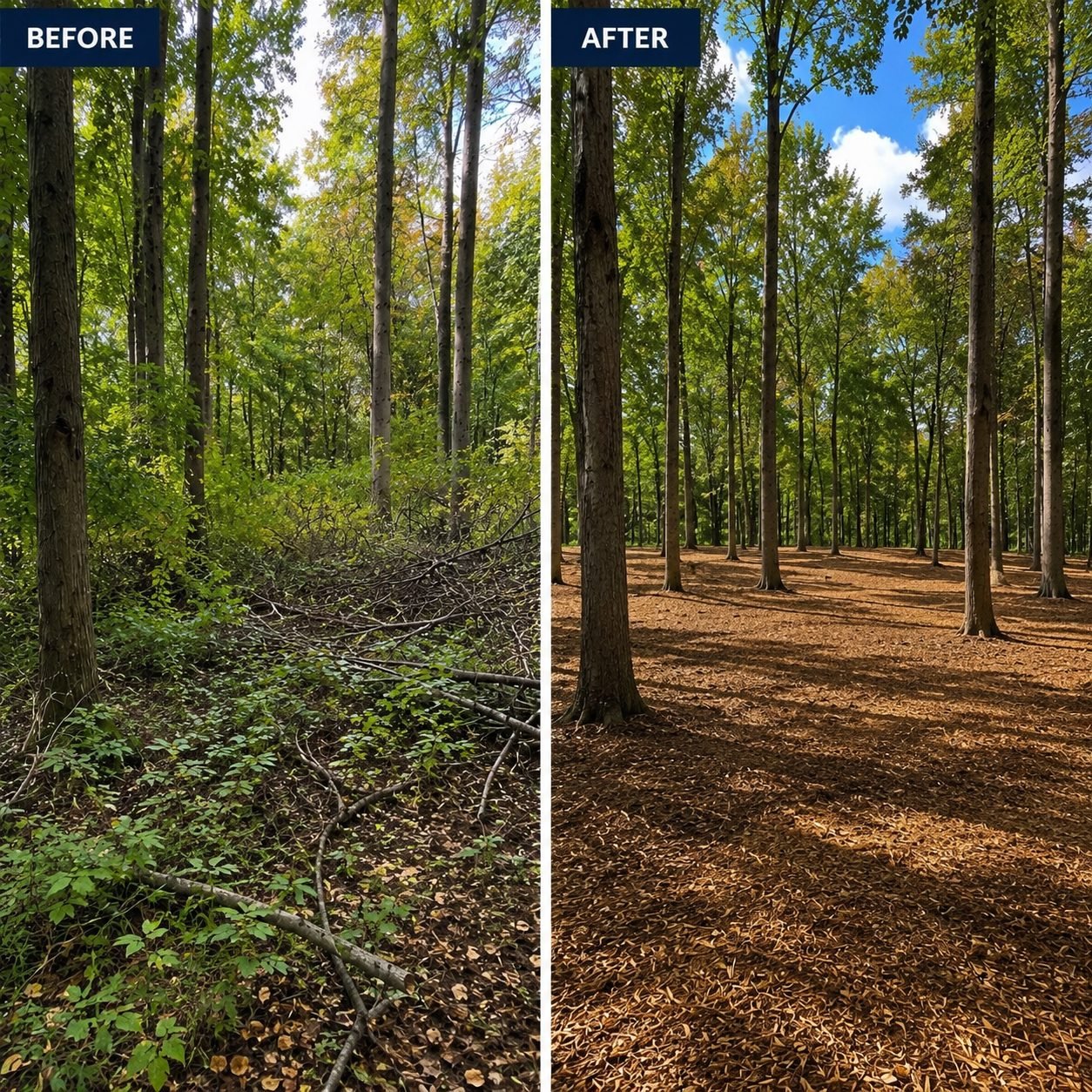
Before and after in Hanover often means a wooded rural parcel turning into usable pasture along the hills east of Newark. Before, the lot may show brush, saplings, and blocked access. After, the same acreage is opened for grazing or field use with the surface matched to the chosen method, whether mulched or fully cleared.
Frequently asked questions
Yes. Hanover is known for large rural acreage and wooded parcels, so the crew regularly prices pasture clearing for ground that is bigger than a typical residential lot. The team evaluates access, brush density, slope, and soil conditions, then recommends mulching or full clearing. That keeps the quote tied to the real site instead of a guess.
During business hours, the team usually responds in 2 to 3 hours, and same-week walk-throughs are often available. That matters in Hanover because wooded acreage and clay-heavy glacial till can change the scope quickly once the crew is on site. The quote is flat-rate after the walk-through, so you know the price before work starts.
If the job includes digging, Ohio law requires an Ohio 811 utility locate at least 48 hours before work begins. For Hanover landowners, that step is especially important on older rural parcels where service lines or buried obstacles may be present. Fortress can help coordinate the job timing, but the locate must be in place first.
Forestry mulching works well in Hanover because many parcels are wooded acreage in rural hills, not tight lots. The mulcher can cut brush and stems up to 14 inches and leave material on site as ground cover. That is useful when the goal is pasture reclamation, lower disturbance, and a faster return to usable ground.
Full clearing costs more because it usually involves pushing, extracting, and handling roots or larger debris, not just reducing brush. On Hanover’s clay-heavy glacial till and wooded slopes east of Newark, that extra machine time matters. Full clearing commonly falls in the $4,000 to $8,000 per acre range, depending on density and access.
Yes. Hanover sits in a rural corridor east of Newark, and Fortress works across Central Ohio. Nearby towns like Newark, Hebron, Toboso, and Nashport are part of the practical service area for this kind of acreage work. The same pasture clearing process applies, but the site conditions decide whether mulching or full clearing is the right fit.
Pasture Clearing Near Hanover
What Other Services Does Fortress Offer in Central Ohio?
Fortress Level Construction runs a full range of land-clearing, excavation, grading, and site-work services across Central Ohio, so one owner-operated crew can clear, grade, and prep a site end to end.
Get a Flat-Rate Quote from Lee Carson
Owner-operated land clearing across all five Central Ohio counties. Send your property details and Lee gets back to you within 2 to 3 hours during business hours with one flat number after a free on-site walk-through.