
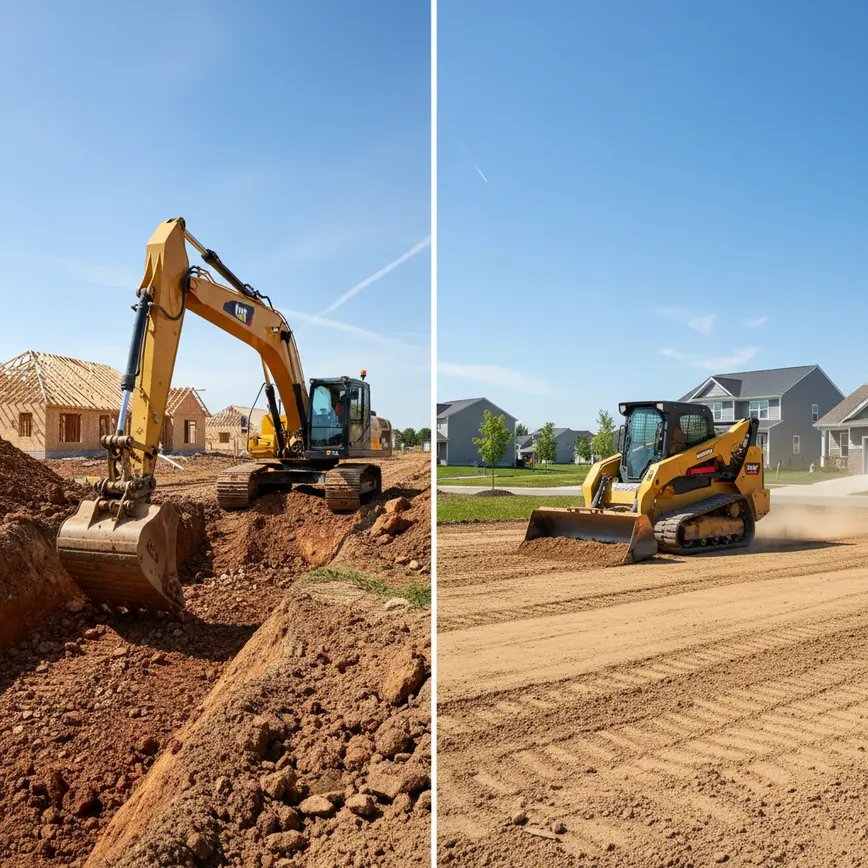

What is the difference between excavation and grading in Central Ohio?
Excavation in Central Ohio involves removing or moving earth below ground level to create space for foundations, utilities, ponds, or trenches, while grading shapes and levels the surface after excavation is complete. Excavation comes first, using heavy equipment to dig, whereas grading ensures proper drainage and a stable base for construction.
The Quick Answer
- Excavation removes or moves soil below grade, while grading shapes the surface after excavation.
- Excavation includes digging for foundations, footers, ponds, and trenching for utilities.
- Grading creates a level or sloped surface to ensure stability and proper drainage.
- Ohio law requires a utility locate (Ohio 811) at least 48 hours before excavation.
- Brookston-Crosby clay soils in Central Ohio can complicate excavation due to poor drainage.
- Fortress Level Construction is licensed, insured, and led by combat veteran Lee Carson.
- Owner-walked, flat-rate quotes with fast response and same-week walk-throughs are available.
- Excavation uses heavy equipment like excavators, dozers, and loaders.
Related Questions People Ask Next
Excavation is performed first to remove or move soil for foundations, utilities, or ponds, creating the necessary depth and space. Grading follows to shape the exposed surface, ensuring it is level or properly sloped for drainage and construction stability, especially important in clay-heavy Central Ohio soils where water retention is common.
Excavation typically uses excavators, dozers, and loaders to dig below ground level for foundations, trenches, or ponds. Grading uses dozers, graders, and sometimes skid steers to smooth, level, or slope the surface after excavation, preparing the site for building or landscaping and ensuring proper water drainage.
Brookston-Crosby clay is poorly drained and can hold water into spring, making excavation more challenging. The soil may be sticky, heavy, and slow to dry, requiring careful planning and the right equipment to avoid delays, unstable excavation walls, or problems with compaction and drainage during construction projects.
A utility locate (Ohio 811) is legally required before any excavation that involves digging or disturbing the ground below surface level. For grading that only moves soil on the surface without digging, a utility locate may not be required, but it is always safest to check local regulations and avoid accidental utility damage.
What does excavation include in Central Ohio?
Excavation in Central Ohio covers digging for foundations, footers, ponds, trenching for utilities, and clearing sites down to bare soil. This process uses heavy machinery to remove or move earth below grade, and must comply with Ohio 811 utility locate requirements before starting. Proper planning is essential due to local soil conditions.
Excavation is the process of removing or moving soil, rock, or other materials below ground level. In Central Ohio, this includes digging for building foundations, utility trenches, ponds, and site clearing.
Ohio law requires a utility locate (Ohio 811) at least 48 hours before excavation begins to prevent damaging underground utilities.
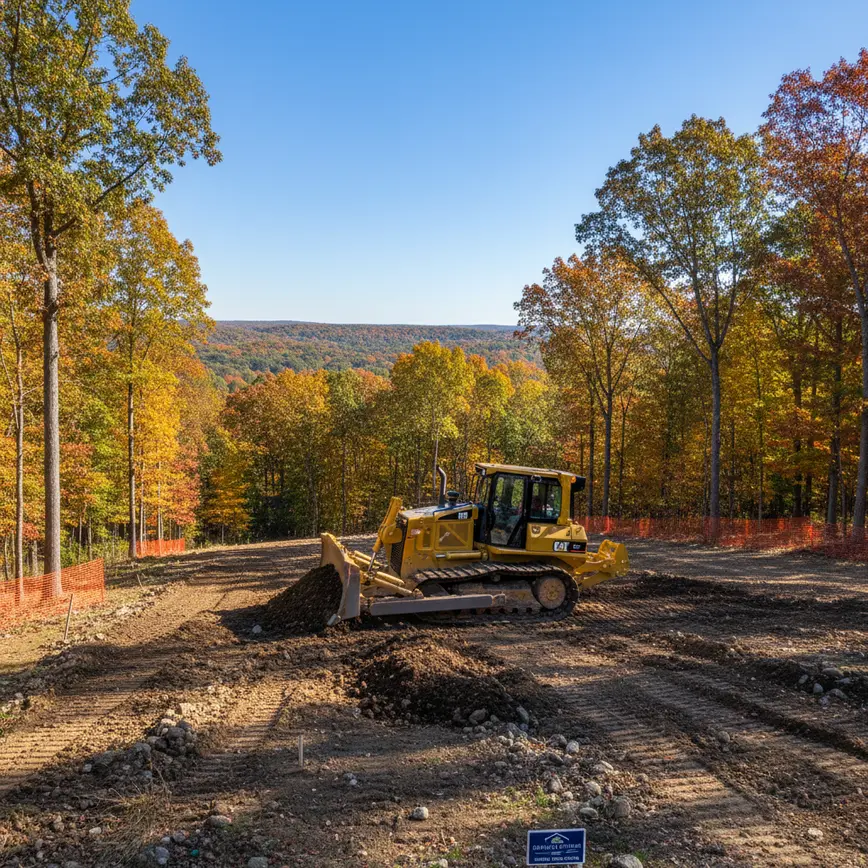
What is grading and why is it important after excavation?
Grading is the process of shaping, leveling, or sloping the ground surface after excavation. It is crucial for proper drainage, stability, and preparing the site for construction or landscaping, especially in areas with poorly drained soils like Brookston-Crosby clay. Grading helps avoid water pooling and ensures a stable base for building.
After excavation, grading ensures the site is level or properly sloped for water runoff and structural stability. This step prepares the ground for building foundations, driveways, or landscaping.
Proper grading prevents water accumulation, which is particularly important in Central Ohio’s clay soils that retain moisture.
How does Ohio law regulate excavation work?
Ohio law (Ohio Revised Code 3781.28) requires a utility locate through Ohio 811 at least 48 hours before any excavation begins. This protects underground utilities and ensures job site safety for all excavation projects in Central Ohio. Compliance is mandatory for both contractors and property owners to avoid fines and delays.
Before starting any excavation, contractors must contact Ohio 811 for a utility locate. This process marks underground utilities to prevent accidental damage.
Failing to comply with this legal requirement can result in fines, project delays, and safety hazards.
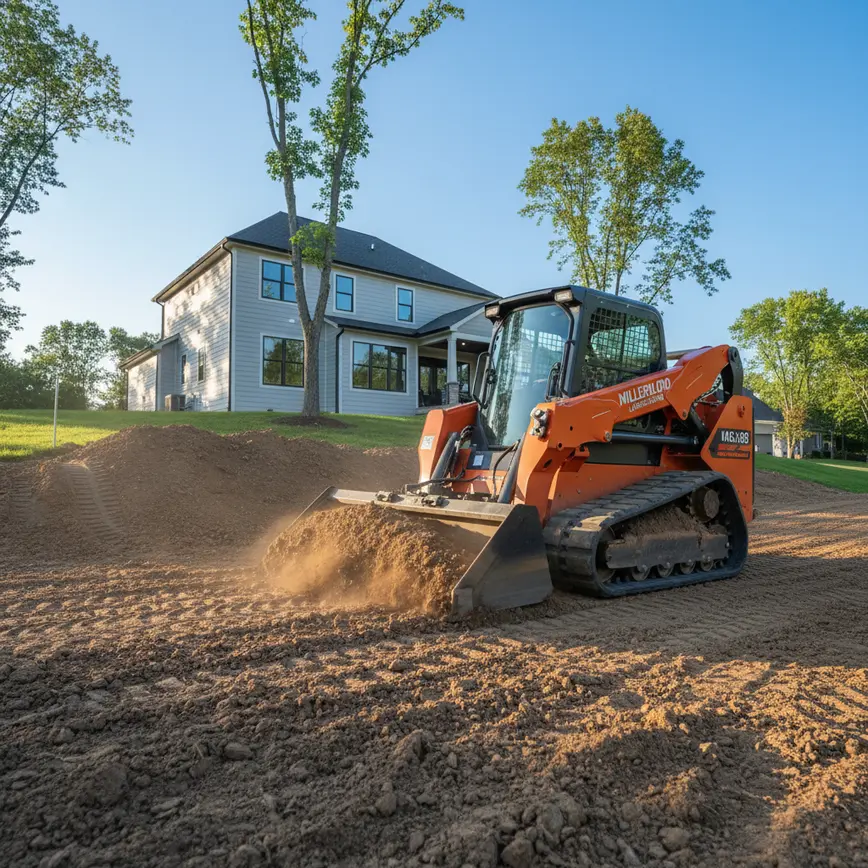
What challenges do Central Ohio soils present for excavation and grading?
Central Ohio’s Brookston-Crosby clay soils are poorly drained, making excavation and grading more difficult. These soils hold water into spring, increasing the risk of unstable excavation walls and complicating grading for proper drainage. Specialized equipment and careful scheduling are often needed to address these local soil challenges.
Brookston-Crosby clay is heavy, sticky, and slow to drain, which can delay excavation and require specialized equipment or techniques.
Grading must address these drainage issues to prevent water pooling and ensure a stable construction base.
How do excavation and grading compare in Central Ohio?
Excavation and grading are sequential but distinct steps. Excavation removes or moves soil below grade, while grading shapes the surface for stability and drainage. Both are affected by local soils and legal requirements.
| Process | Purpose | Equipment Used | Legal Requirements |
|---|---|---|---|
| Excavation | Removes or moves soil below grade for foundations, utilities, ponds | Excavator, dozer, loader | Ohio 811 utility locate required 48 hrs before digging |
| Grading | Shapes and levels surface for drainage and stability after excavation | Dozer, grader, skid steer | Utility locate may not be required if not digging |
| Sequence | Performed first to create space below grade | Heavy digging equipment | Must follow Ohio Revised Code 3781.28 |
| Soil Impact | Challenging in Brookston-Crosby clay due to poor drainage | Requires careful planning | Soil conditions can affect timing |
| End Result | Open trench, pit, or foundation space | Rough, uneven surface | Ready for grading |
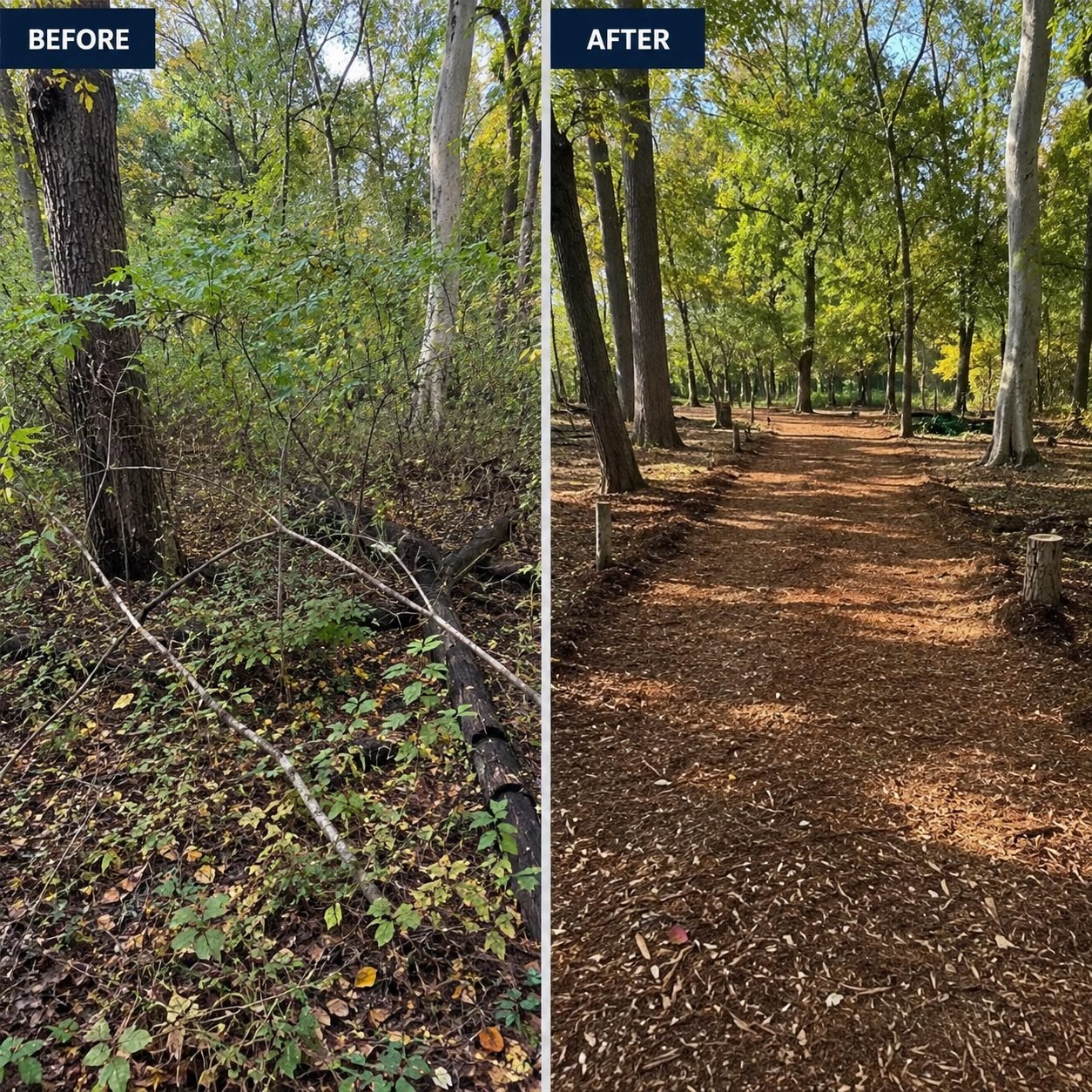
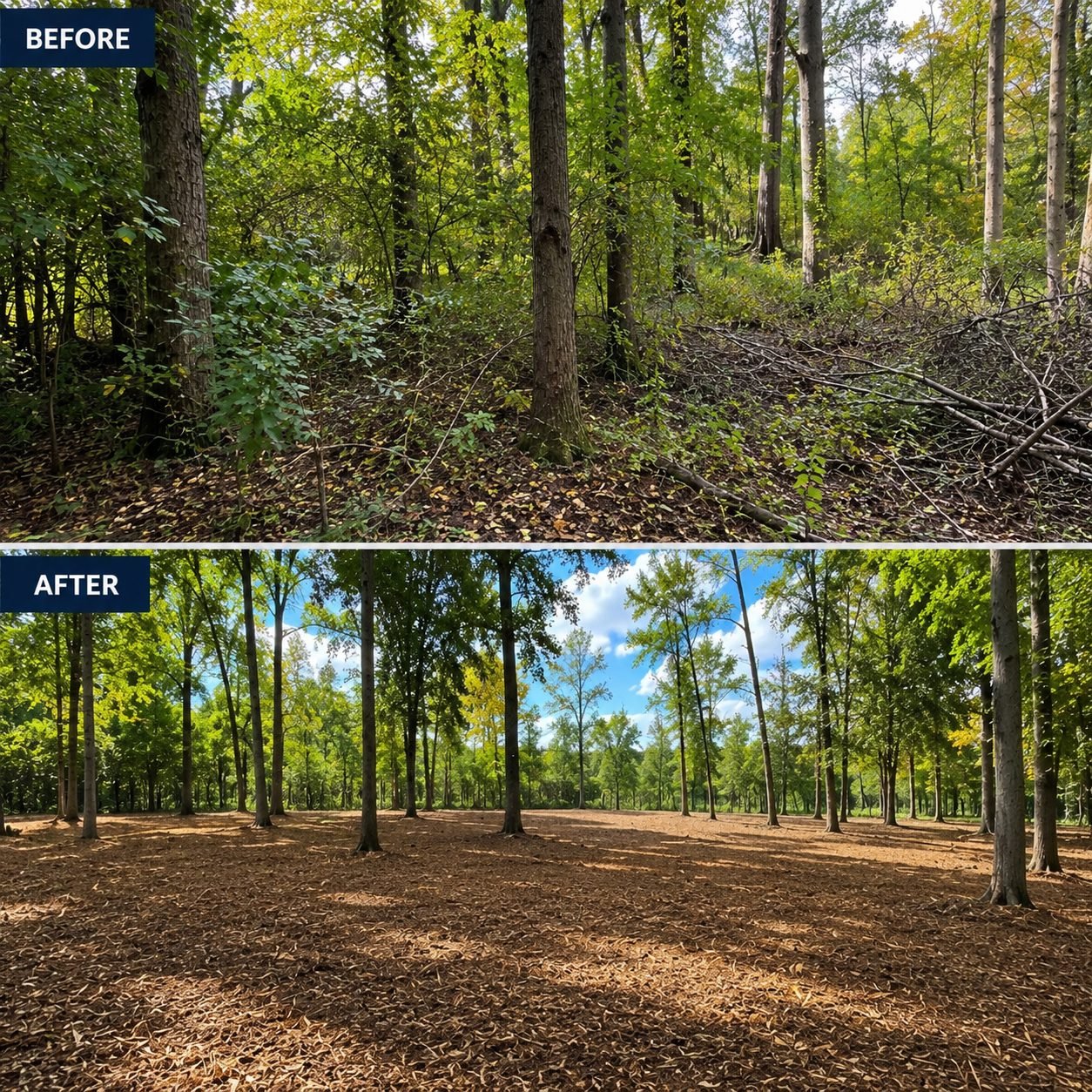
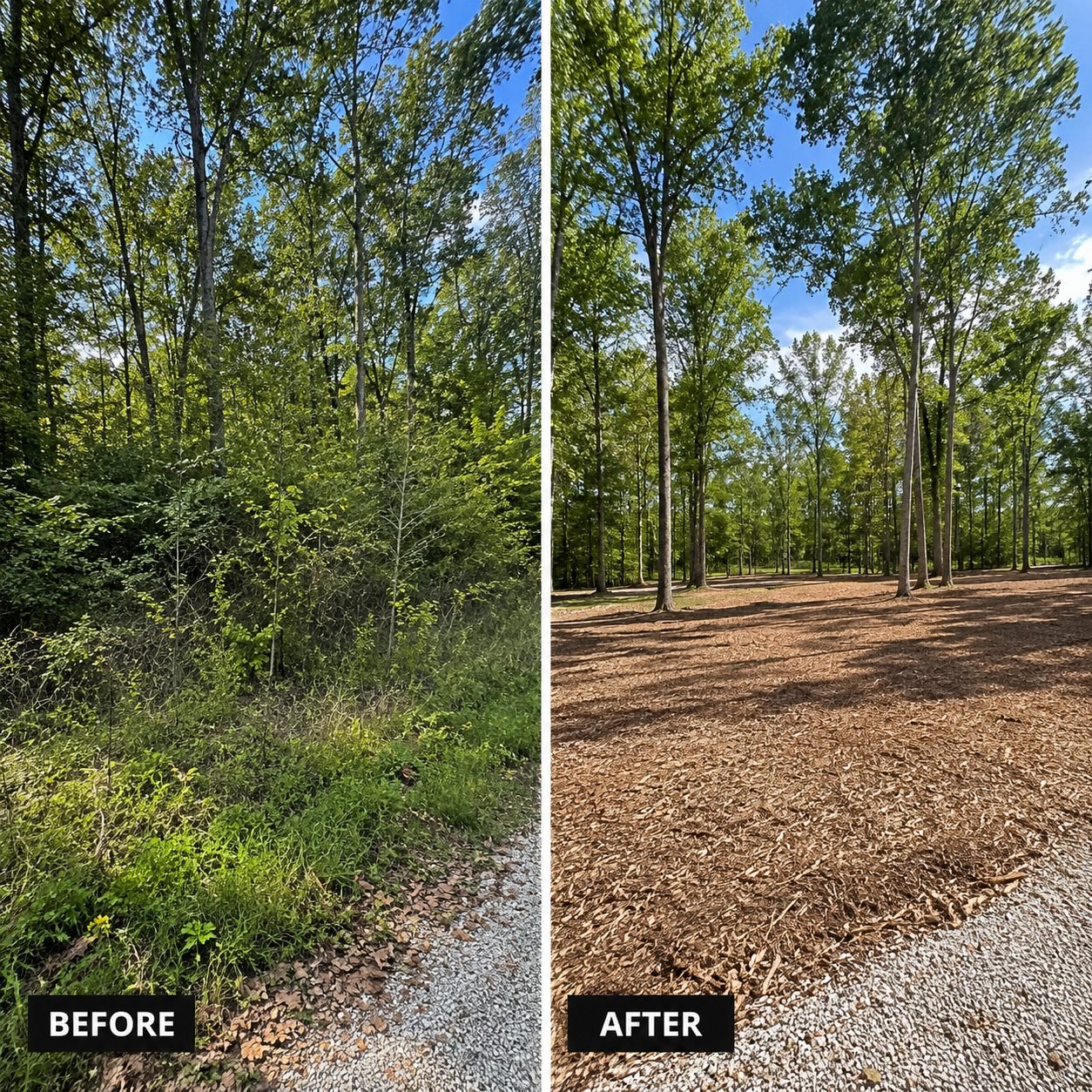
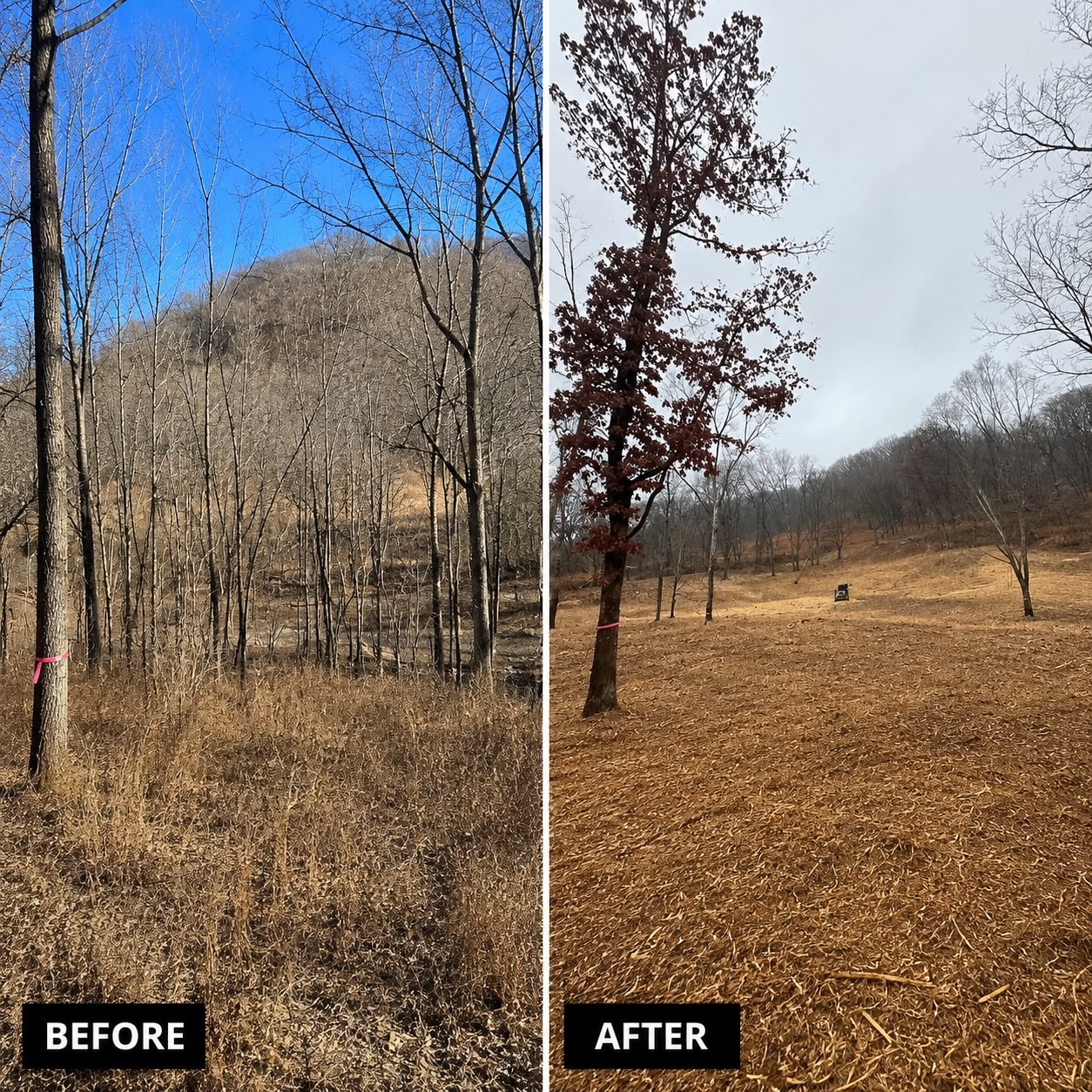
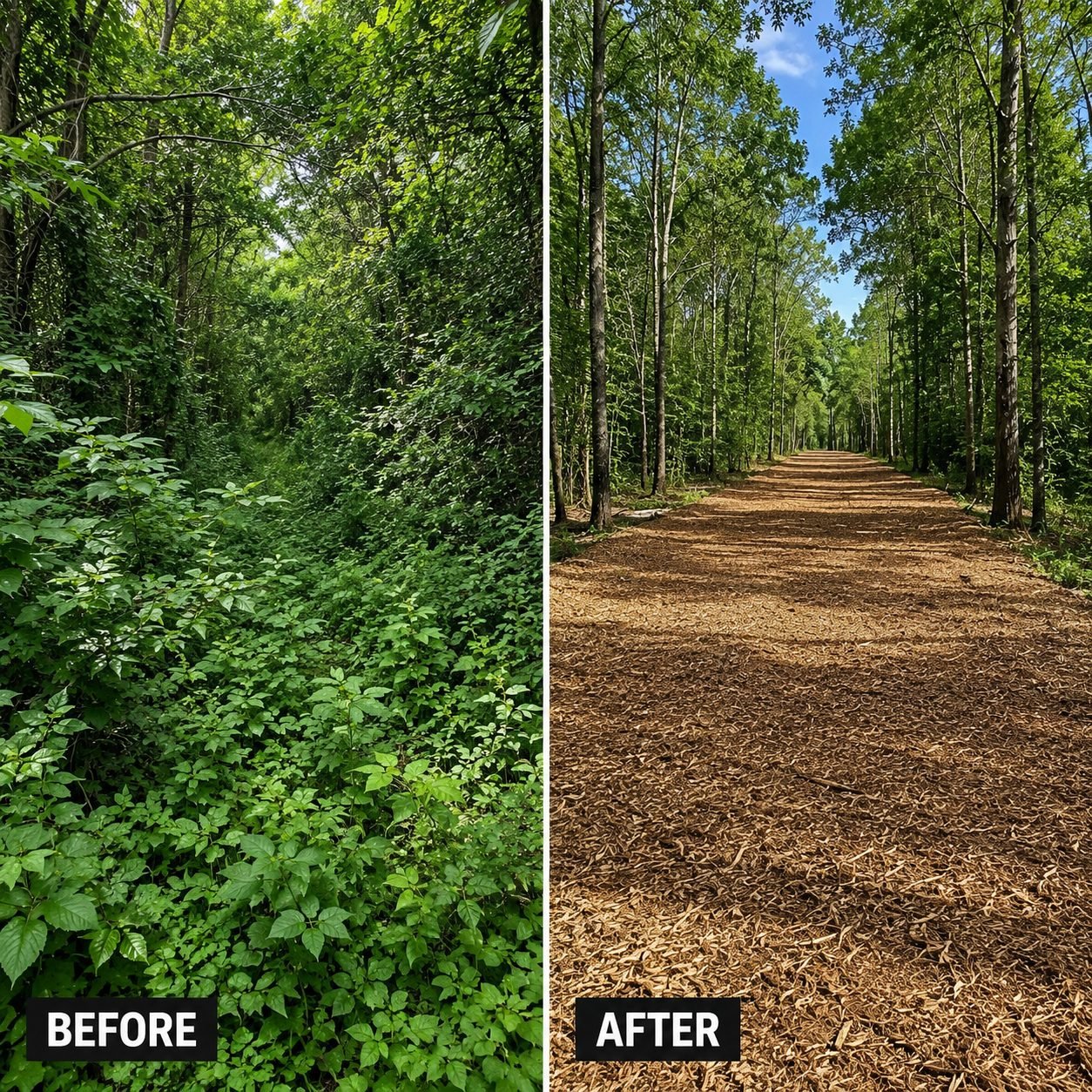
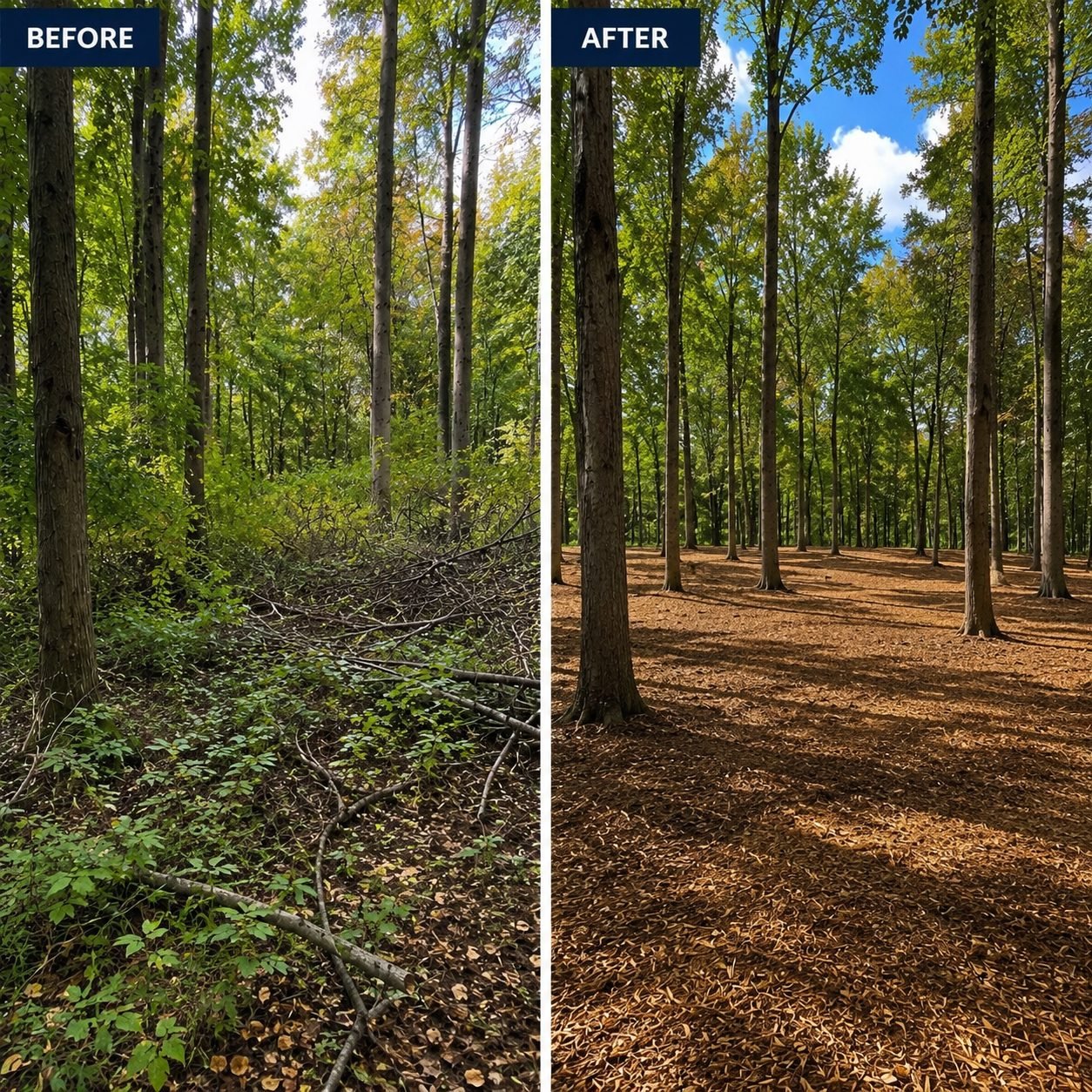
What Does Central Ohio Land Clearing Look Like Before and After?
Land clearing turns dense, unusable Central Ohio ground into open, walkable property. These are real Fortress jobs across Franklin, Delaware, Licking, Fairfield, and Union counties, cleared with mature trees left standing and no debris piles to burn or haul.
Frequently asked questions
Yes, both excavation and grading are essential for a new home foundation in Central Ohio. Excavation creates the necessary space for footers and the foundation by digging below grade, while grading follows to level and shape the site, ensuring proper drainage and a stable base for construction on clay-heavy soils.
The contractor or property owner performing the excavation must contact Ohio 811 at least 48 hours before work begins. This legal requirement helps prevent accidental utility strikes, protects underground infrastructure, and ensures safety for all involved in excavation projects throughout Central Ohio’s five-county service area.
Grading can be performed without excavation if the project only requires reshaping or leveling the surface soil, such as for landscaping or minor site improvements. However, most construction projects in Central Ohio require excavation first, followed by grading, to ensure proper site preparation and drainage.
If grading is skipped after excavation, the site may have uneven surfaces, poor drainage, and instability. This can lead to water pooling, erosion, or structural problems for buildings and landscaping, especially in Central Ohio where Brookston-Crosby clay soils hold moisture and require careful surface preparation.
Brookston-Crosby clay is a concern because it is poorly drained, heavy, and sticky, making excavation more difficult. It holds water into spring, which can delay projects, cause unstable excavation walls, and require specialized equipment or techniques to achieve proper compaction and site stability.
Owner Lee Carson typically responds to excavation quote requests within 2-3 business hours. Fortress Level Construction also offers same-week walk-throughs for projects in Central Ohio, ensuring fast, owner-walked, flat-rate quotes and prompt scheduling for excavation or grading services in all five counties.
What Other Services Does Fortress Offer in Central Ohio?
Land clearing is one of nine services Fortress Level Construction runs across Central Ohio, so one owner-operated crew can clear, grade, and prep a site end to end.
Get a Flat-Rate Quote from Lee Carson
Owner-operated land clearing across all five Central Ohio counties. Send your property details and Lee gets back to you within 2 to 3 hours during business hours with one flat number after a free on-site walk-through.