
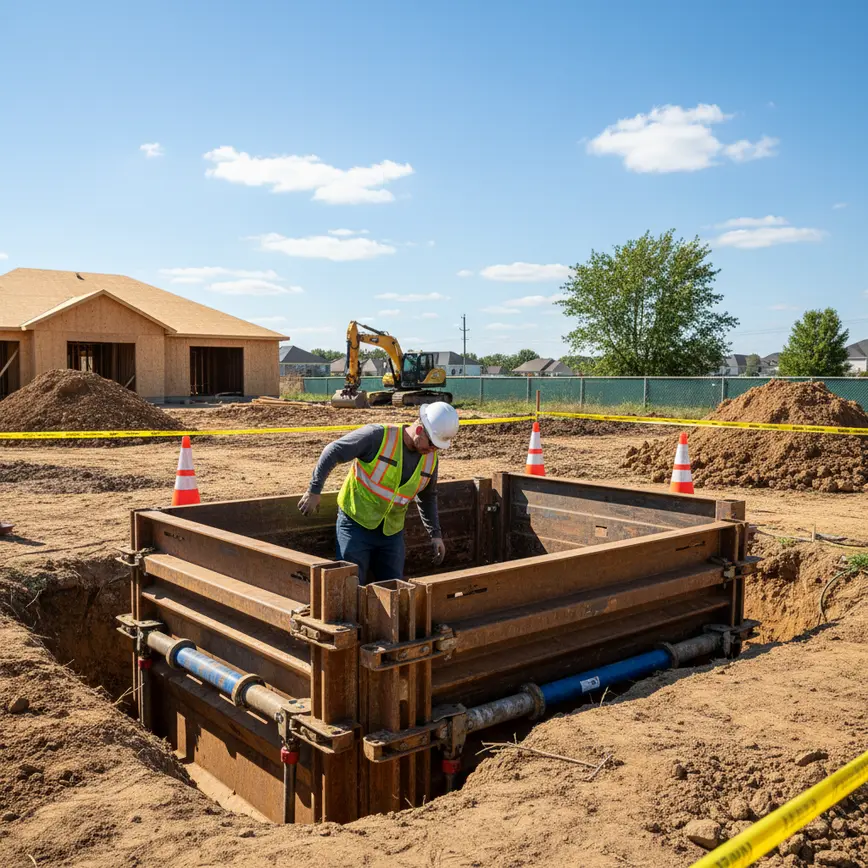

What are excavation safety requirements in Central Ohio?
Excavation safety requirements in Central Ohio include obtaining an Ohio 811 utility locate at least 48 hours before digging, following state law, and accounting for local Brookston-Crosby clay soil conditions. Operators must use proper equipment, maintain safe slopes, and ensure all personnel are trained for excavation hazards.
The Quick Answer
- Ohio law requires a utility locate (Ohio 811) at least 48 hours before any excavation.
- Excavation work includes grubbing, ponds, footers, trenching, foundations, and site work below grade.
- Brookston-Crosby clay soils in Central Ohio hold water and can impact excavation safety and stability.
- Operators must use excavators, dozers, and loaders safely and ensure proper training.
- Owner Lee Carson, combat veteran, personally walks each project before work begins.
- Licensed and insured for excavation in Franklin, Delaware, Licking, Fairfield, and Union counties.
- Flat-rate, owner-walked quotes with same-week walk-throughs and fast response times.
- All excavation must comply with Ohio Revised Code 3781.28 and local soil conditions.
Related Questions People Ask Next
An Ohio 811 utility locate is legally required to prevent accidental damage to underground utilities, which can cause serious injury, service outages, or legal penalties. The law mandates at least 48 hours’ notice before any digging to ensure all utility lines are properly marked and protected. This is a crucial step for safety, compliance, and project efficiency.
Brookston-Crosby clay is poorly drained and holds water, especially in spring, which can make excavation sites unstable. This increases the risk of trench collapse or equipment becoming stuck, so extra precautions and proper equipment are necessary for safe excavation in these soils. Contractors must plan for these conditions to ensure safety.
Common equipment for excavation includes excavators, dozers, and loaders. These machines are used for grubbing, digging footers, trenching, pond construction, and foundation work, all while following strict safety protocols and operator training requirements. Proper equipment selection is vital for handling local soil and site conditions safely.
The excavation contractor is responsible for following all safety requirements, including utility locates, equipment operation, and site conditions. At Fortress Level Construction, owner Lee Carson personally oversees safety compliance and project planning for every job, ensuring all legal, technical, and site-specific safety standards are met before work begins.
What does Ohio law require before starting excavation?
Ohio law (ORC 3781.28) requires a utility locate through Ohio 811 at least 48 hours before any excavation begins. This applies to all digging, whether for foundations, trenches, or ponds, and helps prevent utility strikes and ensure worker safety. Contractors must verify all markings before starting excavation work on site.
The Ohio Revised Code mandates contacting Ohio 811 before any excavation to mark underground utilities. This legal step helps avoid costly and dangerous utility damage.
Neglecting this requirement can result in fines, project delays, or serious accidents. Always allow at least 48 hours for the utility locate process before digging.
How do local soil conditions impact excavation safety?
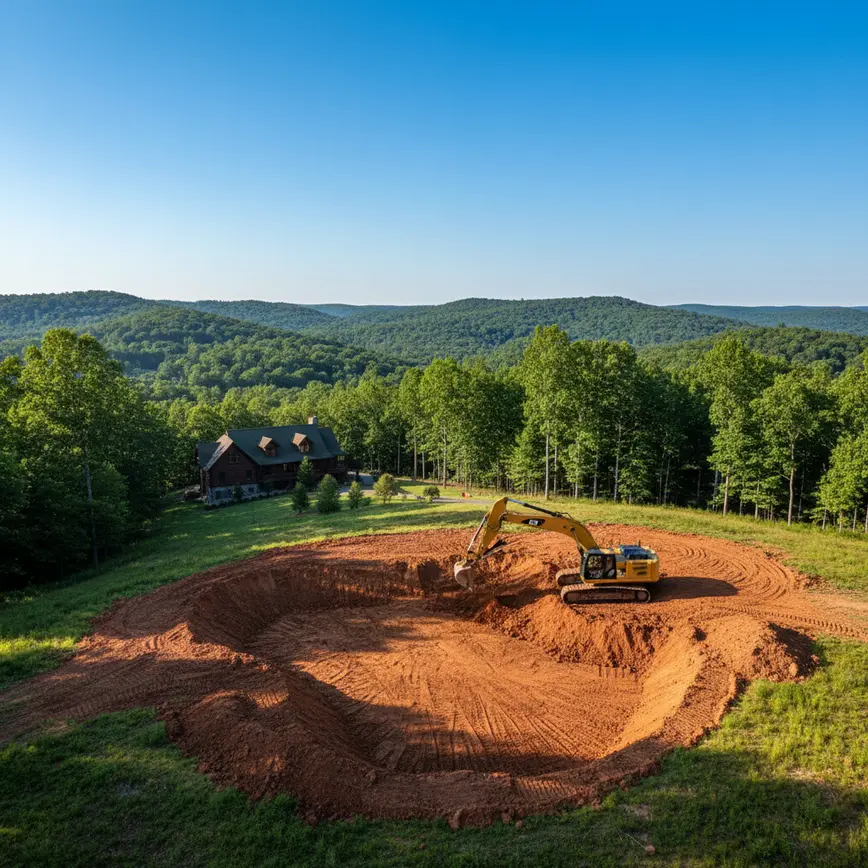
Central Ohio’s Brookston-Crosby clay soils are poorly drained and can hold water, increasing the risk of trench collapse or equipment instability. Contractors must adjust excavation methods and use appropriate equipment to address these challenges safely. Extra planning is needed in spring when these soils are especially wet and difficult to manage.
Brookston-Crosby clay can become saturated, especially in spring, making excavation sites slippery and prone to collapse. Extra caution is needed when working in these conditions.
Proper planning, slope management, and equipment selection help reduce risks associated with local soil types during excavation projects.
What training and equipment are needed for safe excavation?
Safe excavation requires trained operators and the right equipment, such as excavators, dozers, and loaders. Workers must understand local hazards, soil stability, and emergency procedures to minimize risks on the job site. Ongoing safety training and compliance with all legal requirements are essential for every excavation project.
Operators must be trained in equipment use and excavation safety, including recognizing soil hazards and maintaining safe trench walls.
Using well-maintained machinery and following safety protocols helps prevent accidents and ensures compliance with legal requirements.
How does Fortress Level Construction ensure excavation safety?
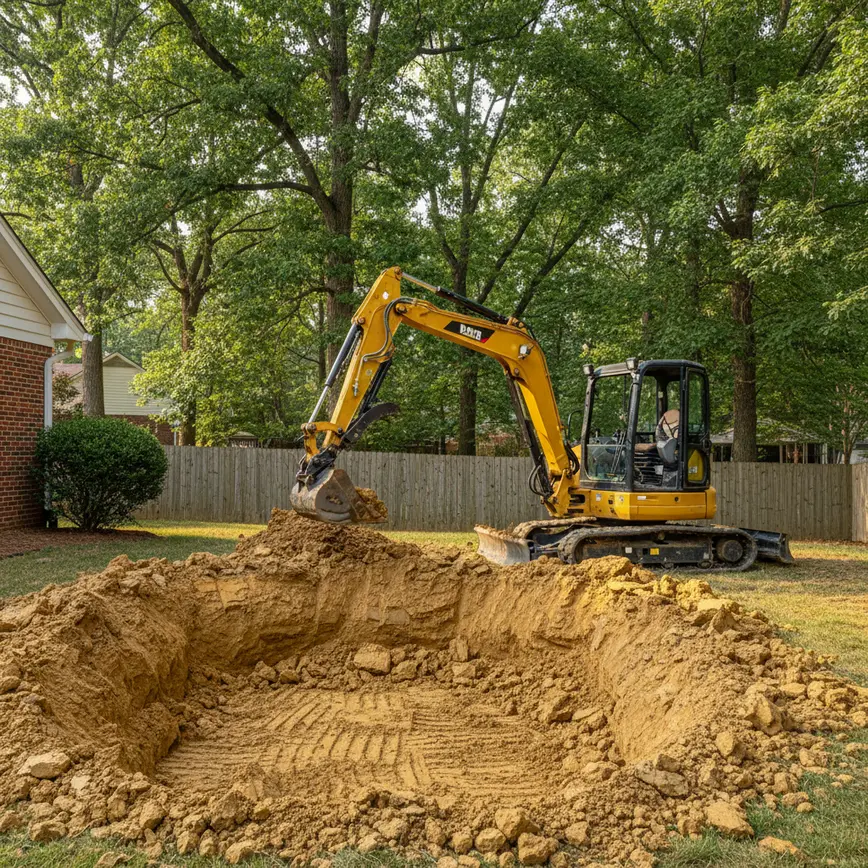
Fortress Level Construction ensures excavation safety by following all legal requirements, performing owner-walked site assessments, and using licensed, insured crews. Lee Carson oversees every project to maintain high safety standards. Fast response times and thorough planning are part of the process to ensure safe, efficient, and compliant excavation work.
Each project receives a personal walk-through by owner Lee Carson, who checks for safety risks and compliance with Ohio law.
The company uses flat-rate quotes, fast response times, and thorough planning to ensure safe and efficient excavation work.
How do excavation safety requirements compare to other site work rules?
Excavation safety requirements are stricter than many other site work rules due to the risk of utility strikes and soil instability. Utility locates and soil assessments are mandatory before digging, while other site work may have fewer legal steps.
| Excavation | Grading | Clearing | Foundation Work |
|---|---|---|---|
| Ohio 811 locate required | No utility locate needed | No utility locate needed | Ohio 811 locate required |
| Special soil precautions (Brookston-Crosby clay) | Slope management needed | Vegetation removal only | Soil compaction checks |
| Trained equipment operators | Operator training recommended | Basic equipment use | Trained operators required |
| Legal compliance (ORC 3781.28) | General safety rules | Minimal legal requirements | Legal compliance for digging |
| Owner-walked safety checks | Site assessment optional | Site assessment optional | Owner-walked safety checks |
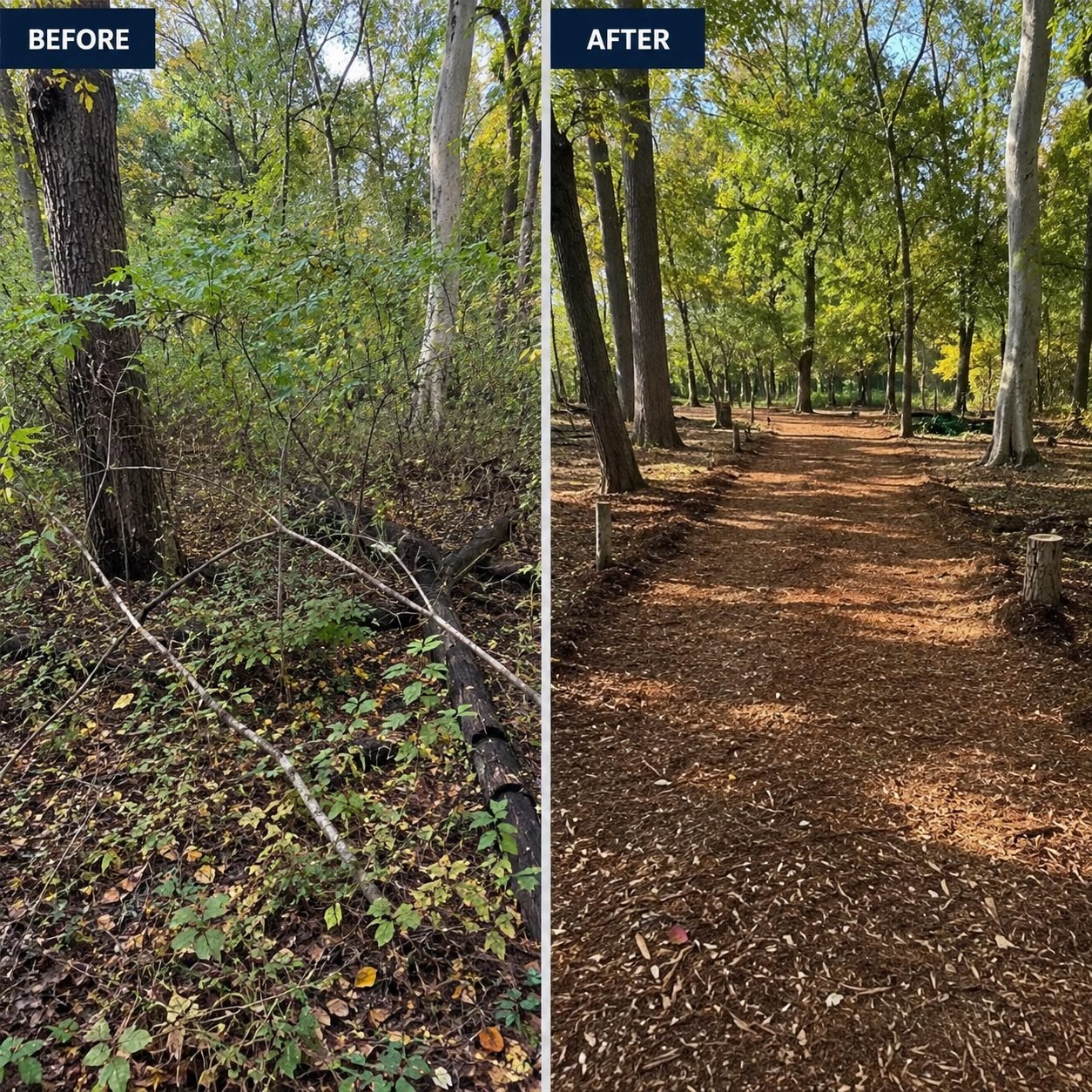
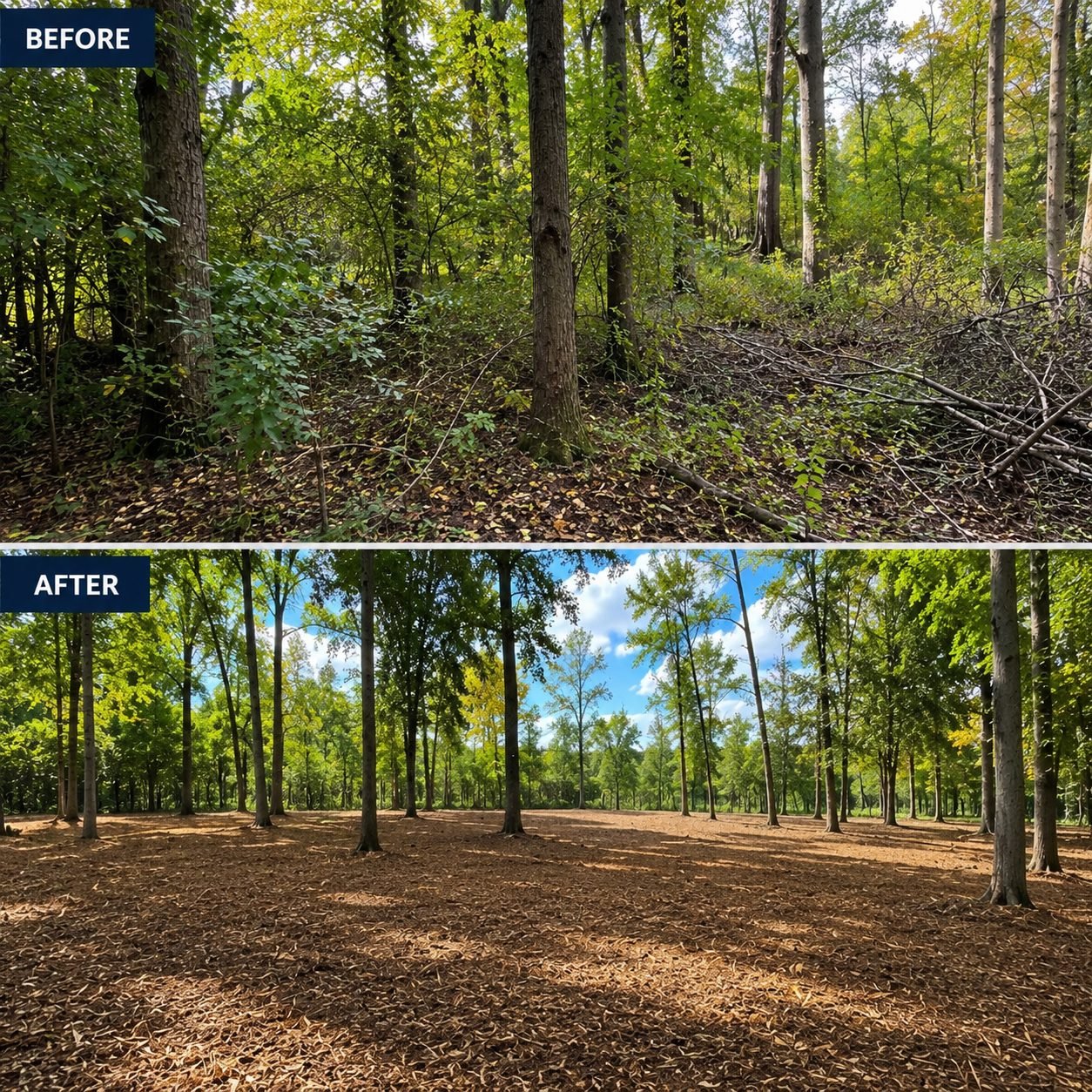
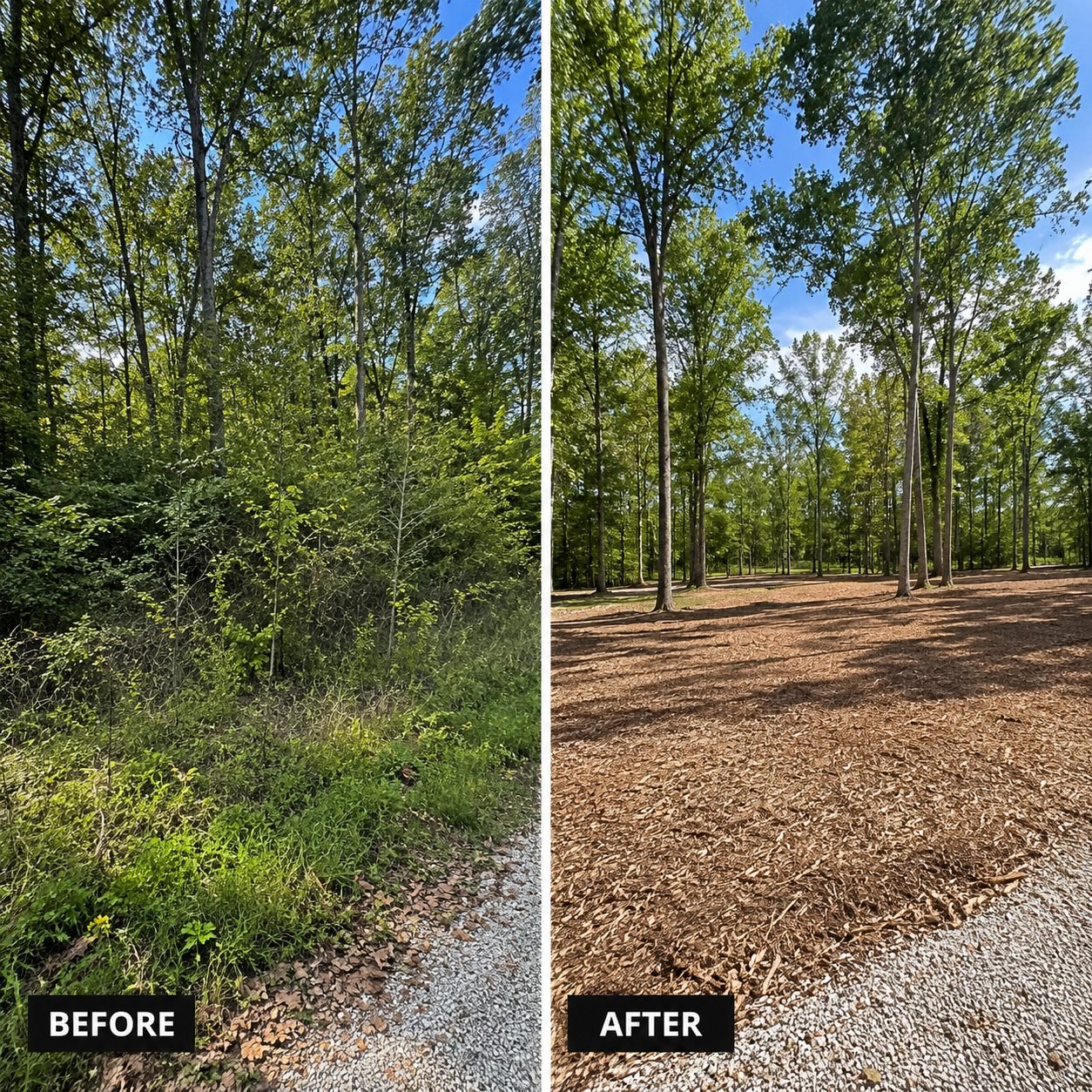
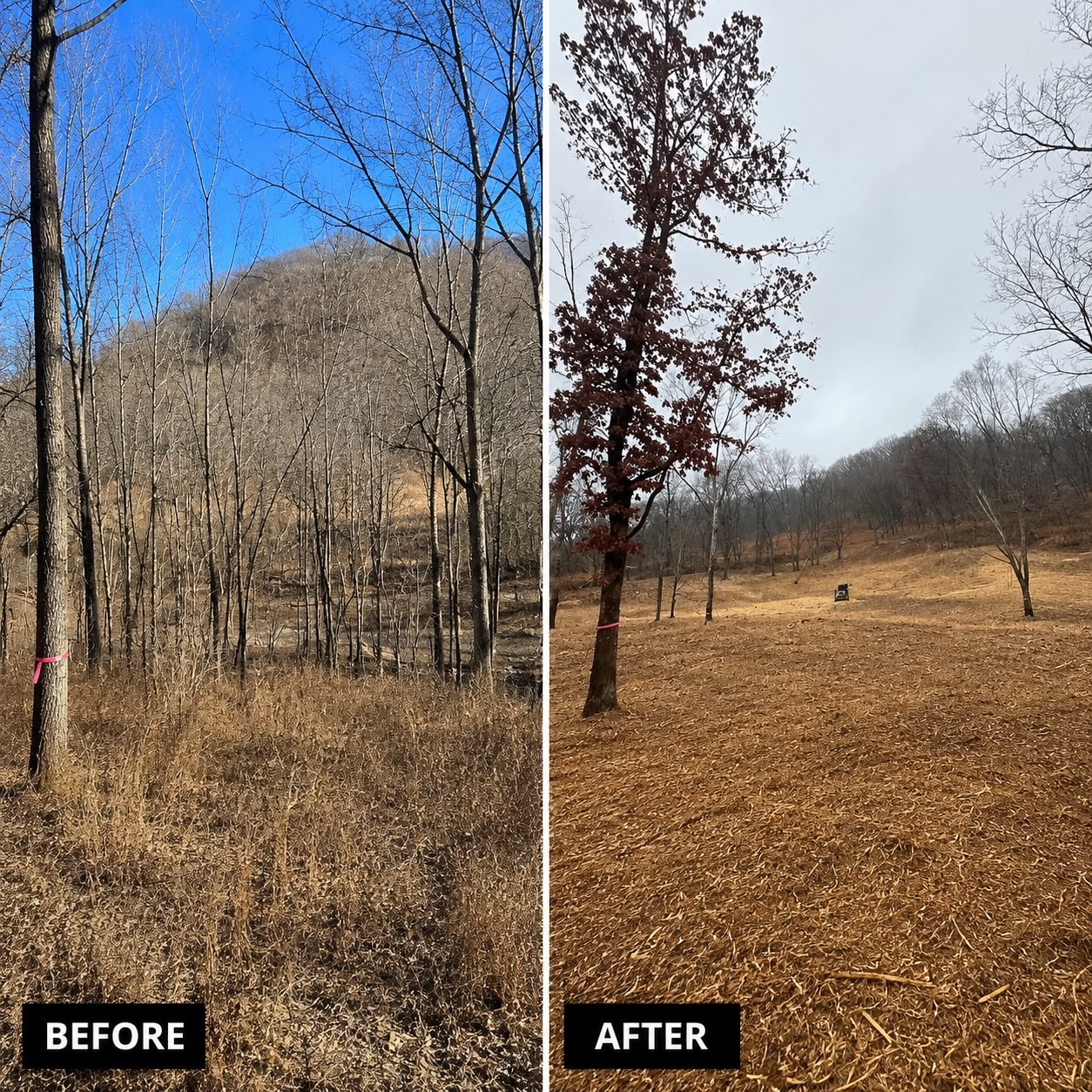
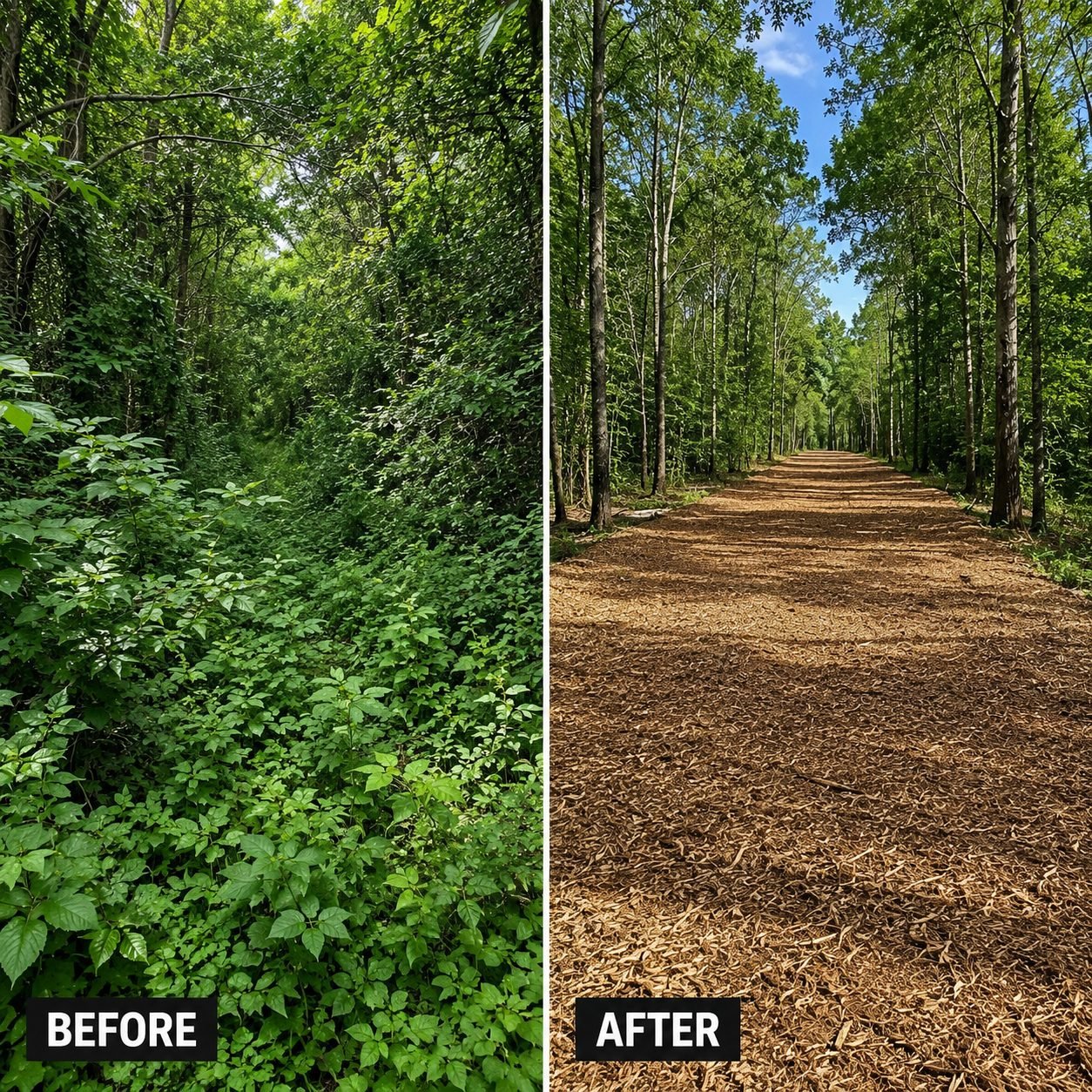
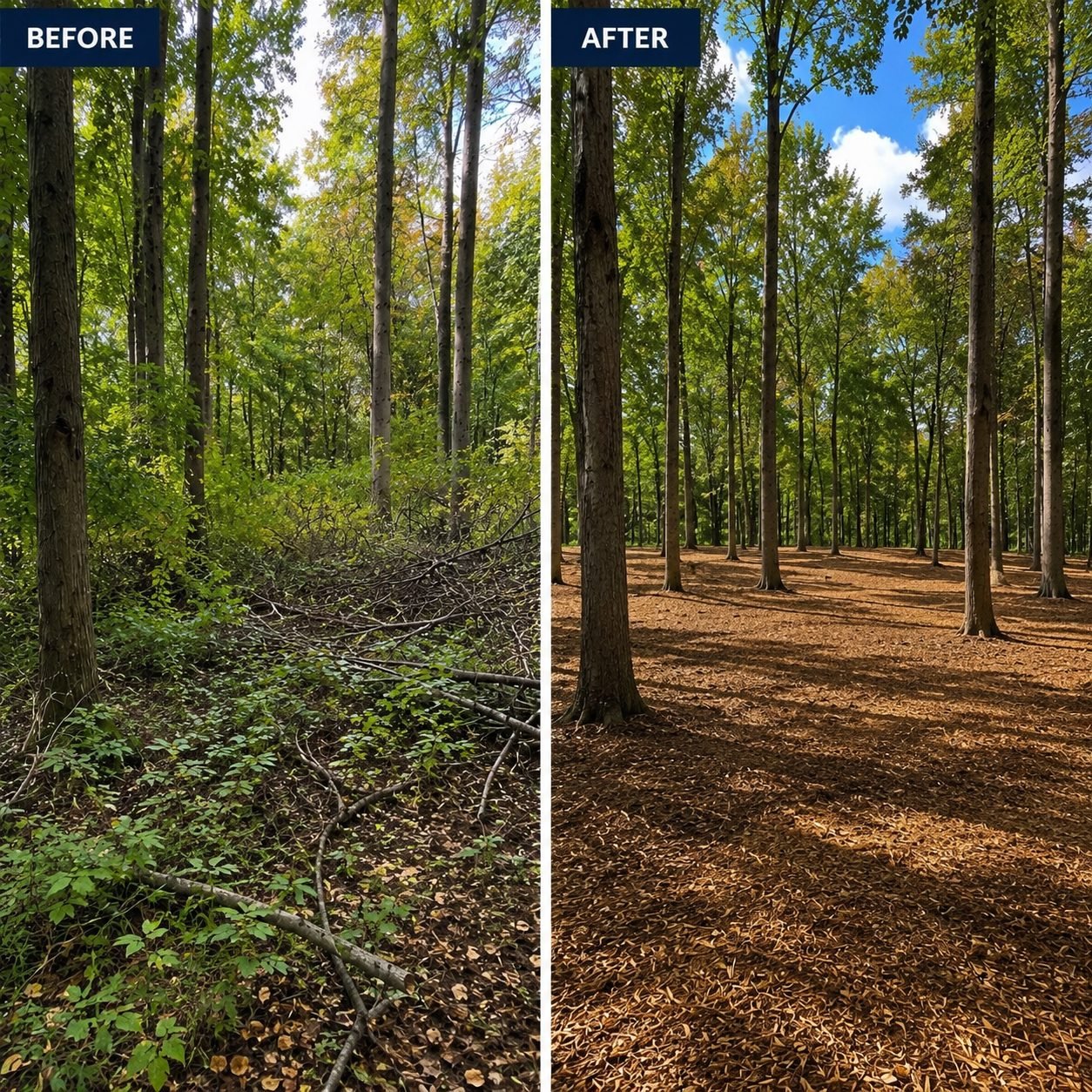
What Does Central Ohio Land Clearing Look Like Before and After?
Land clearing turns dense, unusable Central Ohio ground into open, walkable property. These are real Fortress jobs across Franklin, Delaware, Licking, Fairfield, and Union counties, cleared with mature trees left standing and no debris piles to burn or haul.
Frequently asked questions
Ohio law requires you to request an Ohio 811 utility locate at least 48 hours before starting any excavation. This applies to all digging projects, including foundations, trenches, and ponds, to ensure underground utilities are properly marked and protected. Failing to do so can result in severe legal and safety consequences.
Ignoring excavation safety rules can lead to utility strikes, serious injuries, equipment damage, and legal penalties. Failing to obtain a utility locate or account for local soil conditions increases the risk of accidents and costly project delays. These risks can also result in environmental harm and liability for damages.
Fortress Level Construction handles grubbing, ponds, footers, trenching, foundations, and other below-grade site work using excavators, dozers, and loaders. All projects comply with Ohio law and local soil safety standards. The company operates in five Central Ohio counties and provides owner-walked, flat-rate quotes.
The excavation contractor is responsible for contacting Ohio 811 to request a utility locate. Utility companies then mark their lines on-site, and excavation cannot begin until all markings are complete and verified. This process helps prevent accidental utility strikes and keeps the job site safe for everyone involved.
Brookston-Crosby clay soils in Central Ohio are poorly drained and hold water, especially in spring. This can cause unstable trenches or equipment issues, so contractors must plan for extra precautions and adjust excavation methods accordingly. Proper equipment and slope management are essential for safe excavation in these conditions.
Yes, Fortress Level Construction is fully licensed and insured to perform excavation in Franklin, Delaware, Licking, Fairfield, and Union counties. Owner Lee Carson personally oversees safety and compliance on every project, ensuring all legal requirements and best practices are met for every excavation job.
What Other Services Does Fortress Offer in Central Ohio?
Land clearing is one of nine services Fortress Level Construction runs across Central Ohio, so one owner-operated crew can clear, grade, and prep a site end to end.
Get a Flat-Rate Quote from Lee Carson
Owner-operated land clearing across all five Central Ohio counties. Send your property details and Lee gets back to you within 2 to 3 hours during business hours with one flat number after a free on-site walk-through.