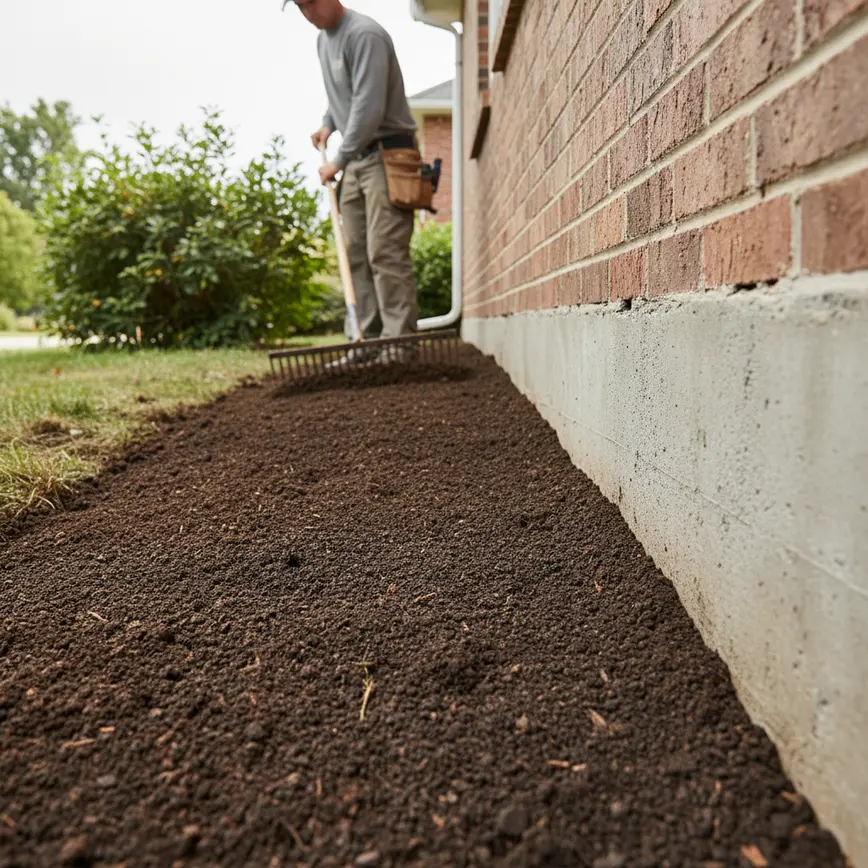

What is grading around a foundation in Central Ohio?
Grading around a foundation in Central Ohio means shaping and sloping the soil to direct water away from your building’s base. This prevents water pooling, protects against basement leaks, and is especially important in areas with poorly drained Brookston-Crosby clay soils. Proper grading is a key step in foundation excavation.
The Quick Answer
- Grading around a foundation in Central Ohio means sloping soil away from the foundation to prevent water damage.
- Proper grading helps avoid water pooling and basement leaks, especially in poorly drained soils.
- Brookston-Crosby clay soils common in Central Ohio require careful excavation and grading practices.
- Excavation equipment like dozers and loaders are used to achieve the correct slope.
- Ohio law requires an Ohio 811 utility locate at least 48 hours before any excavation work.
- Fortress Level Construction provides flat-rate, owner-walked excavation and grading quotes.
- Owner Lee Carson, a combat veteran, responds to inquiries within 2-3 business hours.
- Licensed and insured, Fortress Level Construction serves Franklin, Delaware, Licking, Fairfield, and Union counties.
Related Questions People Ask Next
Grading is crucial because Central Ohio’s Brookston-Crosby clay soils hold water, increasing the risk of foundation leaks and water damage. Proper grading ensures water flows away from the structure, protecting basements and crawl spaces from moisture problems and prolonging the life of the foundation.
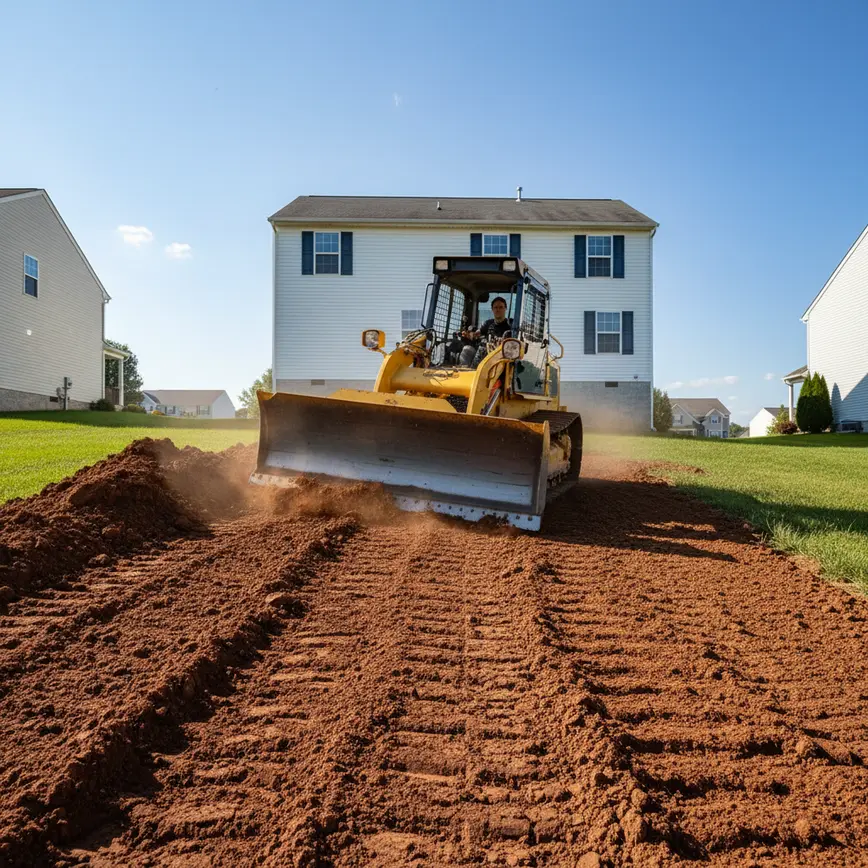
Excavators, dozers, and loaders are commonly used to move and shape soil around foundations. These machines allow precise control over the slope and elevation, which is essential for effective drainage and to meet local building codes during foundation excavation in Central Ohio.
Ohio law requires contacting Ohio 811 at least 48 hours before any excavation, including grading. This ensures underground utilities are marked and identified, preventing accidental damage to water, gas, or electrical lines. Proper utility locating is essential for safety and compliance on grading and excavation projects in Central Ohio.
Brookston-Crosby clay soils are poorly drained and can retain water well into spring, making excavation and grading more difficult. These soils require careful management to prevent water from accumulating near foundations, and may need additional measures for proper drainage. Specialized equipment and techniques may be necessary.
How is grading around a foundation performed in Central Ohio?
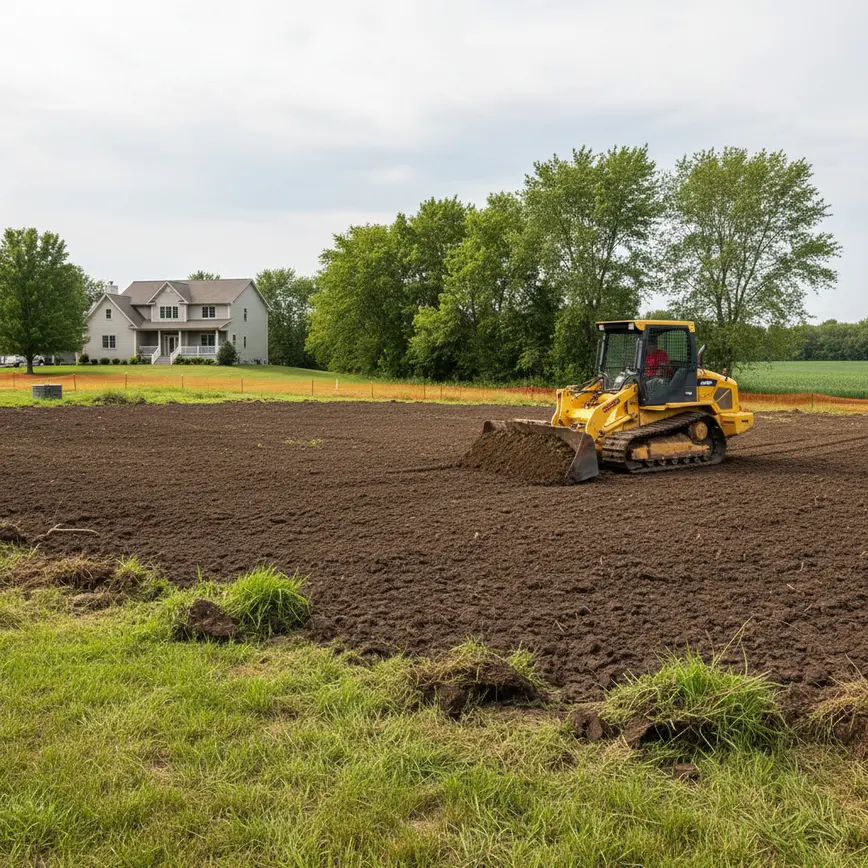
Grading is performed by excavating and shaping the soil so it slopes away from the foundation, usually using heavy equipment like dozers and loaders. The process includes removing debris, checking soil compaction, and ensuring the final grade directs water away from the building to prevent drainage issues.
Excavation crews use dozers, loaders, and excavators to move soil and establish the correct slope around a foundation. The typical goal is to create a gentle slope extending several feet from the structure.
After shaping, the soil is compacted to prevent settling. Special attention is given to drainage paths, especially in areas with Brookston-Crosby clay, to keep water moving away from the foundation.
What are the risks of improper grading around foundations?
Improper grading can cause water to collect near the foundation, leading to leaks, basement flooding, and structural damage. In Central Ohio, this risk is higher due to heavy clay soils that retain water, so proper grading is essential to protect your home and avoid expensive repairs in the future.
Standing water near a foundation can seep into basements or crawl spaces, causing mold, mildew, and long-term damage. Over time, poor drainage can weaken the foundation itself.
In Central Ohio’s clay soils, water drains slowly, making proper grading even more critical to prevent chronic moisture problems and costly repairs.
What legal steps are required before grading excavation in Ohio?
Ohio law (ORC 3781.28) requires an Ohio 811 utility locate at least 48 hours before any excavation, including grading projects. This step prevents accidental damage to underground utilities, ensures jobsite safety, and is mandatory for all excavation contractors operating in Central Ohio, including residential and commercial projects.
Before excavation begins, contractors must contact Ohio 811 to have all underground utilities marked. This is a legal requirement for any digging or grading project.
Failure to comply can result in fines, project delays, and safety hazards. Fortress Level Construction always schedules utility locates before starting excavation work.
How do local soils affect grading and excavation work?
Brookston-Crosby clay soils in Central Ohio are poorly drained, making grading and excavation more challenging. Extra care is needed to ensure proper drainage and soil stability. Contractors must address slow drainage and may need to implement additional drainage solutions to protect foundations from water damage.
These clay soils can hold water for extended periods, especially after heavy rains or snowmelt. Excavation teams must plan for slower drainage and may need to incorporate additional drainage solutions.
Proper grading is essential to prevent water from accumulating against the foundation, which is a common issue in Central Ohio due to the prevalent soil types.
How does grading around foundations compare to other excavation tasks?
Grading around foundations focuses on shaping soil for drainage, while other excavation tasks like trenching or pond digging have different goals and methods. Each task uses similar equipment but varies in depth, precision, and purpose. Understanding these differences helps ensure the right approach for each project.
| Task | Purpose | Equipment Used | Special Considerations |
|---|---|---|---|
| Foundation Grading | Direct water away from building | Dozer, loader, excavator | Requires precise slope, soil compaction |
| Trenching | Install utilities or drainage | Excavator, trencher | Depth and width critical, utility locates required |
| Pond Excavation | Create water retention area | Excavator, dozer | Shape for water flow, manage spoil |
| Footer Excavation | Prepare for concrete footers | Excavator | Exact dimensions, stable base needed |
| Site Clearing | Remove vegetation/debris | Dozer, loader | Disposal of material, erosion control |
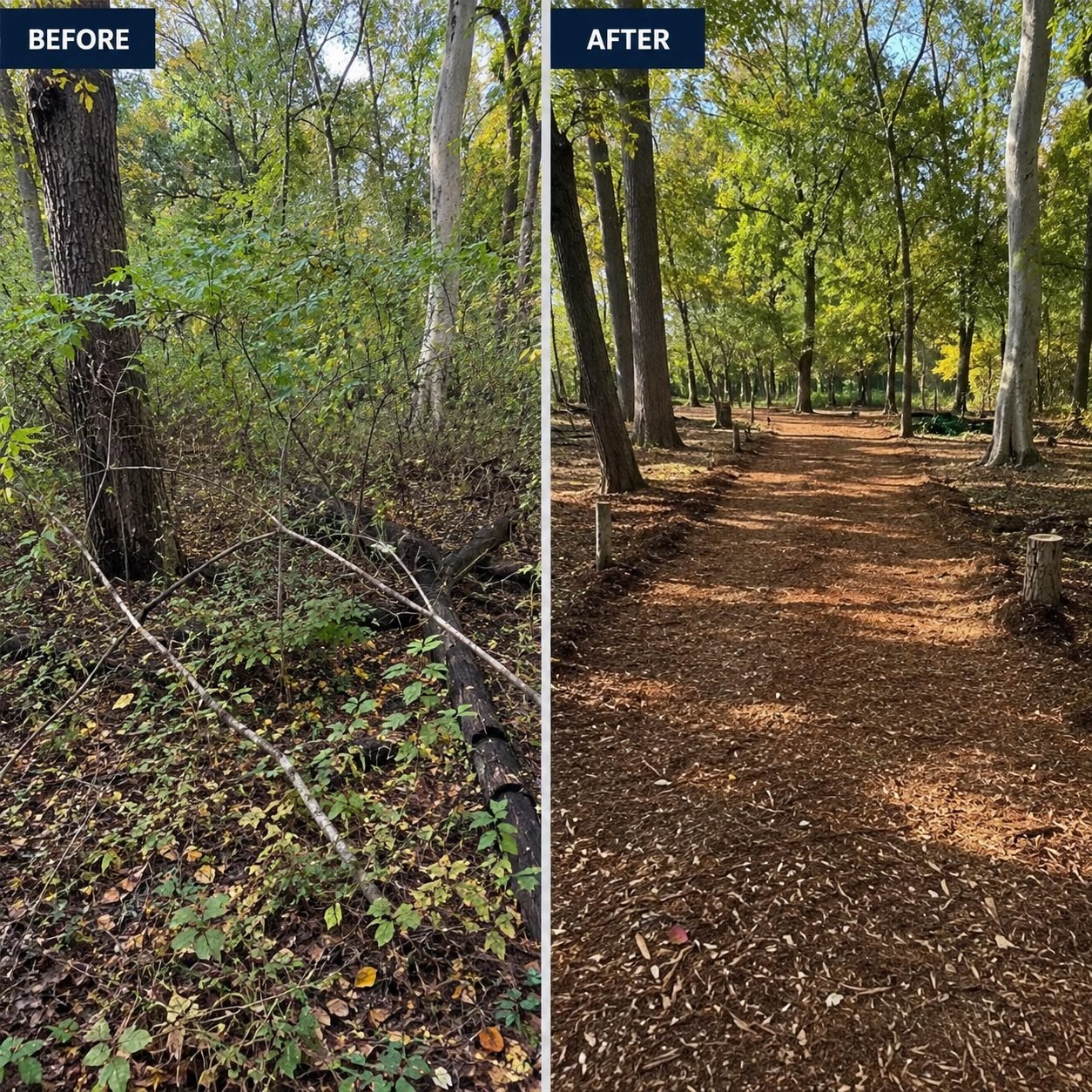
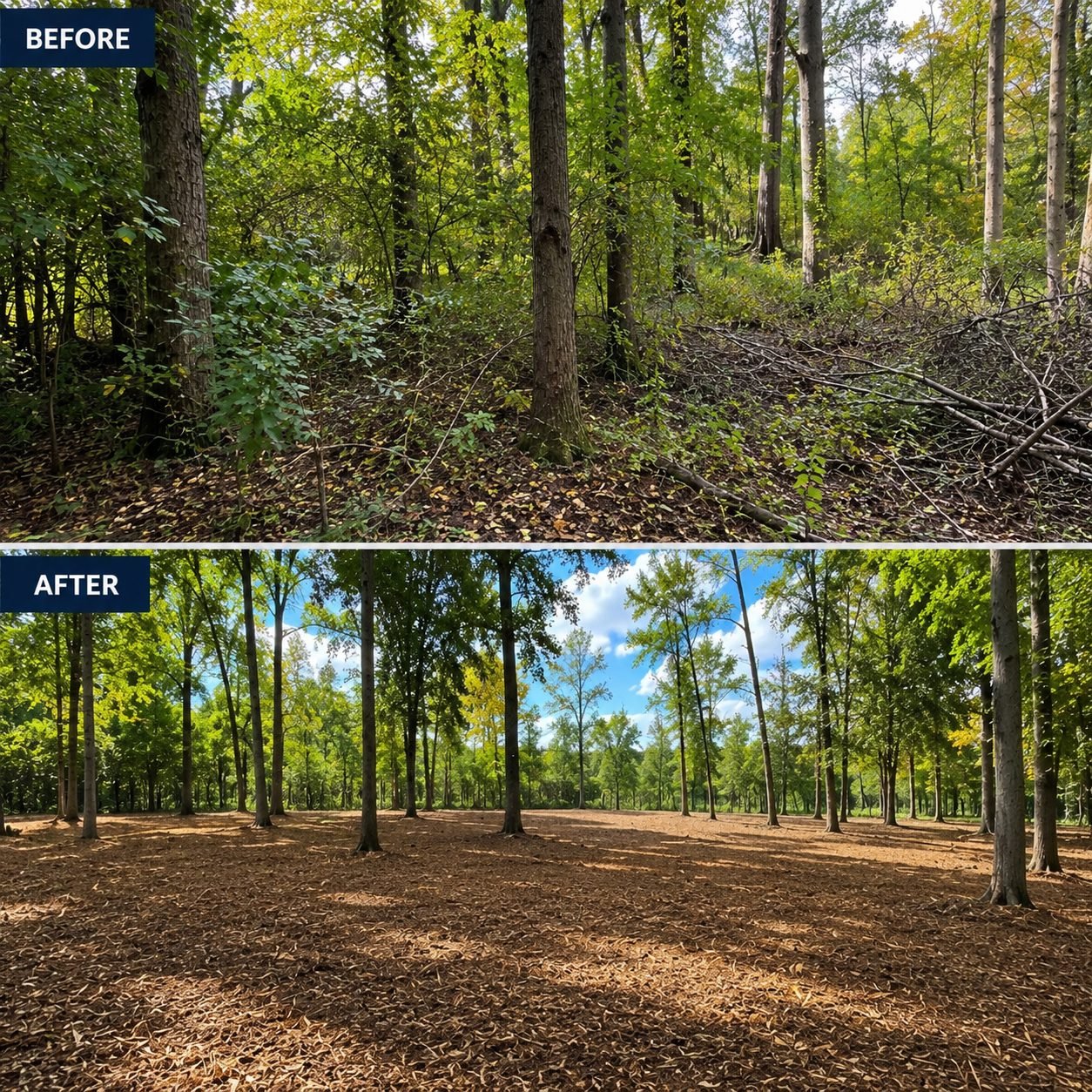
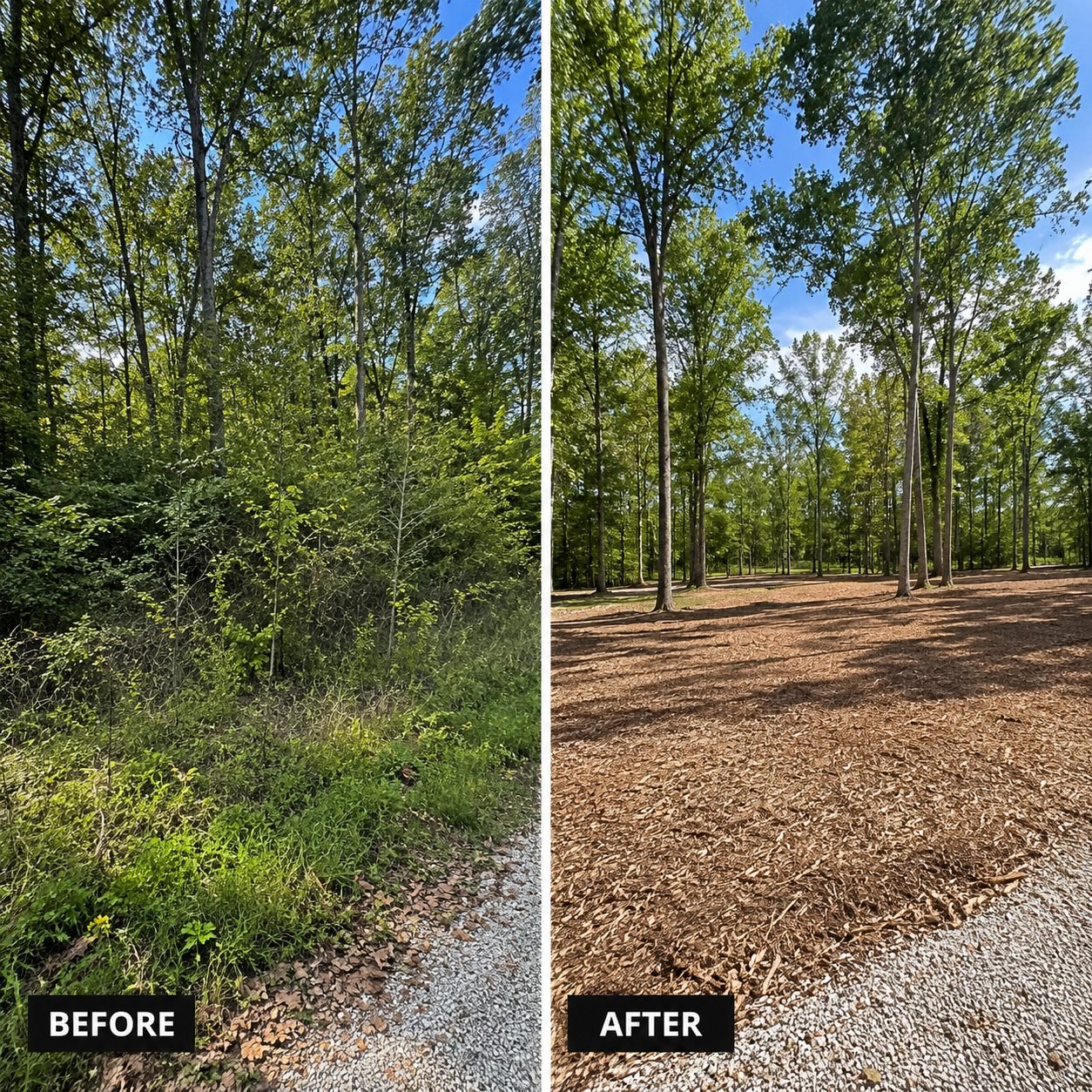
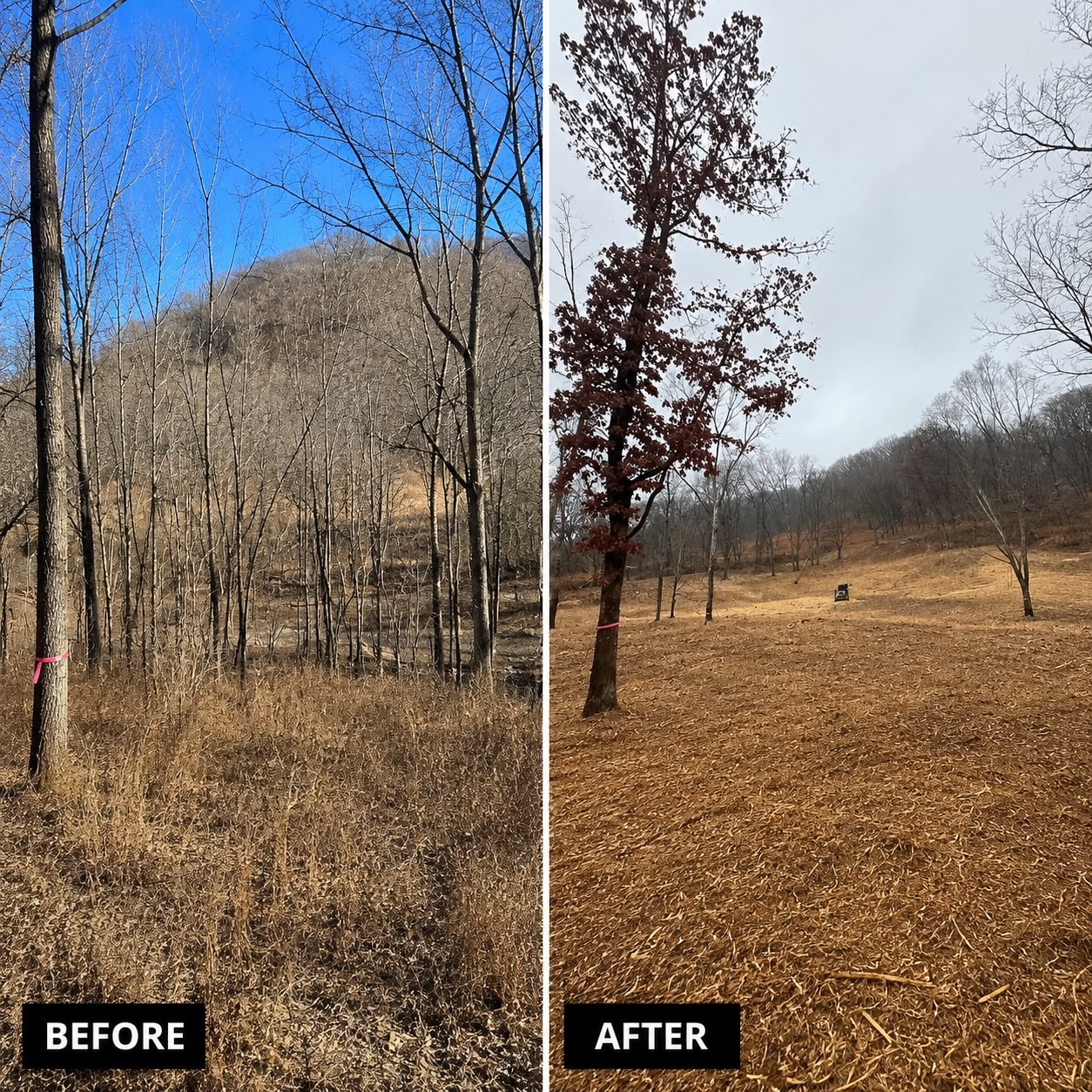
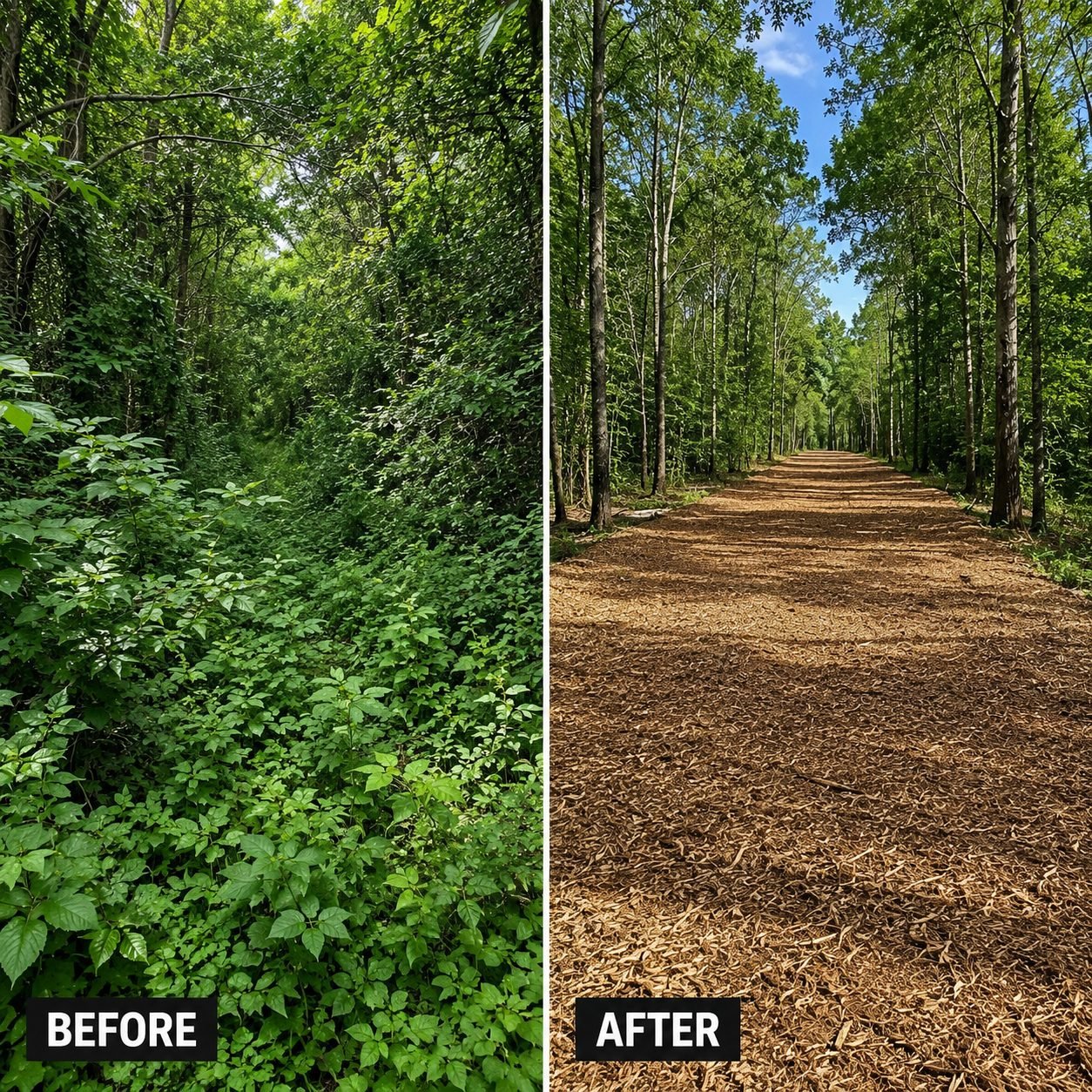
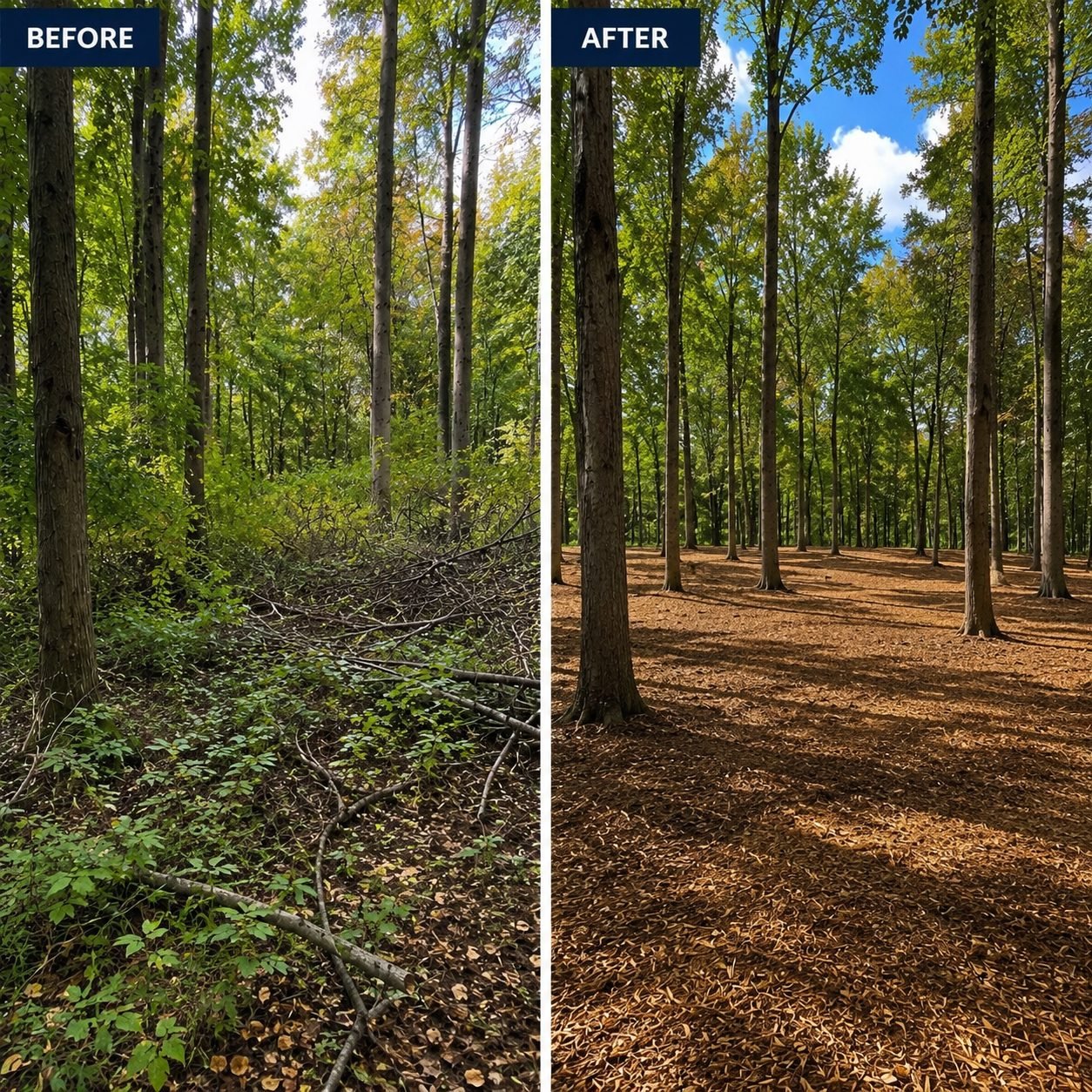
What Does Central Ohio Land Clearing Look Like Before and After?
Land clearing turns dense, unusable Central Ohio ground into open, walkable property. These are real Fortress jobs across Franklin, Delaware, Licking, Fairfield, and Union counties, cleared with mature trees left standing and no debris piles to burn or haul.
Frequently asked questions
A typical recommendation is a slope of at least 6 inches drop over the first 10 feet away from the foundation. This helps ensure water drains away from the building, especially important in Central Ohio’s clay soils. Proper slope reduces the risk of water pooling and foundation damage.
Yes, regrading can often resolve drainage issues by redirecting water away from the foundation. In some cases, additional drainage solutions like French drains may be necessary, especially in areas with persistent water problems or heavy Brookston-Crosby clay soils. A professional assessment is recommended.
Permit requirements vary by municipality. While minor grading may not require a permit, larger excavation projects or those altering drainage patterns often do. Always check with your local building department before starting work, and consult with your contractor about local regulations.
Most residential grading projects can be completed in one to two days, depending on site size and soil conditions. Delays may occur if weather is wet, if utility locates reveal conflicts, or if additional drainage solutions are needed for challenging Central Ohio clay soils.
Ensure the contractor is licensed and insured, familiar with local soils, and will arrange for an Ohio 811 utility locate. Ask about their experience with Brookston-Crosby clay and request a flat-rate, owner-walked quote. This helps ensure safe, effective, and legal excavation work.
Brookston-Crosby clay holds water and drains slowly, increasing the risk of foundation water problems. Proper grading and sometimes additional drainage measures are needed to protect buildings in these soil conditions. Contractors must use appropriate techniques and equipment for best results.
What Other Services Does Fortress Offer in Central Ohio?
Land clearing is one of nine services Fortress Level Construction runs across Central Ohio, so one owner-operated crew can clear, grade, and prep a site end to end.
Get a Flat-Rate Quote from Lee Carson
Owner-operated land clearing across all five Central Ohio counties. Send your property details and Lee gets back to you within 2 to 3 hours during business hours with one flat number after a free on-site walk-through.