

What are the Ohio building codes for excavation?
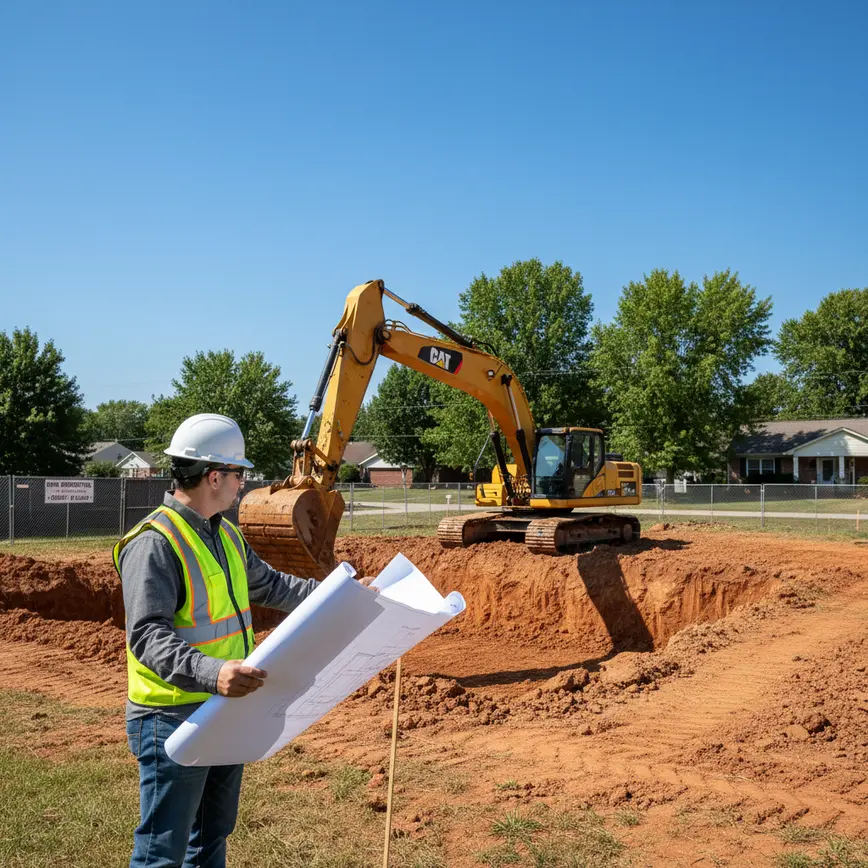
Ohio building codes for excavation require that you contact Ohio 811 at least 48 hours before any digging to locate utilities, as mandated by Ohio Revised Code 3781.28. Excavation work must also follow local permitting, erosion control, and safety regulations, especially in areas with Brookston-Crosby clay soils.
The Quick Answer
- Ohio law requires an Ohio 811 utility locate at least 48 hours before any excavation begins.
- Excavation includes grubbing, trenching, footers, foundations, and pond digging below grade.
- Brookston-Crosby clay soils in Central Ohio affect excavation methods and drainage.
- Permits and erosion control measures may be required for excavation projects.
- Fortress Level Construction is licensed, insured, and serves 5 Central Ohio counties.
- Owner Lee Carson is a combat veteran with experience since 2009.
- Flat-rate, owner-walked quotes are available with same-week walk-throughs.
- Lee responds to inquiries within 2-3 business hours.
Related Questions People Ask Next
Ohio 811 utility locate is required to prevent accidental damage to underground utilities such as gas, electric, water, and sewer lines. This process protects workers, property, and the public by ensuring all utility lines are marked before excavation begins, as mandated by Ohio Revised Code 3781.28. It is a legal safety step.
Brookston-Crosby clay is a poorly drained soil type that holds water well into the spring, making excavation more challenging and time-consuming. Contractors must use heavier equipment and plan for potential delays, increased water management, and erosion control. These soils require special attention to site stabilization and drainage.
Most excavation projects involving foundations, ponds, major grading, or trenching for utilities require permits from local building departments. Permitting ensures compliance with safety, drainage, and environmental regulations specific to each Central Ohio county. Always check with your county before starting any significant excavation work.
Fortress Level Construction handles grubbing, trenching, footers, foundations, pond digging, and site work below grade using excavators, dozers, and loaders. They provide flat-rate, owner-walked quotes and serve Franklin, Delaware, Licking, Fairfield, and Union counties. All services are licensed and insured for safety and compliance.
What is the legal process for starting excavation in Ohio?
Before any excavation in Ohio, you must contact Ohio 811 at least 48 hours in advance to have underground utilities marked, as required by state law. After this, you may need to obtain permits from your local building department, especially for larger projects or those near public infrastructure, to ensure full compliance.
Ohio Revised Code 3781.28 makes it mandatory to request a utility locate before digging. This minimizes the risk of hitting buried lines.
After utilities are marked, you may need additional permits from your local building department, especially for larger projects or those near public infrastructure.
How do local soil conditions impact excavation in Central Ohio?
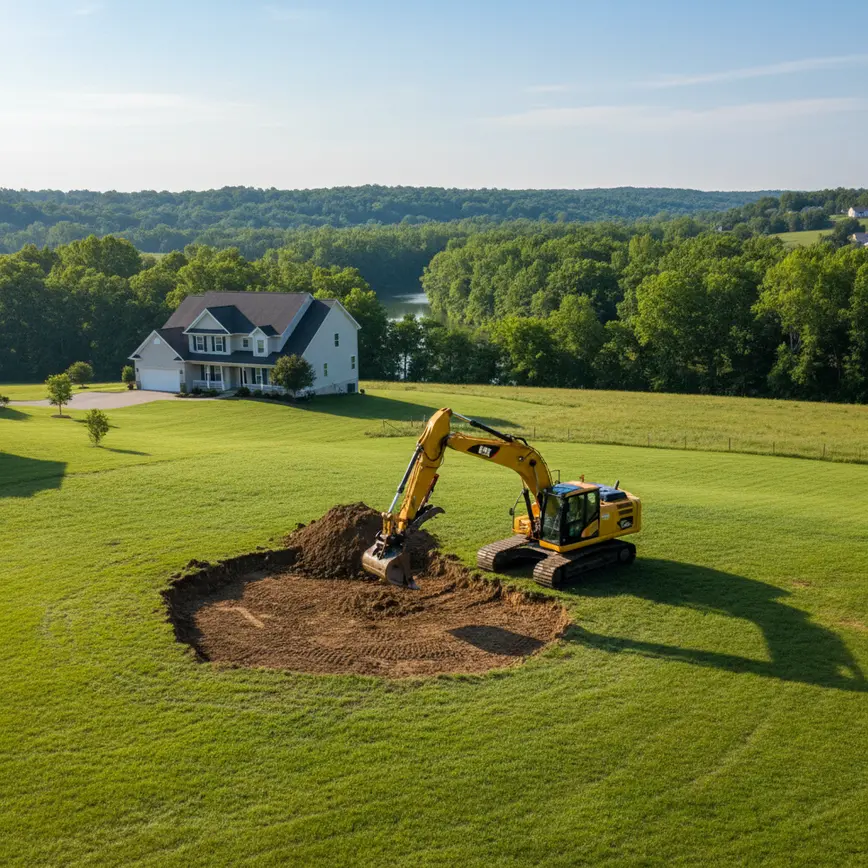
Brookston-Crosby clay soils in Central Ohio are poorly drained, holding water into spring and making excavation more difficult and slow. Contractors must plan for wet, heavy soils, use appropriate equipment, and implement erosion control measures to comply with environmental codes and keep projects on schedule.
Excavating in these clay soils often requires heavier equipment and careful planning to avoid delays and manage water runoff.
Contractors must also implement erosion control measures to prevent soil displacement and comply with local environmental codes.
What equipment is commonly used for excavation projects?
Excavators, dozers, and loaders are standard equipment for excavation, each suited for specific site tasks like trenching, grading, and foundation work. The choice of equipment depends on soil conditions, project size, and the type of excavation needed, especially when working in heavy clay soils.
Excavators are ideal for digging deep trenches or foundations, while dozers handle grading and moving large volumes of soil.
Loaders are used for loading, backfilling, and moving materials around the site efficiently.
Who is responsible for code compliance during excavation?
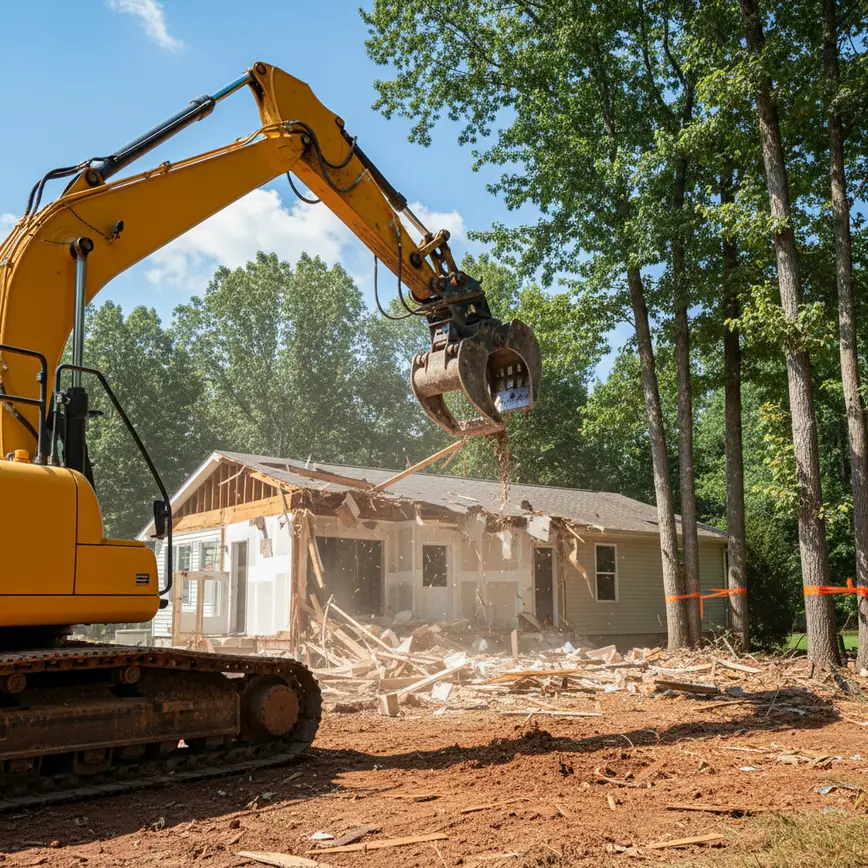
The excavation contractor is responsible for following Ohio building codes, utility locate laws, and local permitting requirements throughout the project. Property owners should ensure their contractor is licensed, insured, and experienced with local regulations to avoid fines, project delays, or safety hazards during excavation.
Contractors like Fortress Level Construction ensure all legal steps are taken, including utility locates and necessary permits.
Property owners should verify their contractor is licensed, insured, and familiar with local regulations to avoid fines or project delays.
How do excavation codes differ from other construction codes in Ohio?
Excavation codes focus on utility safety, soil management, and erosion control, while other construction codes address building structure, fire safety, and occupancy. Each code type has its own requirements, inspections, and compliance steps, so it’s important to understand these differences before starting a project.
| Excavation Codes | Foundation Codes | Building Codes | Erosion Control Codes |
|---|---|---|---|
| Ohio 811 locate required 48 hrs prior | Footing depth and width specs | Framing, electrical, and fire safety | Silt fence and runoff barriers |
| Soil type and drainage considerations | Soil bearing capacity requirements | HVAC and plumbing standards | Stormwater management rules |
| Permit for major earthwork | Inspection of poured concrete | Occupancy and egress rules | Site stabilization after work |
| Equipment safety and access | Waterproofing and drainage | Energy efficiency codes | Vegetation replanting mandates |
| Contractor must be licensed/insured | Rebar and reinforcement checks | ADA accessibility compliance | Dust and sediment control |
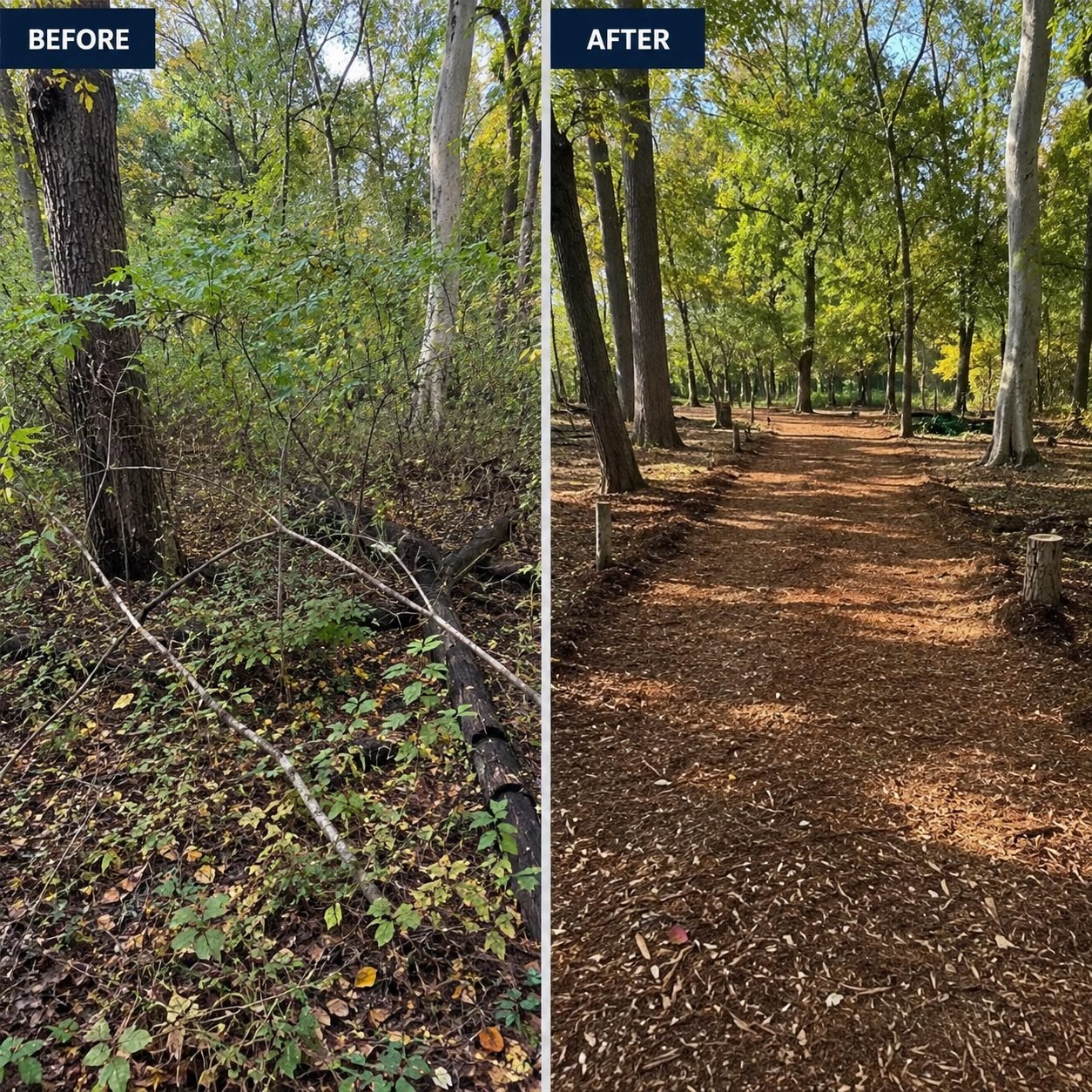
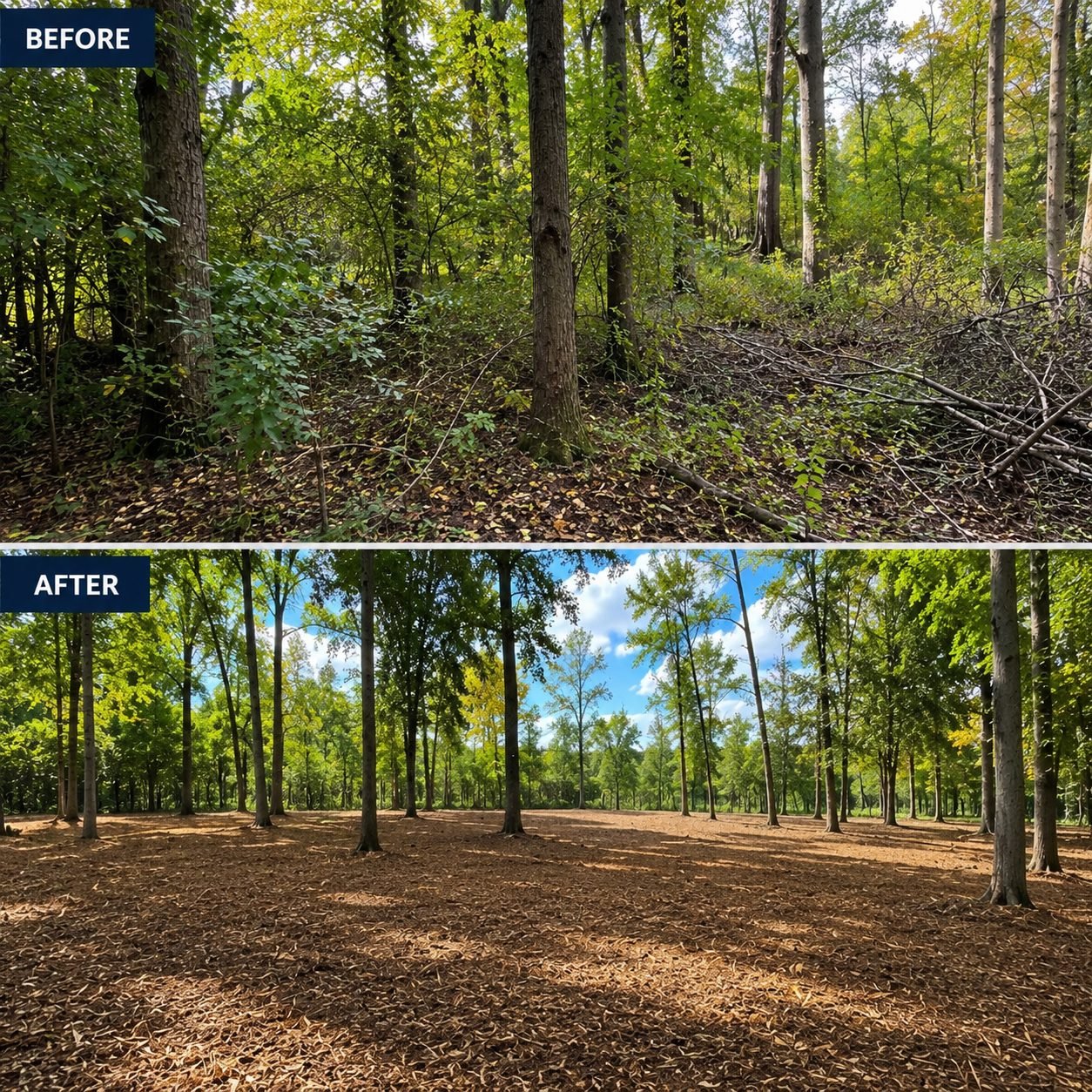
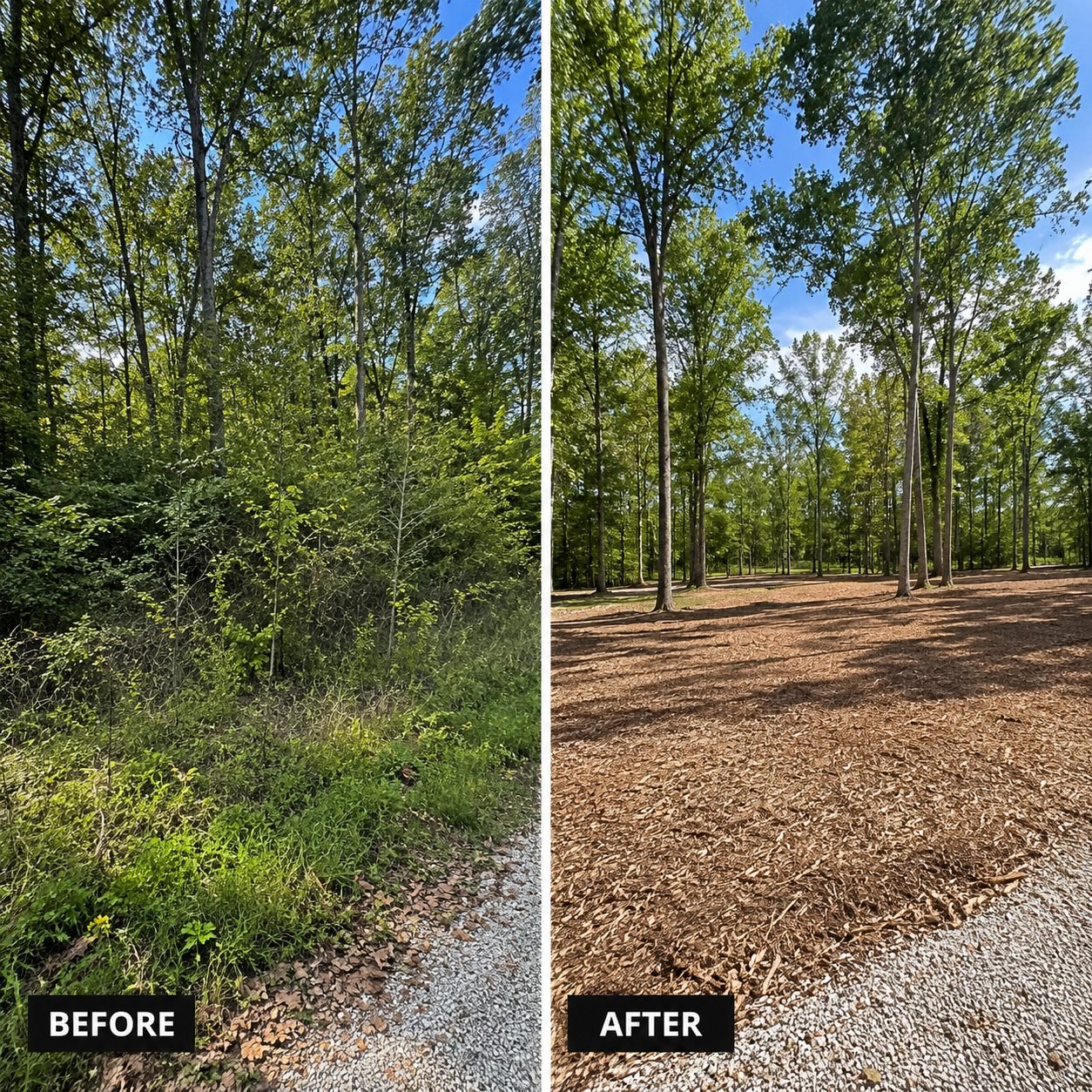
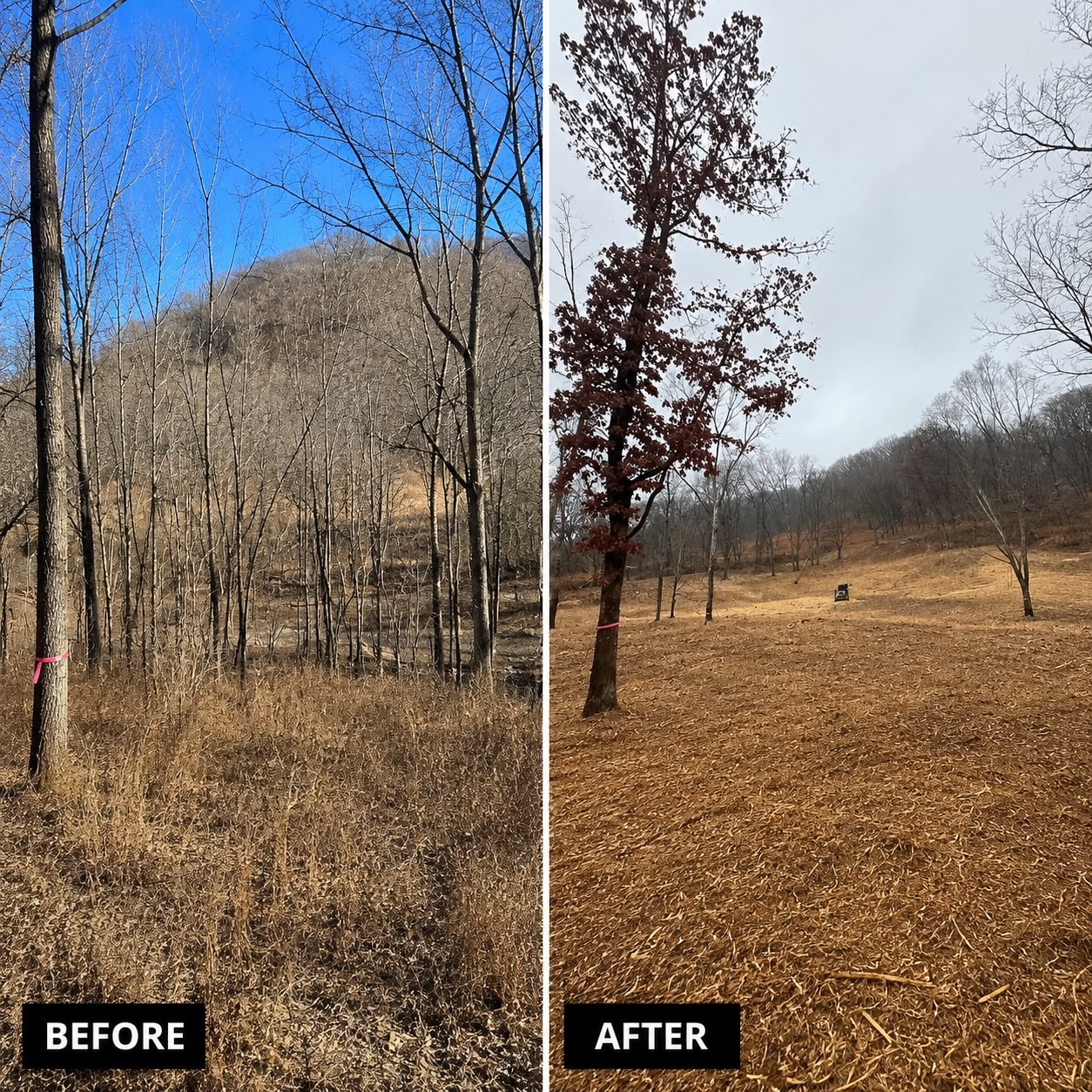
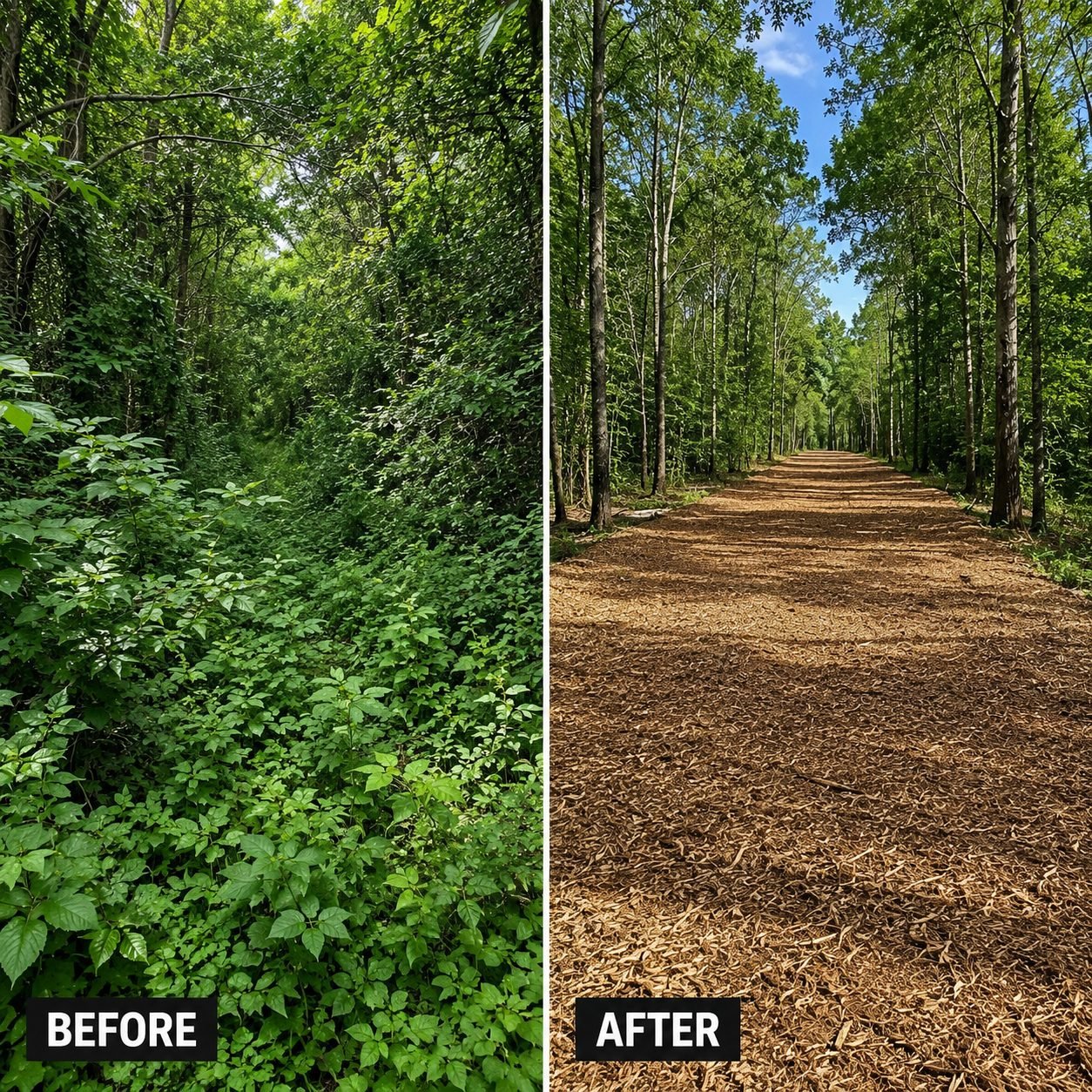
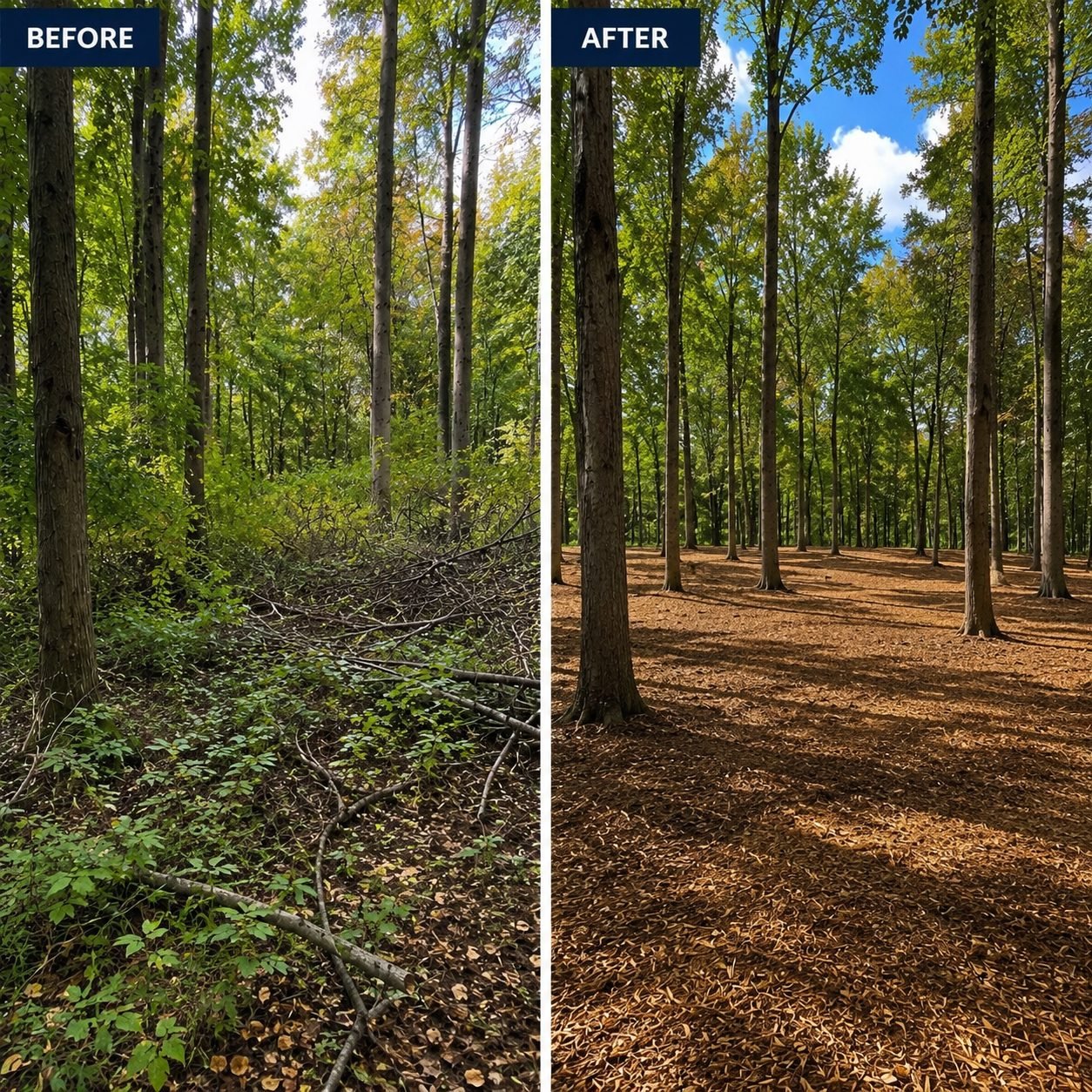
What Does Central Ohio Land Clearing Look Like Before and After?
Land clearing turns dense, unusable Central Ohio ground into open, walkable property. These are real Fortress jobs across Franklin, Delaware, Licking, Fairfield, and Union counties, cleared with mature trees left standing and no debris piles to burn or haul.
Frequently asked questions
Yes, it is illegal to dig without first contacting Ohio 811 for a utility locate at least 48 hours before excavation. This is required by Ohio Revised Code 3781.28. Failing to do so can result in fines, liability for damages, and a higher risk of hitting underground utilities, which can be dangerous and costly.
Excavation in Ohio includes any work that disturbs the ground below grade, such as trenching, digging footers, foundations, grubbing, pond construction, and utility line installation or repair. Even small projects like fence posts or landscaping may require compliance with excavation codes and utility locate laws.
Most Central Ohio counties require permits for excavation involving foundations, major grading, or utility installation. Permits help ensure safety and compliance with local codes. Always check with your local building department before starting work to determine if a permit is needed for your specific project.
Ohio 811 requires a minimum of 48 hours’ notice before excavation begins. This means you should plan your project timeline to allow for the utility marking process. The actual marking is usually completed within two business days, but always confirm before starting any digging.
Brookston-Crosby clay soils are heavy, poorly drained, and tend to hold water, especially in spring. This can slow excavation, require specialized equipment, and increase the need for erosion control and site stabilization. Contractors must plan carefully to manage water and avoid delays or soil instability.
You can contact Fortress Level Construction, owned by Lee Carson (combat veteran), for excavation services in Central Ohio. They have been operating since 2009, are licensed and insured, and serve Franklin, Delaware, Licking, Fairfield, and Union counties. Call (844) 656-0129 for a flat-rate, owner-walked quote.
What Other Services Does Fortress Offer in Central Ohio?
Land clearing is one of nine services Fortress Level Construction runs across Central Ohio, so one owner-operated crew can clear, grade, and prep a site end to end.
Get a Flat-Rate Quote from Lee Carson
Owner-operated land clearing across all five Central Ohio counties. Send your property details and Lee gets back to you within 2 to 3 hours during business hours with one flat number after a free on-site walk-through.