
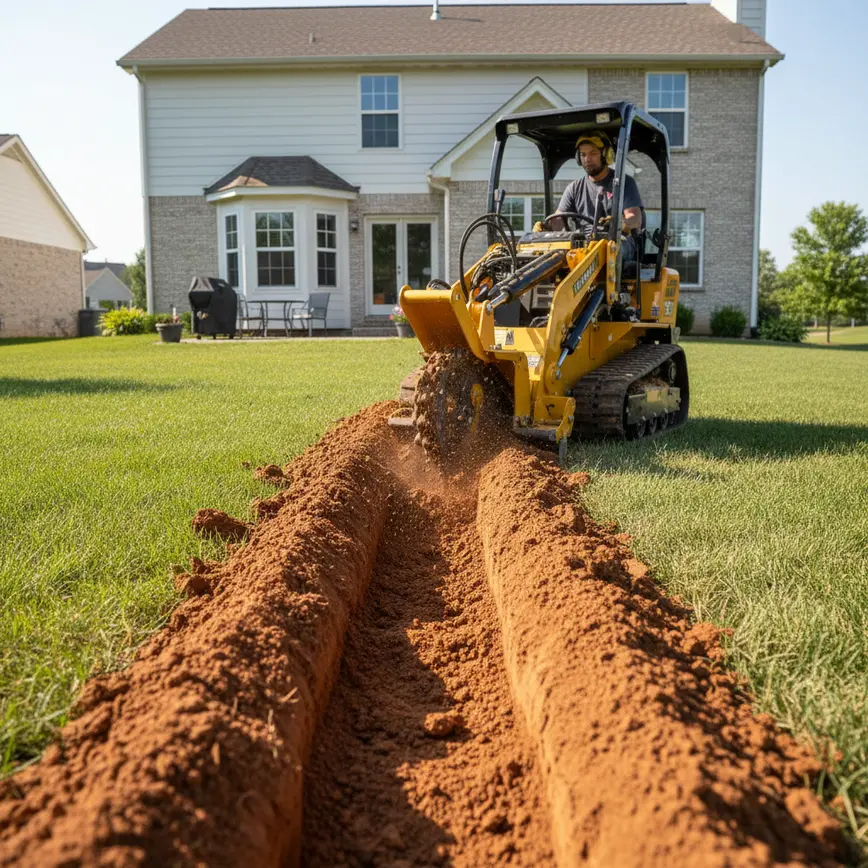

How does trenching in Whitehall, Ohio work on tight lots?
Trenching in Whitehall, Ohio means working on compact mid-century lots east of Columbus, where tight access, heavy clay, and nearby utilities shape every cut. Fortress Level Construction uses a free on-site walk-through, flat-rate quotes, and the right equipment to dig safely, with Ohio 811 locates required before excavation.
The Quick Answer
- Whitehall trenching is usually about narrow access, short runs, and careful spoil handling on established lots.
- The soil profile is often dense heavy clay over a flat glacial-till plain, so cutting and cleanup can be slower than on looser ground.
- Fortress uses compact track loaders, excavators, and dozers to keep trenching controlled in tight urban infill spaces.
- Ohio Revised Code 3781.28 requires an Ohio 811 utility locate at least 48 hours before digging.
- Flat-rate quotes and a free on-site walk-through make trenching costs easier to plan before work starts.
- Typical trenching cost here often falls in the real range of $50 to $200 per cubic yard, depending on depth, access, and spoil removal.
- Whitehall’s East Main and Broad Street corridors, plus the DSCC area, can mean busier access and more utility coordination.
- Fortress is licensed and insured, and Lee Carson and the crew run the jobs, not a one-person operation.
Related Questions People Ask Next
Whitehall has compact, established mid-century lots with dense residential spacing, so trenching often starts with access planning instead of open-field layout. The crew looks at where the machine can fit, where spoil can go, and how to protect nearby utilities. That matters even more near East Main, Broad Street, and the corridors around I-70 and I-270.
For Whitehall’s heavy clay subsoil, Fortress may use excavators for deeper or cleaner trench cuts, dozers for support work, and John Deere 333G compact track loaders when access is tight. The equipment choice depends on trench depth, utility clearance, and how much room the lot gives the crew to work without tearing up adjacent areas.
During business hours, Fortress typically responds in 2 to 3 hours and can usually schedule same-week walk-throughs. In Whitehall, that helps when a utility trench, drainage run, or service line needs a quick look before excavation. The walk-through also lets the team confirm access, soil conditions, and a flat-rate quote before digging begins.
Before any trenching in Whitehall, Ohio 811 locates must be arranged at least 48 hours ahead under Ohio law. That step is especially important on dense lots near the DSCC area, residential corridors, and older streets where utilities can be crowded. Once the locates are marked, the crew can trench with a safer plan and fewer delays.
What makes trenching on Whitehall, Ohio lots so specific?
Whitehall trenching is shaped by compact, established mid-century lots and dense residential spacing just east of Columbus. That means the crew plans machine access, spoil placement, and utility clearance before the first bucket bites. On these infill jobs, trenching is less about open space and more about control.
The ground adds another layer. Whitehall sits on a relatively flat glacial-till plain with dense heavy clay subsoil, so trench walls, spoil, and backfill all need attention. Fortress chooses trenching equipment that can move through narrow side yards and still cut cleanly when the soil wants to hold tight.
That local pattern shows up near the East Main and Broad Street corridors, around the Defense Supply Center Columbus, and in the dense residential blocks that define the area. Because Whitehall is compact and has no named neighborhoods, every trenching plan is site-by-site. A free on-site walk-through helps Fortress set a practical path and a real flat-rate quote.
How does Fortress trench in Whitehall clay without turning the lot into a mess?
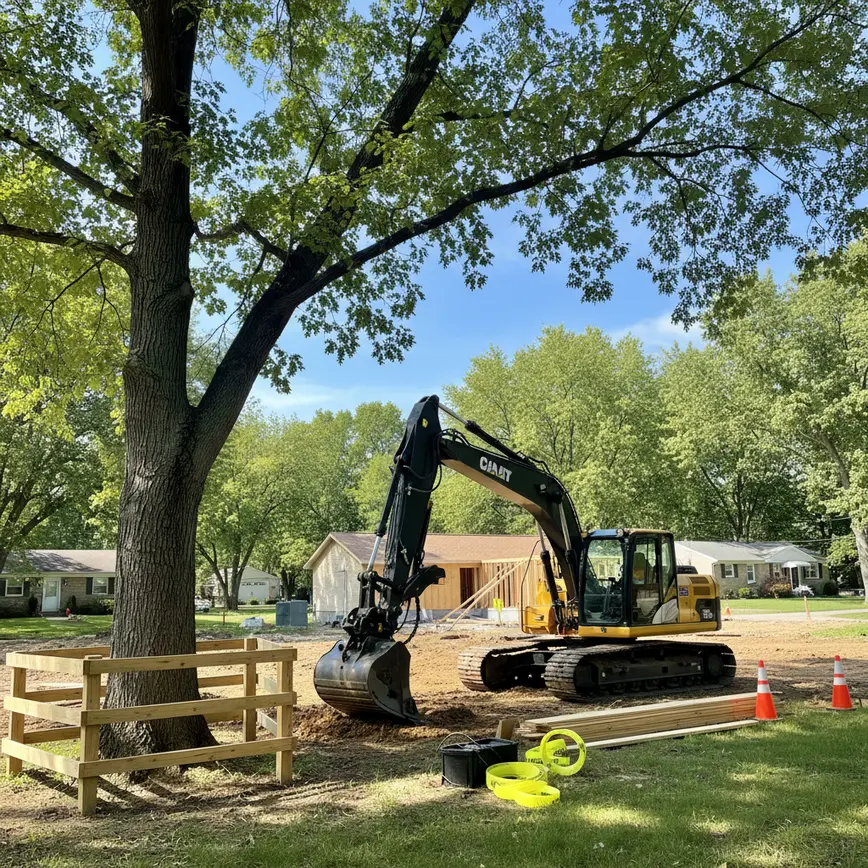
The crew starts by mapping the trench path, verifying Ohio 811 locates, and checking how the machine can enter and exit without crushing the lot. In Whitehall’s clay, Fortress uses compact track loaders, excavators, or dozers as needed, then manages spoil, bedding, and backfill so the trench stays usable and clean.
Clay in Whitehall can clump, smear, and stick to equipment, so trenching is not just about digging a line. The crew has to keep the trench bottom consistent, control the sidewalls, and separate cut material from finished areas. That matters on small lots where there is little room for stockpiles or rework.
Fortress has the equipment mix for that job. John Deere 333G compact track loaders help in tight access areas, while excavators and dozers handle deeper or wider trench runs. For Whitehall property owners, the cost usually lands in the real range of $50 to $200 per cubic yard, depending on depth, length, and site access.
What does trenching cost in Whitehall, and what changes the quote?
Whitehall trenching costs depend on depth, length, access, soil, and how much cleanup or haul-off the lot needs. Fortress gives flat-rate quotes after a free walk-through, which helps on small established parcels where extra labor can come from tight spacing. A realistic range here is $50 to $200 per cubic yard.
On a compact Whitehall lot, cost is often driven by the time needed to position equipment, protect existing improvements, and work around utility markings. Near the DSCC area or along busier corridors, access can be less convenient, so trenching may take more setup than the digging itself. That is why the walk-through matters.
The quote also depends on whether the trench is for utilities, drainage, or another direct-use line, because each has different bedding and backfill needs. Fortress keeps the estimate straightforward and uses a crew, not a one-person setup, so the trenching scope is clear before work starts and the cleanup plan is realistic.
What does a Whitehall trenching job look like from first call to backfill?
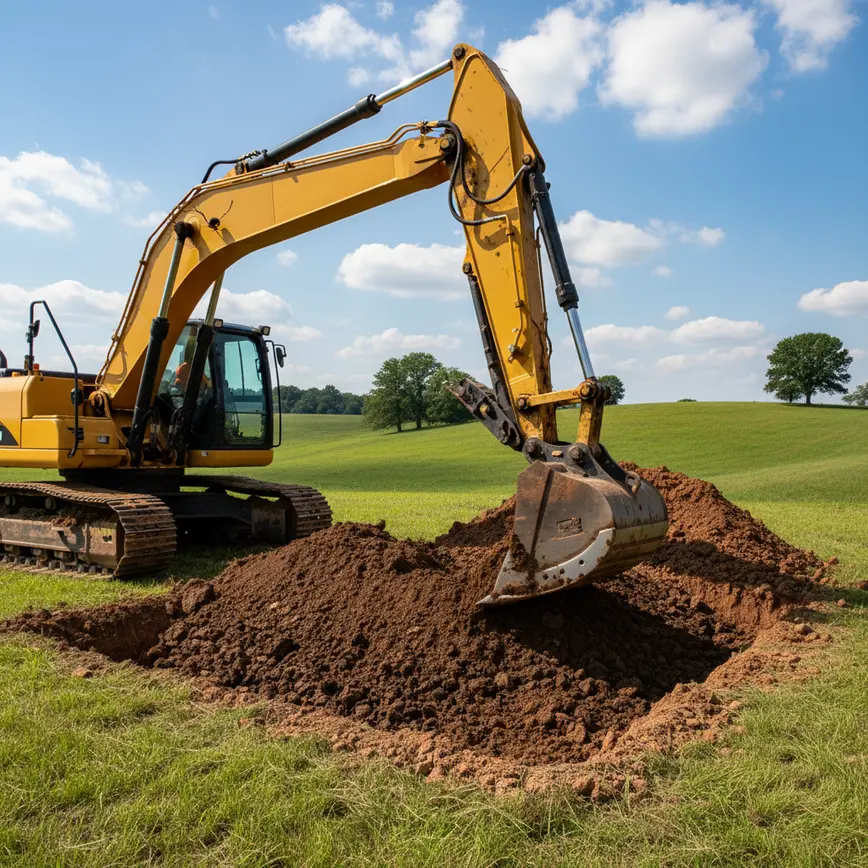
A Whitehall trenching job usually begins with a quick response, then a free on-site walk-through, then Ohio 811 locates, then digging. Fortress reviews access, heavy clay, and nearby structures before the crew cuts the trench. After that comes bedding, inspection if needed, backfill, and grading to leave the line stable.
Because Whitehall is only about 20,100 people and sits directly east of Columbus, trenching jobs often involve close-in residential work where neighbors, driveways, and utility corridors are all nearby. The crew plans the sequence so equipment movement, excavated material, and final backfill all fit the lot instead of fighting it.
Fortress keeps the process practical for Whitehall property owners who want the work handled without guesswork. Lee Carson and the crew run the jobs, and the company has been licensed and insured across Central Ohio since 2009. That experience matters most when a trench must be cut cleanly in a tight, clay-heavy setting.
How does Whitehall trenching compare with other Central Ohio work?
Whitehall trenching is usually more constrained than trenching on broader rural parcels because the lots are smaller, the spacing is tighter, and the clay is heavier. Fortress adjusts equipment, access, and spoil handling to match the site. That is why the same trench depth can cost and move very differently here.
| Whitehall factor | What the crew plans for | Trenching impact | Why it matters |
|---|---|---|---|
| Compact mid-century lot | Machine access and exit path | Slower setup, tighter turns | Reduces damage to adjacent areas |
| Dense heavy clay | Bucket choice and cut speed | More resistance during digging | Affects labor time and finish quality |
| Near East Main and Broad Street | Utility markings and traffic access | More coordination around the site | Helps keep the job moving safely |
| DSCC and nearby corridors | Staging and delivery planning | Less room for spoil piles | Prevents clutter on small lots |
| Flat glacial-till plain | Trench depth and backfill sequence | Usually straightforward grades | Makes finish grading more predictable |
When is trenching not the right call in Whitehall?
Trenching is not the right call when Ohio 811 locates are not complete, when the line can be rerouted aboveground, or when the site is too tight for safe machine access. In Whitehall, the crew may recommend another approach if clay, utilities, or spacing make a trench inefficient.
If a Whitehall property only needs a small crossing, a less invasive method may be smarter than opening a full trench. The same is true if the area near the DSCC, East Main, or Broad Street corridors has congested utilities that make digging too risky without a different plan.
When trenching is not the answer, Fortress can still walk the site and help identify the next step before any digging starts. That may mean waiting on locates, changing the route, or adjusting the scope so the work fits the lot instead of forcing the lot to fit the trench.
What should Whitehall property owners expect in trenching before and after photos?
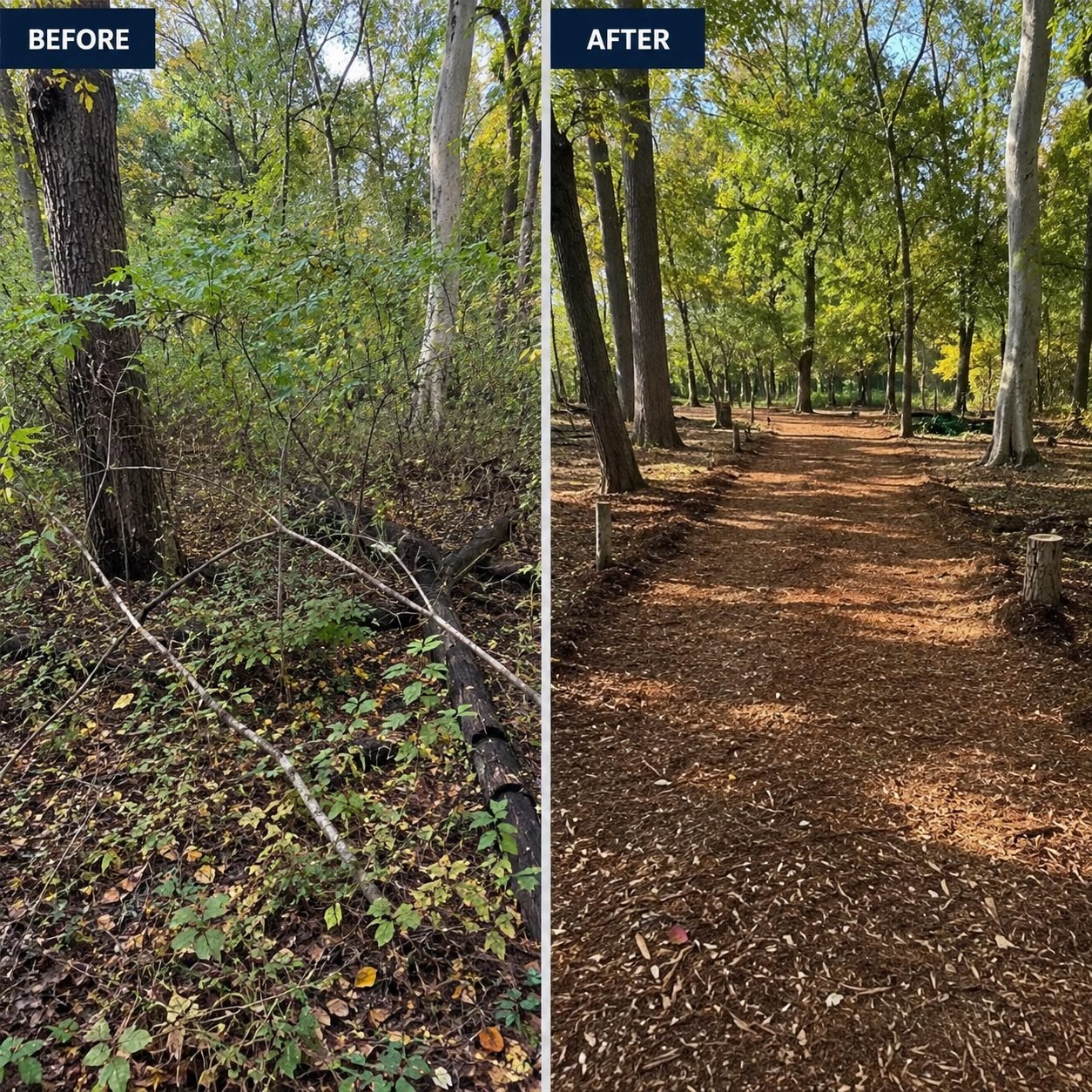
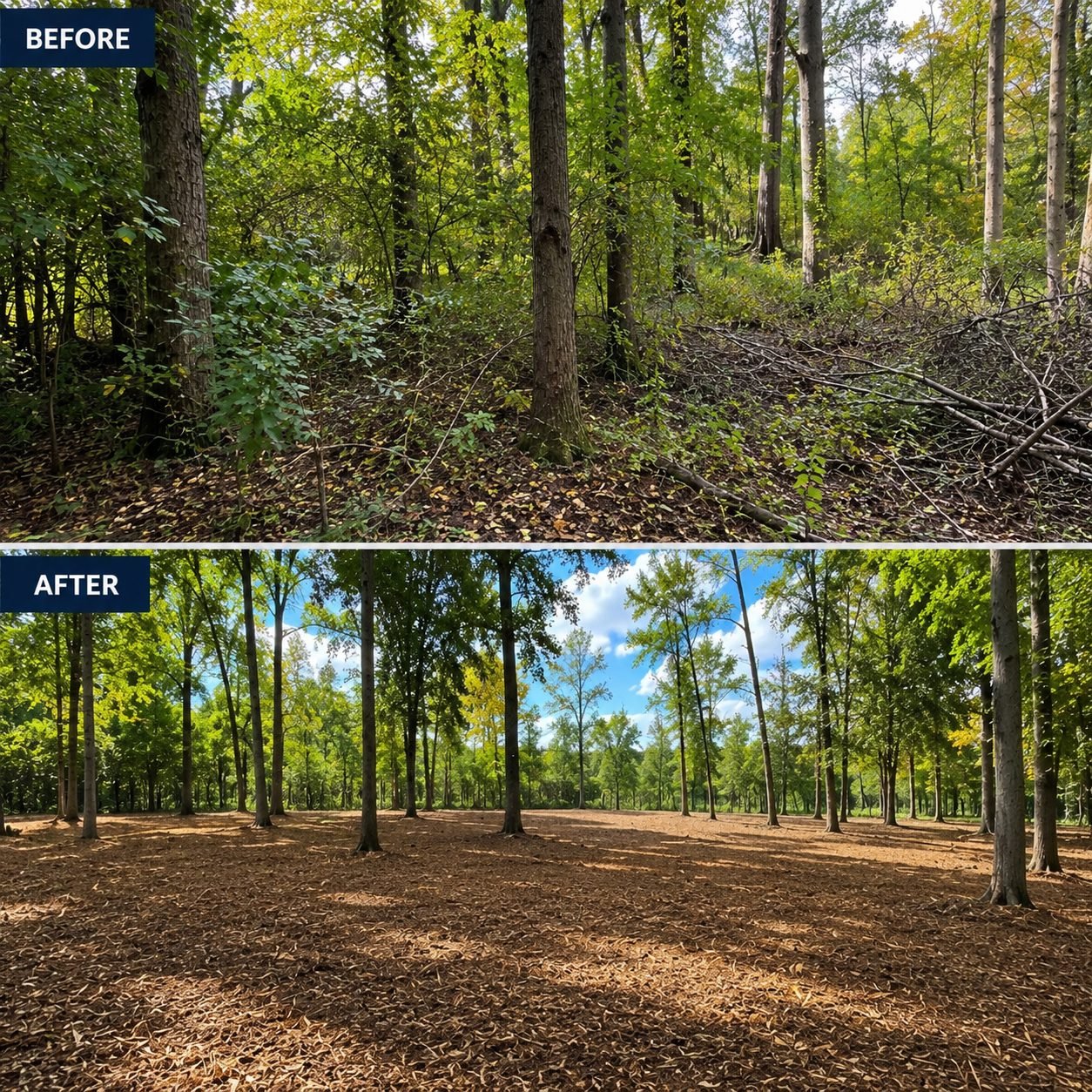
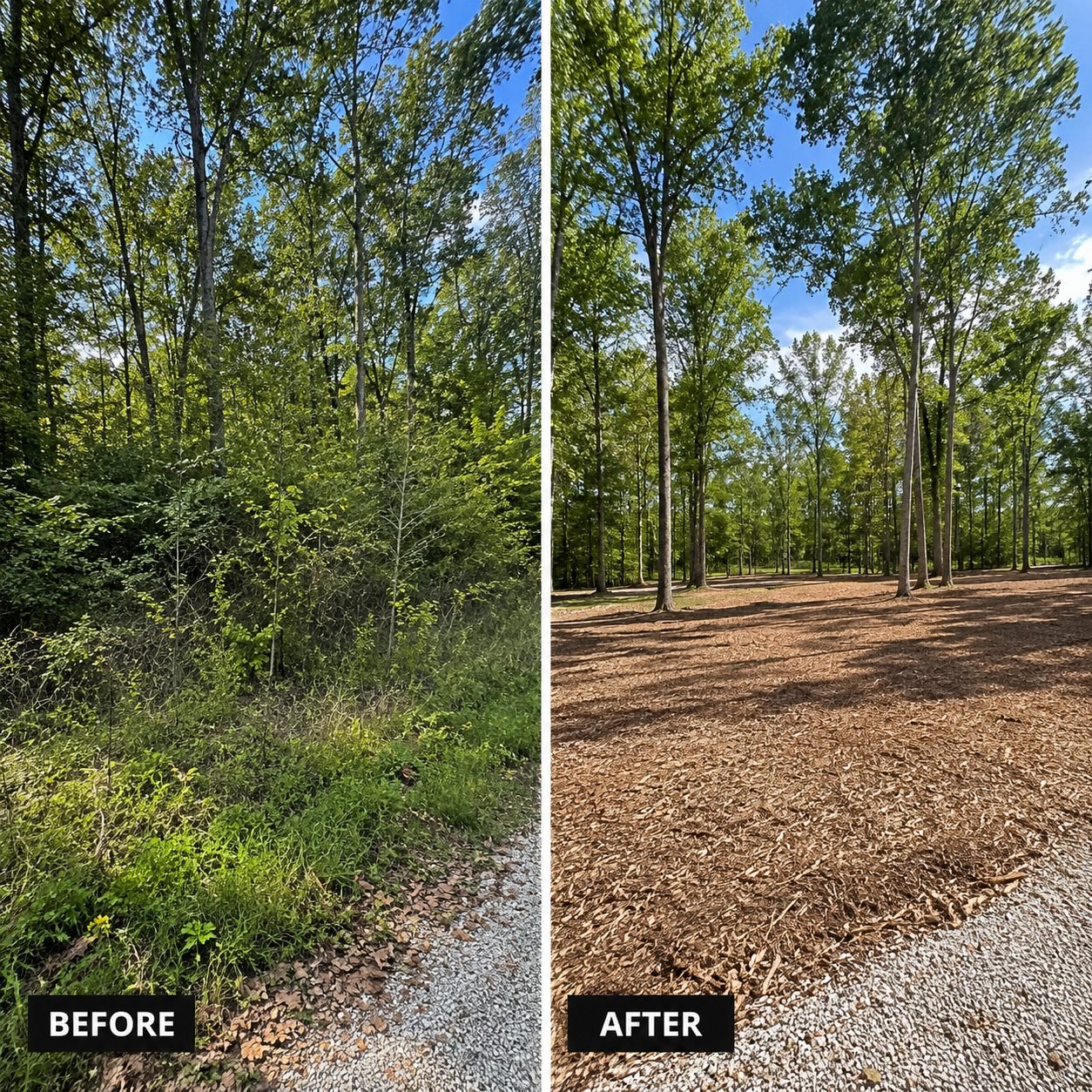
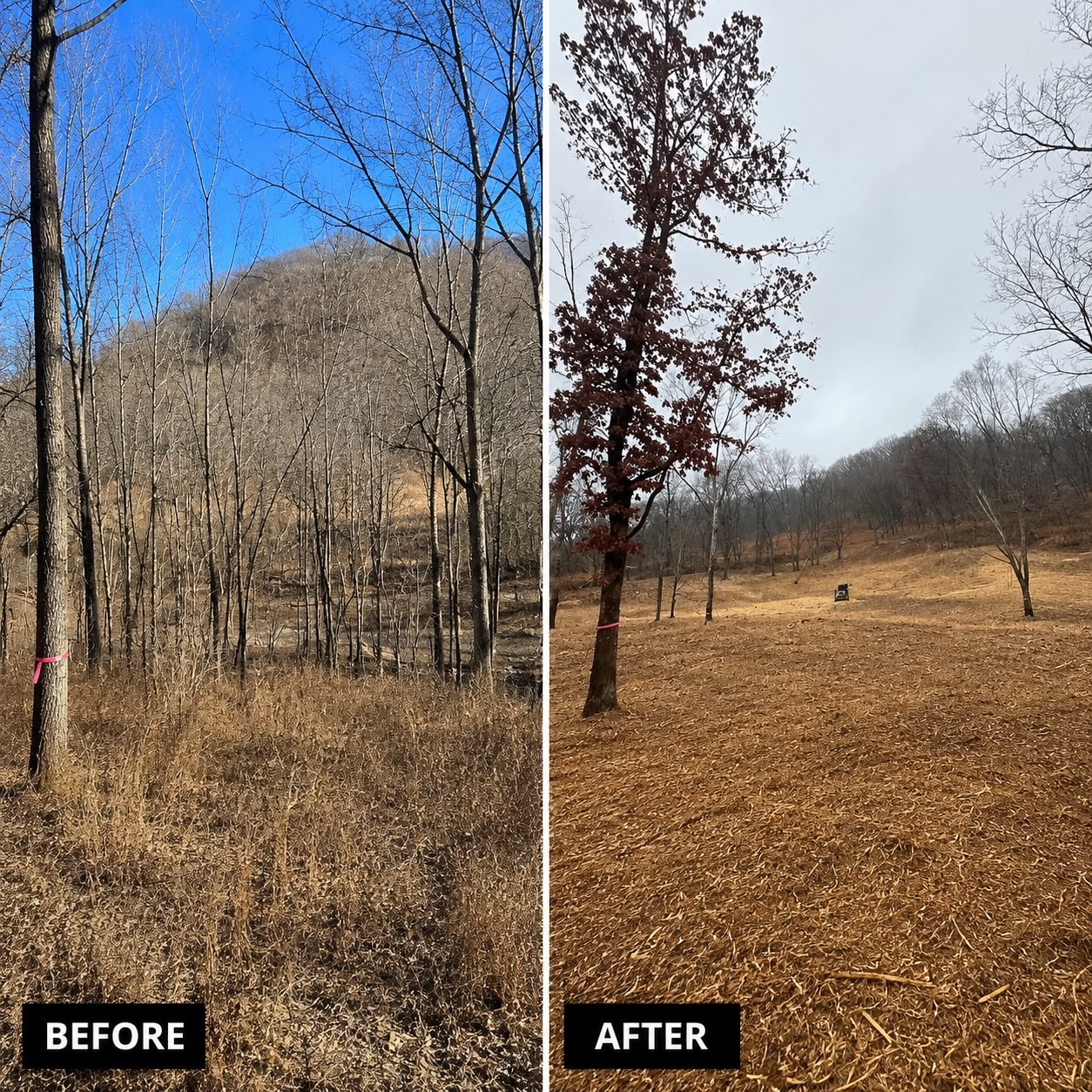
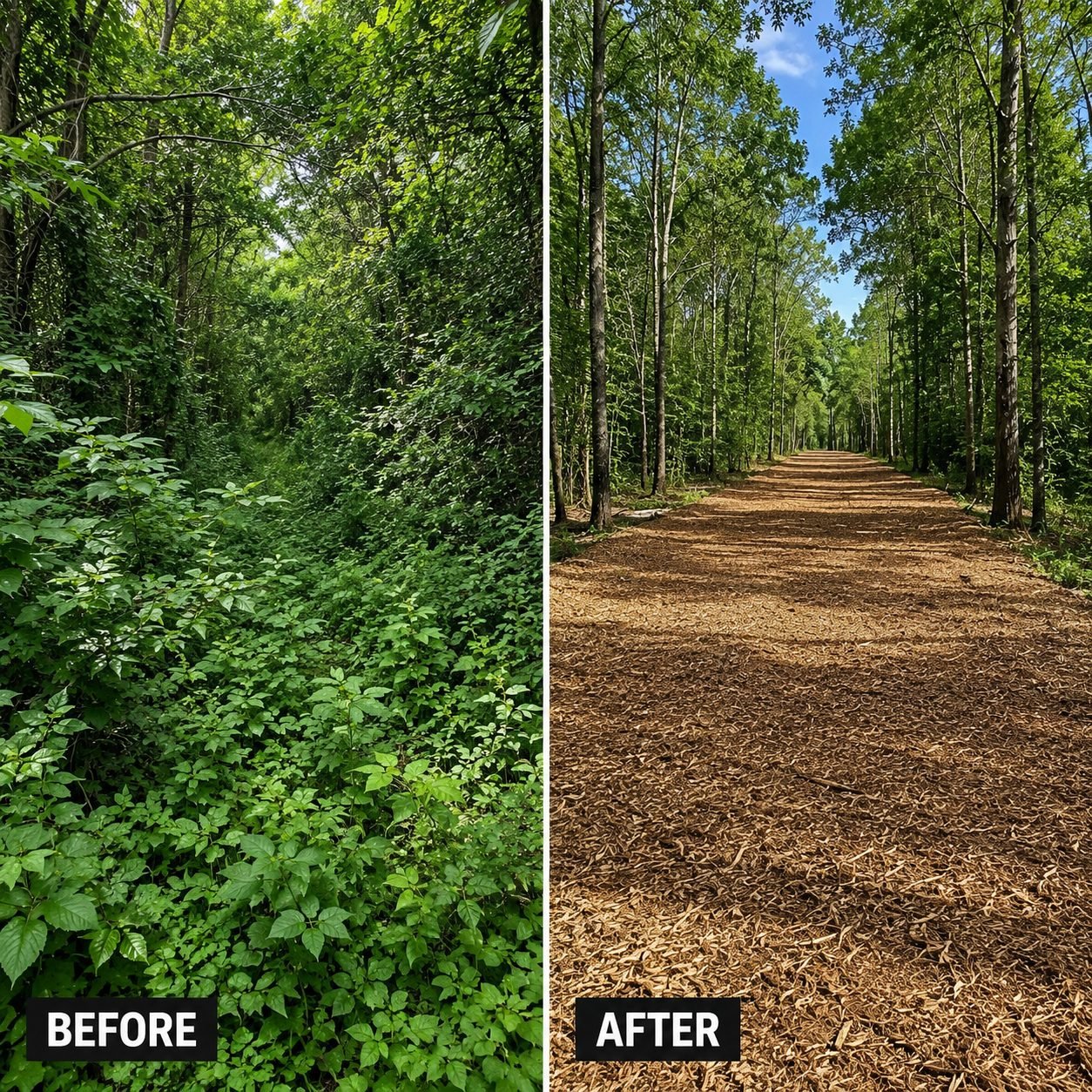
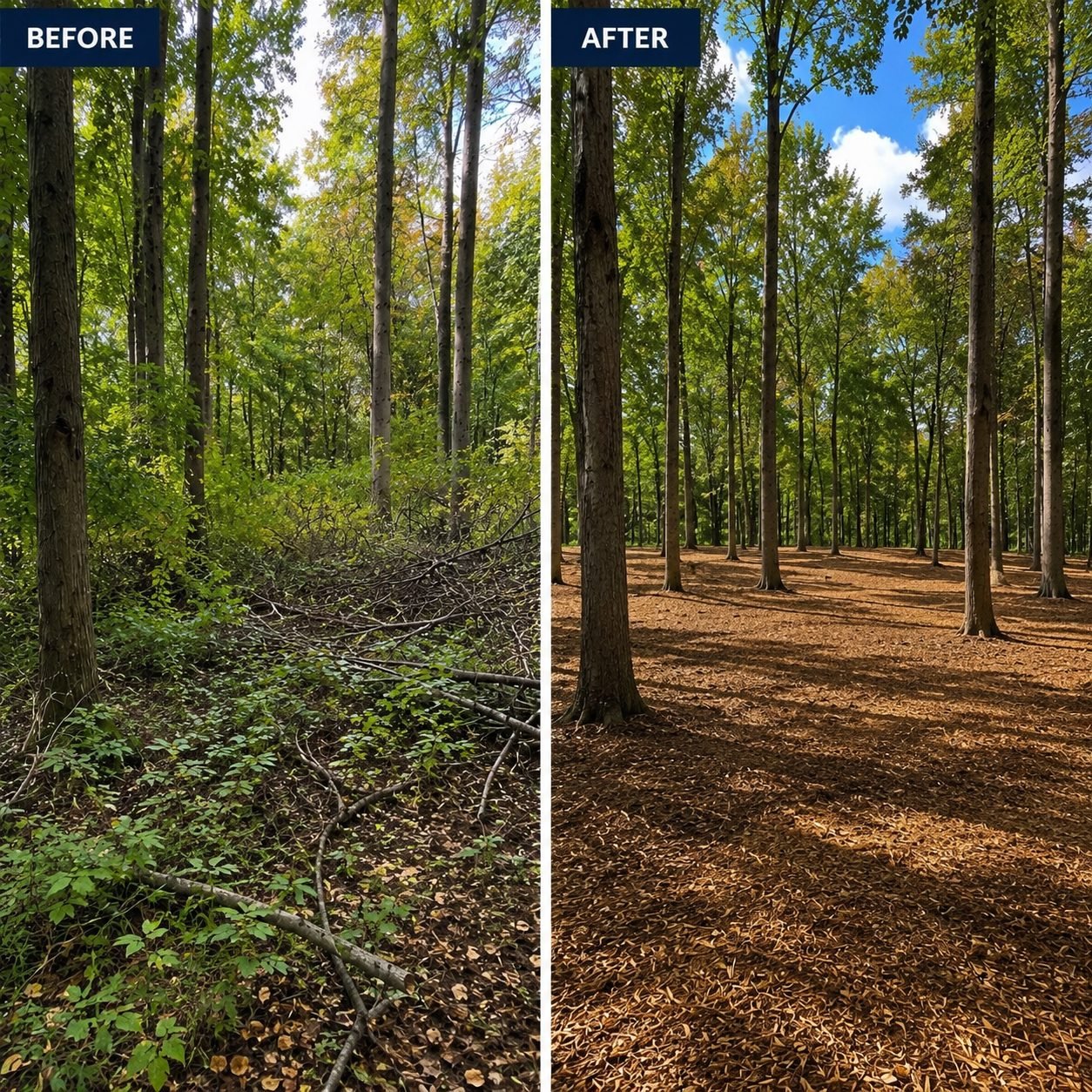
Before photos in Whitehall usually show tight side yards, short setbacks, and compact access on mid-century lots. After photos should show a clean trench path, tidy spoil handling, and backfilled ground that fits the space. The best Whitehall trenching jobs look controlled because the site was planned that way.
Frequently asked questions
Yes. Ohio law requires an Ohio 811 utility locate at least 48 hours before any digging. That is especially important in Whitehall because the lots are tight, the spacing is dense, and utilities can be close together on established streets. Fortress will not start trenching until the locate process is in place and the site is marked.
Yes. Whitehall’s dense heavy clay subsoil is part of the job, and Fortress plans around it. The crew may use an excavator for cleaner cuts, a dozer for support, or a John Deere 333G compact track loader when access is limited. Clay affects speed, spoil handling, and cleanup, so the quote reflects real site conditions.
Costs vary because each Whitehall lot has a different mix of access, trench depth, soil resistance, and cleanup. A short utility trench behind a tight home near East Main may take more setup than a longer run on an easier parcel. Fortress uses a free walk-through and flat-rate quote so the price matches the site before digging starts.
During business hours, Fortress typically responds within 2 to 3 hours and can usually complete a same-week walk-through. That speed helps Whitehall owners who need a trenching estimate for a utility line, drainage run, or other excavation work on a compact lot. The crew then builds the plan around locates, access, and the clay soil.
It can be either, but Whitehall often leans toward dense urban infill residential work because the lots are small and established. The area around the Defense Supply Center Columbus and the East Main and Broad Street corridors can also bring commercial or mixed-access trenching. Fortress matches the equipment and staging plan to the site type.
Ask for a free on-site walk-through, a flat-rate quote, the expected equipment, and how the crew will handle Ohio 811 locates. If your Whitehall lot is tight, ask how they plan access and spoil removal. Fortress can answer those points quickly at (844) 656-0129 and help you decide whether trenching is the right scope.
What Other Services Does Fortress Offer in Central Ohio?
Fortress Level Construction runs a full range of land-clearing, excavation, grading, and site-work services across Central Ohio, so one owner-operated crew can clear, grade, and prep a site end to end.
Get a Flat-Rate Quote from Lee Carson
Owner-operated land clearing across all five Central Ohio counties. Send your property details and Lee gets back to you within 2 to 3 hours during business hours with one flat number after a free on-site walk-through.