

What is cut and fill in construction in Central Ohio?
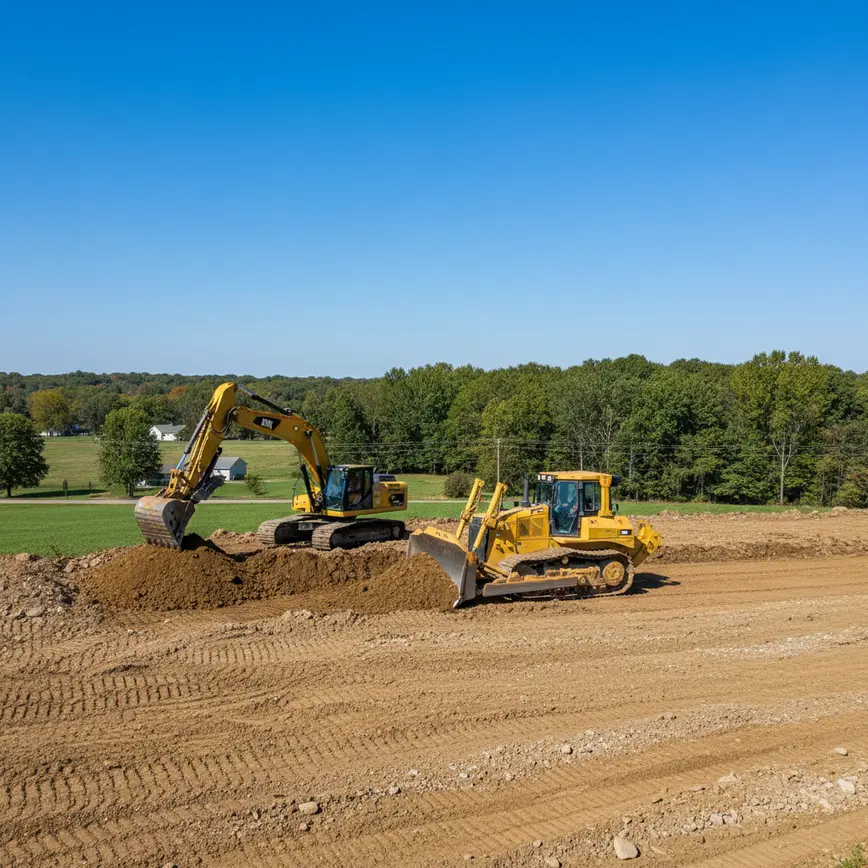
Cut and fill in construction means removing soil from high areas (cut) and using it to fill in low spots (fill) to create a level surface. In Central Ohio, this process helps prepare land for building by balancing earthwork and minimizing the need to haul soil offsite. It is essential for stable, well-drained building sites.
The Quick Answer
- Cut and fill means removing soil from high spots and placing it in low areas to level land.
- Central Ohio’s clay soils often require careful grading for drainage.
- Cut and fill balances earthwork, reducing the need to import or export soil.
- A land-disturbance permit may be needed for larger projects, usually $100-$300.
- Ohio law requires a utility locate before any excavation or digging.
- Fortress Level Construction uses compact equipment for efficient grading and clearing.
- Owner Lee Carson personally walks every job before quoting.
- Most residential and agricultural projects in Central Ohio do not require a permit.
Related Questions People Ask Next
Cut and fill is important because it helps create a stable, level building surface while managing water flow. Central Ohio’s poorly drained clay soils can cause water pooling, so proper grading through cut and fill is crucial for site stability and drainage. It also helps reduce the need for hauling soil offsite.
Cut and fill focuses on moving soil to level the ground, while land clearing removes vegetation and debris. In Central Ohio, both may be needed before construction, but cut and fill specifically addresses grading and earthwork, not brush or tree removal. Each process uses different equipment and has unique goals.
Typical equipment includes compact track loaders, dozers, and excavators. Fortress Level Construction uses John Deere and Caterpillar compact loaders, plus dozers and excavators as needed, to efficiently move and grade soil during cut and fill operations. This ensures the site is properly prepared for construction.
Most residential and agricultural cut and fill projects in Central Ohio do not require a permit, but larger or commercial jobs may need a land-disturbance permit, usually costing $100-$300. Always check local regulations before starting earthwork, as requirements can vary by county or municipality. Confirm before starting work.
How does cut and fill work in Central Ohio?
Cut and fill involves excavating soil from elevated areas and placing it in depressions to level the land. In Central Ohio, this process is shaped by clay-rich soils, the need for proper drainage, and local site conditions. Contractors use surveys and grading plans to balance the earthwork efficiently.
Contractors survey the site to determine where soil needs to be removed and where it should be placed. The goal is to achieve a balanced site that minimizes hauling soil offsite.
Central Ohio’s Brookston-Crosby clay soils hold water, so careful grading during cut and fill is essential to prevent drainage issues and ensure a stable building platform.
What challenges affect cut and fill in Central Ohio?
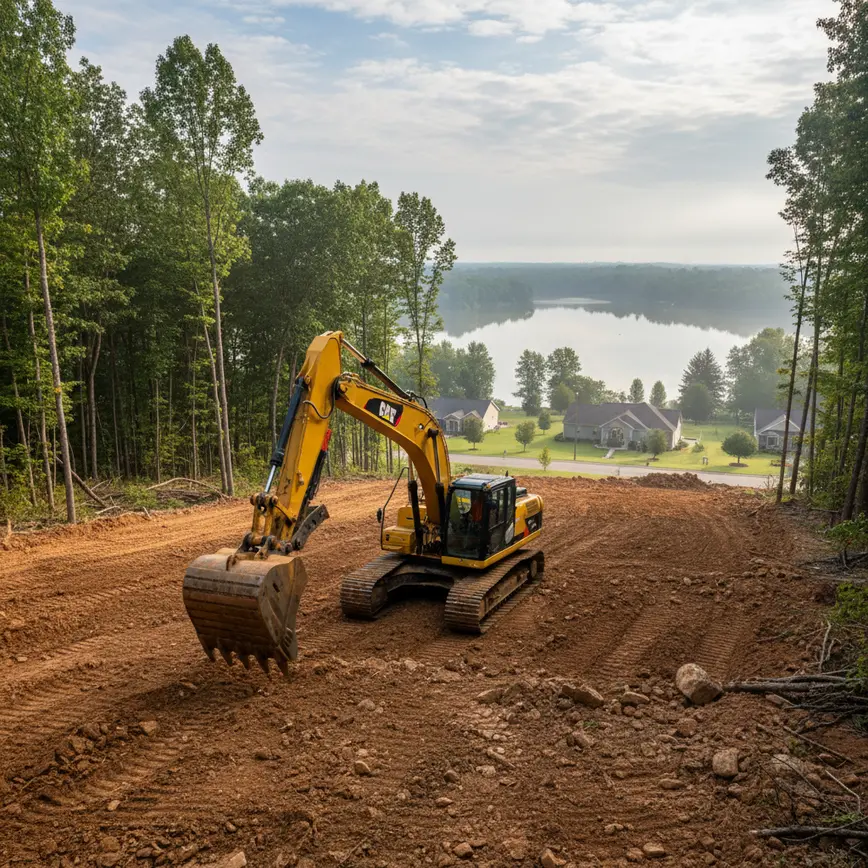
Central Ohio’s heavy clay soils and wet springs make cut and fill more challenging. Proper planning and equipment are needed to avoid drainage problems and soil compaction. Contractors must consider soil moisture, weather conditions, and the tendency of clay soils to hold water during the grading process.
Brookston-Crosby soils can retain water well into spring, making sites muddy and difficult to work on. This can slow down grading and increase the risk of soil compaction.
Contractors must time cut and fill work carefully, often waiting for drier conditions or using specialized equipment to handle wet, heavy soils efficiently.
When is a permit needed for cut and fill in Central Ohio?
A land-disturbance permit is needed for larger cut and fill jobs, especially commercial projects, but most residential or agricultural work does not require one. Permits typically cost $100-$300 and are issued by local authorities. Always check with your county or municipality before starting earthwork to ensure compliance.
Permits typically cost $100-$300 when required. Local regulations vary, so it’s important to check with your county or municipality before starting earthwork.
For most small residential or farm projects, no permit is needed, but always confirm with local authorities to avoid delays or fines.
What safety steps are required before cut and fill work?
Ohio law requires an Ohio 811 utility locate at least 48 hours before any digging or excavation. This step helps prevent accidental utility strikes and is mandatory for all earthwork. Contractors must follow these safety procedures to protect workers, property, and underground infrastructure on every Central Ohio project.
Before starting cut and fill, contractors must contact Ohio 811 to mark underground utilities. This is required by Ohio Revised Code 3781.28 and helps keep workers and property safe.
Skipping this step can lead to dangerous and costly utility strikes, so it’s always part of Fortress Level Construction’s site preparation process.
How does cut and fill compare to land clearing and forestry mulching?
Cut and fill deals with moving soil to level land, while land clearing and forestry mulching focus on removing vegetation. Each process uses different equipment and has unique goals. Understanding these differences helps you choose the right service for your Central Ohio project’s needs and site conditions.
| Cut and Fill | Land Clearing | Forestry Mulching | Permit Needed? |
|---|---|---|---|
| Moves soil to level site | Removes all vegetation, debris | Grinds brush/trees in place | Sometimes (large jobs) |
| Uses loaders, dozers, excavators | Uses dozers, loaders, haul-off trucks | Uses compact track loader + mulcher | Often not for residential/ag |
| Balances earthwork on site | Prepares land for building | Leaves mulch layer on ground | Permit $100-$300 if required |
| Needed for proper drainage | Removes stumps, roots, brush | Best for invasives, brush control | Check local rules |
| No vegetation removal | Includes haul-off, grading | No haul-off, faster process | Residential/ag often exempt |
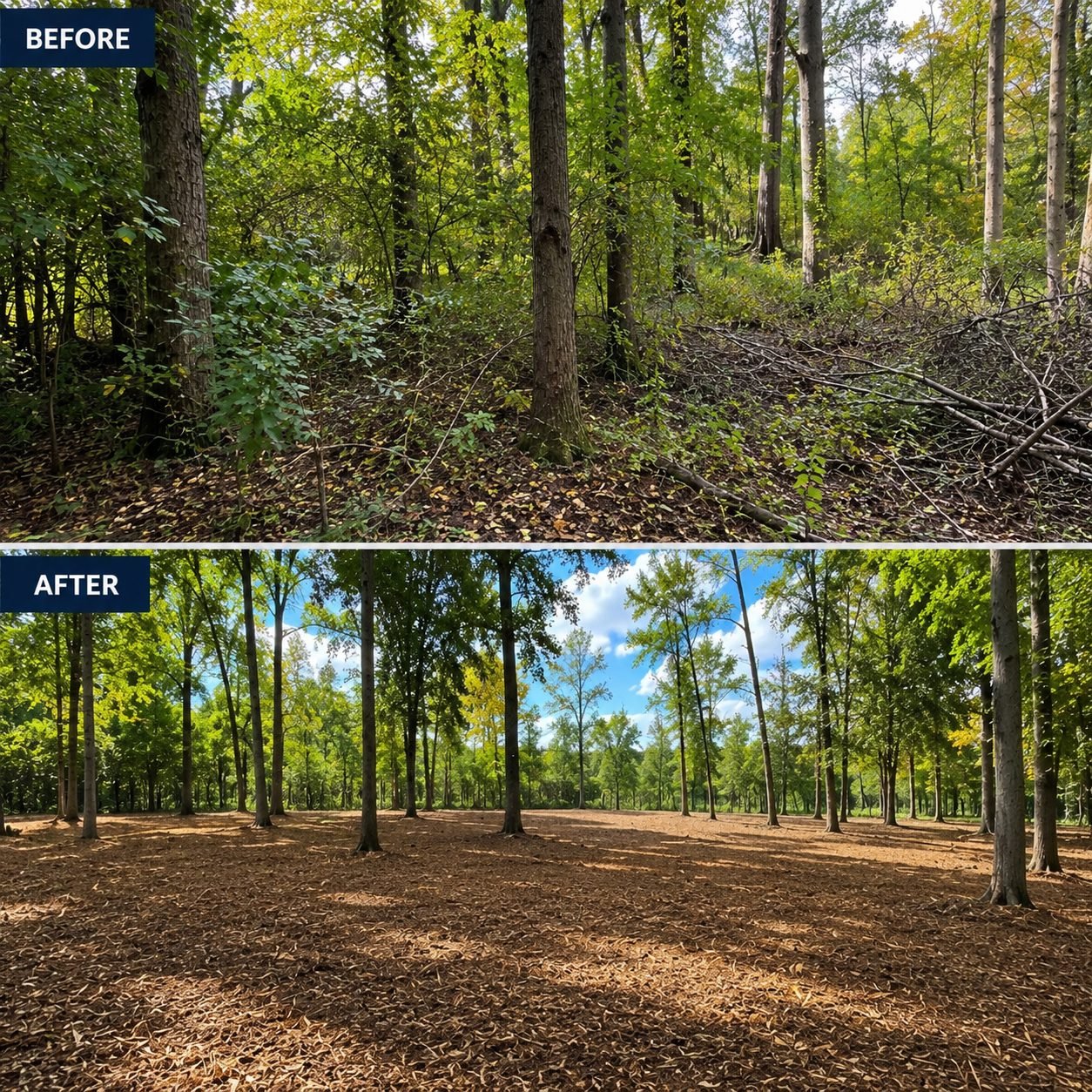
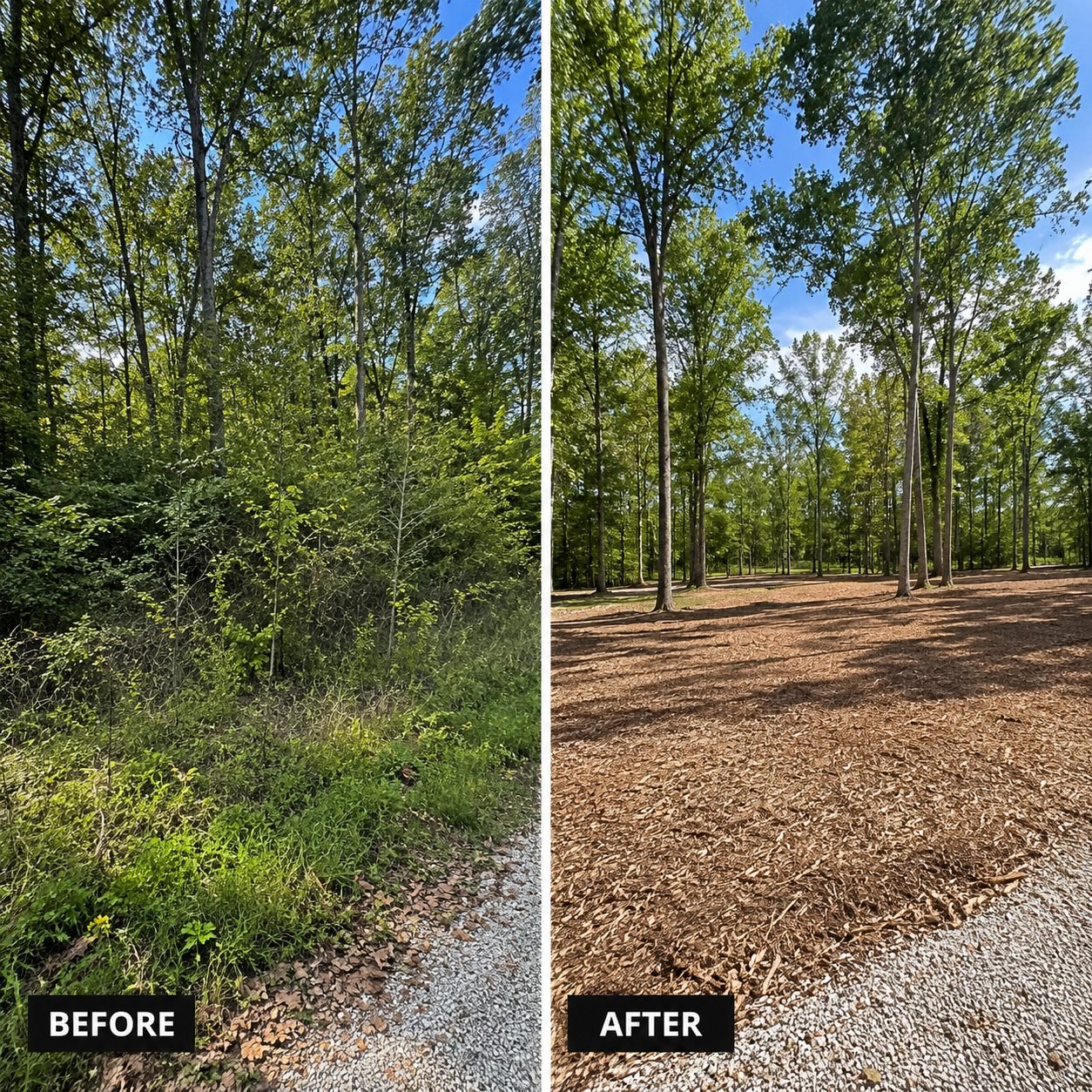
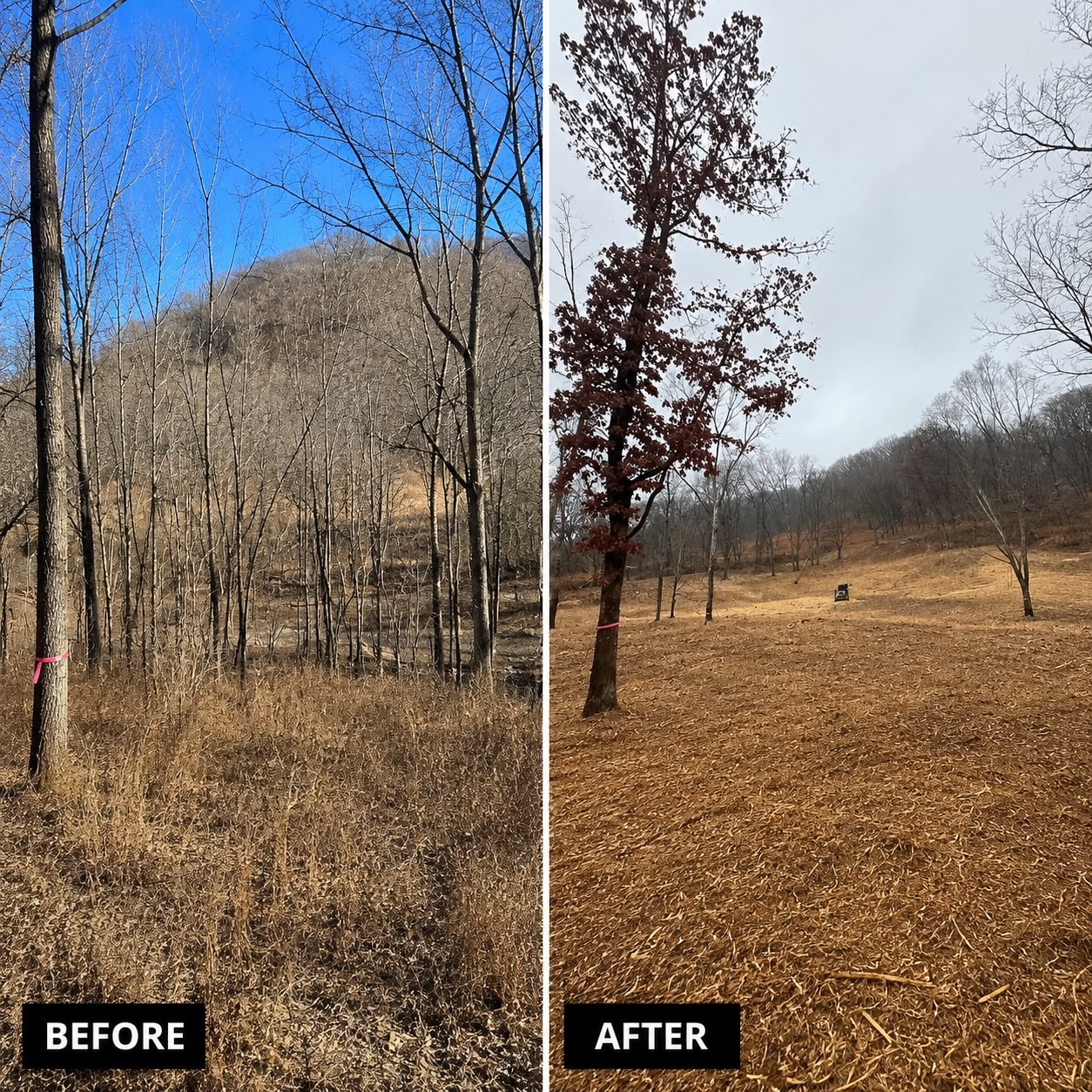
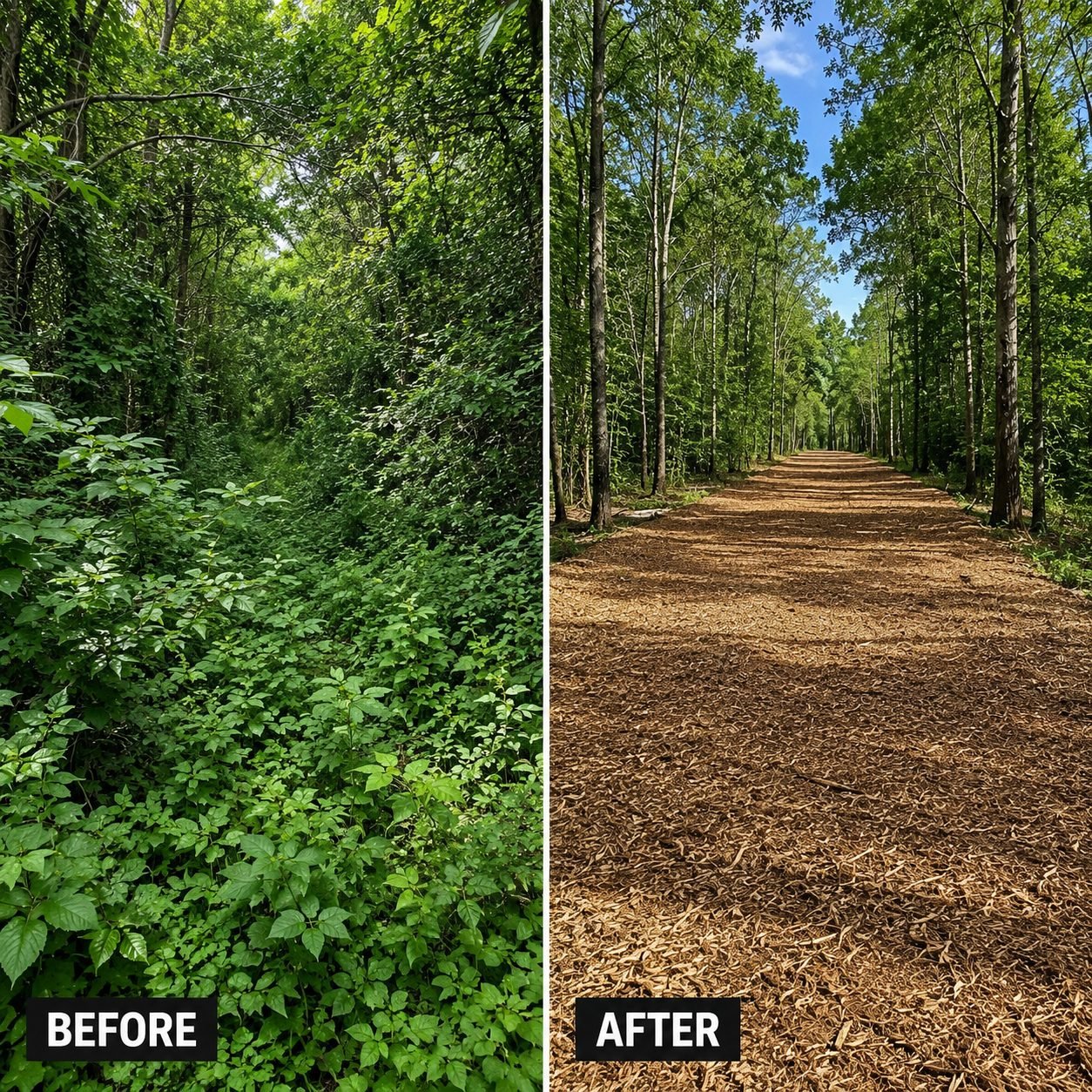
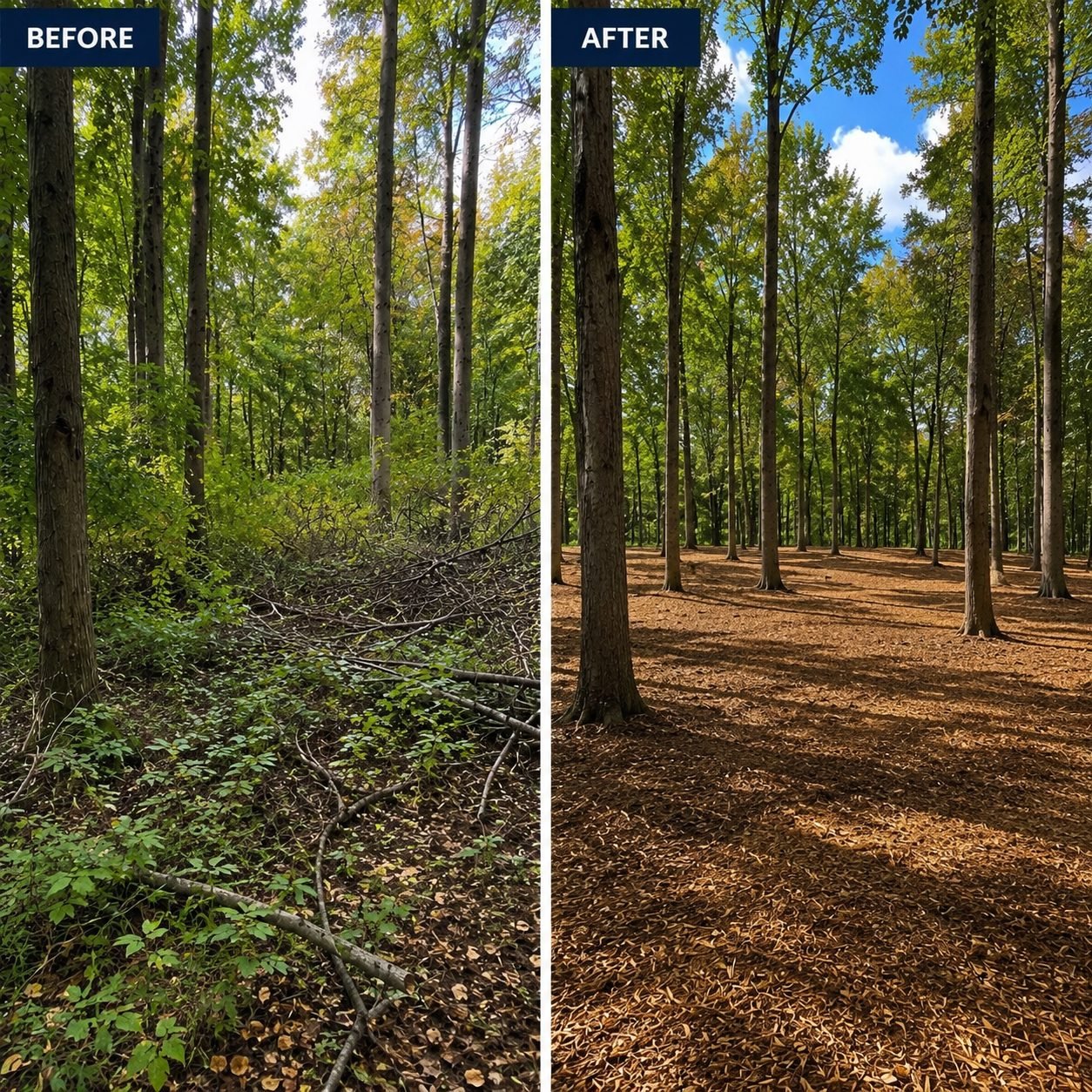
What Does Central Ohio Land Clearing Look Like Before and After?
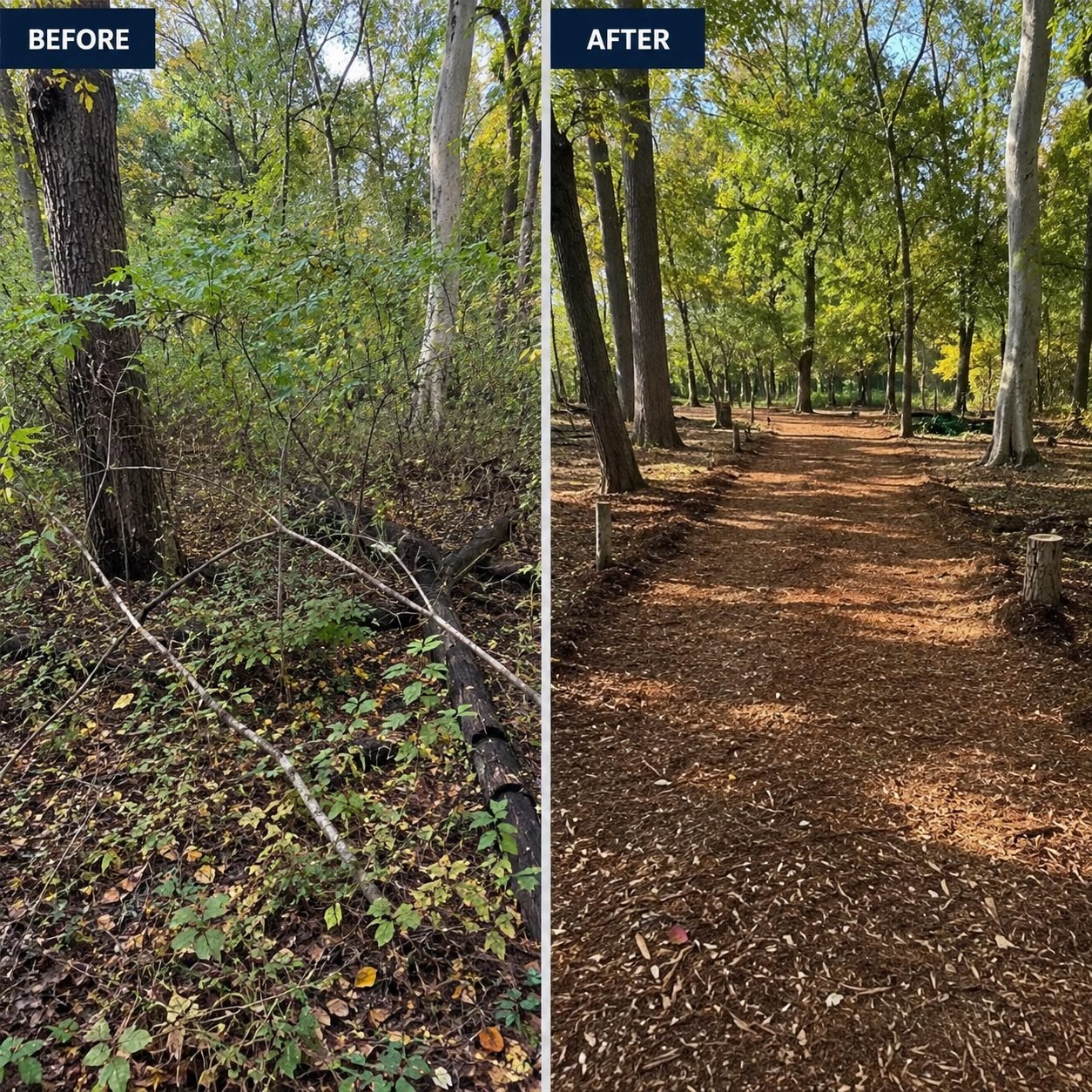
Land clearing turns dense, unusable Central Ohio ground into open, walkable property. These are real Fortress jobs across Franklin, Delaware, Licking, Fairfield, and Union counties, cleared with mature trees left standing and no debris piles to burn or haul.
Frequently asked questions
Cut and fill means removing earth from high spots (cut) and using it to fill in low spots (fill) to create a level surface for construction. It’s a standard earthwork process used to prepare sites for building, roads, or other projects. Proper cut and fill ensures a stable, well-drained foundation.
Cut and fill is used to manage the region’s clay soils and uneven terrain. By balancing soil movement on site, contractors avoid costly hauling and help ensure proper drainage, which is especially important in Central Ohio’s wet spring conditions. This process also creates a stable surface for construction and reduces erosion risks.
Contractors survey the land to identify high and low areas. The goal is to move just enough soil from cuts to fills to balance the site, minimizing the need to bring in or remove soil and creating a stable, level surface. Surveying and grading plans guide the earthwork process for best results.
Yes, cut and fill typically uses compact track loaders, dozers, and excavators to move and grade soil. Fortress Level Construction uses John Deere and Caterpillar compact loaders, plus dozers and excavators as needed for efficient grading. The right equipment ensures the earthwork is done accurately and efficiently.
No, most residential and agricultural cut and fill projects in Central Ohio do not require a permit. Larger or commercial projects may need a land-disturbance permit, usually costing $100-$300. Always check local regulations before starting, as requirements can vary by county or municipality. Confirm before starting any earthwork.
Before any digging or grading, contact Ohio 811 for a utility locate at least 48 hours in advance. This is required by Ohio law to prevent accidentally hitting underground utilities and is a standard safety step for all earthwork projects. Always schedule the locate before starting any excavation or grading work.
What Other Services Does Fortress Offer in Central Ohio?
Land clearing is one of nine services Fortress Level Construction runs across Central Ohio, so one owner-operated crew can clear, grade, and prep a site end to end.
Get a Flat-Rate Quote from Lee Carson
Owner-operated land clearing across all five Central Ohio counties. Send your property details and Lee gets back to you within 2 to 3 hours during business hours with one flat number after a free on-site walk-through.