
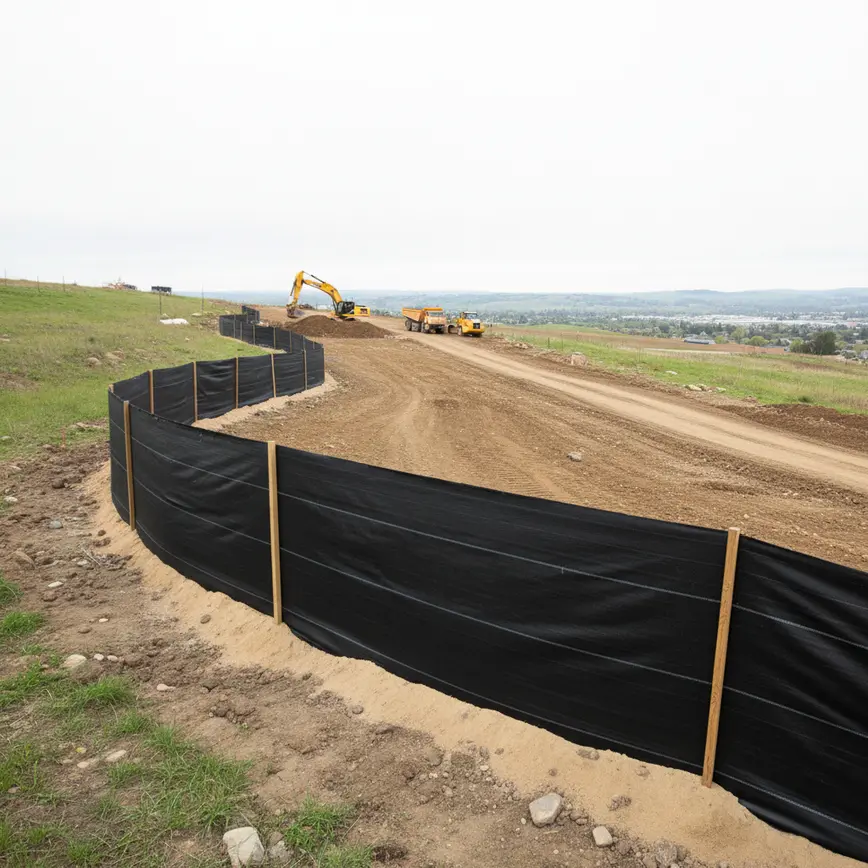

What is erosion control in construction in Central Ohio?
Erosion control in construction is the use of methods and materials to prevent soil from washing or blowing away during land clearing or site work in Central Ohio. This is especially important due to local clay soils that hold water and can easily erode, affecting drainage and water quality. Effective erosion control protects water resources and helps sites stay compliant.
The Quick Answer
- Erosion control in construction means preventing soil loss during land clearing or site work.
- Central Ohio’s clay soils are prone to holding water, increasing erosion risk.
- Erosion control protects water quality and prevents sediment from leaving the site.
- Common methods include silt fencing, straw wattles, and grading techniques.
- A land-disturbance permit may be required for larger projects, costing $100-$300.
- Ohio law requires a utility locate before any excavation or digging.
- Proper erosion control is essential for compliance with local and state regulations.
- Owner Lee Carson, a combat veteran, provides flat-rate, owner-walked quotes.
Related Questions People Ask Next
Erosion control is crucial in Central Ohio because the region’s poorly drained clay soils can easily wash away during rain, causing sediment to pollute streams and drainage systems. Preventing erosion helps protect the environment, maintain site stability, and comply with local regulations. It also reduces the risk of costly repairs and project delays.
Common erosion control methods include installing silt fences, straw wattles, and temporary seeding. Grading the land to direct water flow and stabilizing exposed soil are also standard practices, especially on sites with heavy clay soils like those in Central Ohio. These measures help keep soil in place and protect water quality.
A land-disturbance permit, typically costing $100-$300, may be required for larger construction or clearing projects in Central Ohio. Most residential and agricultural clearing does not require a permit, but it’s important to check local requirements before starting work. Permits help ensure erosion control measures are in place and followed.
Erosion control is a key part of land clearing because disturbing soil can increase the risk of erosion. Proper measures, such as silt fencing and grading, are used during and after clearing to prevent soil loss and protect surrounding areas from sediment runoff. This is especially important in areas with clay soils.
How does erosion control work in construction projects?
Erosion control in construction works by using barriers, ground covers, and grading to keep soil in place and manage water flow. These methods are tailored to the site’s soil type and slope, especially in Central Ohio’s clay-rich soils, to minimize sediment runoff during and after land clearing. Proper planning and ongoing maintenance are essential.
Barriers like silt fences and straw wattles are installed to trap soil and prevent it from leaving the site. Temporary seeding or mulching can cover exposed areas to reduce erosion risk.
Grading the land helps direct water away from vulnerable spots. These combined methods are especially important on poorly drained soils common in Central Ohio construction sites.
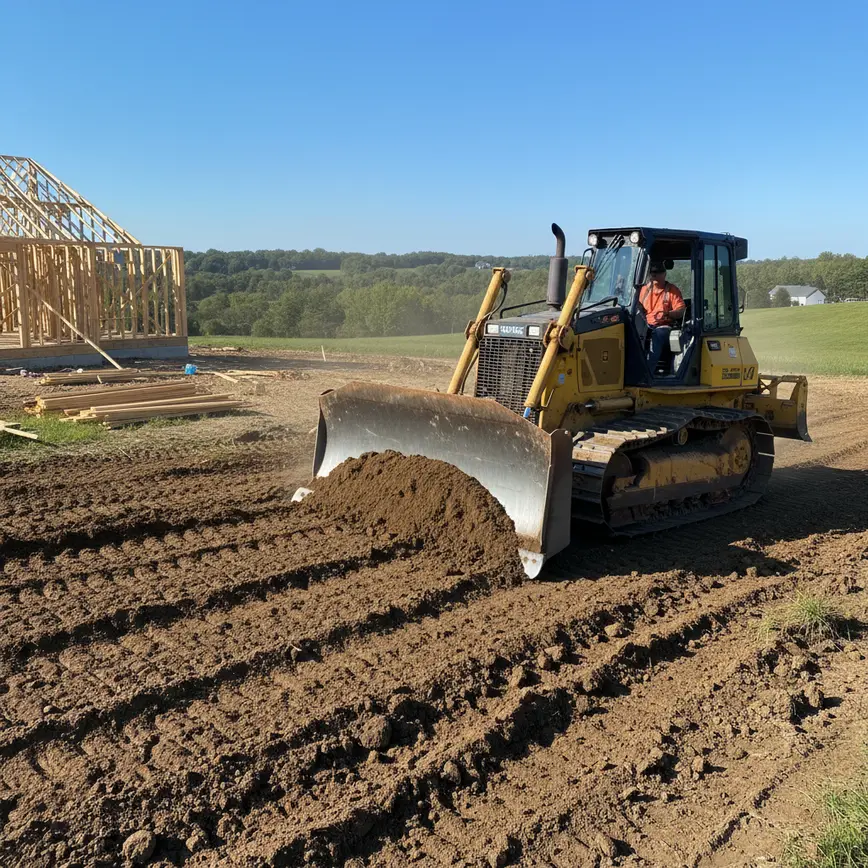
What are the local requirements for erosion control in Central Ohio?
Local requirements for erosion control in Central Ohio may include obtaining a land-disturbance permit for larger projects and following state laws for excavation. Ohio law mandates an Ohio 811 utility locate at least 48 hours before any digging or excavation work begins. Local ordinances may also require specific erosion control measures and inspections.
Permits for land disturbance typically cost $100-$300 when required, but most residential or agricultural clearing does not need one. Always check with your county or city before starting work.
Contractors must follow Ohio Revised Code 3781.28 for utility locating and comply with any local erosion control ordinances to avoid fines and ensure environmental protection.
What challenges does Central Ohio face with erosion control?
Central Ohio faces erosion control challenges due to its Brookston-Crosby clay soils, which hold water and are slow to drain. Heavy rains can quickly wash away exposed soil on construction sites, increasing the need for effective erosion control measures. Local topography and frequent invasive species also complicate soil stabilization efforts.
Poorly drained soils can lead to standing water and increased runoff, making sites more vulnerable to erosion during clearing or grading.
Proper planning, timely installation of barriers, and adjusting methods for local soil conditions are essential to prevent sediment from leaving the site.
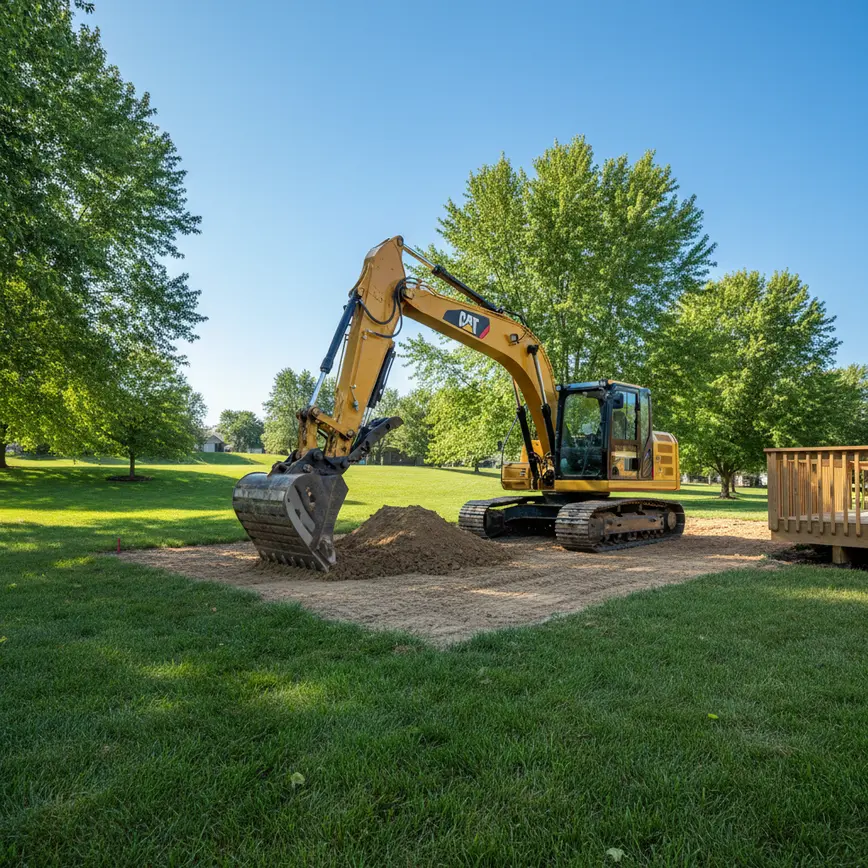
How does Fortress Level Construction address erosion control?
Fortress Level Construction addresses erosion control by assessing each site’s soil type and slope, recommending appropriate barriers and grading techniques. Owner Lee Carson provides flat-rate, owner-walked quotes and ensures compliance with local and state erosion control requirements. The team also considers invasive species and drainage patterns for every project.
The team uses proven methods like silt fencing, straw wattles, and proper grading to keep soil in place during land clearing or excavation.
With experience in Central Ohio’s unique soils, Fortress Level Construction helps clients minimize erosion risks and meet permit requirements when needed.
How does erosion control differ from land clearing and forestry mulching?
Erosion control is about preventing soil loss, while land clearing and forestry mulching remove vegetation. Erosion control often follows clearing to stabilize exposed soil, especially in Central Ohio’s clay-rich environments. Each process has a different goal but works together for site stability and environmental protection.
| Erosion Control | Land Clearing | Forestry Mulching | Permit Needs |
|---|---|---|---|
| Prevents soil loss with barriers and covers | Removes all vegetation and debris | Grinds brush in place, leaves mulch layer | Permit may be required for large projects |
| Essential after clearing or grading | Includes haul-off and grading | Uses compact track loaders and drum mulchers | Most residential/ag projects need no permit |
| Protects water quality and drainage | Costs $4,000-$8,000 per acre | Costs $1,850-$3,500 per acre | Permit typically $100-$300 if needed |
| Required by local and state law | Removes invasives like honeysuckle | Clears 1-5 acres per day | Ohio 811 locate required before digging |
| Uses silt fence, wattles, seeding | Leaves bare soil needing stabilization | Leaves mulch to help control erosion | Check local rules for specific requirements |
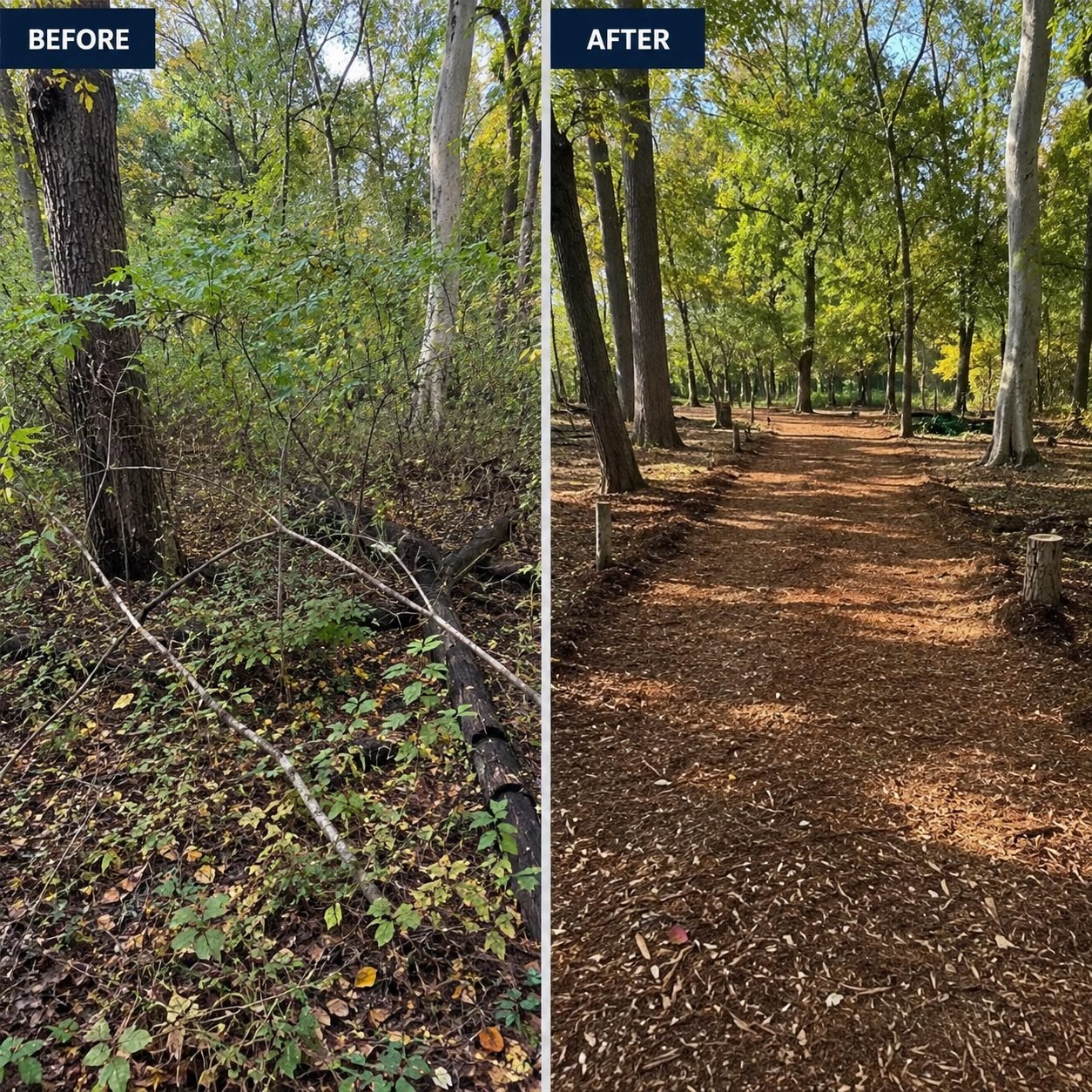
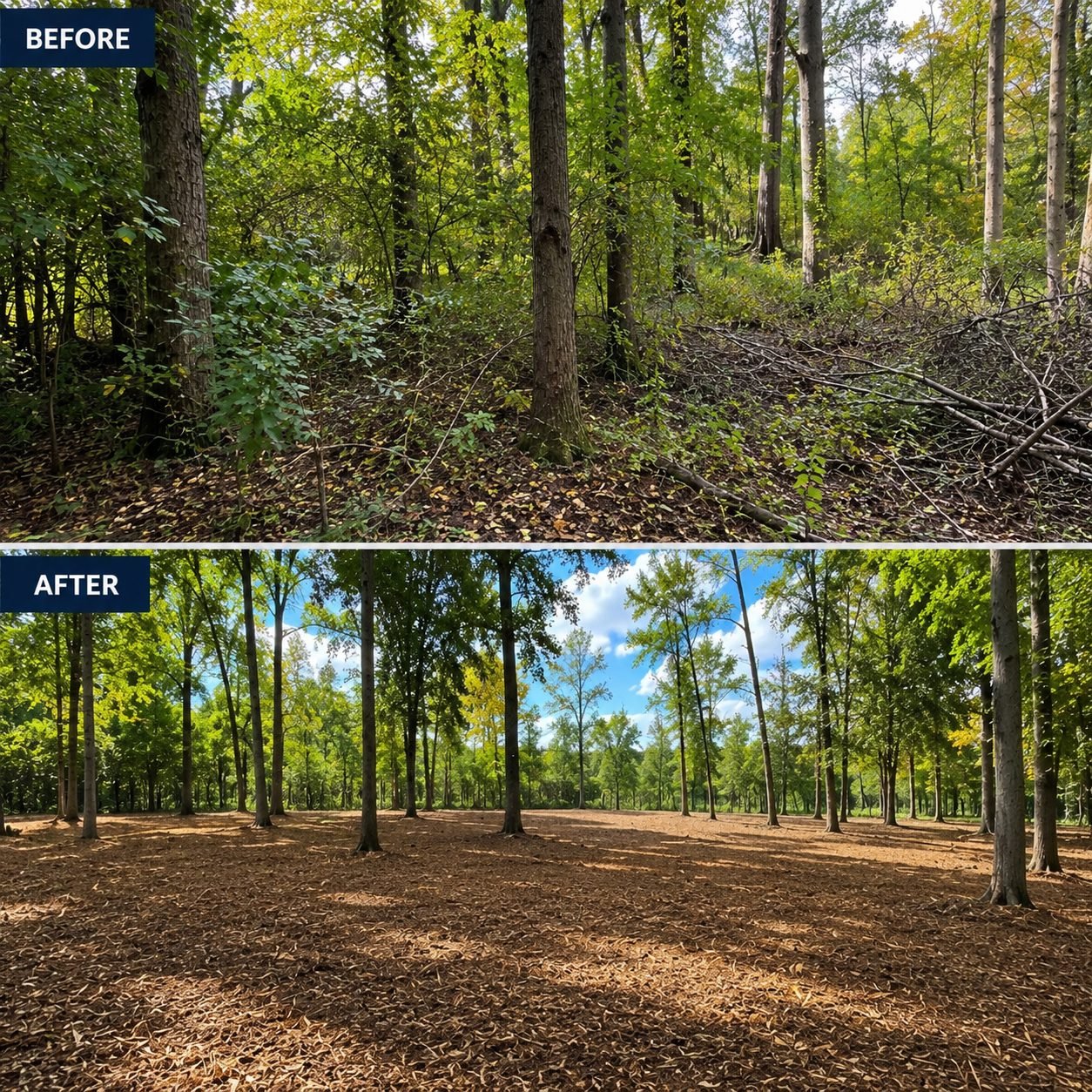
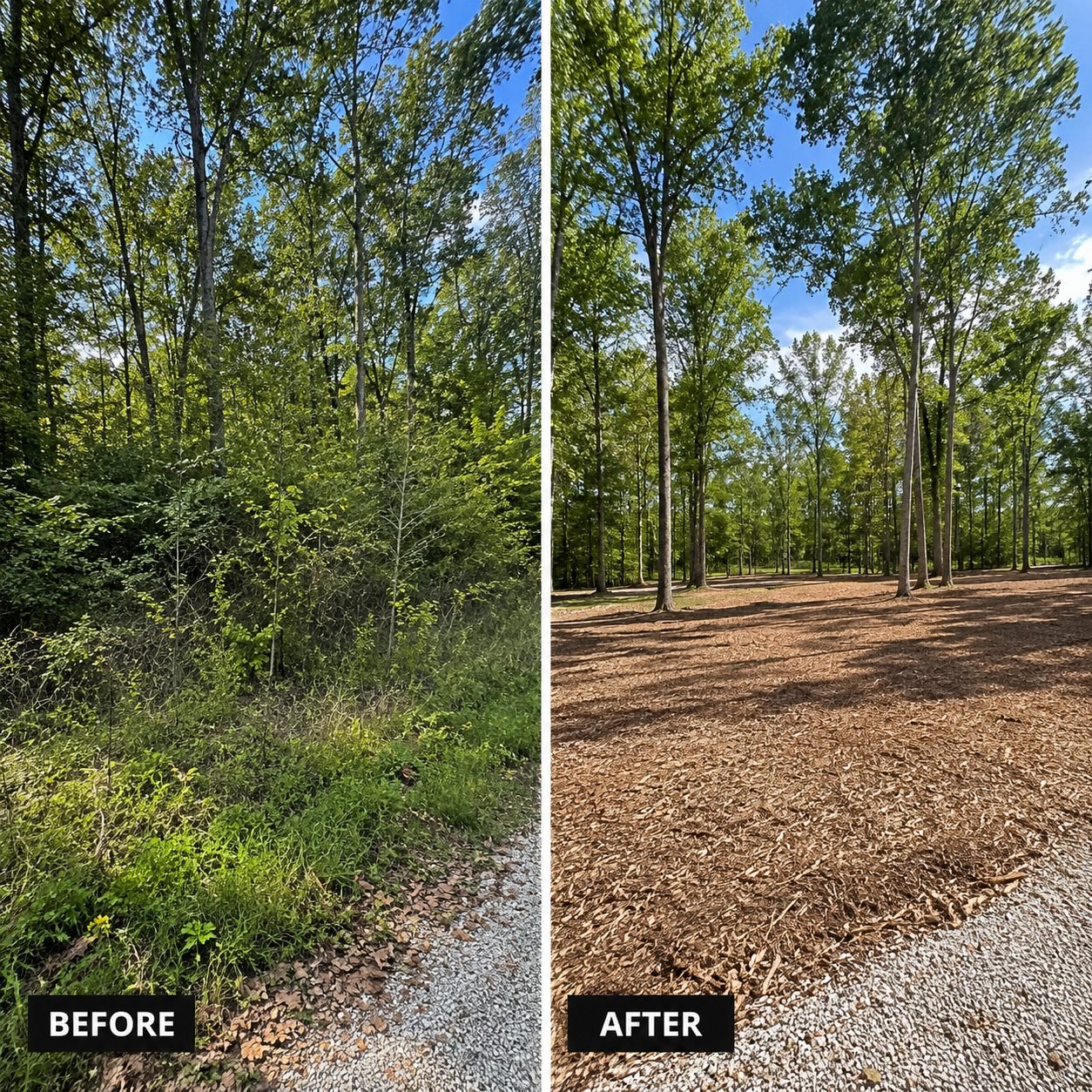
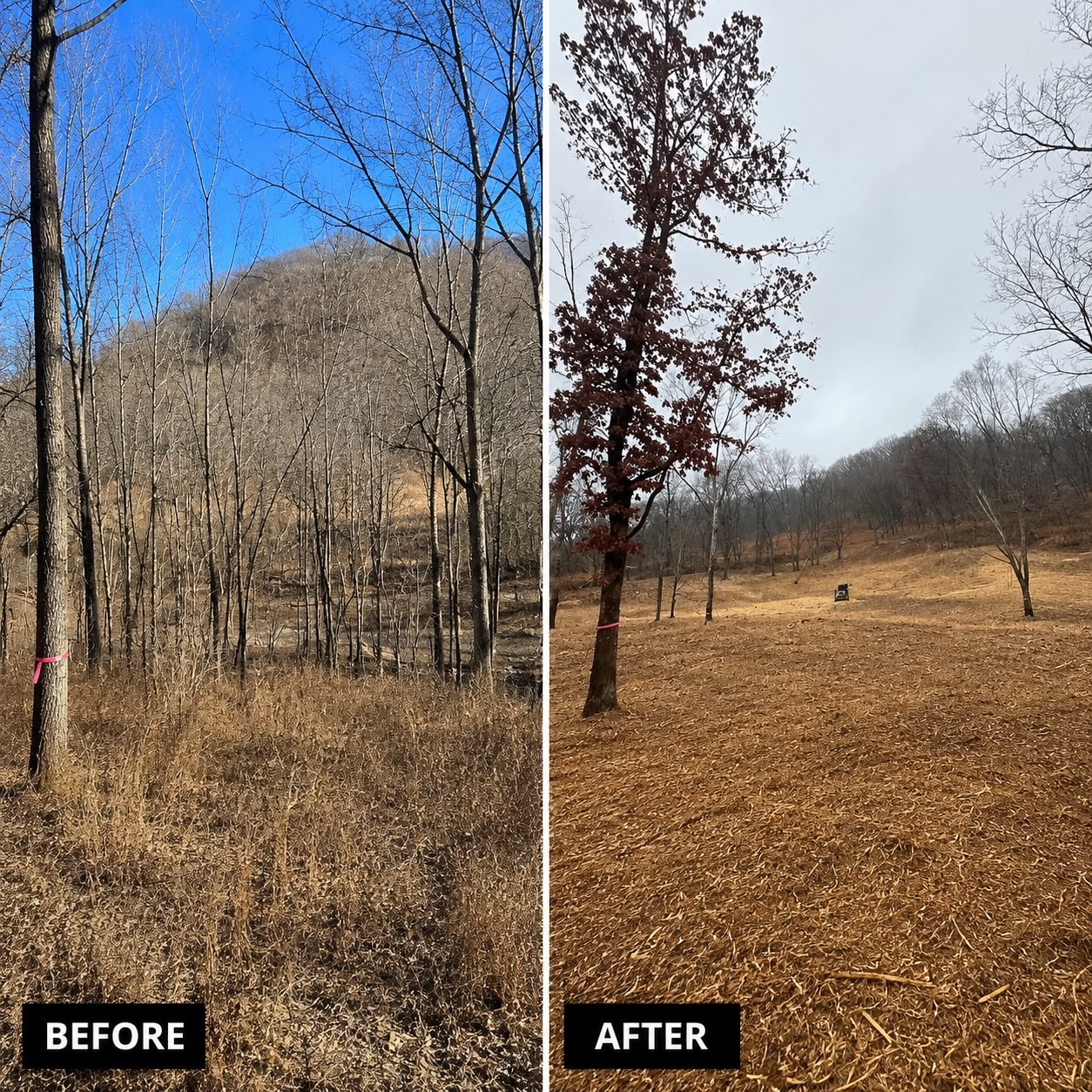
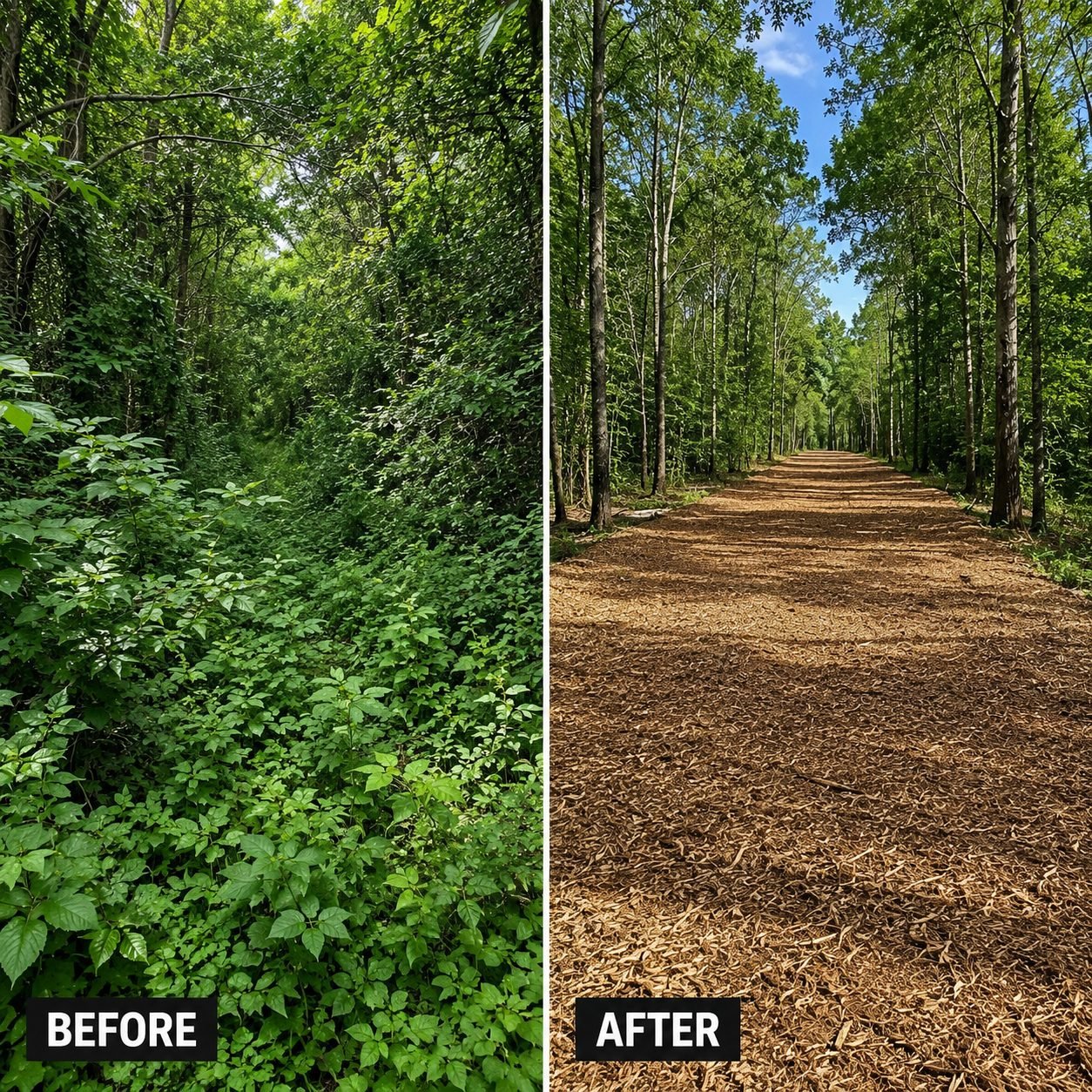
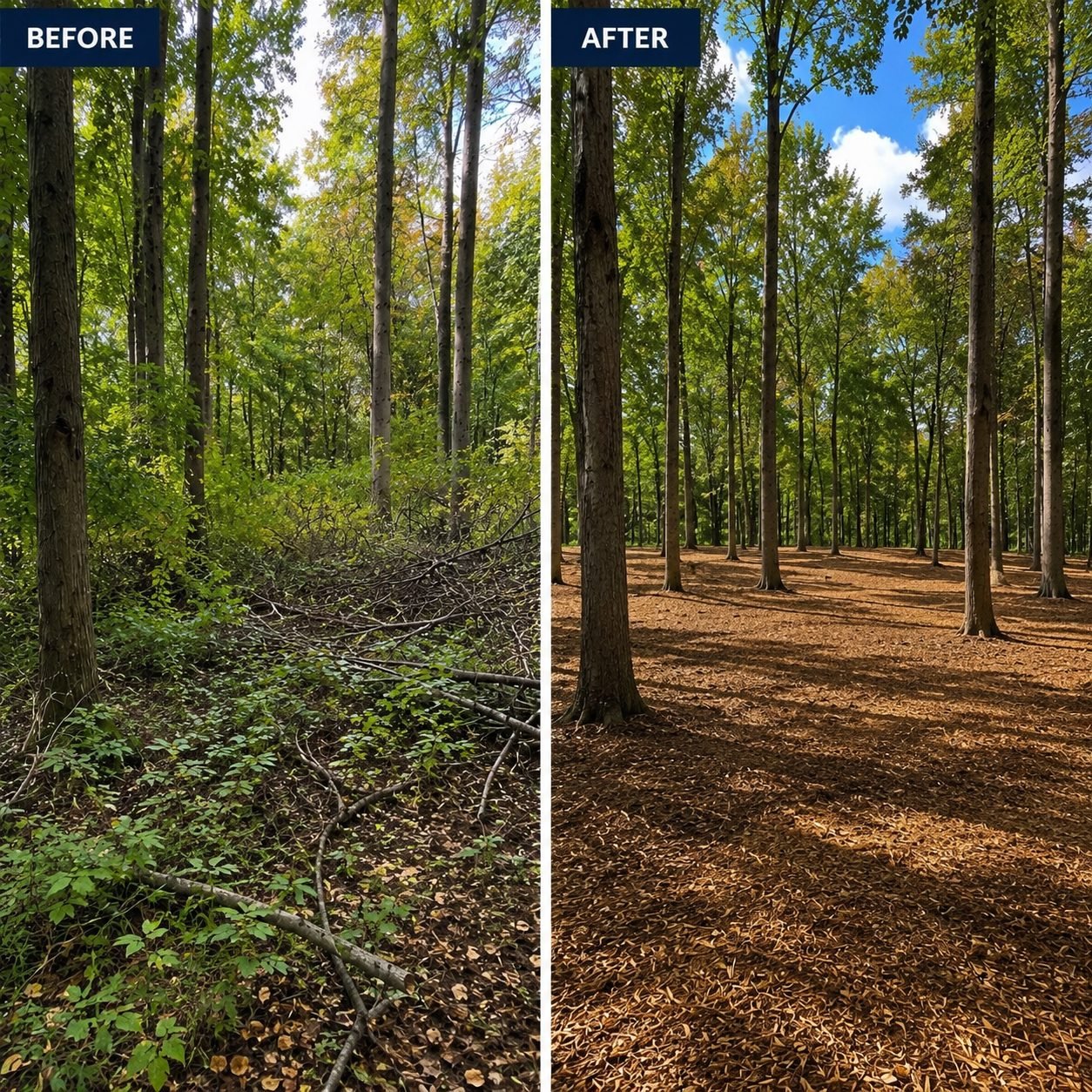
What Does Central Ohio Land Clearing Look Like Before and After?
Land clearing turns dense, unusable Central Ohio ground into open, walkable property. These are real Fortress jobs across Franklin, Delaware, Licking, Fairfield, and Union counties, cleared with mature trees left standing and no debris piles to burn or haul.
Frequently asked questions
The main goal of erosion control in construction is to keep soil from washing or blowing away during and after land disturbance. This helps protect water quality, maintain site stability, and comply with local and state regulations. It is especially important for Central Ohio’s clay soils, which are highly prone to erosion.
Both the property owner and the contractor share responsibility for implementing and maintaining erosion control measures during construction. Local authorities may inspect the site to ensure compliance with permit and environmental requirements. Failure to follow proper procedures can result in fines or required corrective actions.
Erosion control is required whenever soil is disturbed, such as during clearing, grading, or excavation. Local rules may require erosion control measures before, during, and after construction to prevent sediment from leaving the site. Requirements can vary, so always check with your local county or city office.
Without erosion control, soil can wash into streams and drainage systems, causing pollution and potential flooding. It can also lead to fines, project delays, and costly repairs to restore damaged areas. Uncontrolled erosion can damage neighboring properties and harm local water quality in Central Ohio.
Central Ohio follows state laws like Ohio Revised Code 3781.28 for excavation and may require permits for larger projects. Requirements can vary by county or city, and local ordinances may specify certain erosion control practices. Always check with your local building department before starting work to ensure compliance.
Soil type greatly affects erosion risk. Central Ohio’s Brookston-Crosby clay soils hold water and are slow to drain, making them more prone to erosion when disturbed. Effective erosion control requires planning for these conditions, using barriers, grading, and ground covers to keep soil stable throughout the project.
What Other Services Does Fortress Offer in Central Ohio?
Land clearing is one of nine services Fortress Level Construction runs across Central Ohio, so one owner-operated crew can clear, grade, and prep a site end to end.
Get a Flat-Rate Quote from Lee Carson
Owner-operated land clearing across all five Central Ohio counties. Send your property details and Lee gets back to you within 2 to 3 hours during business hours with one flat number after a free on-site walk-through.