
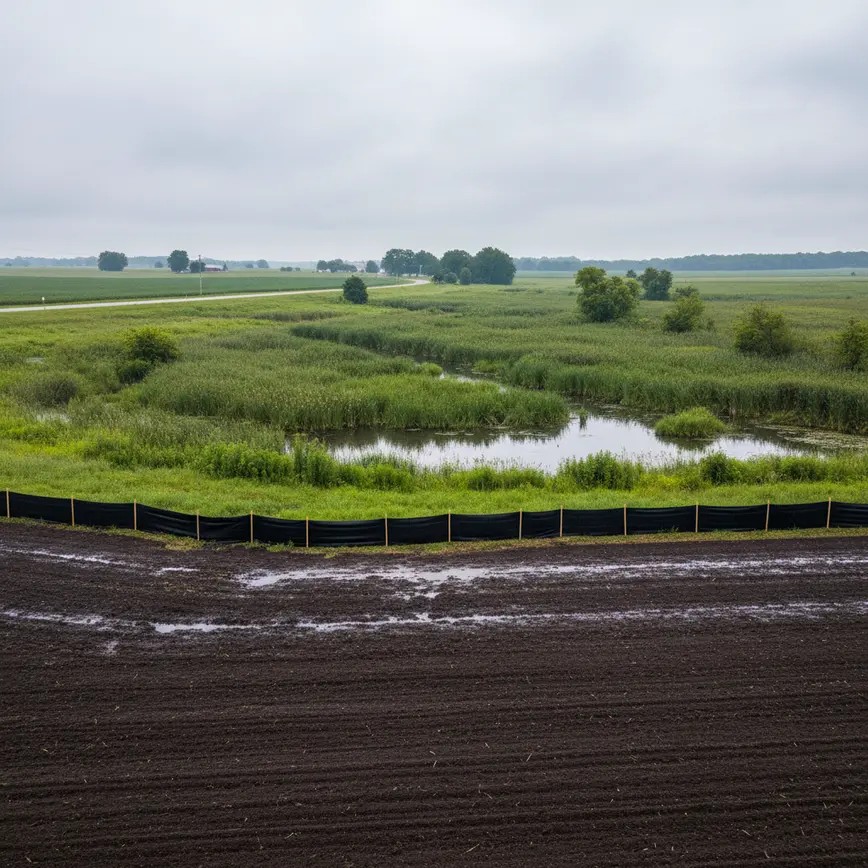

How does pasture clearing in Whitehall, Ohio work on tight lots?
In Whitehall, pasture clearing is usually compact, access-driven work on tight mid-century lots east of Columbus, not open-field acreage. Fortress Level Construction sends a crew with John Deere 333G compact track loaders and Diamond drum mulchers to clear stems, brush, and overgrowth efficiently, with flat-rate quotes and a free on-site walk-through.
The Quick Answer
- In Whitehall, pasture clearing means getting dense growth off compact lots east of Columbus without tearing up adjacent yards, fences, or drive access.
- Fortress uses compact track loaders with Diamond drum mulchers for fast vegetation removal, and brings dozers or excavators when the site needs heavier reduction.
- Whitehall’s flat glacial-till ground and heavy clay subsoil can hold moisture, so the crew plans access and ground pressure carefully before mulching begins.
- Dense mid-century spacing near East Main, Broad Street, DSCC, and John Bishop Park often makes machine reach and staging more important than raw acreage.
- Flat-rate quotes follow a free on-site walk-through, so the price reflects access, stem density, cleanup expectations, and whether the job is mulch-only or full clearing.
- For any digging, Ohio Revised Code 3781.28 requires an Ohio 811 utility locate at least 48 hours before work starts.
- Fortress responds in 2 to 3 hours during business hours and schedules same-week walk-throughs when the calendar allows.
- If you need pasture reclamation, field clearing, or brush removal in Whitehall, the crew can match the method to the lot size and the soil.
Related Questions People Ask Next
Whitehall jobs are usually compact, infill-style lots with tight setbacks, neighbors close by, and limited staging room. That changes the way Fortress sets up the John Deere 333G and where mulch is placed. The crew focuses on access, ground protection, and controlled clearing instead of wide-open acreage methods.
For most Whitehall pasture clearing, the crew uses John Deere 333G compact track loaders with Diamond drum mulchers, which can process stems up to 14 inches and clear about 1 to 5 acres per day depending on density. Heavier sites may call for dozers or excavators when the lot needs full clearing.
Whitehall sits on a relatively flat glacial-till plain with dense heavy clay subsoil, so wet ground can rut quickly if the crew rushes access. Fortress plans for that by choosing the right machine, limiting unnecessary passes, and matching the clearing approach to the soil and moisture on site.
Fortress gives flat-rate quotes after a free on-site walk-through, because Whitehall lots vary by access, stem density, and cleanup needs. For forestry mulching, the real market range is usually $1,850 to $3,500 per acre, while full clearing often runs $4,000 to $8,000 per acre.
What does pasture clearing on a Whitehall lot usually include?
Most Whitehall pasture clearing starts with a walk-through of the small, established lot and any access pinch points near East Main, Broad Street, or other compact residential corridors. The crew then mulches brush, saplings, and overgrowth in place, or switches to full clearing if the site needs removal, hauling, and a cleaner finish.
Because Whitehall is a compact inner-ring suburb of about 20,100 people, the work often happens beside homes, driveways, and utility corridors rather than on open acreage. Fortress plans around that tight spacing, using compact track loaders and, when needed, dozers or excavators to keep the job controlled and efficient.
On Whitehall’s flat but clay-heavy ground, the method matters. Forestry mulching can stay in the lower price range of about $1,850 to $3,500 per acre, while full clearing with removal and heavier finishing typically moves into the $4,000 to $8,000 per acre range. The crew matches the method to the lot, not the other way around.
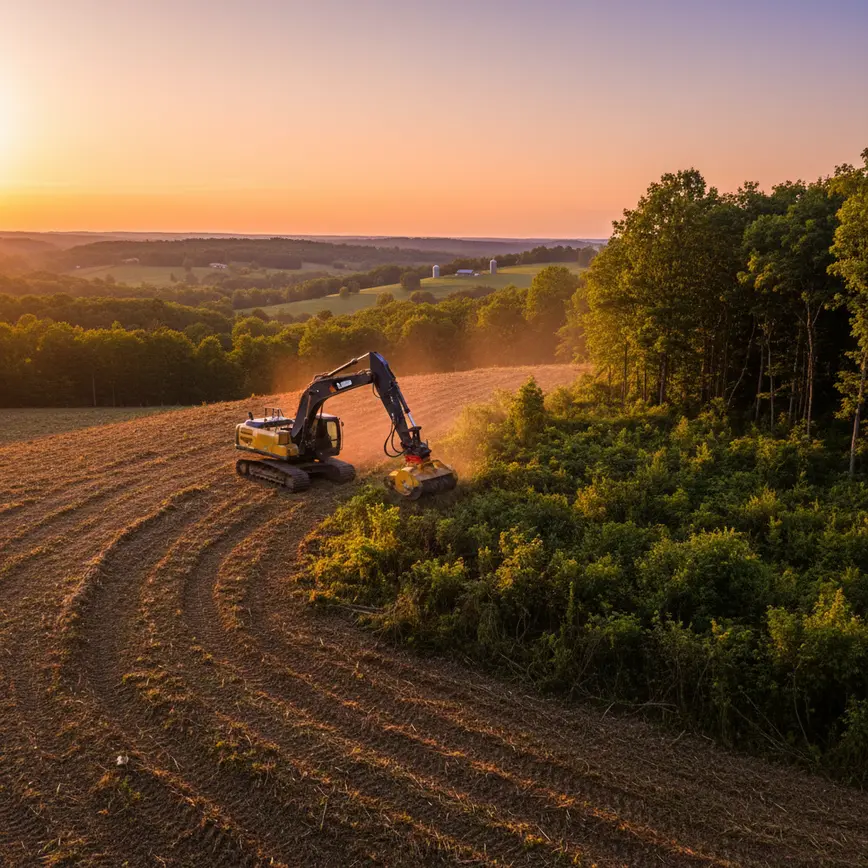
How does Fortress handles tight access and clay soil in Whitehall?
Whitehall lots near DSCC, John Bishop Park, and the East Main and Broad Street corridors often leave little room for machine staging. Fortress uses compact equipment to enter narrow spaces, reduce passes, and limit disturbance on the heavy clay subsoil that can rut when conditions are soft after rain or snowmelt.
The crew starts by checking access width, overhead clearance, and where the machine can turn without cutting into neighboring yards. On mid-century lots in Whitehall and nearby Columbus, Bexley, Reynoldsburg, and Gahanna, that planning is as important as the cutting itself because the wrong setup can slow the project and raise cleanup costs.
Fortress then chooses the tool for the site. A John Deere 333G with a Diamond drum mulcher is the go-to for dense brush and stems up to 14 inches, while dozers and excavators are reserved for tougher full-clearing work. That choice helps control cost, especially when clay soil limits how aggressively the crew can travel.
What drives pasture clearing cost in Whitehall, Ohio?
In Whitehall, cost is driven more by access, density, and soil than by simple acreage. Tight lots, mature volunteer growth, and the need to work carefully between homes can push a job toward the higher end of the range, while clear access and lighter brush can keep forestry mulching closer to the lower end.
Fortress uses flat-rate quotes after a free on-site walk-through so the price reflects the actual Whitehall conditions. If the site is a mulch-only job with room for the machine, the project may fit the $1,850 to $3,500 per acre range. If the lot needs brush removal, grading support, or full clearing, the price commonly moves toward $4,000 to $8,000 per acre.
The crew also checks for utility locate timing before digging or ground disturbance. Ohio Revised Code 3781.28 requires an Ohio 811 utility locate at least 48 hours before any digging, and that step can affect scheduling. In a place as compact as Whitehall, that coordination keeps the job moving without avoidable delays.
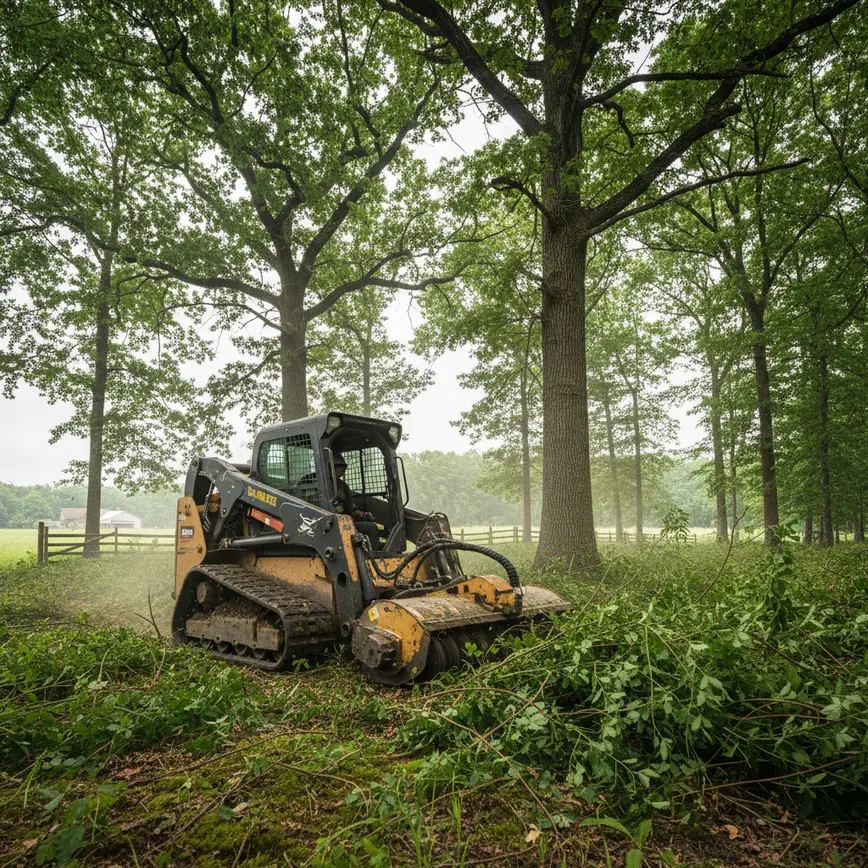
What happens after the brush is cut on a Whitehall pasture clearing job?
After cutting, Fortress decides whether to leave a mulch finish, stack material, or move into full clearing based on the Whitehall site’s next use. On small infill lots, the finish often needs to look orderly from neighboring properties, so the crew pays close attention to cleanup lines, travel paths, and what can remain in place.
That finish matters in Whitehall because the lots are close together and the corridors around I-70 and I-270 see steady daily use. A clean edge helps the property look intentional instead of overgrown, whether the site sits closer to Columbus, Bexley, Reynoldsburg, or Gahanna. The crew keeps the work contained so the property is usable after the clearing phase.
If the goal is pasture reclamation, the team can shift from rough brush reduction to a more open, manageable surface that supports future use. If the site needs more aggressive work, dozers and excavators help with the heavier stage, but the quote still begins with a free walk-through and a clear assessment of the lot.
Which Whitehall pasture clearing method fits my lot?
Whitehall jobs are usually decided by access, stem density, and how much finish you want after clearing. Fortress compares mulch-only work, heavier full clearing, and cleanup-driven reclamation so the crew can match the machine to the lot, especially on tight mid-century properties near Columbus and the I-70 and I-270 corridors.
| Method | Best Whitehall fit | Typical equipment | Cost signal |
|---|---|---|---|
| Forestry mulching | Tight infill lots with brush, saplings, and limited access | John Deere 333G with Diamond drum mulcher | $1,850 to $3,500 per acre |
| Full clearing | Sites that need removal, hauling, and a cleaner finish | Dozers and excavators plus support equipment | $4,000 to $8,000 per acre |
| Brush reduction | Overgrown lots near homes, fences, or utilities | Compact track loader setup | Usually tied to density and access |
| Pasture reclamation | Lots being reset for a future use after clearing | Mulcher first, then heavier equipment if needed | Depends on finish level and site complexity |
| Staged clearing | Clay soil, soft ground, or narrow entry points | Crew-planned sequence of machines | Can reduce avoidable rework |
When is pasture clearing not the right call in Whitehall?
Pasture clearing is not the right call when the Whitehall lot is already open, the goal is simple mowing, or the ground is too wet for machine traffic. In those cases, a lighter maintenance plan, seasonal brush control, or a delayed walk-through may be the better move for the property.
If the site only needs grass cut or minor trimming, full pasture clearing can be too aggressive and too expensive for the result you want. On Whitehall’s compact lots, Fortress will usually recommend the least disruptive option that still solves the overgrowth problem, especially where access is tight and the next use is still undecided.
If the soil is saturated or the schedule conflicts with the required Ohio 811 locate window, the crew may advise waiting before any digging or heavy machine work. That is especially important on Whitehall’s dense clay subsoil, where a rushed start can leave ruts and add unnecessary repair work.
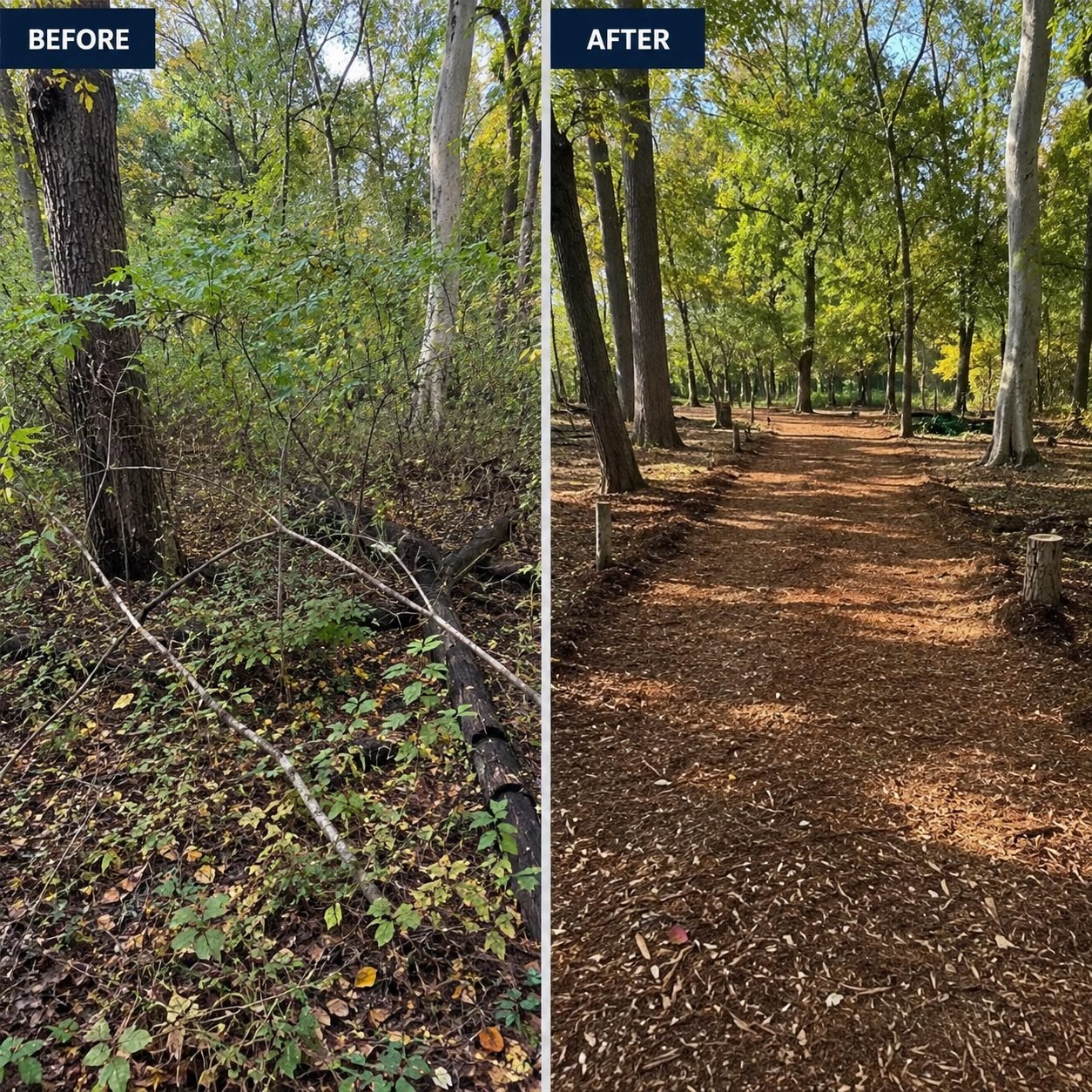
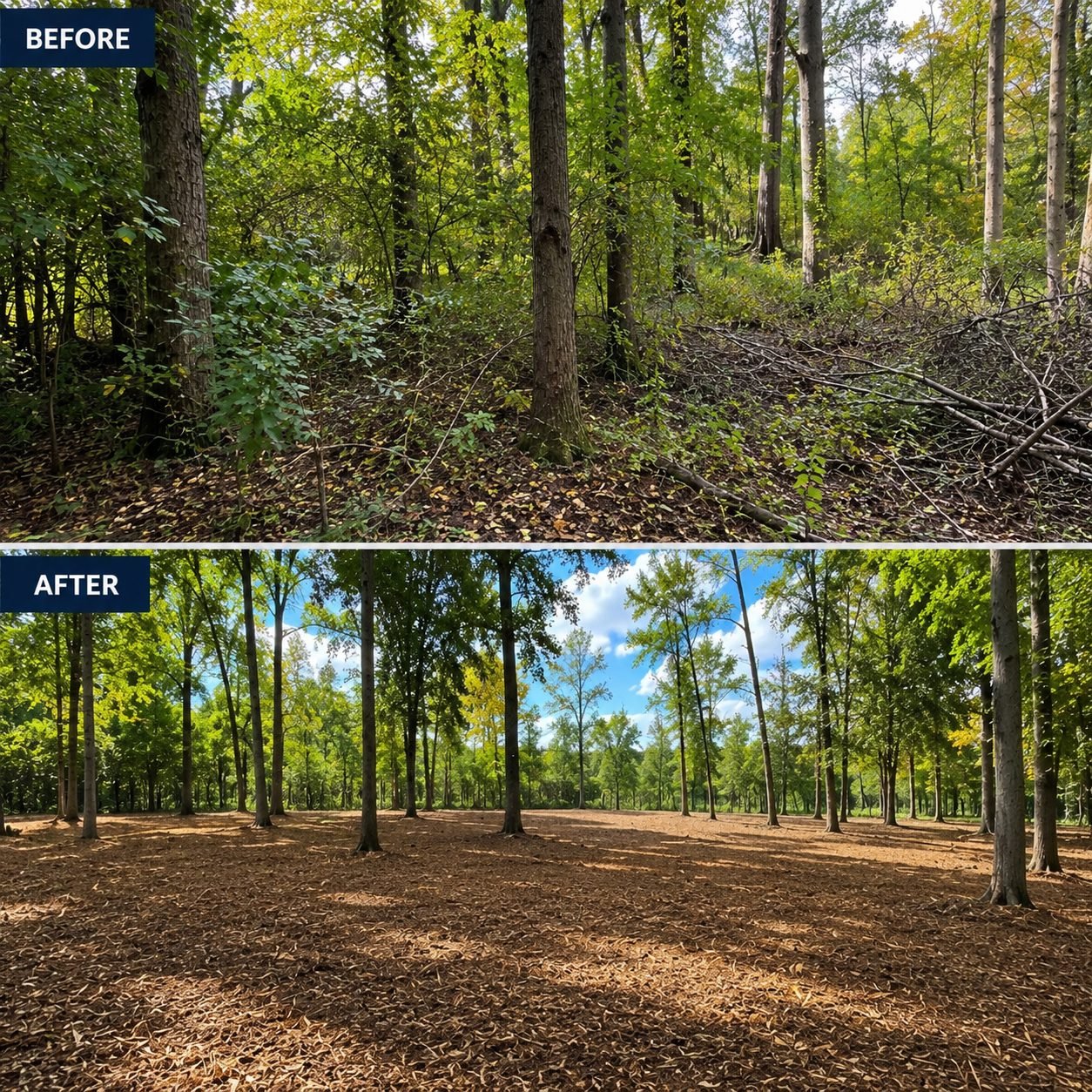
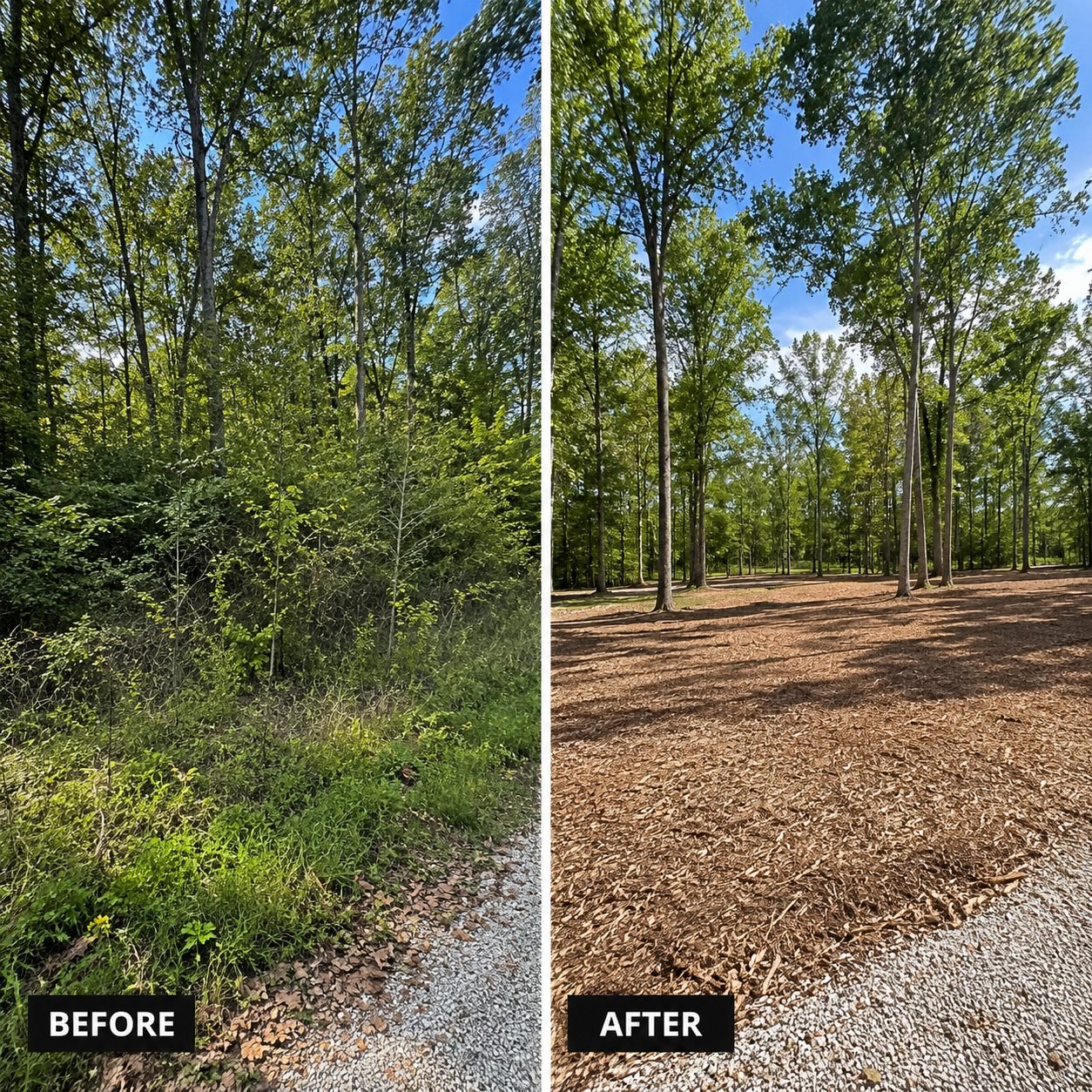
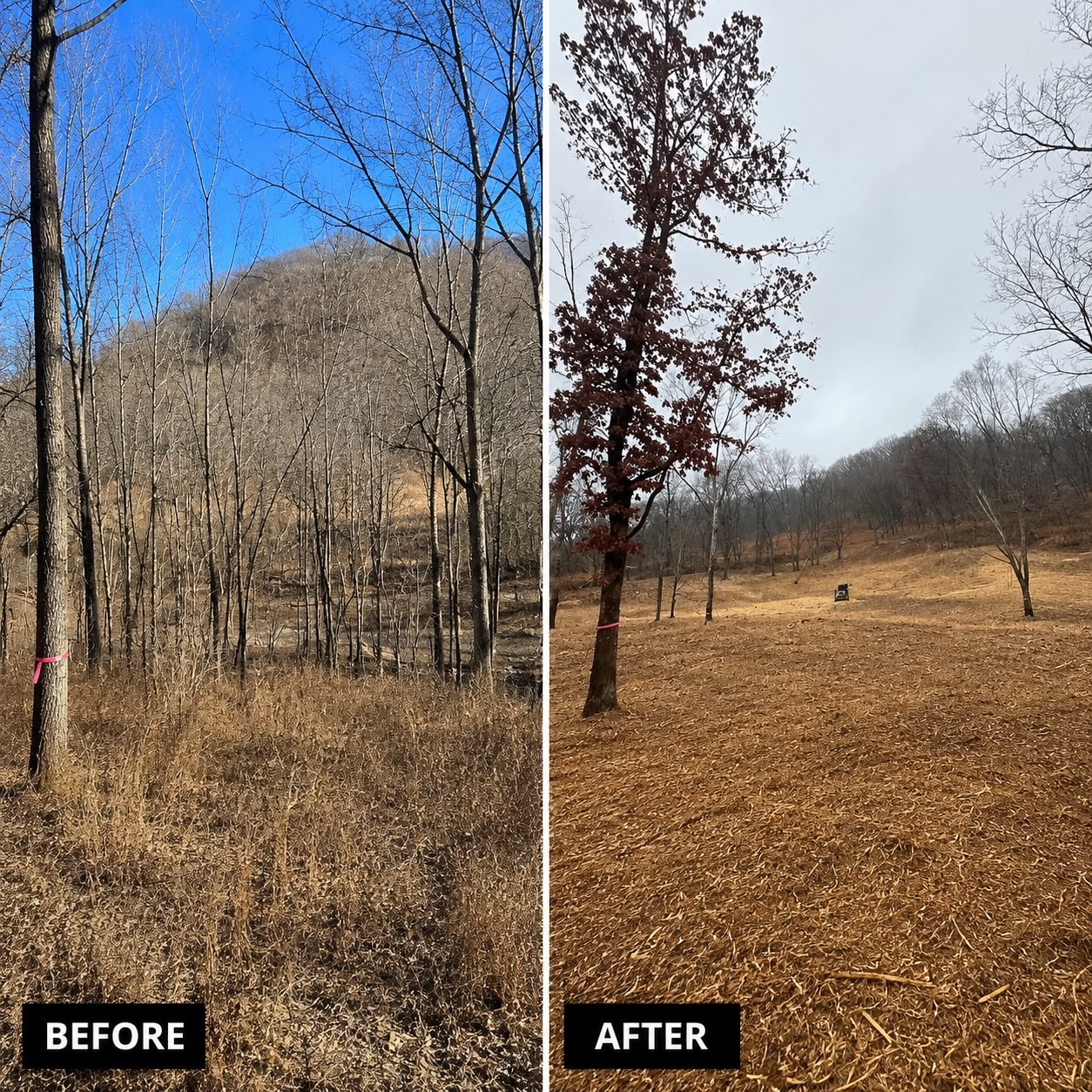
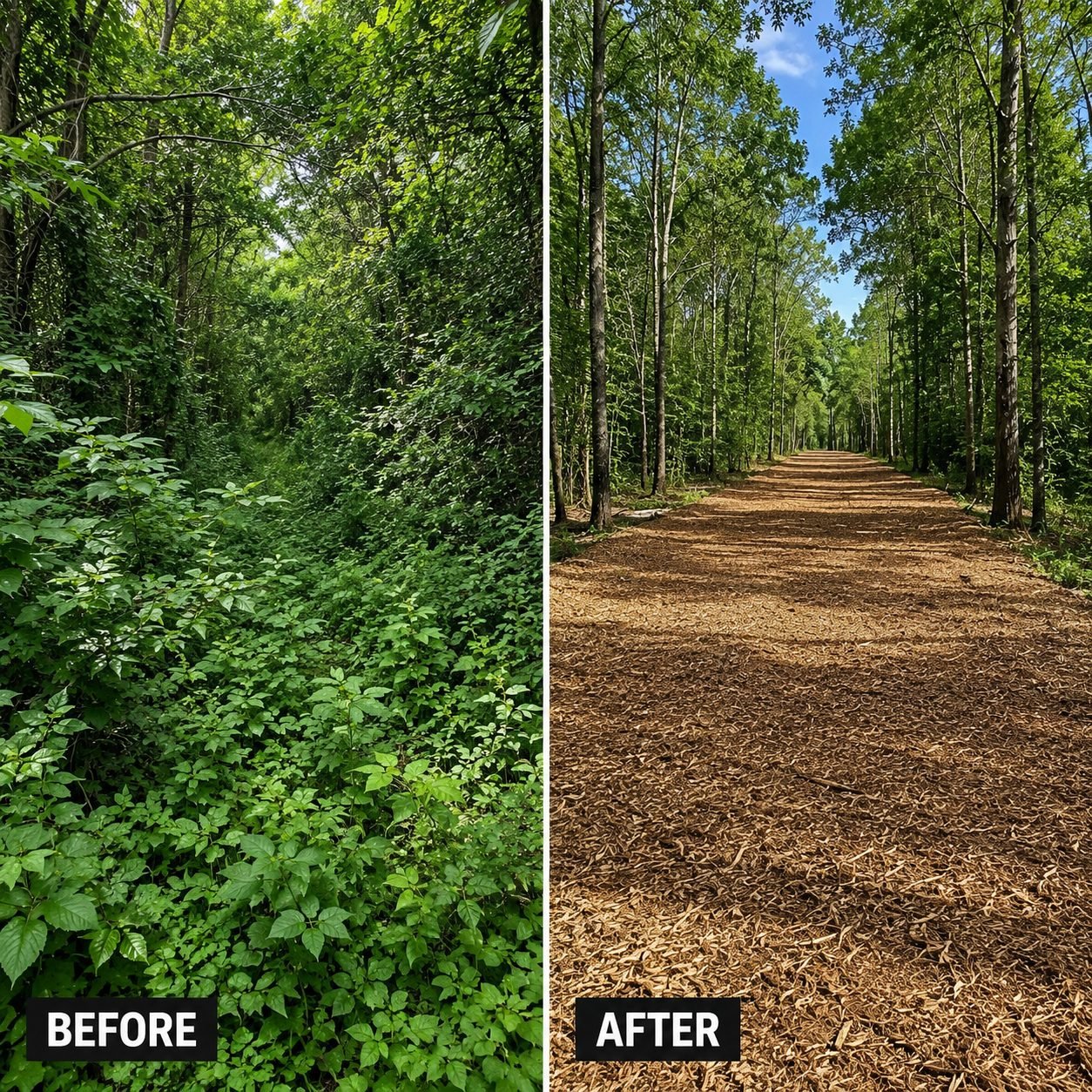
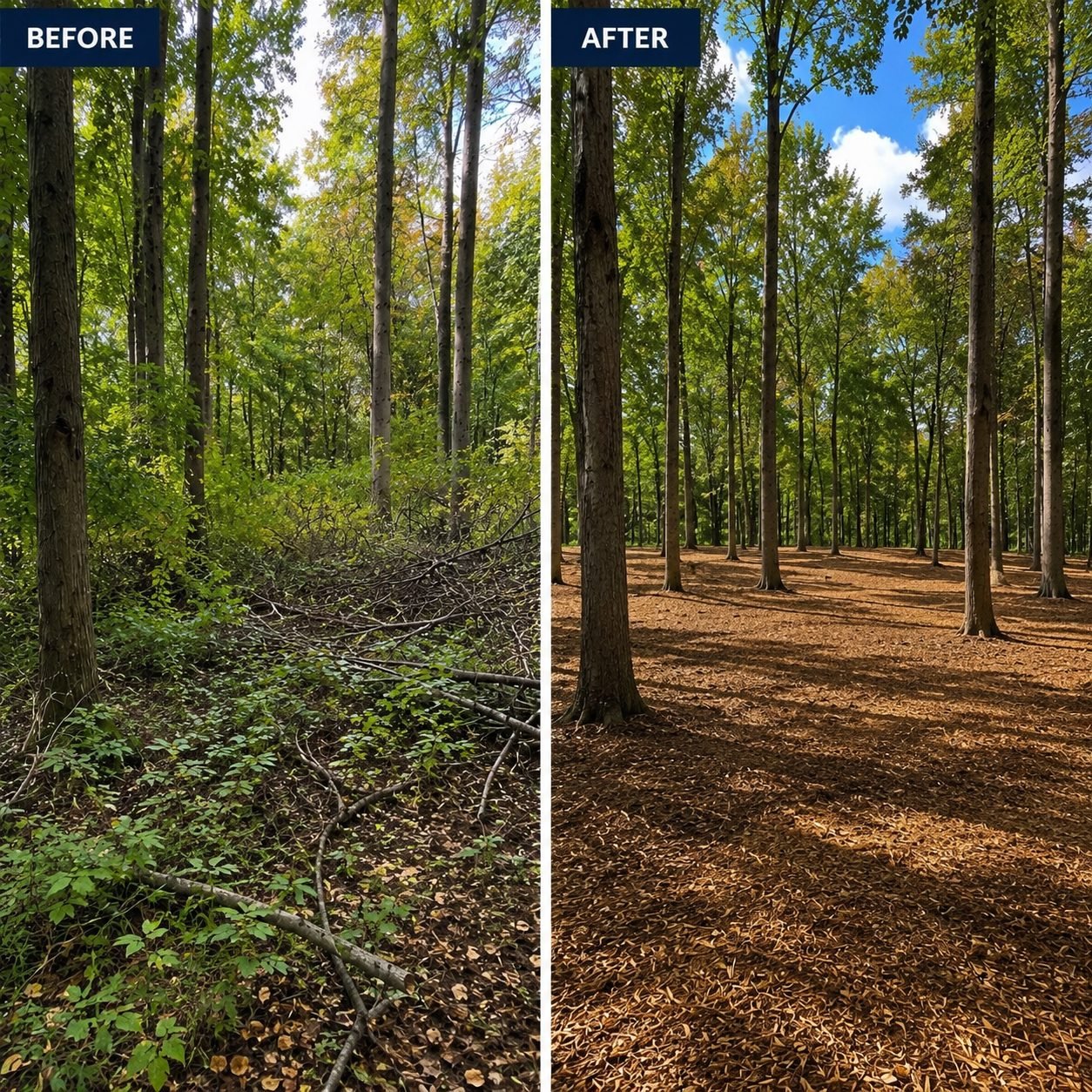
What should a Whitehall pasture clearing before-and-after look like?
A Whitehall before-and-after should show a tight, overgrown mid-century lot turned into a clean, readable space with clear edges, better access, and no surprise damage to nearby structures. Fortress frames the work around what changed on the property, not just how much brush was removed.
Frequently asked questions
Yes, that is exactly the kind of Whitehall work the crew plans for. The job starts with a free on-site walk-through so Fortress can map access, machine turns, and any narrow edges before clearing begins. Compact track loaders help the team work carefully in tight residential spacing.
If the project involves digging or ground disturbance, yes. Ohio Revised Code 3781.28 requires an Ohio 811 utility locate at least 48 hours before digging. On Whitehall lots, that step matters because utilities and service lines may be close to the work area.
During business hours, Fortress typically responds in 2 to 3 hours and can often schedule same-week walk-throughs. That helps Whitehall property owners get a firm flat-rate quote quickly, which is useful when access is tight or the lot needs clearing before another contractor starts.
The John Deere 333G with a Diamond drum mulcher is built for dense brush and stems up to 14 inches. That makes it a strong fit for Whitehall’s overgrown infill lots, where the issue is often thick volunteer growth rather than wide open pasture.
Usually yes. For Whitehall pasture clearing, forestry mulching generally falls around $1,850 to $3,500 per acre because material is reduced in place. Full clearing is more involved and typically ranges from $4,000 to $8,000 per acre, especially when removal and a cleaner final grade are part of the scope.
Whitehall sits on a flat glacial-till plain with heavy clay subsoil, so machine traffic and timing matter. Wet clay can rut easily, so Fortress chooses equipment and staging carefully. That keeps pasture clearing cleaner on mid-century lots and helps the finished site look intentional, not churned up.
Pasture Clearing Near Whitehall
What Other Services Does Fortress Offer in Central Ohio?
Fortress Level Construction runs a full range of land-clearing, excavation, grading, and site-work services across Central Ohio, so one owner-operated crew can clear, grade, and prep a site end to end.
Get a Flat-Rate Quote from Lee Carson
Owner-operated land clearing across all five Central Ohio counties. Send your property details and Lee gets back to you within 2 to 3 hours during business hours with one flat number after a free on-site walk-through.