
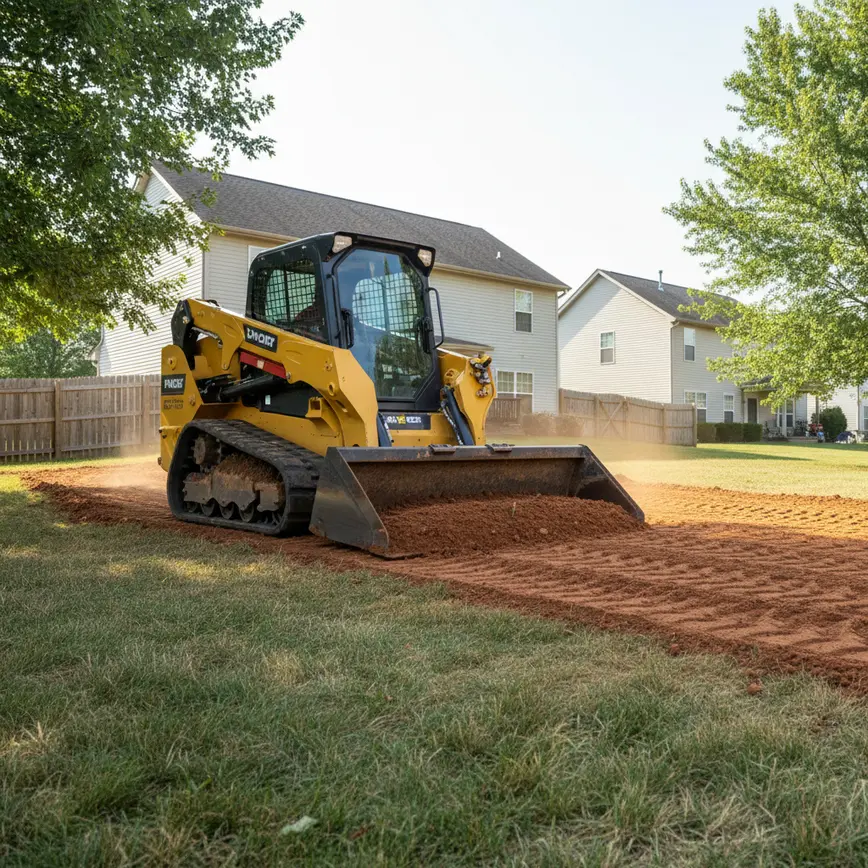

How does pasture clearing work in Etna, Ohio?
In Etna, Ohio, pasture clearing usually means converting former farmland or overgrown ground into usable commercial, industrial, or residential acreage along the I-70 corridor. Fortress Level Construction starts with a free on-site walk-through, then matches clay-heavy glacial till, wooded edges, and access limits to the right mulching or full-clearing plan.
The Quick Answer
- In Etna, pasture clearing often means turning former farmland into buildable acreage for warehouses, industrial pads, or newer subdivisions along I-70.
- Fortress uses John Deere 333G compact track loaders with Diamond drum mulchers for stems up to 14 inches, plus dozers and excavators when full clearing is the right call.
- Clay-heavy glacial till around Etna changes how crews cut, pile, and move debris, so access, drainage, and moisture matter before the first pass.
- The team gives flat-rate quotes after a free on-site walk-through, and responds in 2 to 3 hours during business hours, with same-week walk-throughs.
- Ohio law requires an Ohio 811 utility locate at least 48 hours before any digging, even on rural-looking pasture ground.
- Forestry mulching in Etna usually fits lighter clearing needs and often lands in the $1,850 to $3,500 per acre range.
- Full clearing for heavier industrial or warehouse use can run $4,000 to $8,000 per acre, depending on access, density, and finish requirements.
- Lee Carson, a combat veteran, founded Fortress and the crew handles the work across Central Ohio.
Related Questions People Ask Next
Etna is small in village character but busy in land use, with large distribution and warehouse parcels carved from former farmland near Blacklick Creek and the old National Road. That means pasture clearing often has to fit industrial timelines, utility locates, and tight access routes instead of simple open-field work. The crew sizes the method to the site.
For Etna pasture clearing, Fortress commonly uses John Deere 333G compact track loaders with Diamond drum mulchers for stems up to 14 inches, plus dozers and excavators when the site needs heavier removal. That mix works well on clay-heavy glacial till, wooded edges, and former farm parcels that need a clean, usable result.
Pricing depends on whether the job is forestry mulching or full clearing. In Etna, mulching work often fits the $1,850 to $3,500 per acre range, while full clearing can run $4,000 to $8,000 per acre. The free walk-through helps the team factor in density, access, debris handling, and finish grade needs.
Yes. Etna’s growth along the I-70 logistics corridor means the crew often works on large commercial and industrial parcels, as well as newer residential subdivisions. The team plans around access, neighboring operations, and utility locates so pasture clearing stays on schedule and does not slow down site development.
What does pasture clearing in Etna, Ohio usually include?
Pasture clearing in Etna usually starts with a walk-through of former farmland, wooded edges, or rough grass slated for warehouse, industrial, or subdivision use. Fortress then chooses forestry mulching or full clearing based on density, access, and finish goals. Clay-heavy glacial till often changes how the crew stages equipment and debris.
Because Etna sits on the I-70 logistics corridor near Blacklick Creek and the old National Road, pasture clearing here is rarely a simple mow-down. The crew often works on large parcels carved from farmland, where the goal is to open space for buildings, parking, stormwater, or utility corridors without wasting time or budget.
On those sites, the team uses John Deere 333G compact track loaders with Diamond drum mulchers for stems up to 14 inches, plus dozers and excavators when roots, stumps, or heavier brush need full removal. That equipment mix matters on Etna’s clay-heavy glacial till, especially where access is tight or the ground holds moisture.
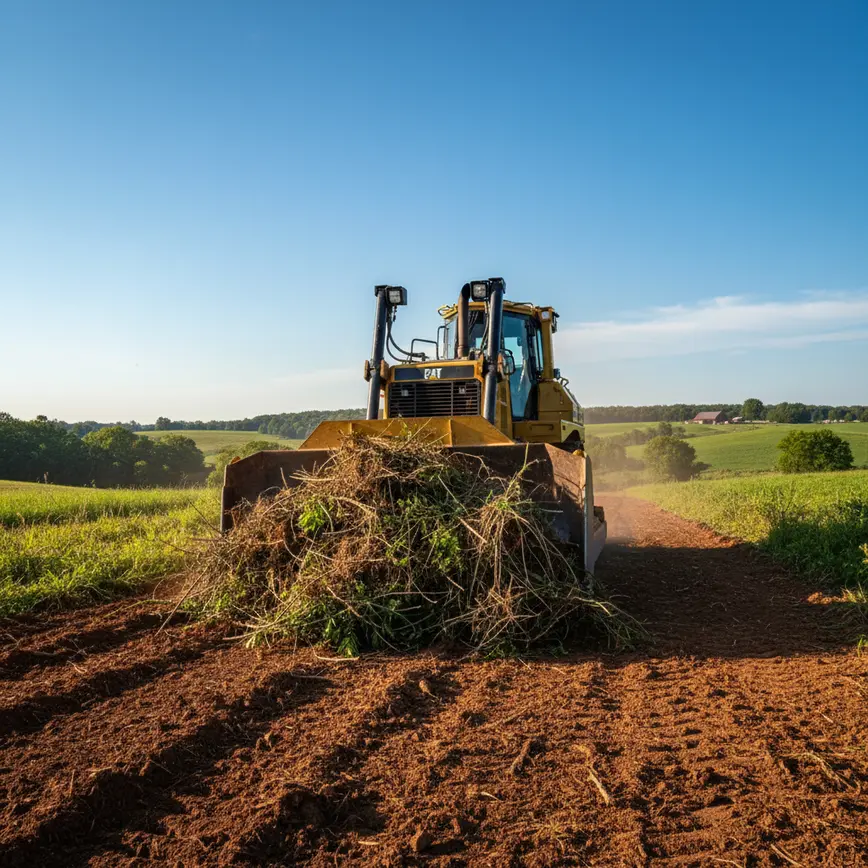
How does Fortress clears pasture on former farmland in Etna?
The crew starts by checking access, slope, wet spots, and the amount of brush or tree growth on the parcel. In Etna, former farmland often has long grass, old fencelines, and wooded pockets. Fortress then picks a clearing sequence that fits the site and keeps the work moving on larger acreage.
On industrial or warehouse projects, pasture clearing in Etna often means opening up acres at a time so the next contractor can grade, trench, or pour. Fortress handles that by mulching lighter growth first, then switching to dozers or excavators where material has to be pushed, stacked, or removed. The team’s approach is built for the big parcels common along the corridor.
That process is useful in a place like Etna, where the village center is small but the township is fast-growing and surrounded by logistics, fulfillment, and new residential development. The crew plans around nearby towns like Pataskala, Reynoldsburg, Kirkersville, and Pickerington, since access routes and timing can matter as much as the clearing itself.
What equipment is right for pasture clearing on Etna acreage?
For Etna pasture clearing, equipment choice depends on whether the goal is quick vegetation reduction or a clean slate for development. Fortress uses compact track loaders with drum mulchers for stems up to 14 inches, then adds dozers and excavators when the job calls for full clearing, pile work, or stump removal.
Mulching is often the fastest fit for overgrown pasture where the site needs vegetation knocked down, shredded, and spread without hauling every bit away. On Etna’s former farm tracts, that can be the right move when a buyer wants access improved but does not yet need full finish grading. The crew can usually cover 1 to 5 acres per day depending on density and site conditions.
Full clearing makes more sense when a large warehouse pad, industrial yard, or utility layout is coming next. In those cases, the team may use excavators and dozers to remove heavier material and shape the site for the next phase. Around Etna, that decision often comes down to how much of the former farmland has turned into brush, saplings, or wooded ground.
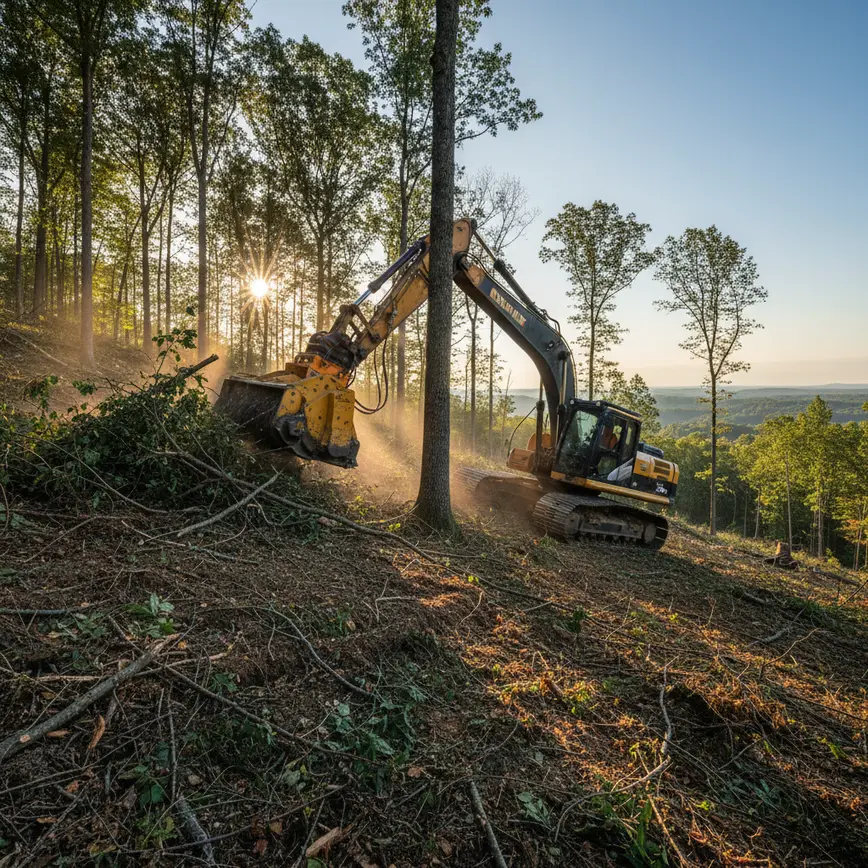
What should pasture clearing cost in Etna, Ohio?
Cost in Etna depends on clearing method, acreage, density, and how much finish work the site needs. Forestry mulching often runs $1,850 to $3,500 per acre, while full clearing can run $4,000 to $8,000 per acre. Fortress gives flat-rate quotes after a free on-site walk-through.
Those ranges reflect the realities of Etna parcels along the I-70 logistics corridor, where one side may be open former pasture and another may include wooded ground, clay-heavy soil, or old field edges. The crew prices for access, material thickness, and whether the job needs mulching only or complete removal for construction-ready use.
Fortress responds in 2 to 3 hours during business hours and schedules same-week walk-throughs, which helps buyers move quickly on acreage near the Intel and New Albany growth zone. Since Ohio 811 must be notified at least 48 hours before digging under Ohio Revised Code 3781.28, the quote process also has to account for locate timing.
Should Etna pasture clearing be mulched, or fully cleared?
The right choice depends on whether the site needs fast vegetation control or construction-ready bare ground. In Etna, where former farmland becomes warehouse, industrial, or residential land, Fortress compares access, soil, drainage, and finish needs before recommending mulching or full clearing.
| For large former-farm parcels in Etna that need fast access improvement, forestry mulching is often the simpler first step. | For warehouse pads, industrial lots, or sites that must be stripped to dirt, full clearing is usually the better fit. | Clay-heavy glacial till and wooded pockets can increase machine time and change the clearing method. | Fortress uses a free walk-through and flat-rate quote to match the method to the actual Etna site. |
|---|---|---|---|
| Typical Etna use | Brush reduction on rural acreage | Site prep for building pads | Industrial or residential development |
| Material handling | Cuts and shreds vegetation in place | Removes heavier growth and debris | Moves toward bare, buildable ground |
| Equipment | Compact track loader with drum mulcher | Dozers and excavators plus mulcher | Full fleet for heavier removal |
| Best when | You want quick access and reduced overgrowth | You need a clean slate for construction | The parcel has thick brush or stumps |
| Cost range | $1,850 to $3,500 per acre | $4,000 to $8,000 per acre | Quoted after a site walk-through |
When is pasture clearing not the right call in Etna?
Pasture clearing is not the right move in Etna when the site is only lightly maintained lawn, when grading has not been planned, or when the real issue is drainage, not vegetation. In those cases, the crew may recommend a different land-service plan after the walk-through.
If a parcel near Etna is already open and only needs periodic mowing, mulching is usually more than the buyer needs. If the problem is standing water on clay-heavy glacial till, clearing alone will not solve it. The team should look at drainage, access, and whether the next step is grading or utility planning instead.
On active logistics or warehouse sites, pasture clearing also may not be the first task if underground work has to happen first. Ohio 811 locates must be set before digging, so the crew may sequence the job around that requirement. Fortress will tell you when a different scope is the smarter move, especially on large parcels near Blacklick Creek.
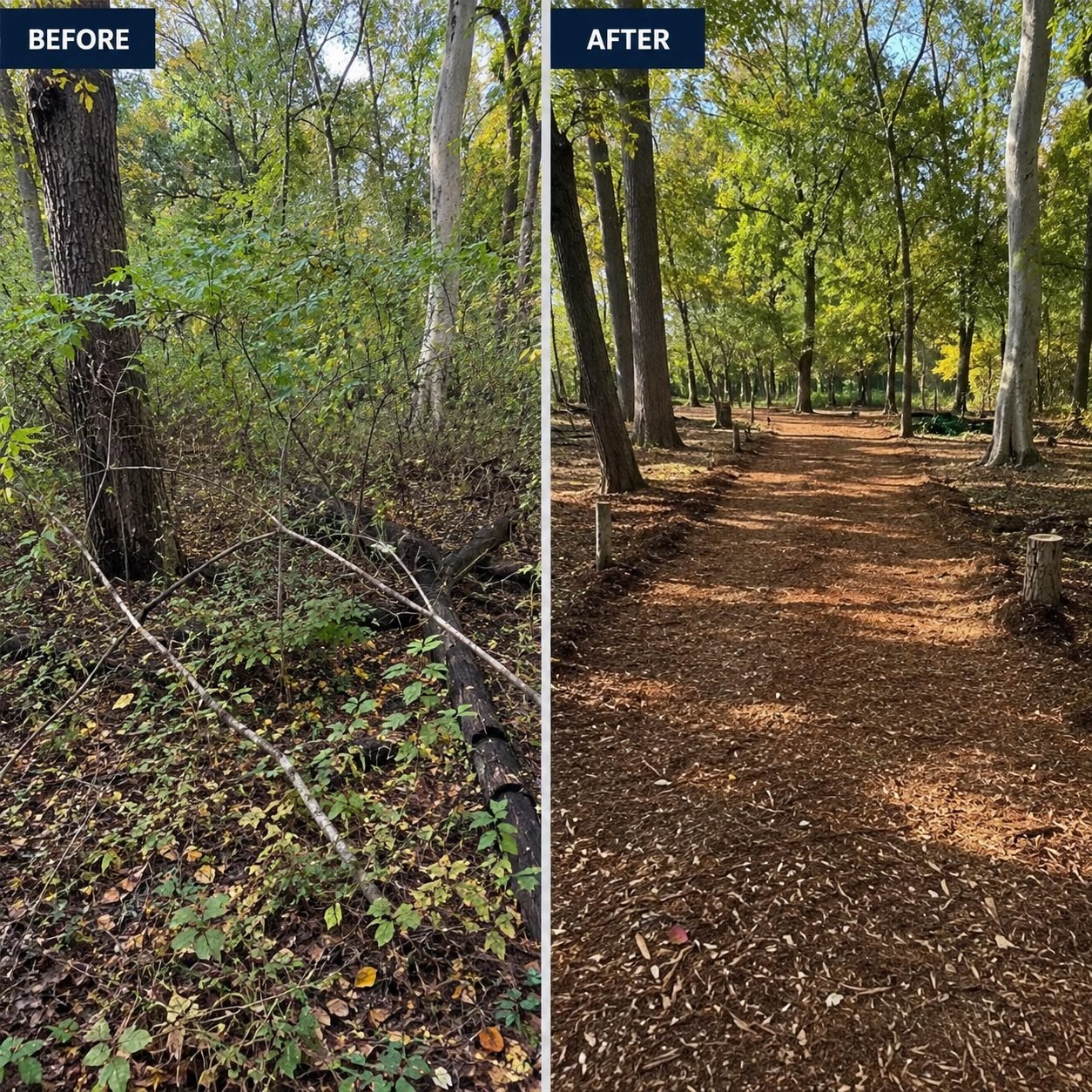
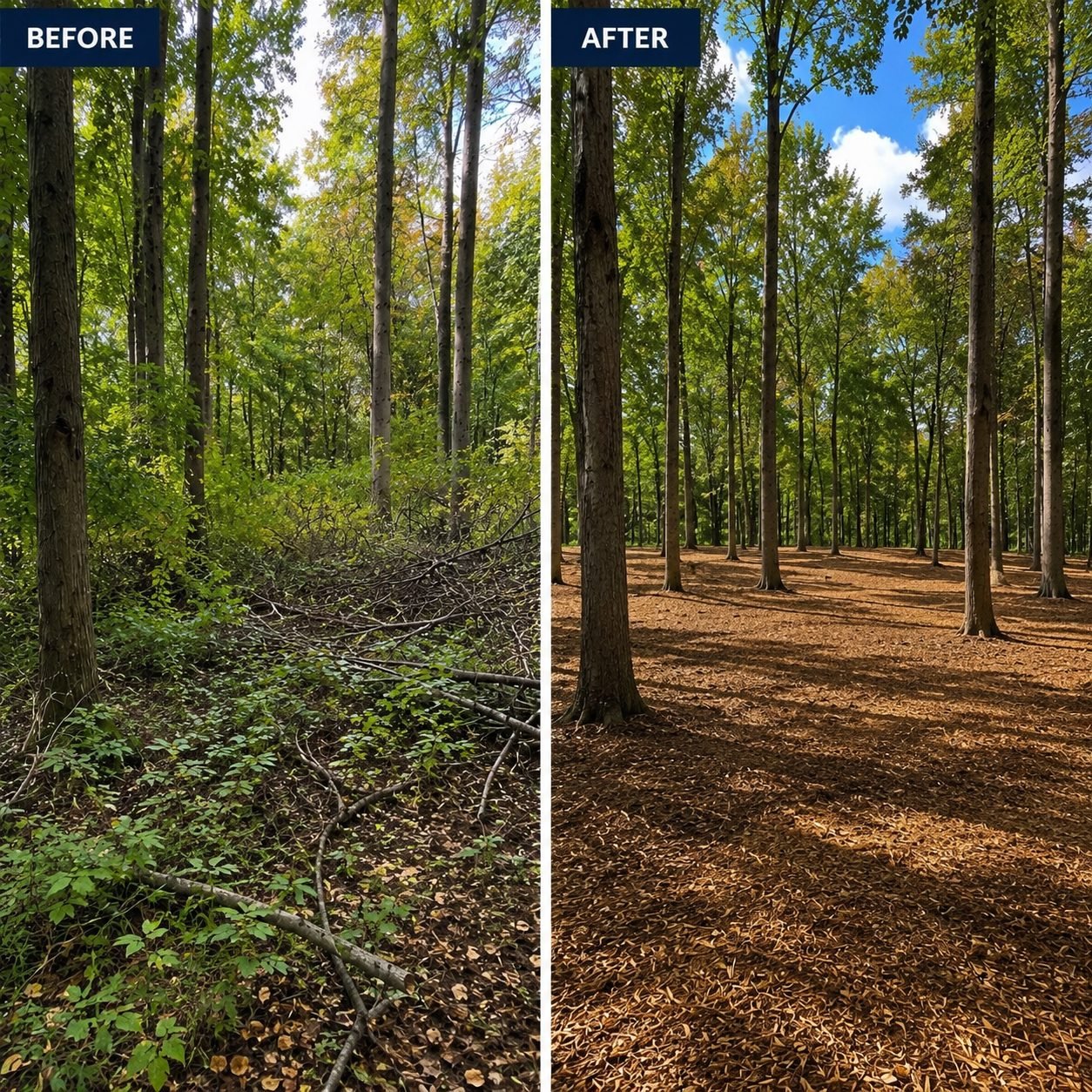
What does a before-and-after pasture clearing project look like in Etna?
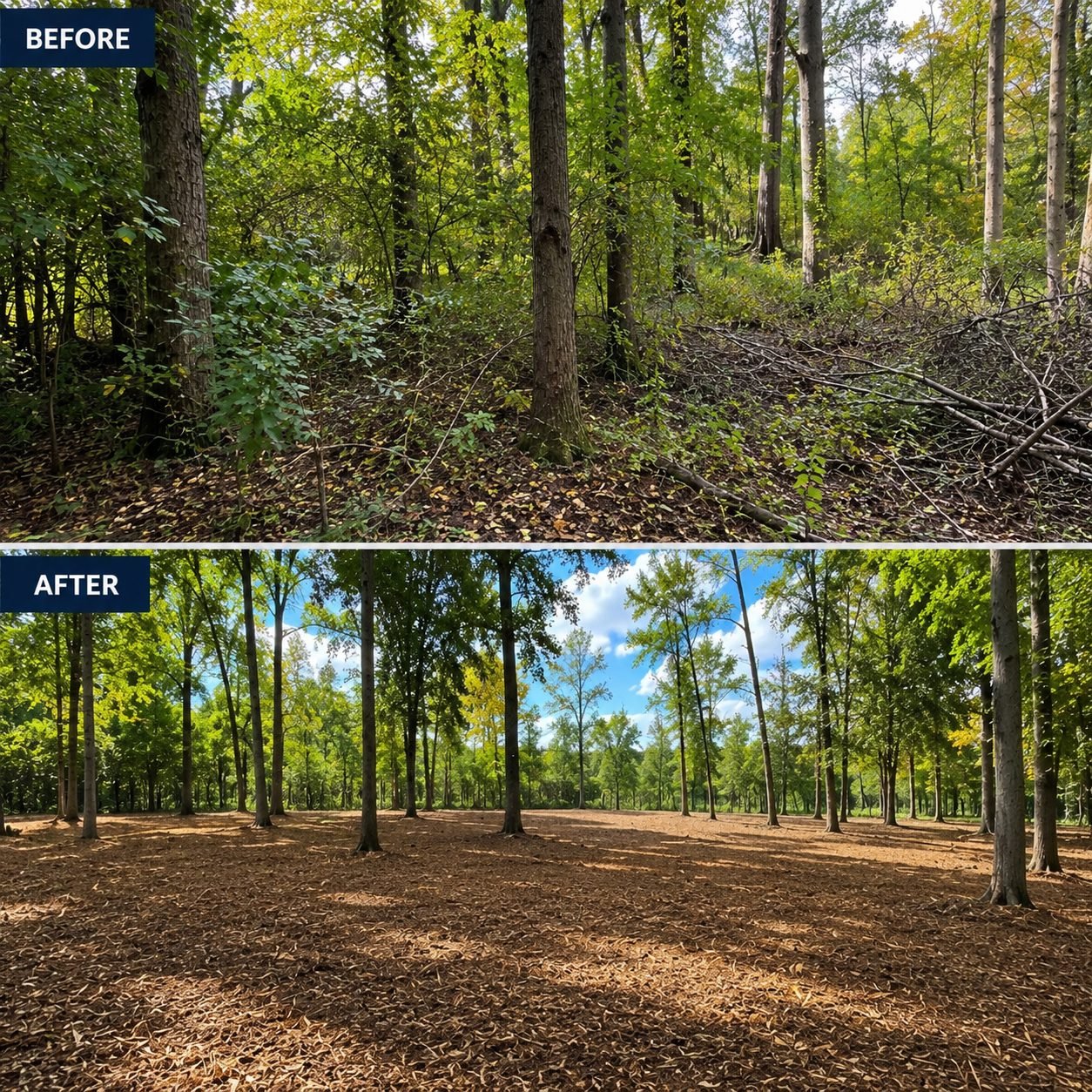
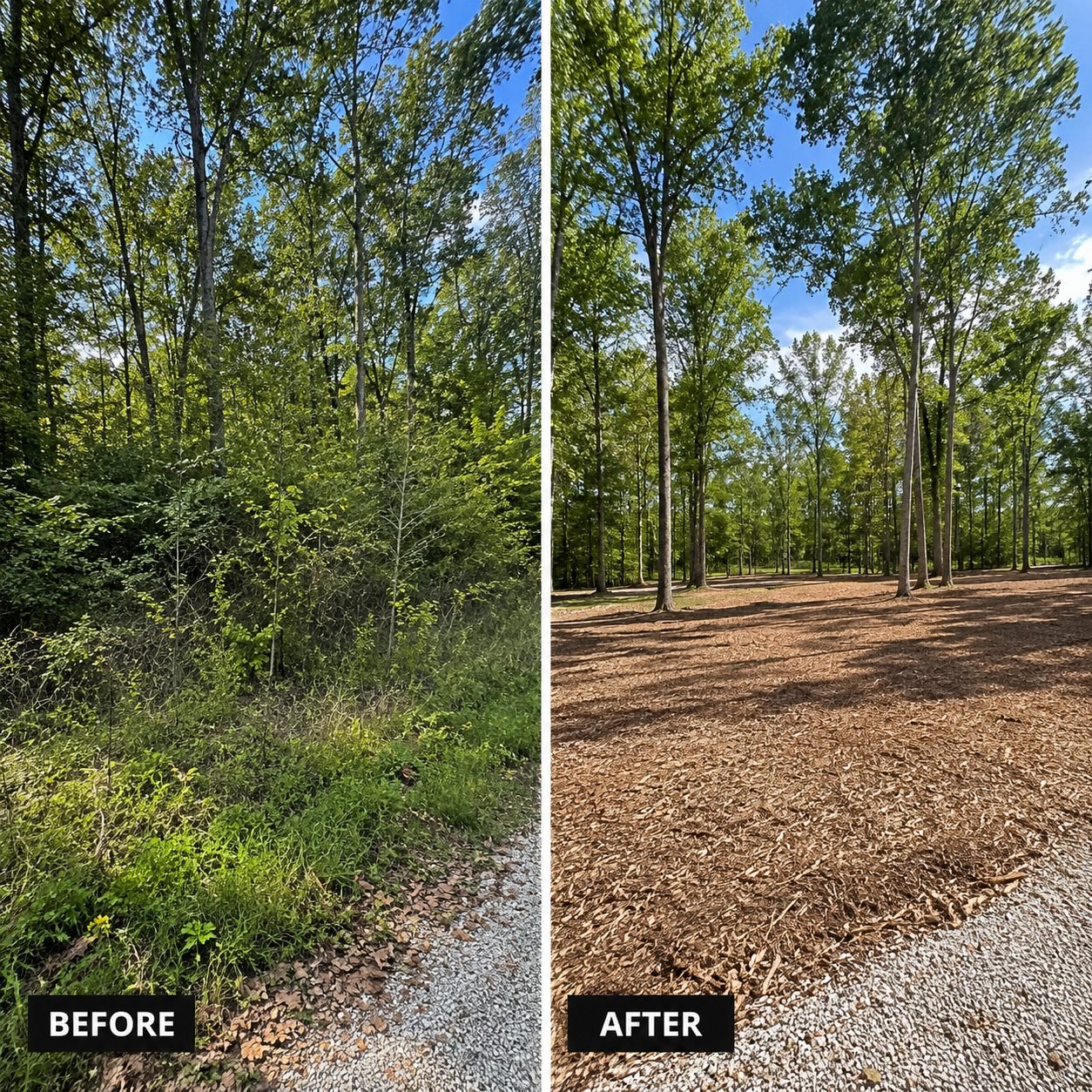
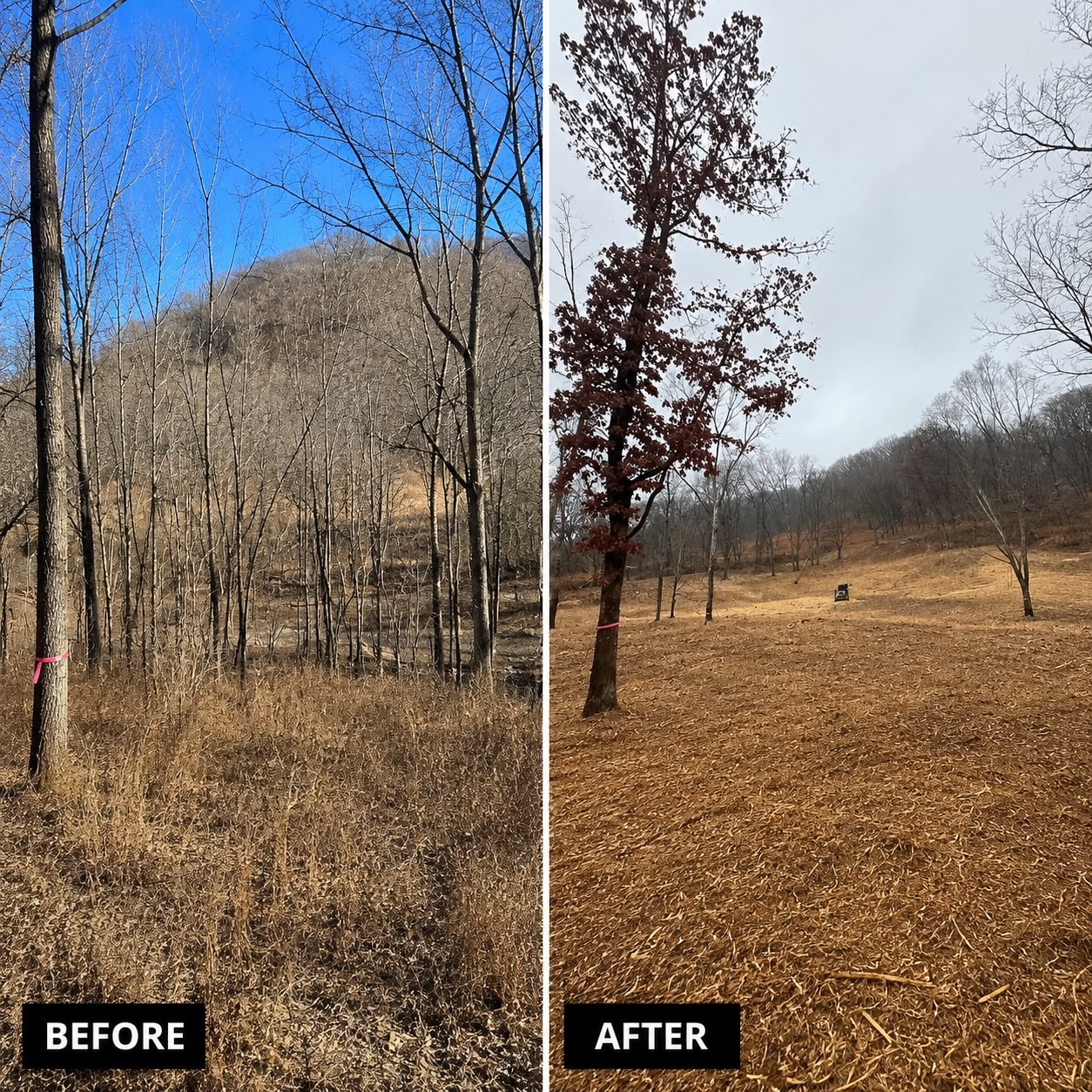
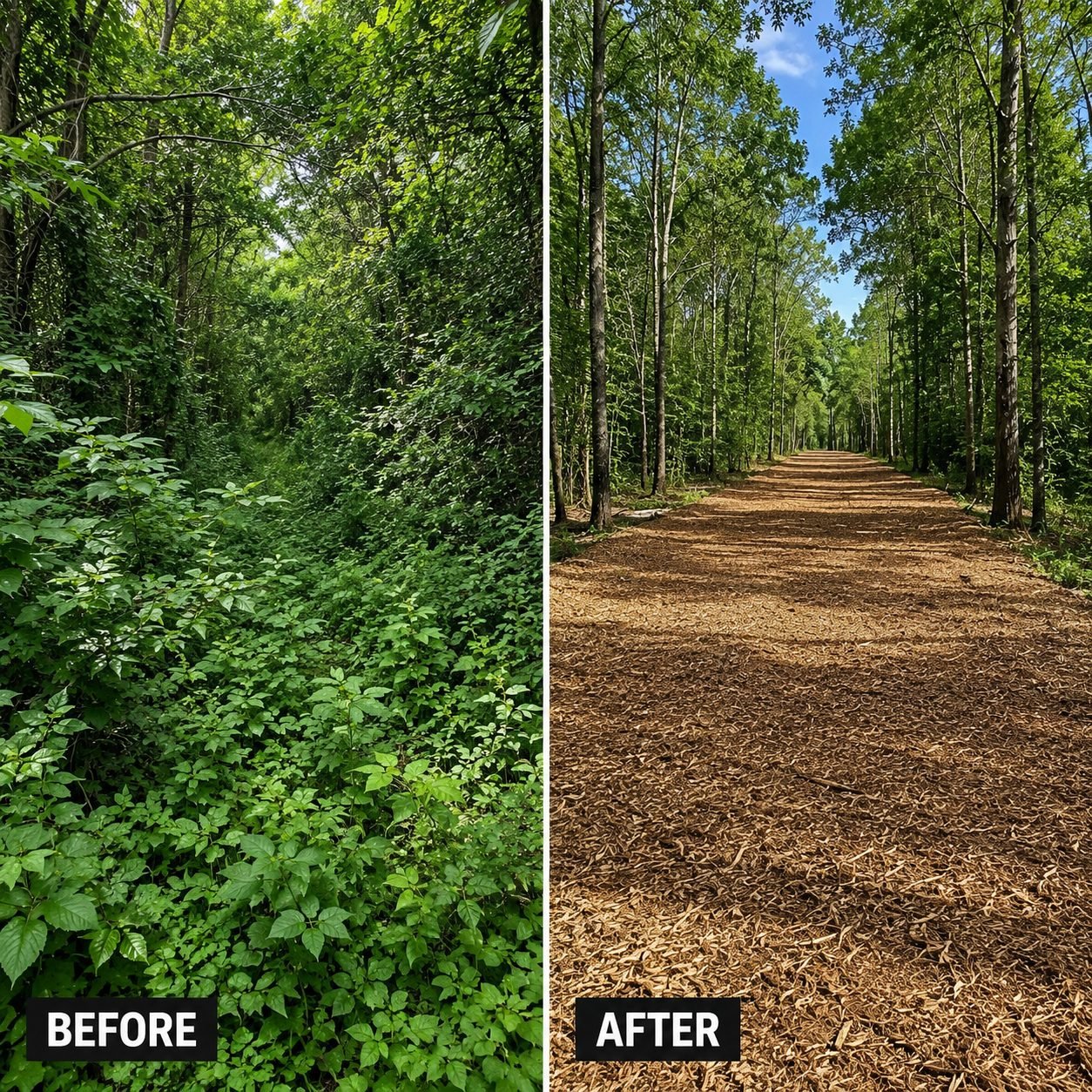
Before: overgrown former farmland, woody edges, and thick grass on a large Etna parcel near I-70. After: cleared acreage ready for warehouse, industrial, or subdivision work, with material mulched or removed based on the plan. The crew sizes the finish to the site and the next phase.
Frequently asked questions
During business hours, Fortress typically responds in 2 to 3 hours and can schedule same-week walk-throughs. That matters in Etna because many pasture clearing jobs sit on active development timelines along the I-70 corridor. The free on-site visit lets the team confirm acreage, access, and whether mulching or full clearing fits the parcel.
Yes, if the job includes digging, stump work, excavation, or any ground-disturbing step. Ohio Revised Code 3781.28 requires an Ohio 811 utility locate at least 48 hours before digging. Fortress helps sequence the work correctly so the pasture clearing plan does not stall once the crew reaches the site.
Etna has clay-heavy glacial till, so wet spots can hold equipment, slow debris handling, and affect how cleanly roots or stumps come out. That is why Fortress checks moisture, access, and ground conditions during the walk-through. The team then chooses the right sequence for mulching, pushing, or full removal.
Yes. That is one of the most common uses in Etna, where large distribution and warehouse parcels are often carved from former farmland along US-40 and Blacklick Creek. Fortress clears brush, saplings, and heavier growth so the next contractor can handle grading, utilities, and pad preparation.
Fortress looks at the end use, density, access, and whether the buyer wants vegetation reduced or the site stripped to buildable ground. On Etna acreage, mulching is often the more economical choice for light to moderate overgrowth, while full clearing fits warehouse and industrial sites that need a more complete reset.
Have the parcel address, approximate acreage, and a clear idea of the intended use ready for the walk-through. If the site is in or near Etna Township, mention access points, wooded edges, wet areas, or old fencelines. That helps Fortress builds a flat-rate quote that reflects the real conditions.
Pasture Clearing Near Etna
What Other Services Does Fortress Offer in Central Ohio?
Fortress Level Construction runs a full range of land-clearing, excavation, grading, and site-work services across Central Ohio, so one owner-operated crew can clear, grade, and prep a site end to end.
Get a Flat-Rate Quote from Lee Carson
Owner-operated land clearing across all five Central Ohio counties. Send your property details and Lee gets back to you within 2 to 3 hours during business hours with one flat number after a free on-site walk-through.