
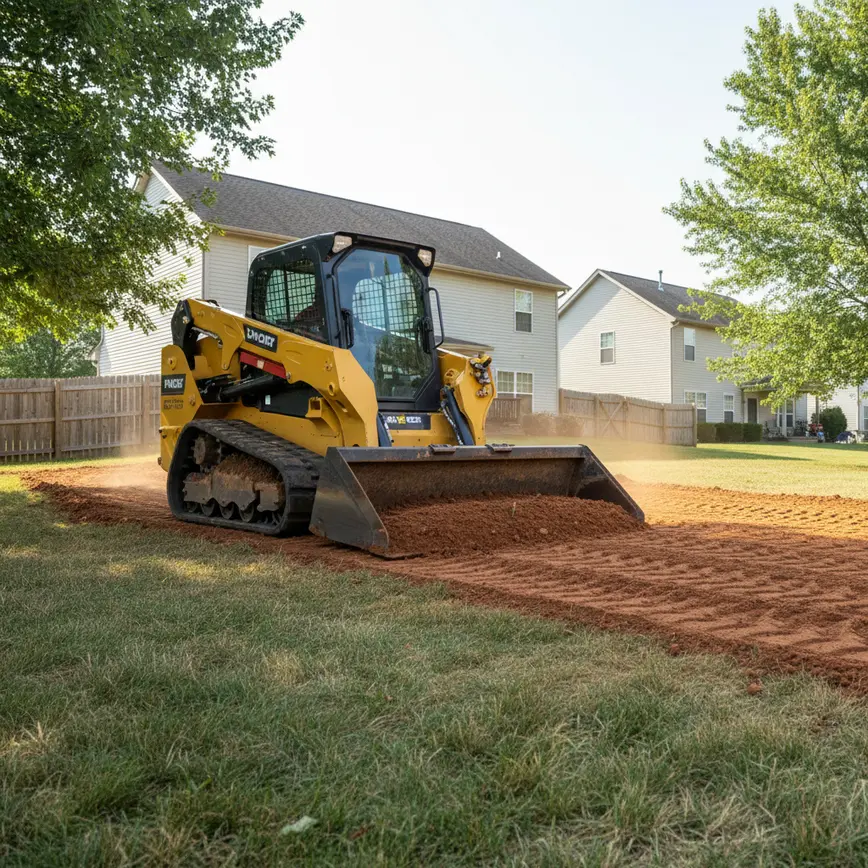

What does a Grading Company in Whitehall, Ohio need to do on tight infill lots?
Yes. In Whitehall, a grading company has to work around compact mid-century lots, dense spacing, and heavy clay subsoil east of Columbus in Franklin County. Fortress Level Construction uses compact track loaders, dozers, and excavators to shape drainage, control access, and prepare stable building pads without overrunning the site.
The Quick Answer
- Whitehall grading work is usually about solving tight access, clay drainage, and small-lot pad preparation, not broad open-field shaping.
- Fortress Level Construction is licensed and insured, with Lee Carson and the crew handling the job together, not as a one-person setup.
- The team uses John Deere 333G compact track loaders, plus dozers and excavators, which helps on dense mid-century lots near East Main and Broad Street.
- Ohio 811 utility locate is required at least 48 hours before digging under Ohio Revised Code 3781.28.
- Free on-site walk-throughs and flat-rate quotes help land grading budgets stay in the real Whitehall range of about $1,000 to $3,000 per project.
- The compact inner-ring setting east of Columbus means grading often has to protect adjacent driveways, fences, and narrow side yards.
- Heavy glacial-till clay, including Crosby, Miamian, and Kokomo silt loams and clays, affects cut, fill, and drainage timing.
- Fortress responds in 2 to 3 hours during business hours and can schedule same-week walk-throughs.
Related Questions People Ask Next
Whitehall has tight, established mid-century lots and dense residential spacing, so grading has to be compact, careful, and fast in and out. Fortress plans for narrow access, clay subsoil, and drainage paths that fit the site, especially near the East Main and Broad Street corridors and around older infill parcels.
The crew uses compact track loaders, dozers, and excavators to cut, fill, and re-shape heavy clay without tearing up the lot more than necessary. On Whitehall’s flat glacial-till plain, the work is usually about moving water away from structures and creating a stable pad that will hold grade through wet cycles.
Have the address, project goal, and any drainage or building-plan details ready. Fortress then does a free on-site walk-through, confirms access limits, and gives a flat-rate quote. Because Whitehall is compact and infill-heavy, the crew also checks for utility locate timing, adjacent improvements, and whether the lot needs staged work.
Yes. That is a common fit for Whitehall’s small mid-century lots, where the work has to happen close to neighboring structures and fences. The team uses smaller, more maneuverable equipment and plans the sequence carefully so the finished grade works with the lot instead of forcing bigger demolition or rework.
How does a grading company work on Whitehall’s small mid-century lots?
Whitehall grading starts with access, not equipment size. On compact lots east of Columbus, the crew maps entry points, existing structures, and water flow before any cut or fill. Fortress then stages compact track loaders, dozers, and excavators to shape the site with minimal disturbance and a flat-rate quote.
Dense residential spacing around Whitehall means the crew often works beside existing homes, driveways, fences, and small side yards. That changes the grading sequence: the team has to move soil in shorter passes, keep spoil controlled, and avoid overworking the heavy clay that holds water on these established parcels.
Because Whitehall has no named neighborhoods and behaves like a compact village edge inside Franklin County, the practical question is site fit. Near East Main, Broad Street, and the DSCC area, Fortress grades for drainage and buildability on tight infill lots, where a free walk-through helps define whether the job lands in the $1,000 to $3,000 range.
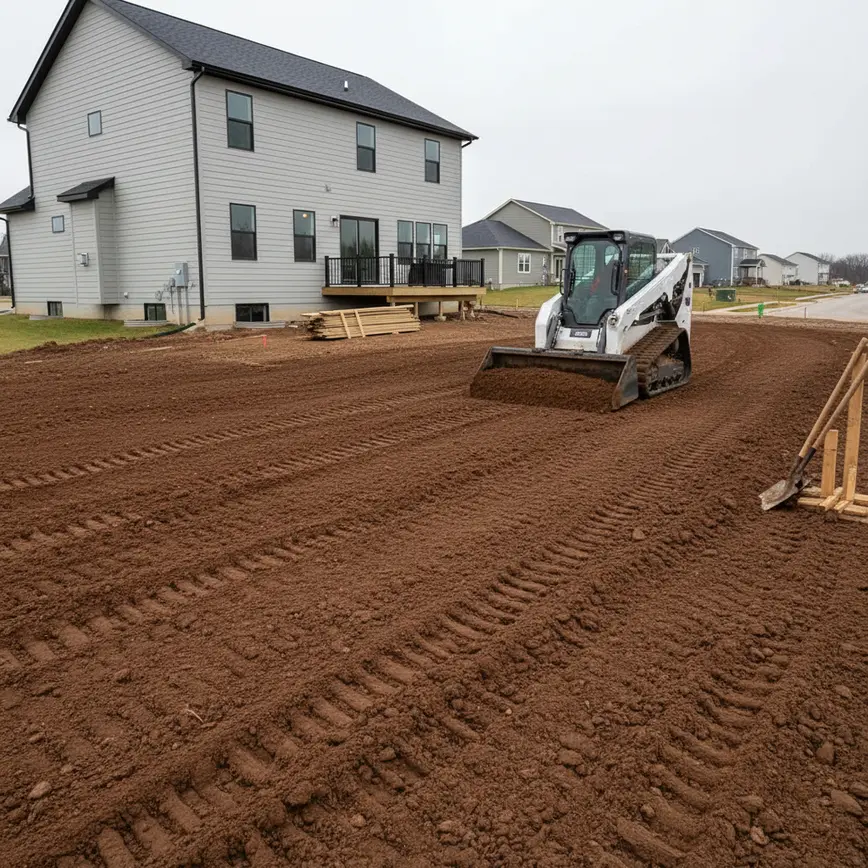
What equipment does Fortress uses for Whitehall grading jobs?
Fortress matches Whitehall’s tight access with John Deere 333G compact track loaders, plus dozers and excavators for cut, fill, and pad correction. The 333G setup, paired with Diamond drum mulchers when clearing is needed, handles stems up to 14 inches and keeps the work practical on small lots.
On Whitehall properties, compact track loaders matter because they can move material without demanding a wide open jobsite. That is useful on mid-century lots with limited side access, especially where the grade has to be corrected between mature trees, existing buildings, and hard edges near Columbus-facing corridors.
For grading only, the crew focuses on bucket work, shaping, and compaction support rather than unnecessary clearing. When the job includes overgrown edges, the same equipment package can pair grading with mulching, but the main priority in Whitehall is still a stable surface that drains across flat glacial-till terrain and heavy clay.
How does Whitehall clay change grading cost and scheduling?
Whitehall’s Crosby, Miamian, and Kokomo silt loams and clays make grading slower than it looks on a flat map. Fortress factors in machine time, access limits, and rework risk during the free walk-through, then gives a flat-rate quote that often fits the $1,000 to $3,000 project range.
Heavy clay can hold water, smear under the wrong conditions, and take extra passes to shape correctly. That means Whitehall grading is not priced like a quick dirt push on easy ground. The crew looks at moisture, haul distance, and the amount of correction needed to make the pad settle and drain properly.
Scheduling also matters because Whitehall sits close to Columbus, Bexley, Reynoldsburg, and Gahanna, so the crew has to plan access and timing efficiently. Fortress responds in 2 to 3 hours during business hours and offers same-week walk-throughs, which helps owners move quickly once utility locates are cleared.
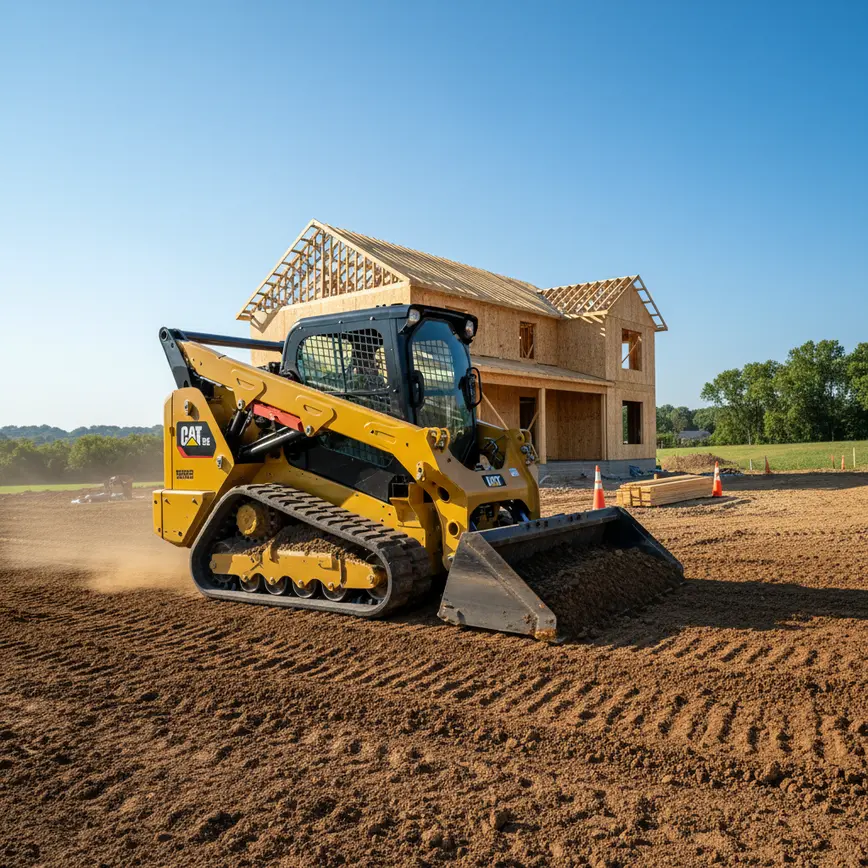
Why does drainage grading matter so much near East Main and Broad Street in Whitehall?
Whitehall grading often centers on drainage because the area is relatively flat, yet clay subsoil still traps water if the surface is left wrong. Fortress shapes fall, swales, and pad edges so runoff moves away from structures, driveways, and tight side yards instead of pooling after rain.
Along East Main and Broad Street, plus the nearby routes toward I-70 and I-270, lots have to be graded with the surrounding development in mind. A small error can push water toward a garage, basement wall, or adjacent lot, which is why the crew checks grade lines before final compaction.
At the free on-site walk-through, Fortress looks at how the soil drains, where the existing low spots sit, and whether the job needs cut and fill balance or imported material. That keeps Whitehall projects practical for the site, the budget, and the finished surface expected on dense infill property.
How is Whitehall grading different from other Central Ohio sites?
Whitehall grading is defined by tight urban infill, not open acreage. Compared with bigger-lot work, the crew spends more time on access, drainage control, and precision around existing structures. That changes equipment choice, project sequencing, and cost review during the free walk-through.
| Site condition | Whitehall grading approach | Typical crew focus | Fortress equipment |
|---|---|---|---|
| Small mid-century lot | Compact staging and short travel paths | Protect adjacent homes and fences | John Deere 333G compact track loaders |
| Heavy clay subsoil | Shape drainage and manage moisture | Reduce rework and settling risk | Dozers and excavators |
| Dense residential spacing | Work within narrow access limits | Keep disturbance controlled | Compact track loaders |
| Drainage-sensitive pad | Set fall away from structures | Balance cut and fill carefully | Dozers and excavators |
| Overgrown edge or lot clearing | Grade after targeted clearing | Keep the site usable and clean | 333G with Diamond drum mulcher |
When is grading company work not the right call in Whitehall?
If the problem is standing water from a broken drain line, sewer backup, or a utility conflict, grading alone is not the fix. Whitehall lots also may need permits or locates before work can start. Fortress will not guess; the crew checks the site and points you toward the right next step.
On a tight Whitehall lot, some drainage issues look like grading problems but are actually pipe, downspout, or utility issues. If the water source is below surface level or tied to a failing line, the right move is diagnosis first, then grading after the cause is addressed.
If the property sits near the DSCC area, East Main, Broad Street, or other dense access corridors, work may also need extra planning before excavation. Ohio 811 must be marked at least 48 hours before digging under Ohio Revised Code 3781.28, so the crew helps keep the job legal and sequenced correctly.
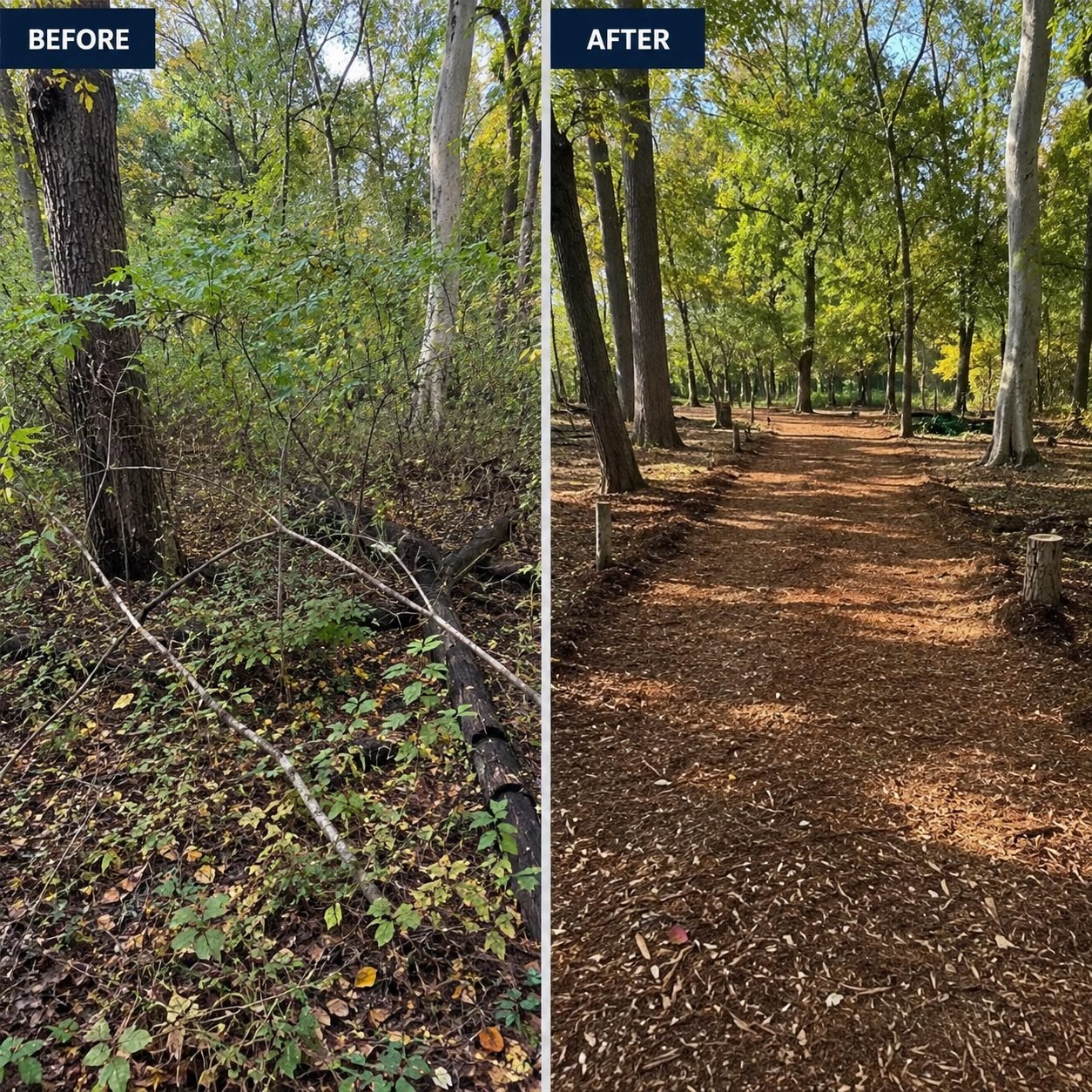
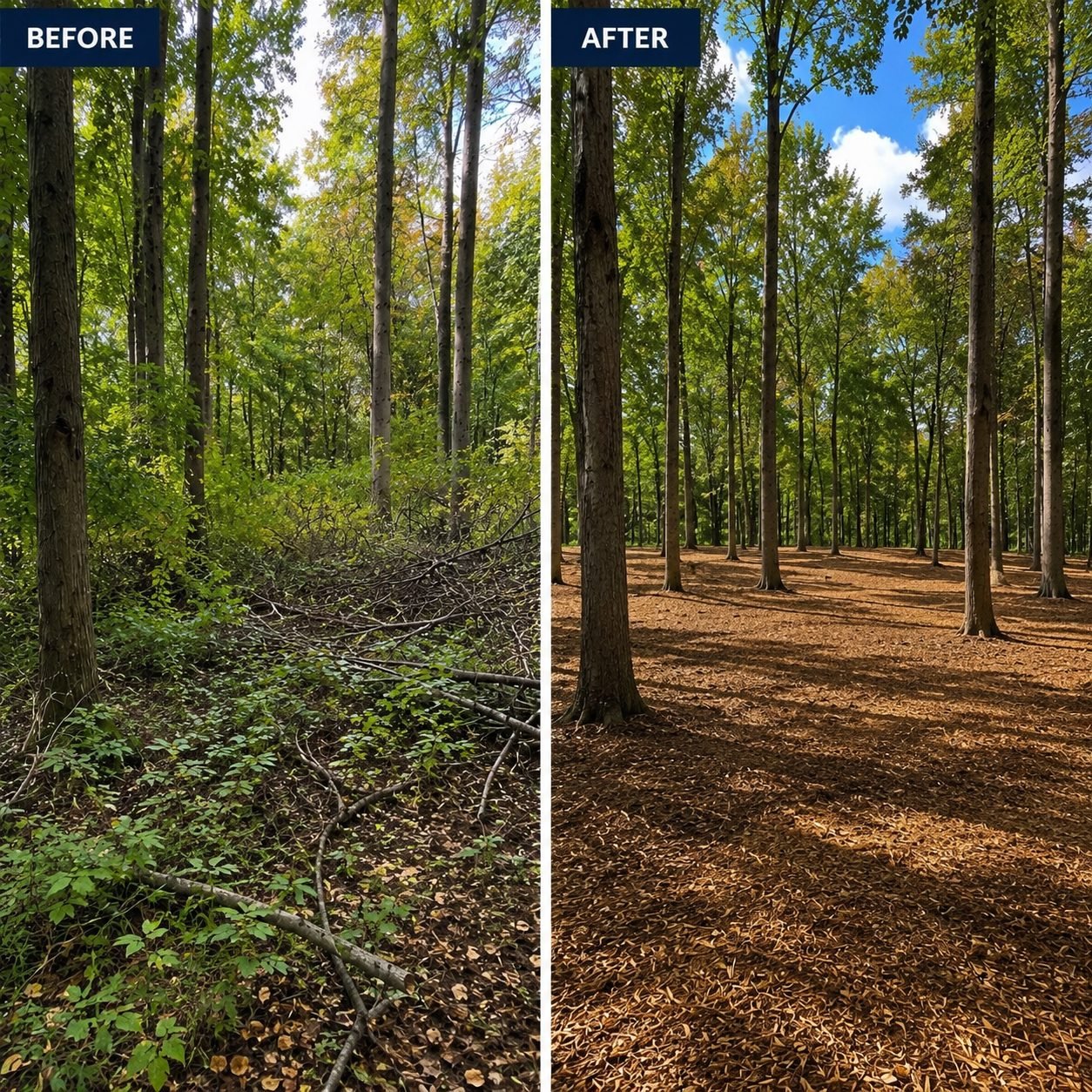
What does a Whitehall grading project look like before and after?
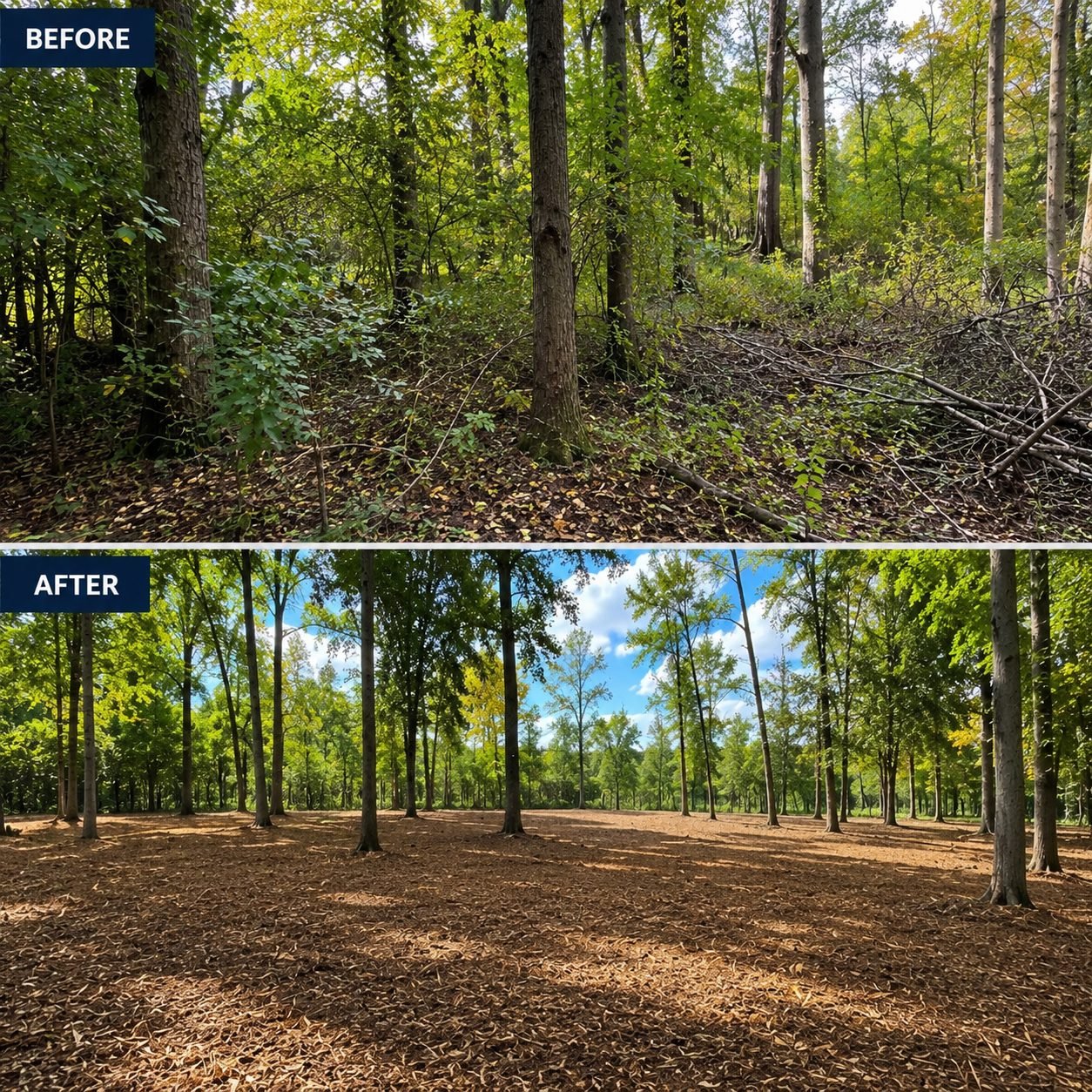
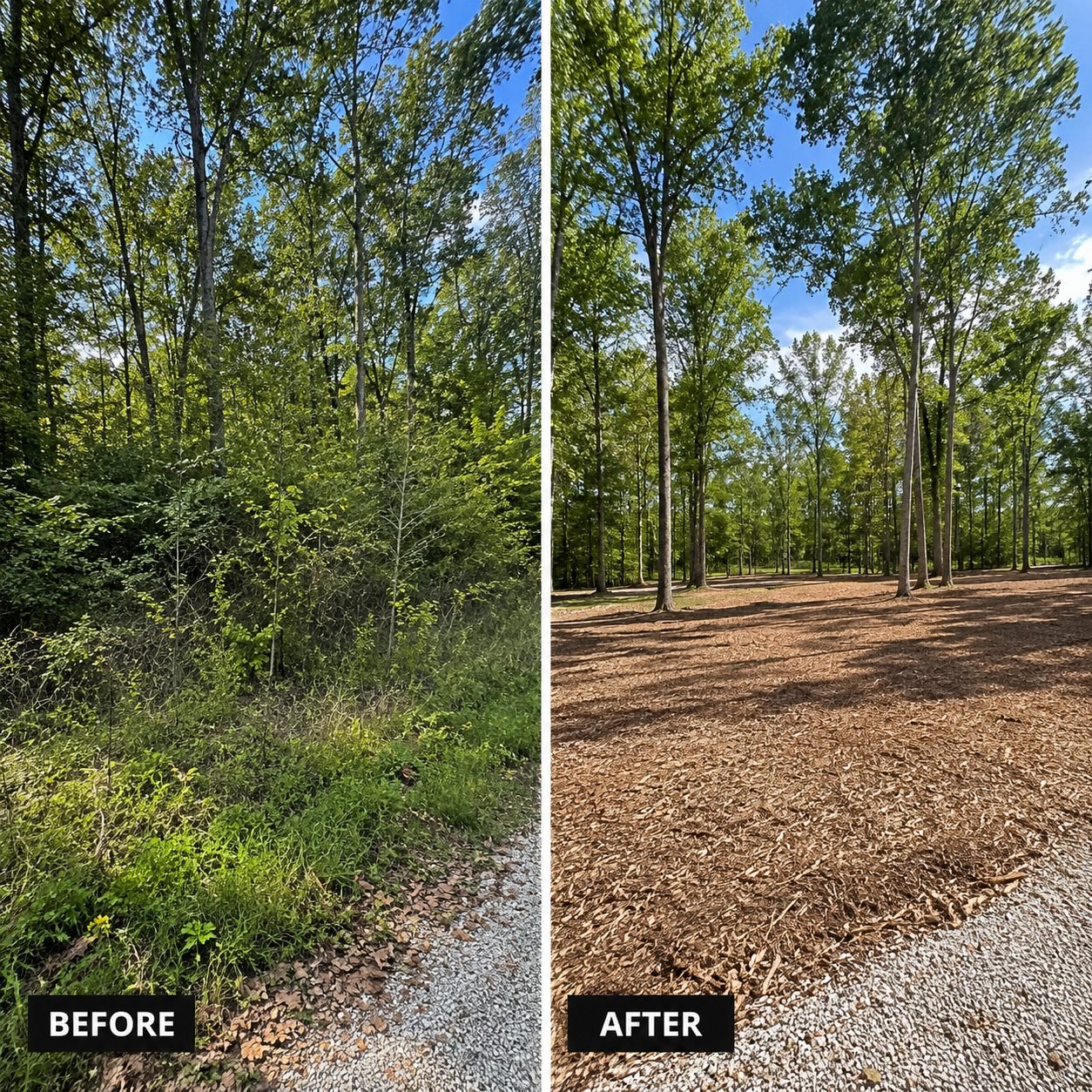
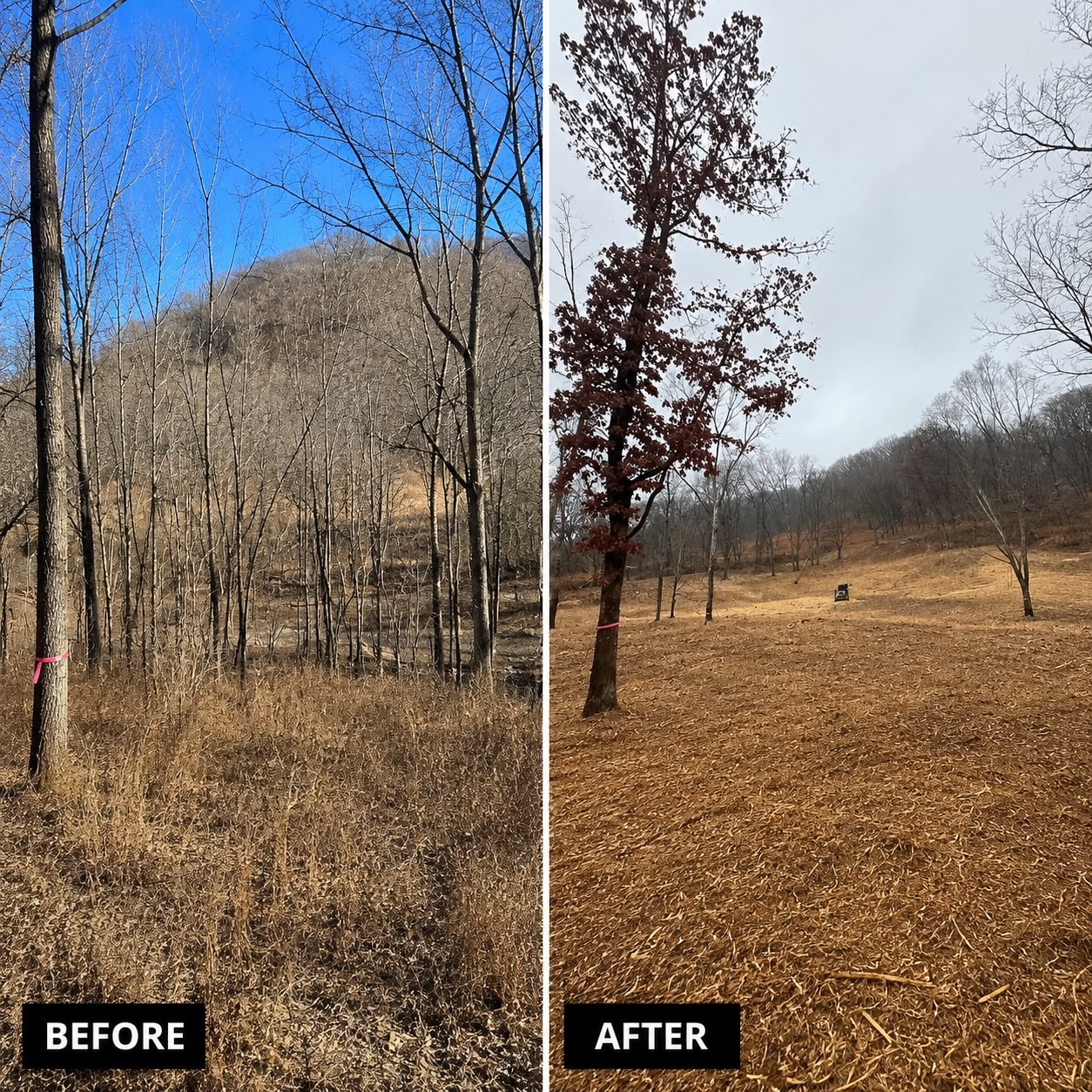
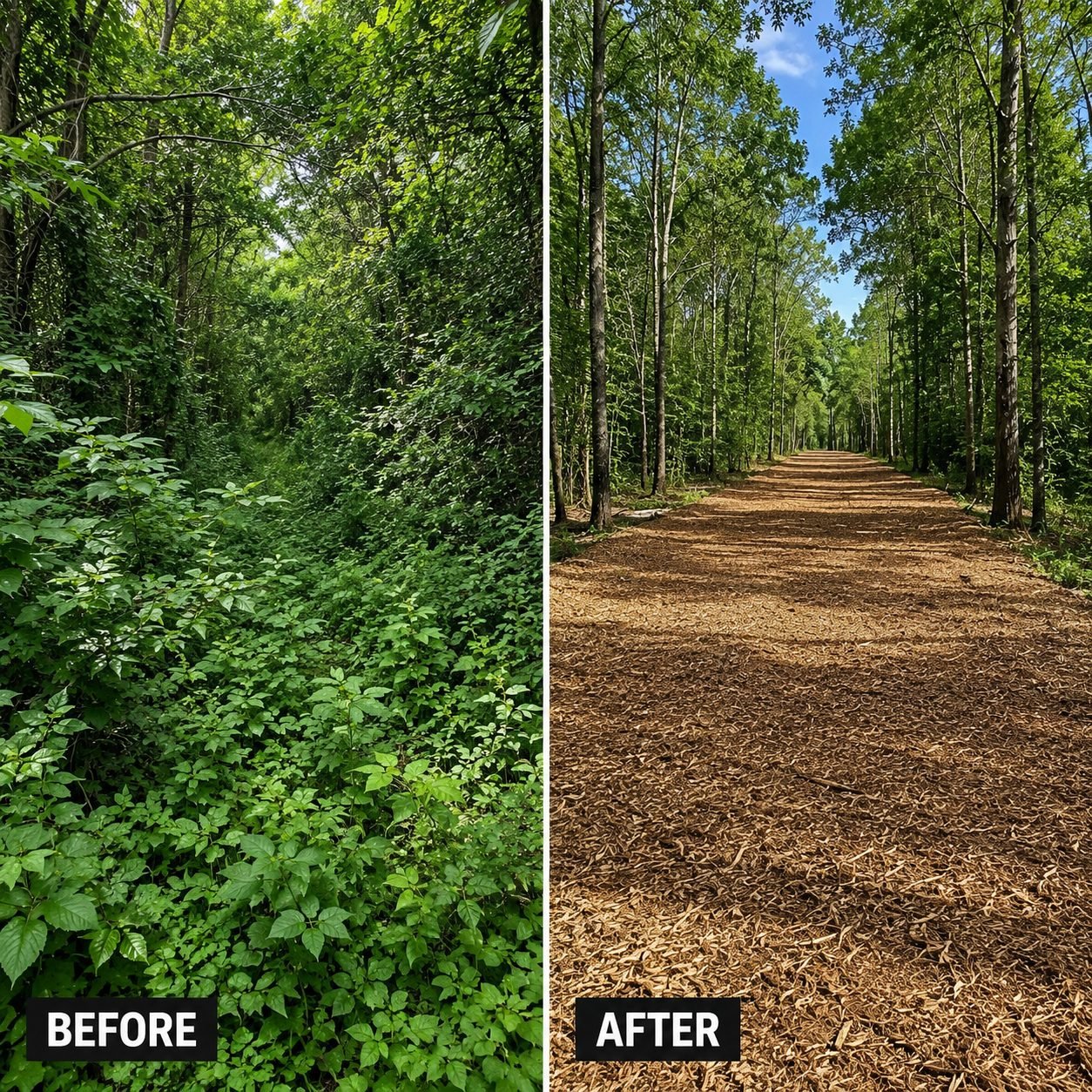
Before, Whitehall lots often show ruts, low spots, trapped water, and uneven access on a narrow mid-century parcel. After, the grade is shaped to shed water, support a stable pad, and fit the small-lot footprint common east of Columbus without needless disturbance.
Frequently asked questions
During business hours, Fortress typically responds in 2 to 3 hours and can often set same-week walk-throughs. For Whitehall, that quick timing helps because small infill lots and tight access near established homes can affect scheduling. The visit is free, and the quote is flat-rate once the crew sees the site.
A Whitehall grading quote usually covers the site visit, access review, drainage plan, equipment time, and the soil-moving steps needed to correct the lot. Fortress uses flat-rate quotes so the price reflects the real scope, which often lands in the $1,000 to $3,000 project range for local grading work.
Yes. Ohio law requires an Ohio 811 utility locate at least 48 hours before any digging. That matters in Whitehall because dense residential spacing leaves little room for error. The crew will help sequence the job so locates are completed before excavation begins and the work stays safe and compliant.
Yes. Those Whitehall locations still share the same core issue: tight, established lots with limited room to work. Fortress plans equipment access, protects nearby improvements, and grades for drainage and stability. The exact setup depends on the lot, but the team is used to compact urban infill conditions.
The local Crosby, Miamian, and Kokomo silt loams and clays can hold moisture and resist clean shaping. That often means more careful cutting, filling, and compaction, especially on a flat site. Fortress adjusts machine passes and timing so the finished grade drains correctly instead of looking good only for a day.
Fortress Level Construction has worked across Central Ohio since 2009, is licensed and insured, and is led in the field by Lee Carson and the crew. For Whitehall, that matters because the job usually needs fast response, compact equipment, and real attention to access, clay, and drainage on a small lot.
Grading Company Near Whitehall
What Other Services Does Fortress Offer in Central Ohio?
Fortress Level Construction runs a full range of land-clearing, excavation, grading, and site-work services across Central Ohio, so one owner-operated crew can clear, grade, and prep a site end to end.
Get a Flat-Rate Quote from Lee Carson
Owner-operated land clearing across all five Central Ohio counties. Send your property details and Lee gets back to you within 2 to 3 hours during business hours with one flat number after a free on-site walk-through.