
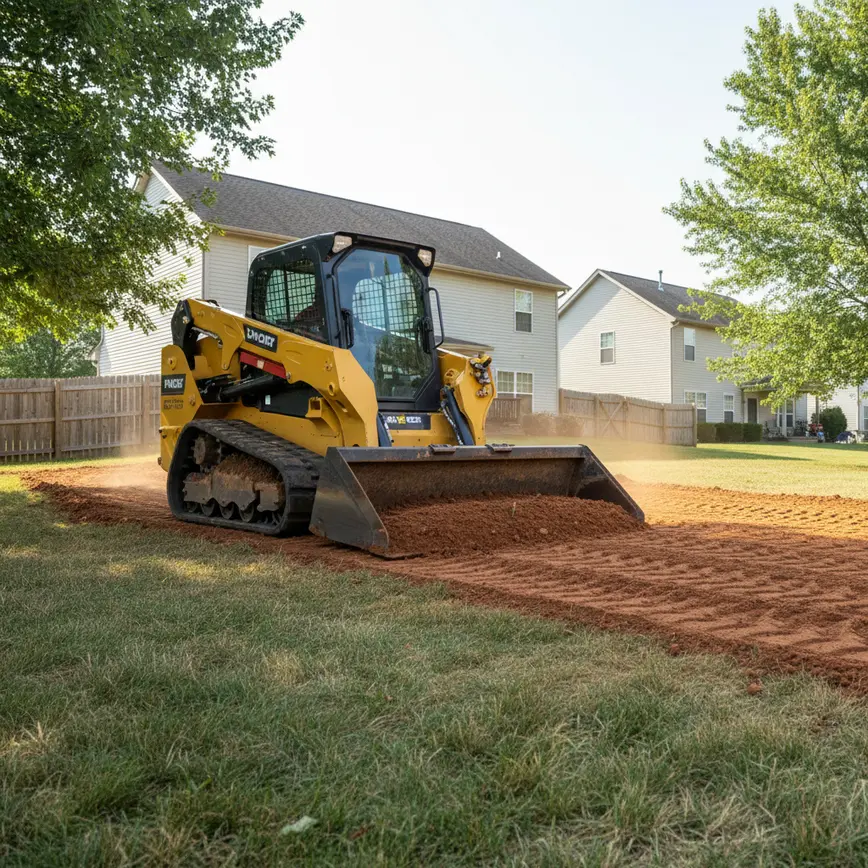

What does a grading contractor in Lancaster, Ohio handle for rocky upland lots?
Fortress Level Construction handles Lancaster grading contractor work for clay uplands, Blackhand sandstone ground, and established city lots around the Fairfield County seat. The crew uses dozers, excavators, and John Deere 333G compact track loaders to cut, shape, and smooth sites for drainage, pads, and access. Free walk-throughs and flat-rate quotes help define scope fast.
The Quick Answer
- Lancaster grading work often means shaping clay uplands, rockier ground, and older urban lots in the Fairfield County seat.
- Fortress Level Construction gives free on-site walk-throughs and flat-rate quotes before the crew starts grading.
- The crew uses dozers, excavators, and John Deere 333G compact track loaders when a Lancaster site needs cut, fill, or finish grading.
- Blackhand sandstone and hillier uplands can change machine selection, slope control, and how much excavation is needed.
- Lancaster jobs can range from compact downtown parcels near Square 13 to rural upland lots outside the city.
- Ohio law requires an Ohio 811 utility locate at least 48 hours before any digging.
- Lee Carson, a combat veteran, founded Fortress, and the crew handles the field work as a team.
- Typical Lancaster grading projects usually land in the $1,000 to $3,000 range, depending on access, slope, soil, and finish requirements.
Related Questions People Ask Next
In Lancaster, grading contractor work often starts with controlling slope on clay uplands and rockier ground instead of simply moving dirt. The crew may need dozers for rough cut, excavators for heavier reshaping, and compact track loaders for finish work. That matters on upland parcels around the Hocking River valley and on smaller established lots near downtown.
A Lancaster grading contractor quote usually reflects lot access, slope, soil type, and whether the site is an urban parcel or a rural upland lot. Fortress gives flat-rate quotes after a free walk-through, so you know the scope before work begins. Most local grading jobs fall in the $1,000 to $3,000 range.
Blackhand sandstone can make Lancaster grading more machine-intensive because rockier ground often needs excavation, careful cutting, or repeated passes to establish grade. That is different from smoother farmland near the Hocking River valley. Fortress plans the equipment around the ground, using dozers, excavators, and compact track loaders where each fits the site.
Yes. Lancaster has established urban lots as well as hillier rural parcels on the surrounding uplands, and the crew handles both. Tight city access near historic Square 13 may call for smaller, precise grading moves, while upland sites may need heavier shaping. The team adjusts the plan after a free on-site walk-through.
How does grading contractor work fit Lancaster’s hills, rocks, and urban lots?
Lancaster grading contractor work starts with slope, drainage, and soil, because this Fairfield County seat mixes established urban lots with upland ground. The crew studies access, clay, and Blackhand sandstone before moving dirt. On a 50 minute drive from Westerville, the right machine choice keeps cut and fill efficient around the Hocking River valley.
For Lancaster, the first pass is not guesswork. Fortress looks at whether the parcel sits near downtown Square 13, along the historic core, or out on hillier rural ground. That shapes whether the crew brings in a dozer, excavator, or a John Deere 333G for finish grading and contour control.
Because Lancaster is a gateway to the Hocking Hills and sits near Pickerington, Baltimore, Amanda, and Sugar Grove, site conditions can shift fast from valley farmland to rocky uplands. The crew prices the work by scope, access, and soil, with many projects landing in the $1,000 to $3,000 range.
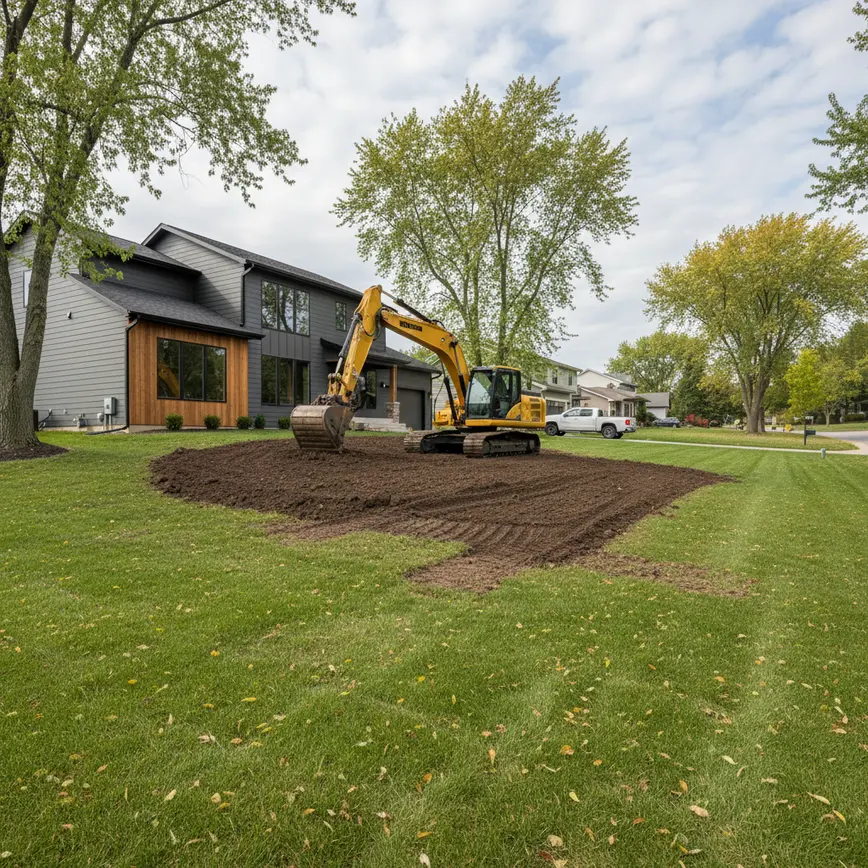
What equipment does Fortress uses for Lancaster grading projects?
For Lancaster grading, Fortress uses John Deere 333G compact track loaders with Diamond drum mulchers, plus dozers and excavators for heavier shaping. The loader setup handles stems up to 14 inches and can cover 1 to 5 acres per day when clearing and roughing grade. That speed helps on rockier uplands and tighter city lots.
Lancaster sites often need more than a simple scrape. Clay uplands may hold water, while Blackhand sandstone can stop lighter machines. The crew chooses equipment based on whether the job is finish grading for a pad, rough grading for access, or correction work on an older lot near the city center.
On rural parcels outside Lancaster, the same machine plan must respect hillier terrain and uneven grades. On established urban lots, the team may need smaller, precise movements around drive paths and structures. The flat-rate quote reflects the machine time, not a generic landwork estimate.
How much does grading contractor work usually cost in Lancaster?
Lancaster grading contractor pricing depends on slope, rock, drainage correction, and how much equipment time the site needs. Fortress gives flat-rate quotes after a free walk-through, which helps on upland lots and small city parcels alike. Most projects here fall in the $1,000 to $3,000 range, with utility locates required before digging starts.
A Lancaster quote changes quickly if the parcel has Blackhand sandstone, tight access, or an uneven surface that needs repeated machine passes. A flat, fertile valley lot is usually simpler than a hillside site above the river valley. The crew explains the likely machine mix, expected grading steps, and timing during the walk-through.
Ohio law requires an Ohio 811 locate at least 48 hours before any digging, so utility timing is part of the schedule. That is especially important on older Lancaster properties where underground lines may not be obvious. The team plans around that requirement before excavation begins.
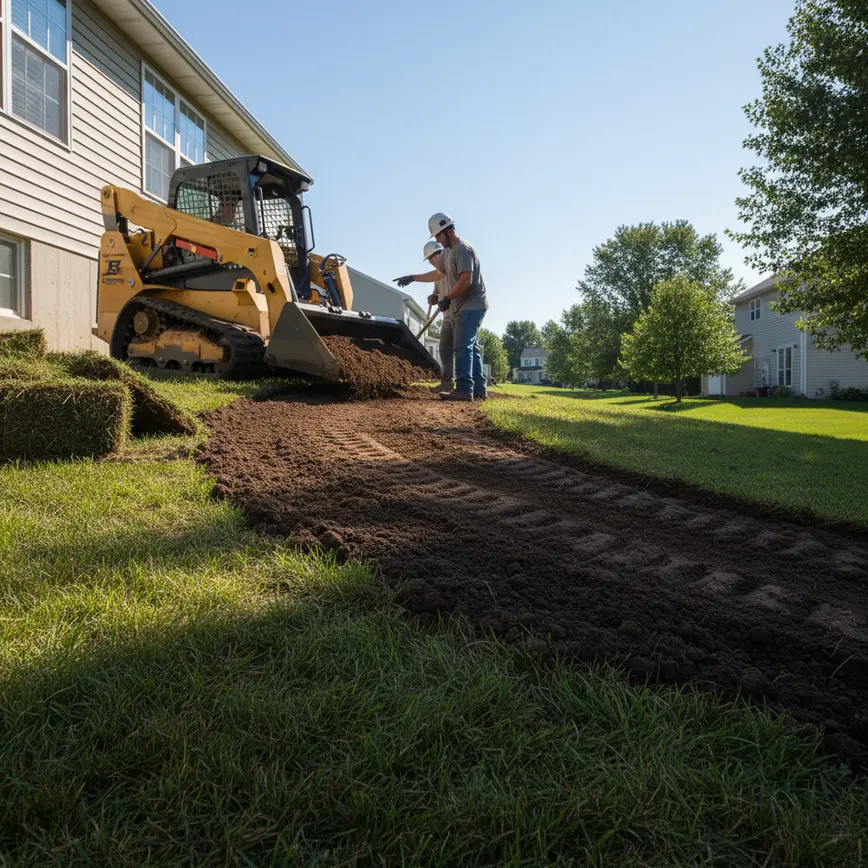
Why do Lancaster drainage and finish grade issues need a local crew?
Lancaster drainage problems often start with clay uplands, older lots, and slopes that push water the wrong way. Fortress shapes grade so water sheds off pads, drives, and additions without creating new soft spots. On a historic city parcel or a rocky upland, finish grading follows rough cut, compaction, and drain direction checks.
In Lancaster, the mix of Hocking River valley farmland and hillier uplands makes drainage planning site-specific. A level look is not enough if the grade traps water. The crew checks the fall, the approach, and the exit path so the finished surface works after rain, not just on day one.
Near historic Square 13 or around the Sherman House area, work often needs careful access and a tidy finish because the lots are older and more constrained. On rural upland parcels, the issue is often rock and slope. Either way, the quote reflects the actual grading sequence the site needs.
How do Lancaster grading methods compare across lot types?
Lancaster grading is not one-size-fits-all because the city mixes downtown lots, valley ground, and rocky upland parcels. Fortress matches the machine and method to the terrain so the site drains correctly and stays within budget. The comparison below shows how the same grading contractor job changes with access, slope, and soil.
| Lot type | Main Lancaster issue | Typical equipment | Quote focus |
|---|---|---|---|
| Historic downtown lot near Square 13 | Tight access and older surfaces | Compact track loader and excavator | Precision, haul paths, finish grade |
| Rural upland parcel | Hillier ground and Blackhand sandstone | Dozer, excavator, compact track loader | Cut, fill, slope control |
| Hocking River valley lot | Fertile soil and drainage direction | Compact track loader and dozer | Drainage, compaction, final elevation |
| Small established city lot | Space limits and nearby structures | Smaller equipment and careful passes | Access, cleanup, final surface |
| Mixed access site near nearby towns | Variable entry and uneven terrain | Crew-selected machine combo | Machine time, scope, utility locate |
When is Lancaster grading contractor work not the right call?
Grading contractor work is not the right call in Lancaster when the problem is inside the foundation, a utility failure, or a drainage issue that needs a pipe repair before any earthmoving. It also is not the first step if Ohio 811 has not cleared the dig area yet. In those cases, stop and fix the underlying issue first.
If a Lancaster property has standing water because of a blocked drain tile, broken line, or structural settlement, grading alone can hide the symptom without solving the cause. The crew can still help after the repair plan is in place, but the quote should follow the actual fix sequence so the site does not get reworked twice.
If the lot is in the Fairfield County seat but not yet marked by Ohio 811, do not let any digging begin. The law requires the locate at least 48 hours ahead of excavation. Once that step is complete, Fortress can walk the site, explain machine choice, and price the grading properly.
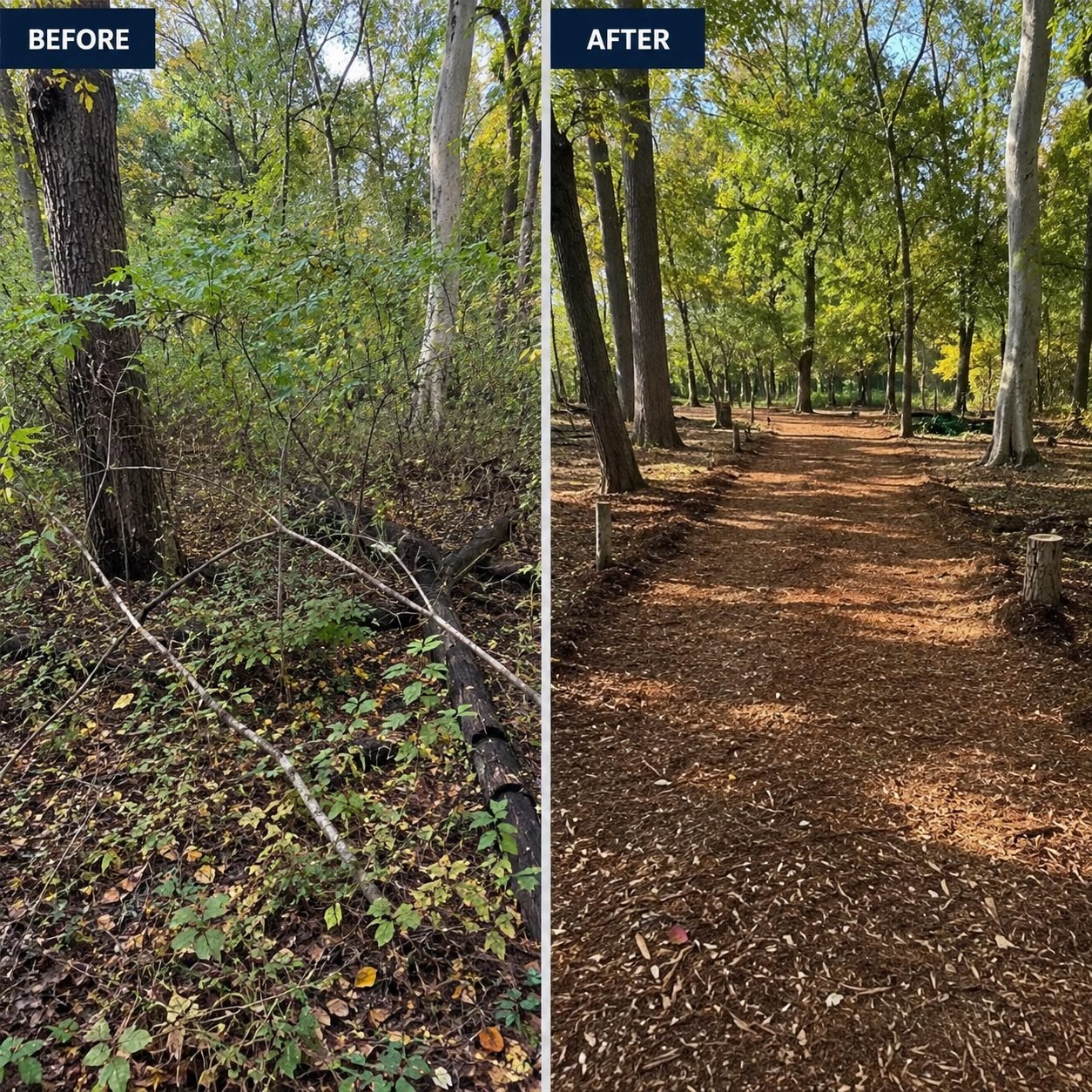
What does a Lancaster grading contractor before and after look like?
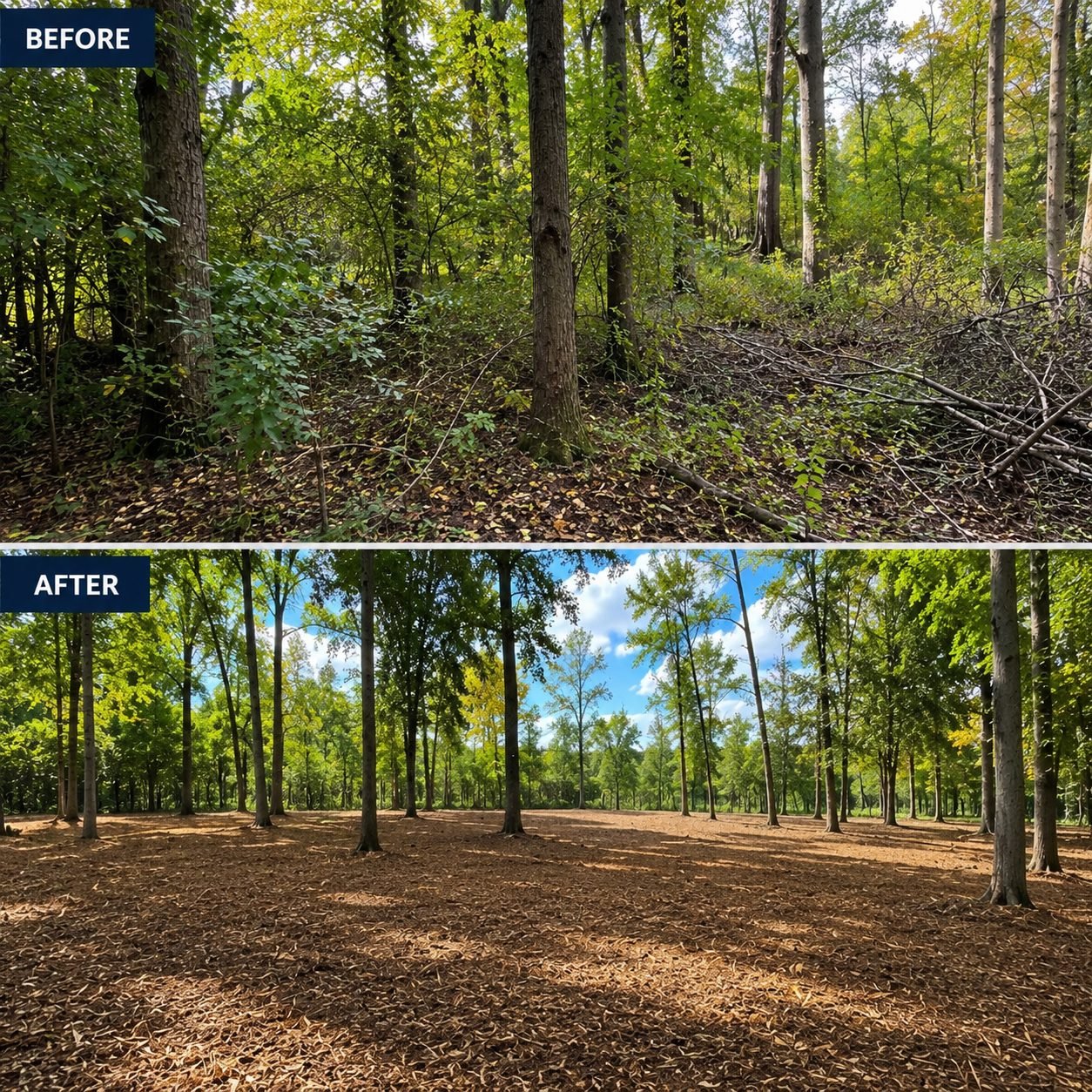
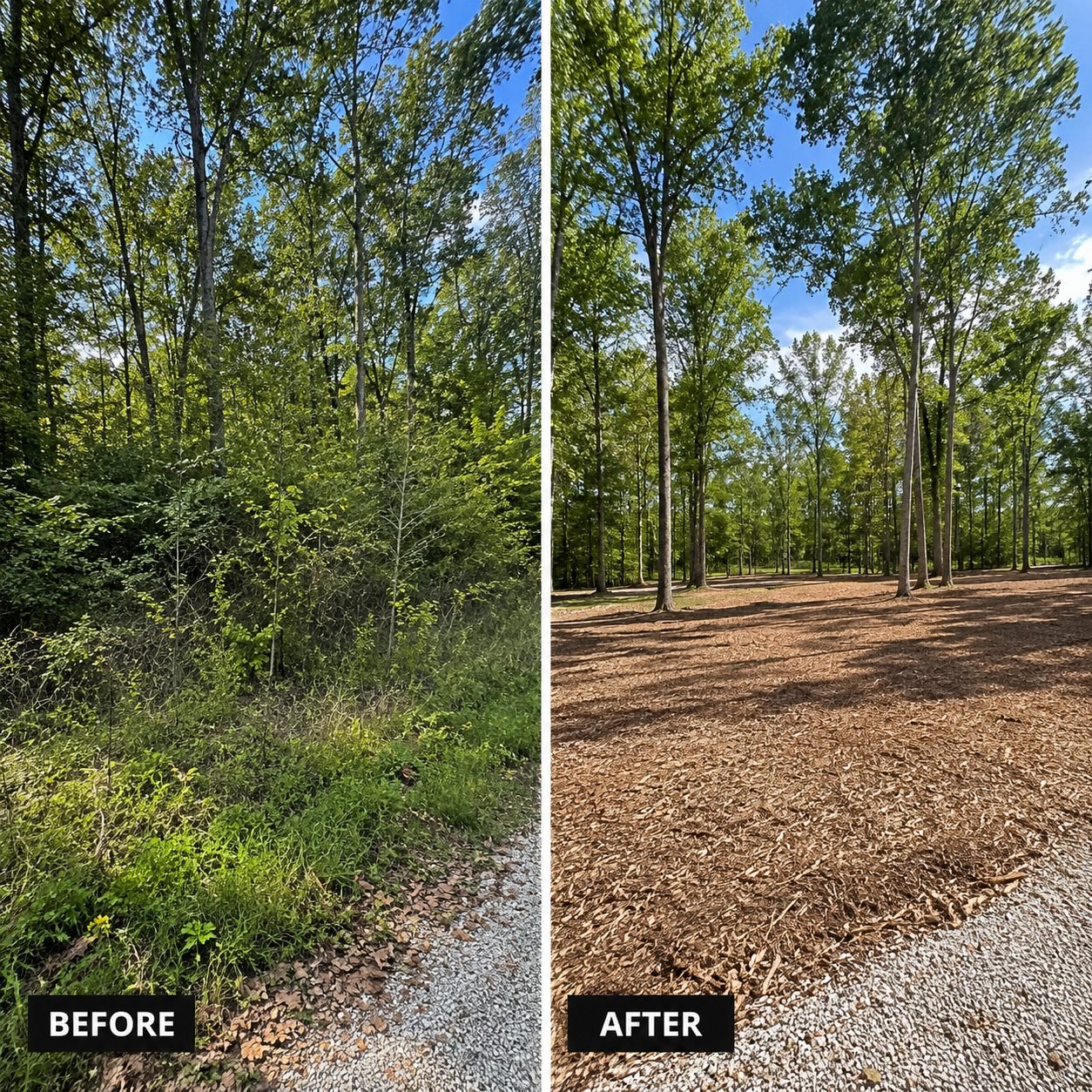
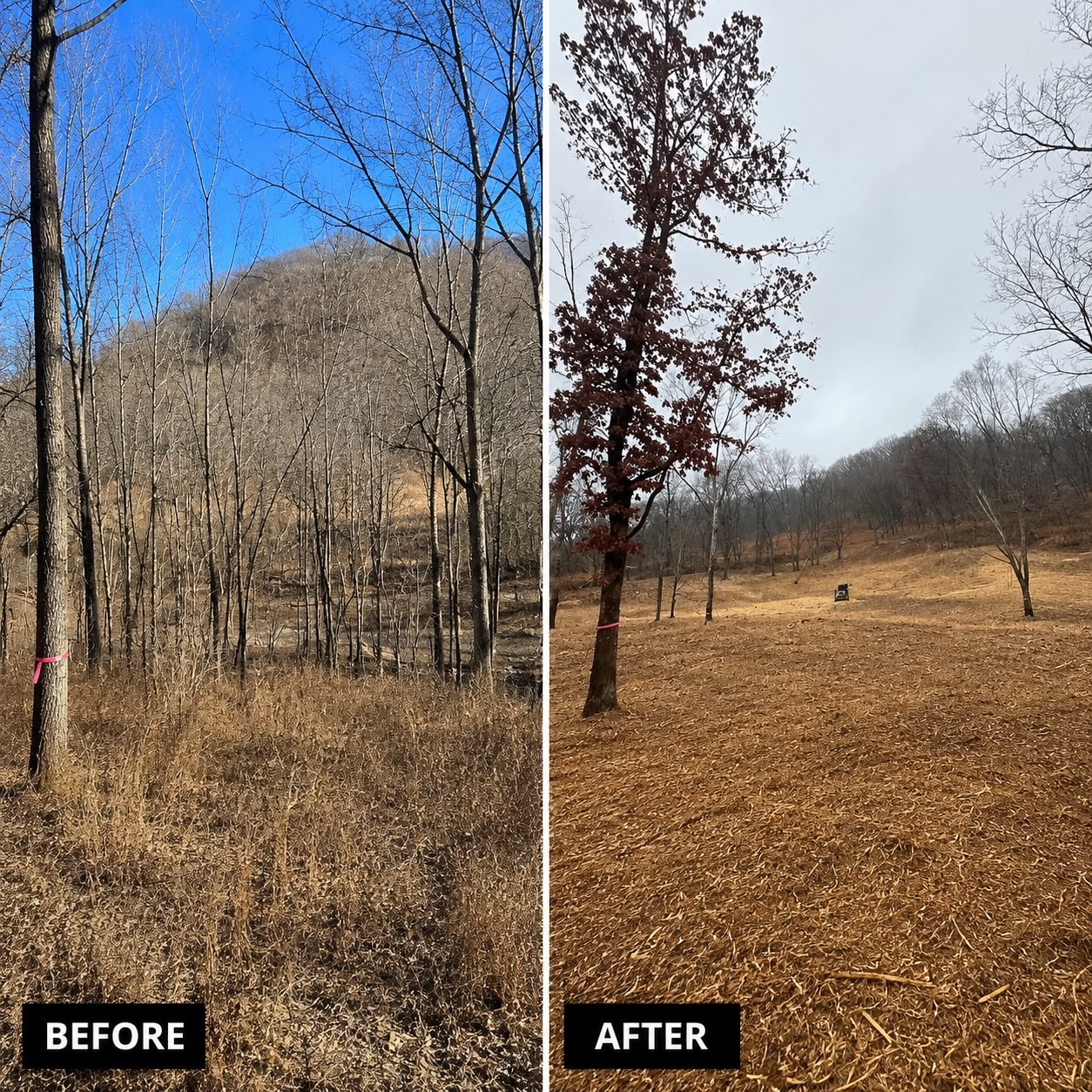
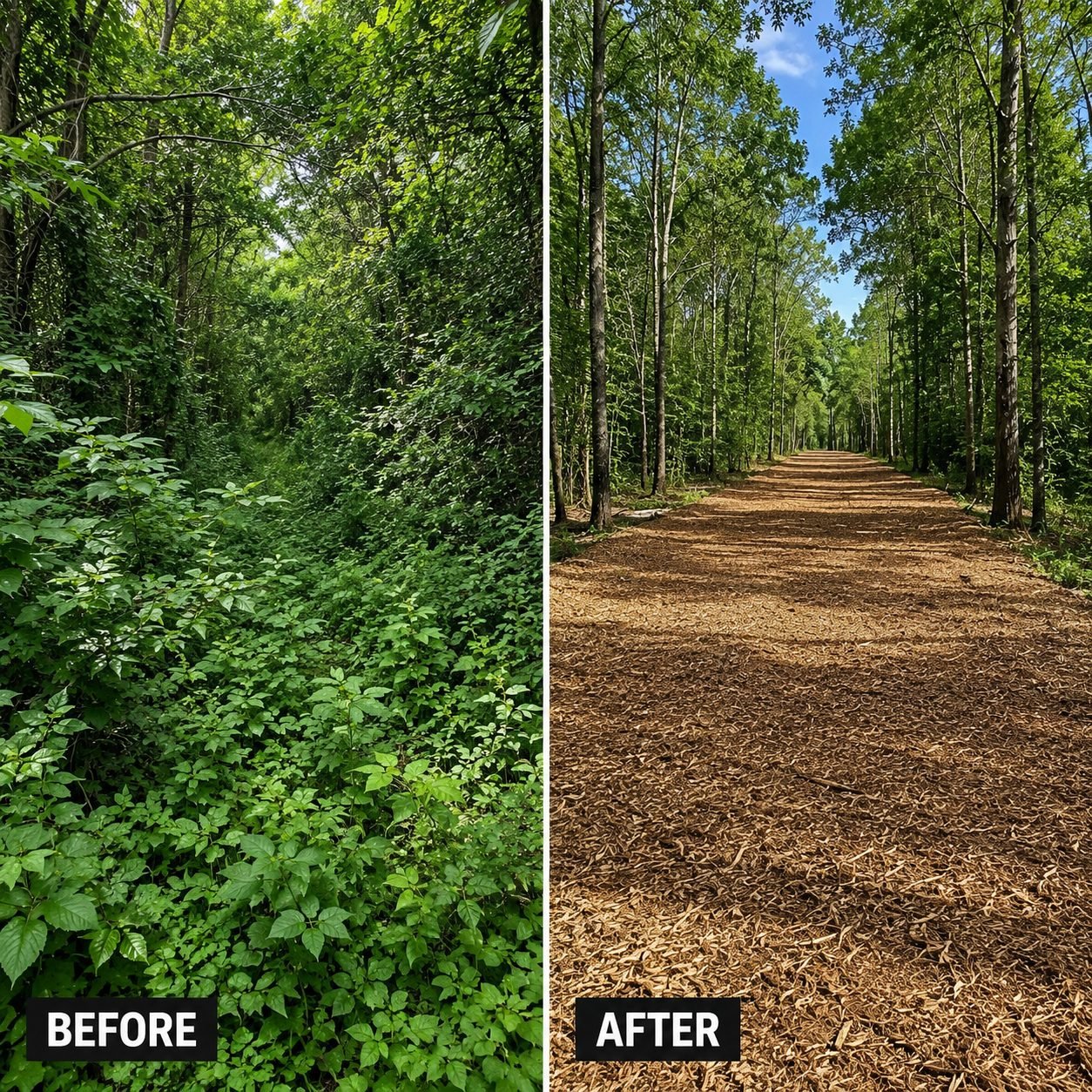
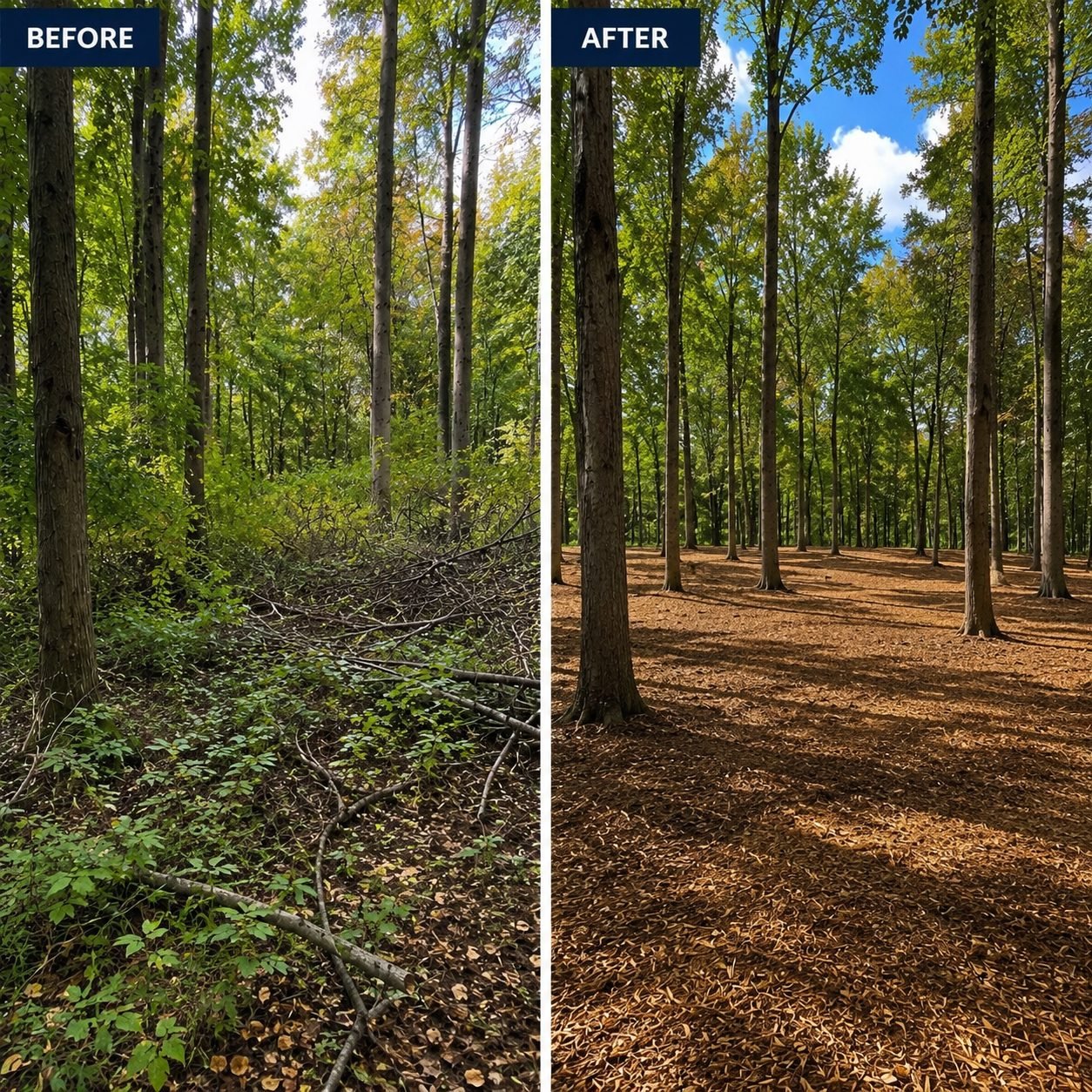
Before grading, a Lancaster site may show clay ruts, uneven rock, or a crown that sends runoff the wrong way across a city lot or upland parcel. After grading, the surface is shaped for drainage, compacted, and ready for the next build step. Fortress frames each job around Lancaster’s hills, rocks, and limited urban space.
Frequently asked questions
Yes. Lancaster often combines clay uplands, rockier Blackhand sandstone ground, and established urban lots, so the crew has to adjust the cut and fill plan to the site. A flatter town may need less excavation, but Lancaster grading usually needs more slope control and equipment matching. That is why the free walk-through matters.
During business hours, the team usually responds in 2 to 3 hours and can often schedule same-week walk-throughs. That speed helps when a Lancaster project is waiting on drainage correction, pad prep, or access grading. After the walk-through, Fortress gives a flat-rate quote so the scope is clear before any machinery arrives.
Ohio Revised Code 3781.28 requires an Ohio 811 utility locate at least 48 hours before digging. That matters in Lancaster because older city lots and rural parcels can both have buried utilities that are not obvious at the surface. Fortress builds that step into the schedule before excavation, not after the crew starts moving soil.
Yes. Lancaster grading contractor work often includes shaping a driveway base or building pad so water runs away from the finished area. The crew uses dozers, excavators, and compact track loaders based on access and slope. On smaller city lots, finish grading may take more precision; on upland parcels, cut and fill may take more machine time.
Because they explain the terrain. Lancaster sits in the Hocking River valley and serves as a gateway to the Hocking Hills, so the local ground can shift from fertile valley soil to hillier, rockier uplands nearby. That terrain affects grading time, equipment choice, and the quote structure for a project.
Ask how the crew will handle slope, rock, drainage, and utility locates on your exact lot. In Lancaster, that means asking whether the site is an urban parcel, a rural upland lot, or something in between. Fortress will walk the property, explain the machine plan, and give a flat-rate quote tied to the real conditions.
Grading Contractor Near Lancaster
What Other Services Does Fortress Offer in Central Ohio?
Fortress Level Construction runs a full range of land-clearing, excavation, grading, and site-work services across Central Ohio, so one owner-operated crew can clear, grade, and prep a site end to end.
Get a Flat-Rate Quote from Lee Carson
Owner-operated land clearing across all five Central Ohio counties. Send your property details and Lee gets back to you within 2 to 3 hours during business hours with one flat number after a free on-site walk-through.