
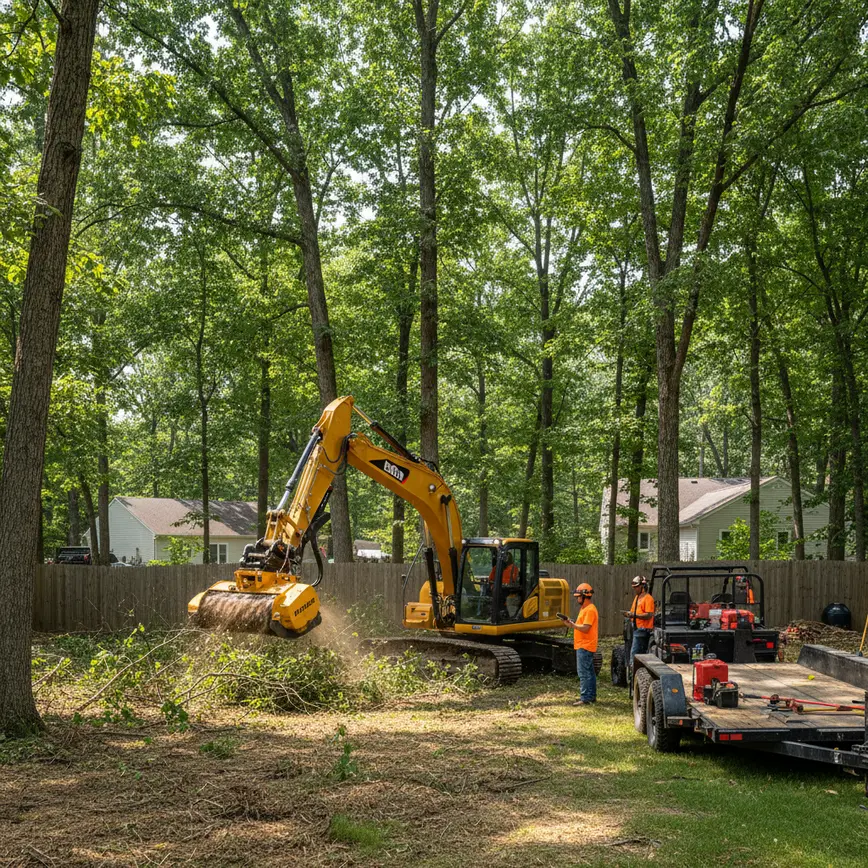

Is Backyard Grading in Etna, Ohio the right fix for a wet or uneven yard?
Backyard grading in Etna, Ohio is often the right fix when clay-heavy glacial till, former farmland, or newer subdivision lots leave water pooling or turf unusable. Fortress Level Construction uses a crew-led grading process, compact track loaders, dozers, and excavators to shape drainage, match finished elevations, and prepare a stable backyard surface.
The Quick Answer
- Backyard grading in Etna has to handle clay-heavy glacial till, former farmland, and newer subdivision yards without creating new runoff problems.
- Fortress Level Construction gives flat-rate quotes after a free on-site walk-through, usually responding in 2 to 3 hours during business hours and offering same-week visits.
- The crew uses John Deere 333G compact track loaders with Diamond drum mulchers, plus dozers and excavators, which matters on large Etna parcels and rough rural ground.
- Etna work often starts with a utility locate. Ohio Revised Code 3781.28 requires an Ohio 811 locate at least 48 hours before digging.
- Backyard grading costs commonly fall in the $1,000 to $3,000 range, depending on access, soil movement, drainage corrections, and the amount of finish shaping.
- Etna is not a neighborhood-by-neighborhood village center market. It is a township with large warehouse and industrial parcels, rural lots, and newer residential subdivisions.
- The team is led by Lee Carson, a combat veteran, but Fortress is a crew-based company, not a one-person operation.
- From the Westerville base, Etna is about a 30 minute drive, so scheduling can support same-week walk-throughs across the I-70 corridor.
Related Questions People Ask Next
Etna lots are often larger, with former farmland, wooded ground, or newer subdivision pads tied to the I-70 logistics corridor. That means the crew often has to move more soil, manage longer drainage runs, and shape flatter use areas without pushing runoff toward a neighbor or warehouse edge.
For Etna yard grading, Fortress may use John Deere 333G compact track loaders with Diamond drum mulchers for clearing, then dozers and excavators for cut, fill, and final shaping. That mix works well on clay till, rough farm ground, and larger parcels where access and soil volume both matter.
The crew starts with a free on-site walk-through, then gives a flat-rate quote based on slope, drainage goals, access, and how much soil has to be moved. In Etna, that usually means checking whether the lot is rural, subdivision-based, or tied to warehouse clearing and site transitions.
In Etna, yard drainage grading often has to account for broad, open ground near Blacklick Creek and the old National Road corridor. Even when the job is only a backyard, the crew looks at where water wants to move so the finished grade helps the lot dry out instead of trapping runoff.
How does backyard grading work on Etna lots?
Backyard grading in Etna starts with a site walk that checks slope, soft spots, drainage paths, and access for equipment. On clay-heavy glacial till and former farmland, the crew may rework the backyard with a compact track loader, then refine it with dozers or excavators so the finished surface sheds water correctly.
Etna’s fast-growing township setting along the I-70 logistics corridor means many lots are not simple, compact city yards. The crew often grades around larger commercial or industrial edges, newer subdivisions, or rural parcels near Pataskala, Reynoldsburg, Kirkersville, and Pickerington, where existing ground can be uneven from former field use.
Fortress uses a free walk-through and flat-rate quote to map the work before any digging starts. For backyard grading, that can include checking the final elevation against patios, foundations, and side yards, then coordinating an Ohio 811 locate at least 48 hours before the first machine moves dirt.
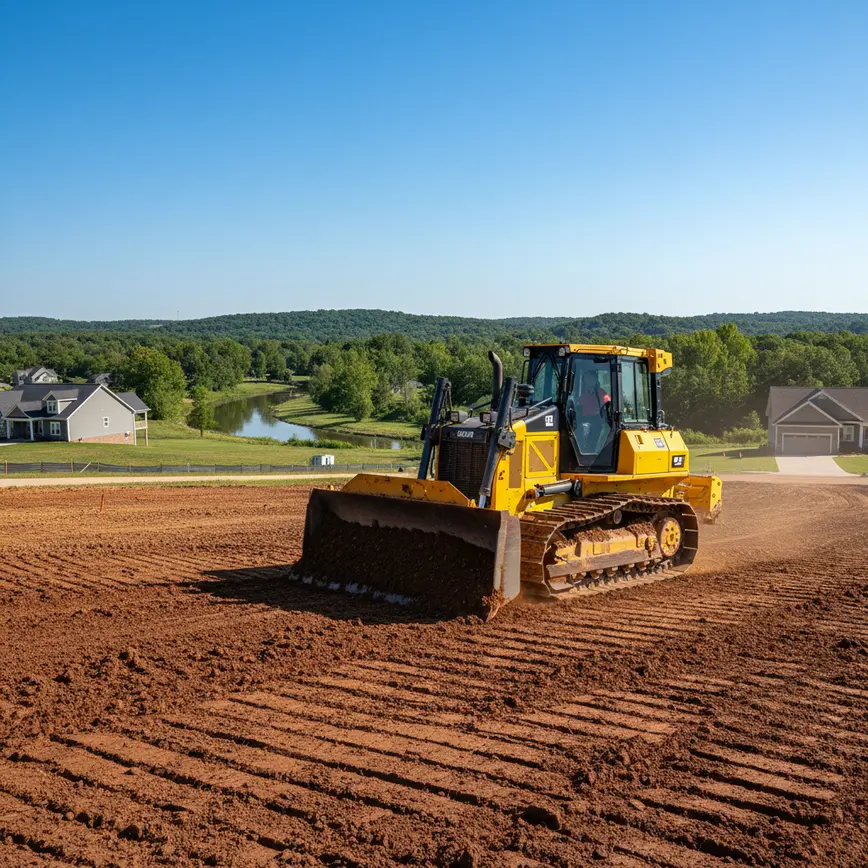
What equipment handles Etna yard grading best?
Etna backyard grading often needs more than a lawn tractor and a rake. Fortress brings John Deere 333G compact track loaders, Diamond drum mulchers, dozers, and excavators. On wooded ground or rough farm edges, the loader clears stems up to 14 inches, then the team grades, shapes drainage, and finishes the backyard surface.
That equipment mix matters in Etna because lots can be large, clay heavy, and carved from former farmland near Blacklick Creek or along the old National Road. A compact track loader gives traction on soft ground, while a dozer can move larger volumes when the backyard needs a broader regrade, not just a surface touch-up.
The Diamond drum mulchers are useful when the grade project includes clearing brush or rough growth before final shaping. On Etna’s wooded or transitional rural parcels, that helps the crew get to the subgrade faster, which supports a cleaner finish and keeps the overall job in the $1,000 to $3,000 project range.
What does backyard grading cost in Etna, Ohio?
Most Etna backyard grading projects land in the $1,000 to $3,000 range, but the exact price depends on how much soil must be cut or filled, how wet the clay is, and whether the crew has to clear access first. Fortress gives flat-rate pricing after the free on-site walk-through.
Etna pricing is driven by site conditions more than by the village center itself. Large lots, warehouse-adjacent parcels, and newer subdivision yards can all need different machine setups, so the crew looks at haul distance, drainage correction, and finish grade requirements before quoting. That keeps the scope tied to the actual backyard, not a generic yard estimate.
Because Ohio law requires an Ohio 811 utility locate at least 48 hours before digging, the team builds that timing into the plan. If the job includes clearing first, the final quote may reflect the extra machine time, but it stays focused on backyard grading work rather than broad land clearing.
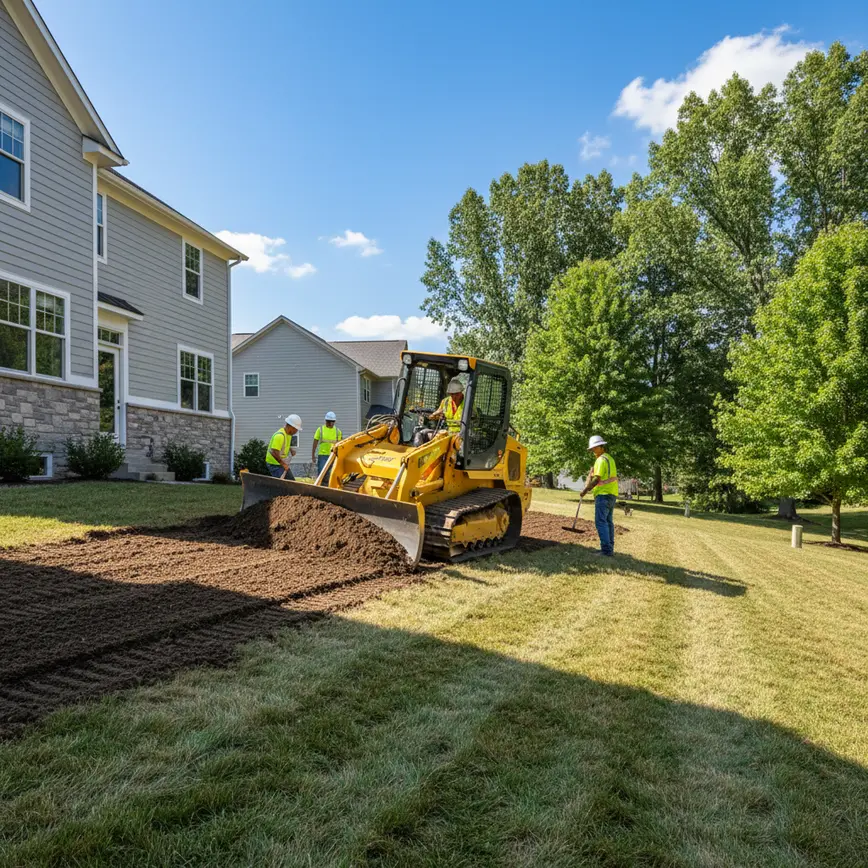
Why do Etna’s soils and land history matter for grading?
Etna’s clay-heavy glacial till can hold water, shift slowly, and stay sticky when disturbed, especially on former farmland or wooded ground. That is why backyard grading here is about more than appearance. The crew shapes a stable surface, corrects low spots, and directs runoff so the backyard performs through wet seasons.
The township’s growth along the I-70 logistics corridor has brought major distribution and warehouse development, but many nearby backyard projects still sit on rural ground that was once farmland. That history affects drainage, compaction, and how much the grade should be adjusted near fences, patios, and outbuildings.
Fortress also considers the nearby Intel and New Albany growth zone because local development patterns influence how Etna parcels are being used and subdivided. Whether the lot is commercial-adjacent or residential, the goal is the same: rework the backyard surface so it drains predictably instead of collecting water in the low clay areas.
How does Fortress backyard grading compare to a basic dirt push in Etna?
A basic dirt push can leave Etna’s clay soil uneven and still wet. Fortress backyard grading is a measured process: locate utilities, assess slope, move soil with the right machine, compact where needed, and finish the surface for drainage. That is the difference between temporary reshaping and a usable backyard grade.
| Etna condition | Basic dirt push | Fortress backyard grading | Why it matters |
|---|---|---|---|
| Clay-heavy glacial till | Soil gets smeared or left soft | Crew reshapes and compacts in stages | Helps the grade hold through wet weather |
| Large former farmland lots | Uneven high and low spots remain | Dozers and excavators correct elevation changes | Makes the whole backyard usable |
| Wooded or brushy edges | Access gets blocked by growth | 333G loader with mulcher clears first | Creates room for accurate grading |
| Drainage near Blacklick Creek | Water may keep moving the wrong way | Grade is set to shed runoff away | Reduces pooling and soft ground |
| Etna warehouse corridor conditions | Site work can ignore transitions and slopes | Crew plans around large parcels and mixed terrain | Improves finish on residential and commercial-adjacent yards |
When is backyard grading not the right call in Etna?
Backyard grading is not the right fix if the problem is a broken drain line, foundation settlement, or a buried utility issue. In Etna, the crew will not guess at underground conflicts, so an Ohio 811 locate comes first. If the yard needs structural repair, grading should follow that work, not replace it.
If water is entering a basement, pooling against a slab, or showing signs of a drainage system failure, the right next step may be pipe repair or a different water-control solution before any final grade work. In Etna’s clay soil, grading alone cannot solve a hidden plumbing or foundation issue.
If the lot still has heavy brush, tree stems, or rough former-farm conditions, the crew may need clearing and rough work before backyard grading can begin. For larger Etna parcels near logistics or industrial activity, that can change the scope, but it keeps the finished grade accurate and practical.
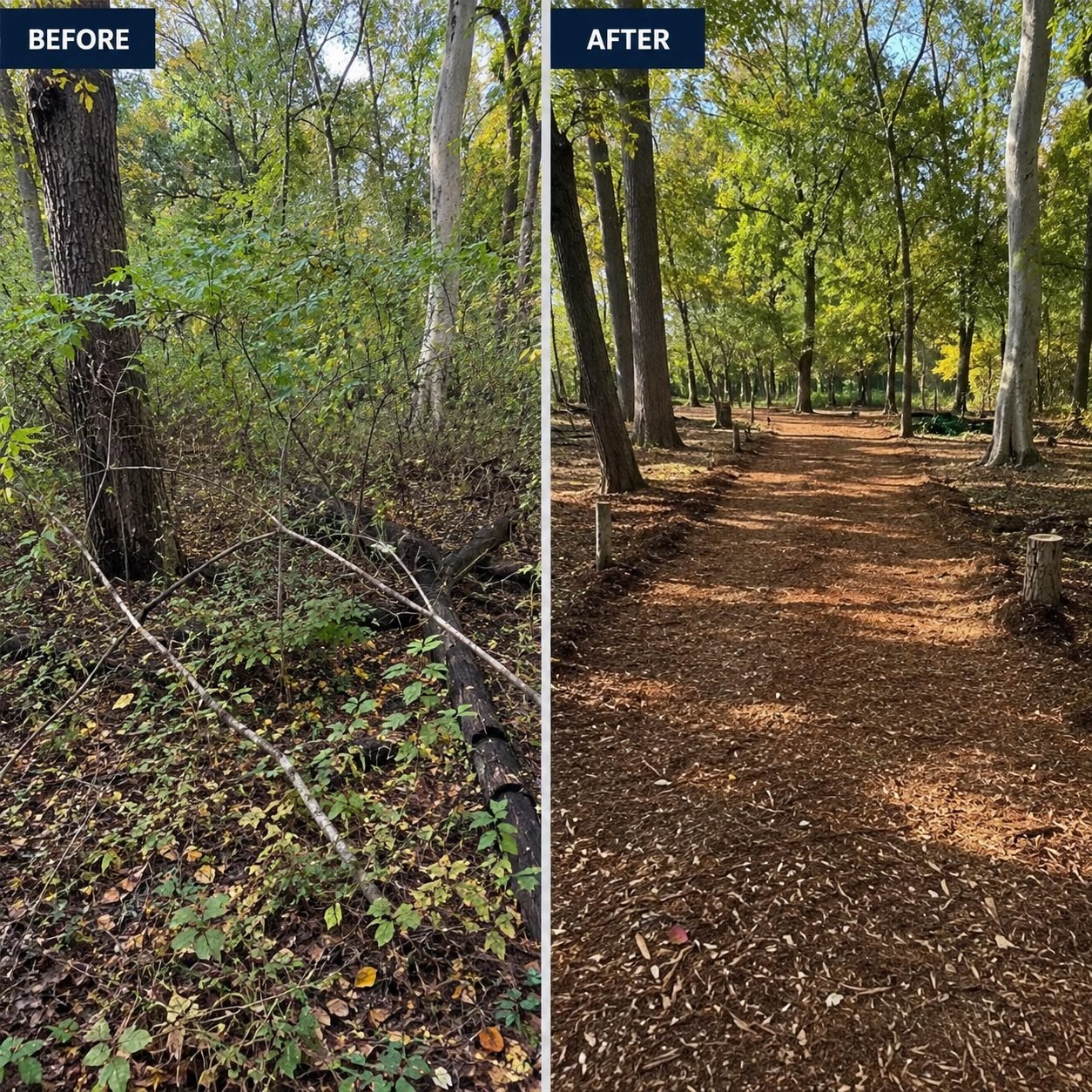
What should an Etna backyard grading before and after show?
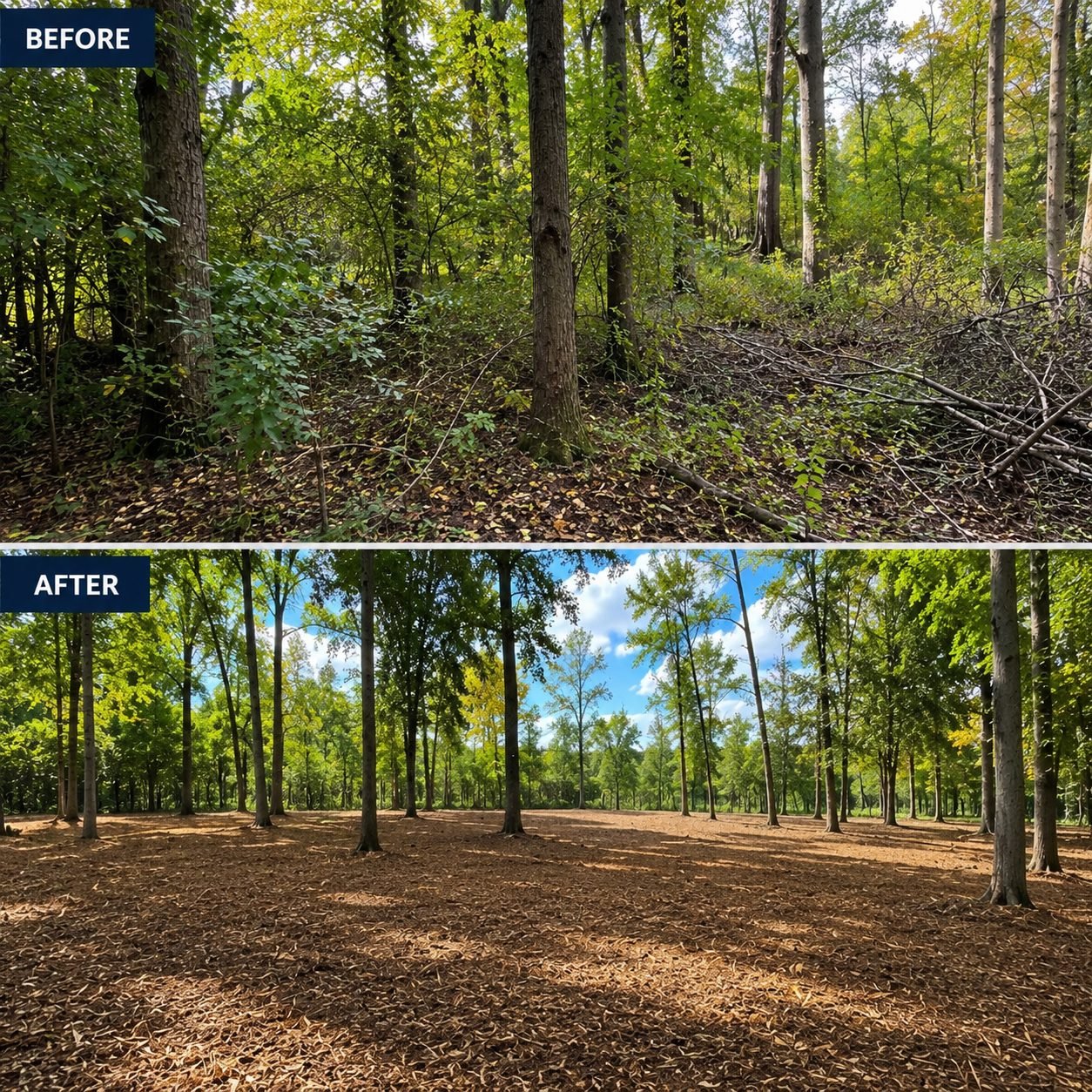
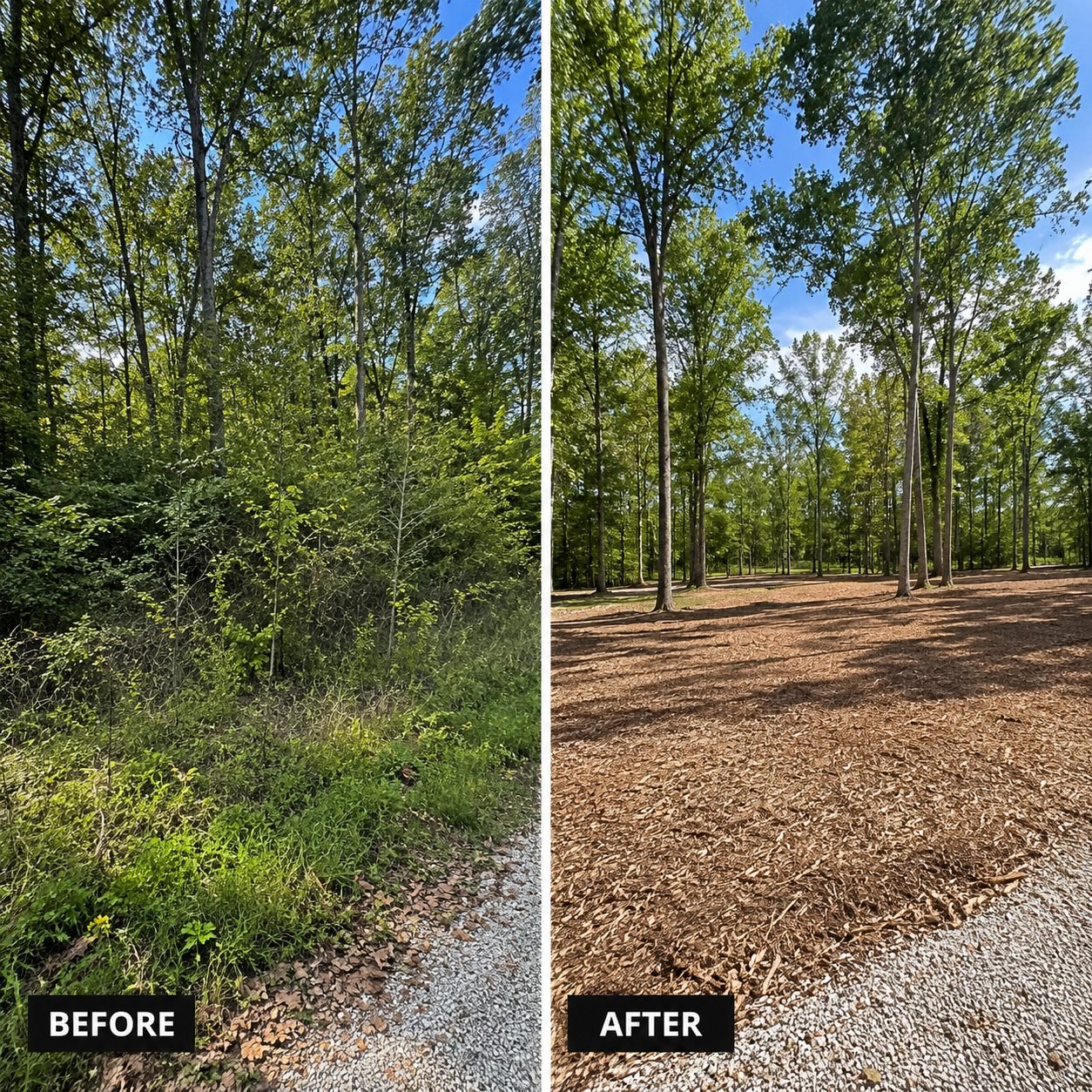
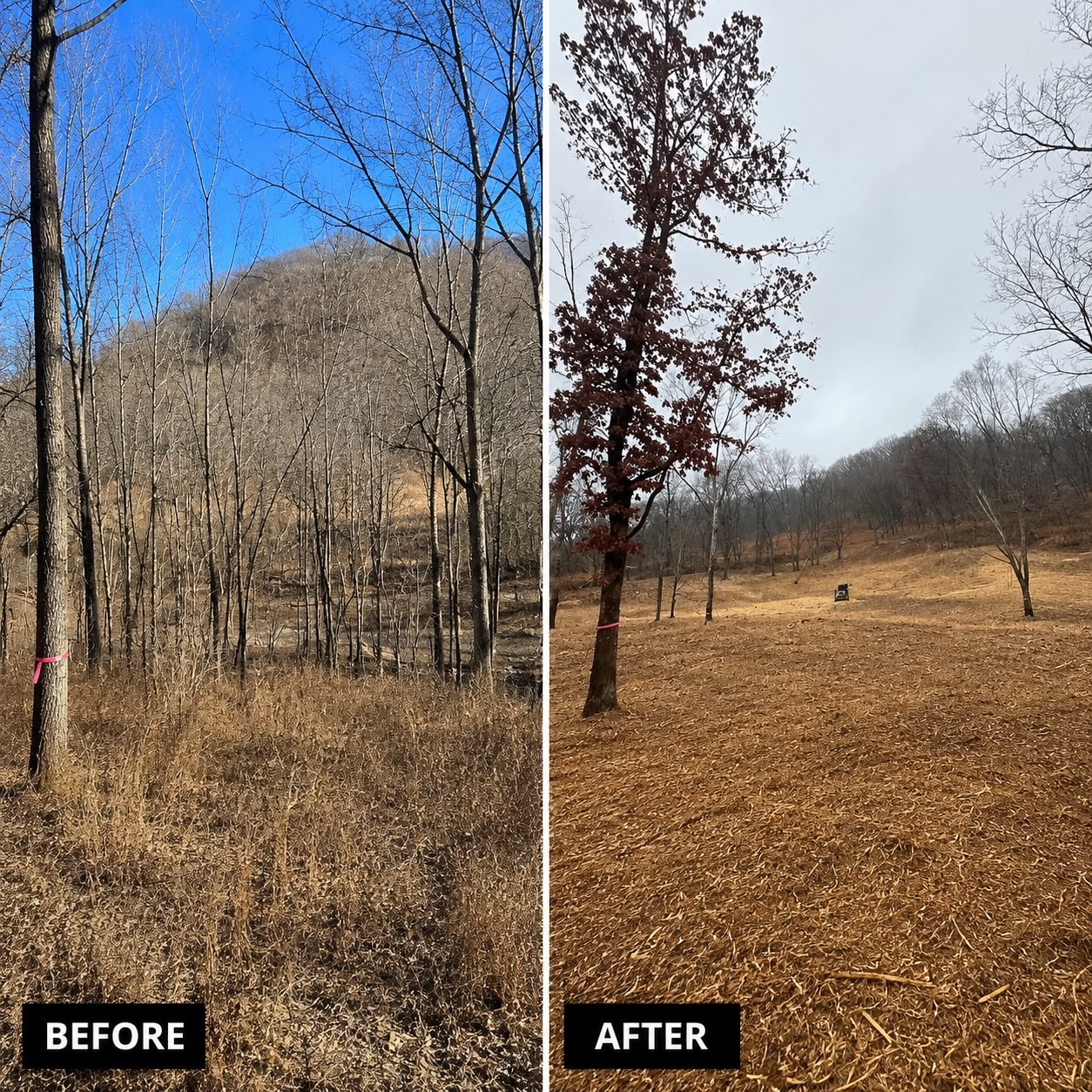
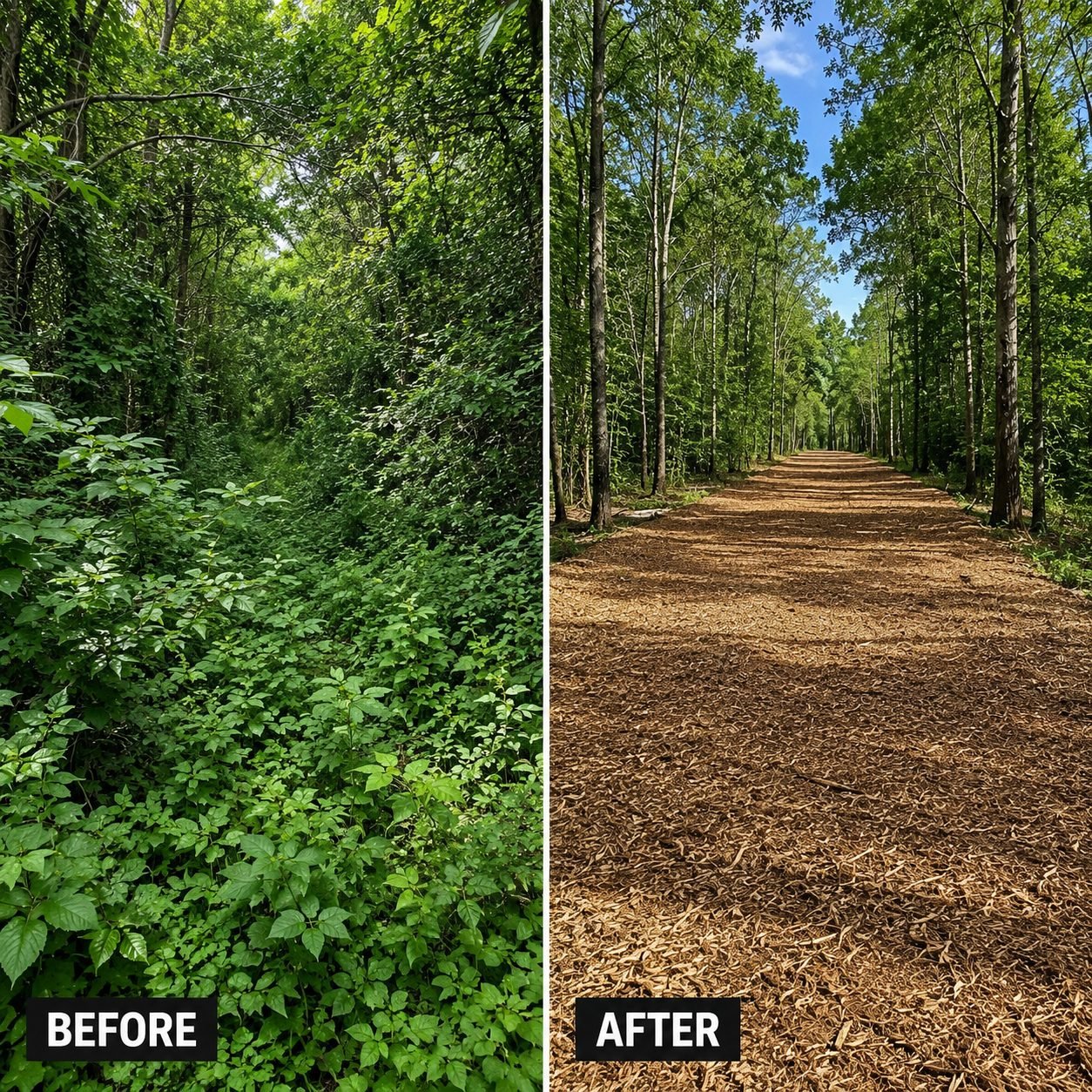
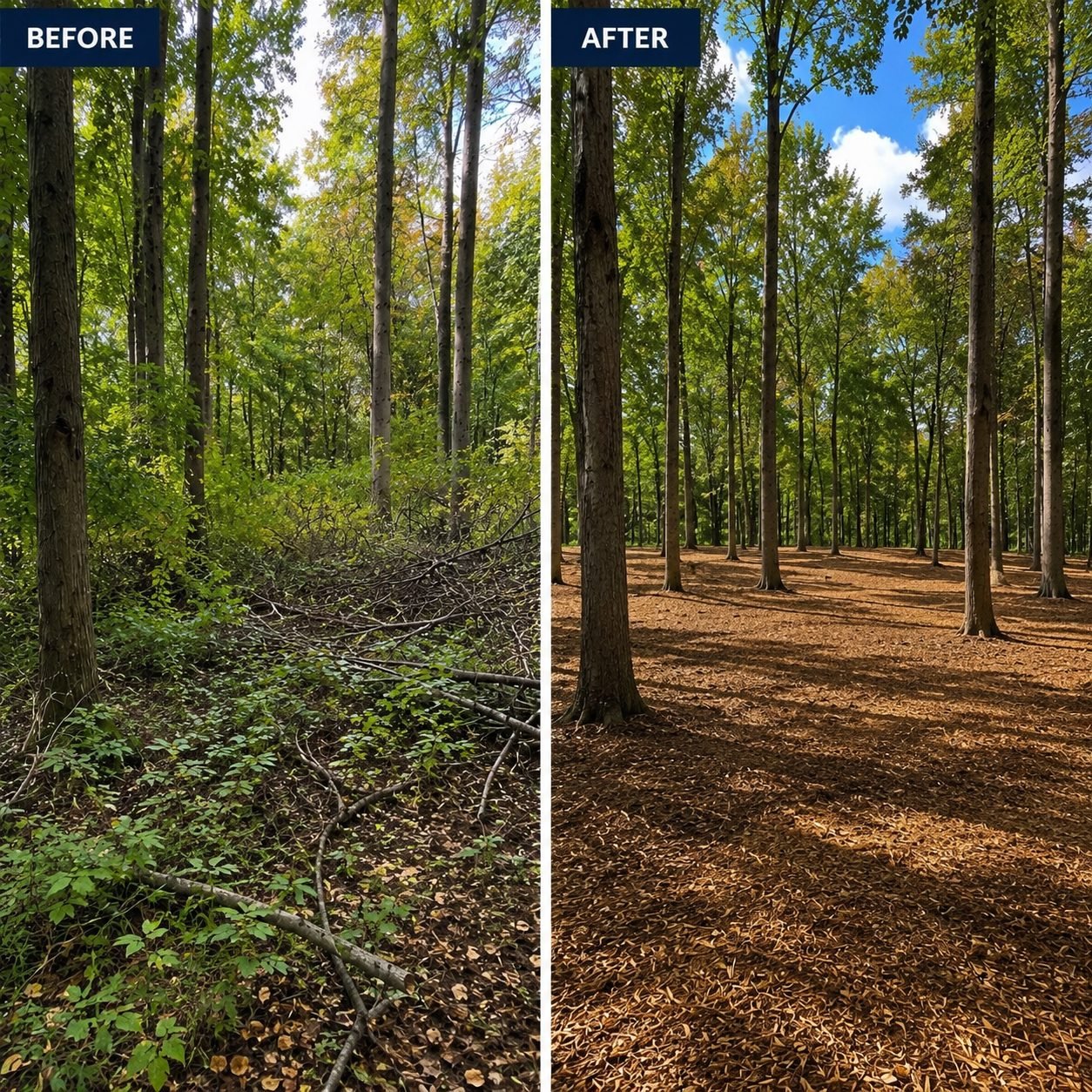
An Etna before and after should show more than a smoother yard. The before side may include clay ruts, low spots, or a rough farm edge. The after side should show a cleaner pitch, better runoff, and a backyard surface ready for turf, play, or later landscape work.
Frequently asked questions
During business hours, the team usually responds in 2 to 3 hours and can often set same-week walk-throughs. That matters in Etna because lots can be large and variable, so the crew needs to see the slope, clay conditions, and access before giving a flat-rate quote.
Yes. Ohio Revised Code 3781.28 requires an Ohio 811 utility locate at least 48 hours before digging. That applies in Etna whether the job is a rural backyard, a subdivision lot, or a parcel near warehouse and distribution areas along the I-70 corridor.
Yes, but the grade has to be shaped correctly for clay-heavy glacial till. The crew may cut down high spots, fill low areas, and compact the work so water flows away instead of sitting in the backyard. That is especially important on former farmland and wooded ground.
Etna has very large commercial and industrial parcels carved from former farmland, plus newer residential subdivisions. For backyard grading, the residential jobs often involve uneven lots, soft spots, or poor runoff, while the larger properties can require more soil movement and equipment access planning.
Because the crew works with compact track loaders, dozers, excavators, and mulchers, Fortress can handle bigger grading needs without treating Etna like a small-lot market. That matters where former farmland, warehouse edges, and rural access all affect how the backyard should be shaped.
Lee Carson founded Fortress Level Construction and brings military background to how the crew plans and runs jobs, but the company is still a real crew-based operation. In Etna, that means the team handles the walk-through, equipment, and grading work together.
Backyard Grading Near Etna
What Other Services Does Fortress Offer in Central Ohio?
Fortress Level Construction runs a full range of land-clearing, excavation, grading, and site-work services across Central Ohio, so one owner-operated crew can clear, grade, and prep a site end to end.
Get a Flat-Rate Quote from Lee Carson
Owner-operated land clearing across all five Central Ohio counties. Send your property details and Lee gets back to you within 2 to 3 hours during business hours with one flat number after a free on-site walk-through.