
Construction Dirt Work & Foundation Prep Guide for Ohio Sites That Build Right
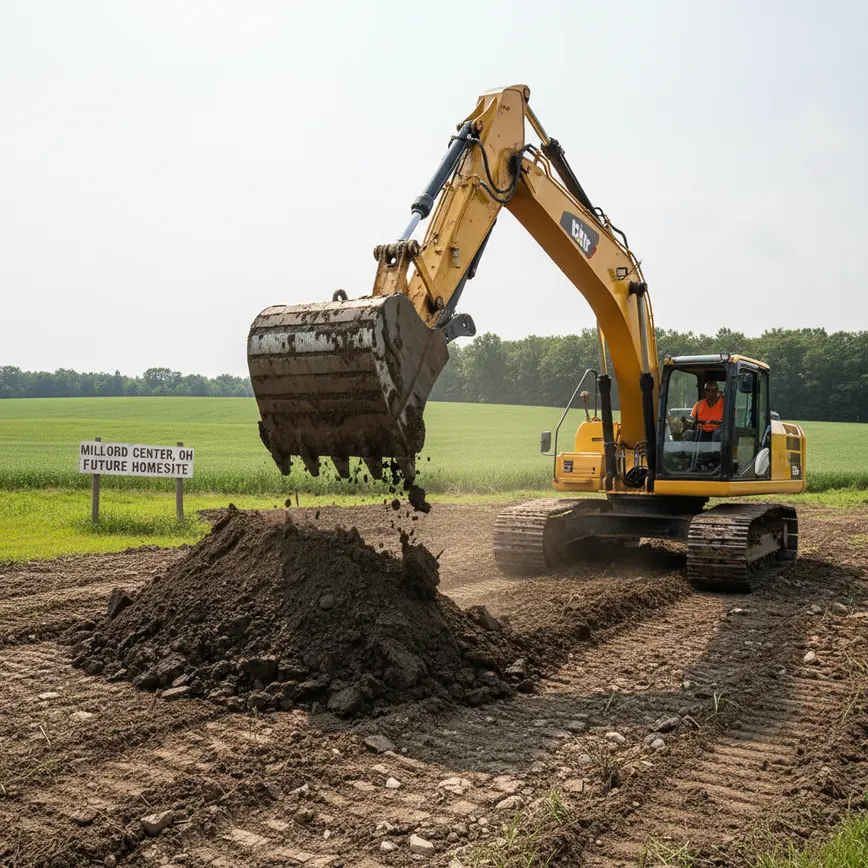
Construction dirt work is the earthmoving, grading, compacting, and excavation needed to create a stable building site and a safe foundation base. It includes foundation dirt work, pad site prep, and building pad construction so your structure starts on level, properly drained, and load-bearing ground.
The Quick Answer
- Construction dirt work is the site preparation that turns raw land into a buildable platform for a home, shop, addition, driveway, or commercial structure.
- Foundation dirt work is not just digging a hole. It includes clearing, stripping topsoil, excavation, rough grading, compaction, and final pad site prep.
- In Ohio, clay-heavy soils, freeze thaw cycles, and drainage issues make grading and compaction especially important for long-term performance.
- A good building pad construction plan keeps water away from the structure, supports the foundation design, and reduces settlement risk.
- The right method depends on soil type, slope, access, tree density, foundation type, and how much material must be moved or imported.
- Equipment choice matters because dozers, excavators, skid steers, compactors, and forestry mulchers each solve a different part of the job.
- DIY can work for small, simple jobs, but most foundation prep projects benefit from a licensed, insured contractor with the right grading and excavation experience.
- Fortress Level Construction is a licensed, insured Central Ohio land-services company founded by Lee Carson, a combat veteran, and reached at (844) 656-0129.
Related Questions People Ask Next
Construction dirt work includes clearing vegetation, stripping topsoil, excavating for the foundation, shaping the pad, building proper slopes, and compacting soil to support the structure. Depending on the site, it may also include trenching for utilities, hauling in fill, stump removal, drainage corrections, and final grading so water moves away from the foundation instead of toward it.
Foundation dirt work matters because concrete can only perform as well as the soil beneath it. If the subgrade is soft, uneven, wet, or poorly compacted, the foundation can settle, crack, or hold water against the structure. Good prep creates a stable, properly drained base that matches the foundation design and local soil conditions.
Pad site prep is a focused process that builds a specific elevation, footprint, and bearing area for a structure. General grading can improve drainage or smooth a property, but pad prep is more precise. It often includes stripping organics, importing fill, compacting lifts, and checking elevations so the pad is ready for foundation work and utility routing.
Central Ohio often has clay-rich soils that retain water, get sticky when wet, and can be hard to compact correctly if the moisture content is off. Seasonal freeze thaw cycles also create movement and drainage challenges. Those conditions make soil testing, moisture management, and careful grading more important than many property owners expect.
Sometimes, but lightly cleared land is not the same as a build-ready site. You still need to confirm bearing soil, remove roots and organic matter from the footprint, establish drainage, and create a properly compacted pad. If you skip those steps, the project may pass a visual check but still fail over time due to settlement or water problems.
What Is Construction Dirt Work and Foundation Prep?
Construction dirt work is the site preparation process that makes raw land ready for a structure. It includes excavation, grading, compaction, drainage shaping, and building pad construction. Foundation prep is the portion that creates a stable, level, and properly drained base for the foundation itself.
At its core, dirt construction is about controlling the ground before the building begins. A house, garage, barn, or commercial slab needs more than a cleared area. It needs the right elevation, the right slope, the right soil condition, and the right compaction under the footprint. Foundation dirt work usually starts by removing vegetation and organic material, then moves into rough shaping, excavation, and final pad site prep.
A lot of property owners think of excavation as the whole job, but it is only one part of the process. In many projects, the dirt work is actually more important than the visible building stage because poor site prep creates expensive problems later. Settlement, standing water, frost heave, and drainage failures often trace back to skipped or rushed site work rather than a problem with the concrete itself.
In Ohio, especially around Central Ohio, clay soil and drainage conditions make this work more technical than it looks. Clay can hold water, swell, and become difficult to compact if the timing is wrong. That is why experienced contractors treat construction dirt work as a system, not a single task. The goal is to create a foundation-ready site that stays stable after the first heavy rain and through seasonal change.
Why Does Foundation Dirt Work Matter Before You Build?
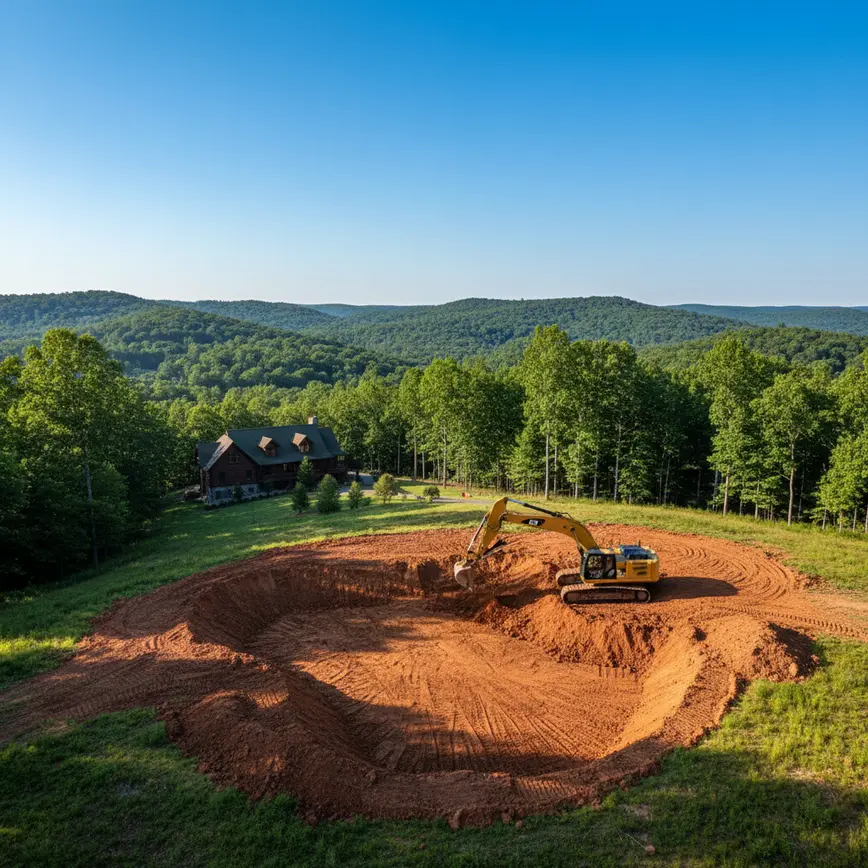
Foundation dirt work protects your investment by creating a stable base, improving drainage, and reducing the risk of settlement or structural movement. Good site prep supports the foundation design and helps keep water away from the structure, which is especially important on clay soil and sloped properties.
What Methods Are Used in Dirt Construction and Site Prep?
The main methods in dirt construction include clearing, stripping topsoil, excavation, rough grading, fine grading, compaction, and drainage shaping. The right mix depends on the lot, soil, slope, access, and foundation type. Some projects also need forestry mulching, stump grinding, or imported fill.
How Does the Step-by-Step Construction Dirt Work Process Work?
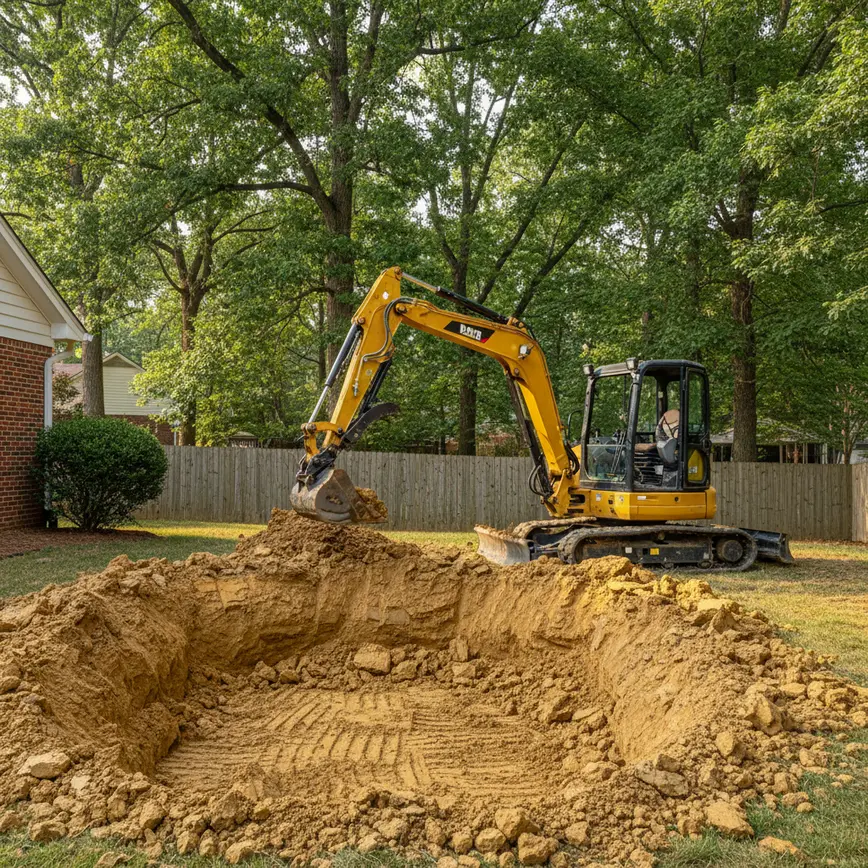
A proper dirt construction process starts with site evaluation and utility locates, then moves through clearing, excavation, grading, compaction, and final verification. The sequence matters because each step affects the next. Skipping a step or doing them out of order often creates drainage or settlement problems later.
What Drives the Cost of Dirt Construction?
Cost in dirt construction depends on site size, soil type, access, clearing intensity, excavation depth, hauling, compaction, drainage needs, and permit requirements. Complex sites cost more because every extra obstacle slows equipment, adds labor, and increases the amount of material that has to be moved or imported.
What Equipment Is Used for Foundation Dirt Work and Pad Site Prep?
The main equipment for construction dirt work includes excavators, dozers, skid steers, compactors, dump trucks, forestry mulchers, and sometimes graders or laser-guided tools. Each machine has a specific role, and the best crews choose equipment based on soil, slope, access, and the work required on the pad.
Should You DIY Dirt Construction or Hire a Pro?
DIY dirt construction can work for small clearing or minor grading, but foundation dirt work is usually better left to a licensed, insured contractor. The reason is simple: the job affects drainage, bearing capacity, and long-term structure performance. Mistakes are expensive and often hidden until after the build is complete.
What Permits, Regulations, and Ohio 811 Rules Apply Before You Dig?
Permits, local rules, and utility locate requirements are part of legitimate dirt construction. In Ohio, you must request an Ohio 811 locate at least 48 hours before digging under ORC 3781.28. Local permit needs vary, but they are usually modest compared with the cost of fixing a damaged utility or failed site prep.
How Do You Choose the Right Contractor for Construction Dirt Work?
Choose a contractor who is licensed, insured, experienced in foundation dirt work, and able to explain the site plan clearly. The best fit will understand grading, drainage, compaction, and utility coordination, not just excavation. Ask how they approach pad site prep, moisture control, and final verification.
A good contractor should be able to explain the process before the equipment arrives. That includes how they will handle clearing, where material will go, how they will build the pad, what they do if they find unsuitable soil, and how they will confirm grade. If they cannot walk you through the job in plain language, that is usually a warning sign. Dirt construction is technical, but the explanation should still be clear and specific.
Insurance, licensing, and real project experience matter a lot because mistakes on dirt work can create expensive downstream problems. You want a company that treats site prep as a foundation system, not just a moving-dirt exercise. Fortress Level Construction is a licensed, insured Central Ohio land-services company founded by Lee Carson, who is a combat veteran, and the company has been serving clients since 2009. That kind of background is useful, but the real issue is whether the crew understands the job on your site.
It also helps to choose a contractor who is transparent about costs and realistic about conditions. A good bid should explain what is included, what could change, and what conditions may affect the price. If you are comparing contractors, look for clear communication, proper equipment, local knowledge, and a process for drainage and compaction. Those are the signs that the crew knows how to prepare a site for the long term, not just for the day the soil is moved.
How Do Dirt Work Methods Compare for Site Prep?
Different dirt construction methods solve different problems. The best method depends on tree density, access, soil condition, project size, and whether you need a foundation-ready pad or broader land improvement. Use this comparison to match the method to the job instead of assuming one approach fits every property.
| Method | Typical best use | Speed and site impact | Notes for foundation prep |
|---|---|---|---|
| Forestry mulching | Brush, light trees, overgrowth, cleaner access paths | Fast, lower disturbance, minimal haul-off | Good for clearing, but pad areas still need grading and compaction |
| Full clearing | Heavier tree cover, debris, complete site reset | Slower, more equipment, more disturbance | Best when the footprint needs all obstacles removed before building pad construction |
| Excavation and cut/fill | Foundation pads, slope correction, utility trenches | Moderate to slow, depends on soil and access | Core method for foundation dirt work when elevation must be adjusted |
| Grading and compaction | Drainage shaping, final pad prep, surface leveling | Moderate speed, high precision | Essential for a stable, build-ready subgrade |
| Stump grinding | Removing root obstacles after tree removal | Targeted, efficient for single areas | Useful when stumps are in or near the foundation footprint |
| Imported fill placement | Low spots, pad build-up, unsuitable native soil | Depends on haul distance and compaction needs | Only works well if placed in lifts and compacted correctly |
What Are the Limits and Common Mistakes in Dirt Construction?
Construction dirt work can solve major site problems, but it is not a fix for every property issue. The most common mistakes are poor drainage planning, inadequate compaction, skipping utility locates, building on organic soil, and assuming a level-looking surface is automatically foundation-ready.
One common mistake is over-clearing or under-clearing the site. Removing too much can increase cost and erosion risk, while leaving roots, stumps, or soft organic material in the footprint can create future settlement problems. Another mistake is treating topsoil like structural fill. Topsoil is great for landscaping, but it is not a stable base for foundation dirt work. It needs to be removed from the building area before compacted fill goes in.
Moisture is another frequent issue, especially on clay soil. If the soil is too wet, compaction quality drops. If it is too dry, the material may not bind correctly. Contractors who understand local ground conditions know when the site needs time, conditioning, or rework. Rushing pad site prep just to hit a schedule can leave the project with hidden problems that show up after the first season change or heavy rain.
Not every site is a good candidate for a simple dirt-and-go approach. Some lots need geotechnical input, engineered fill, additional drainage control, or design changes before the pad can be built. That is not a failure. It is responsible construction. The right dirt construction plan is the one that matches the land, the structure, and the long-term performance goals, not the one that looks fastest on paper.
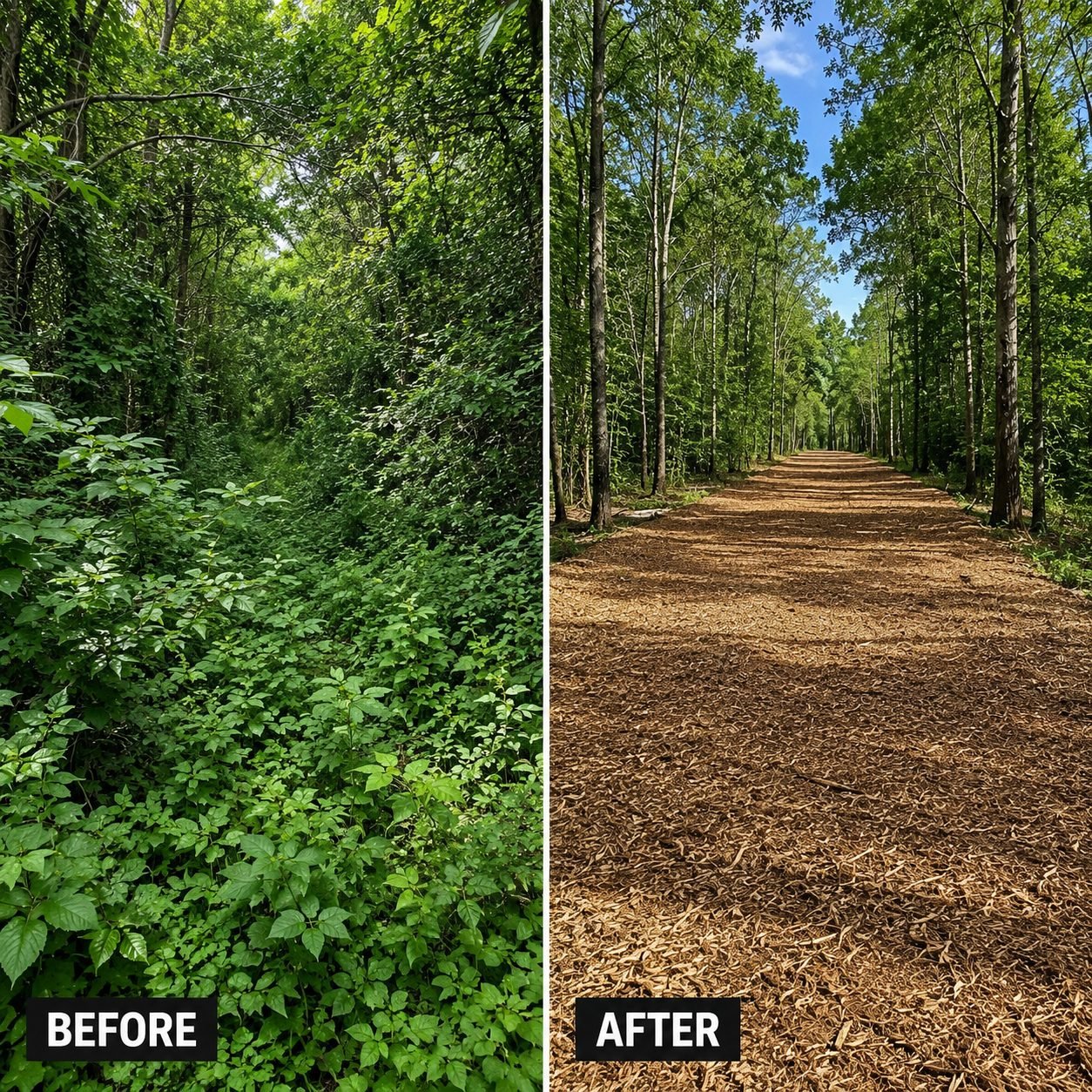
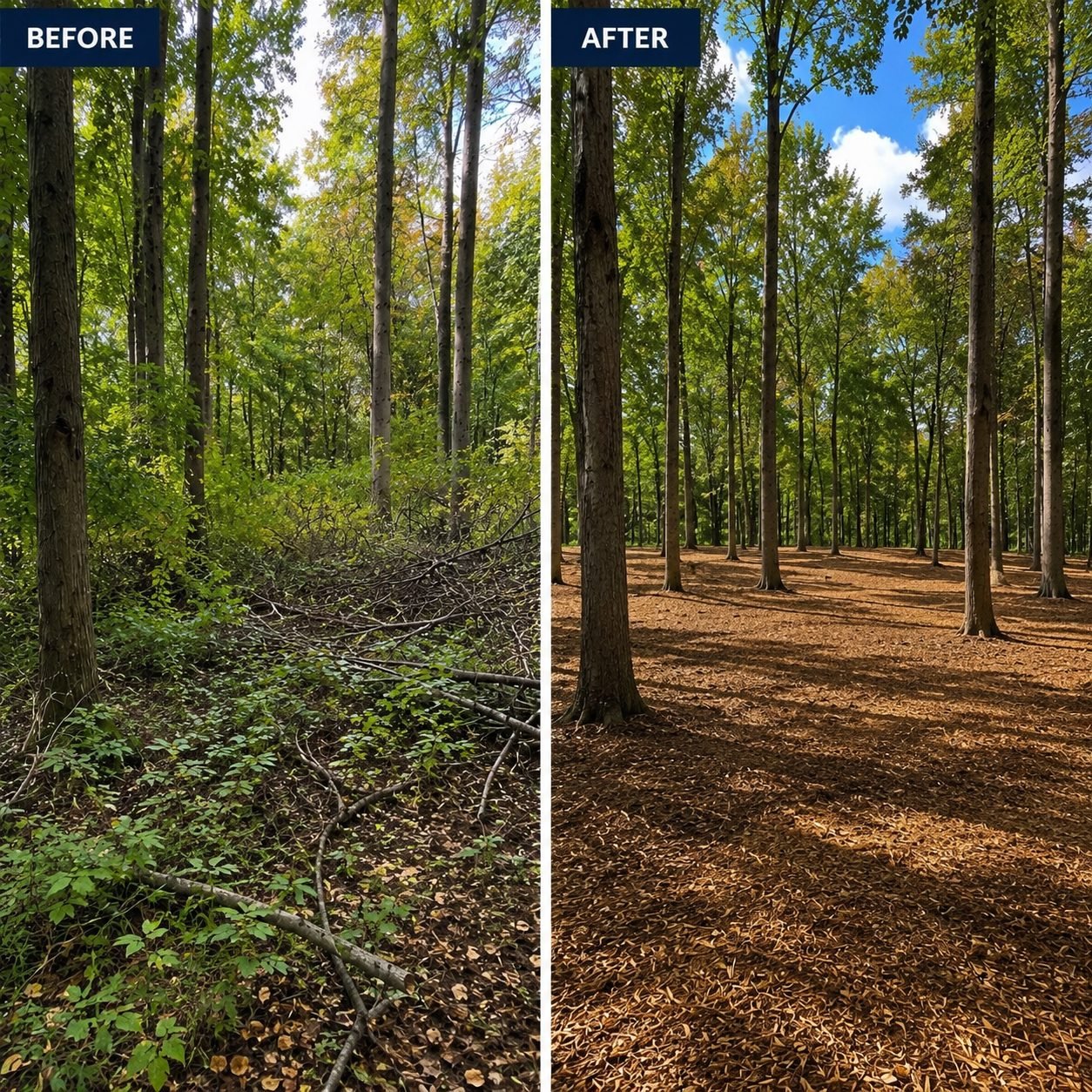
What Should a Dirt Work Gallery Show?
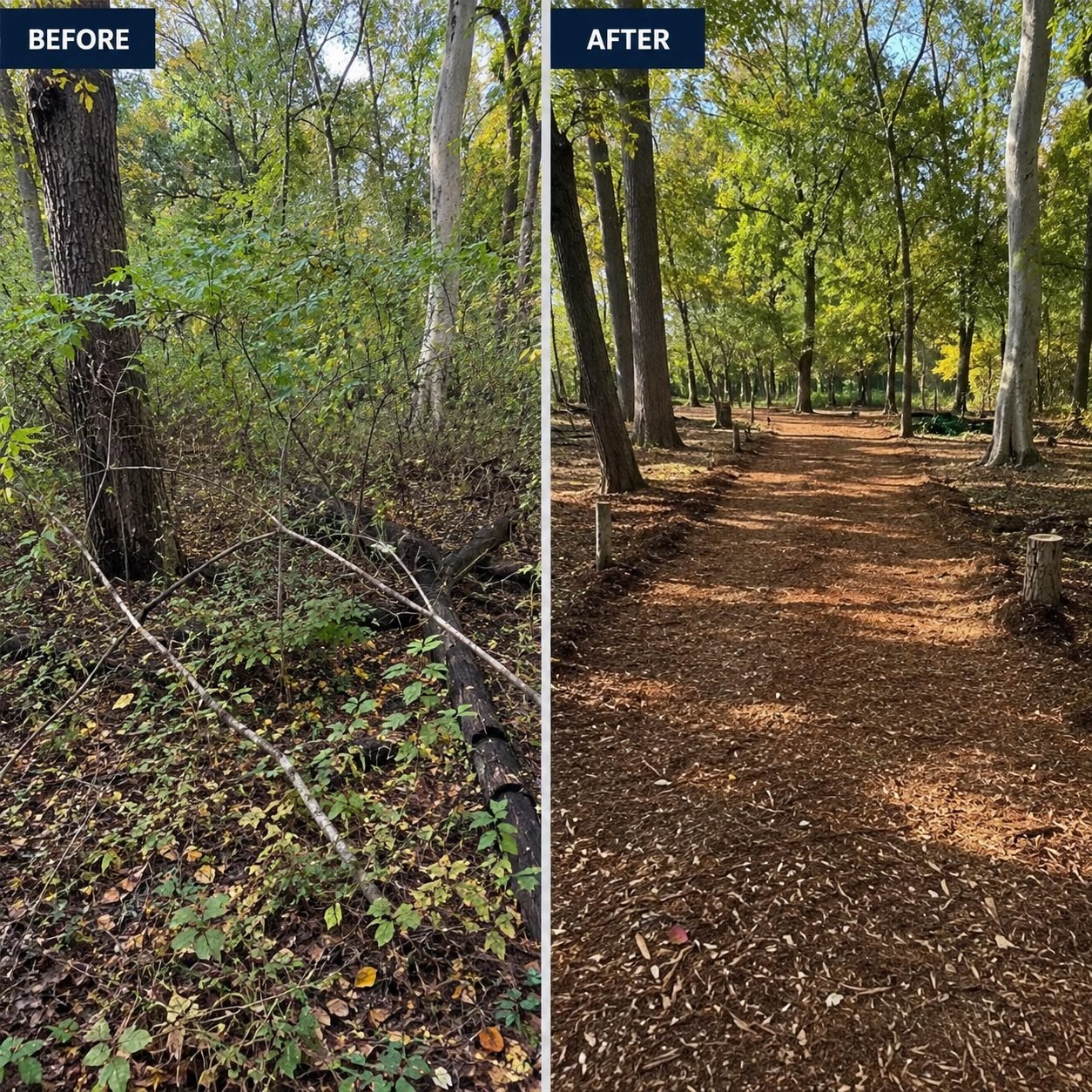
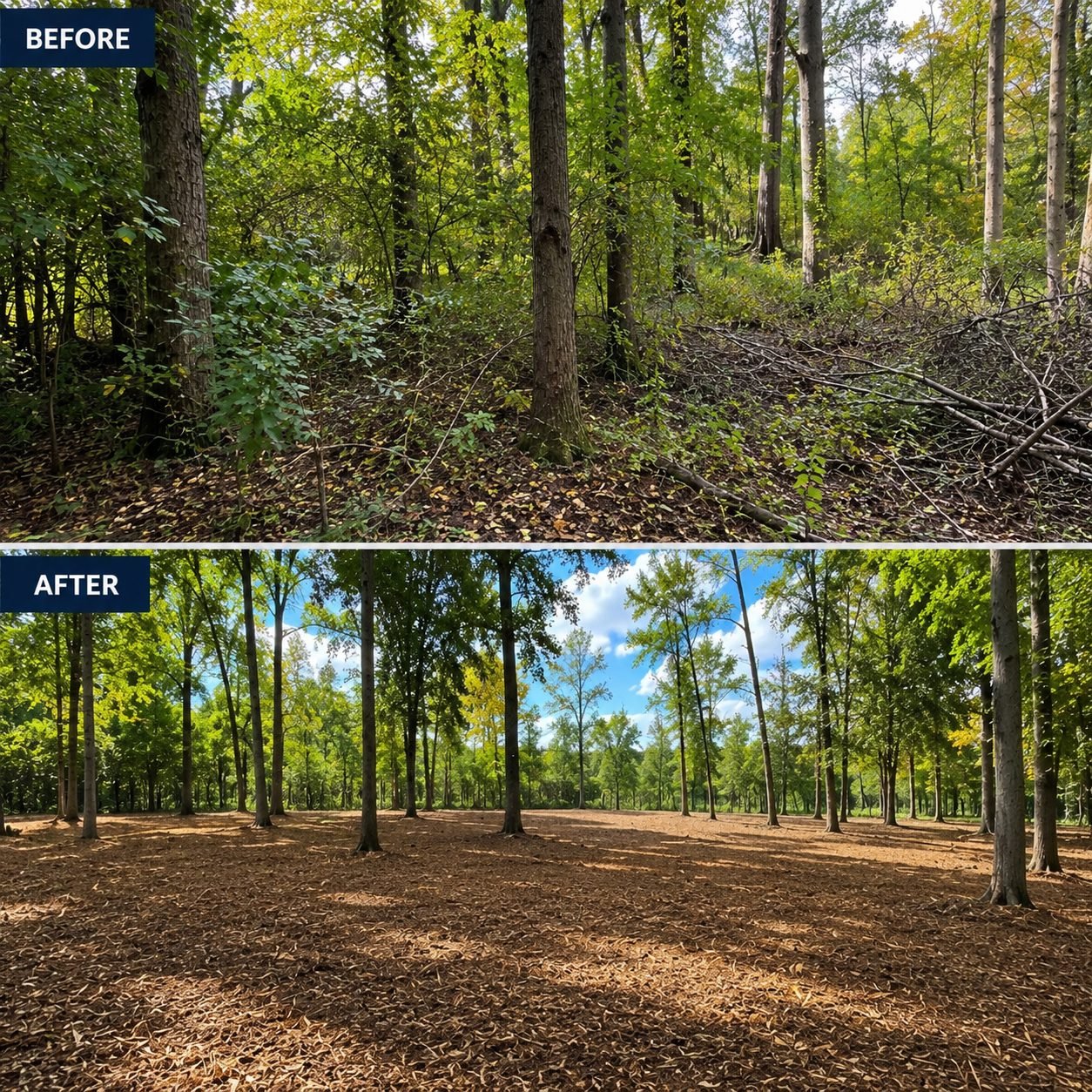
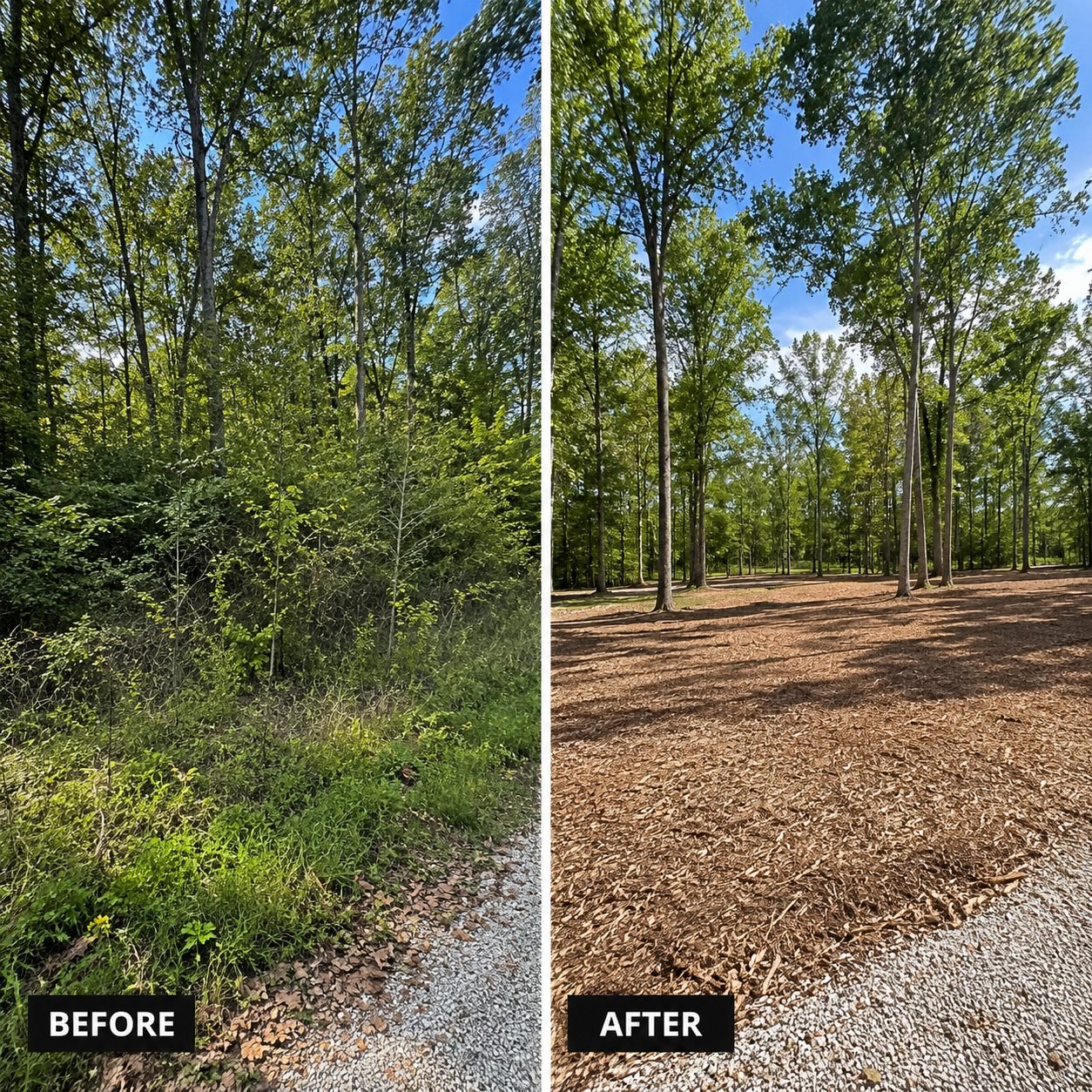
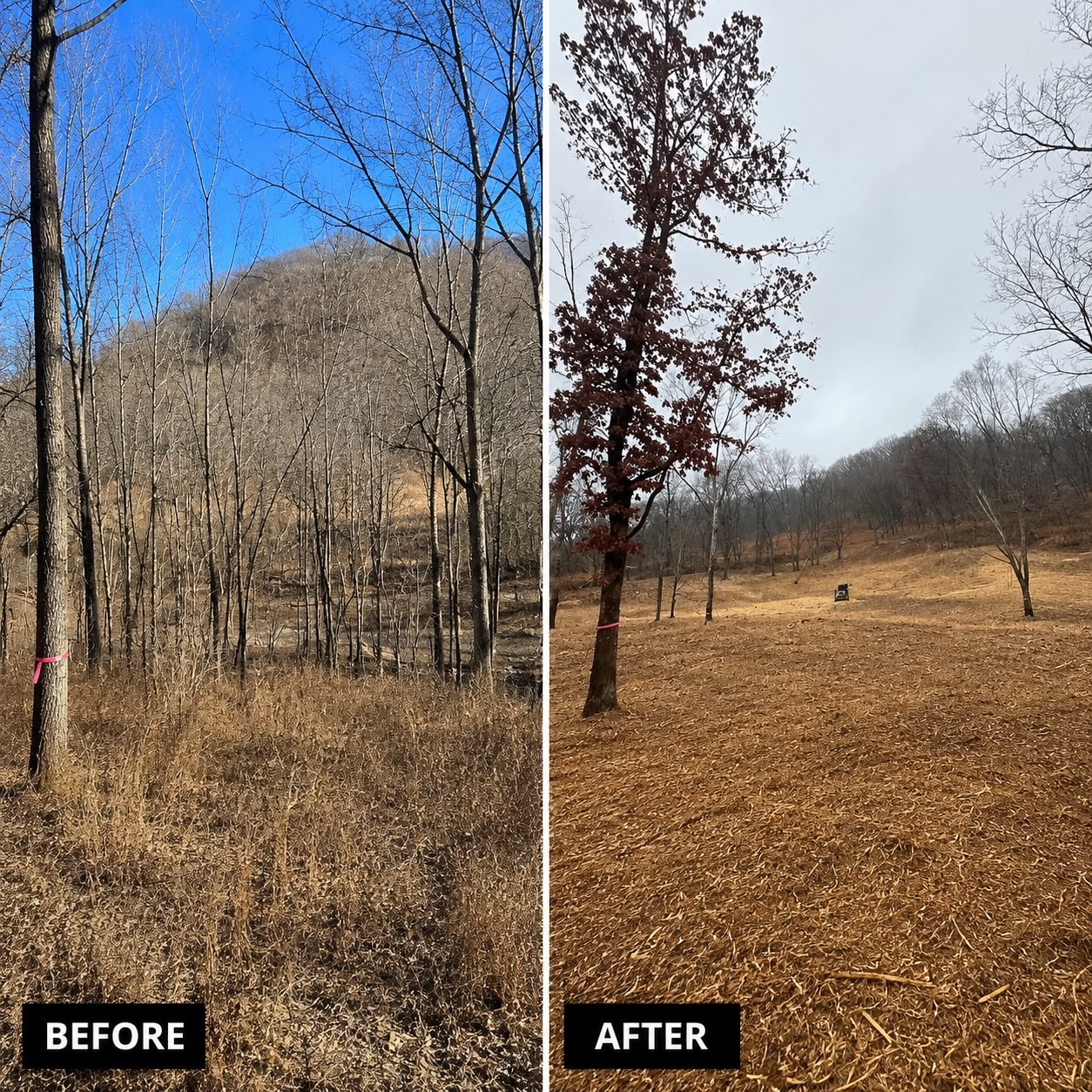
A good dirt construction gallery should show the site before work, active clearing or excavation, grade changes, compaction, drainage shaping, and the finished pad. Photos and notes help owners understand what changed, why it changed, and whether the site is truly ready for the next phase of construction.
Frequently asked questions
Excavation is one part of dirt construction, but not the whole job. Dirt construction includes clearing, stripping topsoil, grading, compaction, drainage planning, and building pad construction in addition to digging. Excavation is the physical removal of soil or material, while dirt construction is the full process of getting the site ready for a structure.
The timeline depends on site size, access, tree cover, soil condition, and whether material must be hauled off or imported. A simple pad may move quickly, while a complex lot with clay, stumps, and drainage corrections can take longer. The safest answer is that the work should be scheduled around real site conditions, not just square footage.
Yes, in most cases the site needs at least rough and final grading before the foundation can be poured. The grade determines drainage, elevation, and whether the foundation area is level and stable. Without correct grading, water can collect near the structure and the foundation may not sit on the correct prepared base.
Clay soil holds water, can become sticky and unstable when wet, and may be difficult to compact correctly if the moisture content is wrong. That makes timing and compaction especially important. In Central Ohio and similar regions, clay often means crews need more attention to drainage, drying, and lift placement during site prep.
Pad site prep is the process of preparing the exact area where a structure will sit. It usually includes clearing, removing topsoil and roots, bringing in or moving dirt, compacting the subgrade, and shaping the pad for drainage. The goal is to create a stable, build-ready surface for the foundation system.
Yes, stumps and root mass should generally be removed from the building footprint because organic material decomposes and can create settlement later. Depending on the site, that may mean stump grinding, extraction, or full clearing. A contractor should evaluate whether the stump is inside the footprint, close to the pad, or outside the build area.
Ask how they will handle drainage, compaction, utility locates, material haul-off, and imported fill. Also ask whether they are licensed and insured, what equipment they plan to use, and how they handle unexpected soil conditions. A solid contractor should be able to explain the sequence and potential cost drivers clearly.
The cost varies based on scope, but approved Fortress ranges include land clearing from $1,850 to $3,500 per acre for forestry mulching and $4,000 to $8,000 per acre for full clearing, grading from $1,000 to $3,000, excavation from $50 to $200 per cubic yard, demolition from $6,500 to $15,000, stump grinding from $100 to $500, and permits often from $100 to $300.
Dirt Work Across Central Ohio
Fortress Level Construction handles dirt work in every county and community across Central Ohio. See local details, drive times, and pricing for your area:
What Other Services Does Fortress Offer in Central Ohio?
Fortress Level Construction runs a full range of land-clearing, excavation, grading, and site-work services across Central Ohio, so one owner-operated crew can clear, grade, and prep a site end to end.
Get a Flat-Rate Quote from Lee Carson
Owner-operated land clearing across all five Central Ohio counties. Send your property details and Lee gets back to you within 2 to 3 hours during business hours with one flat number after a free on-site walk-through.