
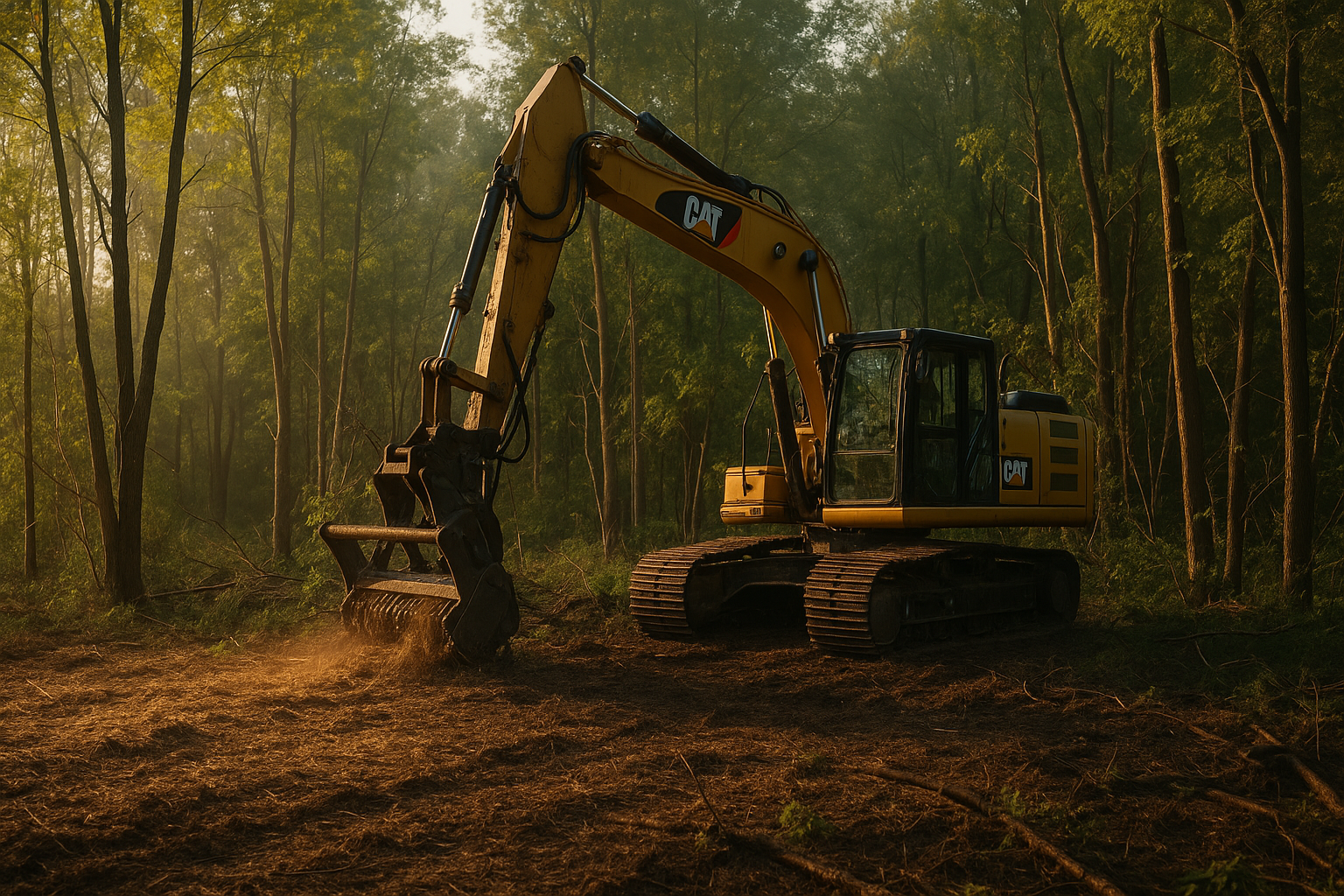

How to Grow Grass After Clearing Land in Ohio and Get Strong, Even Coverage
Grass after clearing land is established by preparing the soil, correcting drainage and compaction, choosing the right seed or sod, and protecting the new stand until roots take hold. The best results come from matching the method to the site, especially on clay-heavy ground common in Central Ohio and much of the Midwest.
The Quick Answer
- How to grow grass after clearing land starts with soil prep, grading, seed selection, and erosion control, not just throwing seed on bare ground.
- Planting grass after land clearing works best when the seedbed is loose enough for root contact but stable enough to resist runoff.
- Seeding cleared land on clay soil often requires compost, topsoil, or careful grading to prevent crusting and poor germination.
- Grass after mulching can be successful if the mulch layer is thin enough, the site is graded, and seed is placed in soil, not on heavy debris.
- Establishing pasture needs a different approach than a lawn because traffic, grazing pressure, and species choice change the plan.
- Erosion control matters immediately after clearing because a bare slope can lose topsoil before grass has a chance to establish.
- Utilities must be located before any digging or deep grading in Ohio, and ORC 3781.28 ties that to the 811 locate process.
- A qualified contractor can combine clearing, grading, and seedbed prep so grass establishment is faster and more predictable.
Related Questions People Ask Next
The first step is not seeding. It is evaluating the site for drainage, compaction, debris, slope, and soil condition. After that, you confirm the utility locate, finish any required clearing, and create a seedbed that seed can actually contact. If the soil is compacted or uneven, grass will emerge patchy no matter how good the seed is.
Sometimes yes, but only if the site is ready. If the ground is still rough, full of roots, or compacted from equipment, seeding immediately usually leads to poor germination. In many cases, a short round of grading, raking, and erosion control makes planting grass after land clearing much more successful than rushing the seed into bad conditions.
It can be, if the mulch is light and the goal is to stabilize the site rather than create a manicured lawn. Heavy mulch can block seed-to-soil contact, while a thin layer can help reduce erosion and moisture loss. For high-quality turf or pasture, many sites still need additional grading or topdressing after mulching.
That depends on the seed type, weather, watering, and how well the soil was prepared. Quick-germinating grasses can show in days or weeks, but usable root establishment takes longer. If the ground was compacted, sloped, or stripped of topsoil, the timeline stretches because the young grass spends more energy fighting site conditions than growing.
In most cases, yes. Grading helps water move away from structures, keeps puddles from drowning seed, and gives roots a better environment. Even on a rural lot, poor grading can wash seed off a slope or leave the future lawn uneven. Good grading is one of the biggest differences between a patchy result and a stand that lasts.
What is Grass After Clearing Land and How Does It Work?
Growing grass after clearing land means turning a disturbed site into a stable, seeded surface that can support healthy turf or pasture. The job includes soil preparation, grading, seed placement, watering, and protection from erosion. Good results depend on the condition of the land after clearing, not just the seed you buy.
At its core, grass after clearing land is a site-recovery project. Clearing removes trees, brush, stumps, rocks, and old debris, but it also exposes soil that may be compacted, stripped of organic matter, or unevenly graded. If you seed too soon without fixing those issues, the grass may sprout and still fail. The seed needs a stable, moist, weed-managed seedbed, not a raw construction scar.
In Central Ohio, clay soil can make this harder because it compacts easily and holds water after rain. That means the surface may crust over, runoff may move seed, and roots may struggle to penetrate. The practical answer is to treat planting grass after land clearing as a soil project first and a seeding project second. Good grading, light incorporation, and correct seed choice matter more than simply broadcasting more seed.
The right approach also depends on the end use. A lawn, slope, utility corridor, and grazing field all have different targets. Establishing pasture usually calls for tougher, more traffic-tolerant species and a broader soil-conditioning plan than a small yard. If the site was forestry mulched, the existing mulch can help or hurt depending on depth. Grass after mulching works only when the surface still allows seed-to-soil contact.

Why Does Grass After Clearing Land Matter for the Property?
The reason grass establishment succeeds or fails is usually soil condition, not seed quality. Correct grading reduces erosion, improves drainage, and helps seedlings root. On cleared land, the soil often needs correction before seeding cleared land can produce even coverage, especially where clay, compaction, or scraped topsoil are part of the site.
Which Methods Work Best for Seeding Cleared Land?
The main methods are broadcast seeding, hydroseeding, drill seeding, and sod, with or without compost or topdressing. The best choice depends on site size, slope, budget, and how fast you need cover. For grass after mulching, seed-to-soil contact and erosion control usually matter more than the delivery method alone.
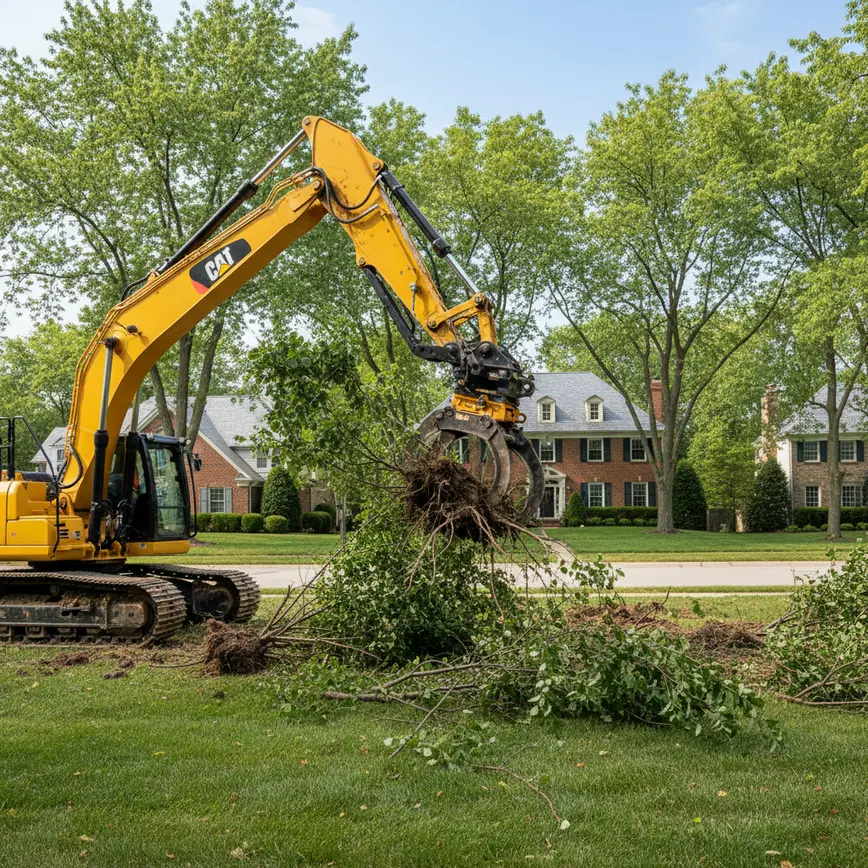
How Do You Seed Grass After Clearing Land Step by Step?
A successful process usually follows the same sequence: inspect the site, call 811, finish clearing, rough grade, correct soil, prepare the seedbed, seed, cover, water, and protect the area. Skipping any of these steps is one of the fastest ways to lose a new stand, especially on clay soil or slopes.
What Affects the Cost of Growing Grass After Clearing Land?
The price of grass after clearing land is driven by how much clearing remains, how rough the grade is, whether soil needs correction, and how hard the site is to access. Seed costs, erosion control, drainage fixes, and whether you need full clearing or forestry mulching all change the total scope.
What Equipment Is Used for Grass After Clearing Land?
The tools range from excavators and dozers to seeders, rollers, rakes, hydroseeders, and mulch control equipment. The right machine mix depends on whether you are dealing with stumps, slopes, compacted soil, or a final finish for turf or pasture. Equipment choice affects both speed and the quality of seedbed preparation.
Should You DIY or Hire a Pro for Planting Grass After Land Clearing?
DIY can work on small, simple areas, but a pro is usually better when the site is steep, compacted, wooded, or needs grading and erosion control. Hiring a contractor often reduces rework because clearing, soil prep, seeding, and drainage are coordinated instead of handled as separate tasks.
What Permits, Regulations, and Ohio 811 Rules Apply Before Digging?
Before clearing or grading, check whether local permits are needed and always call Ohio 811. In Ohio, ORC 3781.28 requires a utility locate at least 48 hours before digging. This is a critical step for grass after clearing land because grading, stump work, and excavation can all disturb buried utilities.
How Do You Choose a Contractor for This Type of Work?
Choose a contractor who can handle clearing, grading, erosion control, and seeding as one coordinated project. Look for licensing, insurance, local experience, clear scope definitions, and a crew that understands both land preparation and grass establishment. The right contractor should explain the soil plan, not just quote the clearing.
Start by asking whether the contractor does only clearing or whether they also handle grading and seedbed prep. Grass after clearing land is easier when the same team understands the handoff between those phases. If the clearing crew leaves ruts, piles debris in the wrong place, or compacts the soil too much, the seeding phase suffers. A contractor who thinks ahead can reduce those problems before they happen.
Ask about licensing, insurance, equipment, and local experience. Central Ohio clay soil behaves differently than sandy or loamy ground in other regions, so it helps to work with a team that knows how local soils respond to grading and moisture. Fortress Level Construction has served Central Ohio since 2009, is licensed and insured, and was founded by Lee Carson, a combat veteran A real crew matters here because clearing and site recovery are physically demanding and require multiple machines and coordinated tasks.
You should also ask for a clear scope of work. Does the quote include stump removal, grading, erosion control, and seedbed preparation, or only the clearing? Are utility locate and permit responsibilities spelled out? If you are establishing pasture, do they understand the difference between a pasture stand and a decorative lawn? The best contractor is the one who makes the process easier to understand and easier to finish correctly.
Which Methods Are Best for Grass After Clearing Land?
Different methods fit different sites. The best choice depends on slope, budget, site size, and how much soil correction is still needed. This comparison shows where broadcast seeding, hydroseeding, drill seeding, and sod make the most sense when seeding cleared land or repairing grass after mulching.
| Method | Best use | Pros | Tradeoffs |
|---|---|---|---|
| Broadcast seeding | Small to medium sites with a prepared seedbed | Simple, flexible, low equipment needs | Uneven coverage if the soil is rough or windy |
| Hydroseeding | Slopes, larger exposed areas, erosion-prone sites | Uniform application, holds moisture better, good on bare soil | Needs equipment and works poorly on debris-heavy surfaces |
| Drill seeding | Pasture establishment and larger open ground | Strong seed-to-soil contact and consistent placement | Requires accessible ground and a well-prepared surface |
| Sod | Small high-visibility areas needing instant cover | Immediate appearance and fast soil protection | Highest material and watering demands, limited practicality for large acreage |
| Broadcast plus topdressing | General lawn or field planting after land clearing | Improves seed contact and moisture retention | Adds steps and can still fail on compacted clay |
| Mulched seeding | Sites where grass after mulching needs added erosion control | Helps protect seed and reduce runoff | Too much mulch can block germination |
When Grass After Clearing Land Is Not the Right First Move
Sometimes the fastest way to fail is to seed too early. If the site still has debris, severe compaction, active drainage problems, or unfinished utility work, grass establishment will struggle. The right move is often to correct the site first, then seed once the ground is ready.
One common mistake is seeding before the site is actually finished. If stumps are still being removed, heavy equipment is still traveling across the ground, or grading is not complete, the new seedbed will be disturbed again. That leaves ruts, buried seed, and weak root growth. Grass after clearing land only succeeds when the disturbance is largely done and the final grade is in place.
Another limitation is erosion risk. Steep slopes, bare clay, and high runoff areas may need stabilization before or immediately after seeding. If water is moving across the site too fast, the seed can wash away. In those cases, straw, blanket, or mulch products become part of the solution. This is especially important when establishing pasture or seeding a large open field where rain events can move a lot of soil in a short time.
A final limitation is expectation. Not every cleared property should be treated like a manicured lawn. Some areas are better suited to utility grass, pasture grass, or staged reclamation rather than instant turf. If the soil is poor, the subgrade is uneven, or access is limited, the smartest plan may be phased work. That may mean clearing first, then grading, then soil improvement, then seeding.
Project Gallery: What the Process Looks Like
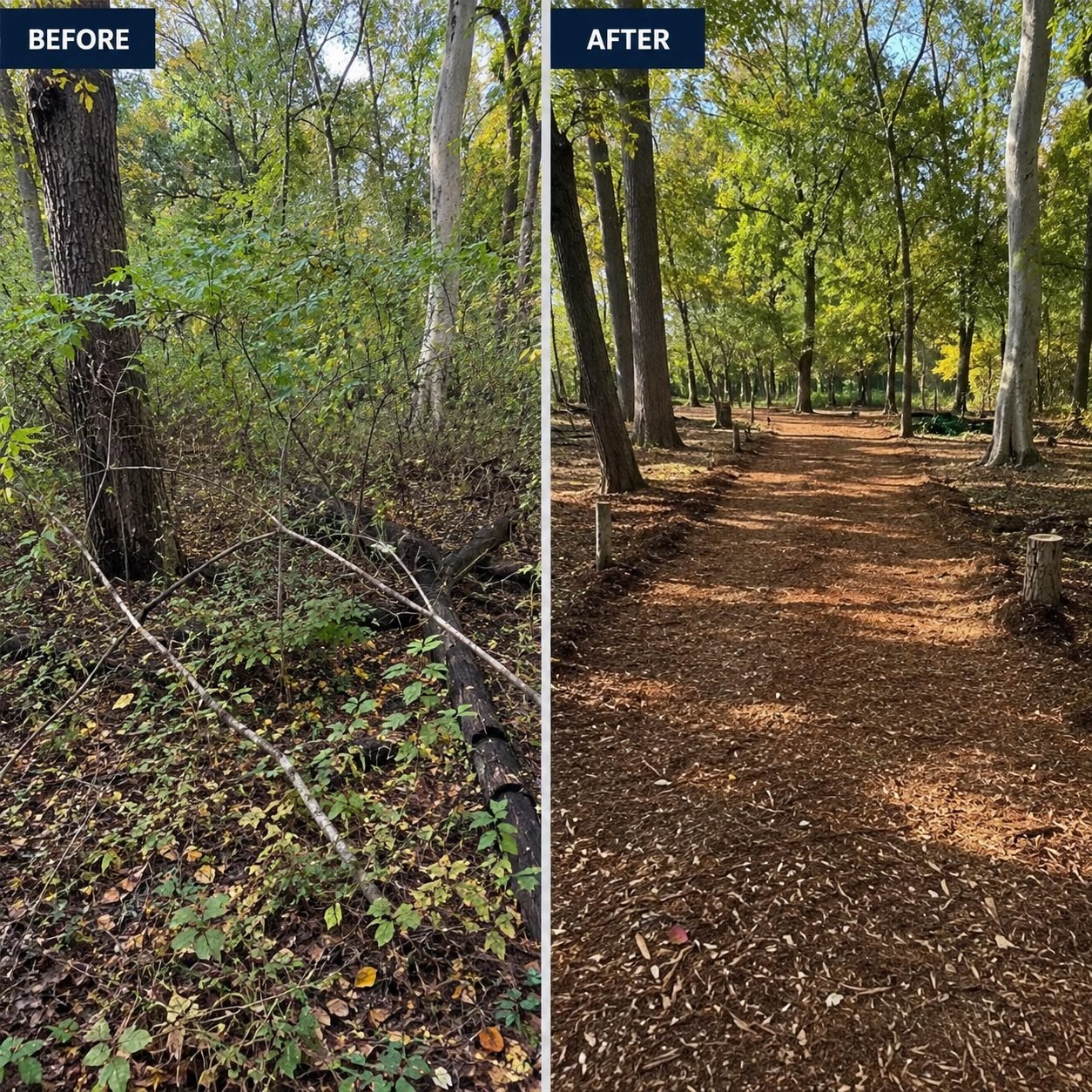
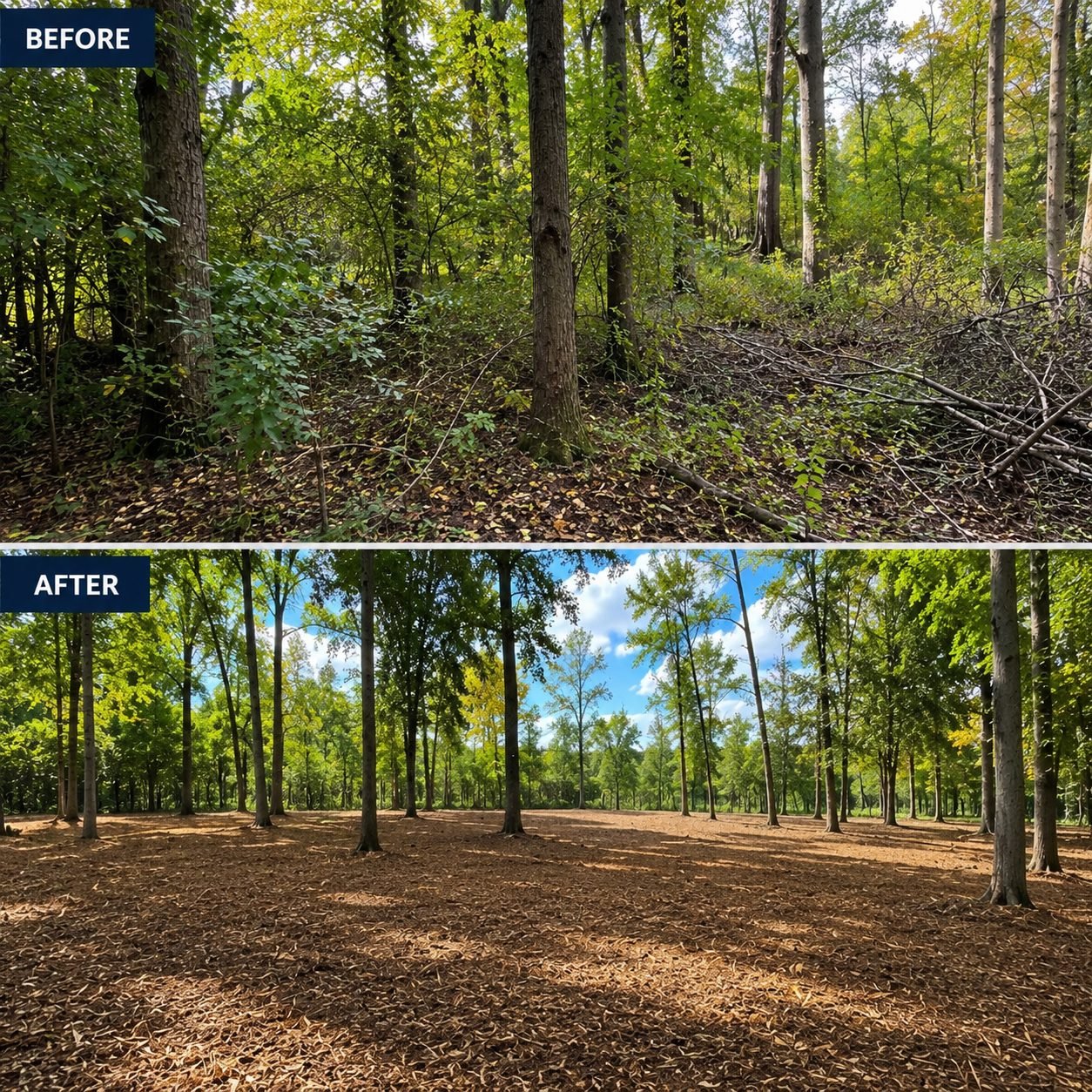
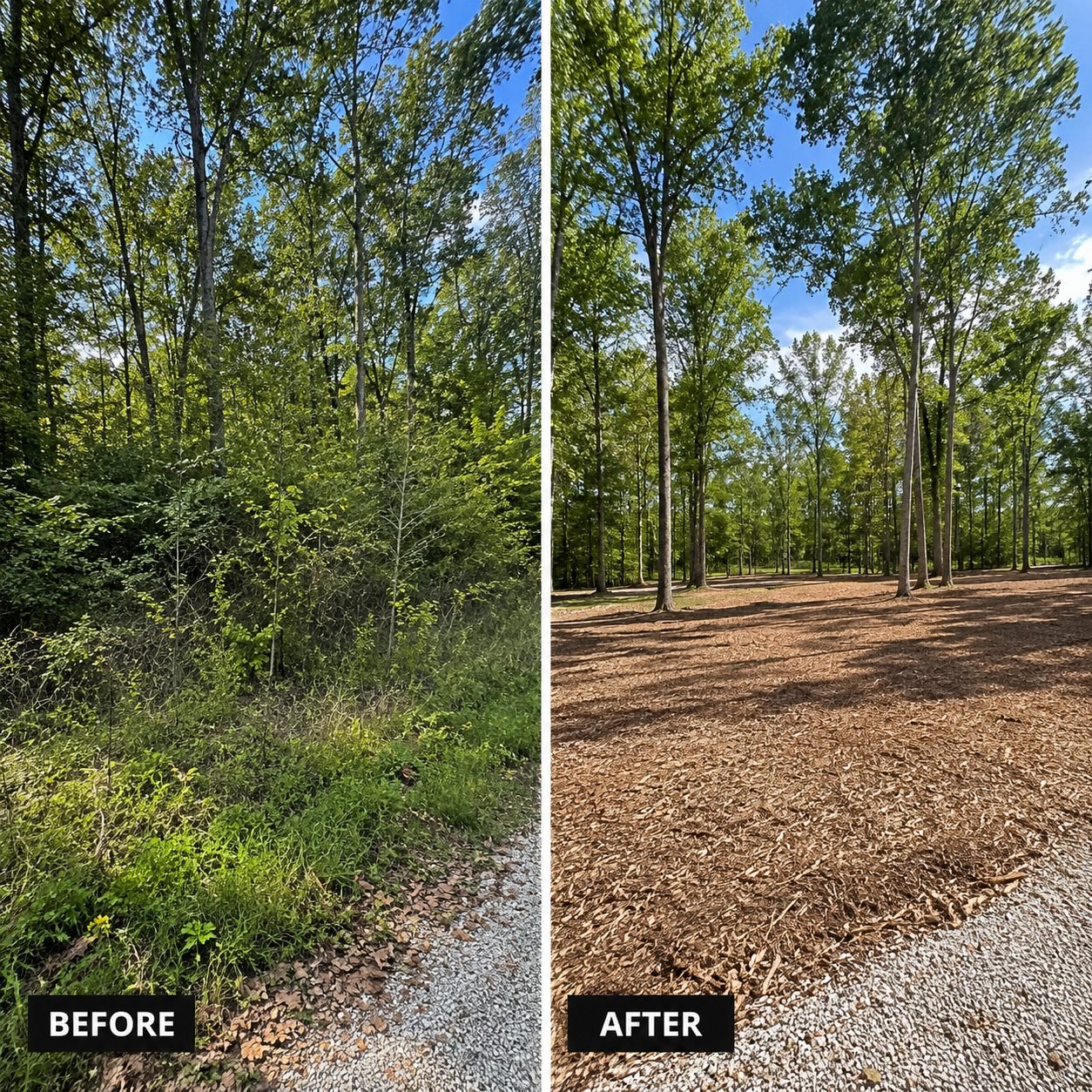
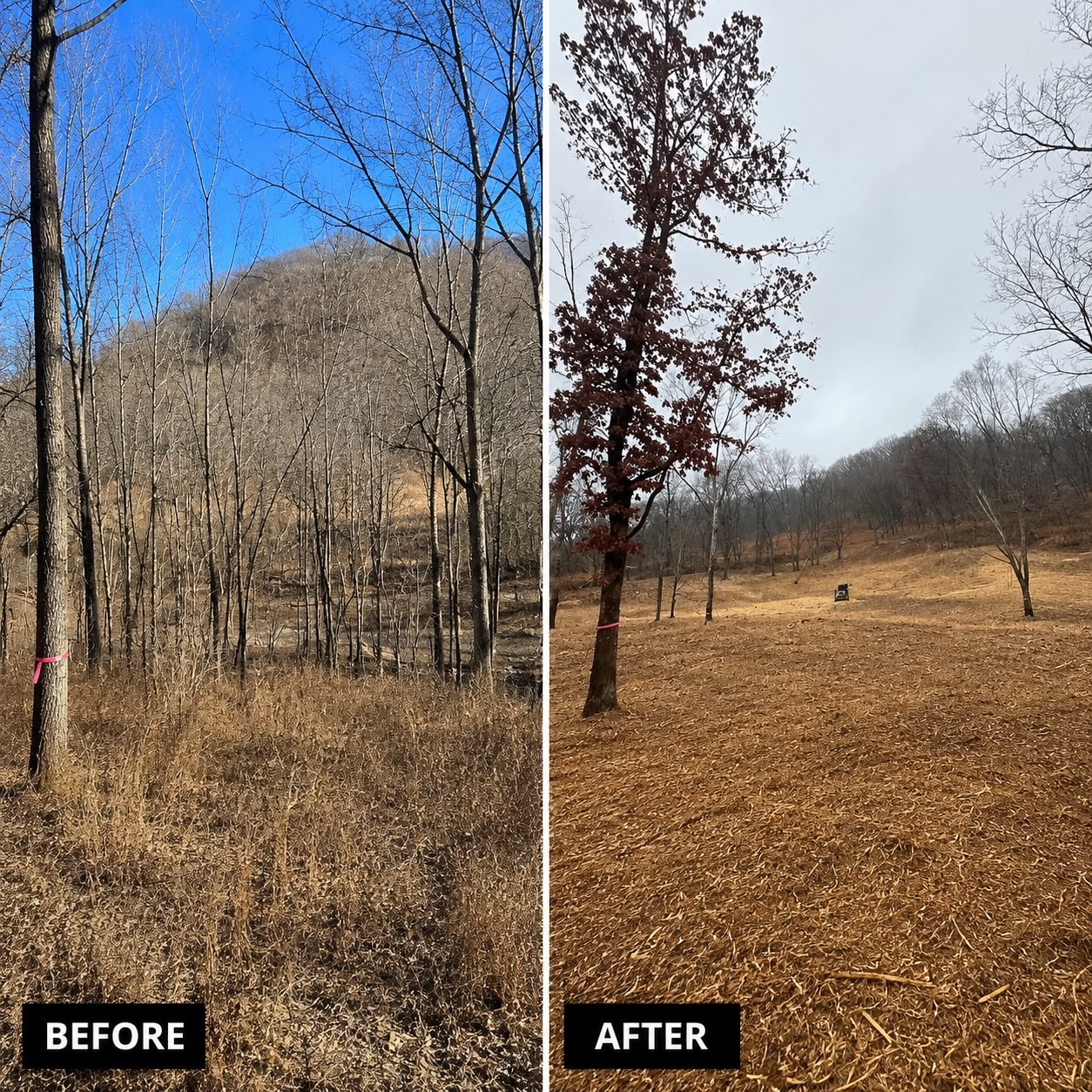
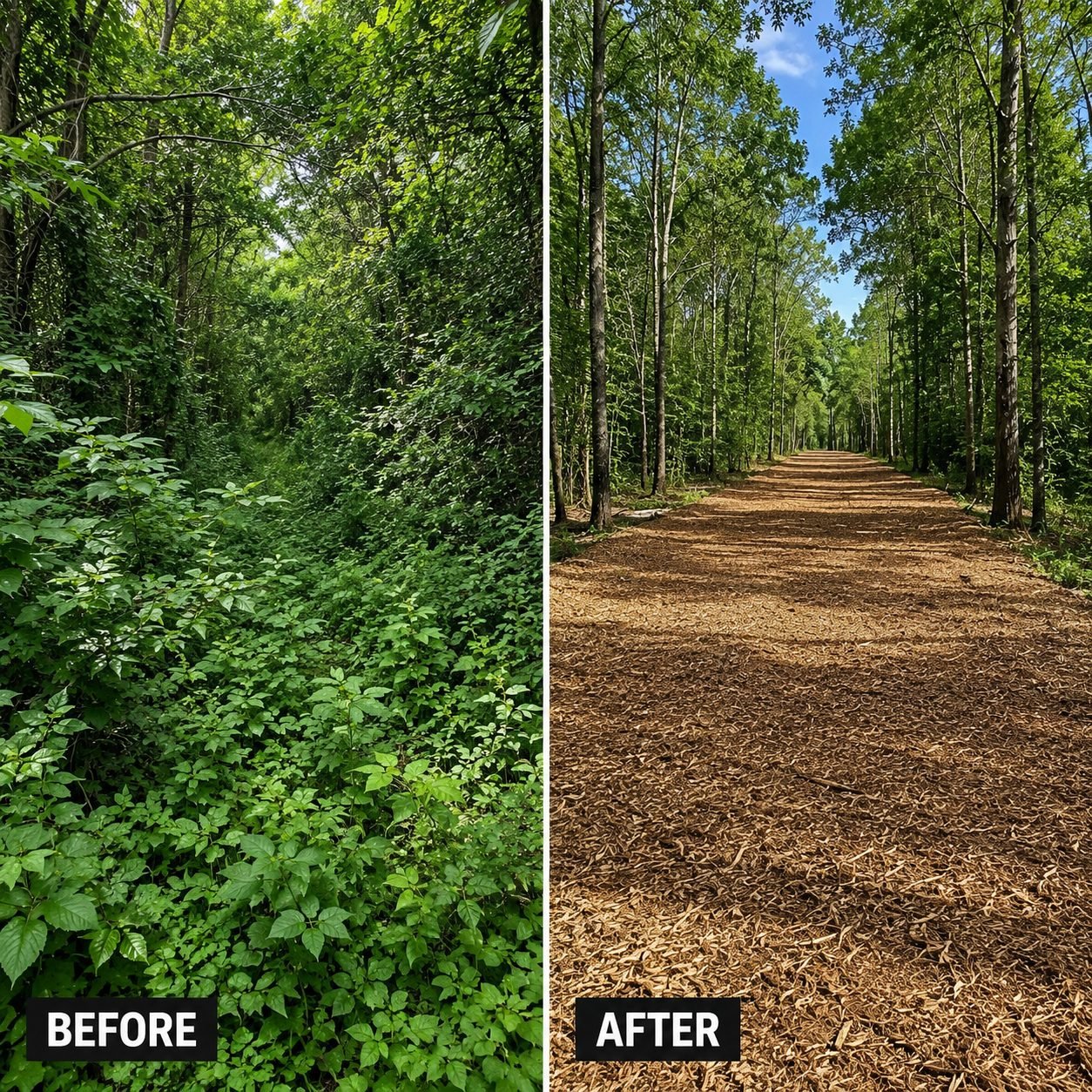
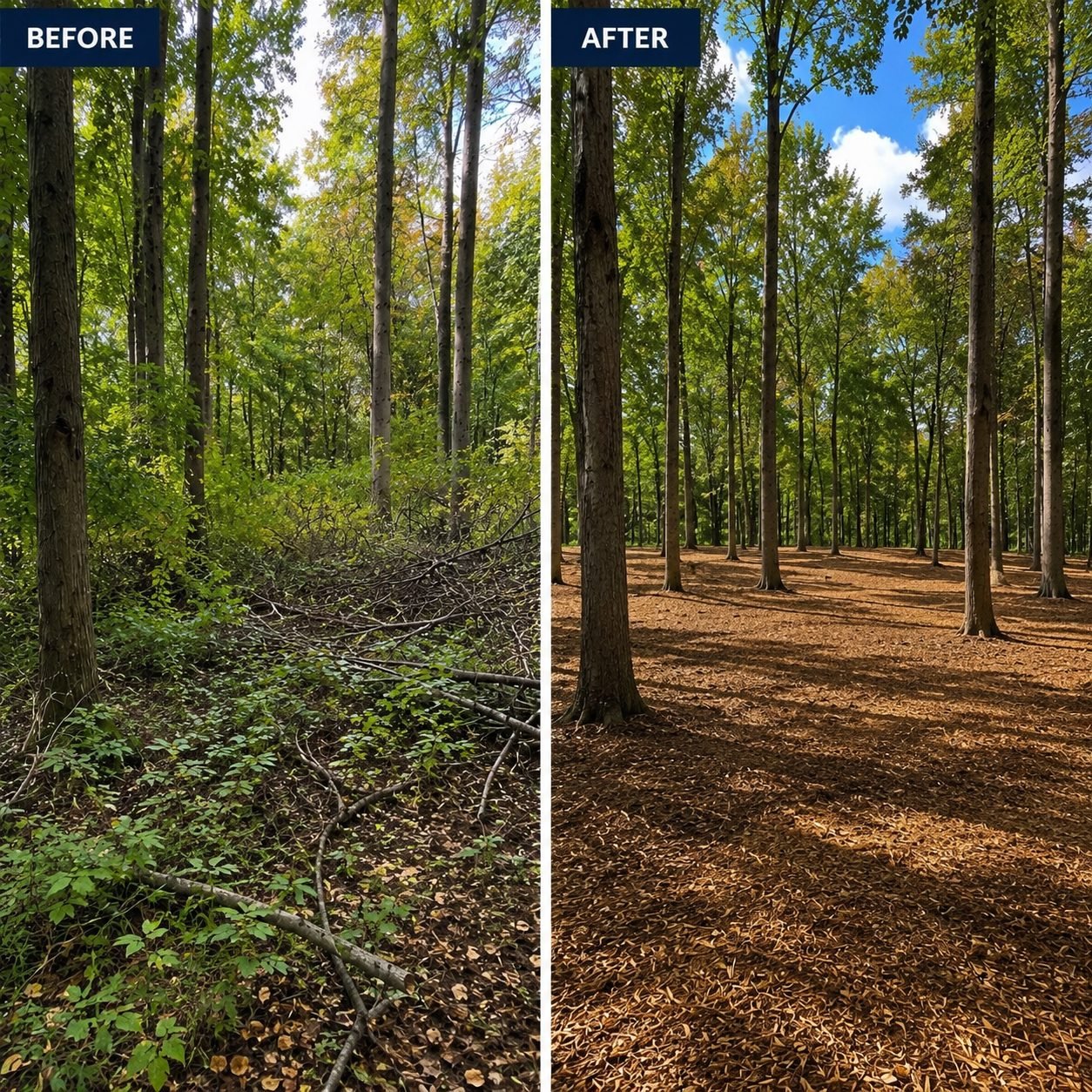
A useful gallery for this topic should show the site before clearing, after debris and stump removal, after rough grading, during seeding, and after erosion protection is installed. For grass after clearing land, the progression matters because each stage proves the soil was prepared before the seed went down.
Frequently asked questions
Clay soil often needs extra attention because it compacts, crusts, and drains slowly. The best approach is to loosen the surface, correct grade issues, and add topsoil or organic material where needed before seeding. On clay-heavy sites, seed choice and erosion control matter a lot because water can either run off too quickly or sit too long.
The best timing depends on the grass species and local climate, but cooler, more stable weather usually helps new seed establish. The key is to avoid extreme heat, drought, and periods of heavy runoff. In Central Ohio and similar climates, spring and late summer are often practical windows, but site conditions matter more than the calendar alone.
Sometimes, but only in the right amount. A thin mulch layer can help hold moisture and reduce erosion, which is useful on slopes or bare soil. Too much mulch blocks seed-to-soil contact and can slow germination. Grass after mulching works best when the mulch is managed as protection, not as a blanket that buries the seed.
Usually not if you want the best result. Lawn mixes are selected for finer texture and a more manicured appearance, while pasture grasses are chosen for durability, traffic tolerance, and long-term use under grazing or field conditions. If the end goal is establishing pasture, the seed mix should match that purpose from the start.
Not always, but many sites benefit from it, especially if the clearing stripped away the best top layer or left compacted subsoil exposed. Topsoil helps seed germinate, improves moisture retention, and gives roots a better environment. If the original soil is still decent and the site is graded properly, you may not need full topsoil replacement.
Wait until the stand has rooted well enough to resist pulling up under foot traffic. Walking on it too early can move seed, flatten sprouts, and compact the surface. If the area is a pasture or other high-use site, access should be phased in gradually. Early protection often matters as much as the initial seeding work.
That usually means the grade or erosion control is not adequate yet. Recheck slope direction, runoff paths, and whether the soil surface is too exposed. In some cases, the answer is better grading. In others, it is blanket, mulch, or a staged seeding plan. If water is moving soil, the seed is not the first thing to fix.
A land-services contractor can handle the heavy site work that often comes before grass can grow: clearing, stump grinding, excavation, grading, and debris removal. That matters because a planting job is only as good as the surface underneath it. For a cleared lot, the real challenge is often building a seedbed, not just spreading seed.
Land Clearing Across Central Ohio
Fortress Level Construction handles land clearing in every county and community across Central Ohio. See local details, drive times, and pricing for your area:
What Other Services Does Fortress Offer in Central Ohio?
Fortress Level Construction runs a full range of land-clearing, excavation, grading, and site-work services across Central Ohio, so one owner-operated crew can clear, grade, and prep a site end to end.
Get a Flat-Rate Quote from Lee Carson
Owner-operated land clearing across all five Central Ohio counties. Send your property details and Lee gets back to you within 2 to 3 hours during business hours with one flat number after a free on-site walk-through.