

How Much Does It Cost to Clear Land Per Acre in Ohio? A Practical Guide to Getting a Build-Ready Property
Land clearing cost is the total price to remove trees, brush, stumps, roots, and debris so a parcel can be used for building, farming, or access. In 2026, the cost to clear land depends on vegetation density, access, slope, soil, disposal needs, and whether you choose forestry mulching or full clearing.
The Quick Answer
- How much does it cost to clear land per acre in Ohio? The answer depends on what is actually on the ground, not just acreage.
- Land clearing cost changes most with tree density, stump work, access, slope, soil, and whether haul-off or grading is included.
- Forestry mulching is often the lower-impact option, while full clearing costs more because it includes more labor, equipment, and disposal.
- Central Ohio clay soils and wet conditions can slow production and affect pricing, especially on wooded or rough sites.
- A good quote should explain what is included, what is excluded, and whether utility locating, permits, and finish grading are part of the scope.
- Bulldozer land clearing cost is only one piece of the total if the job also needs excavating, stump grinding, haul-off, or rough grading.
- Ohio 811 is required before digging, and local permit needs can vary by township, county, drainage area, and project type.
- The best contractor is licensed, insured, well-equipped, and transparent about methods, debris handling, and final site condition.
Related Questions People Ask Next
The cost to clear land per acre varies widely because every site is different. A light forestry mulching job can be much less expensive than full clearing with stump removal and haul-off. In practice, land clearing cost is driven by density, slope, access, and disposal, so two acres can price very differently even on the same property.
Forestry mulching is often the lowest-impact and sometimes the most cost-effective approach when the goal is to remove brush and smaller trees without major excavation. It is not always the cheapest for every site, though, because large logs, heavy stumps, or construction prep can require full clearing. The right method depends on your end goal.
Because an acre of saplings on flat ground is not the same job as an acre of mature hardwoods, stumps, rocks, and wet clay. Production time, equipment type, debris disposal, access, and grading all affect pricing. That is why the best bids separate clearing method, haul-off, stump work, and finish grading.
Yes. Bulldozer land clearing cost is usually tied to more aggressive site preparation, especially when pushing trees, stockpiling debris, or rough-grading the site. Mulching uses a different approach that leaves shredded organic material on site. The total cost depends on whether the work is light clearing, construction clearing, or a full cut and fill package.
Sometimes yes, sometimes no. Permit needs depend on the township, county, drainage, tree removal rules, stormwater requirements, floodplain issues, and whether the site is being developed. Even when a permit is not required for clearing alone, Ohio 811 utility locating is required before digging. A contractor should help you check local requirements early.
What Is Land Clearing and What Does It Include?
Land clearing is the process of removing vegetation, stumps, roots, rocks, and debris from a parcel so the land can be used for building or other work. It can be a light cleanup or a full site preparation project, and the scope is the biggest reason land clearing cost changes from one property to the next.
When people ask how much to clear an acre, they are usually asking about more than just cutting trees. True land clearing can include brush cutting, tree removal, stump grinding, root raking, haul-off, erosion control, and rough grading. On some sites, the goal is simply to open up trails or restore visibility. On others, the goal is to prepare a pad for a home, barn, driveway, or utility installation.
A contractor will usually look at canopy cover, tree diameter, brush density, slope, access, and soil conditions before pricing the work. That is why land clearing prices per acre are often presented as ranges rather than fixed numbers. A clean, open lot is a different project than a heavily wooded parcel with clay soil, wet pockets, or buried debris. In Central Ohio, soil moisture and heavy clay can make heavy equipment work slower and more disruptive if it is not planned correctly.
The word clearing can also mean different things in different industries. For agriculture, it may mean reclaiming overgrown ground. For residential development, it may mean getting a parcel ready for permit review and construction staking. For commercial or utility work, it may mean removing enough vegetation to expose right-of-way, stormwater features, or underground services. The more exact your end use, the more accurate the cost to clear land will be.

Why Does Land Clearing Matter Before You Build or Improve a Property?
Land clearing matters because it turns unusable or risky ground into a site that can be accessed, graded, drained, and built on. Proper clearing also reduces hidden hazards, improves drainage planning, and helps prevent costly surprises later. In many cases, the upfront cost is cheaper than repairing problems caused by poor site prep.
What Land Clearing Methods Should You Consider?
The main land clearing methods are forestry mulching, full clearing with haul-off, stump grinding, and selective clearing. The best method depends on your end use, budget, and how much disturbance the site can tolerate. For many properties, the method chosen matters as much as the acreage when estimating land clearing cost.

How Does the Land Clearing Process Work Step by Step?
A proper clearing job starts with a site walk, utility locate, scope review, and equipment plan, then moves into cutting, mulching or removal, stump handling, cleanup, and final grading if needed. A clear process helps explain land clearing prices per acre and reduces the chance of surprises during the job.
What Drives Land Clearing Cost Per Acre?
Land clearing cost is driven by density, tree size, stump work, access, slope, soil, disposal, equipment, and how finished the site must be. Acreage matters, but it is rarely the main factor. Two properties with the same size can have very different cost to clear land because the work content is completely different.
What Equipment Is Used for Land Clearing?
Land clearing equipment includes forestry mulchers, excavators, skid steers, dozers, brush cutters, stump grinders, grapple attachments, and haul trucks. The right machine depends on the vegetation, soil, access, and the finish required. Equipment choice can strongly affect both speed and land clearing cost.
Should You DIY or Hire a Pro for Land Clearing?
DIY land clearing can work for very small brush cleanup, but professional clearing is usually the safer and more efficient choice for wooded, sloped, or build-ready sites. Pro land clearing often costs more upfront, but it reduces equipment risk, utility risk, cleanup problems, and delays that can make the project more expensive overall.
How Do Permits, Regulations, and Ohio 811 Affect Land Clearing?
Before any digging or heavy disturbance, you need to check local permit rules and call Ohio 811. In Ohio, ORC 3781.28 requires a utility locate at least 48 hours before excavation. Depending on the township or county, permit needs can also affect land clearing cost and project timing.
How Do You Choose the Right Land Clearing Contractor?
Choose a contractor who is licensed, insured, experienced with your property type, and transparent about scope, equipment, debris handling, and finish work. The best choice is not always the lowest bid. The right contractor explains how they will clear the land, protect utilities, and deliver the result you need.
Start with proof of licensing, insurance, and real local experience. A land clearing contractor should be able to explain how they handle forestry mulching, full clearing, stump work, grading, and haul-off without vague promises. Ask what equipment they plan to use and why. If they are recommending bulldozer land clearing cost on a wooded site, they should be able to explain the method, the production rate, and the finish you can expect. A strong contractor talks in specifics, not slogans.
Next, compare bids on scope rather than on price alone. One bid may include stump removal and debris hauling while another only covers mulching. One may include grading and another may not. Ask whether the quote includes utility locating, permit coordination, cleanup, and disposal. A reliable contractor will tell you what is excluded as clearly as what is included. That kind of clarity is often more valuable than shaving a little off the initial land clearing cost, because it prevents change-order surprises after work begins.
Finally, look for a team that can handle the full path from clearing to finish work. Fortress Level Construction is a licensed, insured Central Ohio land-services company founded by Lee Carson, a combat veteran The company has a crew, not a one-person operation, which matters when the job requires coordination across clearing, grading, excavation, or demolition. For property owners, the question is not just who can cut trees. It is who can turn a raw parcel into a usable site with fewer surprises.
Which Land Clearing Method Fits Your Property Best?
The right clearing method depends on what you want the property to become. Use this comparison to match the approach to the site conditions, finish expectations, and budget. It is the fastest way to understand how much to clear an acre when the same acreage can require very different work.
| Method | Typical cost profile | Speed and disturbance | Best use case |
|---|---|---|---|
| Forestry mulching | Lower to moderate land clearing cost when the site is brushy or lightly wooded | Fast on suitable terrain with limited soil disturbance | Trail creation, undergrowth removal, selective opening, and low-impact cleanup |
| Full clearing | Higher cost to clear land because of cutting, stump work, haul-off, and cleanup | Slower and more involved with greater site disturbance | Home sites, barns, commercial pads, and projects needing a clean build surface |
| Selective clearing | Varies widely based on how many trees, roots, and obstacles must be removed | Moderate speed with careful work around remaining features | View corridors, access lanes, utility corridors, and partial lot improvement |
| Bulldozer-led clearing | Can be efficient on open ground but rises when grading and pushing are included | Very fast on accessible sites, but can be rougher on soft or confined ground | Large open areas, rough shaping, and projects needing earth movement |
| Stump grinding only | Usually a narrower scope than full clearing, with separate pricing | Localized work and moderate disturbance around each stump | Removing remaining stump hazards after trees are already down |
| Clearing plus grading | Higher total price because it combines removal with finish surface work | Longer project but often better final usability | Build prep, drainage correction, and site readiness for construction |
When Is Land Clearing Not the Right First Step?
Land clearing is useful, but it is not always the first or best move. Some sites need surveying, drainage planning, utility review, or permit approval before a single tree is cut. In other cases, overclearing can create more problems than it solves, especially on wet or erosion-prone ground.
The most common mistake is clearing before confirming the end goal. If you do not know whether the site will need a house pad, septic field, driveway, or stormwater feature, you can remove vegetation that would have helped the project or miss areas that should have stayed protected. Another mistake is assuming that forestry mulching and full clearing are interchangeable. They are not. Mulching may be the better fit for a managed wooded parcel, but it will not replace stump removal or heavy grading when a building site is required.
A second limitation is weather and soil conditions. In Central Ohio, clay soils can turn slick and fragile when wet. Running heavy equipment at the wrong time can rut the property, compact soil, and make drainage worse. That can increase the real cost to clear land because the site later needs repair or extra grading. Sometimes the best move is waiting for a better weather window rather than forcing production and creating damage.
A third issue is hidden site conditions. Old dump debris, abandoned fencing, buried concrete, and utility lines can turn a simple job into a complex one. That is why a site walk, 811 locate, and honest scope discussion matter before pricing. If a contractor promises a low number without asking about access, debris, stumps, slope, or finish requirements, the project may be under-scoped from the start. The cheapest quote is not always the best project plan.
What Should a Land Clearing Gallery Show?
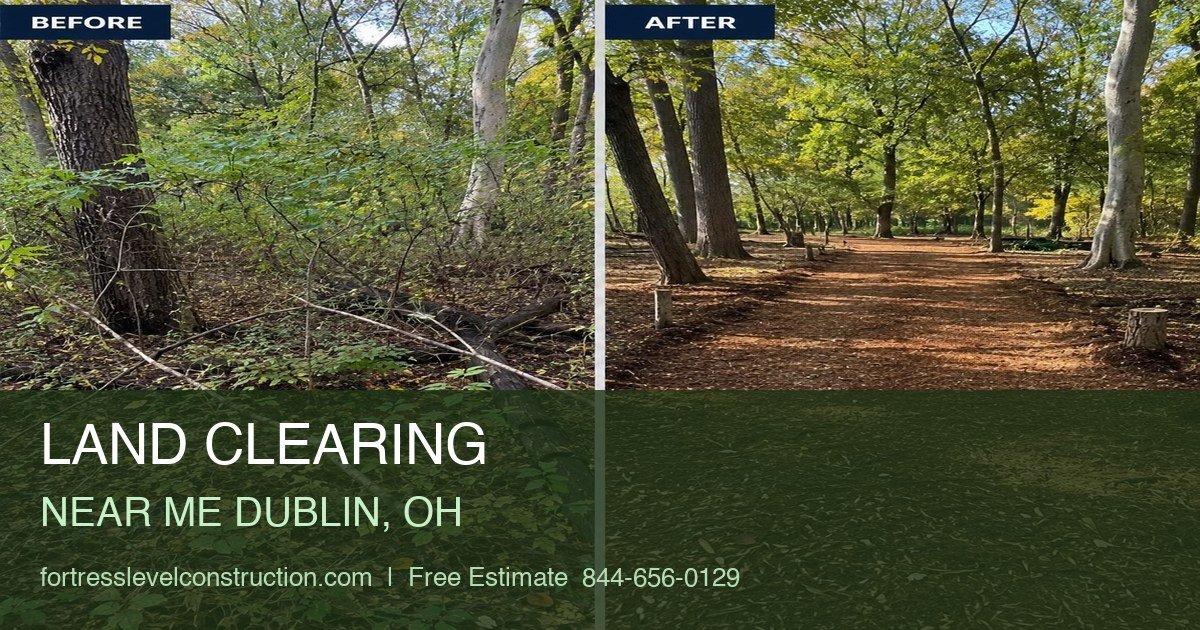
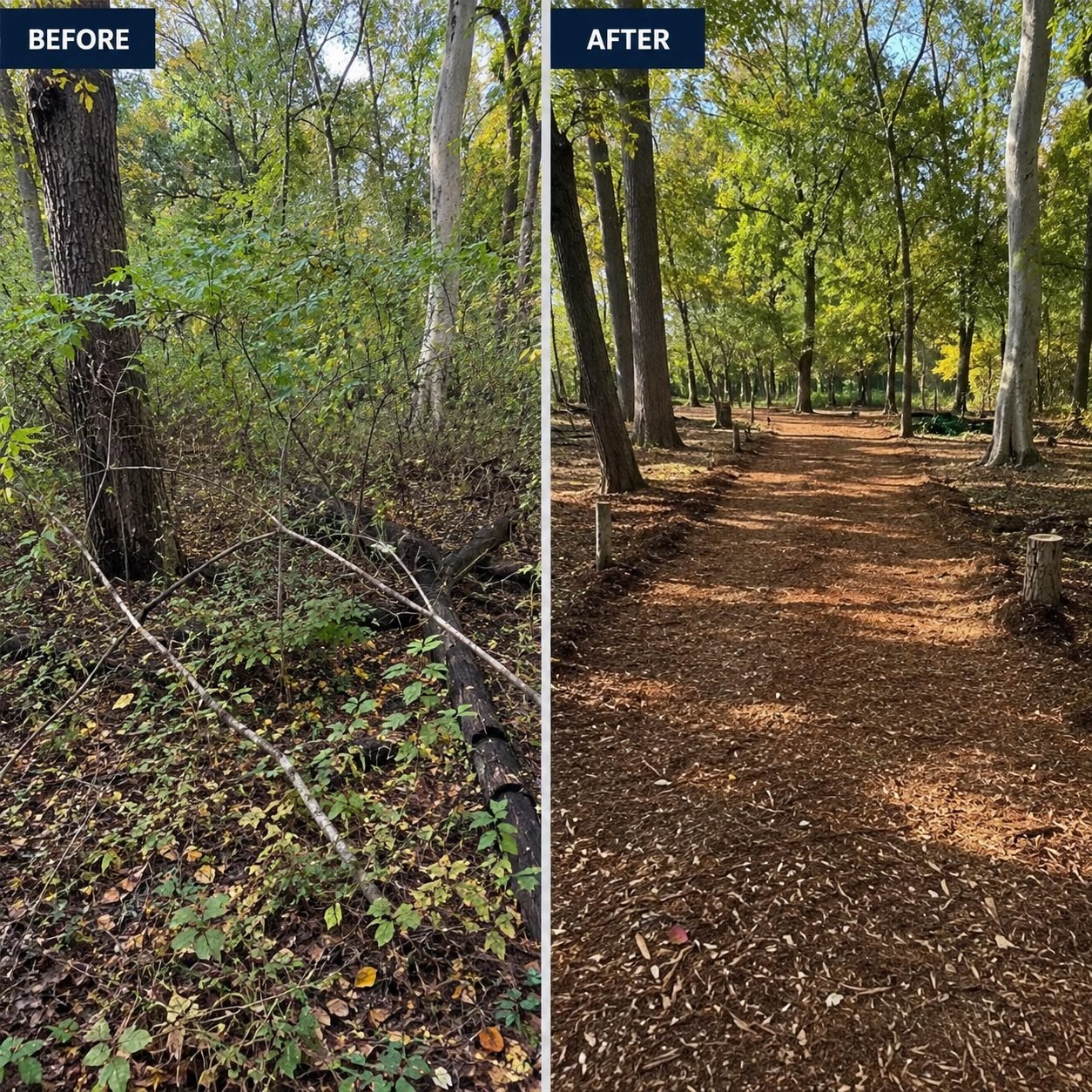
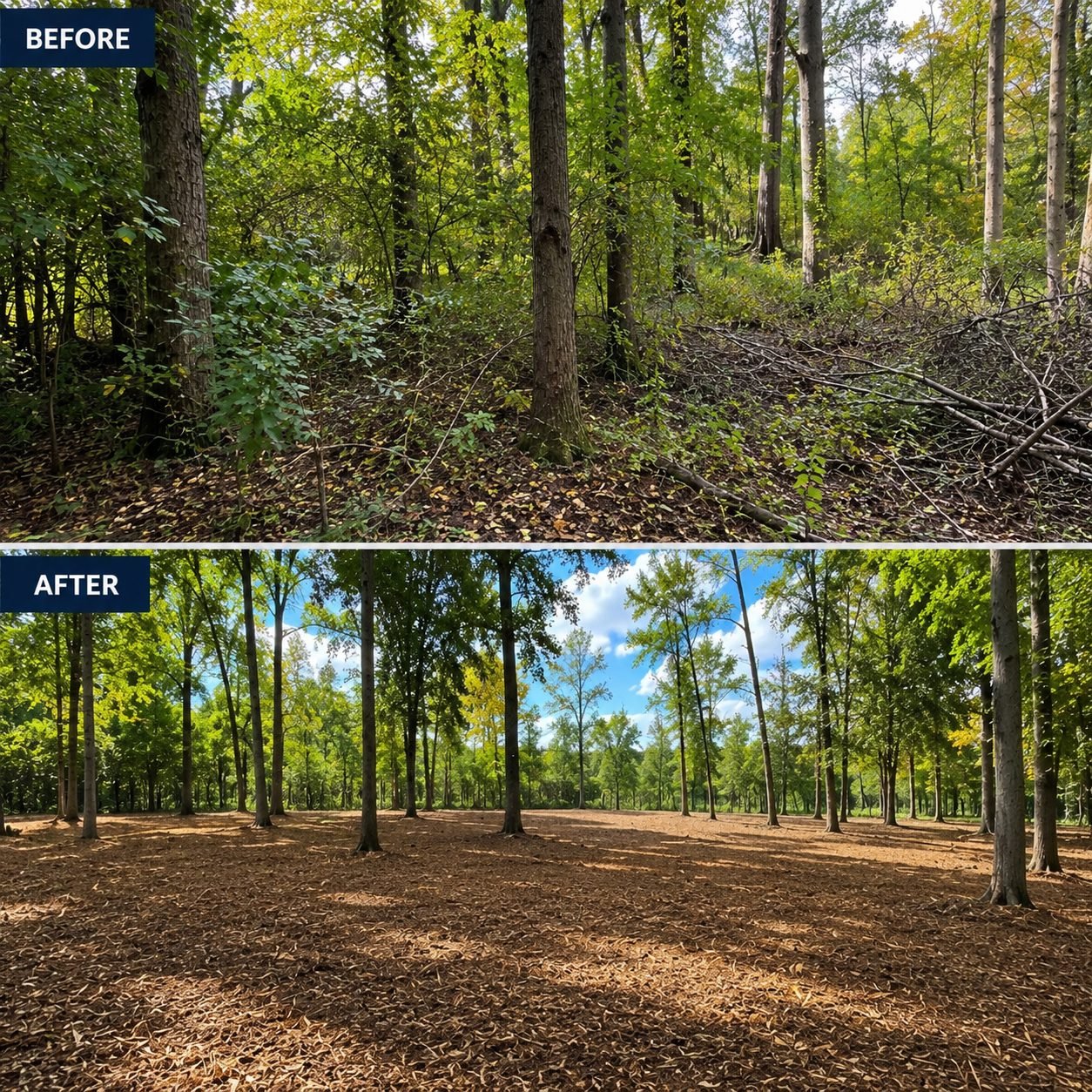
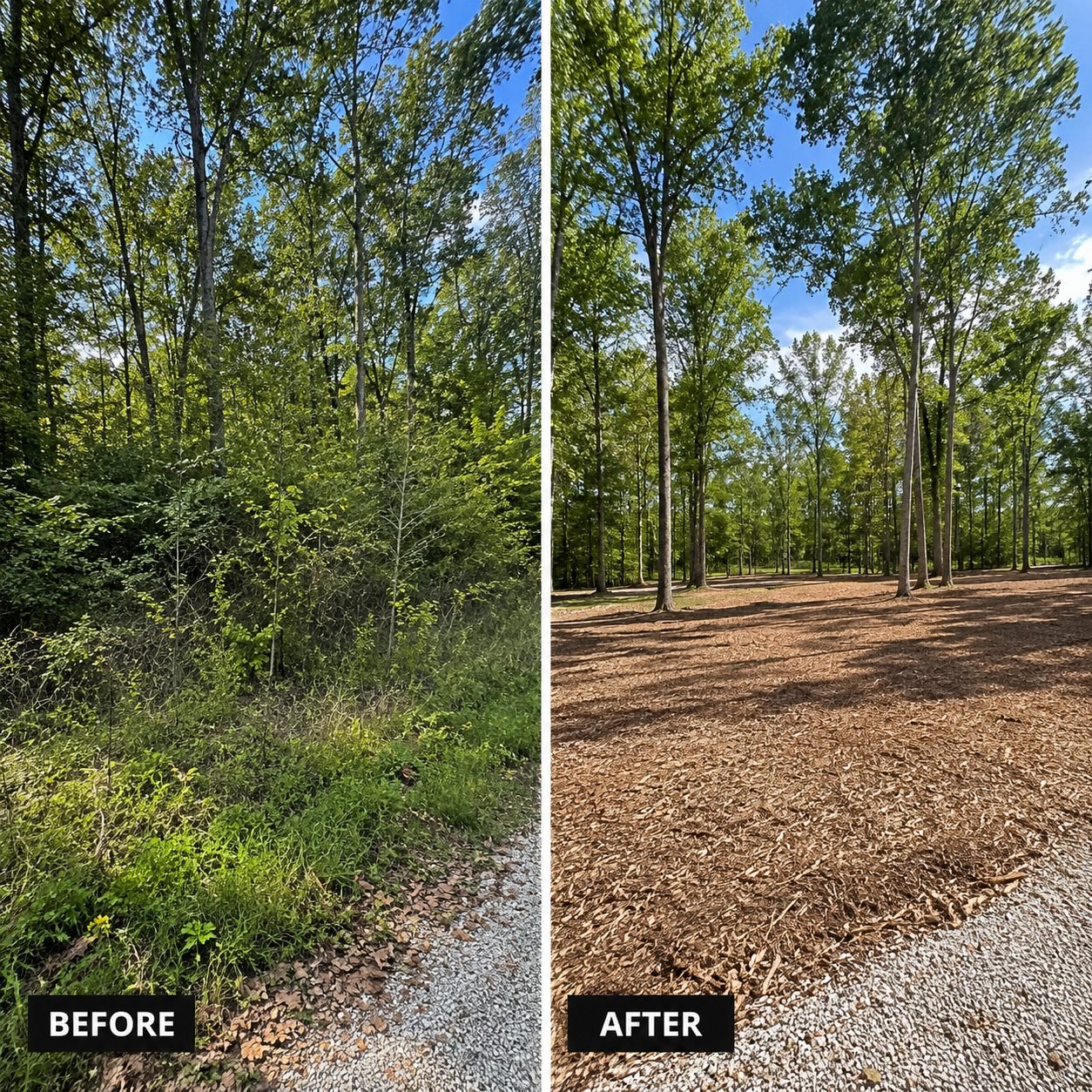
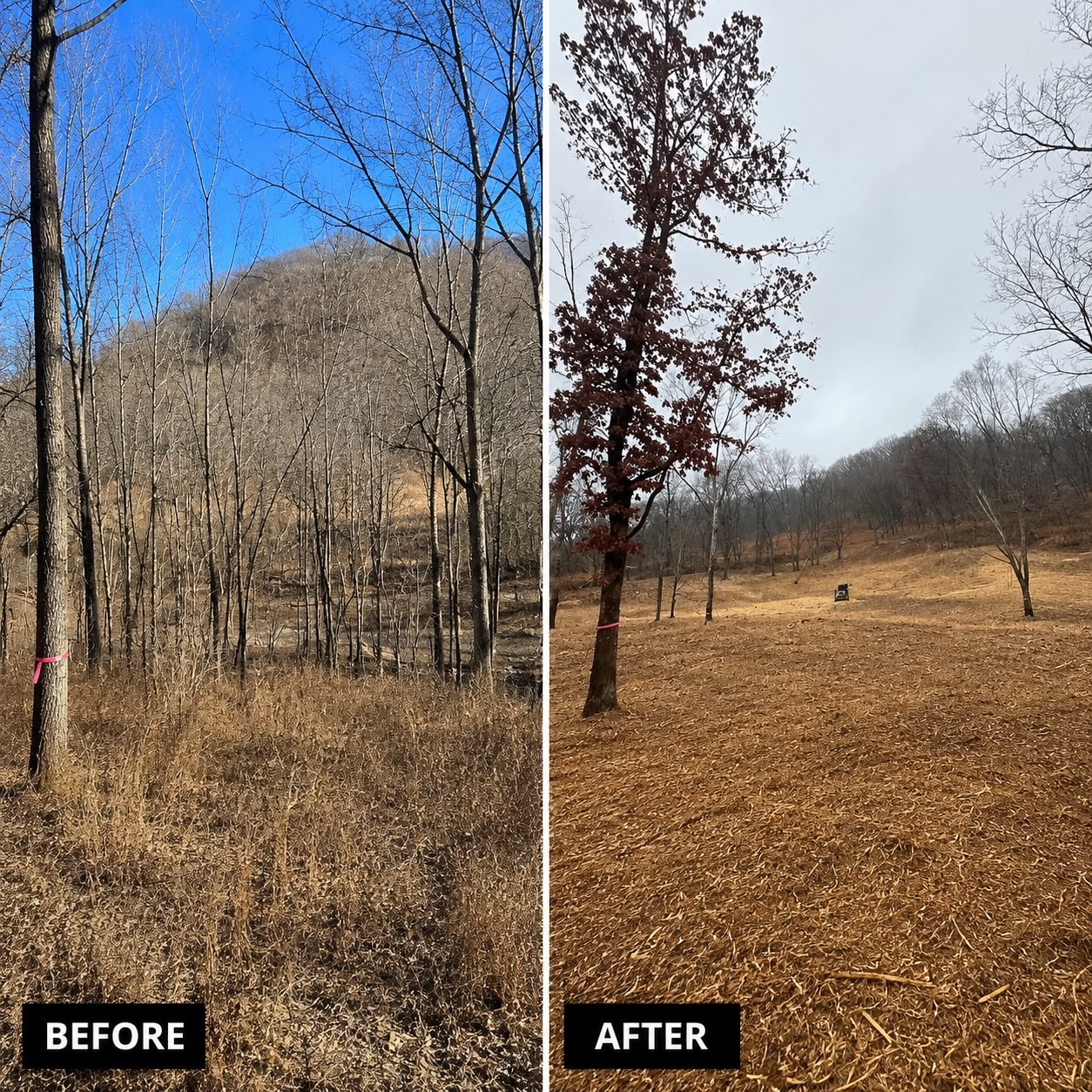
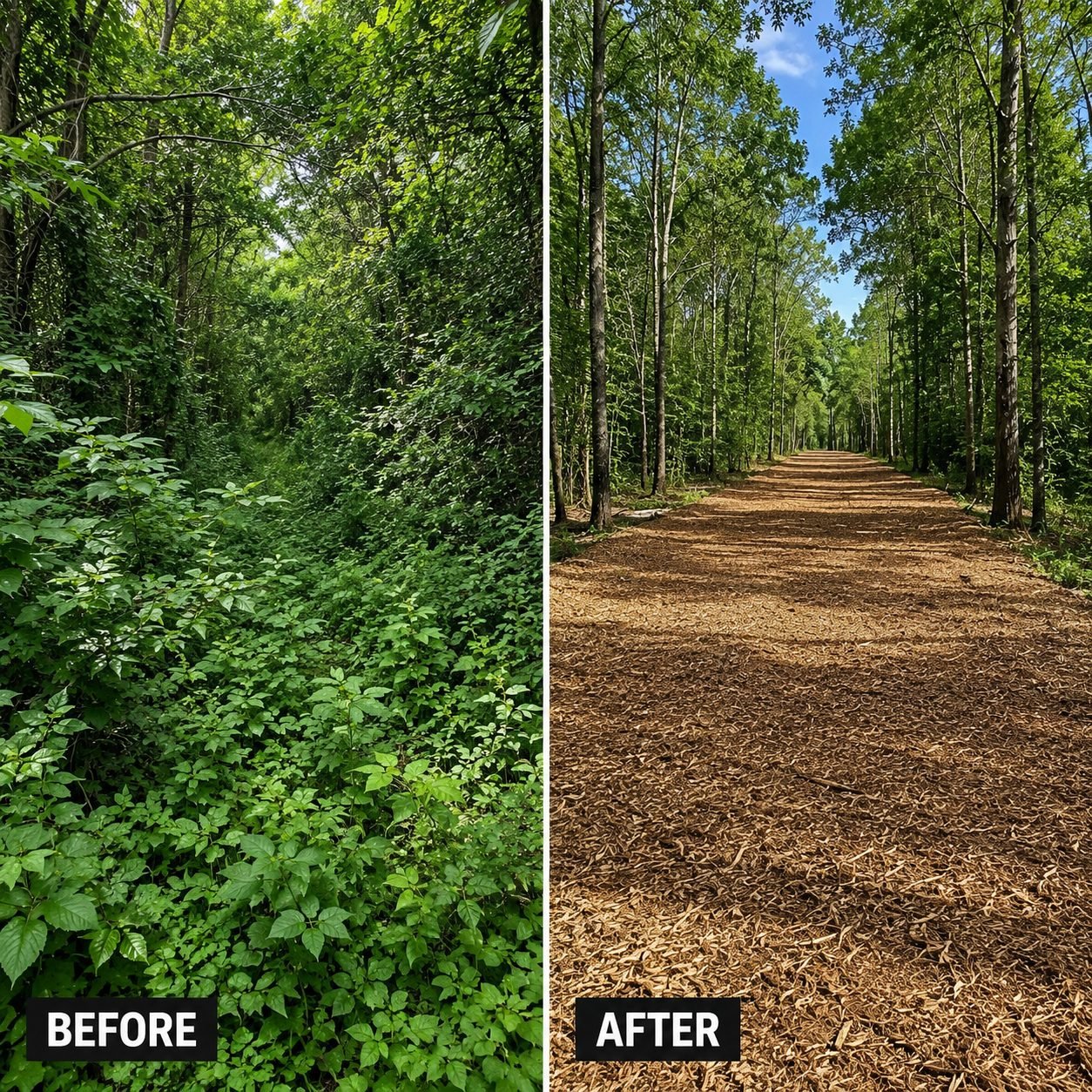
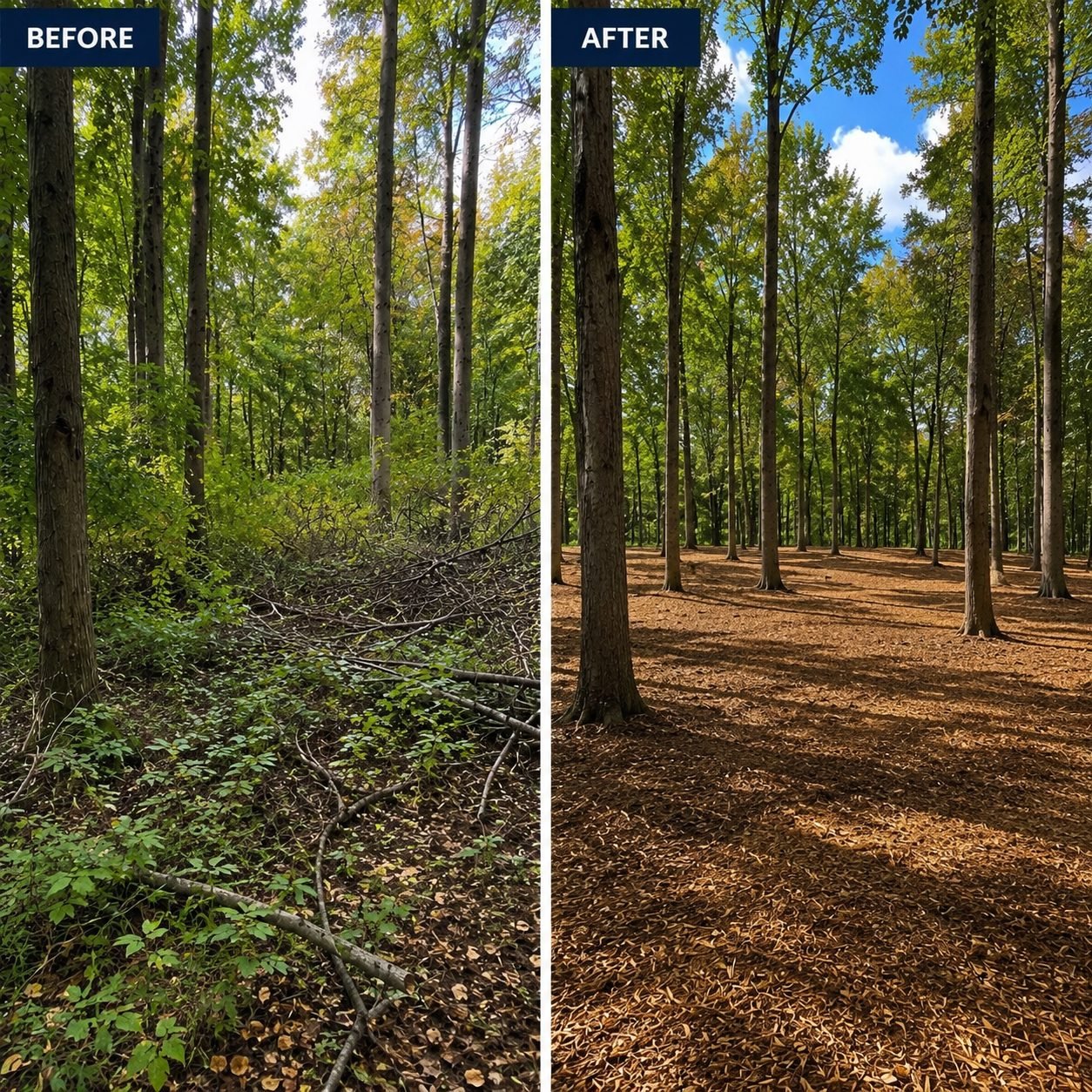
A useful land clearing gallery should show the property before work, the equipment used, the clearing method in progress, stump and debris handling, and the finished result. Good photos help homeowners, builders, and developers see whether the contractor can manage real site conditions, not just easy examples.
Frequently asked questions
A house lot usually costs more than a simple brush cleanup because it often needs a cleaner finish, stump work, and better grading. The cost to clear land depends on the trees, access, and whether debris must be hauled away. If you need the site build-ready, expect the quote to reflect more than basic cutting.
Land clearing cost may include cutting trees, removing brush, grinding or pulling stumps, clearing roots, loading debris, hauling off material, and rough grading. Some contractors price only the clearing pass, while others include finish work. Always ask what is included so you can compare bids fairly and avoid surprises later.
Often yes, but not always. Forestry mulching is usually less expensive when the site is mainly brush, saplings, or light trees and the goal is to leave mulch in place. Full clearing costs more because it often includes stump removal, haul-off, and site preparation for construction. The right choice depends on the land’s final use.
The timeline depends on tree density, slope, access, and the clearing method. A lightly wooded acre can go much faster than a dense parcel with big stumps and haul-off needs. If grading or excavation is part of the job, the schedule extends further. Weather and wet soil can also slow production significantly.
The biggest factors are how much material the dozer must move, whether trees need to be pushed and piled, and whether the work includes rough grading or finish shaping. Soft ground, steep slopes, and tight access can reduce efficiency. On some sites, the dozer is only one piece of a larger clearing and grading plan.
Usually not without a plan. It is better to understand the building layout, septic needs, driveway location, drainage, and utility routing first. Clearing too early can remove trees that help with drainage or force rework later. A contractor can help sequence the work so the land clearing cost supports the build instead of creating extra expense.
If you are only cutting brush by hand and not digging, Ohio 811 may not be necessary. But if the job involves stump removal, excavation, grading, trenching, or equipment that disturbs the ground, the locate is required. Ohio law ORC 3781.28 requires a locate at least 48 hours before digging, so it is best to call early.
The most accurate quote comes from a site visit. A contractor needs to see tree density, access, slope, soil, debris, and your finish goal. Good estimates break out clearing, stump work, haul-off, grading, and permits if needed. That is the best way to compare how much to clear an acre without guessing from aerial photos alone.
Land Clearing Across Central Ohio
Fortress Level Construction handles land clearing in every county and community across Central Ohio. See local details, drive times, and pricing for your area:
What Other Services Does Fortress Offer in Central Ohio?
Fortress Level Construction runs a full range of land-clearing, excavation, grading, and site-work services across Central Ohio, so one owner-operated crew can clear, grade, and prep a site end to end.
Get a Flat-Rate Quote from Lee Carson
Owner-operated land clearing across all five Central Ohio counties. Send your property details and Lee gets back to you within 2 to 3 hours during business hours with one flat number after a free on-site walk-through.