


Land clearing for agriculture in Ohio: how to turn raw acreage into productive fields and pasture
Land clearing for agriculture is the process of removing trees, brush, stumps, roots, rocks, and other obstacles so a property can be used for crops, hay, fencing, access lanes, drainage, or grazing. Done correctly, it improves usability, reduces hazards, and sets the stage for long-term productivity.
The Quick Answer
- Land clearing for agriculture is the process of converting raw or overgrown ground into usable acreage for farming, pasture, access, and drainage.
- The right method depends on your goal: forestry mulching, full clearing, stump removal, grading, excavation, or a hybrid approach.
- In Ohio, clay-heavy soils, wet seasons, and hidden drainage issues can change the plan and the final cost.
- Clearing land for pasture is usually different from clearing land for farming because grazing, hay production, and row crops do not need the same surface finish.
- Pasture reclamation often focuses on brush control, stump management, and access more than complete soil disturbance.
- The best results come from a step-by-step process that includes surveying, marking utilities, clearing, rough grading, erosion control, and cleanup.
- Most projects involve permitting questions, Ohio 811 locates, and site-specific rules for drainage, wetlands, streams, or access roads.
- Choosing a contractor means checking equipment, insurance, scope clarity, and experience with agricultural land clearing rather than only comparing price.
Related Questions People Ask Next
The best method depends on the land’s current condition and end use. Forestry mulching is often ideal for fast brush reduction and light-to-moderate tree removal with minimal disturbance. Full clearing makes sense when you need stumps removed, roots addressed, and ground prepared for grading, drainage, or heavy farm use. For productive acreage, the right method is the one that matches your soil, slope, vegetation, and planned use.
If your goal is grazing, fencing, and better access for livestock, clearing land for pasture may be enough. If you plan to plant crops, build lanes, install drainage, or reshape the site, full agricultural land clearing is usually more appropriate. The difference comes down to how smooth, stable, and root-free the finished ground needs to be.
Yes, in many cases it can. Pasture reclamation often focuses on knocking back brush, improving access, and removing the worst obstructions rather than fully stripping the site. However, if stumps interfere with mowing, hay equipment, fence lines, or animal safety, grinding or removal may be worth the extra work. The right answer depends on your long-term management plan.
Ask what method they recommend, how they handle utilities, whether they are insured, what equipment they will use, how they protect soil and drainage, and what is included in cleanup. A good contractor should explain the difference between clearing, grading, stump grinding, and excavation instead of selling every job as the same service.
Clay soil affects drainage, traction, compaction, and grading. In Central Ohio, wet clay can turn a straightforward clearing project into a rutted mess if the work is timed poorly or the equipment is wrong. That is why agricultural land clearing in Ohio often requires more attention to moisture conditions, access routes, and post-clearing grading than the same project on drier, sandier ground.
What does land clearing for agriculture mean?
Land clearing for agriculture means preparing raw, wooded, brushy, or abandoned ground for productive use by removing obstructions and shaping the site for farming or grazing. It is not just cutting trees. Good agricultural land clearing considers soil health, drainage, access, erosion control, and the final purpose of the property.
At its core, land clearing for agriculture is about making a property usable without creating avoidable long-term problems. Depending on the site, that can include trees, brush, vines, saplings, deadfall, fence remnants, old foundations, trash, stumps, and large roots. The goal is to turn an obstructed parcel into ground that can support planting, fencing, equipment travel, or livestock movement. The right approach changes based on whether the land is destined for row crops, hay, rotational grazing, or pasture reclamation.
A lot of property owners use the phrase clearing land for farming when they really mean several different things. Some need a rough opening through wooded ground so equipment can access the back acreage. Others need a true farm-ready finish with minimal stumps, better drainage, and a smoother grade. Those are different scopes. In Central Ohio, where clay soil can hold water and rut easily, the final land use matters because compacted wet ground can limit productivity for years.
The most important thing to understand is that agricultural land clearing is a site-specific construction service, not just a vegetation service. The way you clear a former woodlot for pasture is different from the way you prepare a field for tile drainage, access roads, manure spreading, or fencing. A good contractor looks at slope, soil, trees, wet areas, and utility conflicts before recommending equipment or sequencing. That is how the project becomes useful instead of just bare.
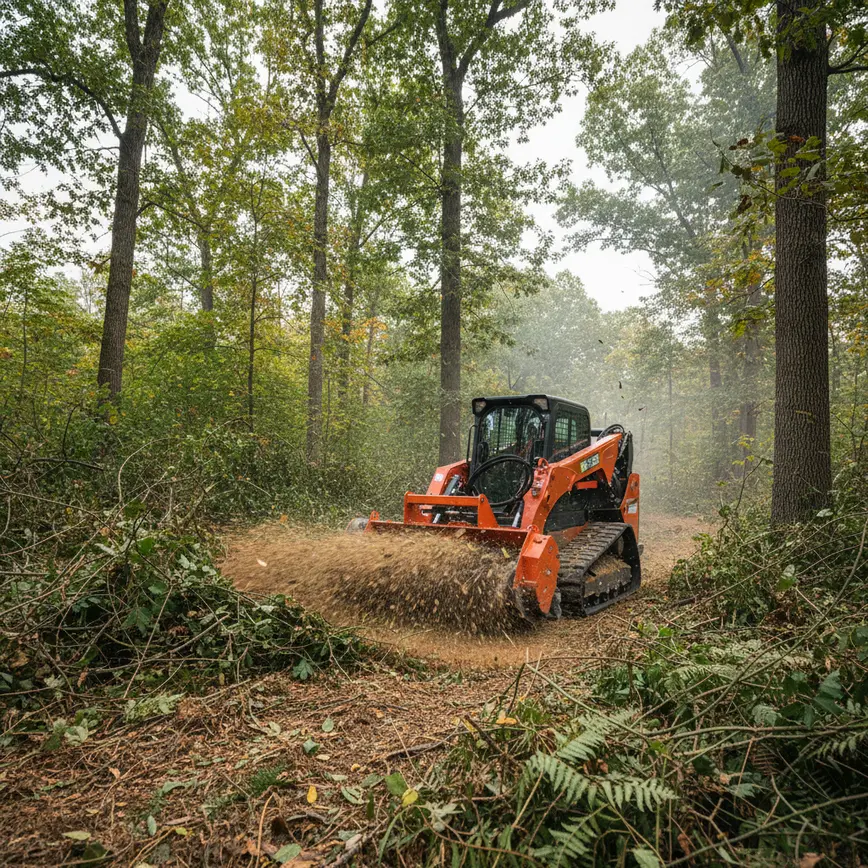
Why does land clearing matter for farms and pasture projects?
Clearing land for pasture or crops matters because it improves access, reduces safety risks, expands usable acreage, and makes management easier. Done well, it can also support drainage, fencing, mowing, crop establishment, and long-term productivity. Done poorly, it can leave you with erosion, ruts, stumps, and drainage headaches.
What are the main methods of agricultural land clearing?
There is no single method for agricultural land clearing. Common approaches include forestry mulching, full clearing with haul off, stump grinding, selective brush removal, excavation, and grading. The best method depends on how dense the vegetation is, how much soil disturbance you can tolerate, and whether you need a farm-ready finish or a quicker reclamation.
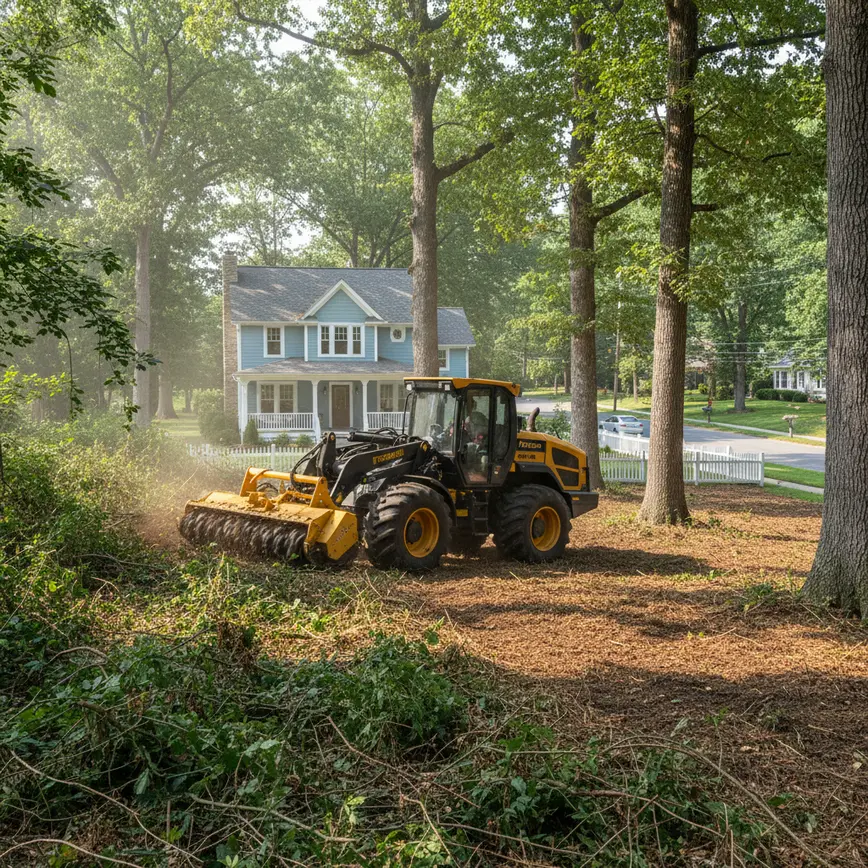
How do you clear land step by step?
A good land clearing for agriculture project follows a sequence: evaluate the site, mark utilities and boundaries, choose the method, clear vegetation, manage stumps and debris, grade as needed, and finish with erosion control and cleanup. Careful sequencing protects soil, avoids utility damage, and sets up the land for long-term use.
What drives the cost of land clearing for agriculture?
Costs depend on acreage, vegetation density, tree size, stump work, grading needs, access, hauling, soil conditions, and whether the project is a light clearing or a full site transformation. In general, forestry mulching is less expensive than full clearing because it is faster and usually involves less debris handling.
What equipment is used for clearing land for farming and pasture?
The right equipment depends on the vegetation, terrain, and finish you need. Common machines include forestry mulchers, excavators, dozers, skid steers with attachments, stump grinders, dump trucks, and grading equipment. Matching the machine to the job matters for speed, safety, and soil preservation.
Should you do land clearing yourself or hire a professional?
DIY land clearing can work for very small, low-risk brush jobs, but agricultural land clearing usually benefits from a professional crew. Pros bring the right equipment, utility awareness, insurance, and experience with soil, drainage, stumps, and grading. That reduces the chance of injuries, hidden damage, and expensive rework.
What permits, regulations, and Ohio 811 rules apply before digging?
Before digging, clearing, or excavation, check permits and call Ohio 811. In Ohio, utility locations are required 48 hours before digging under ORC 3781.28. Local permit rules can vary by county and township, and some properties may also involve drainage, wetlands, access, or erosion controls.
How do you choose the right contractor for agricultural land clearing?
Choose a contractor who understands agricultural land clearing as a site prep problem, not just a tree removal job. Look for licensed and insured coverage, the right equipment, clear scope definitions, utility awareness, local experience, and honest recommendations about whether you need mulching, full clearing, grading, or excavation.
How does forestry mulching compare with full clearing for agriculture?
Different clearing methods suit different farm goals. Forestry mulching is fast and low-disturbance, full clearing is better for complete site transformation, stump grinding helps with pasture maintenance, and excavation and grading solve drainage or access issues. Choosing the right method is about matching the finish to the future use of the land.
What are the biggest limitations and mistakes to avoid?
Not every overgrown parcel is a good candidate for the cheapest clearing method. Common mistakes include ignoring drainage, skipping utility locates, clearing too wet, leaving stump hazards in pasture, and underestimating how much finish work the land will need. Honest planning prevents expensive rework and long-term frustration.
What should a project gallery show for agricultural land clearing?
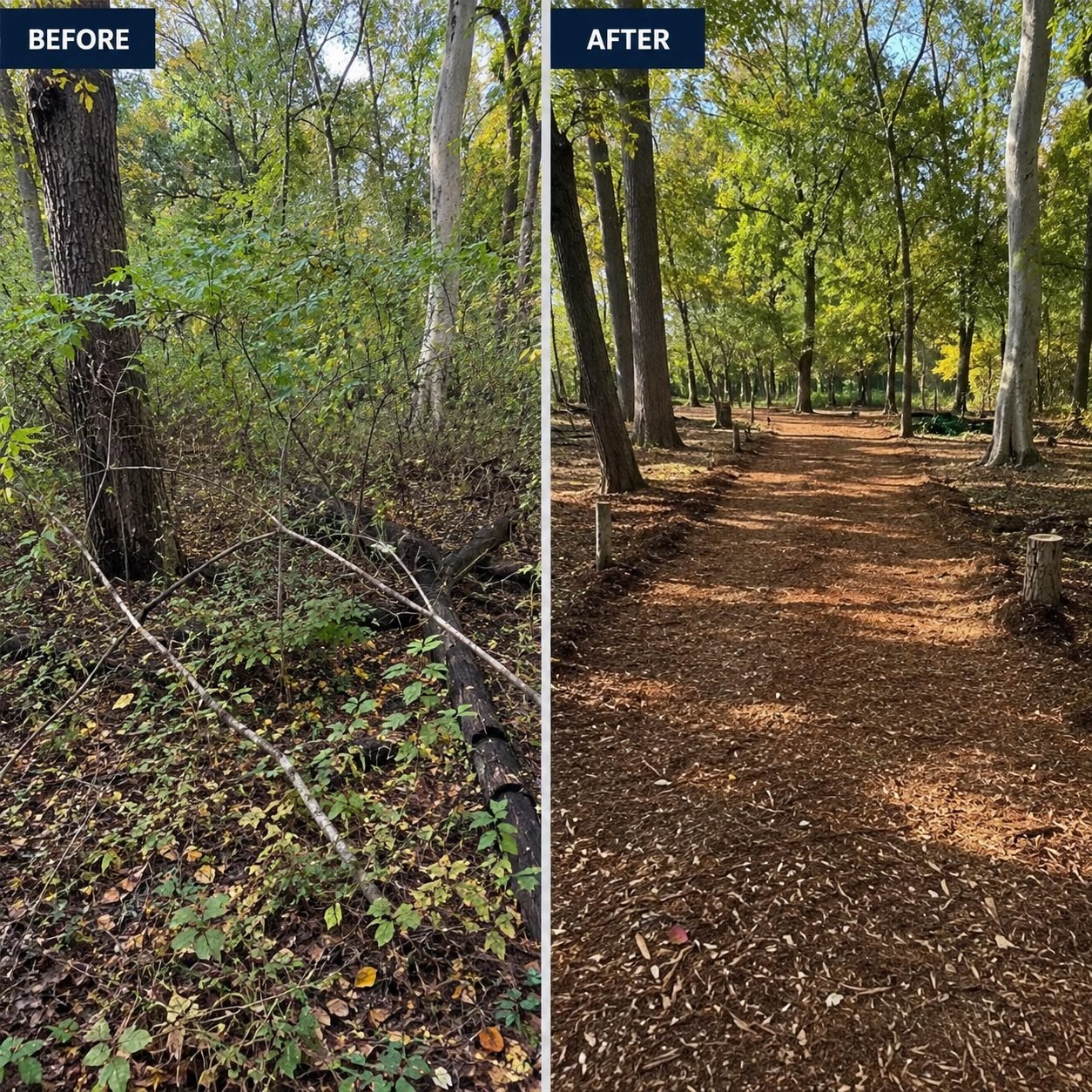
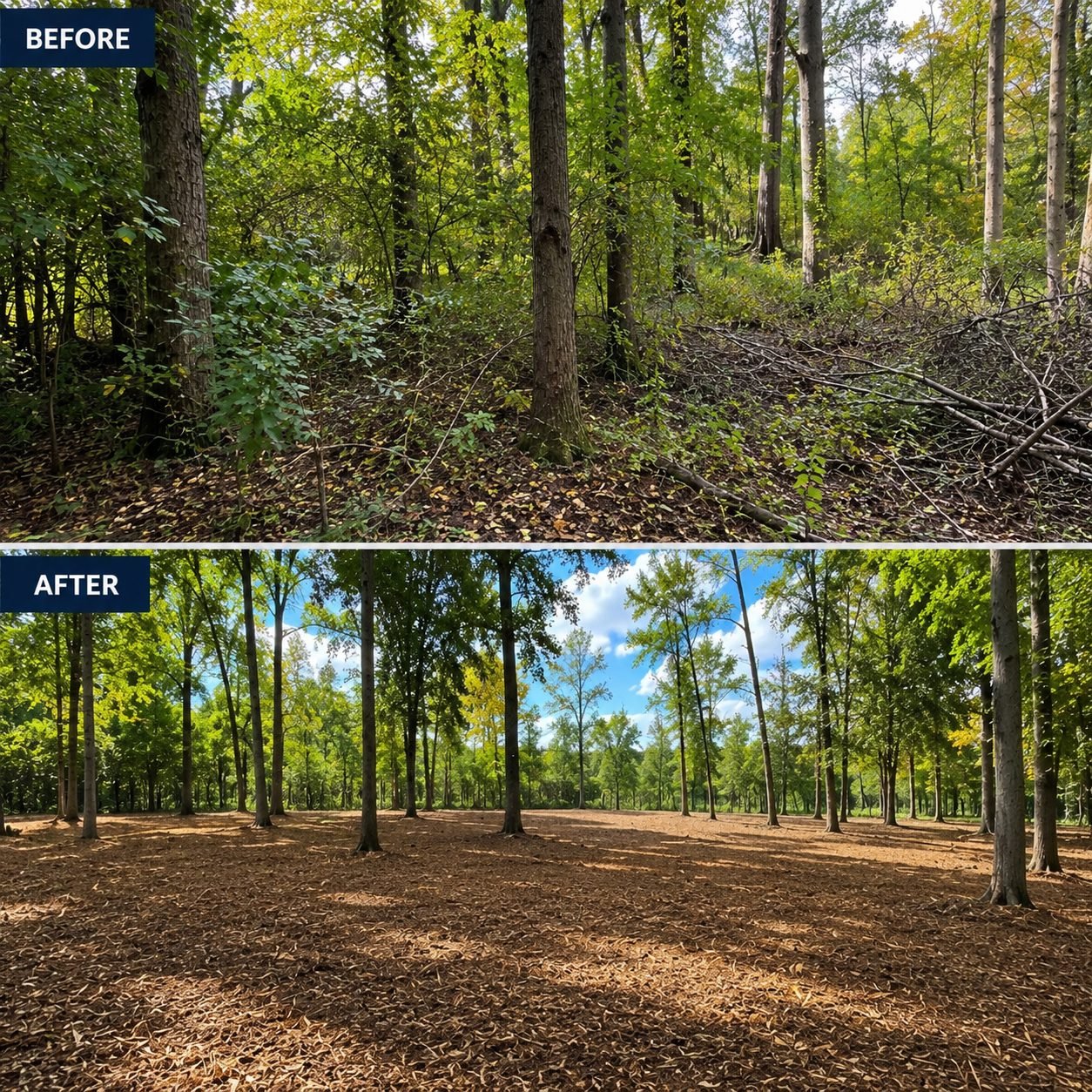
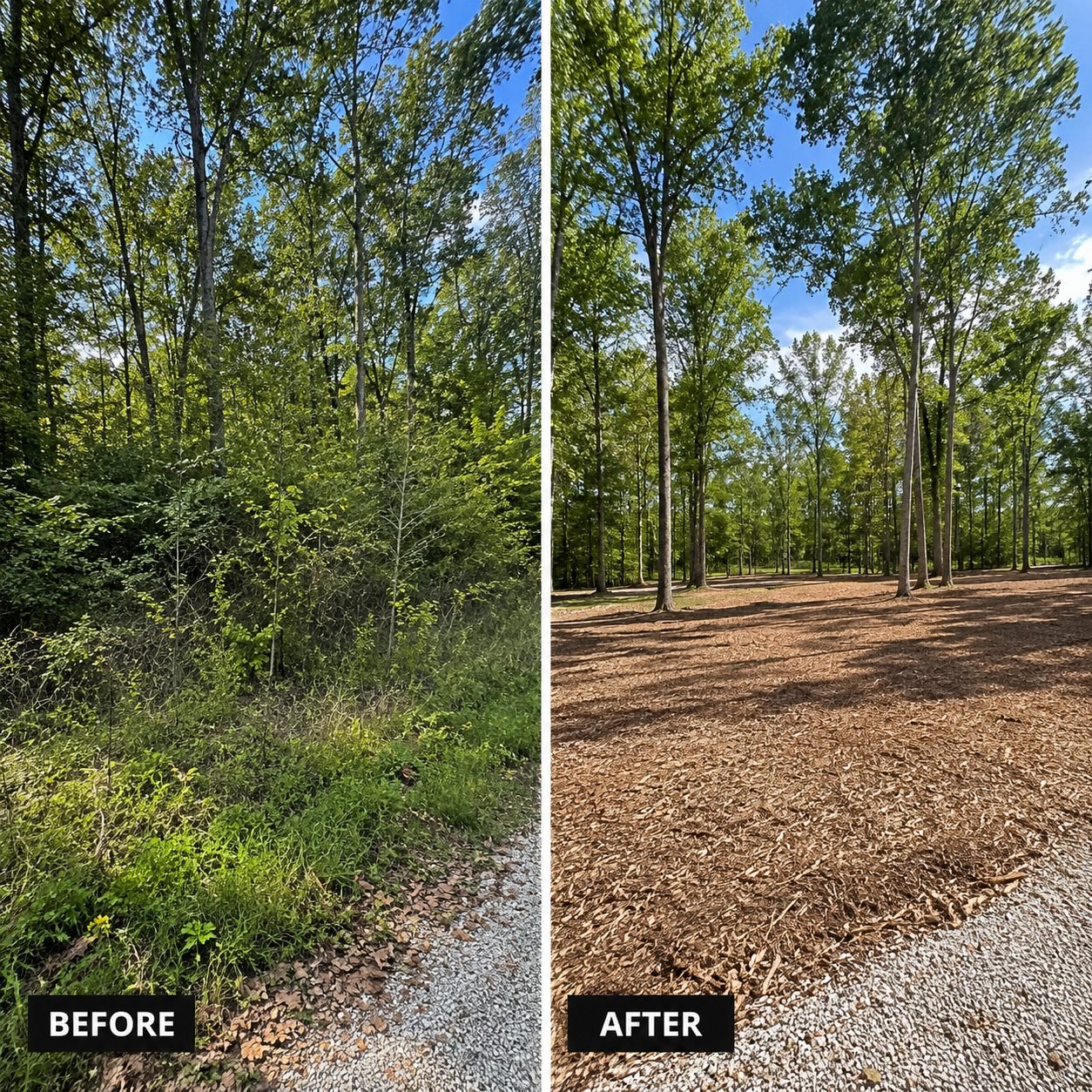
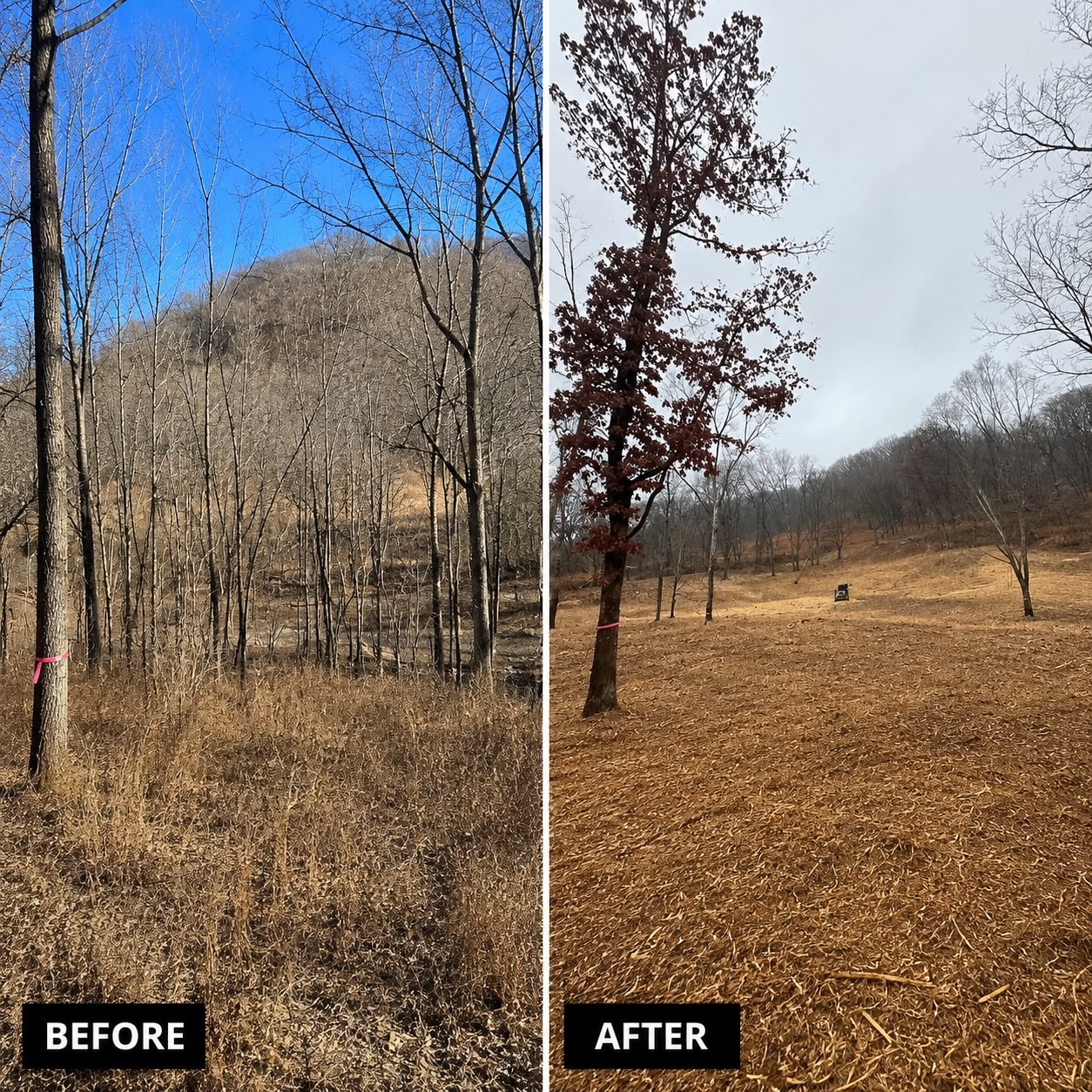
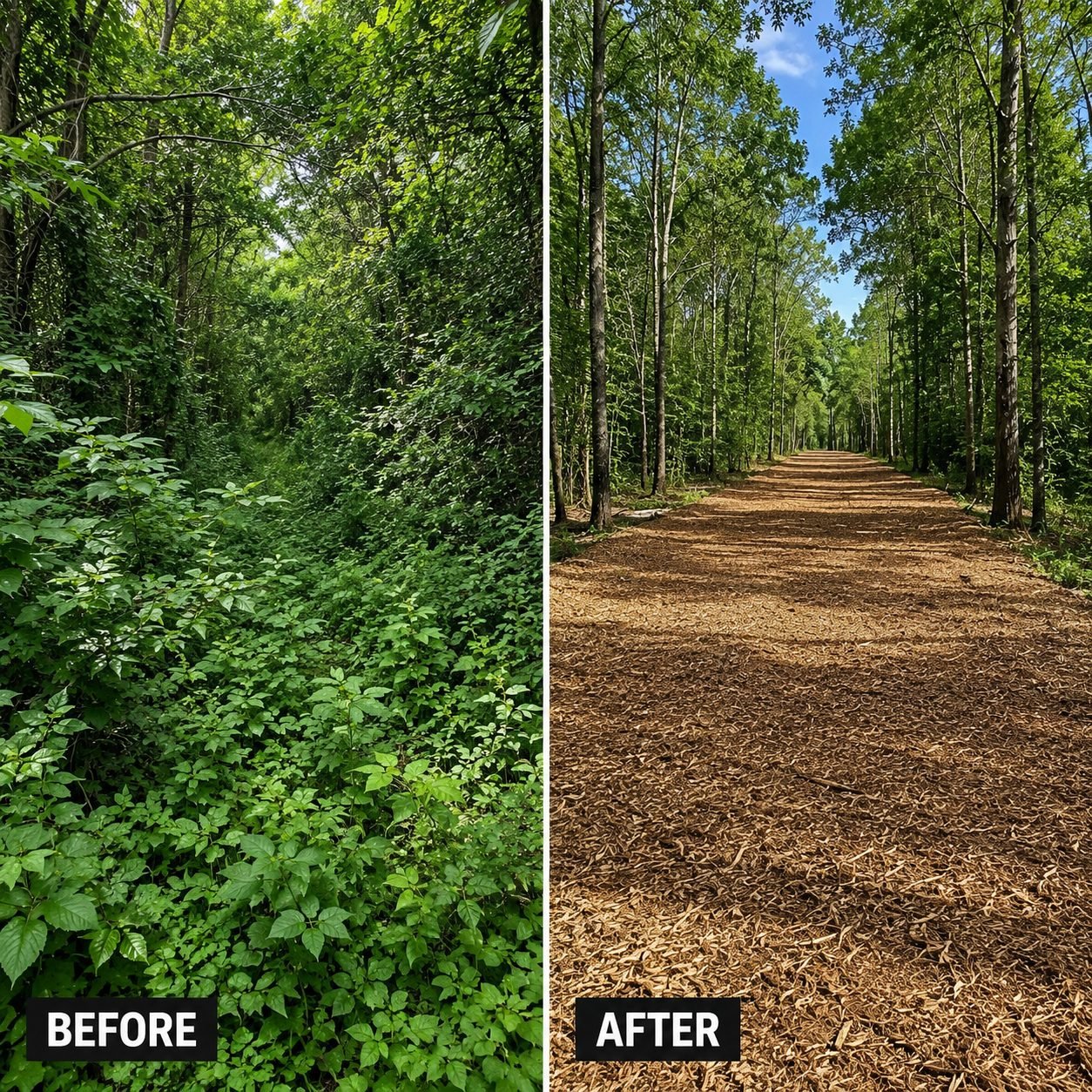
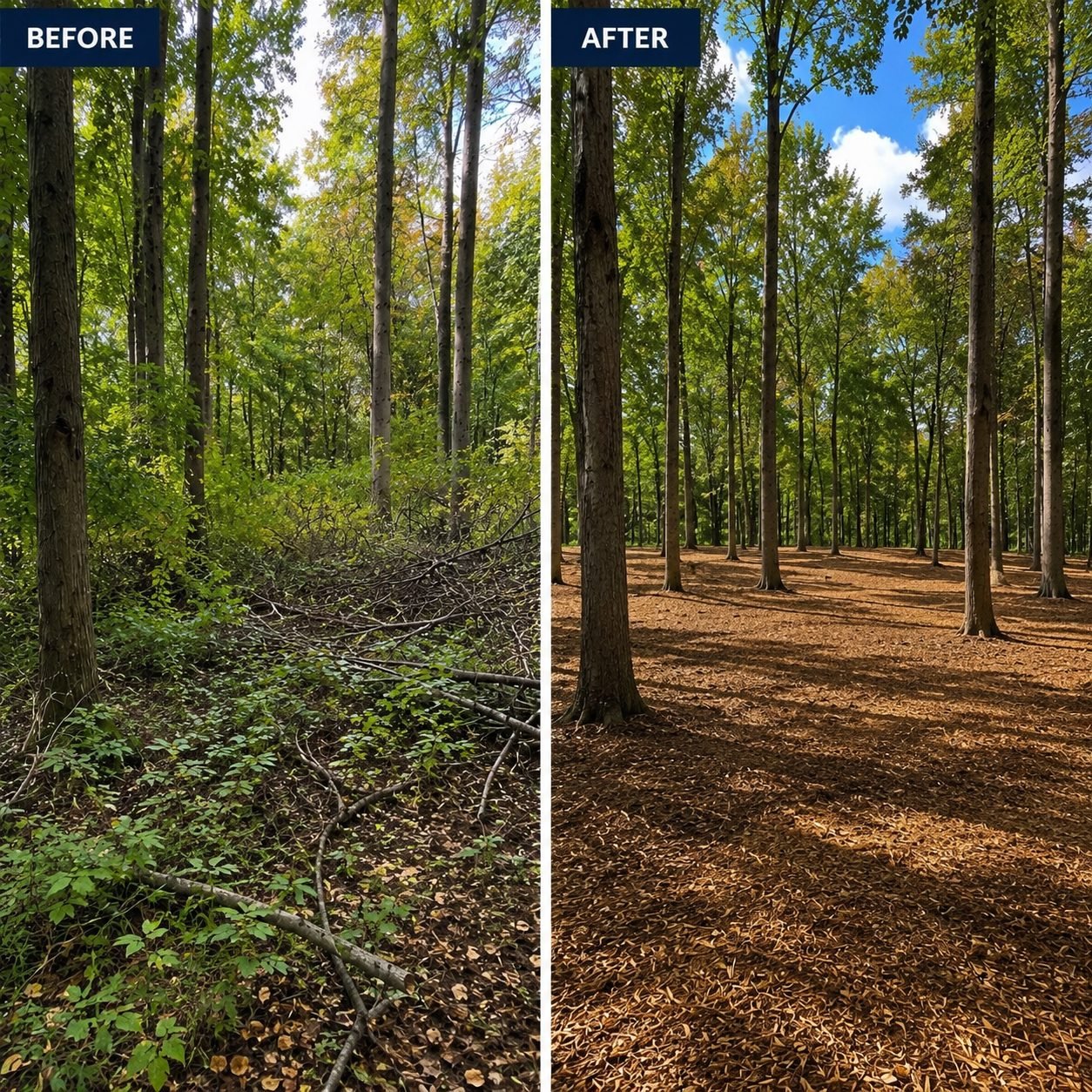
A strong gallery should show the project before, during, and after so landowners can understand the transformation and the method used. Useful images include brush density, machine staging, stump removal, grading, drainage details, access lanes, and final pasture or field conditions. Real project photos build trust and set expectations.
A useful gallery for land clearing for agriculture should not just show dramatic before and after shots. It should show the condition of the land before work starts, the equipment used, the cleared areas, the handling of debris, and the final grade or finish. That helps viewers understand whether the project was light brush reclamation, full clearing, or a more complex grading and excavation job. For pasture reclamation especially, it helps to see what the site looked like after clearing but before seeding or fence installation.
The best gallery images also show scale. A close-up of a stump or a brush pile does not tell the whole story unless it is paired with wider site photos. Include access lanes, wet areas, tree lines, and any drainage improvements. If the land is in Central Ohio, showing how the crew dealt with clay soil or a soft section of ground helps explain why the project was sequenced a certain way. That is the kind of visual proof people want before hiring a contractor.
If you are building a gallery for a contractor website, caption each image with what the viewer is seeing and why it matters. For example, note whether the work involved forestry mulching, full clearing, stump grinding, or final grading. That makes the gallery not just attractive, but educational. For a national informational guide, the point of the gallery is to help property owners recognize a competent result when they see one on their own land.
Which land clearing method is best for your agricultural project?
Different clearing methods suit different farm goals. Forestry mulching is fast and low-disturbance, full clearing is better for complete site transformation, stump grinding helps with pasture maintenance, and excavation and grading solve drainage or access issues. Choosing the right method is about matching the finish to the future use of the land.
| Method | Best for | Typical impact | Relative cost or speed |
|---|---|---|---|
| Forestry mulching | Brush, saplings, light-to-moderate tree removal, pasture reclamation | Low to moderate soil disturbance, mulch left on site | Usually faster and often lower cost than full clearing |
| Full clearing | Mature timber, heavy debris, farm-ready transformation | Higher disturbance, stumps and roots addressed more aggressively | Usually slower and more expensive than mulching |
| Stump grinding | Pasture maintenance, fence lines, mowing access | Localized disturbance, stumps reduced below grade | Moderate cost, useful as a targeted add-on |
| Excavation and grading | Drainage correction, access lanes, pads, reshaping | Can significantly alter soil and finish grade | Added cost and time, but essential for many farm projects |
| Selective clearing | Keeping useful trees while opening grazing or access areas | Moderate disturbance, more tailored finish | Often efficient when full removal is unnecessary |
| Brush hogging or cutting only | Short-term vegetation control on already-open ground | Minimal disturbance, roots remain | Fastest and least expensive, but not true reclamation |
What are the biggest limitations and mistakes to avoid?
Not every overgrown parcel is a good candidate for the cheapest clearing method. Common mistakes include ignoring drainage, skipping utility locates, clearing too wet, leaving stump hazards in pasture, and underestimating how much finish work the land will need. Honest planning prevents expensive rework and long-term frustration.
One of the biggest mistakes in land clearing for agriculture is assuming every acre should be treated the same. A flat, well-drained field edge is not the same as a low, clay-heavy back corner that stays wet after storms. If you use the wrong method, you can compact the soil, tear up access routes, or create runoff problems. In Ohio, wet clay can punish poor timing. A rushed project may look clean at first and still fail the first time heavy equipment or livestock returns.
Another common problem is confusing surface clearing with true pasture reclamation. Cutting brush does not automatically create a functional grazing field. Stumps, roots, hidden debris, and uneven ground can still make mowing, seeding, and fence installation difficult. For clearing land for pasture, you need to think about animals, equipment, and maintenance, not just visual appearance. If the land needs to support hay or repeated mowing, a more complete finish may be worth the extra investment.
The final limitation is budget realism. Property owners sometimes budget for clearing only, then discover they also need grading, excavation, drainage work, stump grinding, or permits. That is not a contractor trick. It is a site reality. Good contractors point out those needs early so you can decide whether to phase the work or expand the scope. The best agricultural land clearing plan is the one that fits the site honestly, even if that means doing less now and more later.
What should a project gallery show for agricultural land clearing?
A strong gallery should show the project before, during, and after so landowners can understand the transformation and the method used. Useful images include brush density, machine staging, stump removal, grading, drainage details, access lanes, and final pasture or field conditions. Real project photos build trust and set expectations.
Frequently asked questions
Sometimes, yes. Forestry mulching is often enough for brush, saplings, and moderate overgrowth where the goal is access, pasture reclamation, or selective opening of acreage. It is not the right answer when you need deep root removal, major grading, or a farm-ready surface for repeated heavy use. The right choice depends on how the property will be used after clearing.
Clearing land for pasture usually focuses on livestock safety, access, fence lines, and manageable brush control. Clearing land for farming often requires a more refined finish, especially if the land will support crops, hay production, tile drainage, or equipment travel. Pasture reclamation can tolerate a rougher finish than cropland, but both still need to be planned around drainage and maintenance.
Not always, but many projects do involve permitting questions, especially if excavation, grading, drainage, culverts, or regulated areas are involved. Local rules can vary by township, county, and municipality. It is best to confirm the requirements before work begins so you do not have delays or compliance issues after the crew is already on site.
Because underground utilities are not always obvious. Rural and agricultural parcels can still have gas, electric, communications, water, or abandoned service lines. Ohio law requires a locate request 48 hours before digging under ORC 3781.28. Skipping the locate can cause damage, delays, and major liability. Calling Ohio 811 is one of the simplest safety steps in the process.
Yes, depending on the intended use. Some clearing land for pasture projects can work with stumps left in place if they are not in the way of animals, mowing, or fencing. However, if you need a smooth surface or want to minimize long-term maintenance, stump grinding or removal may be the better option. The choice should be based on the site plan, not convenience alone.
Clay soil can hold water, rut easily, and compact under heavy machines. That means timing, machine selection, and finish grading matter more than on drier ground. In Central Ohio, a contractor should be careful about when they enter the site and how they protect access routes. Soil conditions can affect both the method and the final cost of agricultural land clearing.
A good quote should identify the clearing method, acreage or scope, debris handling, stump work, grading, access constraints, and whether permits or locates are included or excluded. For agricultural land clearing, the quote should also explain the finish level so you know whether the site will be pasture-ready, farm-ready, or simply opened up.
Hire a professional when the project involves acreage, mature vegetation, hidden debris, stumps, grading, drainage, or any real risk of utility conflict. DIY can work for small brush removal, but land clearing for agriculture usually benefits from a licensed, insured crew with the right equipment. That is especially true when the land needs to be productive after the work is done.
Land Clearing Across Central Ohio
Fortress Level Construction handles land clearing in every county and community across Central Ohio. See local details, drive times, and pricing for your area:
What Other Services Does Fortress Offer in Central Ohio?
Fortress Level Construction runs a full range of land-clearing, excavation, grading, and site-work services across Central Ohio, so one owner-operated crew can clear, grade, and prep a site end to end.
Get a Flat-Rate Quote from Lee Carson
Owner-operated land clearing across all five Central Ohio counties. Send your property details and Lee gets back to you within 2 to 3 hours during business hours with one flat number after a free on-site walk-through.