
Drainage Excavation for Standing Water in Ohio: A Practical Guide to Dry, Usable Land
Drainage excavation is the process of removing and shaping soil to move water away from problem areas and into a controlled outlet. It is the foundation of effective land drainage, yard drainage, and standing water solutions when grading, swales, drains, or ditches alone are not enough. Done correctly, it protects structures, soil, and access.
The Quick Answer
- Drainage excavation is the controlled removal and reshaping of soil to move water away from problem areas and create a lasting drainage path.
- In Ohio, clay-heavy soils often hold water longer, so land drainage usually requires more than a simple surface fix.
- The best solution may be grading, a swale, a ditch, a French drain, culvert work, or a combination designed to match the site.
- Standing water can damage foundations, kill turf, soften driveways, attract pests, and make the property hard to use.
- A good drainage plan starts with reading how water moves across the site during and after rain, not just where the puddle sits.
- Drainage excavation often includes trenching, ditch construction, outlet shaping, inlet placement, and spoil management.
- Costs are driven by soil type, access, depth, length, tree roots, disposal, permits, and whether the work ties into a larger site plan.
- Ohio 811 utility marking is not optional before digging, and a professional contractor should build that requirement into the schedule.
Related Questions People Ask Next
The best way to eliminate standing water depends on why the water is collecting. If the yard is flat or slopes toward the house, regrading may be the first fix. If water is trapped in a low spot, a swale, French drain, catch basin, or drainage ditch construction may be needed. In Ohio clay soil, the solution often combines excavation, grading, and a reliable outlet.
No. Some properties only need minor grading, soil amendment, downspout extensions, or a shallow swale. Drainage excavation becomes necessary when water has no outlet, the soil stays saturated, or the existing grade is creating a structural risk. The key is matching the solution to the site instead of overbuilding a fix that the property does not need.
A drain is usually better when the problem is localized, such as water pooling beside a foundation, patio, or driveway edge. A ditch works better when you need to intercept and move water over a longer distance to a safe outlet. Many properties need both surface shaping and subsurface drainage to solve standing water permanently.
Yes. A soggy driveway often means water is crossing the travel path, ponding under the base, or not draining away from the edges. Drainage excavation can regrade the approach, add a side swale, install a culvert, or improve outlet flow. The right fix depends on how the driveway sits relative to the surrounding land.
Clay soil drains slowly and can hold water near the surface after heavy rain. That makes lawn areas softer, increases puddling, and can cause runoff to move in unexpected directions. In Central Ohio, a drainage solution often needs more careful grading and a more deliberate outlet than it would on faster-draining soils.
What Is Drainage Excavation?
Drainage excavation is the earthwork used to control where water goes on a property. It includes digging trenches, shaping swales, lowering high spots, cutting outlets, and forming ditch lines so runoff can move away instead of pooling. It is the practical core of land drainage and standing water correction.
At its simplest, drainage excavation means moving soil so water follows a better path. That path may be a shallow swale across a lawn, a trench for a French drain, a ditch along a property edge, or a graded slope that sends runoff toward an approved outlet. The goal is not just to remove water once. The goal is to change how the site behaves after every storm.
This matters because standing water is usually a symptom, not the root problem. The root may be poor grade, compacted clay, a low spot created during past fill work, blocked downspouts, settled soil, or a missing discharge route. Good drainage excavation identifies the cause before machinery starts digging. That is how professional land drainage avoids one patch, one season, and one recurring headache after another.
In Central Ohio, the answer often begins with understanding clay soil. Clay slows infiltration, so shallow depressions stay wet longer and surface runoff can gather quickly. That is why yard drainage in this region is often a combination job rather than a single trench. A contractor may use excavation, grading, and drainage ditch construction together to create a stable system that actually keeps working.
Why Does Drainage Excavation Matter for Your Property?
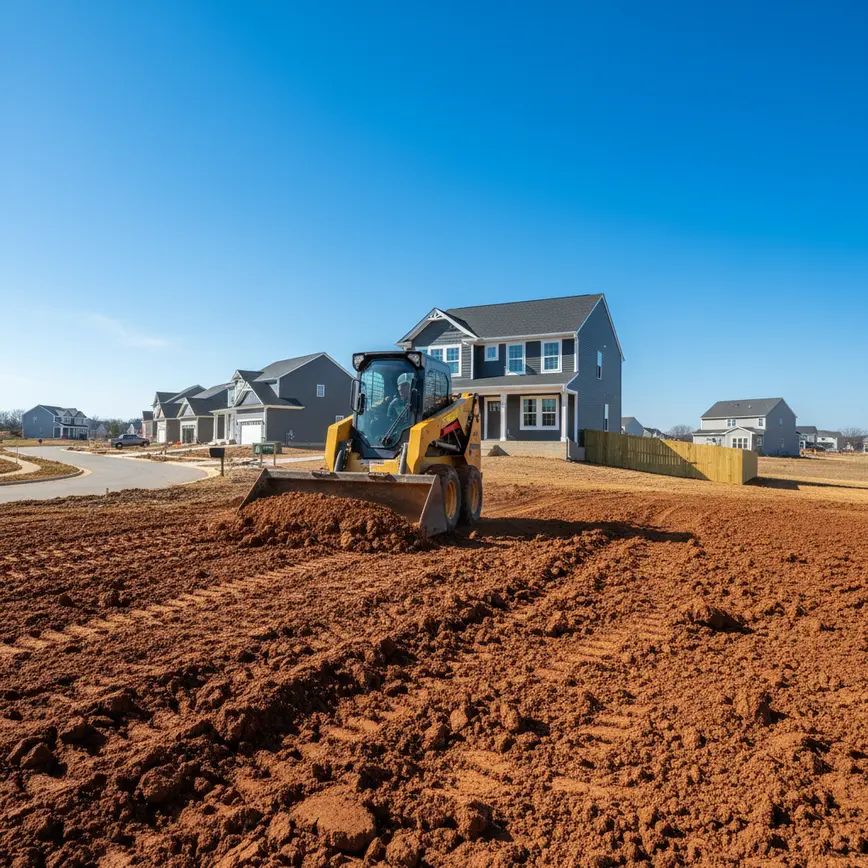
Drainage excavation matters because water is one of the fastest ways to damage a property from the ground up. Proper land drainage protects foundations, lawns, driveways, access lanes, and outbuildings while making the site usable after rain. It also reduces erosion, slippery conditions, and long-term maintenance problems.
What Are the Main Drainage Methods and Types of Land Drainage?
Land drainage is usually solved with one or more methods, including regrading, swales, French drains, catch basins, culverts, and drainage ditch construction. The right choice depends on where the water comes from, how far it must travel, and whether the site needs surface, subsurface, or combined drainage.
How Does the Drainage Excavation Process Work?
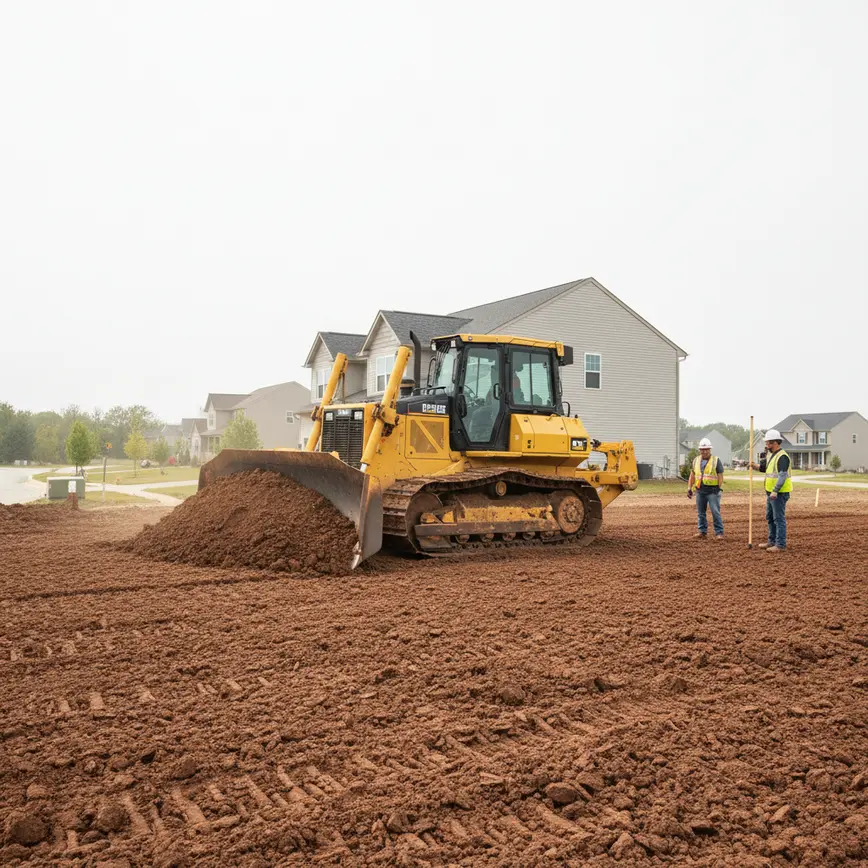
A proper drainage excavation project starts with reading the site, tracing the water path, and checking outlets before any digging begins. Then the crew marks utilities, strips problem areas, excavates, grades, installs drainage features, compacts where needed, and verifies that water now moves away from the problem zone.
What Drives the Cost of Drainage Excavation?
Drainage excavation pricing depends on soil conditions, depth, access, length of trench or ditch, disposal needs, permit requirements, and whether the work is part of a larger site package. The more the project affects grade, utilities, roots, or outlets, the more planning and labor it usually requires.
What Equipment Is Used for Land Drainage and Drainage Ditch Construction?
Drainage work uses machines that can cut accurately, move soil efficiently, and finish grade cleanly. Common equipment includes excavators, skid steers, compact track loaders, trenchers, laser or GPS grading tools, dump trailers, and attachments for clearing, digging, and cleanup.
Should You DIY or Hire a Professional for Drainage Excavation?
DIY drainage work can make sense for simple, low-risk fixes, but professional help is usually the safer choice when the problem involves deep excavation, hidden utilities, structural risk, or a larger drainage plan. The difference is not just labor. It is expertise in grading, outlets, and long-term performance.
Why Do Permits, Regulations, and Ohio 811 Matter Before You Dig?
Drainage projects can trigger local permit requirements, erosion rules, and utility locate obligations. In Ohio, the most important pre-dig requirement is Ohio 811. Under ORC 3781.28, you must have utilities marked at least 48 hours before digging, and that applies to drainage excavation just like any other excavation.
How Do You Choose the Right Contractor for Land Drainage?
Choose a contractor who understands water, grade, utilities, and site restoration, not just someone who owns an excavator. The best drainage contractor will inspect the site carefully, explain the outlet, discuss alternatives, handle Ohio 811 properly, and give you a plan that fits the property.
Start by asking whether the contractor has real drainage excavation experience, not only general digging experience. Drainage work is more specialized than it looks. A contractor should be able to explain why the water is collecting, what the outlet is, what slope is needed, and why one method is better than another. If the answer is vague, the final project may be vague too. You want a crew that understands land drainage as a system.
Next, confirm licensing, insurance, and local project experience. In Ohio, a contractor who works on excavation and site work should also understand utility locating, permit coordination, and erosion concerns. Ask to see examples of similar work in clay-heavy or poorly draining soils. You do not need big promises. You need a practical explanation. A quality contractor will also be clear about cost drivers such as access, roots, disposal, and whether additional grading or clearing is required.
Finally, evaluate how the contractor communicates. Good drainage work usually involves questions about roof runoff, downspouts, lot slope, neighboring grades, low spots, and future use of the land. Fortress Level Construction serves Central Ohio and beyond with a crew led by Lee Carson, founded in 2009, and reachable at (844) 656-0129. For a project like drainage excavation, that kind of direct, accountable contact matters more than flashy marketing.
How Do the Main Drainage Methods Compare?
Different drainage methods solve different problems. The right choice depends on whether water is pooling on the surface, saturating the soil below, or traveling across the property in a way that needs to be intercepted and redirected. This comparison helps narrow the options before any excavation begins.
| Method | Best use | Relative complexity | Typical considerations |
|---|---|---|---|
| Regrading | Fixes low spots and poor slope around lawns, pads, and drives | Low to moderate | Works well when there is enough elevation change to create positive drainage |
| Swale | Moves surface water across open land or along property edges | Low to moderate | Best for broad runoff control and natural-looking land drainage |
| French drain | Intercepts subsurface water near foundations, edges, and wet strips | Moderate | Needs proper slope, stone, pipe, and an outlet to avoid failure |
| Drainage ditch construction | Carries water over a longer distance to a safe discharge point | Moderate to high | May require erosion control, culverts, and careful grading |
| Catch basin system | Collects ponding water from hard surfaces or low spots | Moderate | Useful where water must be captured before it spreads |
| Culvert and outlet work | Crosses water under drives or connects a ditch to a discharge area | Moderate to high | Often tied to permits, grading, and long-term maintenance |
What Are the Common Mistakes and When Is Drainage Excavation Not the Right First Fix?
Drainage excavation is powerful, but it is not the first answer for every wet yard. Some problems are caused by roof runoff, compacted soil, broken downspouts, or bad landscaping decisions. Others need more than digging and require a broader site strategy or a different outlet entirely.
One of the most common mistakes is digging a trench without solving the outlet. A drain that has nowhere to go will hold water just as long as the original low spot, and sometimes longer. Another mistake is cutting a swale or ditch too shallow, too flat, or with unstable side slopes. In land drainage, water follows the path of least resistance. If that path is not designed correctly, it may simply shift the problem to a new location.
Another issue is assuming every wet area needs a French drain. In some yards, the better answer is grading and surface control. In others, the main problem is a downspout dumping right beside the house, and no amount of excavation will fix that until roof runoff is redirected. Clay-heavy Ohio soils can make the symptoms look worse, but they do not change the basic principle: solve the source, then shape the land. That is the difference between a quick dig and real drainage excavation.
There are also cases where excavation should pause until other issues are addressed. If utilities are unknown, easements are unclear, water appears to come from a neighbor’s property, or the site needs stormwater review, digging first is a mistake. If the area has major tree roots, soft fill, or structural concerns, the contractor may need to plan around them. The honest answer is that not every standing water problem is a shovel-only problem.
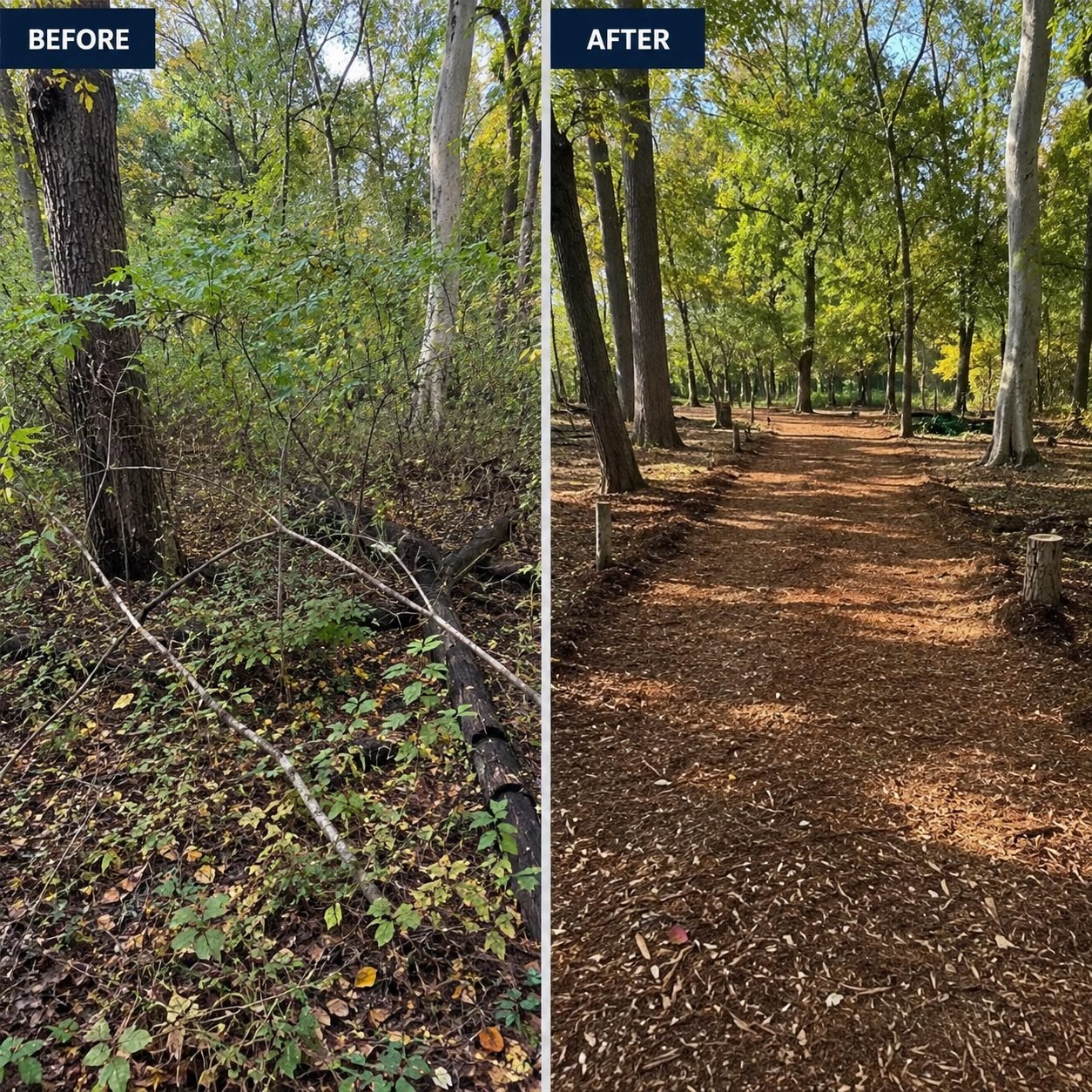
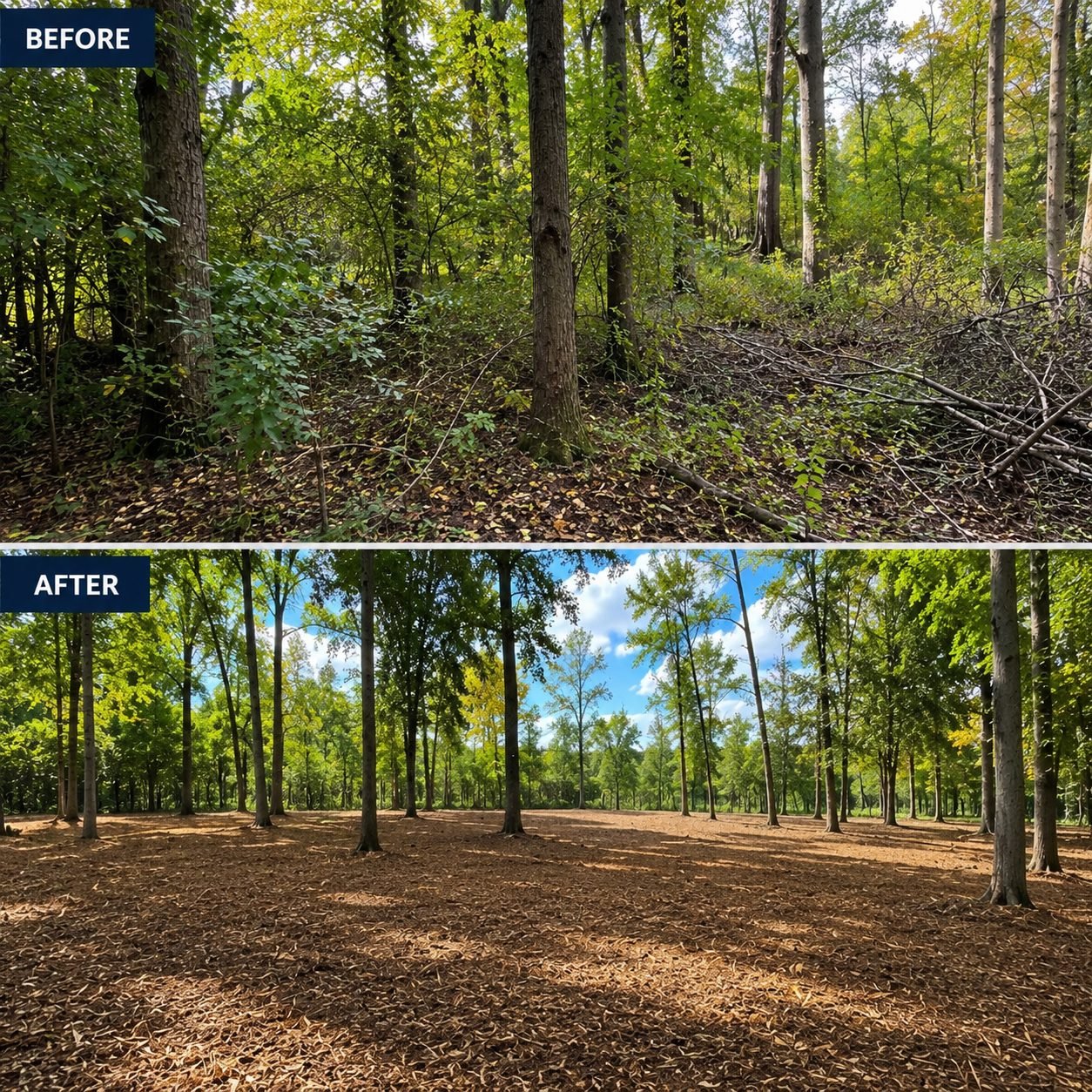
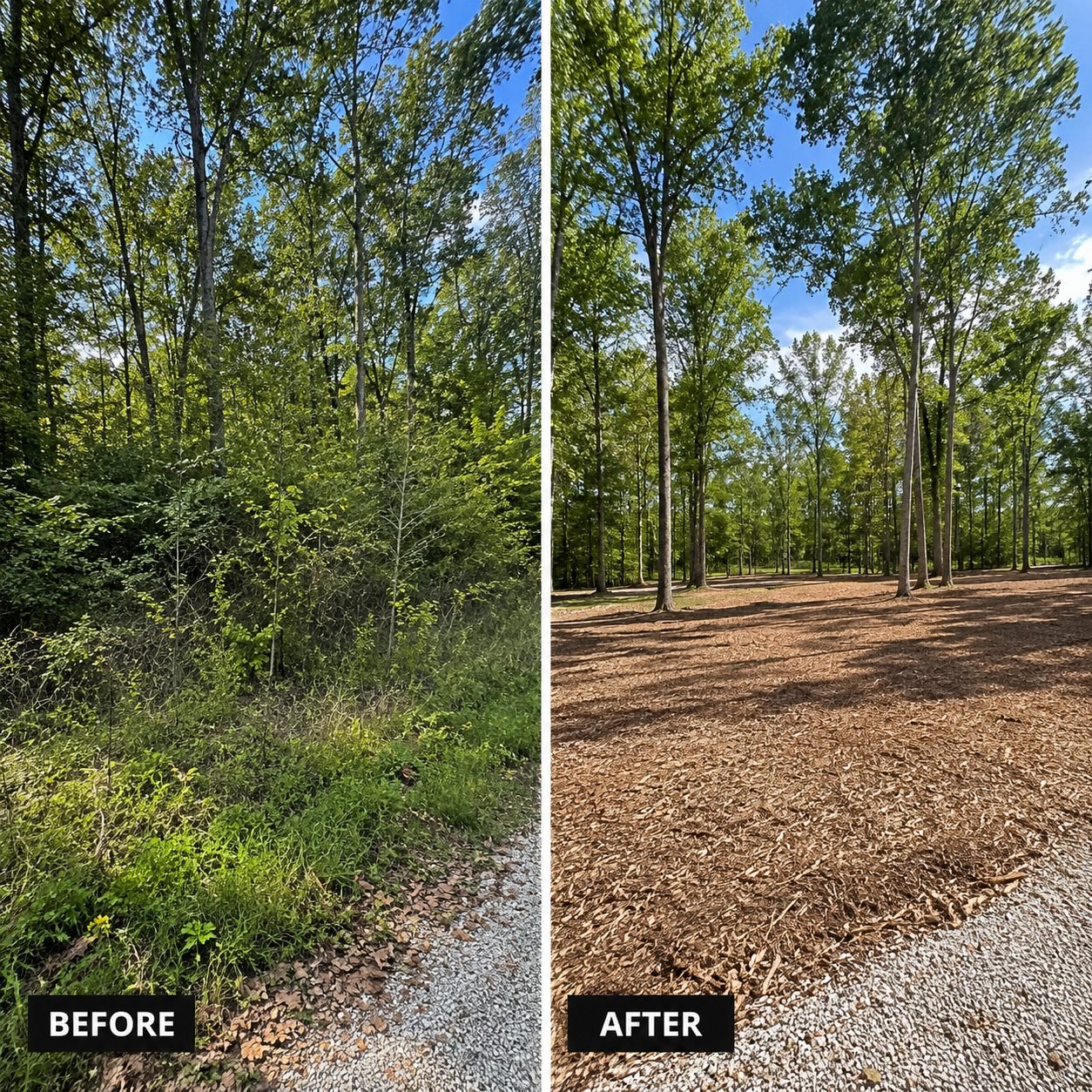
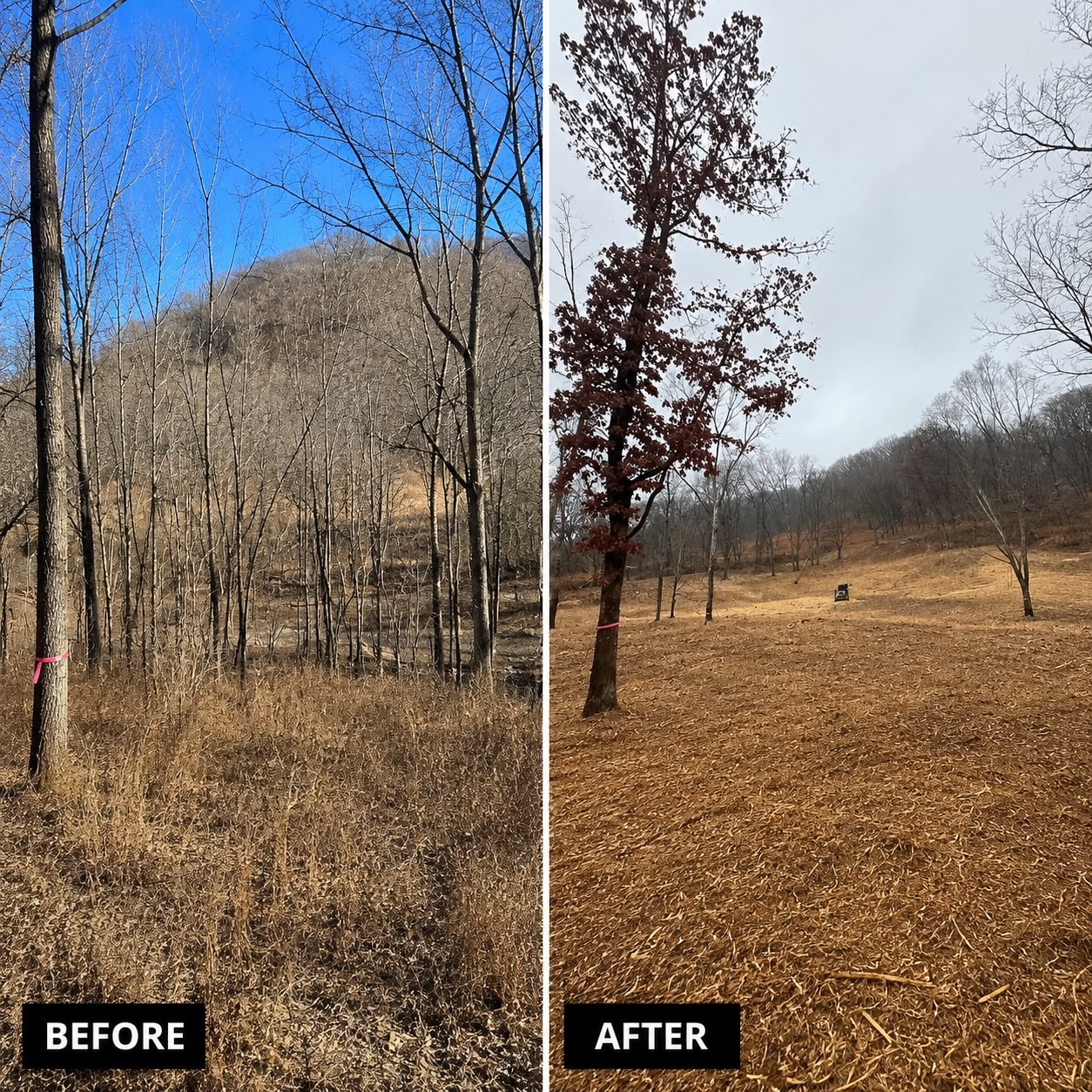
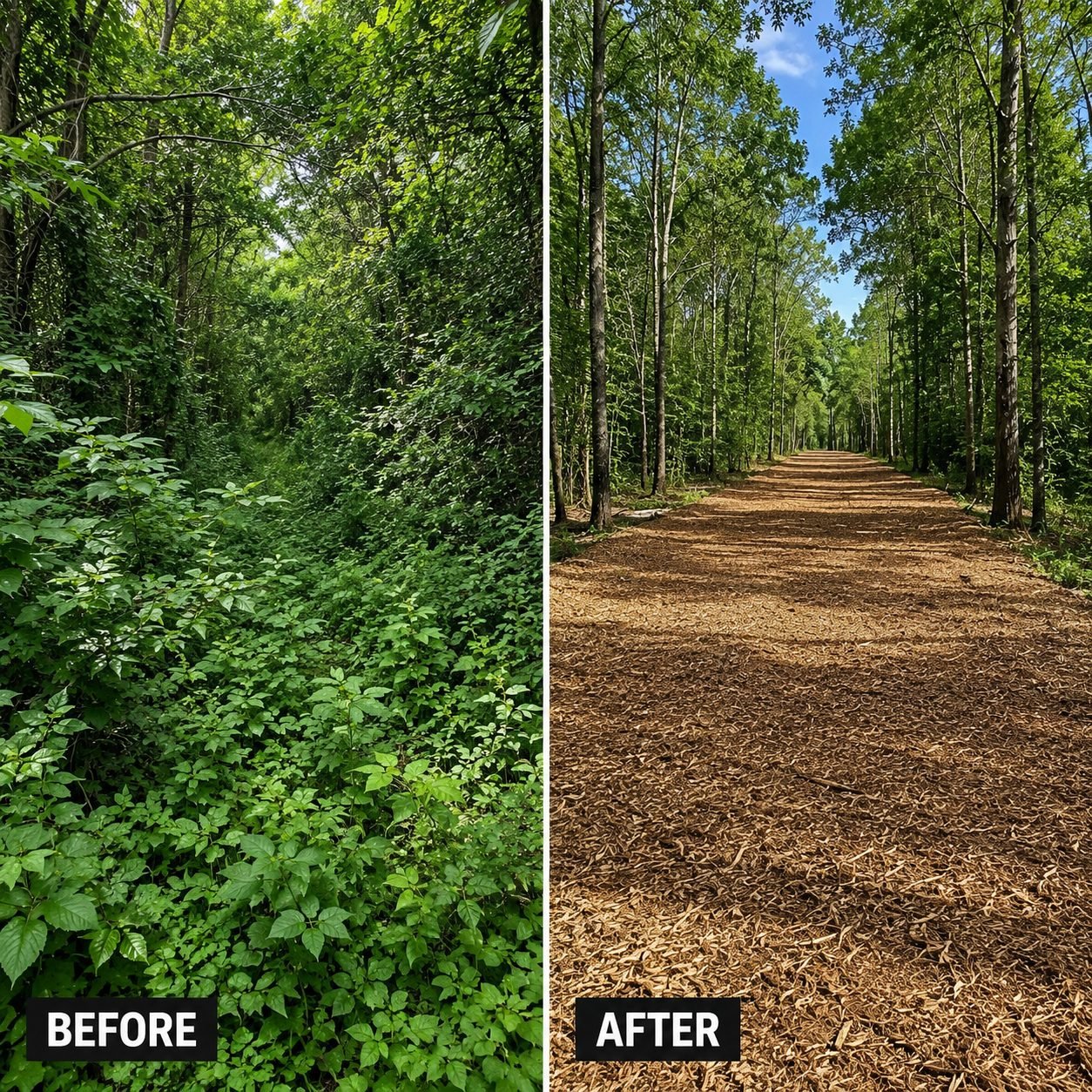
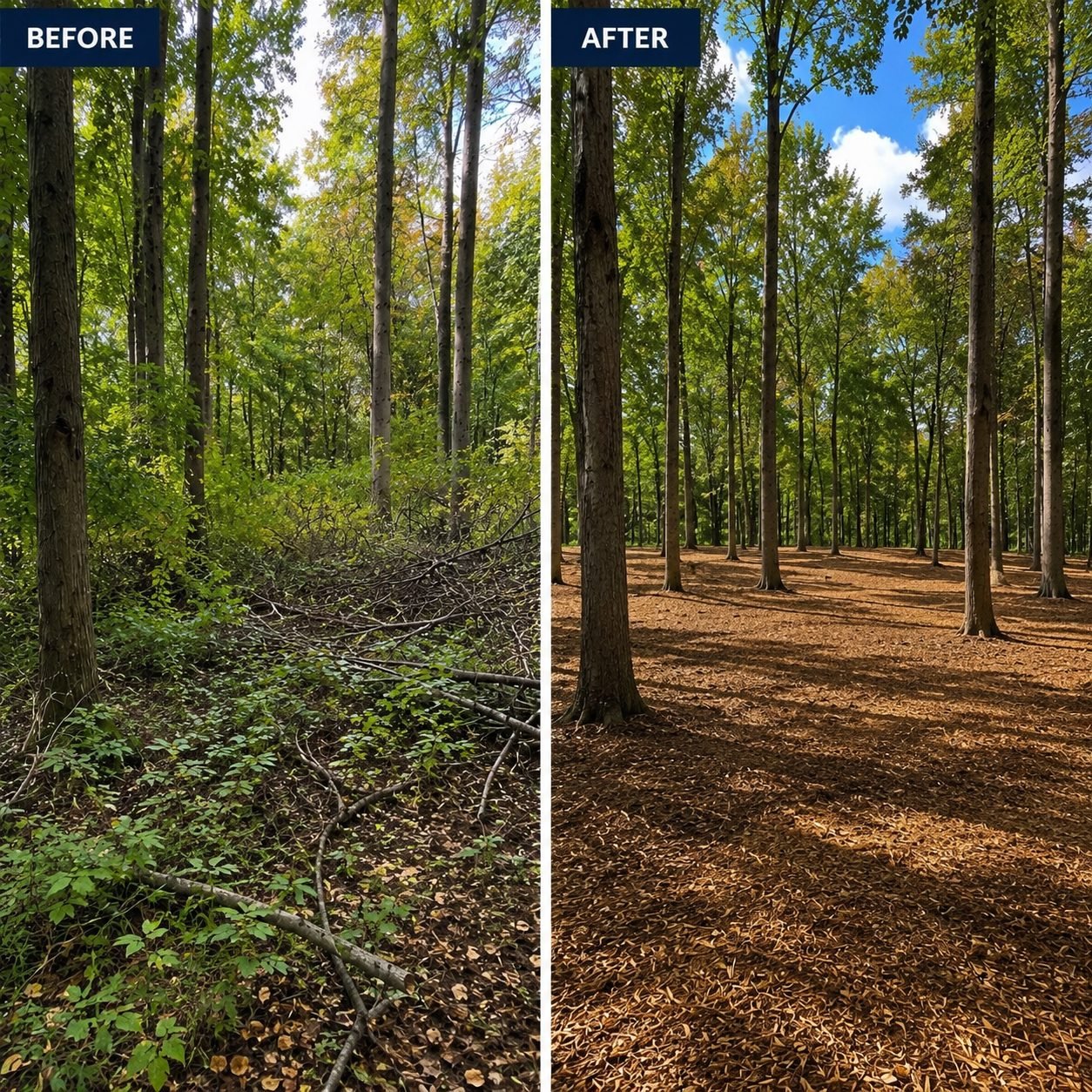
What Should a Drainage Excavation Project Gallery Show?
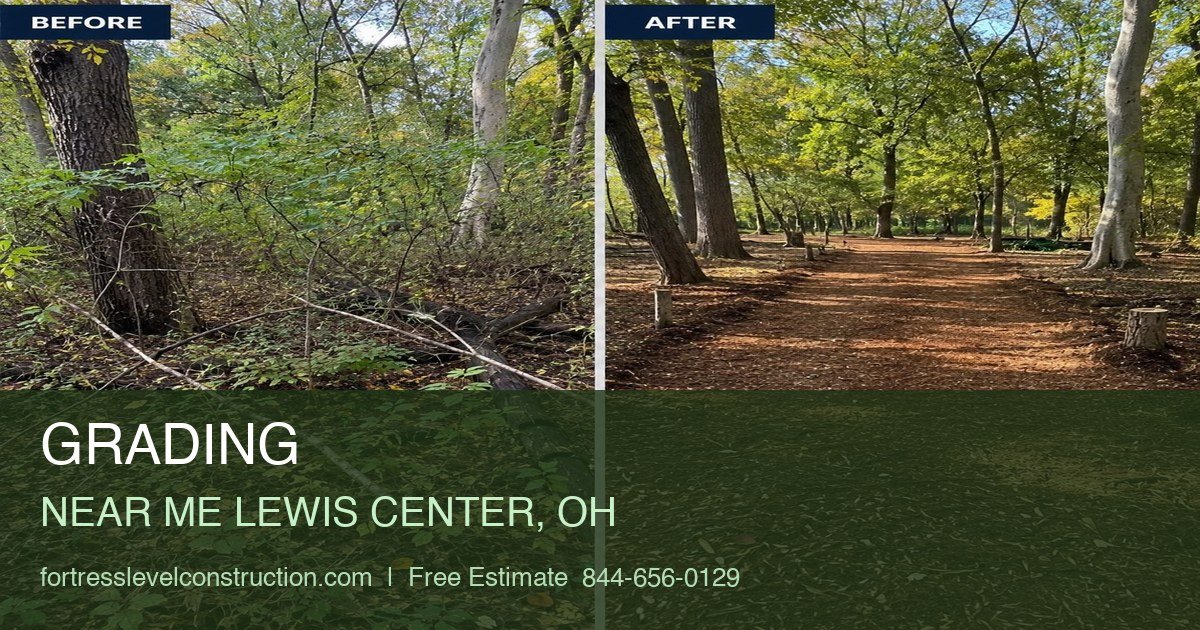
A strong drainage gallery should show the problem, the site layout, the excavation stages, the finished grade, and the water flow outcome. Useful image sets include before-and-after shots of standing water, trenching, swale shaping, ditch construction, outlet details, and final restored yard drainage.
Frequently asked questions
Drainage excavation is the process of digging and reshaping soil so water can leave a property instead of pooling in low spots. It can involve trenches, swales, ditches, basins, or grading corrections. The purpose is to create a dependable path for runoff, especially when the existing land shape traps water after rain.
If the problem is a broad slope issue or a low spot on the surface, grading may be enough. If water is collecting in a specific area, saturating soil, or coming from subsurface flow, yard drainage may also need drains or excavation. A site inspection is the best way to tell which combination will work.
Yes. Clay soil drains slowly and tends to hold water near the surface longer than sandy or loamy soils. That means puddles can last longer and runoff can move unpredictably across the property. In Central Ohio, clay is one reason drainage excavation often needs careful grading and a real outlet, not just a quick surface fix.
Drainage ditch construction is used to move water across a property in a controlled channel. It can protect lawns, drives, and structures by carrying runoff to a safer discharge point. Ditches can be simple swales or more defined channels, depending on the amount of water, slope, and erosion risk at the site.
Costs vary widely because the site determines the work. Soil type, depth, length, access, roots, disposal, and whether the project needs grading or clearing all affect the price. Fortress Level Construction’s approved excavation range is $50 to $200 per cubic yard, and grading is $1,000 to $3,000, but every property should be evaluated individually.
Small fixes may be DIY-friendly, such as extending downspouts or filling minor depressions. But excavation, trenching, and ditch work can create utility hazards and grading mistakes if done without a plan. If the problem affects a foundation, driveway, or large wet area, hiring a professional is usually the safer and more effective option.
Yes. Ohio law requires an Ohio 811 utility locate at least 48 hours before digging under ORC 3781.28. That applies to drainage excavation, trenching, ditch construction, and most other ground-disturbing work. Marking utilities first is one of the most important steps in any safe excavation project.
Choose a contractor who can explain the water source, the proposed outlet, the grading plan, and the utility locate process. Look for licensing, insurance, experience with clay soils, and a clear scope of work. A good contractor should solve the drainage problem as a system, not just dig where the puddle is.
French Drain Across Central Ohio
Fortress Level Construction handles french drain in every county and community across Central Ohio. See local details, drive times, and pricing for your area:
What Other Services Does Fortress Offer in Central Ohio?
Fortress Level Construction runs a full range of land-clearing, excavation, grading, and site-work services across Central Ohio, so one owner-operated crew can clear, grade, and prep a site end to end.
Get a Flat-Rate Quote from Lee Carson
Owner-operated land clearing across all five Central Ohio counties. Send your property details and Lee gets back to you within 2 to 3 hours during business hours with one flat number after a free on-site walk-through.