
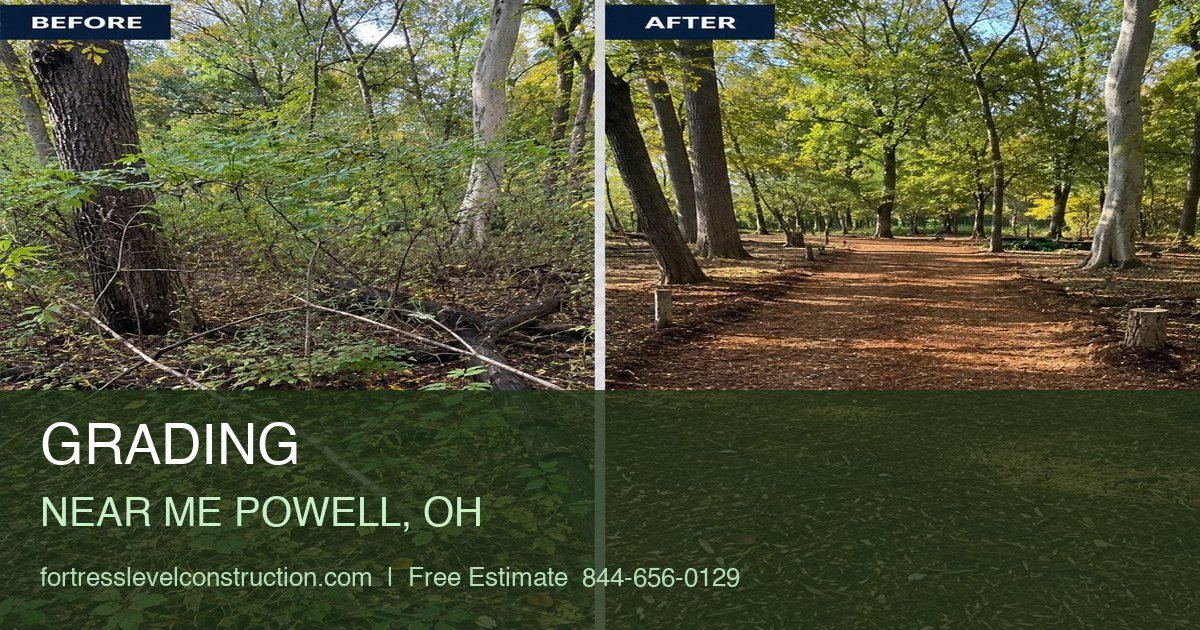

What Is a Laydown Yard in Ohio? How It Prepares a Construction Site for Efficient, Safer Work
A laydown yard is a designated construction support area where materials, equipment, and vehicles are staged, stored, and organized so crews can work efficiently and safely. A good lay down yard reduces site congestion, protects materials from damage, and supports smoother deliveries, access, and project control.
The Quick Answer
- A laydown yard is a planned construction support area for storing and staging materials, equipment, and trucks so the main jobsite stays usable and safer.
- A well-built construction laydown area starts with drainage, grading, access, and load-bearing ground conditions, not just open space.
- Central Ohio clay soil can hold water and rut easily, so proper subgrade prep matters as much as the surface material.
- The best laydown yard setup depends on how often deliveries arrive, what is being stored, and whether the site will remain temporary or semi-permanent.
- Common surface options include compacted aggregate, geotextile stabilization, temporary matting, and reinforced access lanes.
- The biggest cost drivers are site size, clearing needs, earthwork, haul-off, drainage corrections, access improvements, and restoration requirements.
- Ohio 811 is mandatory before digging, and utility marking should be treated as a non-negotiable first step in any laydown yard repair or setup that disturbs soil.
- A qualified contractor should show a real plan for grading, drainage, access, safety, and cleanup, not just quote a price for moving dirt.
Related Questions People Ask Next
A laydown yard is a dedicated staging area where a contractor stores and organizes materials, equipment, and supplies before they are installed or used. It helps keep the active work zone open, reduces delivery delays, and lowers the chance of damage or misplaced inventory. A good laydown yard setup also improves traffic flow and site safety.
A good construction laydown area has enough space, firm ground, good drainage, clear access, and a layout that matches how the job operates. It should allow trucks to enter, stage, unload, and exit without excessive backing or repeated reshuffling. The best yards are built around the actual workflow, not just available vacant land.
Most laydown yard projects benefit from some grading because unlevel ground collects water, creates soft spots, and makes material storage less stable. In Ohio, clay soil can make this especially important. Proper grading does not always mean major excavation, but it usually does mean shaping the site so water drains away from the storage and travel areas.
Yes. Laydown yard setup is the initial creation of the area, while laydown yard repair restores a yard that has become rutted, muddy, compacted, or poorly drained. Repair may involve regrading, adding aggregate, improving drainage, rebuilding access lanes, or stabilizing soft subgrade. The right fix depends on why the yard failed in the first place.
Absolutely. Many projects only need a temporary laydown yard during construction, especially when materials arrive in phases or the site has limited space. Temporary yards still need proper planning, including drainage, access, surface stabilization, and utility locates if digging is involved. Temporary does not mean disposable if you want safe, efficient use.
What Is a Laydown Yard and How Does It Work?
A laydown yard is a planned construction staging area used to store, sort, and move materials and equipment close to the worksite. The goal is simple: create enough controlled space for deliveries, staging, and loading without turning the main job area into a traffic jam or a damaged, muddy mess.
In practical terms, a laydown yard is the part of the site where you put what is not being installed yet. That can include pipe, steel, lumber, aggregate, forms, pallets, dumpsters, man lifts, skid steers, fuel tanks, and short-term stockpiles. A well-run lay down yard gives each item a place, which cuts search time, reduces handling, and helps crews stay productive instead of constantly moving materials around.
The best laydown yard setup is not just about square footage. It is about workflow. A contractor has to think through where trucks will enter, where they will turn, how unloading happens, where materials sit, and what path equipment uses to get back out. If the yard is too tight or the layout is wrong, the crew will spend time fighting congestion instead of building. That is why the design should start before the first load arrives.
Central Ohio conditions make this especially important. Clay soil can trap water, soften under load, and rut quickly when traffic is concentrated in one area. A construction laydown area that looks fine on a dry day can become a maintenance problem after a few storms or repeated truck traffic. That is also why a laydown yard often needs a more serious base and drainage plan than people expect at first glance.
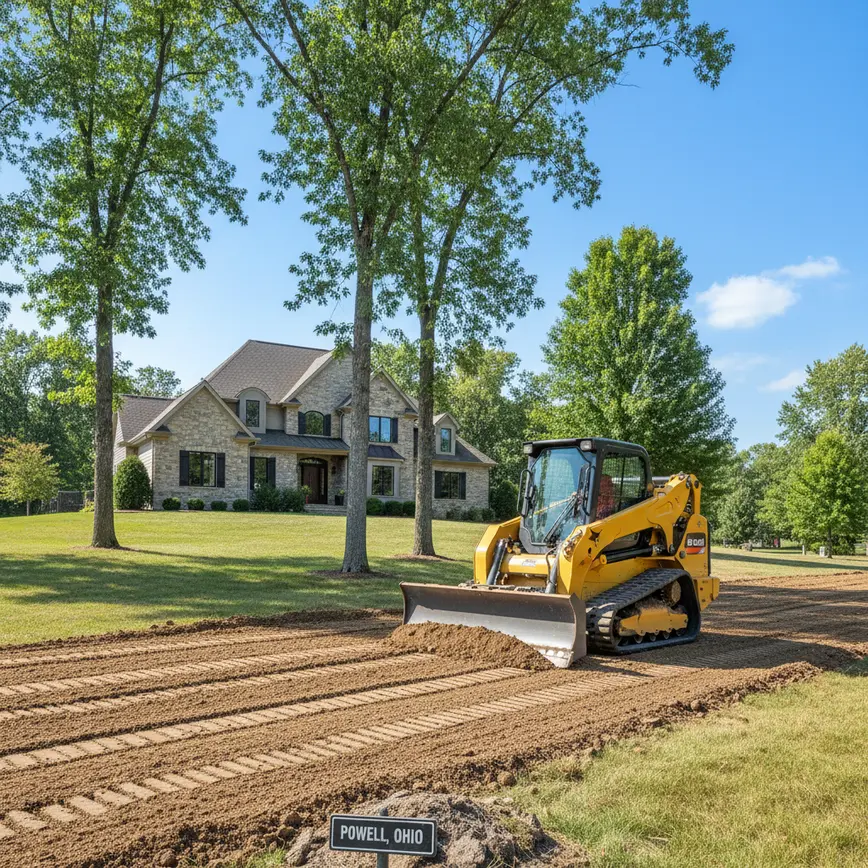
Why Does a Laydown Yard Matter for Safety and Efficiency?
A well-planned laydown yard improves logistics, protects materials, and keeps heavy traffic out of active work zones. It also helps reduce accidents, damaged deliveries, and wasted labor. When staging is organized, the whole project usually runs cleaner because crews are not improvising storage, access, and traffic flow on the fly.
What Types of Laydown Yard Methods Are Used?
There is no single best way to build a laydown yard. The right method depends on whether the yard is temporary or long-term, how heavy the traffic will be, what the soil is like, and what materials are being staged. Some sites need a simple stabilized pad, while others need full grading and drainage improvements.
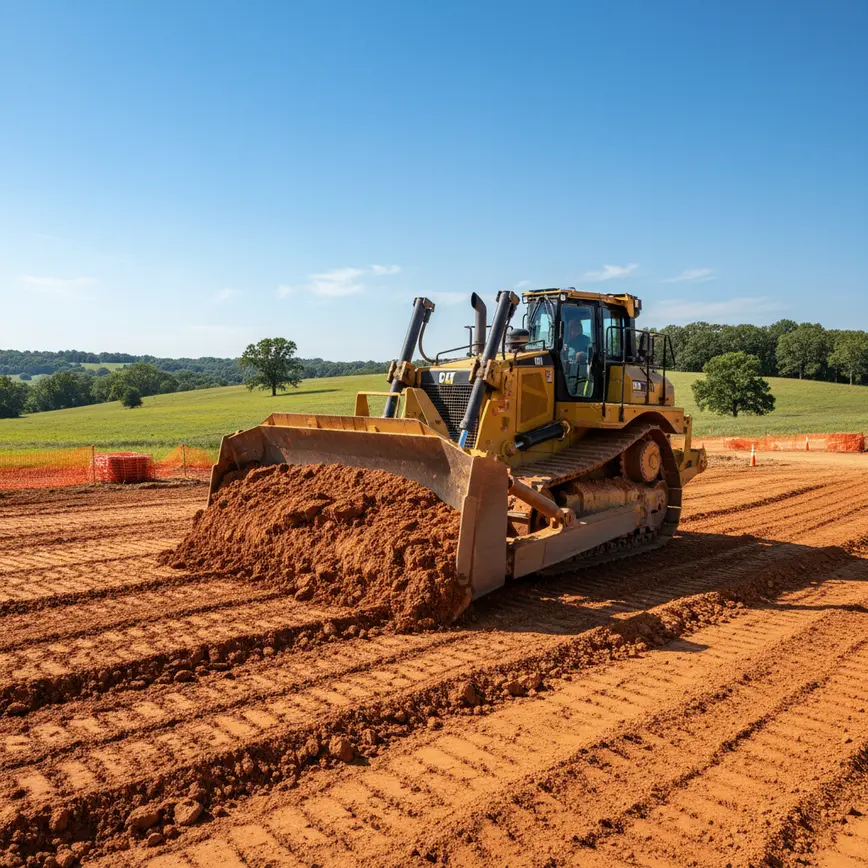
How Do You Set Up a Laydown Yard Step by Step?
A solid laydown yard setup starts with a site walk, utility locate, and drainage plan, then moves through clearing, grading, stabilization, and organization. The key is to build from the ground up so the yard can handle deliveries, traffic, and weather without quickly falling apart or becoming unsafe.
What Drives Laydown Yard Cost and Pricing?
Laydown yard cost depends on site size, soil condition, access, drainage needs, clearing requirements, and how much earthwork or stabilization is needed. A flat, open, well-drained site costs less than a wooded, wet, compacted, or debris-filled site that needs full preparation before it can be used safely.
What Equipment Is Used for Laydown Yard Setup and Repair?
Laydown yard setup usually involves excavation and grading equipment, compactors, hauling trucks, and sometimes mulchers or stump grinders. The exact machine list depends on the site, but the goal is always the same: create a stable, accessible surface that can handle traffic and staging without constant maintenance.
Should You DIY or Hire a Pro for a Laydown Yard?
Small, simple staging pads may be manageable for an experienced property owner, but most laydown yard projects benefit from a contractor who can handle drainage, grading, compaction, and utility safety correctly. The more traffic, weight, and weather exposure involved, the more professional planning matters.
What Permits, Rules, and Ohio 811 Requirements Apply?
Any laydown yard that involves digging, grading, clearing, or utility disturbance should be checked against local permit rules and Ohio 811 locate requirements. In Ohio, the law requires an Ohio 811 utility locate request at least 48 hours before digging under ORC 3781.28, and that is a key safety step.
How Do You Choose the Right Contractor for a Laydown Yard?
Choose a contractor who can show experience with grading, clearing, drainage, and site preparation, not just equipment ownership. For a laydown yard, the right company should understand traffic flow, soil conditions, permits, and safety. A strong plan is more important than a low number with no details behind it.
Start by asking how the contractor would build the yard, not only how much it costs. A qualified company should explain how they would address clearing, access, drainage, compaction, and final use. They should be able to talk through the difference between a temporary staging area and a more durable construction laydown area. If the answer sounds generic, the plan probably is too. You want a contractor who understands that a laydown yard setup is a site function, not a one-size-fits-all dirt job.
It also helps to work with a company that handles multiple parts of the process. Fortress Level Construction does land clearing, grading, excavation, demolition, and stump grinding, which matters because a yard often needs more than one of those services. When the same crew can manage the sequence, the work tends to stay more coordinated. That is especially useful when a site has clay soil, uneven access, old debris, or drainage issues that have to be solved together instead of in isolated pieces.
Finally, check for licensing, insurance, communication, and real local understanding. A contractor serving Central Ohio should be comfortable with Ohio 811 rules, local permit ranges, and the effects of Ohio soil conditions on site performance. Ask how they protect existing driveways, utilities, and adjacent work areas. Ask what happens if rain interrupts the schedule. A good contractor will have answers. A poor contractor will just promise they can make it work without explaining how.
How Do Different Laydown Yard Methods Compare?
Different laydown yard methods solve different problems. The best choice depends on traffic load, soil conditions, duration of use, and how much correction the site needs before it can function. Use this comparison to match the method to the job instead of overbuilding or underbuilding the area.
| Method | Best use | Typical pros | Main limits |
|---|---|---|---|
| Simple cleared staging area | Short-term light-duty storage on firm ground | Fast to create, lower initial effort, useful for low-traffic sites | Weak on drainage, can rut or soften quickly, limited durability |
| Graded aggregate pad | Most general-purpose construction laydown area needs | Better load support, improved drainage, adaptable to many sites | Requires correct base prep and compaction, more cost than simple clearing |
| Stabilized pad with geotextile | Clay soil, wet sites, repetitive truck traffic | Helps separate subgrade from base material, better long-term performance | Needs correct installation, not a substitute for solving drainage problems |
| Mat-supported temporary yard | Soft ground, short-term access, sensitive surfaces | Reduces direct ground impact, quick to deploy in certain settings | Higher logistics effort, not ideal for all material storage or heavy stacking |
| Repaired existing laydown yard | Yards with rutting, soft spots, or drainage failure | Can restore function without full rebuild, often faster than starting over | Only works if the base problem is identified and corrected properly |
| Full rebuild with clearing and grading | Problem sites, wooded sites, or long-duration operations | Most control over slope, access, and surface stability | Higher cost and more time, may require permits and utility locates |
What Are the Common Mistakes and When Is a Laydown Yard Not the Right Fix?
A laydown yard is useful, but it is not a cure-all. If the site floods, lacks access, contains buried hazards, or needs major permit approval, a simple staging area may fail. The biggest mistakes are ignoring drainage, skipping utility locates, overloading weak soil, and assuming temporary means low-risk.
One common mistake is treating any open lot like a ready-to-use laydown yard. If the subgrade is soft, wet, or uneven, materials and trucks will quickly create ruts and safety problems. Another mistake is failing to define traffic flow. When deliveries, equipment, and workers all use the same path, the yard becomes chaotic. A construction laydown area works best when access, storage, and machine movement are planned separately. Without that planning, the site can become less efficient than having no yard at all.
Another limitation is drainage. If the yard sits in a low spot or sends water into the storage zone, even a well-graded surface can fail. In Ohio clay soil, water can hang around long enough to ruin compaction and reduce bearing capacity. That is why some sites need more than a surface fix. They need the slope, outlet, or base corrected first. If a site is prone to repeated flooding or chronic saturation, the right answer may be a different layout, a raised pad, or a more extensive site prep scope.
Finally, do not confuse temporary with optional. Temporary projects still need Ohio 811 compliance, proper permits where required, and realistic expectations about load and weather. A small lay down yard for light staging may be easy to create, but once heavy trucks or frequent use enter the picture, the same area may need professional design. If the job involves utilities, drainage, or a long duration, professional help is often the better decision from the start.
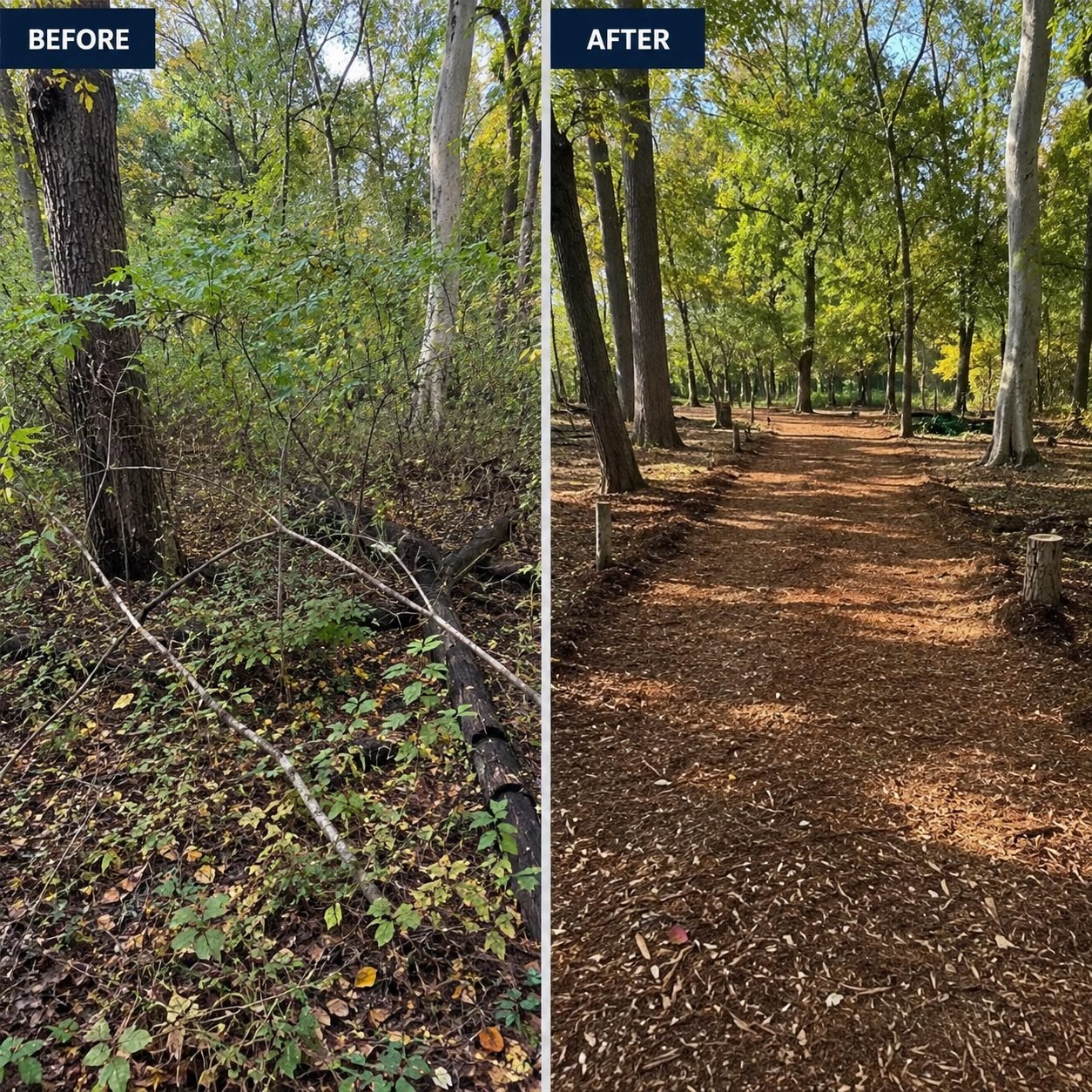
What Should You Look for in Laydown Yard Setup Photos and Site Walkthroughs?
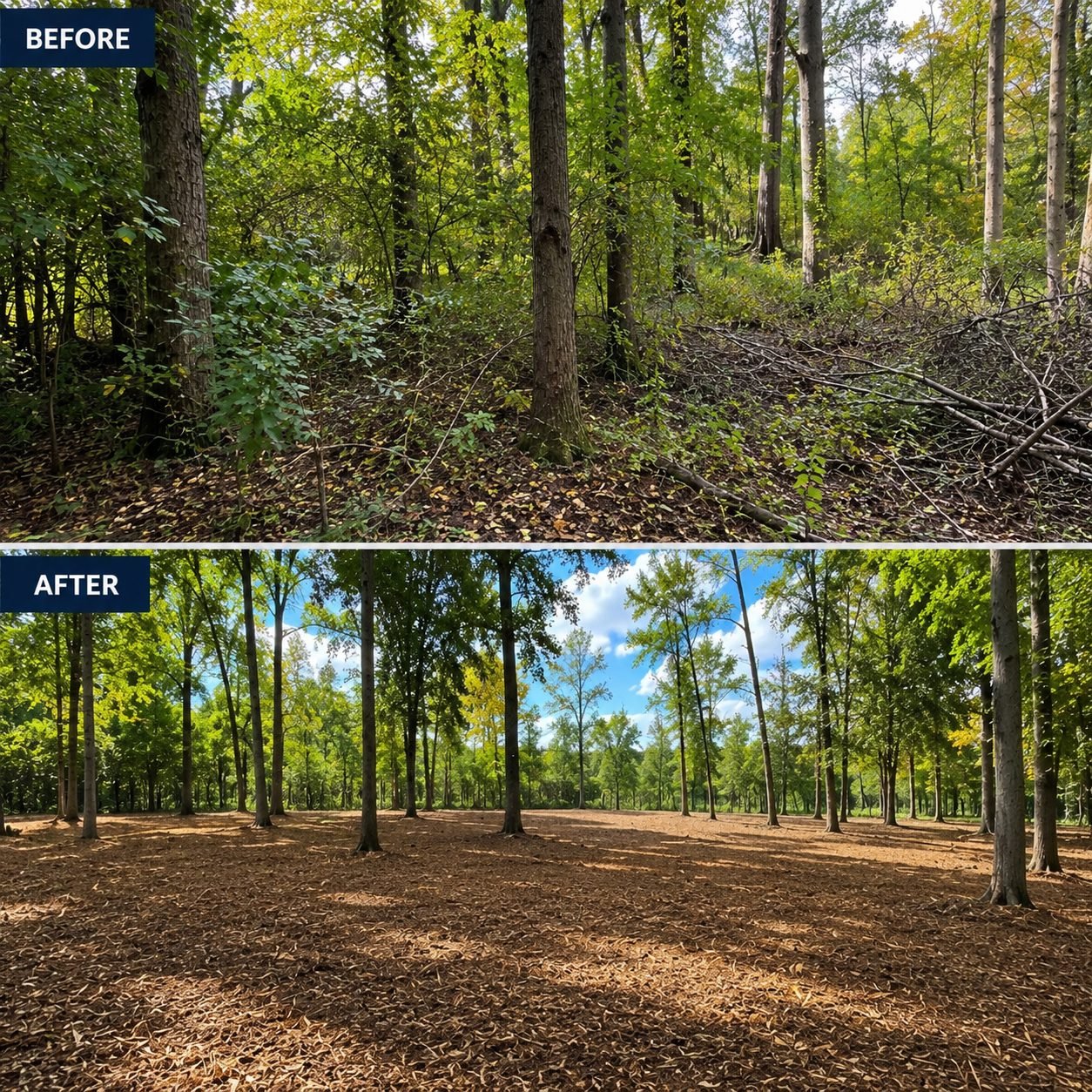
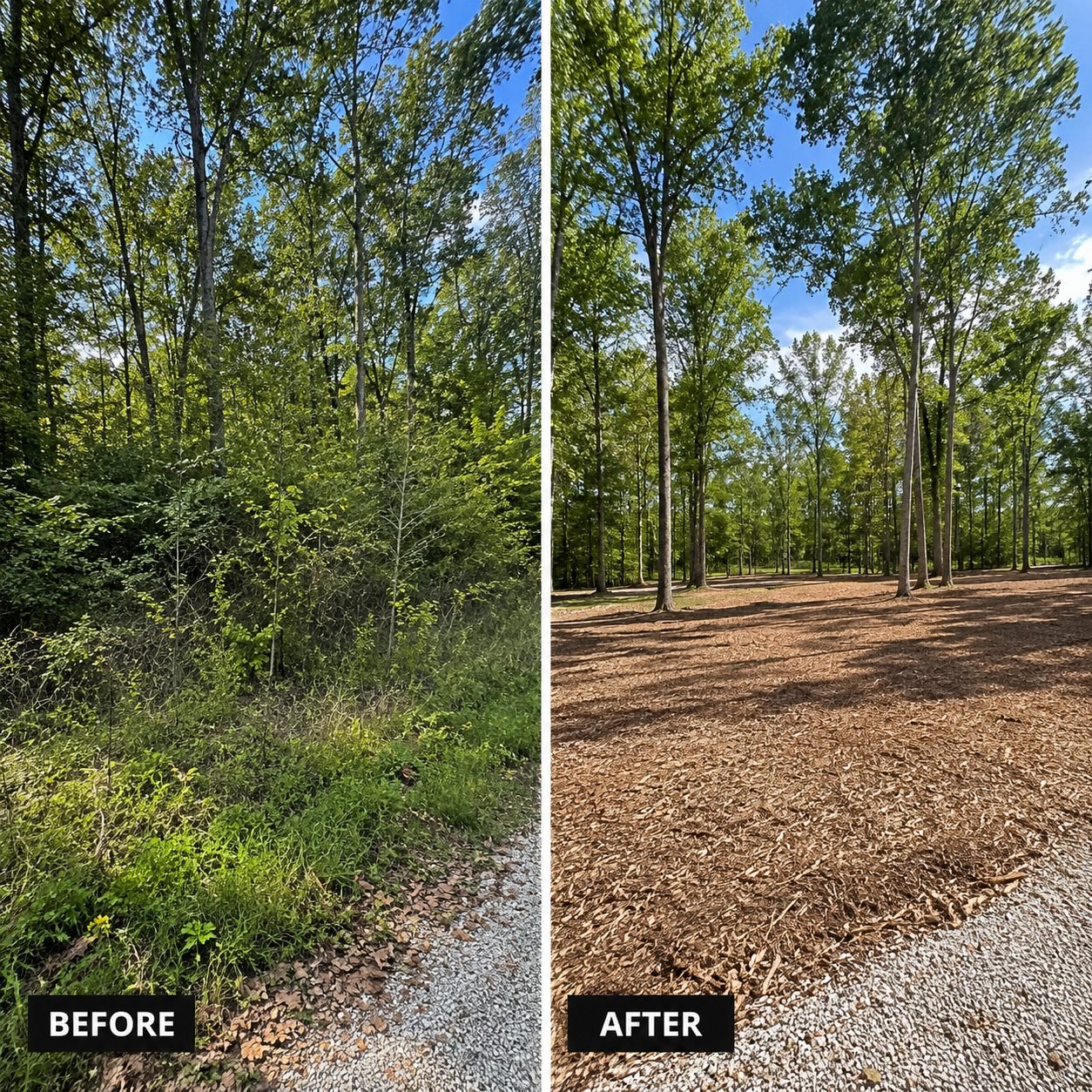
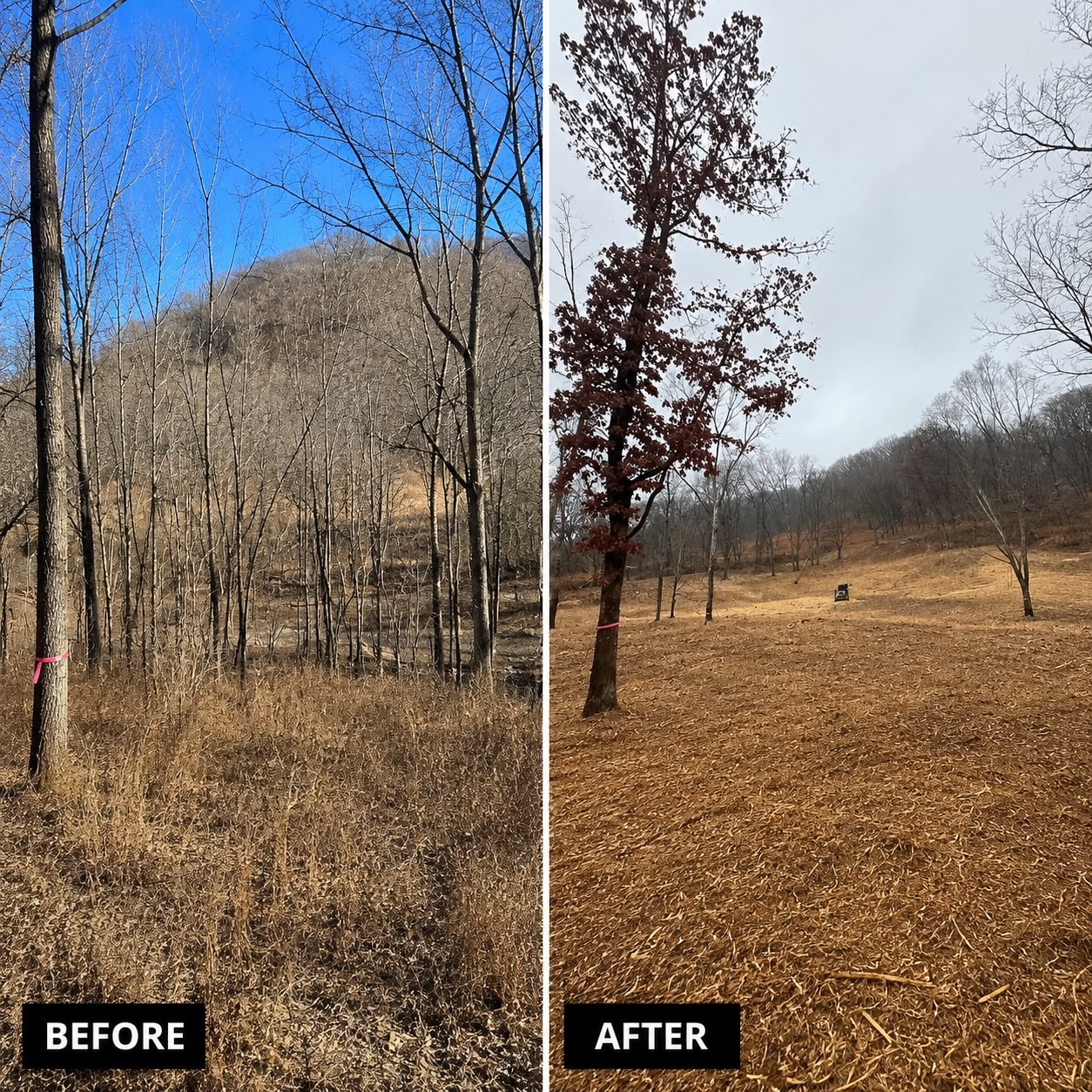
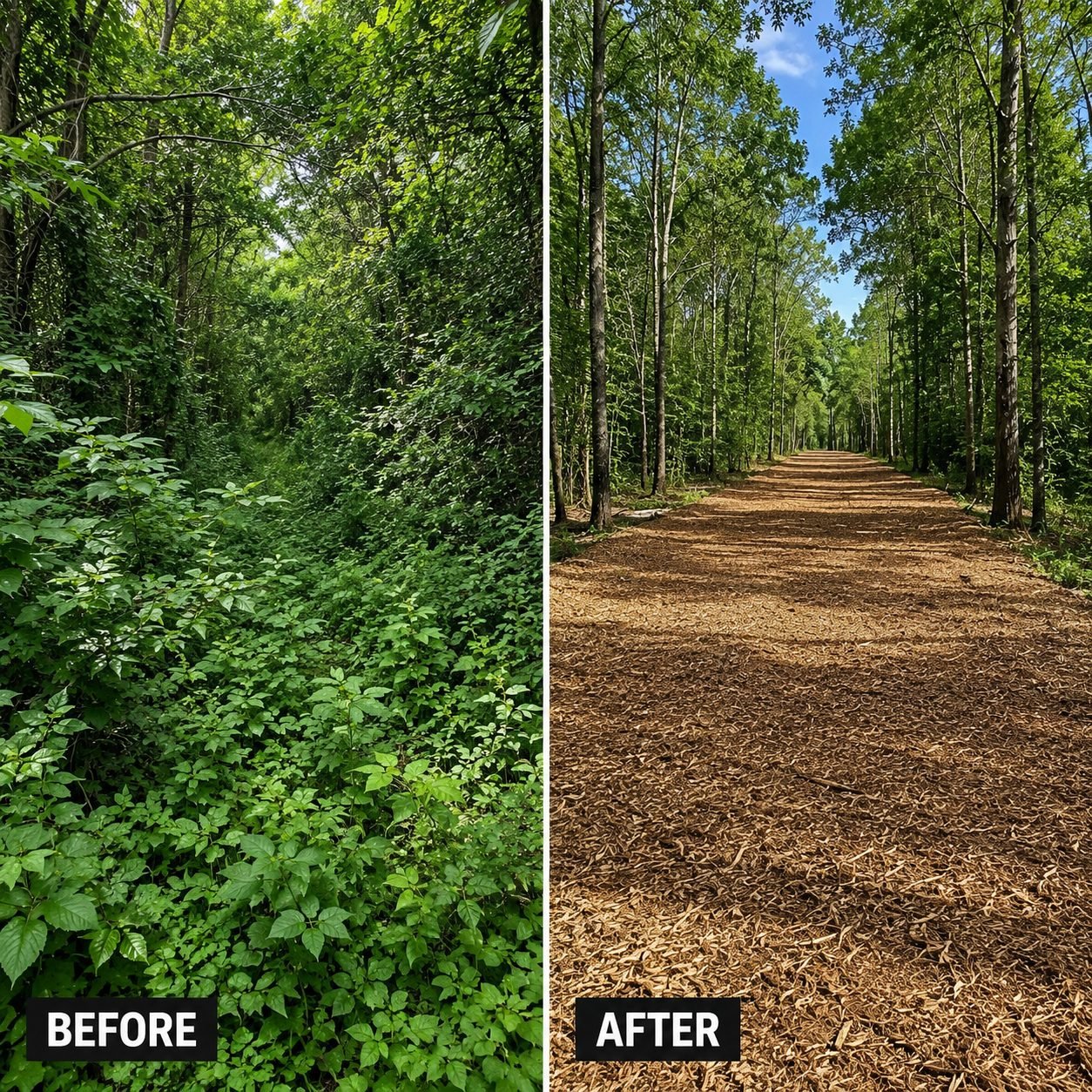
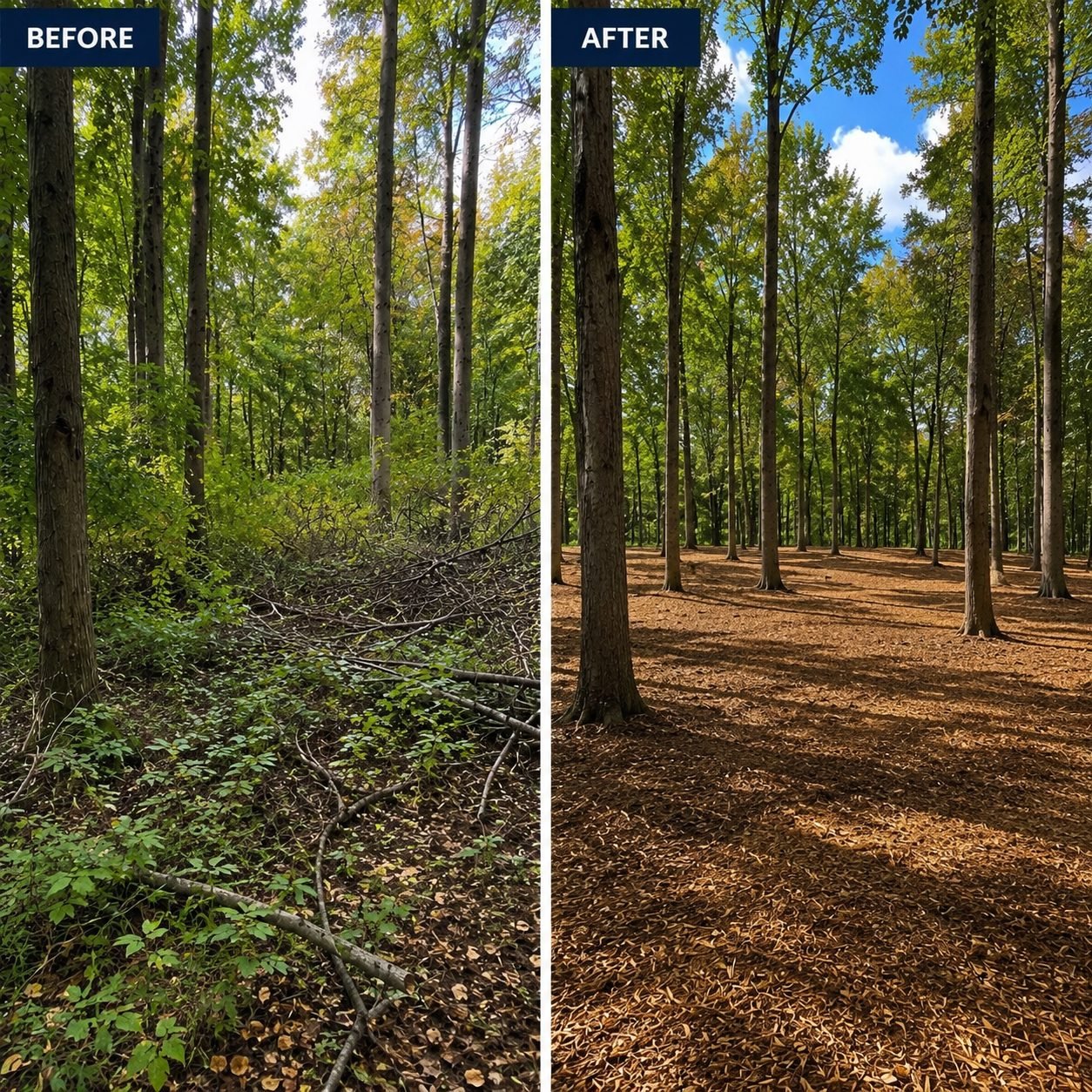
When reviewing a laydown yard project, look for clear access paths, stable surfaces, organized storage zones, drainage direction, and clean edges between staging and active work. Good photos should show more than dirt moving. They should show a plan for traffic, safety, and long-term use.
Frequently asked questions
There is no universal size because the right laydown yard depends on what is being stored, how often deliveries arrive, and how much room trucks need to move safely. A small job may need only a modest staging pad, while larger projects need room for turning, unloading, sorting, and temporary stockpiles. The best sizing comes from workflow, not guesswork.
Yes, but clay soil usually needs more attention because it can hold water and lose strength when saturated. In Central Ohio, that means grading and drainage are often more important than people expect. A laydown yard on clay may need stabilization, compaction, and aggregate support so it can handle traffic without rutting or becoming muddy.
For many sites, compacted aggregate is the most practical surface because it supports loads and helps with drainage. Some sites also benefit from geotextile fabric under the stone, especially if the soil is soft or wet. The best surface depends on traffic, duration, weather exposure, and how much weight the area must support.
Laydown yard repair usually addresses rutting, soft spots, standing water, worn access routes, compacted base failure, or poor traffic flow. The fix may be as simple as regrading and adding stone, or it may require more extensive work if the subgrade is failing. Good repair starts with finding the cause, not just covering up the symptoms.
If the work involves digging, excavation, posts, drainage, or any soil disturbance, yes, Ohio 811 should be contacted before the work starts. Ohio law under ORC 3781.28 requires a utility locate request at least 48 hours before digging. Even if the project looks simple, utility marking is a critical safety step.
The terms are often used loosely, but a lay down yard specifically refers to a construction staging area where materials are placed before installation or use. A storage yard can mean a broader place for keeping equipment or inventory. On a jobsite, the laydown yard is usually tied to active project logistics and delivery flow.
Yes, and that is often the best approach. A contractor who can handle clearing, grading, excavation, and repair can diagnose why the yard is failing and correct it in the right sequence. That matters because a yard that is rebuilt without fixing drainage or soil issues will usually fail again.
Call a pro if the yard is muddy, repeatedly rutting, connected to drainage problems, needs excavation, or must support heavy traffic. You should also bring in a contractor if the work may involve permits or utilities. Professional help is especially valuable when downtime would be expensive or the site must stay safe and organized.
Site Preparation Across Central Ohio
Fortress Level Construction handles site preparation in every county and community across Central Ohio. See local details, drive times, and pricing for your area:
What Other Services Does Fortress Offer in Central Ohio?
Fortress Level Construction runs a full range of land-clearing, excavation, grading, and site-work services across Central Ohio, so one owner-operated crew can clear, grade, and prep a site end to end.
Get a Flat-Rate Quote from Lee Carson
Owner-operated land clearing across all five Central Ohio counties. Send your property details and Lee gets back to you within 2 to 3 hours during business hours with one flat number after a free on-site walk-through.