
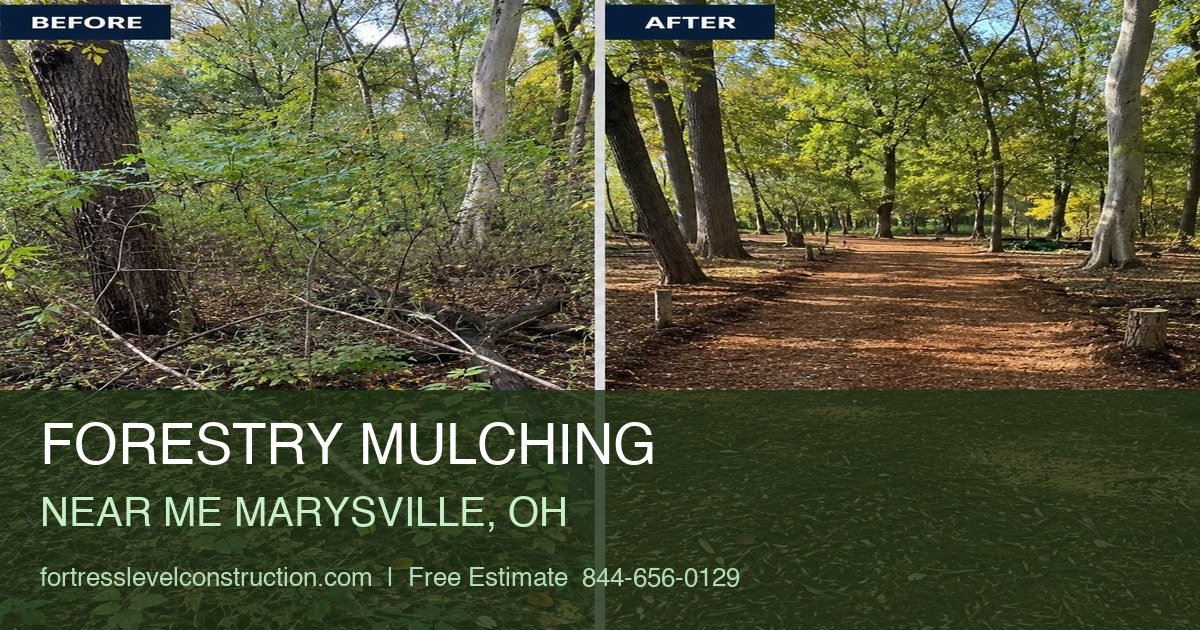

What to Do After Forestry Mulching in Ohio to Protect Your Property and Keep It Usable
After forestry mulching, the site should be assessed, stabilized, and matched to its next use before erosion, regrowth, or drainage problems set in. Good after forestry mulching care usually includes debris checks, rough grading, mulch decomposition planning, post mulching seeding, and utility awareness.
The Quick Answer
- After forestry mulching starts with checking what the mulcher left behind, then deciding whether the site needs seed, grading, drainage adjustments, or a rest period for mulch decomposition.
- Forestry mulching aftercare is about making the area stable and usable, not just making it look clean on day one.
- In Central Ohio, clay soil can hold water, rut easily, and slow infiltration, so post mulching seeding and drainage planning matter more than on sandy sites.
- Not every site should be graded immediately after mulching; sometimes the best next step is erosion control and allowing the mulch layer to settle.
- Mulch decomposition is useful because it suppresses weeds and adds organic matter, but too much depth can smother seed or trap moisture.
- Permits, setbacks, and drainage rules can matter even on land that seems simple, and Ohio 811 must be addressed before any digging or invasive work.
- DIY cleanup can handle light brush and seed, but slopes, soft ground, stumps, drainage changes, and utility conflicts are better left to a licensed crew.
- The best contractor will explain the site plan after forestry mulching, not just the clearing price.
Related Questions People Ask Next
Start by walking the entire site and checking for hazards, hidden stumps, rutting, drainage flow, and any debris that could damage mowers or vehicles. If you plan to seed, identify low spots, compacted areas, and places where mulch is too deep. The first pass after forestry mulching is about safety and deciding whether the land needs stabilization, grading, or a waiting period for mulch decomposition.
Usually no. In many cases, the mulch is part of the solution because it helps suppress regrowth, reduce erosion, and add organic matter as it breaks down. However, after forestry mulching, mulch that is too thick can interfere with post mulching seeding or hold too much moisture. The right answer depends on slope, drainage, and the future use of the property.
You can seed soon after the work if the ground is stable, but timing depends on mulch depth, soil exposure, weather, and the species you want to establish. In Ohio, seed often performs better when the site is lightly loosened or graded and then covered appropriately. A contractor or local extension guidance can help you decide whether immediate post mulching seeding or a short wait is better.
It slows regrowth and improves access, but it does not permanently eliminate every plant. Roots remain in the ground, seeds are still present, and some species resprout. Good after forestry mulching care, especially mowing, selective herbicide where appropriate, and post mulching seeding, helps control comeback. Without ongoing maintenance, some sites will green back up faster than owners expect.
Sometimes, but not always. Light traffic may be fine on firm ground, yet clay soil, wet conditions, and recently disturbed areas can rut quickly. Before driving equipment, trucks, or trailers onto the site, check bearing strength, hidden holes, and drainage paths. After forestry mulching, a short delay or rough grading may protect the surface and prevent expensive repairs later.
What does after forestry mulching mean for your property?
After forestry mulching means the clearing work is finished, but the site still needs assessment, stabilization, and planning for its next use. The goal is to turn a freshly mulched area into land that is safe, drainable, and ready for the long term, whether that means access, pasture, building prep, or habitat management.
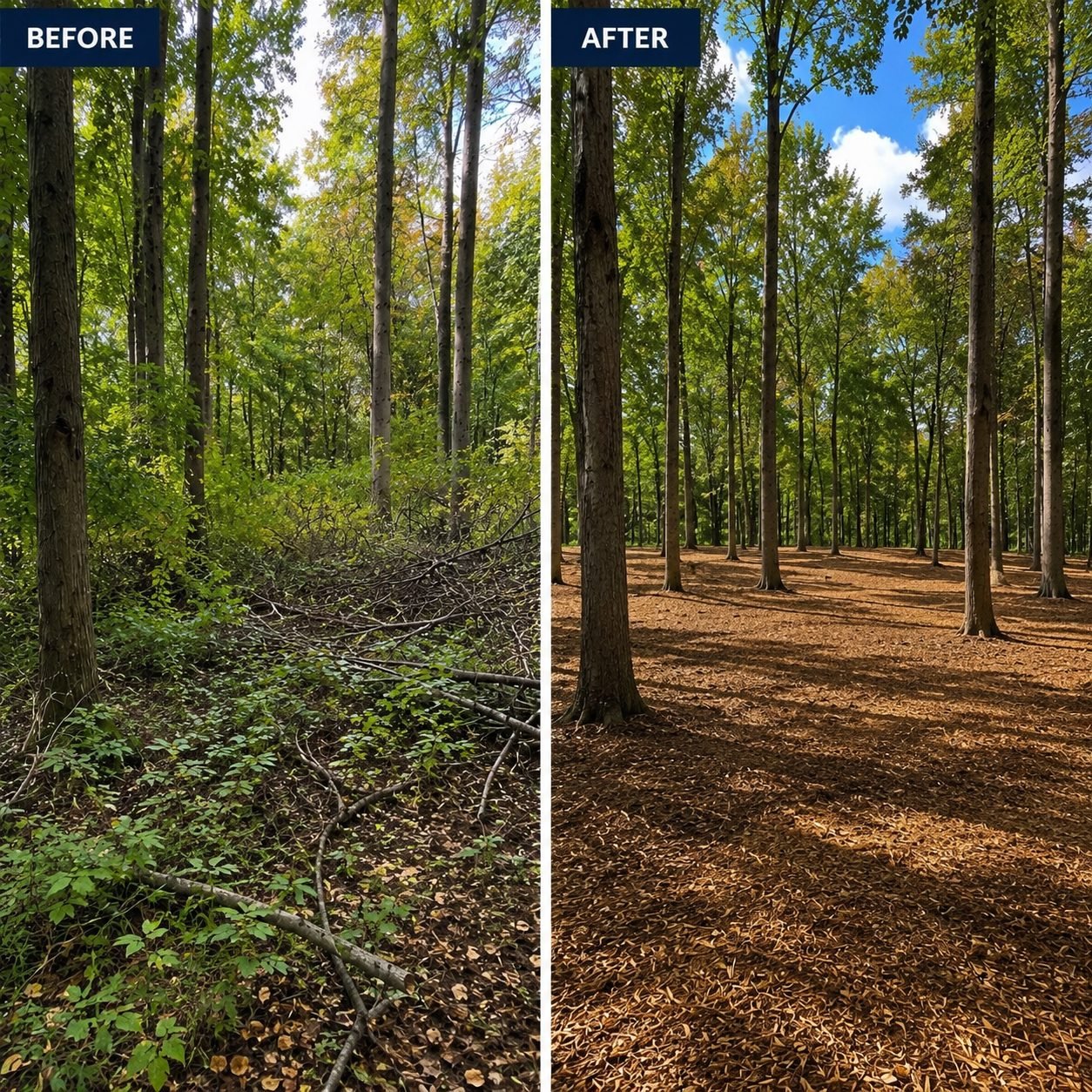
After forestry mulching, the land is not fully finished just because the brush is down. The machine has processed trees, saplings, and undergrowth into a mulch layer, but that layer now becomes part of the site condition. You may need to decide whether the area should remain natural, be seeded, be lightly graded, or be prepared for future construction. Good forestry mulching aftercare starts with understanding the end goal, because the same site can need very different follow-up depending on whether it will become a driveway corridor, a yard, a fence line, or a building pad.
A useful way to think about after mulching is that the project has shifted from removal to management. The mulch can suppress weeds and slow erosion, but it can also hide obstacles, trap moisture, or make it harder to judge the surface. In Central Ohio, this matters because clay soil can stay wet longer and hold tracks. That means a site may look passable but still be soft underneath. A careful post-work walkthrough helps determine whether the area needs settling time, additional cleanup, or rough grading before anyone seeds or drives equipment across it.
The right next step also depends on how aggressively the vegetation was handled. Some forestry mulching projects leave larger woody material in place for decomposition, while others create a finer layer. That affects mulch decomposition rate, seed contact, and future mowing. If the site will stay wooded or semi-wild, the goal may simply be keeping access open and reducing invasive regrowth. If the site will support grass, pasture, or development, then post mulching seeding, drainage planning, and utility awareness become much more important.
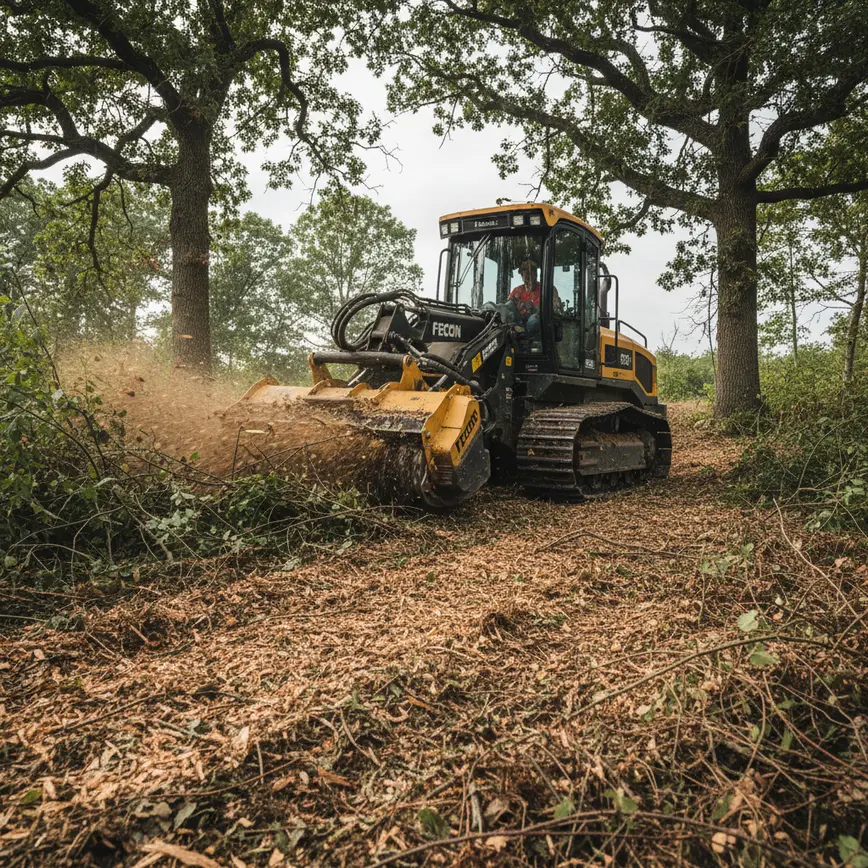
Why does forestry mulching aftercare matter?
Forestry mulching aftercare matters because the condition of the site after the machine leaves can determine erosion, drainage, seed success, and long-term usability. A thoughtful plan keeps the ground stable, reduces the chance of regrowth problems, and helps the mulch layer work for you instead of creating a maintenance burden.
What methods are used after forestry mulching?
After forestry mulching, the main treatment options are leave the mulch in place, lightly redistribute it, grade the surface, seed the site, or combine those steps based on drainage and future use. The right method depends on soil type, slope, access needs, and whether the site is meant for grass, habitat, or construction.
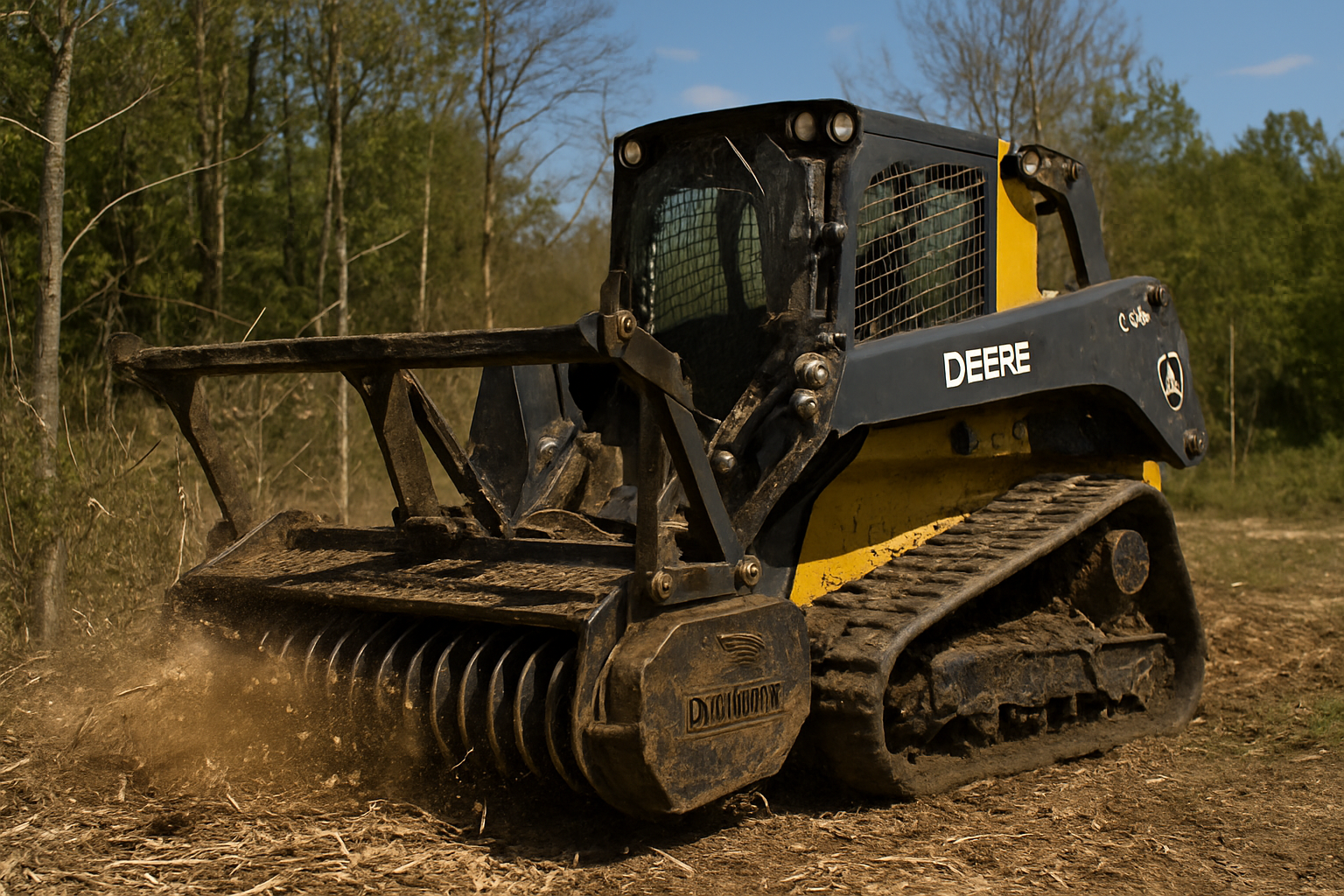
What is the step-by-step process after mulching?
A smart after forestry mulching process starts with inspection, then cleanup, then surface decisions, drainage checks, and finally seeding or stabilization. Following the site in order keeps you from burying problems, sealing in water, or damaging the area with traffic before it has a chance to settle properly.
What drives the cost after forestry mulching?
The cost after forestry mulching depends on what the site needs next, not just on the original clearing price. Soil condition, slope, cleanup, grading, seeding, access, debris handling, and whether the work is simple maintenance or a more complete site prep project all affect final cost and timeline.
What equipment is used for cleanup, grading, and seeding?
The equipment used after forestry mulching ranges from hand tools to heavier machines like skid steers, compact track loaders, tractors, landscape rakes, dozers, and seeders. The right tool depends on whether the site needs cleanup, spreading, grading, stabilization, or final preparation for use.
Should you DIY after forestry mulching or hire a pro?
DIY after forestry mulching can work for light cleanup and basic seeding, but a pro is usually the better choice when the site has slopes, drainage issues, soft clay, hidden debris, or utility concerns. The more the job involves grading or heavy equipment, the more valuable professional experience becomes.
What permits, regulations, and Ohio 811 rules apply before digging?
Permits and utility locating can matter after forestry mulching if the next phase includes grading, excavation, drainage work, fence posts, or structure prep. In Ohio, you must contact Ohio 811 before digging, and local permit rules vary by township, city, county, and project scope.
How do you choose the right contractor for post mulching work?
Choose a contractor after forestry mulching by looking for licensing, insurance, local experience, the right equipment, and clear answers about what happens next. The best crew will evaluate soil, drainage, mulch depth, and utility concerns before recommending cleanup, grading, seeding, or another solution.
A strong contractor should start with the site, not the price sheet. Ask how they handle after forestry mulching cleanup, whether they will assess drainage, and what they recommend for post mulching seeding if the land will be grassed or stabilized. The right company can explain whether to leave mulch in place, spread it thinner, or remove it from key areas. If they only want to quote a clearing number and move on, that is a warning sign. Good work after the machine leaves requires judgment, not just horsepower.
Experience with your type of ground matters. In Central Ohio, clay soil changes the way water moves and how quickly equipment can travel without causing ruts. A contractor who regularly works in the region will understand seasonal limits, soft spots, and the difference between a usable finish and one that only looks good from the driveway. Fortress Level Construction has served Central Ohio since 2009 and is a licensed, insured land-services company founded by Lee Carson, a combat veteran. That kind of field experience is useful when the next step is grading, excavation, or preparing a property for future use.
Finally, evaluate communication. A reliable contractor should explain the sequence, likely equipment, permit considerations, and what to expect from mulch decomposition over time. They should also be honest about when the site does not need more work. For many landowners, the right contractor is the one who can say, after looking at the property, that a lighter touch is better than unnecessary grading. If the company can explain the plan clearly and answer questions without pressure, that is usually a good sign you are dealing with a real crew that understands the job.
Which after forestry mulching method fits your site best?
The right after forestry mulching method depends on how the land will be used, how much disturbance remains, and whether the site needs cleanup, stabilization, or grading. This comparison helps match the treatment to the property so you do not overwork the ground or underprepare it.
| Method | Best use | Main advantage | Main caution |
|---|---|---|---|
| Leave mulch in place | Low-maintenance habitat, access lanes, light screening | Fast, inexpensive, supports mulch decomposition | May be too thick for seeding or mowing |
| Redistribute mulch | Uneven coverage, paths, light lawn prep | Improves appearance and seed contact | Can still leave soft spots or hidden debris |
| Rough grade then seed | Pasture, yard, driveway edges, build prep | Better drainage and better post mulching seeding results | Can increase cost and requires more equipment |
| Hold and stabilize first | Slopes, wet clay, erosion-prone sites | Reduces washouts and rutting | Delays final use until the ground firms up |
| Add erosion control and seed | Disturbed soils, open slopes, runoff-prone areas | Protects soil and supports establishment | Needs correct timing and seed-to-soil contact |
| Full follow-up site work | Construction prep, access roads, heavy-use areas | Creates the most usable finished site | Most expensive and may involve permits, locate requests, and multiple trades |
When is after forestry mulching not enough?
After forestry mulching is not the right finish when the site still has drainage failures, buried obstructions, unstable slopes, or a future use that needs soil removal and compaction. In those cases, simple cleanup can hide bigger issues instead of solving them, and the wrong follow-up can create long-term maintenance problems.
One common mistake is treating the mulch as the final surface no matter what the site needs. That can work on simple rural buffer areas, but it is not ideal for lawns, drive lanes, or pads. If the mulch layer is too deep, it can interfere with post mulching seeding and stay spongy under load. Another mistake is driving heavy equipment or vehicles on the site too early, especially on wet clay. That can compact the soil unevenly and leave ruts that are harder to fix after the fact.
Another problem is ignoring water movement. Forestry mulching clears vegetation, but it does not automatically solve drainage. If runoff already had a path before the work, it will still need a path afterward. Sites that collect water may need grading, swales, or another form of earthwork. Without that, mulch decomposition can happen in a soggy zone and create a mess instead of a stable surface. If the goal is to use the land regularly, drainage deserves as much attention as the clearing itself.
After forestry mulching is also not enough when the next phase involves hidden utilities or regulated digging. Fence posts, trenching, footing work, and excavation all require more planning. Ohio 811 must be addressed before digging, and local permit rules may apply. If the property is close to structures, drainage infrastructure, or utility corridors, professional evaluation is the safer path. In short, the method is excellent for clearing and access, but not every property is finished just because the brush is gone.
What should you document after forestry mulching?
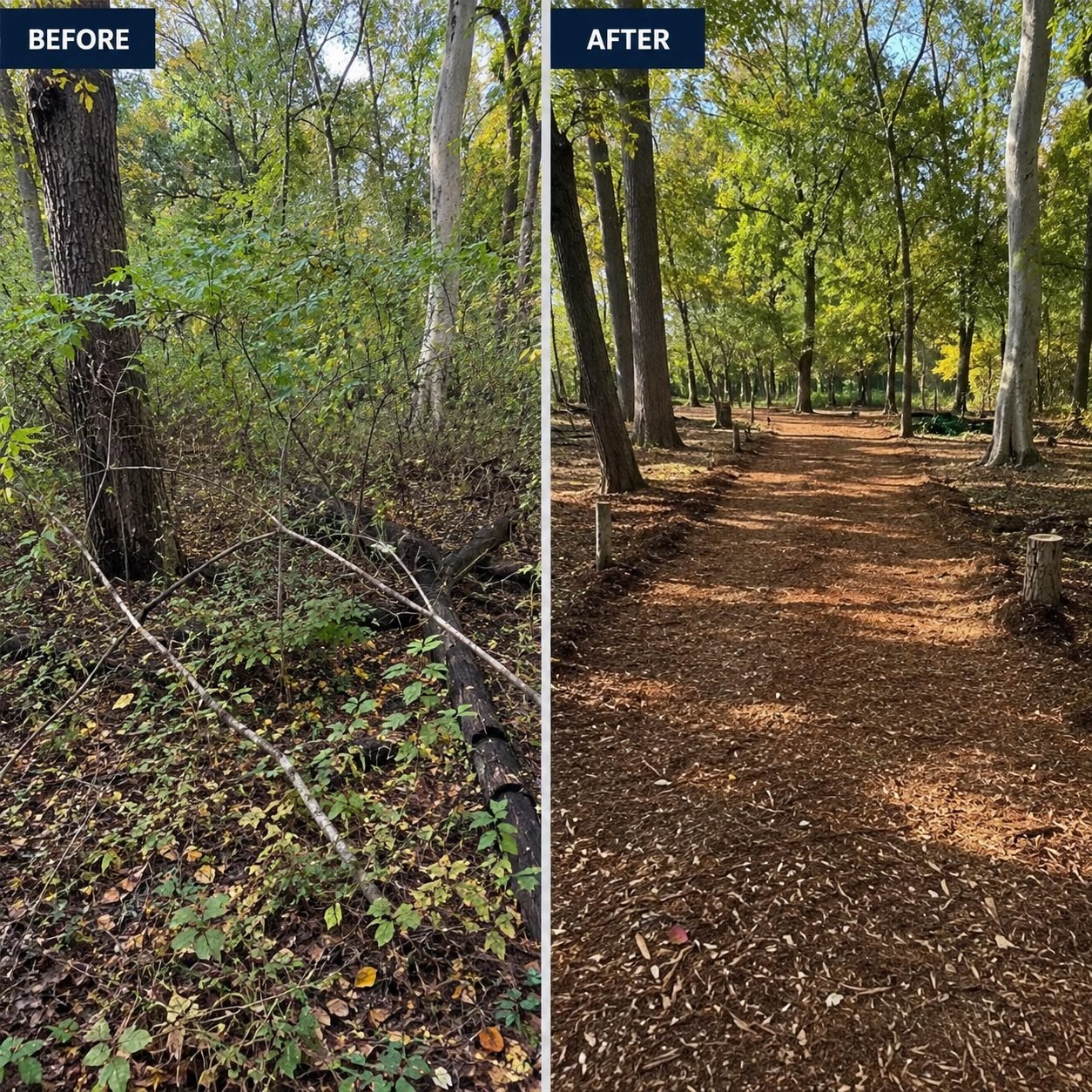
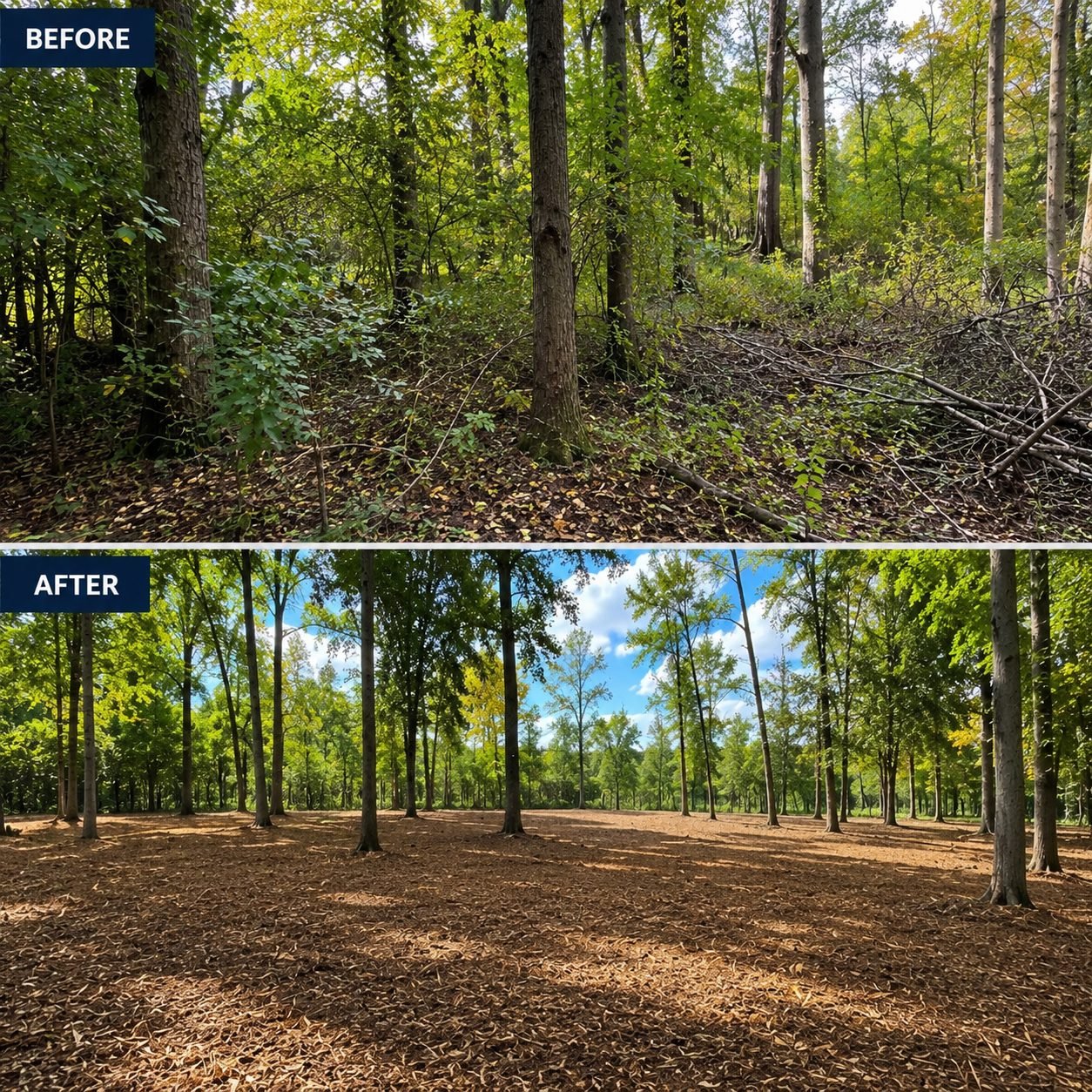
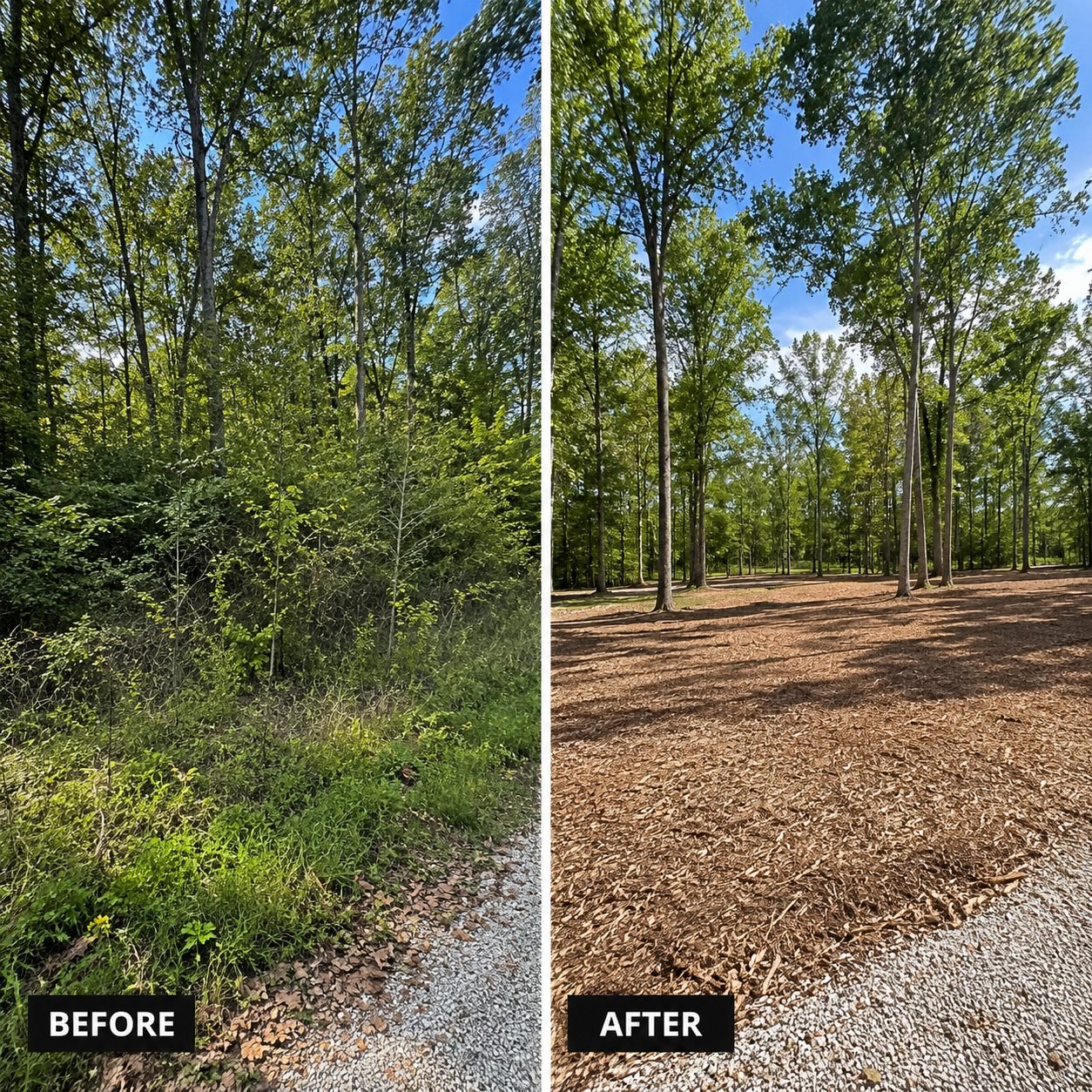
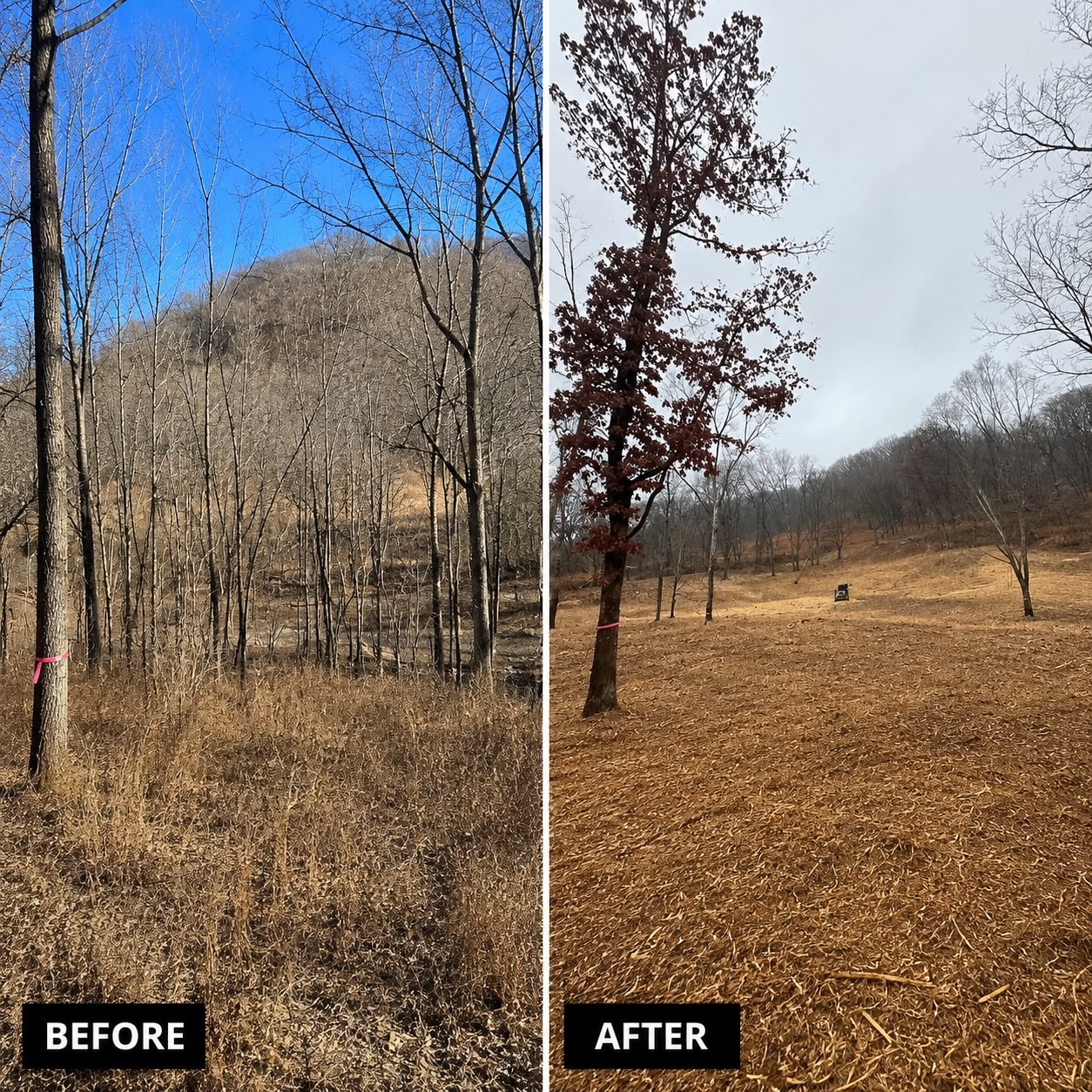
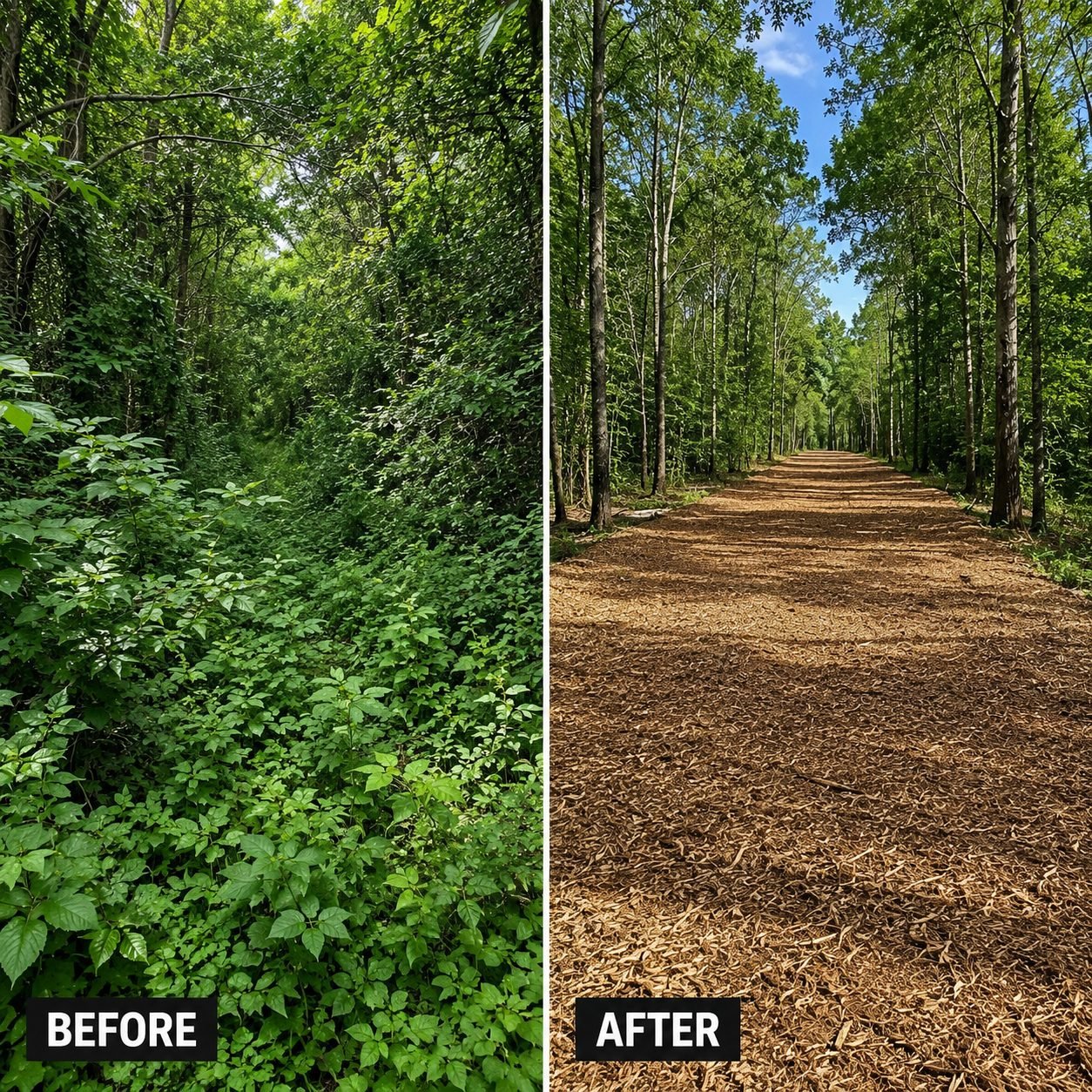
A useful after forestry mulching photo set should show the whole site, drainage paths, problem spots, mulch thickness, edges, and any areas planned for seeding or grading. Good documentation helps the property owner, contractor, and future maintenance decisions stay aligned.
Frequently asked questions
You can mow once the ground is firm enough to support the mower and the mulch is not hiding stumps, wire, rocks, or other hazards. If the site still feels soft, wait. On Ohio clay soil, waiting can prevent rutting and equipment damage. For best results, walk the site first, then mow only when you are sure the surface can handle the load safely.
Not usually. In many cases, the mulch is beneficial because it reduces erosion and feeds mulch decomposition. But if it is piled too thickly, raking or redistributing it can help with post mulching seeding and drainage. The decision should be based on the future use of the site. A natural buffer, pasture edge, and building area all need different finishing approaches.
The best seed depends on whether you want turf, pasture, erosion control, or habitat. In general, choose a mix that fits your soil, sunlight, and maintenance plan. For Central Ohio properties, local soil conditions and seasonal timing matter. If the mulch is thick, seed may need better soil contact or light covering. Matching the seed to the site is more important than using a generic blend.
Not always. If the site is already stable and the intended use is light access or natural cover, you may not need grading. But if there are ruts, drainage issues, or a building or driveway planned later, grading can be important. After forestry mulching, the surface should be evaluated based on water flow, traffic, and whether the land needs a more durable finish.
Yes, if the mulch is too thick. A deep layer can block seed-to-soil contact, hold too much moisture, and temporarily tie up nutrients near the surface. That does not mean the material is bad, just that it must be managed correctly. Thin, even coverage can help. Thick mats often need redistribution, aeration, or a different seeding strategy before grass will establish reliably.
The biggest mistake is assuming the job is done and then using the site too aggressively. Heavy traffic, poor drainage planning, and skipping utility checks can turn a clean clearing into a damaged site. After forestry mulching, the smart move is to inspect, stabilize, and decide whether the ground needs seeding, grading, or time to settle before it sees regular use.
Call a contractor if the site has slopes, standing water, soft clay, hidden debris, utility concerns, or any plan for excavation or grading. A pro can also help if the mulch is uneven and you are not sure whether to leave it, spread it, or remove it. The more the site has to support traffic or construction, the more valuable professional judgment becomes.
If the site still floods, ruts, hides stumps, or cannot support the next intended use, it likely needs more than cleanup. That may mean grading, stump grinding, erosion control, or excavation. If you are unsure, walk the property after a rain and observe where water moves. Problems that show up in wet weather usually reveal whether the site truly needs additional work.
Forestry Mulching Across Central Ohio
Fortress Level Construction handles forestry mulching in every county and community across Central Ohio. See local details, drive times, and pricing for your area:
What Other Services Does Fortress Offer in Central Ohio?
Fortress Level Construction runs a full range of land-clearing, excavation, grading, and site-work services across Central Ohio, so one owner-operated crew can clear, grade, and prep a site end to end.
Get a Flat-Rate Quote from Lee Carson
Owner-operated land clearing across all five Central Ohio counties. Send your property details and Lee gets back to you within 2 to 3 hours during business hours with one flat number after a free on-site walk-through.