
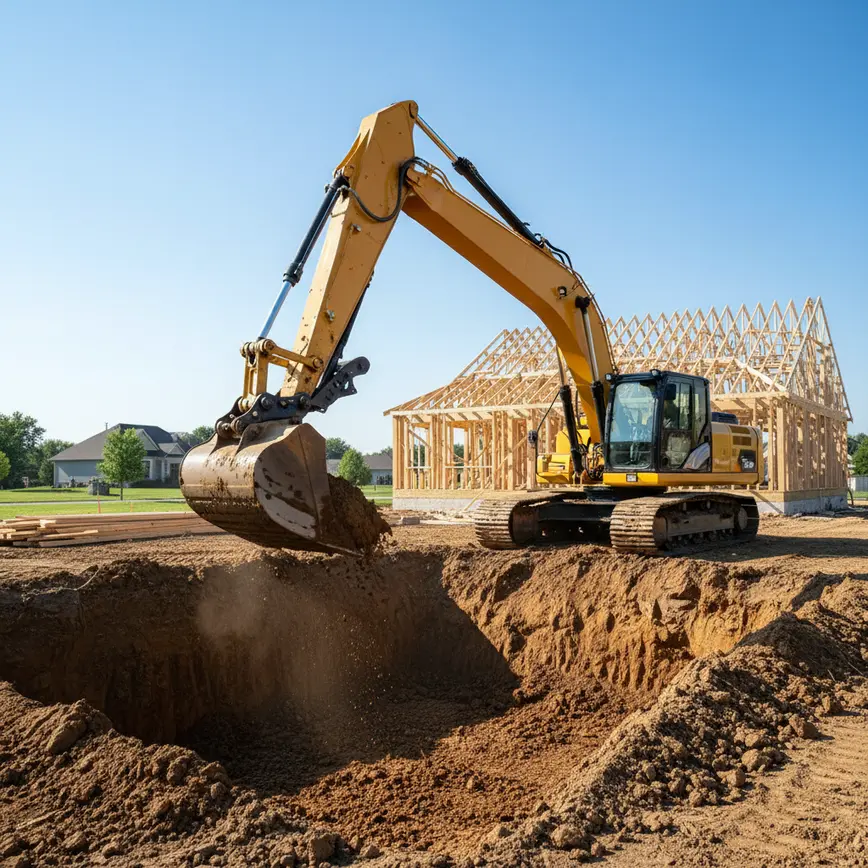

How Does Residential Excavation Work in Central Ohio?
Residential excavation in Central Ohio prepares home sites for new construction, additions, and utilities by removing soil, grading, and managing drainage. Local soils like Brookston-Crosby clay and Coshocton silt loam require specialized methods, strict permitting, and utility marking for safe, code-compliant results across all five counties.
The Quick Answer
- Residential excavation in Central Ohio prepares home sites by managing unique soil, drainage, and permitting challenges.
- Brookston-Crosby clay and Coshocton silt loam dominate local soils, requiring specialized excavation methods.
- Ohio law mandates utility marking (Ohio 811) at least 48 hours before any digging.
- Permits are required from city or county agencies, with stormwater permits for sites over one acre.
- Fortress Level Construction uses CAT track loaders, excavators, forestry mulchers, and stump grinders for precision.
- Owner Lee Carson personally walks every site and provides flat-rate quotes, responding within 2-3 hours during business hours.
- Residential excavation includes foundation digs, grading, drainage, land clearing, and utility trenching.
- Licensed and insured, Fortress Level Construction has operated locally since 2009.
Related Questions People Ask Next
It’s helpful for homeowners or builders to be present during the initial site walk to discuss project goals and any site-specific concerns. For the excavation itself, you do not need to be on-site, but clear access and communication with the crew are important for a smooth and efficient process.
Excavation in Central Ohio’s clay and silt loam soils is best scheduled during dry periods. Wet conditions can cause soil instability, compaction issues, and delays. Fortress Level Construction monitors weather closely and schedules work to minimize risks from rain or saturated ground during excavation projects.
Contacting Ohio 811 and waiting for proper marking greatly reduces the risk of utility strikes. If a marked utility is accidentally hit, work stops immediately and the utility company is notified. Safety and compliance with Ohio law are always prioritized during every excavation project in Central Ohio.
Steep or sloped sites, common in Fairfield County’s Appalachian foothills, require careful grading, drainage planning, and sometimes retaining structures. Specialized equipment and soil management techniques are used to ensure stable foundations and prevent erosion on hillside properties, protecting both the new home and surrounding land.
What Is Residential Excavation and How Is It Different from Other Site Work?
Residential excavation covers all below-grade site preparation for new homes, additions, and utilities. Unlike landscaping or surface grading, it involves digging for foundations, basements, footers, and utility trenches, using heavy equipment to ensure stable, code-compliant results tailored to each property’s needs in Central Ohio.
Excavation means removing soil, rocks, and roots to create level, stable sites for construction. It includes digging basements, crawlspaces, and trenches for utilities, as well as clearing trees and debris.
This service differs from simple grading or landscaping by addressing structural requirements, drainage, and legal permitting, making it essential for safe, long-lasting home construction.
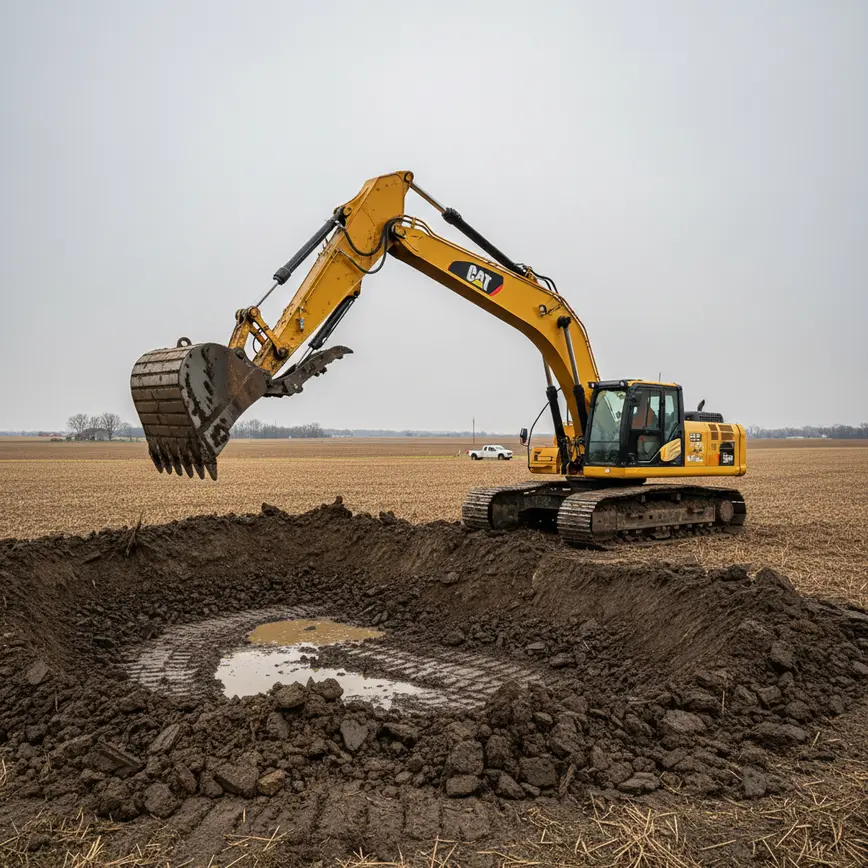
Why Do Central Ohio’s Soils and Terrain Make Excavation Challenging?
Central Ohio’s soils, especially Brookston-Crosby clay and Coshocton silt loam, present drainage, compaction, and stability challenges. These conditions demand careful timing, specialized equipment, and expert soil management to prevent water issues, foundation settling, and erosion on both flat and sloped sites throughout the region.
Brookston-Crosby clay holds water and compacts easily, making it tricky for foundation work and drainage in counties like Franklin and Delaware.
Coshocton silt loam in Licking and Fairfield counties complicates footing prep in creek valleys and steep grades. Proper excavation in these soils requires adjusting methods for each township, ensuring stable foundations and effective water management for every project.
What Equipment Does Fortress Level Construction Use for Residential Excavation?
Fortress Level Construction uses CAT track loaders, forestry mulchers, and excavators with thumb attachments for precision and efficiency. Stump grinders handle mature tree roots, while mini-excavators and loaders work in tight spaces or large open lots, adapting to Central Ohio’s varied terrain and site access for every project.
CAT track loaders and excavators are used for digging basements, footers, and utility trenches.
Forestry mulchers clear trees up to 24 inches in diameter, especially white oak and ash impacted by pests. Thumb attachments and stump grinders handle roots and debris for a clean, build-ready site.
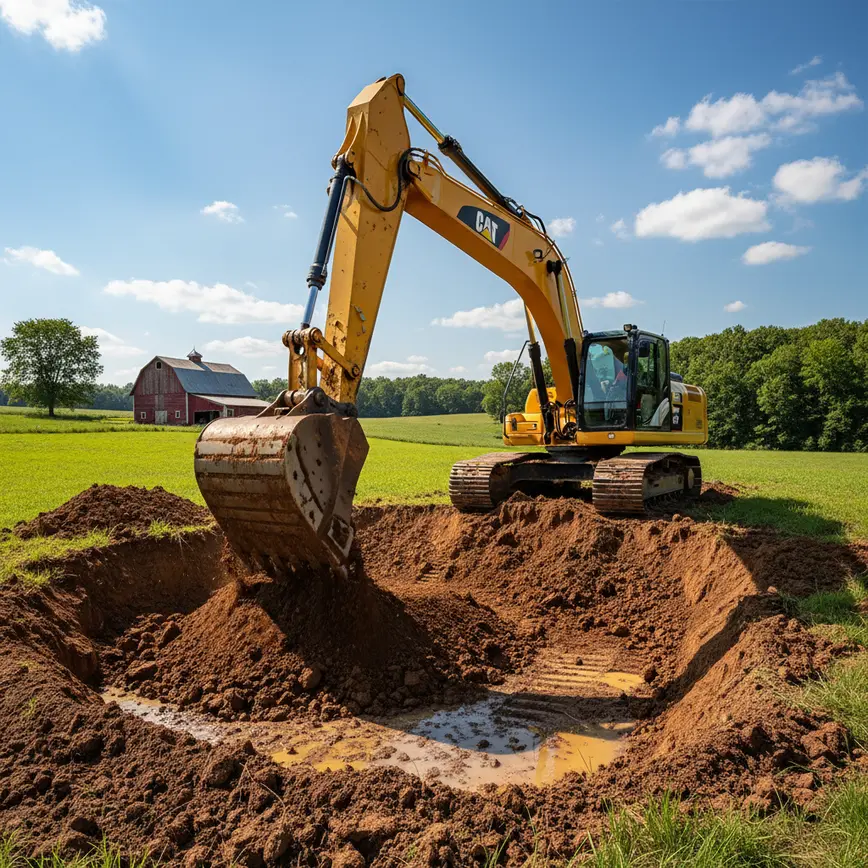
What Does the Residential Excavation Process and Timeline Look Like in Central Ohio?
The process starts with a site walk and flat-rate quote from owner Lee Carson, followed by Ohio 811 utility marking (required 48 hours before digging). Excavation includes clearing, grubbing, digging, grading, and drainage setup. Most residential projects are completed within one to two weeks, depending on weather and site complexity.
Permitting is required from city or county agencies, with stormwater permits for sites over one acre. Local land-disturbance permits typically range from $100 to $300.
After utility marking and permits, excavation is scheduled for dry weather to avoid soil instability. Communication with the homeowner or builder ensures the process stays on track and meets project goals.
How Does Residential Excavation Compare to Other Site Preparation Methods in Central Ohio?
Residential excavation is distinct from land clearing, grading, landscaping, and utility trenching. It addresses below-grade work, structural needs, and drainage, while other services focus on surface or cosmetic changes. Here’s how excavation compares to related methods used in Central Ohio.
| Residential Excavation | Land Clearing | Grading | Utility Trenching |
|---|---|---|---|
| Removes soil, roots, and debris for foundations, basements, and footers | Removes trees, brush, and surface debris only | Levels and shapes surface for drainage or lawns | Digs narrow trenches for water, gas, or electric lines |
| Requires permits, utility marking, and specialized equipment | May not require permits if no soil disturbance below grade | Usually does not require utility marking unless deep grading | Requires utility marking and careful mapping |
| Addresses drainage, compaction, and soil stability | Focuses on clearing access and visibility | Improves surface runoff but not structural support | Ensures safe, code-compliant utility placement |
| Timeline: 1-2 weeks for most homes | Timeline: 1-3 days for most lots | Timeline: 1-2 days for small areas | Timeline: 1-2 days per trench |
| Cost: $50-$200 per cubic yard (site dependent) | Cost: Typically lower, based on acreage and tree size | Cost: Varies by area and grading depth | Cost: Similar per yard, but less volume overall |
When Is Residential Excavation Not the Right Choice in Central Ohio?
Residential excavation is not needed for minor landscaping, surface grading, or projects that do not disturb soil below grade. For tree removal without soil disturbance or simple lawn reshaping, land clearing or grading is more appropriate. Excavation may also be restricted on protected sites or where no new construction is planned.
If your project only involves removing surface vegetation or reshaping topsoil for a new lawn, grading or land clearing is sufficient.
For properties with protected wetlands or where no new construction is planned, excavation may be restricted or unnecessary. Consult local regulations or consider alternative services.
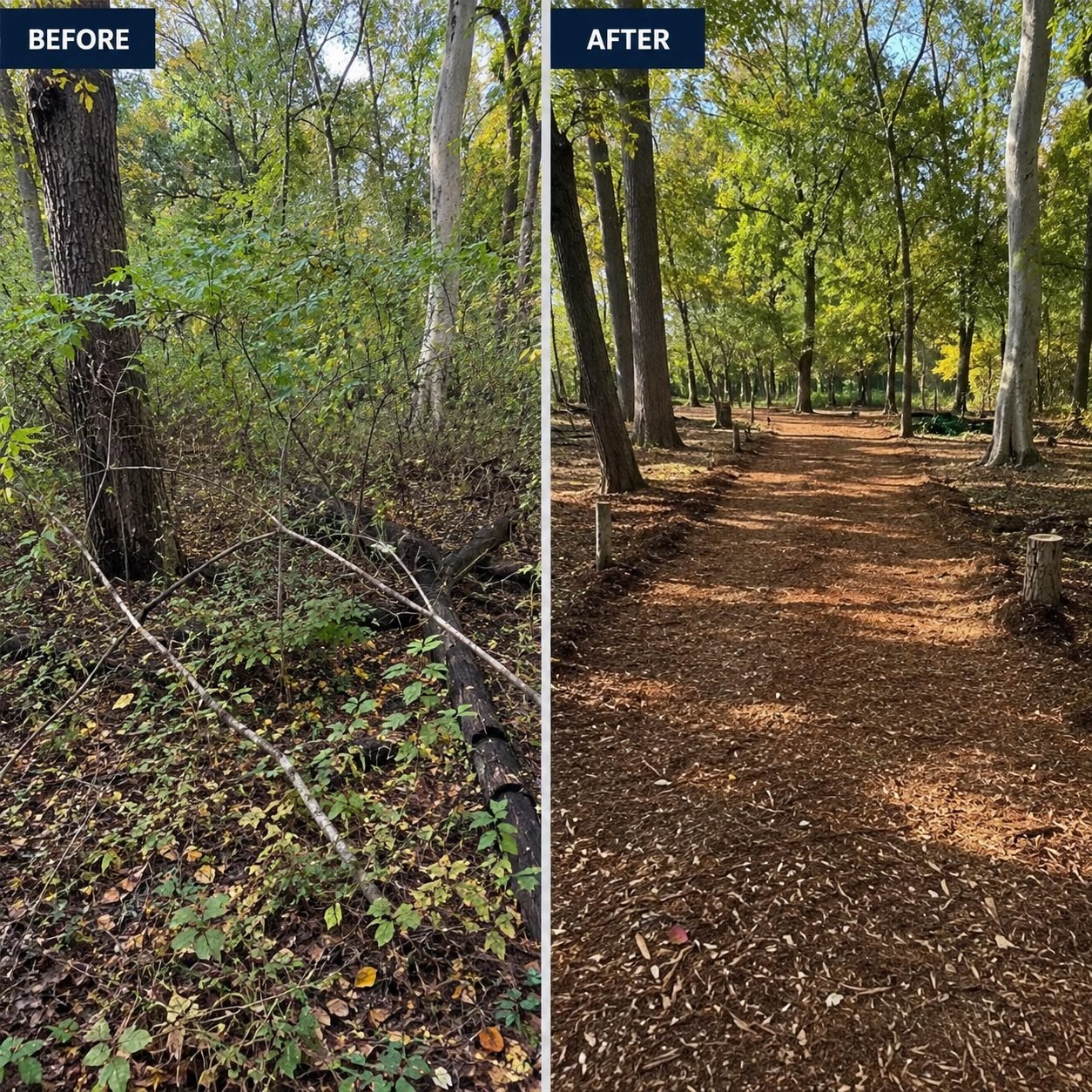
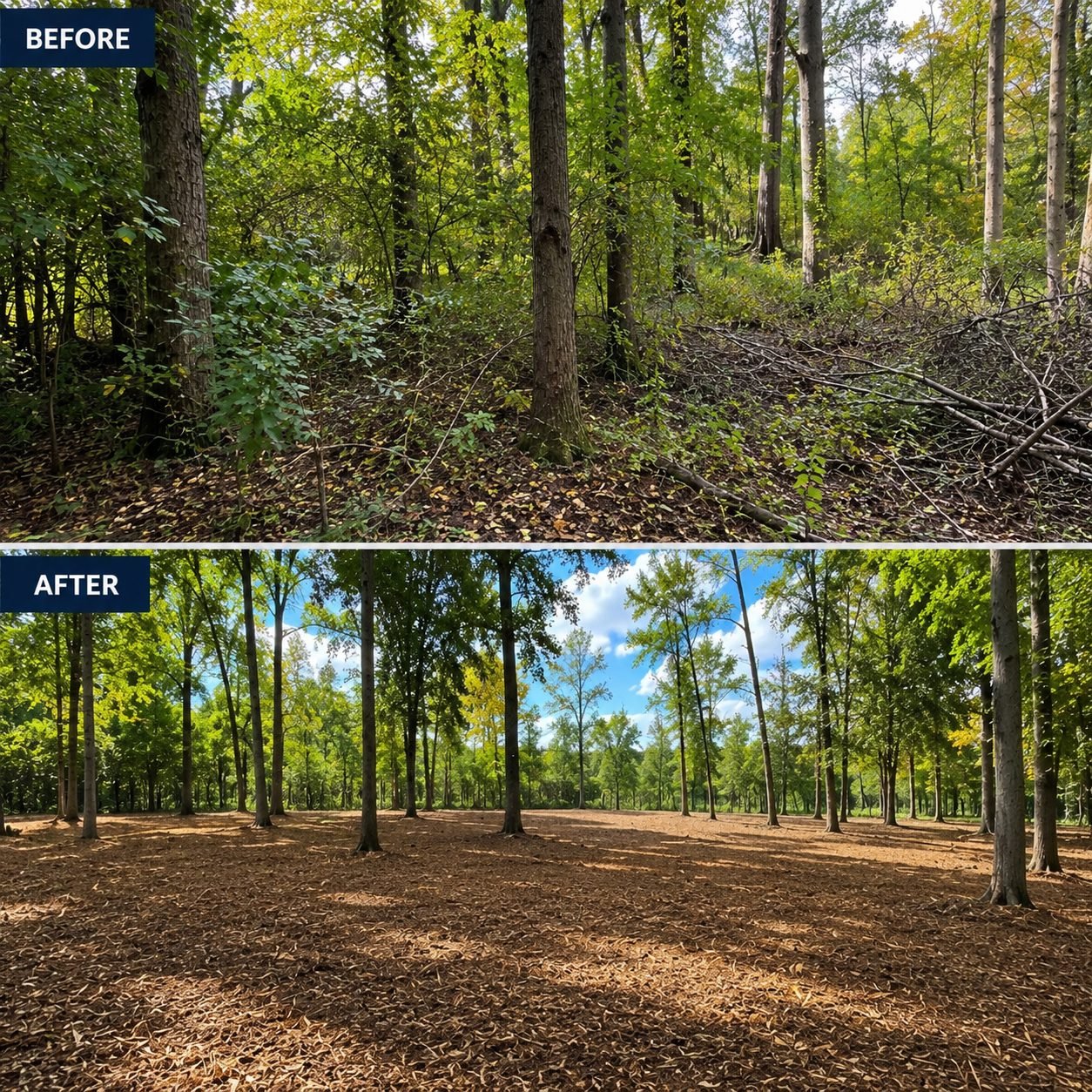
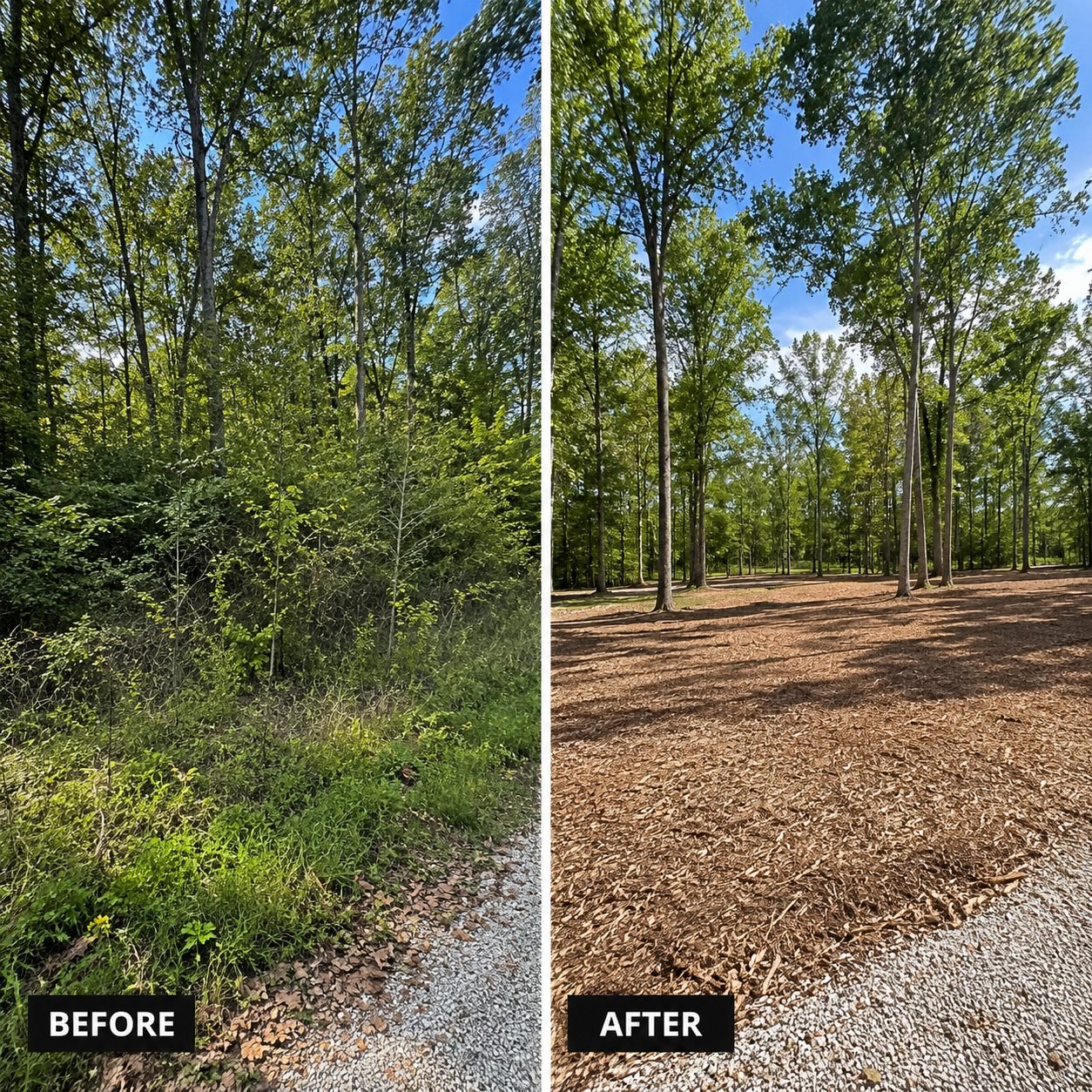
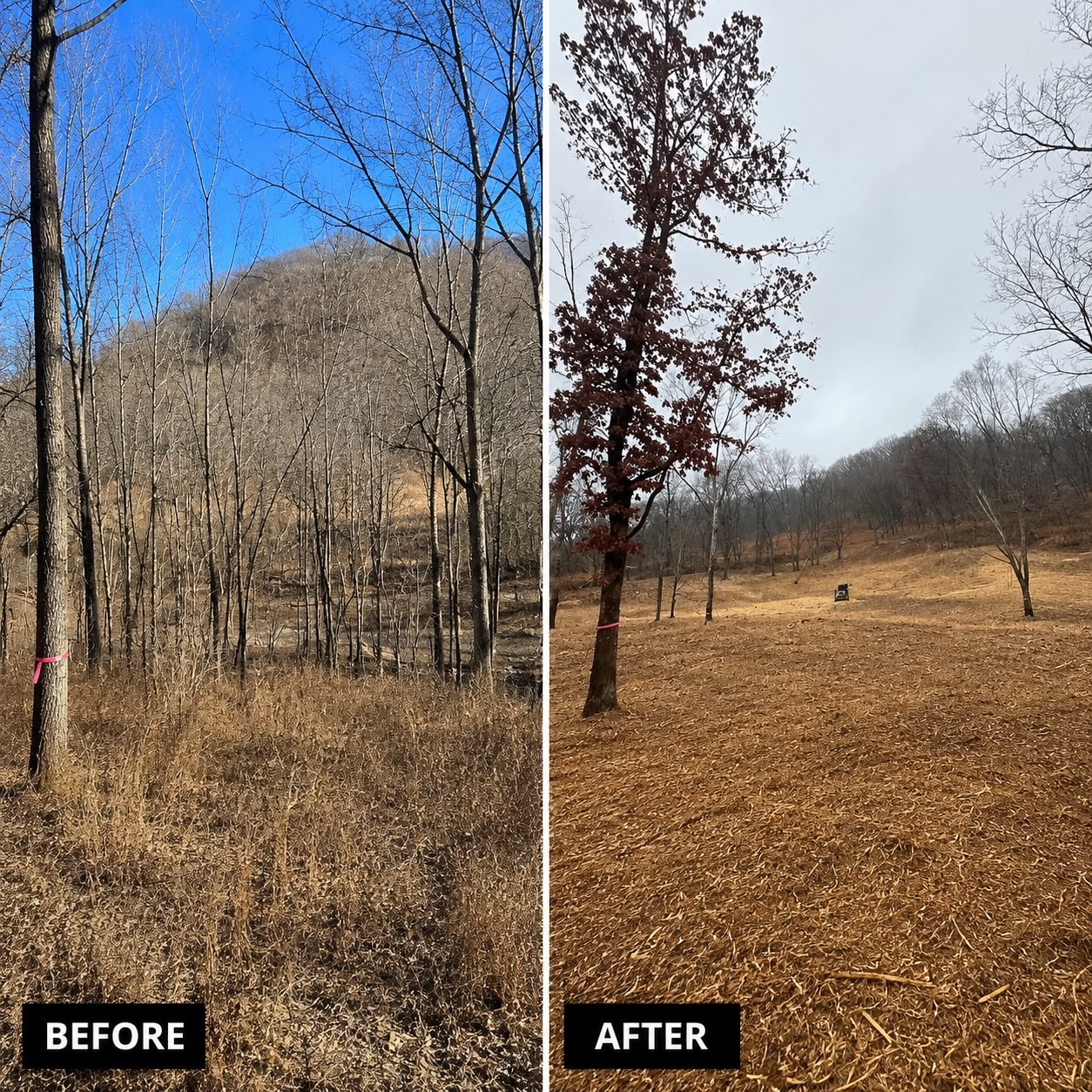
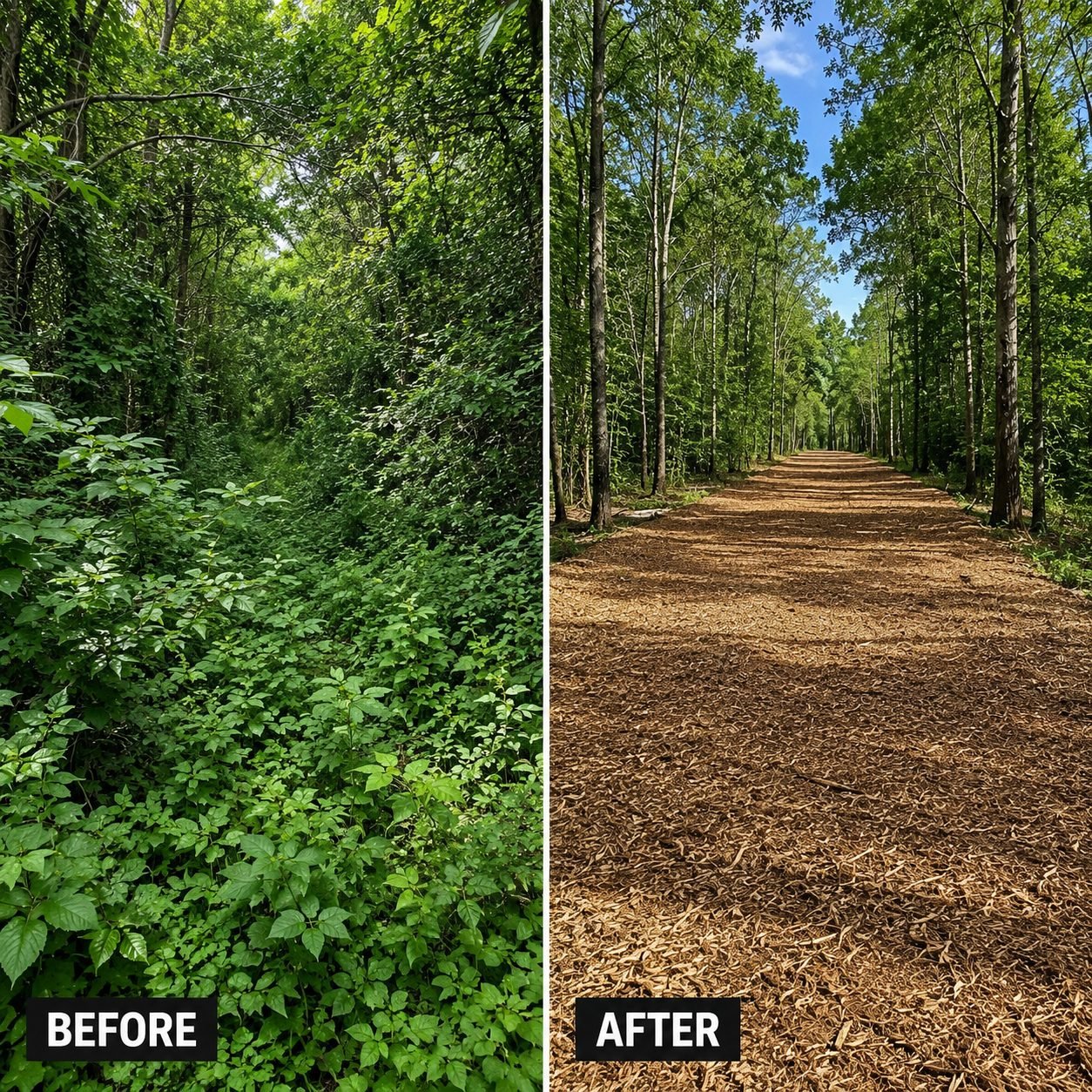
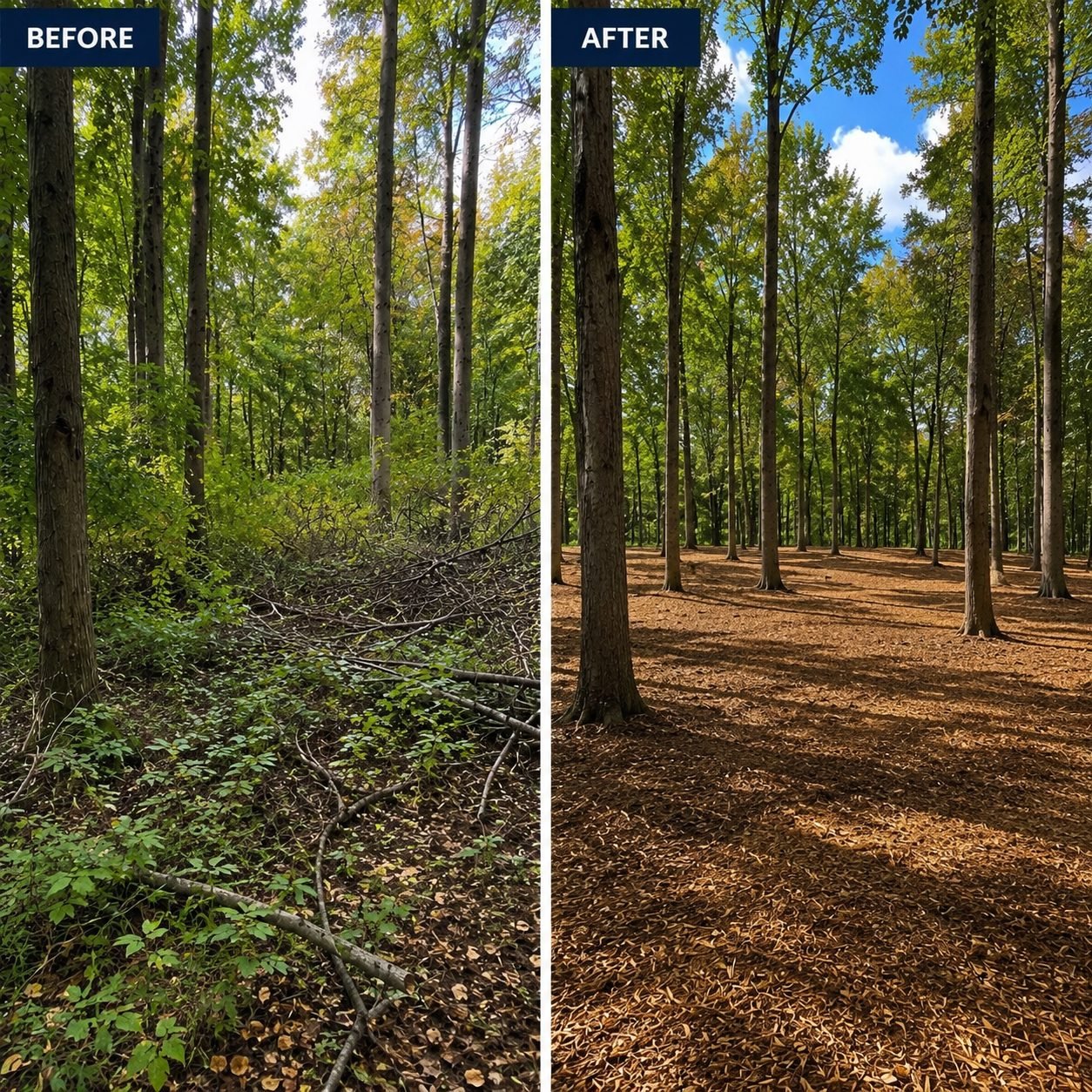
What Do Before and After Residential Excavation Results Look Like in Central Ohio?
Before excavation, Central Ohio sites often show dense clay soil, uneven terrain, and tree roots. After excavation, the property features a level, stable pad ready for foundation work, with proper drainage established and all debris removed for safe, code-compliant construction.
Frequently asked questions
Residential excavation in Central Ohio typically ranges from $50 to $200 per cubic yard, depending on soil type, site access, and project complexity. Permit fees, when required, usually range from $100 to $300 for local land-disturbance permits. Final pricing is determined after a site walk and detailed quote.
Most Central Ohio counties require a land-disturbance or excavation permit before starting work, especially for new construction. For sites over one acre, a stormwater permit may also be needed. Always check with your local city or county agency for specific requirements and timelines before excavation begins.
Most residential excavation projects in Central Ohio are completed within one to two weeks, depending on weather, site size, and soil conditions. Delays can occur if utility marking, permitting, or wet ground conditions impact the schedule. Communication throughout the process helps keep your project on track and within expectations.
Excavation is best performed in dry conditions to avoid soil instability and compaction issues. If rain or saturated ground is forecast, Fortress Level Construction will reschedule to protect your site and ensure quality results. Communication about weather delays is provided promptly, and timelines are adjusted as needed for safety.
Yes, Ohio law requires utility marking (Ohio 811) at least 48 hours before any digging. This protects underground lines and ensures safety for your property and the crew. Excavation cannot begin until all utilities are clearly marked and confirmed, reducing risks and ensuring legal compliance for every project.
Owner Lee Carson personally walks every site before work begins and oversees the process. Experienced, licensed crews operate all equipment. Homeowners or builders are encouraged to attend the initial walkthrough but do not need to be present during active excavation unless specific questions or access issues arise.
Residential Excavation by County and City in Central Ohio
Franklin County
Delaware County
Licking County
Fairfield County
Union County
What Other Services Does Fortress Offer in Central Ohio?
Fortress Level Construction runs a full range of land-clearing, excavation, grading, and site-work services across Central Ohio, so one owner-operated crew can clear, grade, and prep a site end to end.
Get a Flat-Rate Quote from Lee Carson
Owner-operated land clearing across all five Central Ohio counties. Send your property details and Lee gets back to you within 2 to 3 hours during business hours with one flat number after a free on-site walk-through.