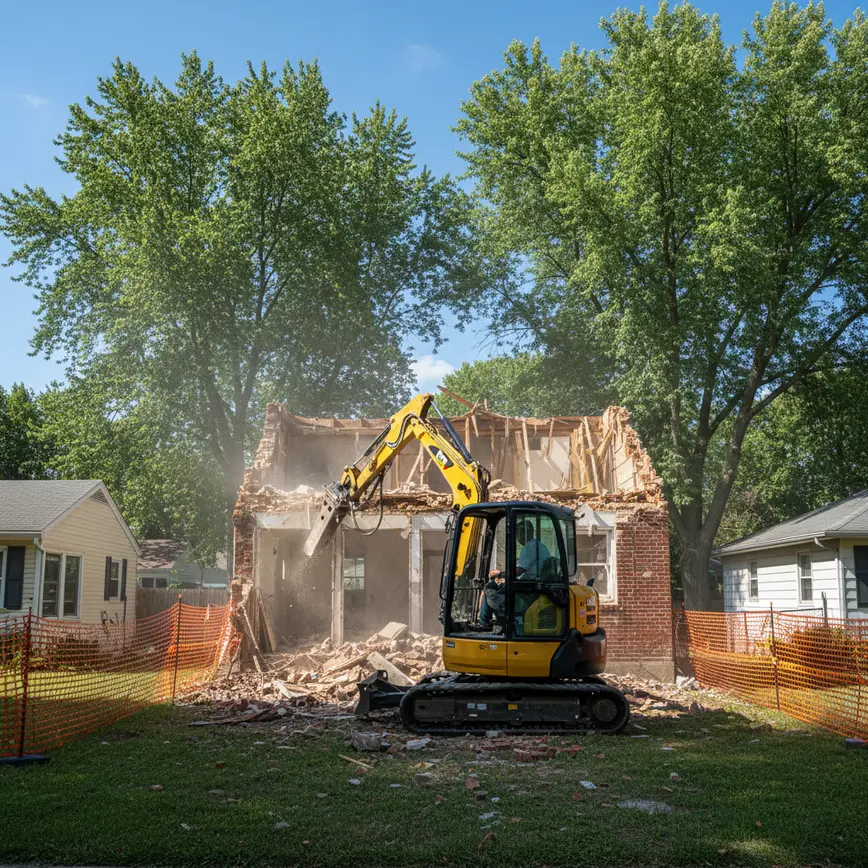

How does demolition work for large sites in Etna, Ohio?
Demolition in Etna, Ohio is shaped by its fast growth along the I-70 corridor and the prevalence of massive warehouse and industrial parcels carved from former farmland. Fortress Level Construction specializes in clearing these expansive lots efficiently, using heavy-duty equipment tailored for Etna’s clay-heavy glacial soils and unique logistics-driven development.
The Quick Answer
- Demolition in Etna, Ohio is driven by demand for large-scale warehouse and industrial site clearing along I-70.
- Etna’s clay-heavy glacial till requires specialized track loaders and excavators for safe, efficient demolition.
- Most projects involve commercial and distribution structures on parcels converted from farmland.
- Fortress Level Construction’s team responds quickly, offering free walk-throughs and flat-rate quotes.
- Etna’s lack of named neighborhoods means site access and logistics are streamlined for large parcels.
- Ohio law requires an 811 utility locate before any digging or demolition work begins.
- Demolition costs in Etna typically range from $6,500 to $15,000 per structure depending on size and materials.
- Founded by veteran Lee Carson, Fortress Level Construction brings local expertise and a full crew to every Etna job.
Related Questions People Ask Next
Etna’s demolition projects are larger in scale due to its industrial and warehouse expansion along the I-70 corridor. Clearing massive former farmland parcels for distribution centers is common, requiring heavy machinery and experienced crews familiar with the local clay-heavy soils. This differs from smaller-scale urban demolition in nearby towns.
Due to Etna’s expansive industrial lots and tough glacial till, Fortress uses John Deere 333G compact track loaders with Diamond drum mulchers (handling stems up to 14 inches), as well as dozers and excavators. This equipment is crucial for efficiently clearing large warehouse sites and converting farmland for new construction.
Etna’s clay-heavy glacial till can slow demolition if not handled with the right equipment. Fortress uses track loaders and excavators designed for stability and traction in sticky soils, ensuring safe structure removal and grading. The team’s local experience helps minimize delays and manage runoff or compaction issues.
Before demolition, Fortress schedules a free on-site walk-through, provides a flat-rate quote, and coordinates the mandatory Ohio 811 utility locate (per Ohio Revised Code 3781.28). Permits must be secured, and all utilities disconnected. These steps are critical for safe, compliant demolition on Etna’s commercial and residential sites.
What kinds of buildings are most often demolished in Etna?
Etna’s demolition projects primarily target large warehouses, distribution centers, and industrial structures along I-70 and US-40. The rapid logistics growth has led to frequent clearing of former farmland for new development, making industrial site demolition the dominant request in this area.
Etna’s unique position as a logistics hub along the I-70 corridor means demolition frequently involves massive warehouse and fulfillment facilities. Fortress Level Construction is experienced with the scale and complexity of these projects, ensuring safe and efficient removal.
Residential demolition in Etna is less common but does occur in newer subdivisions or when older farmhouses need clearing for development. The team adapts their process for these smaller-scale jobs while maintaining the same attention to safety and local code compliance.
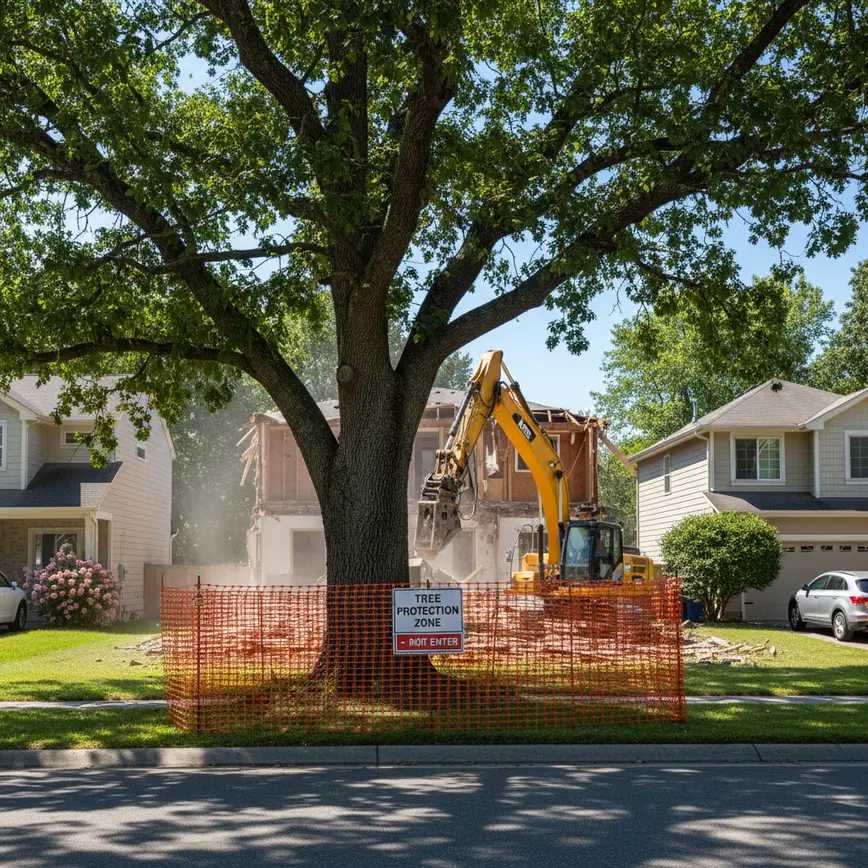
How does Fortress Level Construction handles Etna’s clay-heavy soils?
Etna’s glacial till presents unique challenges for demolition. Fortress uses compact track loaders, dozers, and excavators designed for traction and stability, minimizing soil disruption and ensuring safe grading. This is essential when clearing both industrial parcels and wooded rural ground in Etna.
The clay-heavy soils common in Etna require specialized equipment to prevent machines from getting stuck or causing excess compaction. Fortress’s John Deere 333G loaders and drum mulchers are specifically chosen for these conditions, allowing the crew to maintain productivity.
Careful soil management is important for post-demolition site preparation, whether the lot will be redeveloped for logistics, warehousing, or residential use. Fortress’s crew ensures proper grading and debris removal so new construction can proceed without delays.
What does demolition cost in Etna, and what’s included?
Demolition in Etna typically ranges from $6,500 to $15,000 per structure, reflecting the large size and construction type of most buildings. Fortress provides flat-rate quotes after a free walk-through, covering all labor, equipment, debris removal, and site grading.
The cost of demolition in Etna is shaped by the size and materials of industrial and warehouse structures, as well as access and site conditions. Fortress’s flat-rate quotes ensure transparency, with no hidden fees for debris disposal or equipment mobilization.
Permits (generally $100-$300) and an Ohio 811 utility locate are required before work begins. Fortress handles all necessary coordination, so property owners can focus on planning their next phase of development.
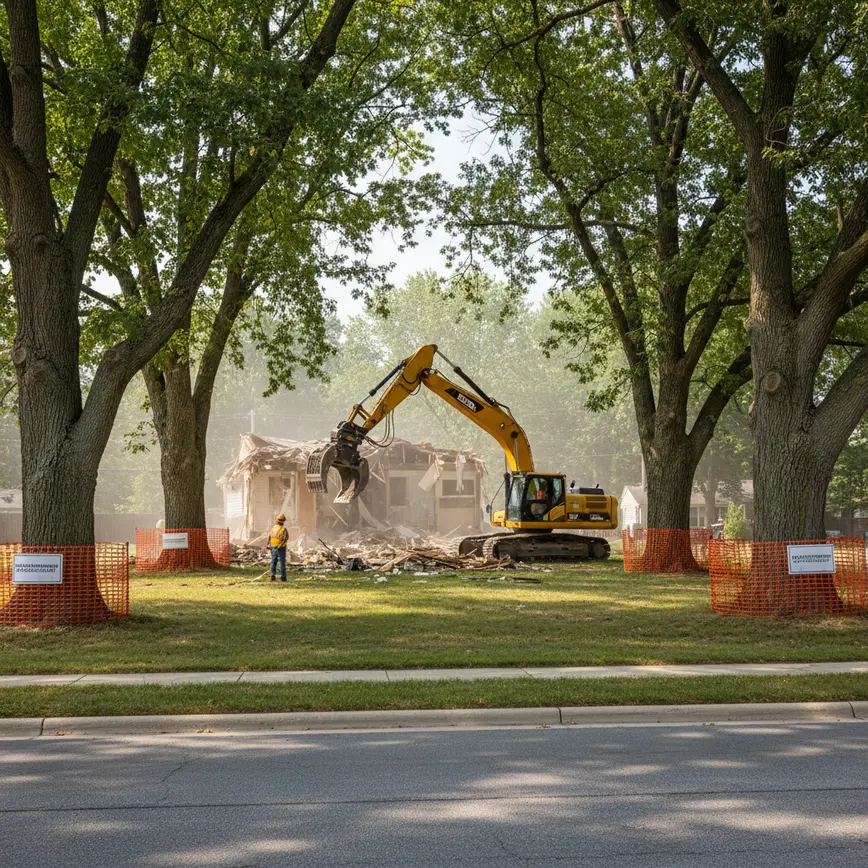
How quickly can demolition start in Etna, and what’s the process?
Fortress Level Construction responds to Etna inquiries within 2-3 business hours and schedules same-week walk-throughs. After a free site visit and flat-rate quote, demolition can begin as soon as permits and utility locates are secured, typically within one to two weeks.
The process starts with a free on-site consultation, where the crew evaluates the building and site conditions. Once the quote is accepted, Fortress coordinates all required permits and the Ohio 811 utility locate, ensuring compliance with state law.
With Etna’s large parcels and minimal neighborhood congestion, mobilizing equipment is straightforward. Demolition itself proceeds efficiently, often clearing 1-5 acres per day depending on structure size and complexity.
How do Etna demolition projects differ from those in nearby towns?
Etna’s demolition is shaped by its warehouse corridor, large parcels, and rural terrain, distinct from neighboring towns. See how Etna compares to Pataskala, Reynoldsburg, Kirkersville, and Pickerington below.
| Etna | Pataskala | Reynoldsburg | Pickerington | |
|---|---|---|---|---|
| Project Size | Large industrial/warehouse sites (5+ acres) | Mix of small commercial and residential | Urban infill, smaller lots | Primarily residential, few industrial |
| Soil Conditions | Clay-heavy glacial till, farmland | Similar glacial till, less industrial | Urban soils, more fill | Suburban clay, some wooded lots |
| Structure Types | Distribution centers, fulfillment hubs | Retail, small businesses, homes | Older commercial, homes | Subdivisions, single-family homes |
| Access/Logistics | Easy equipment access, few neighborhood issues | Some residential congestion | Urban traffic, tight spaces | Suburban streets, moderate access |
| Demolition Approach | Heavy-duty loaders, mulchers, large debris removal | Standard excavators, smaller scale | Selective demo, more hand labor | Mostly house demo, light machinery |
When is demolition not the right solution in Etna, and what should you do?
Demolition isn’t always the right solution in Etna, especially for structures with historic or architectural significance, or when a building’s condition supports renovation instead. In these cases, property owners should consider working with local contractors for rehabilitation or adaptive reuse, preserving Etna’s rural and industrial heritage where possible.
If a property in Etna has significant historical or architectural value, demolition may not be permitted or advisable. Instead, consult local preservation resources or explore renovation options to retain the structure’s character.
For newer buildings with solid foundations, selective interior demolition or remodeling may be more practical and cost-effective than full teardown. Fortress can provide referrals for these specialized services if full demolition isn’t the best fit.
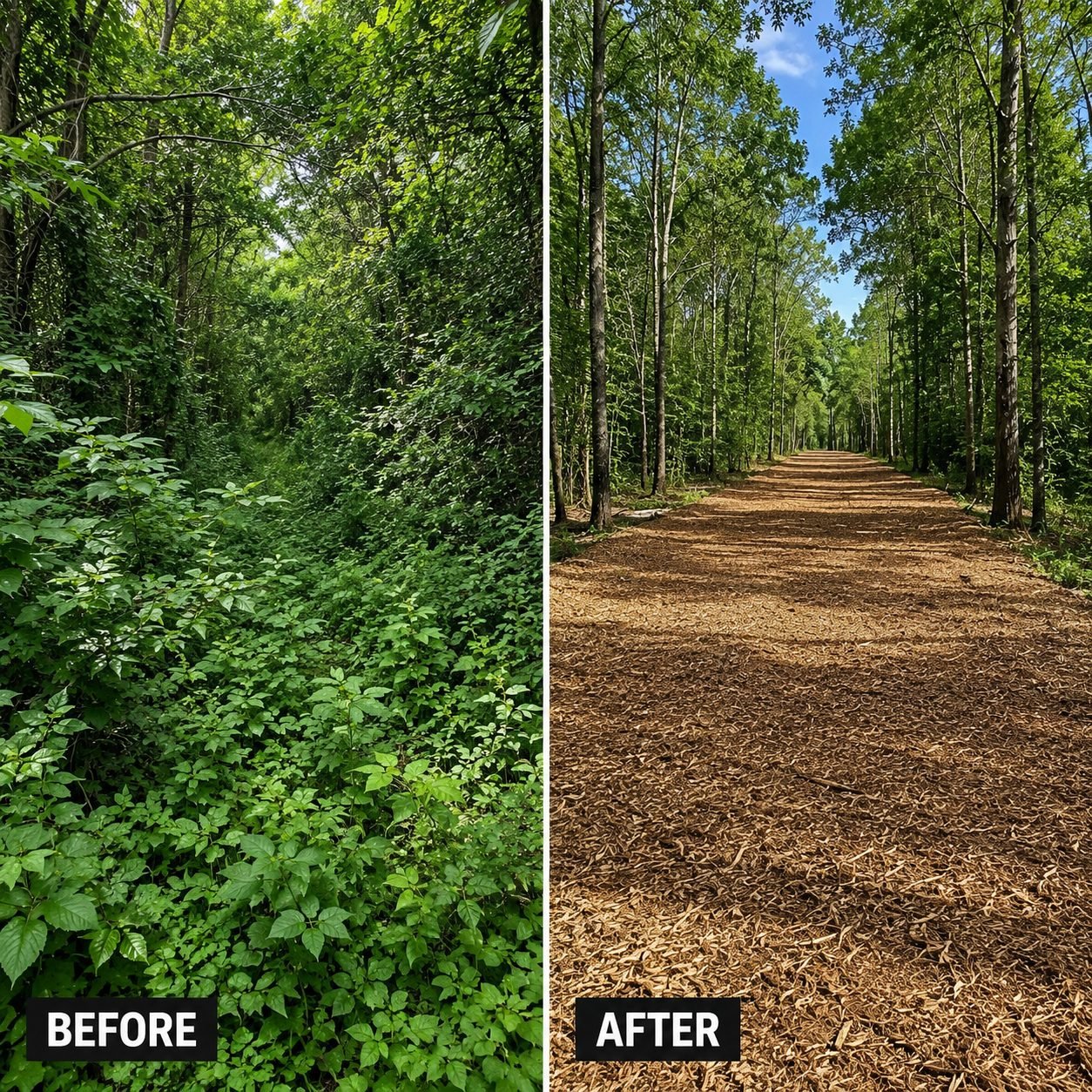
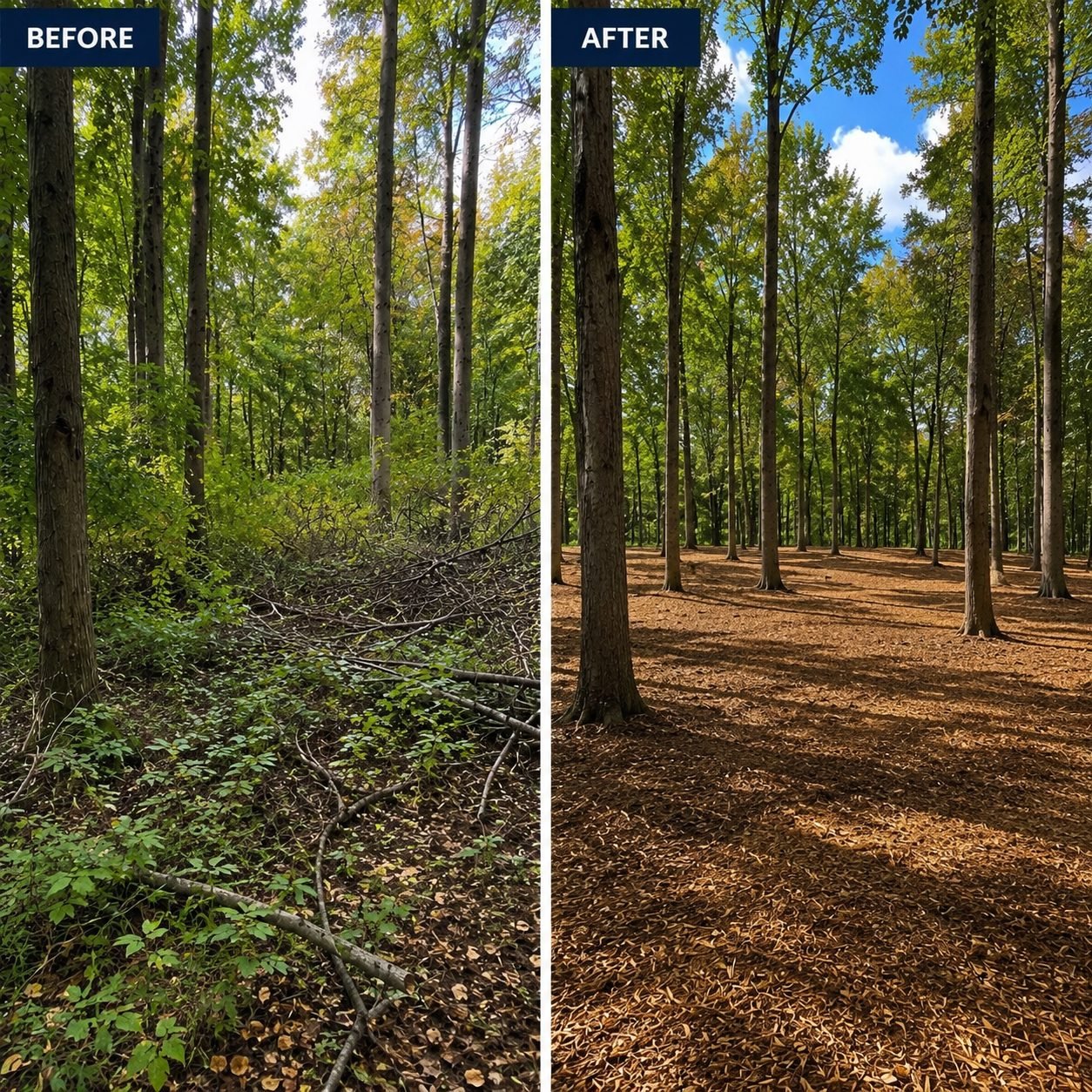
What does before-and-after demolition look like in Etna?
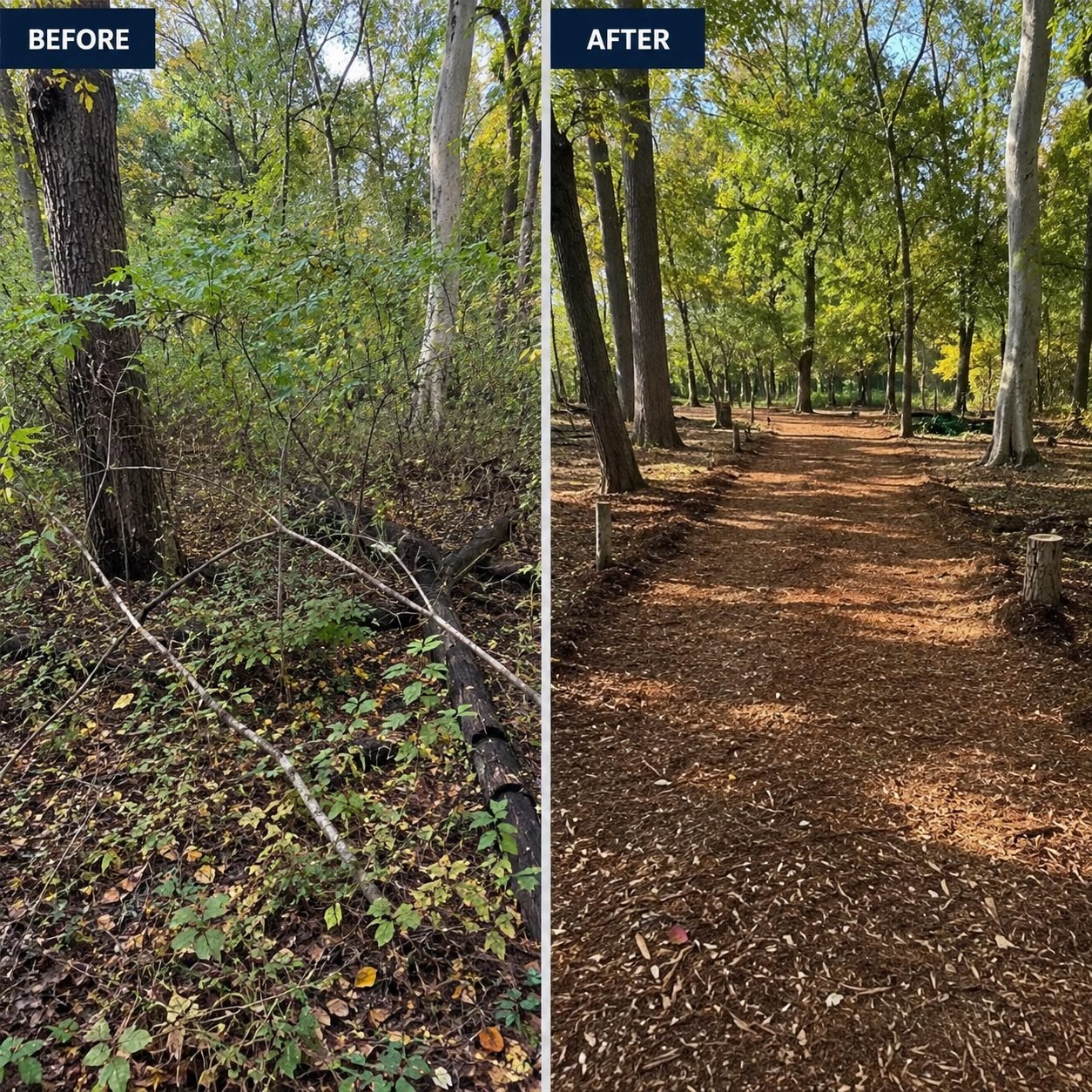
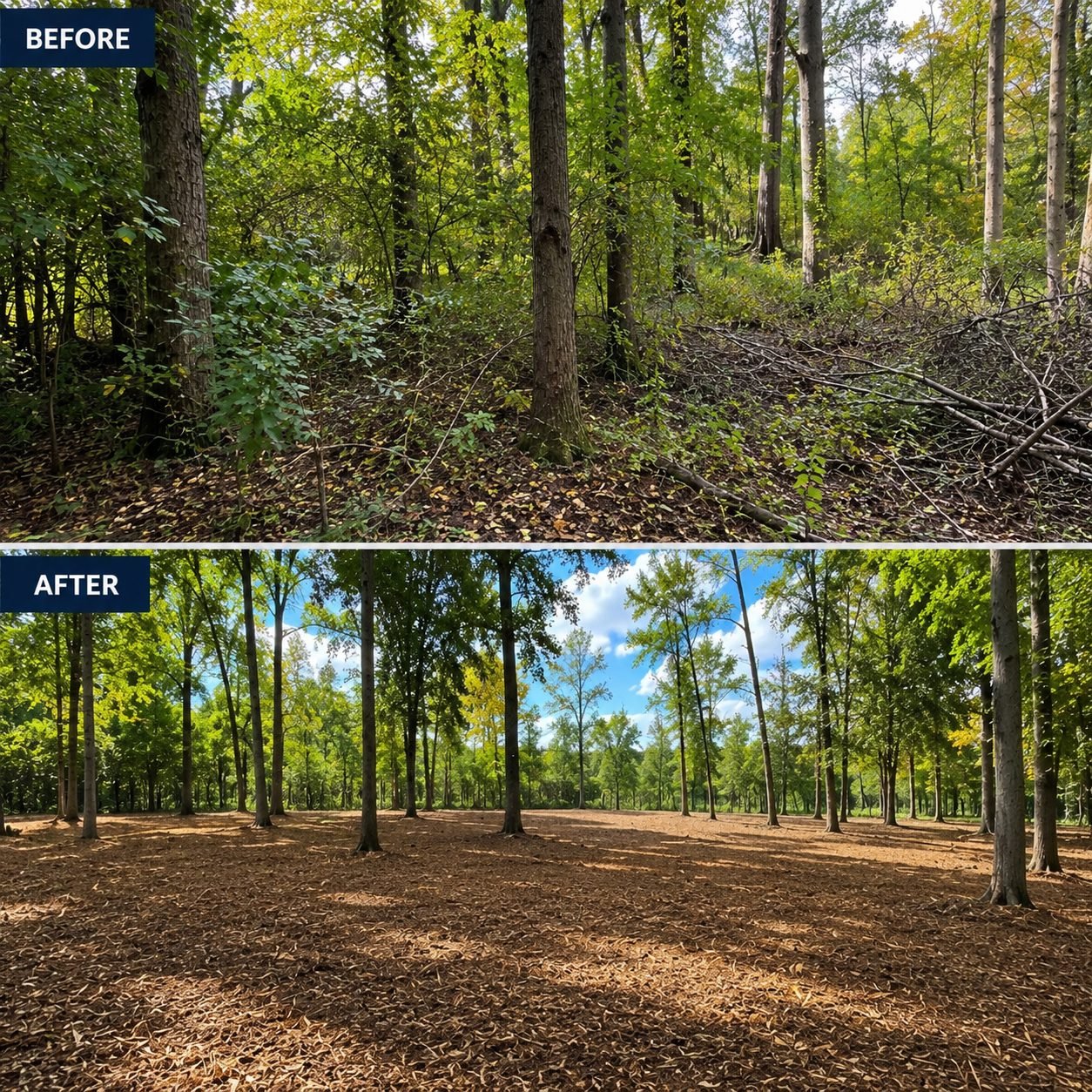
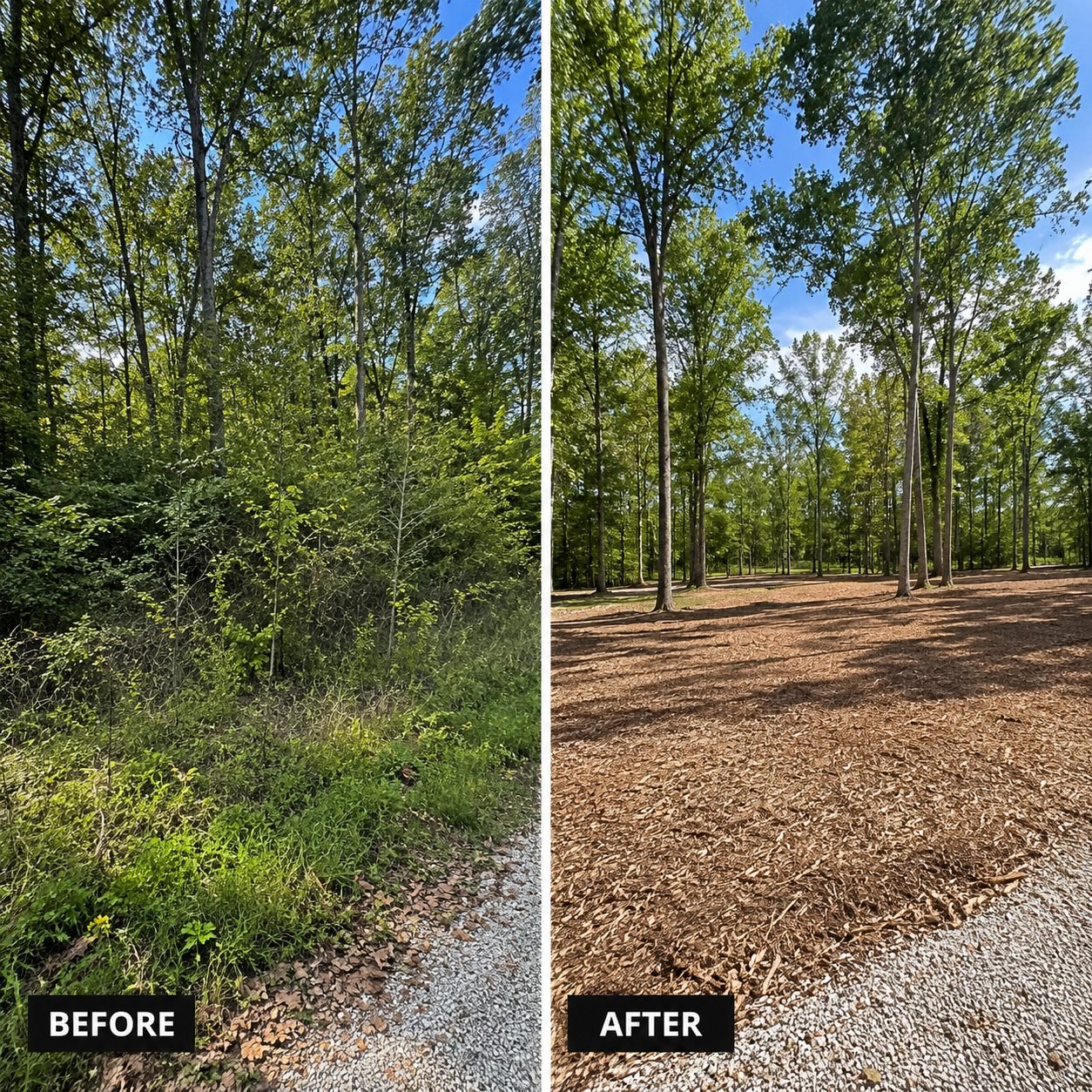
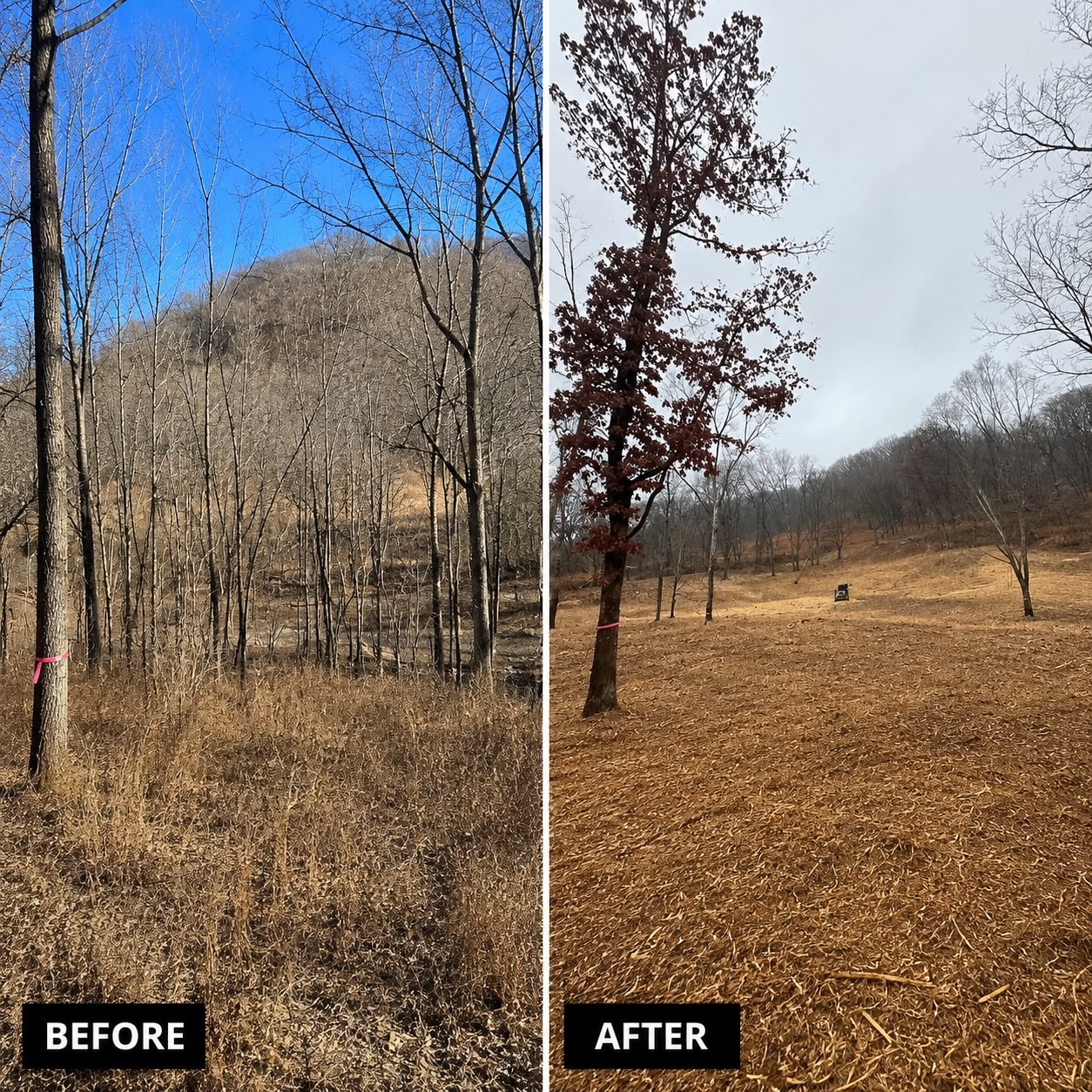
In Etna, before demolition, sites often feature sprawling warehouses or aging industrial buildings on what was once farmland. After the crew completes the process, these parcels are transformed into clear, graded land, ready for new logistics facilities or residential development along the fast-growing I-70 and US-40 corridors.
Frequently asked questions
The Fortress Level Construction crew manages all permit applications and coordinates the Ohio 811 utility locate for every Etna demolition project. This includes working with township and county offices, ensuring compliance with local and state regulations, and handling all paperwork so property owners can focus on their next steps without administrative delays.
All debris from Etna demolition projects is hauled off-site by Fortress’s crew as part of the flat-rate service. This includes concrete, metal, and wood from large industrial structures, ensuring that the site is clean and ready for the next phase of construction.
Yes, Fortress specializes in both open farmland and wooded rural parcels in Etna. The crew uses mulchers for brush and trees up to 14 inches in diameter, making it possible to clear sites efficiently for new warehouse or residential projects.
Ohio law requires at least 48 hours’ notice for an 811 utility locate before any demolition or digging. Fortress typically schedules the utility locate immediately after the quote is accepted, allowing demolition to start as soon as legal and safety requirements are met.
Larger parcels and structures in Etna, especially those converted from farmland for logistics use, generally mean higher demolition costs within the $6,500 to $15,000 range. However, economies of scale and efficient equipment can lower the per-structure price on multi-building sites.
Fortress Level Construction offers free, no-obligation walk-throughs for all Etna demolition projects. The team evaluates your structure and site conditions in person, discusses project goals, and provides a transparent flat-rate quote. This ensures Etna property owners can make informed decisions about demolition with zero upfront commitment or cost.
What Other Services Does Fortress Offer in Central Ohio?
Fortress Level Construction runs a full range of land-clearing, excavation, grading, and site-work services across Central Ohio, so one owner-operated crew can clear, grade, and prep a site end to end.
Get a Flat-Rate Quote from Lee Carson
Owner-operated land clearing across all five Central Ohio counties. Send your property details and Lee gets back to you within 2 to 3 hours during business hours with one flat number after a free on-site walk-through.