
How does professional trenching in Etna, Ohio address the unique challenges of its logistics corridor and farmland sites?
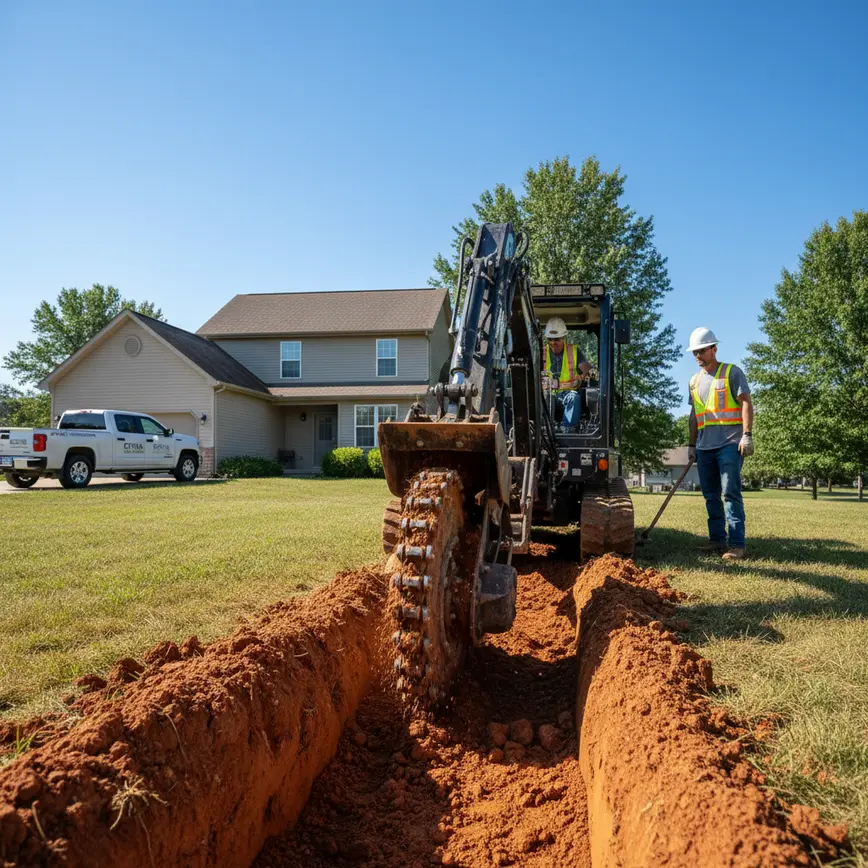
Trenching in Etna, Ohio is shaped by its rapid growth along the I-70 logistics corridor and the transformation of former farmland into commercial and industrial parcels. Fortress Level Construction uses specialized equipment and processes tailored for Etna’s clay-heavy glacial soils and large-scale site demands. The crew’s local expertise ensures precise, compliant trenching.
The Quick Answer
- Trenching in Etna, Ohio requires specialized methods for large commercial and industrial parcels along the I-70 logistics corridor.
- Etna’s clay-heavy glacial till demands robust equipment for reliable trench stability and drainage.
- Fortress Level Construction uses John Deere 333G loaders with Diamond drum mulchers for site clearing before trenching.
- The team is veteran-founded, led by Lee Carson, combat veteran, and has served Central Ohio since 2009.
- Flat-rate quotes include free on-site walk-throughs, with same-week scheduling and rapid response.
- All trenching jobs in Etna require an Ohio 811 utility locate per state law (ORC 3781.28).
- Trenching costs in Etna typically range from $50 to $200 per cubic yard, depending on soil and site complexity.
- Fortress handles both industrial-scale trenching for utilities and smaller residential projects in Etna’s new subdivisions.
Related Questions People Ask Next
Etna’s trenching projects are dominated by large-scale warehouse and industrial development along the I-70 logistics corridor, often on former farmland with clay-heavy glacial soils. This creates unique challenges for excavation, requiring robust equipment and careful planning for drainage and stability compared to smaller, older towns.
Etna’s clay-heavy glacial till means trenches require careful excavation and may need additional stabilization or drainage solutions. These soil conditions can increase costs, typically ranging from $50 to $200 per cubic yard, and demand specialized equipment like compact track loaders and excavators for efficient, safe digging.
Contact Fortress at (844) 656-0129 for a free on-site walk-through, usually scheduled within the same week. The crew assesses site access, soil conditions, and project scope. Ohio law requires an 811 utility locate at least 48 hours before digging, ensuring safety and compliance before trenching begins.
Yes, Fortress Level Construction’s crew is equipped for both large-scale industrial trenching on Etna’s commercial parcels and smaller residential projects in newer subdivisions. Their experience with local soils and logistics means they can adapt trenching solutions for utility lines, drainage, or site prep across Etna’s diverse properties.
What types of trenching projects are most common in Etna, Ohio?
In Etna, most trenching jobs support large warehouse and industrial developments along I-70, as well as utility installations for new residential subdivisions. The area’s rapid commercial growth and transformation of farmland drive demand for deep, wide trenches on expansive parcels.
Etna’s position as a logistics and warehouse hub along the old National Road and I-70 means many trenching projects are for major site utilities, stormwater management, and infrastructure prep on industrial-scale sites. These jobs often require wide, deep trenches to serve distribution centers and fulfillment hubs.
For residential subdivisions carved from former farmland, trenching is vital for water, sewer, and electric lines. The crew tailors their approach to the large lot sizes and the area’s mix of open fields and wooded ground, ensuring reliable trenching for both new homes and expanding commercial facilities.

How does Fortress Level Construction adapts trenching to Etna’s soil and terrain?
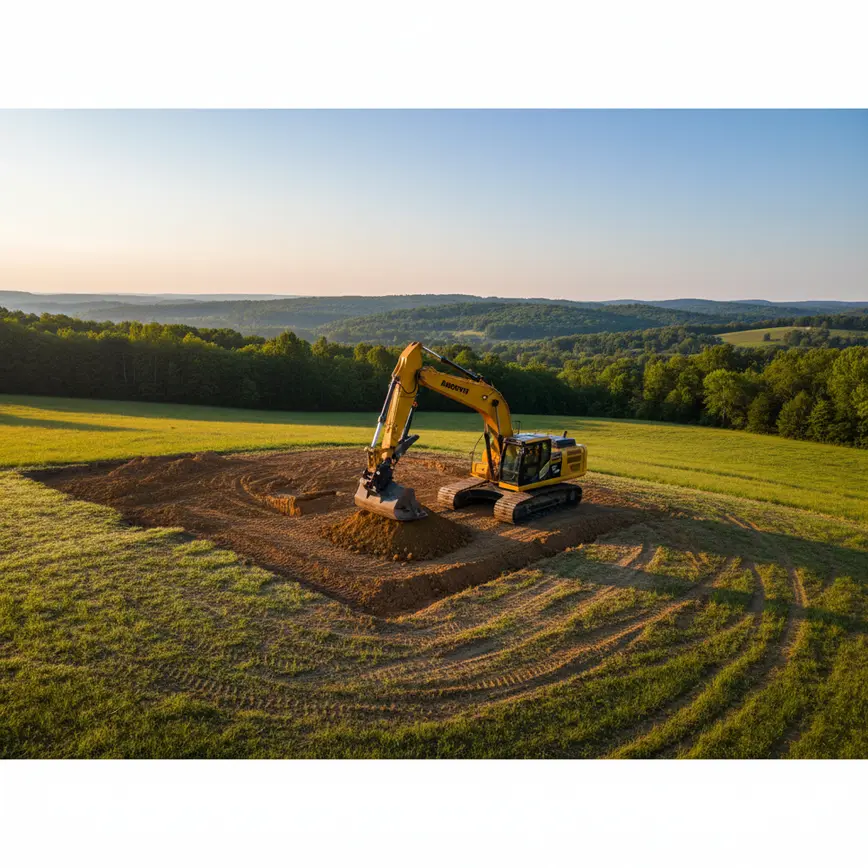
Etna’s clay-heavy glacial till presents challenges for trench stability and drainage. Fortress Level Construction uses heavy-duty John Deere loaders, dozers, and excavators to manage these unique soil conditions, ensuring safe, efficient trenching on both farmland and wooded parcels.
The clay-rich soils in Etna can be dense and water-retentive, increasing the risk of trench wall collapse or poor drainage. Fortress’s crew uses compact track loaders and excavators to dig precise, stable trenches, often incorporating dewatering or shoring where needed to maintain safety and performance.
For warehouse and industrial sites, large-scale mulching with Diamond drum attachments clears brush and trees up to 14 inches in diameter, prepping the ground for trenching. This approach is essential for Etna’s expansive parcels, many of which were recently converted from agricultural use.
What does trenching cost in Etna, and what impacts the price?
Trenching in Etna generally ranges from $50 to $200 per cubic yard, depending on soil, trench size, and site access. Larger commercial jobs and challenging clay soils may increase costs, while flat-rate quotes and free walk-throughs help control your project budget.
Etna’s industrial-scale sites often require extensive trenching for utilities or drainage, leading to larger volumes and potentially higher costs. The dense glacial soils can slow excavation and may need extra stabilization, which can affect pricing within the $50 to $200 per cubic yard range.
Fortress Level Construction provides flat-rate quotes after a free on-site walk-through, evaluating lot size, soil conditions, and equipment needs. This approach gives Etna property owners clear, upfront pricing tailored to the unique demands of the township’s evolving landscape.
What regulations and safety steps apply to trenching in Etna, Ohio?
All trenching in Etna requires a mandatory Ohio 811 utility locate at least 48 hours in advance, per state law. Fortress Level Construction handles compliance and safety on every job, ensuring proper permits and safe digging practices throughout the project.
Ohio Revised Code 3781.28 mandates a utility locate before any digging. Fortress coordinates this process for every Etna project, protecting underground utilities and meeting all township and state regulations. This is especially critical in Etna, where new infrastructure often intersects with legacy farm lines.
The crew also follows best practices for trench safety, including shoring or sloping as needed for deep or wide trenches on commercial parcels. Their experience with Etna’s clay soils and variable terrain ensures every trench is dug safely, efficiently, and in compliance with legal requirements.
How does trenching in Etna compare to nearby towns and other site work?
Etna’s trenching needs are shaped by its warehouse corridor and clay soils, making projects larger and more complex than in nearby Pataskala or Reynoldsburg, and very different from grading or mulching alone.
| Etna Trenching | Pataskala Trenching | Reynoldsburg Trenching | General Site Work |
|---|---|---|---|
| Large-scale, industrial parcels along I-70; deep/wide trenches for warehouses and utilities | Mix of suburban and rural projects; moderate trench sizes on varied soil | Mostly residential and commercial infill; shallower trenches, more urban context | Includes grading, mulching, and clearing; not focused on utility or drainage trenching |
| Clay-heavy glacial till; needs robust equipment and drainage planning | Mixed soils, some clay; less soil stabilization needed | Urban soils, more compacted; easier access but more underground utilities | May prep site for trenching but does not involve deep excavation or pipe laying |
| Dominated by new warehouse and logistics infrastructure | Residential growth, some light industrial | Established neighborhoods, limited new trenching | Covers brush/land clearing, not trench digging |
| Trenching costs $50-$200/yd³; often large volumes due to parcel size | Costs similar or slightly lower; smaller projects | Usually less expensive due to smaller scale | Cost varies by service, not directly comparable to trenching |
| Requires Ohio 811 locate; utility conflicts with old farm lines possible | Standard 811 locate; fewer legacy lines | Dense utility grid; more complex locates | Typically does not require utility locate unless digging involved |
When is trenching not the right solution for Etna properties?
Trenching is not always the ideal solution for every property in Etna, especially where minimal ground disturbance or only surface water control is needed. On rural parcels with sensitive wooded areas or where shallow swales suffice, the crew may recommend more suitable alternatives after a thorough site walk-through.
If your Etna site only needs surface water management, grading or swales may be more appropriate than full trenching. Trenching is also not ideal for sensitive wooded parcels where root disturbance must be minimized.
In these cases, Fortress can recommend alternatives like mulching, surface grading, or directional boring. Their crew will assess your specific needs during the free walk-through and advise on the safest, most cost-effective solution for your property.
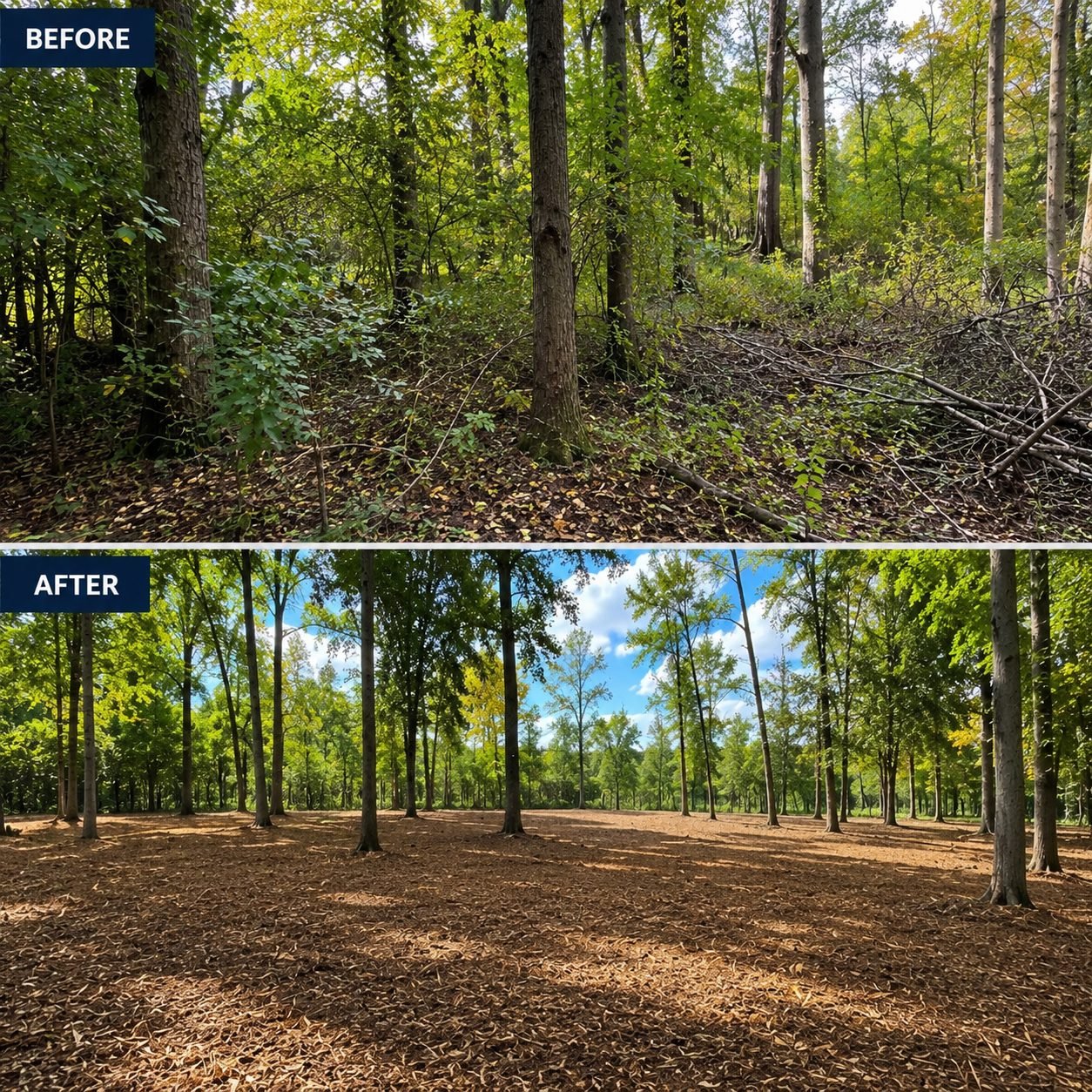
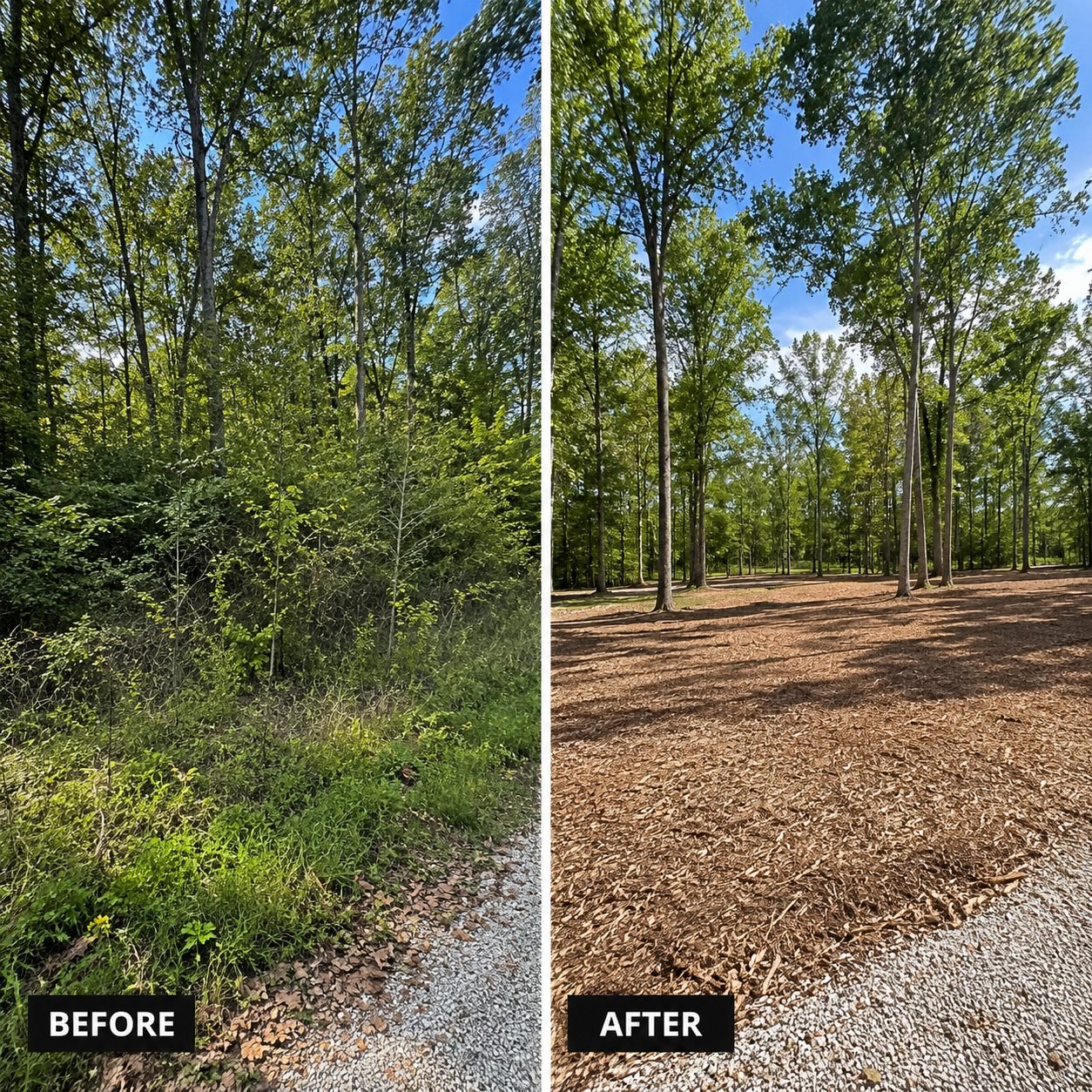
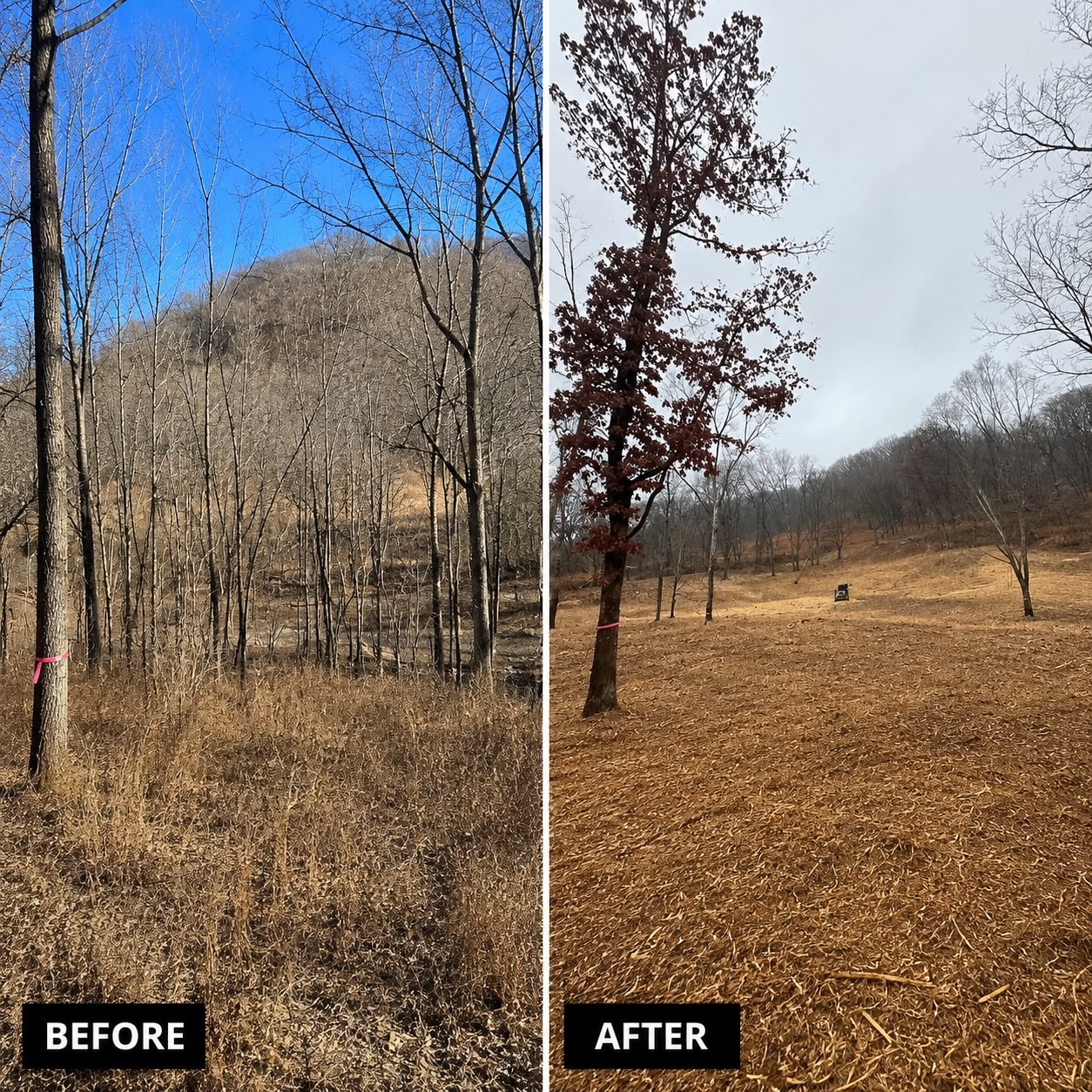
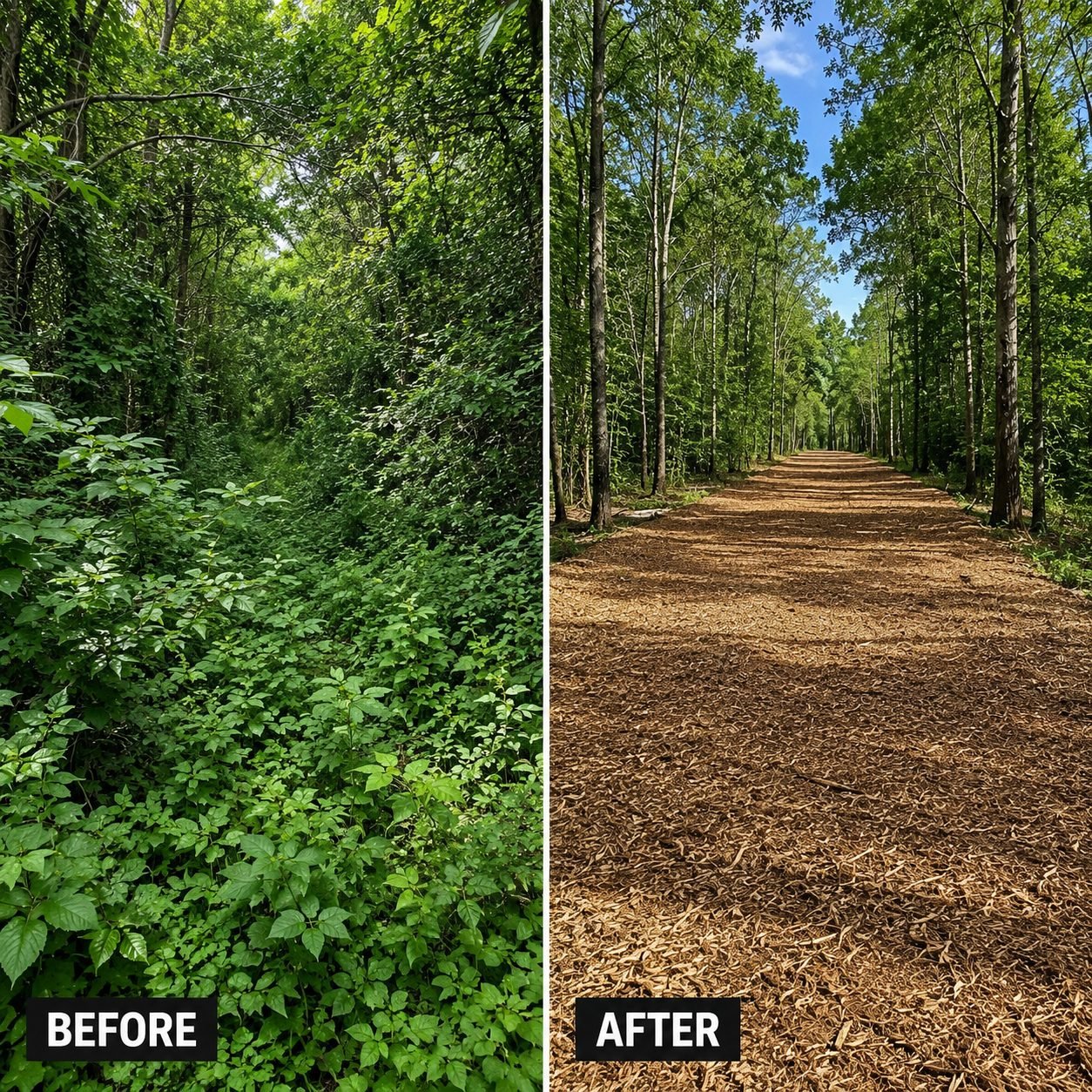
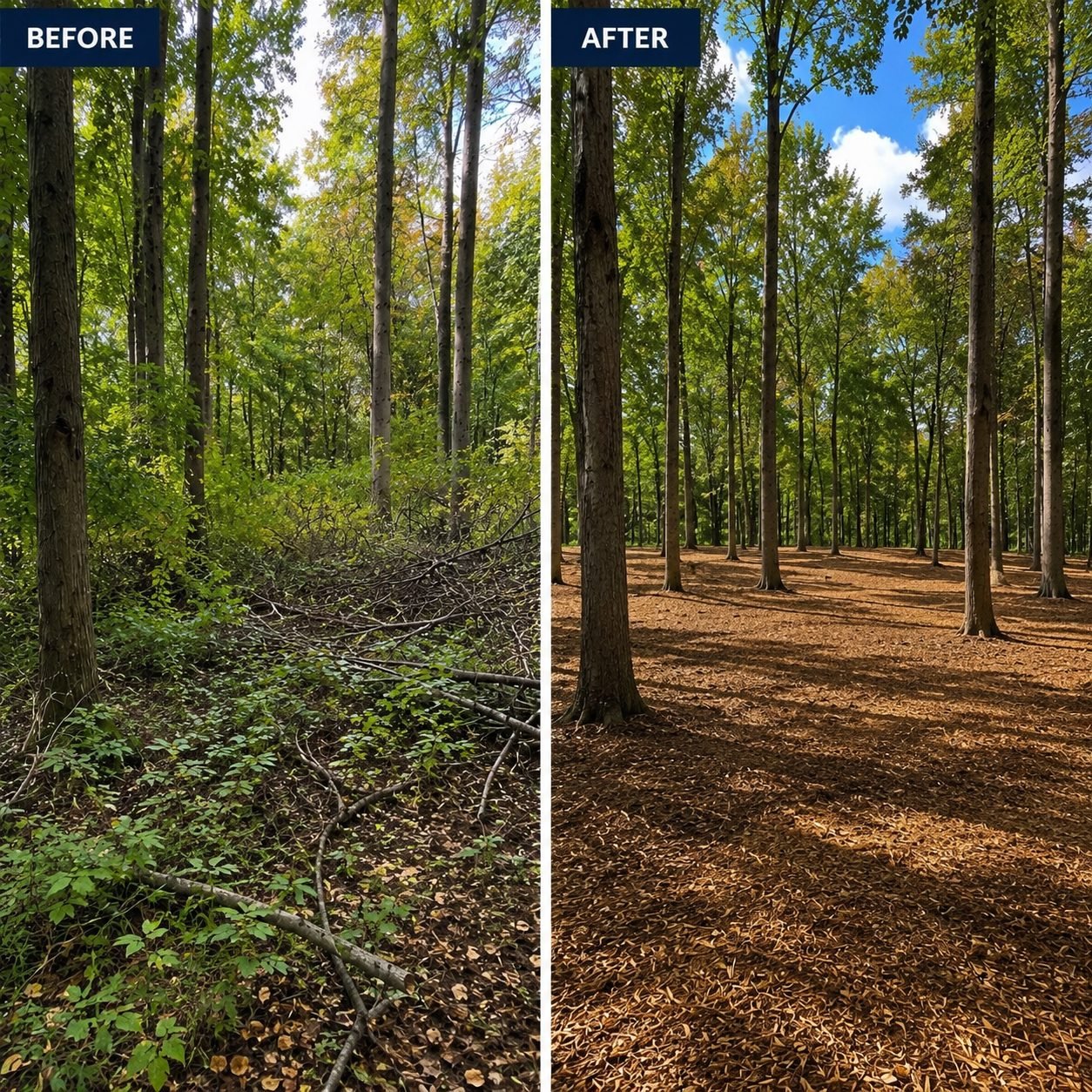
What does trenching before-and-after look like on Etna’s farmland and warehouse sites?
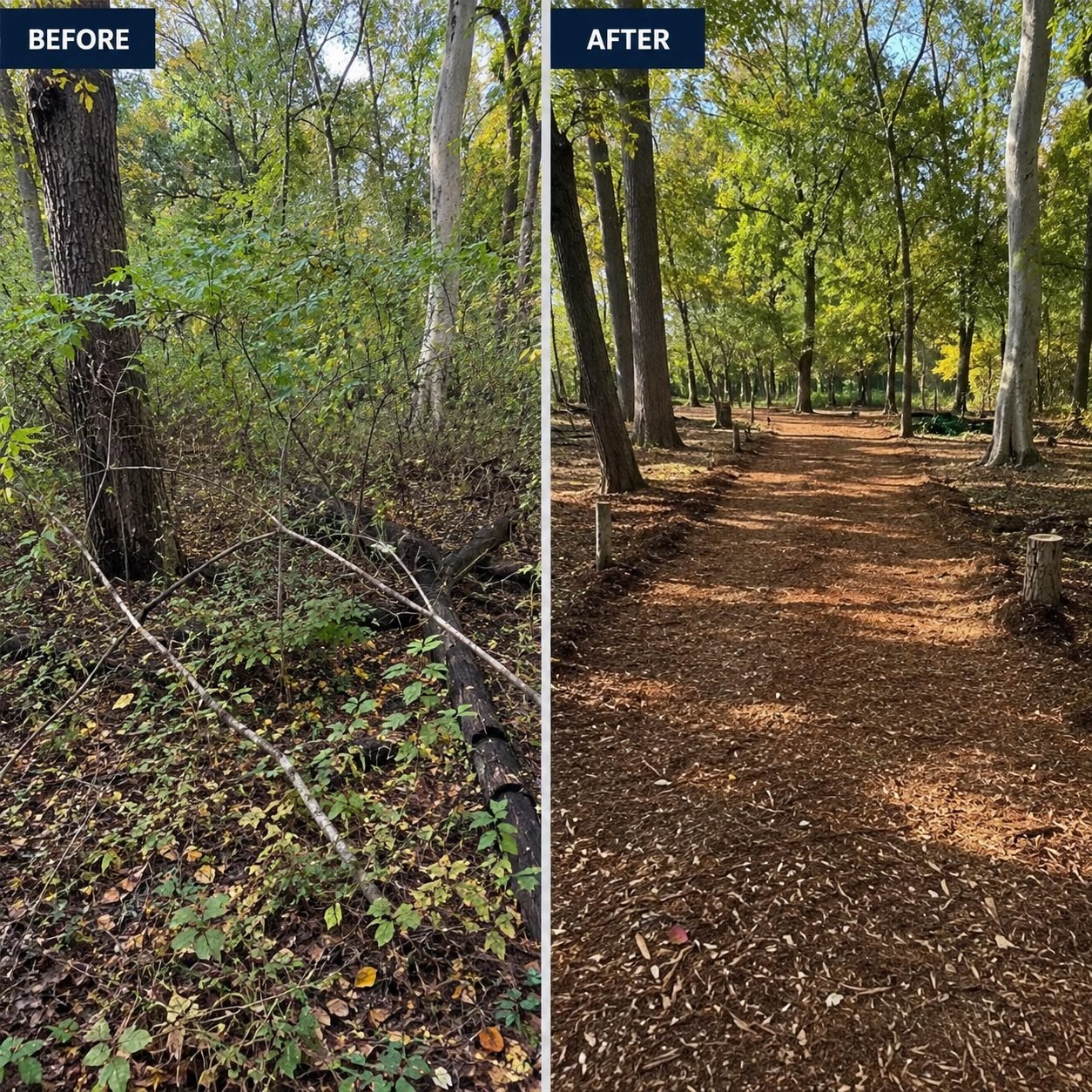
Experience the dramatic transformation of Etna’s landscape as Fortress Level Construction converts open farmland and wooded parcels into ready-to-build commercial or residential sites. Before-and-after views highlight how deep, clean utility trenches support Etna’s growth from rural farmland into a logistics and distribution powerhouse along the I-70 corridor.
Frequently asked questions
Most trenching projects in Etna require a township or county permit, especially for utility or drainage work. Permit costs typically range from $100 to $300. Fortress Level Construction manages the permit process and ensures the crew’s work complies with all local and state requirements, including the Ohio 811 utility locate.
Fortress responds to quote requests within 2-3 business hours and schedules free on-site walk-throughs the same week. Once the Ohio 811 utility locate is complete (at least 48 hours), most Etna trenching projects are scheduled promptly, depending on weather and site conditions.
The crew uses John Deere 333G compact track loaders with Diamond drum mulchers for site clearing, plus dozers and excavators for trenching. This equipment is selected for Etna’s clay-heavy soils and large parcels, ensuring efficient, safe excavation for both industrial and residential properties.
Trenching costs in Etna are based on soil conditions, trench dimensions, and site access. After a free on-site walk-through, Fortress provides a flat-rate quote, with typical costs ranging from $50 to $200 per cubic yard. The team factors in any soil stabilization or drainage needs specific to Etna’s terrain.
Ohio law (ORC 3781.28) requires all trenching projects in Etna to have an Ohio 811 utility locate at least 48 hours before digging. This identifies underground utilities, critical in Etna, where new developments overlap with old farm lines, preventing costly and dangerous utility strikes.
Yes, Fortress’s team can clear and trench through wooded ground typical in Etna’s rural parcels. Their drum mulchers handle brush and trees up to 14 inches in diameter, prepping the site for trenching while minimizing disturbance to surrounding land. The crew tailors their approach to each Etna property.
What Other Services Does Fortress Offer in Central Ohio?
Fortress Level Construction runs a full range of land-clearing, excavation, grading, and site-work services across Central Ohio, so one owner-operated crew can clear, grade, and prep a site end to end.
Get a Flat-Rate Quote from Lee Carson
Owner-operated land clearing across all five Central Ohio counties. Send your property details and Lee gets back to you within 2 to 3 hours during business hours with one flat number after a free on-site walk-through.