

How Does Food Plot Clearing for Hunting Work in Central Ohio?
Food plot clearing in Central Ohio transforms wooded or overgrown parcels into wildlife-attracting food plots, especially for hunting. This process involves forestry mulching or full clearing, tailored to local soils and terrain. Seasonal timing, access to remote back parcels, and mulching down to a seedbed are key factors for success.
The Quick Answer
- Food plot clearing in Central Ohio means converting wooded or brushy land into wildlife-friendly seedbeds, using forestry mulching or full clearing.
- Seasonal timing is crucial: late winter to early spring is optimal for clearing and seeding food plots for hunting.
- Brookston-Crosby clay, Coshocton silt loam, and glacial soils impact drainage and access, shaping the clearing approach.
- Forestry mulching grinds brush and small trees in place, leaving a mulch layer ideal for seedbeds and erosion control.
- Full clearing removes all trees, stumps, and roots, preparing land for larger or more open food plots.
- Remote parcels often require specialized access solutions, such as compact track loaders and careful route planning.
- Permitting may be needed for plots over an acre, with local land-disturbance permits typically running $100-$300 if required.
- Owner Lee Carson personally oversees every food plot clearing project, ensuring site-specific solutions.
Related Questions People Ask Next
Late winter through early spring is generally the best time to clear land for a hunting food plot in Central Ohio. This window minimizes disturbance to wildlife, takes advantage of dormant vegetation, and allows for prompt seeding before spring rains, improving germination and reducing erosion risk for your new plot.
Forestry mulching grinds brush and small trees directly into the soil, creating a mulch layer that suppresses weeds, retains moisture, and prepares a natural seedbed. This method is less disruptive than full clearing and preserves soil structure for better wildlife habitat.
Most residential or agricultural food plot clearing projects under one acre do not require a permit. For larger plots, a local land-disturbance permit (typically $100-$300) and Ohio EPA review may be needed. Always check county regulations and call Ohio 811 before work.
Bush honeysuckle, autumn olive, multiflora rose, and buckthorn are common invasive species in Central Ohio food plot sites. These plants can resprout vigorously after clearing, so follow-up treatments such as herbicide application or repeat mowing are often necessary to prevent rapid regrowth and maintain your food plot.
What Is Food Plot Clearing and How Does It Differ from Other Land Clearing?
Food plot clearing is the process of converting wooded or brushy land into wildlife-friendly plots, with a focus on hunting and habitat. Unlike general land clearing, it emphasizes selective removal, mulching, and soil preparation to create seedbeds specifically designed for deer and other game in Central Ohio.
Food plot clearing targets habitat creation, not just open space. Forestry mulching leaves a nutrient-rich mulch layer to support new growth.
Full clearing removes all woody material, but for hunting plots, mulching often preserves natural cover and soil structure.
Why Do Central Ohio’s Soils and Terrain Matter for Food Plot Clearing?
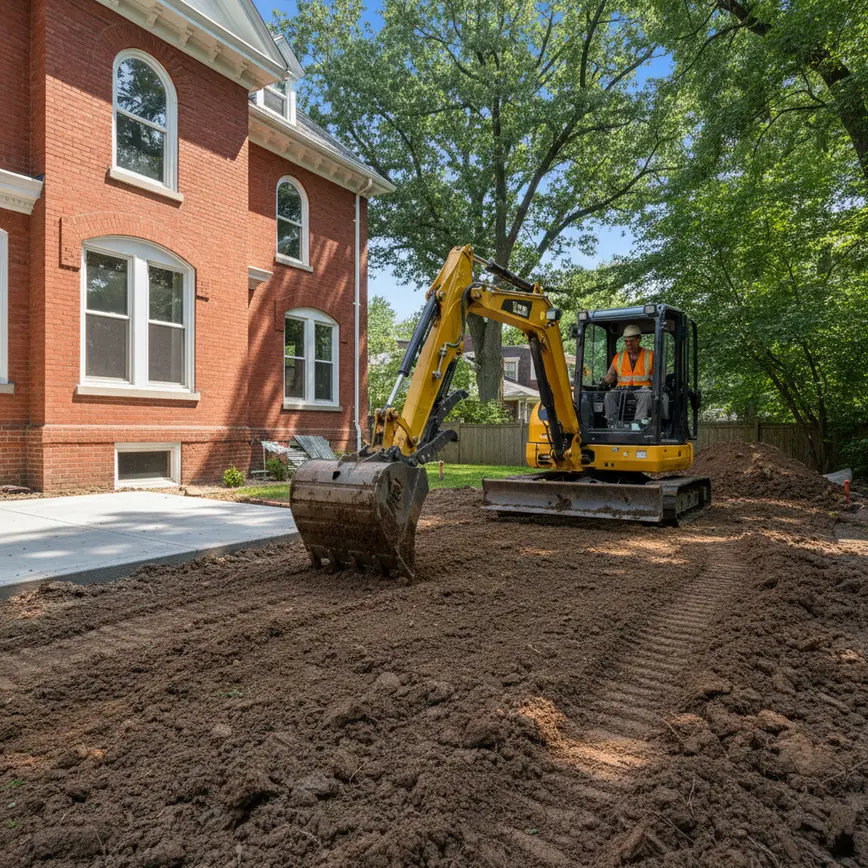
Central Ohio’s soils, Brookston-Crosby clay, Coshocton silt loam, and glacial deposits, greatly impact drainage, access, and erosion when clearing for food plots. The clearing method and timing are tailored to these conditions to ensure long-lasting, productive wildlife plots and reduce future maintenance or rework.
Brookston-Crosby clay holds water, making early spring clearing critical to avoid compaction and drainage issues.
Rolling hills in Licking and Fairfield counties require careful grading to prevent erosion and ensure equipment can safely access remote parcels.
What Equipment Does Fortress Use for Food Plot Clearing in Central Ohio?
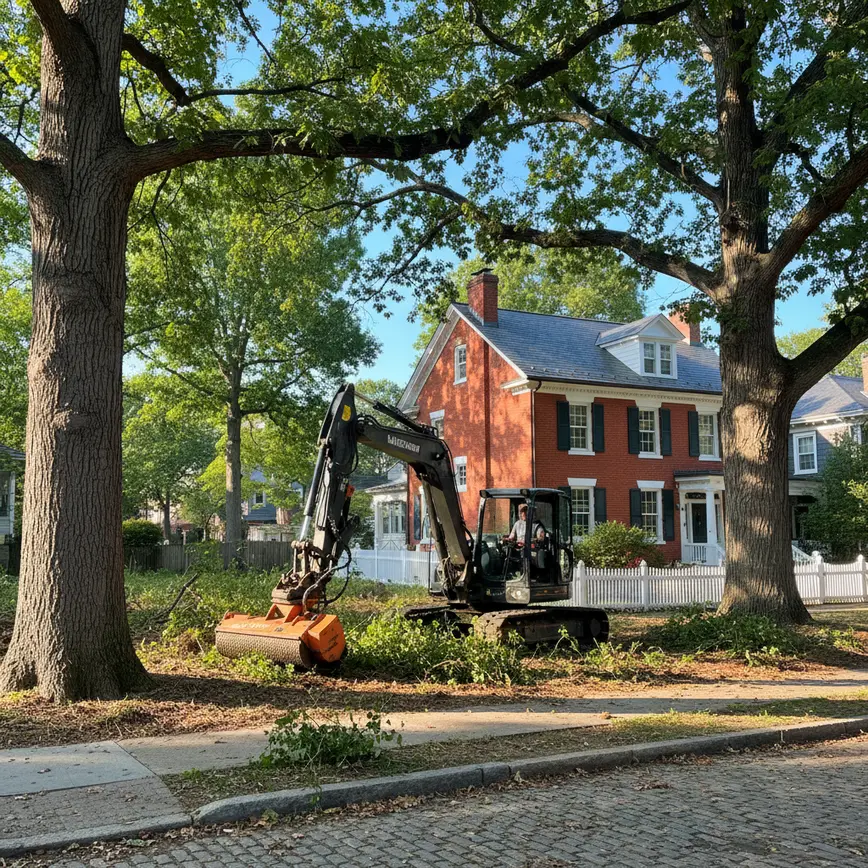
Fortress Level Construction uses John Deere 333G and Caterpillar compact track loaders with forestry mulchers, plus dozers and excavators as needed. This specialized equipment is chosen for its ability to handle dense brush, small trees, and prepare seedbeds efficiently, even on challenging terrain and remote parcels.
Forestry mulchers grind stems up to 14 inches, clearing 1-5 acres per day depending on density and access.
Excavators with thumbs remove stumps and roots, while loaders and dozers handle grading and site prep for larger plots.
What Is the Process and Timeline for Food Plot Clearing in Central Ohio?
The process begins with a free site walk-through, followed by utility locating, permit checks, and equipment mobilization. Clearing and mulching typically take 1-3 days per acre, with grading and seedbed prep added as needed. Most hunting food plot projects are completed within a week, depending on conditions.
Owner Lee Carson conducts a free site assessment and provides a flat-rate quote. Ohio 811 utility locate is required before any digging.
Most food plot clearing projects are completed within a week, depending on acreage, terrain, and weather.
How Does Food Plot Clearing Compare to Other Land Clearing Methods in Central Ohio?
Food plot clearing is tailored for hunting and wildlife, focusing on selective mulching and soil prep. Here’s how it compares to adjacent services and methods in Central Ohio.
| Service/Method | Typical Use | Cost Range (per acre) | Key Differences |
|---|---|---|---|
| Food Plot Clearing (Mulching) | Wildlife/hunting plots, selective brush and tree removal | $1,850-$3,500 | Leaves mulch for seedbed, minimal soil disturbance, rapid access to remote parcels |
| Full Land Clearing | Site prep for building, total tree and stump removal | $4,000-$8,000 | Removes all vegetation, includes grading, suitable for construction or large open plots |
| Brush Hogging | Mowing fields, light brush control | Varies (lower) | Does not handle trees or dense brush, no seedbed prep, not suited for new food plots |
| Manual Clearing | Small plots, invasive species removal | Varies (labor-intensive) | Best for limited areas, slow, may not address root systems or access issues |
| Prescribed Burning | Habitat management, invasive control | Varies (permit needed) | Not practical for wooded parcels, requires specific weather and regulatory approval |
When Is Food Plot Clearing Not the Right Choice in Central Ohio?
Food plot clearing is not ideal for sites intended for construction, wetlands, or parcels with severe access issues. In these cases, full land clearing or specialized habitat management may be more appropriate for your Central Ohio property and project goals.
If your goal is to prepare land for building, full clearing with grading and haul-off is required instead of food plot clearing.
Wetlands, floodplains, or parcels with protected species may be restricted from any clearing. Consult local authorities or a habitat specialist before proceeding.
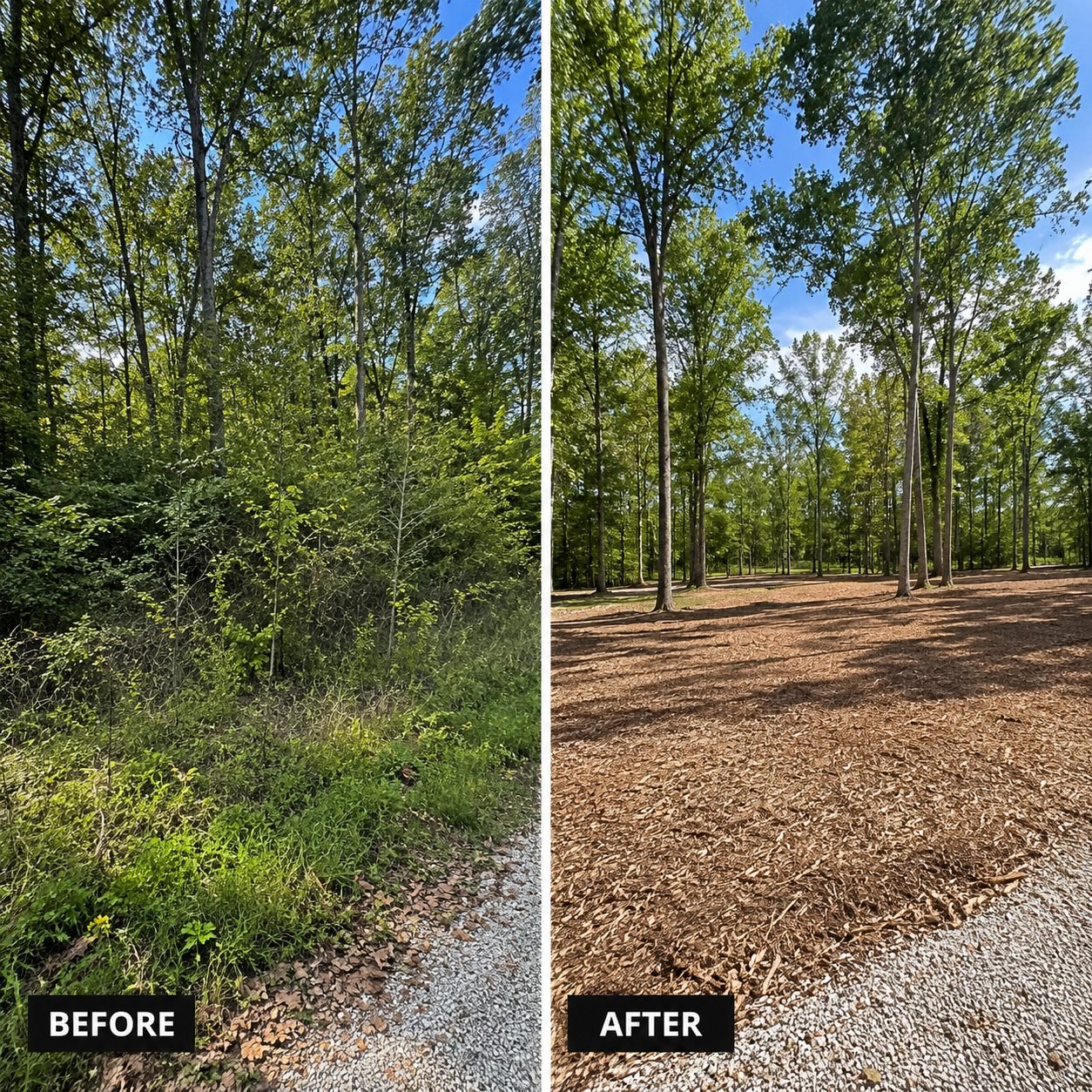
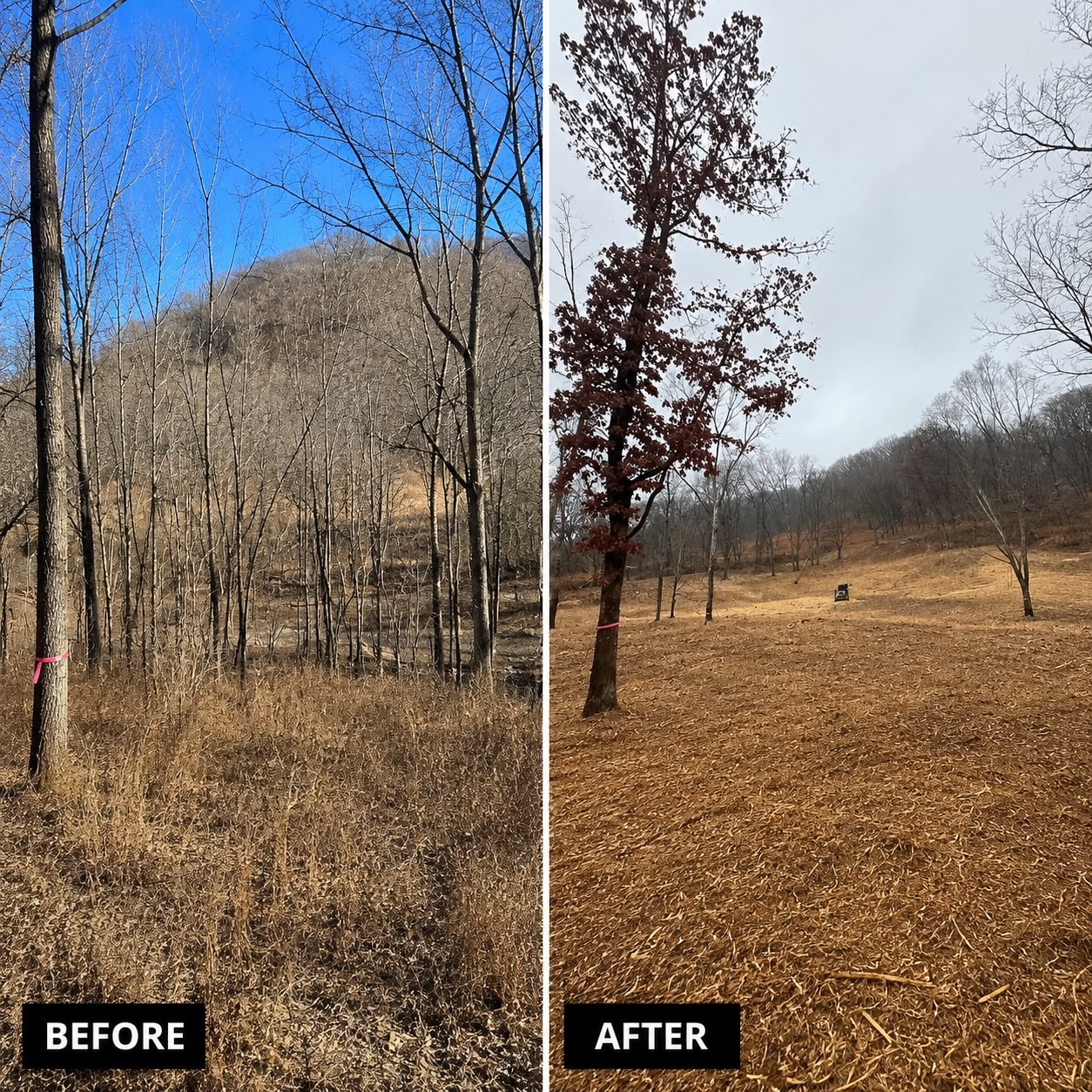
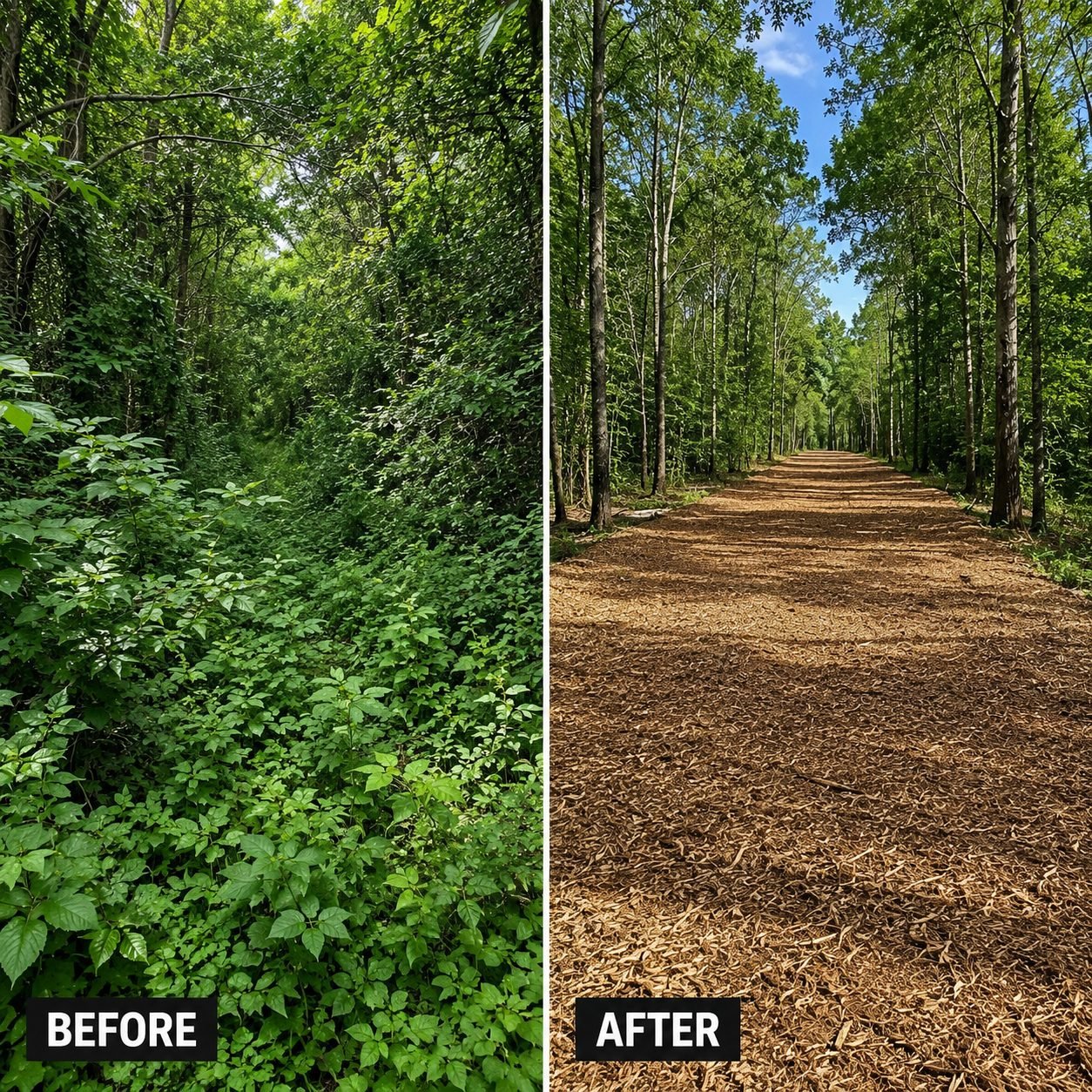
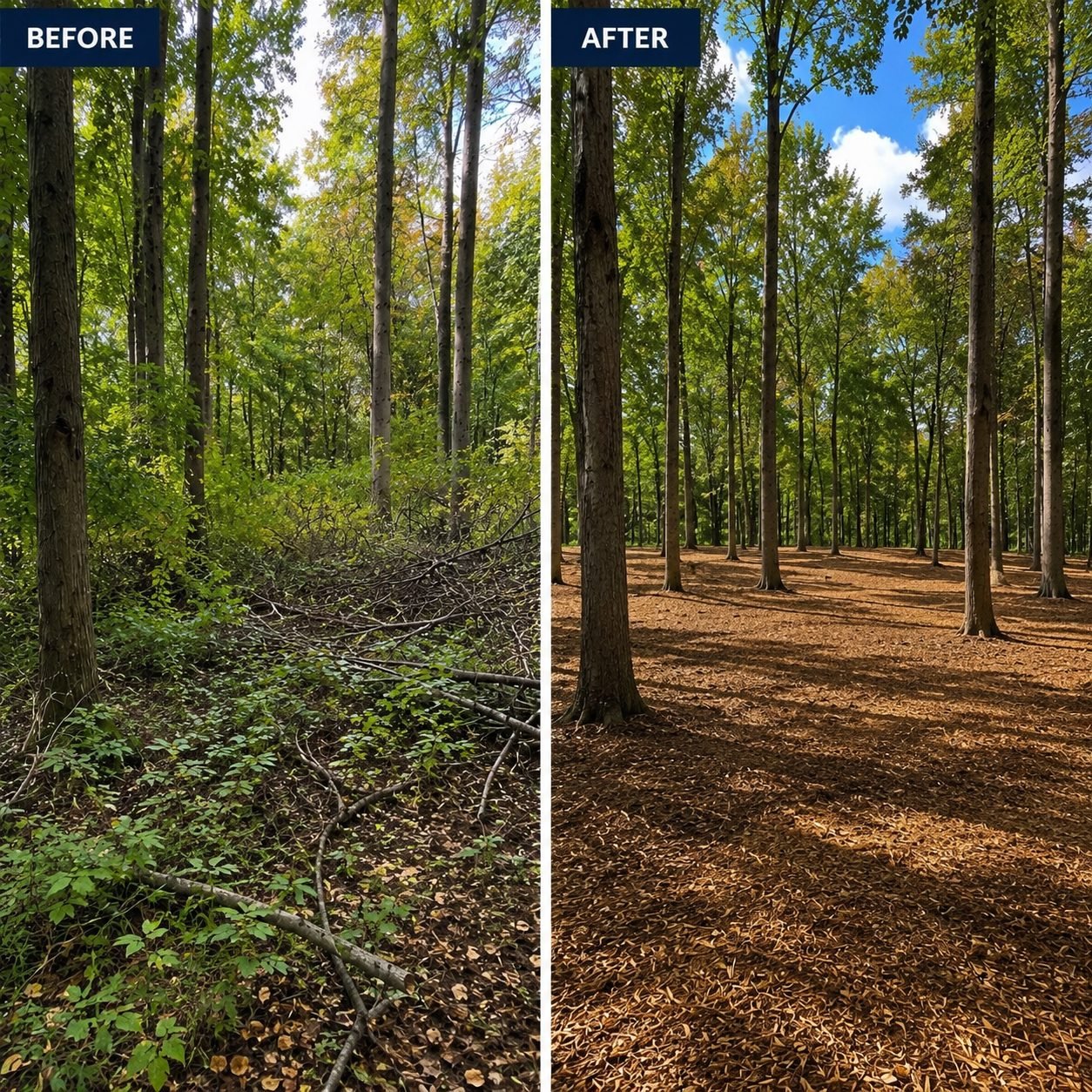
What Do Before-and-After Results Look Like for Food Plot Clearing in Central Ohio?
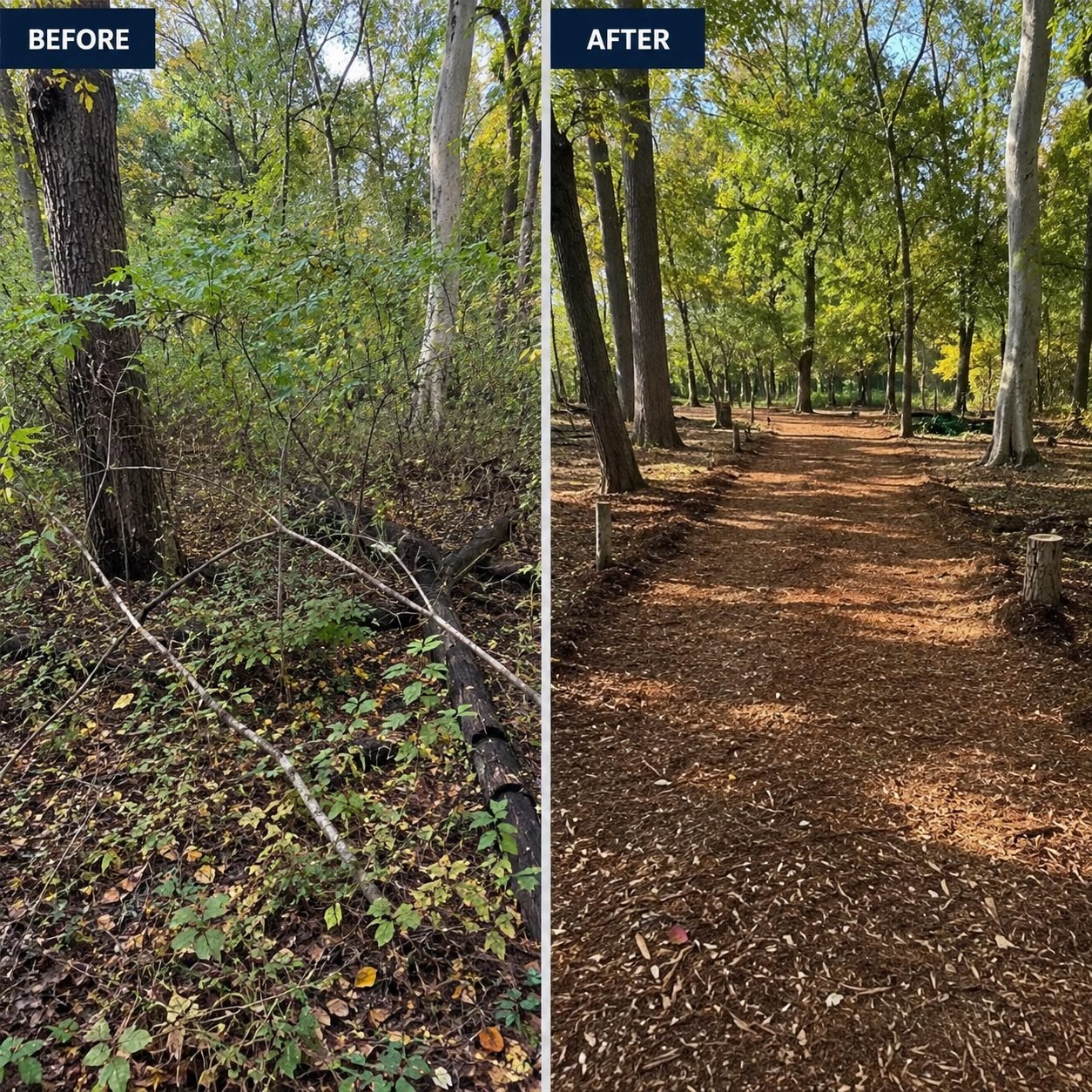
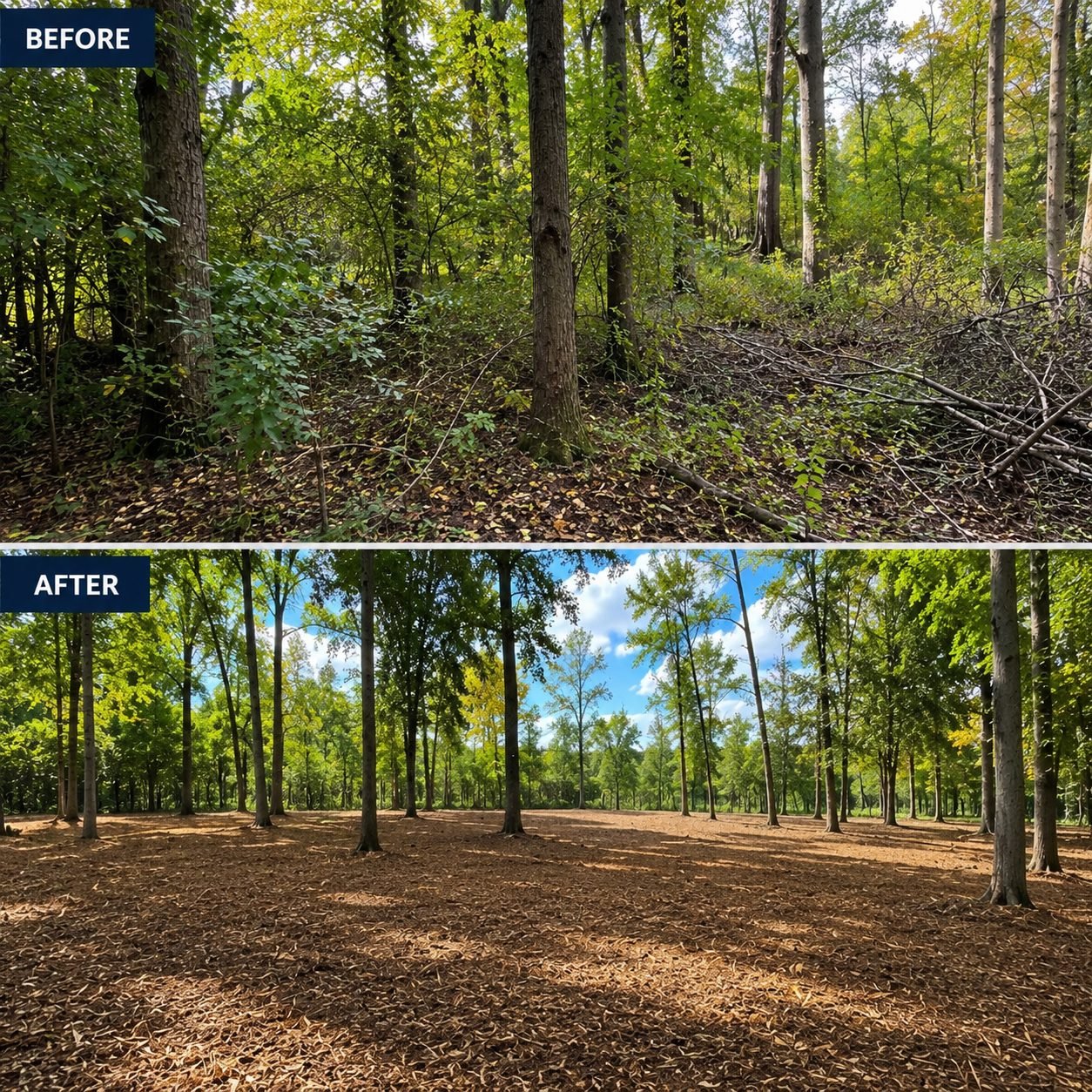
Before clearing, sites are often dense with hardwoods, brush, and invasives. After forestry mulching, the area is transformed into an open, mulched seedbed ready for planting, with improved access for hunters and wildlife. Photos show dramatic changes in canopy and ground cover.
Frequently asked questions
Forestry mulching for food plot clearing typically ranges from $1,850 to $3,500 per acre, depending on density, access, and terrain. Full clearing with grading and haul-off ranges from $4,000 to $8,000 per acre. Permit fees, if needed, are usually $100 to $300.
Fortress Level Construction uses compact track loaders (John Deere 333G, Caterpillar) with forestry mulchers for brush and small trees, plus excavators for stump and root removal. This equipment is chosen for its ability to access remote parcels and prepare seedbeds efficiently.
Brookston-Crosby clay and Coshocton silt loam soils affect drainage and equipment access. Clay soils hold water and can compact easily, so timing and technique are critical. Rolling terrain in some counties requires careful grading to prevent erosion and ensure a stable seedbed.
Forestry mulching is often preferred for hunting food plots because it leaves a mulch layer that supports new growth and minimizes soil disturbance. Full clearing is best for large, open plots or when all trees and stumps must be removed for other uses.
You can usually plant immediately after forestry mulching, since the mulch layer creates a suitable seedbed for most wildlife mixes. For full clearing, allow time for grading and soil settling before planting. Seasonal timing is important for optimal germination and wildlife attraction in Central Ohio.
Yes, invasive species such as bush honeysuckle and multiflora rose often resprout after cutting or mulching. Follow-up treatments, like targeted herbicide application or repeated mowing, are recommended to prevent rapid regrowth and keep your food plot productive for hunting and wildlife.
Food Plot Clearing by County and City in Central Ohio
Franklin County
Delaware County
Licking County
Fairfield County
Union County
What Other Services Does Fortress Offer in Central Ohio?
Fortress Level Construction runs a full range of land-clearing, excavation, grading, and site-work services across Central Ohio, so one owner-operated crew can clear, grade, and prep a site end to end.
Get a Flat-Rate Quote from Lee Carson
Owner-operated land clearing across all five Central Ohio counties. Send your property details and Lee gets back to you within 2 to 3 hours during business hours with one flat number after a free on-site walk-through.