
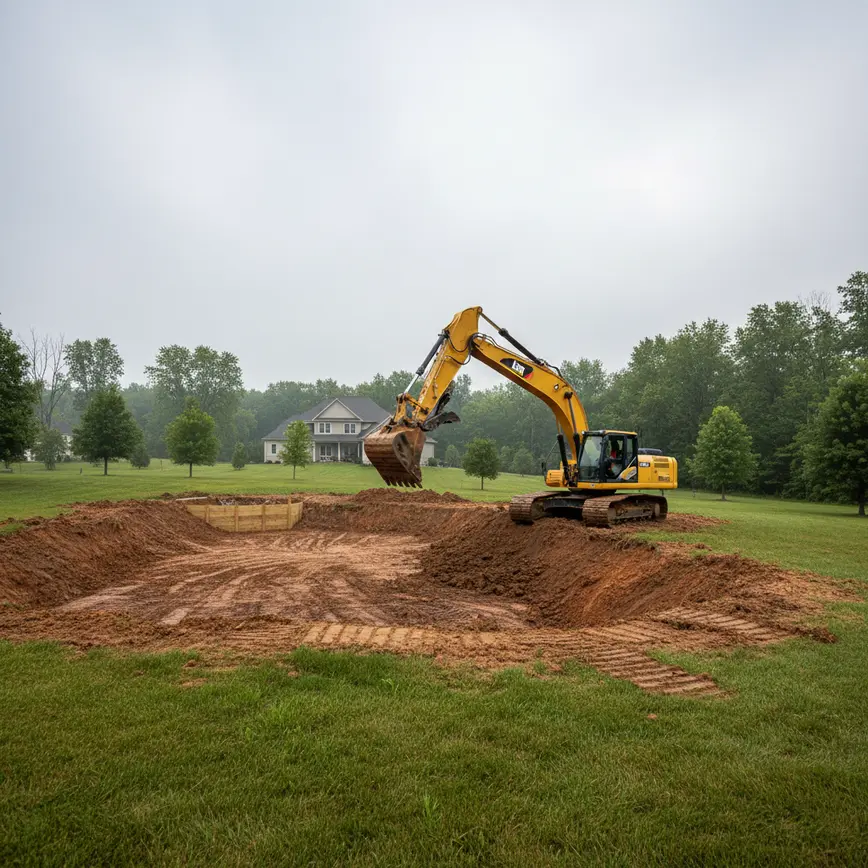

How does food plot clearing work in Lithopolis, Ohio?
In Lithopolis, Ohio, food plot clearing starts with a free on-site walk-through so the crew can size up village lots, new subdivision ground, or former farmland near Pickerington. Fortress Level Construction matches the clearing method to clay uplands, fertility, and access, then gives a flat-rate quote before any work begins.
The Quick Answer
- In Lithopolis, Ohio, food plot clearing often starts on small village lots or larger former-farmland parcels south of Pickerington, so the crew plans access, turning room, and plot shape before mulching begins.
- Fortress uses John Deere 333G compact track loaders with Diamond drum mulchers, plus dozers and excavators, to open deer plots, thin brush, and build planting lanes without overworking the site.
- For forestry mulching, costs commonly fall around $1,850 to $3,500 per acre; full clearing can run about $4,000 to $8,000 per acre, depending on density, debris, and finish requirements.
- Lithopolis soil and terrain matter: clay uplands can hold moisture and wheel ruts, while nearby fertile valley farmland may need cleaner edge work and better drainage-aware plotting.
- Ohio law requires an Ohio 811 utility locate at least 48 hours before any digging, and Fortress schedules the walk-through and line mark coordination into the clearing timeline.
- The team responds in 2 to 3 hours during business hours and can usually set same-week walk-throughs, which helps when hunting food plot timing is tight.
- Food plot clearing here is not generic land work; it blends village-lot precision with subdivision prep as growth spreads south from Pickerington into Lithopolis’s rural edges.
- Lee Carson, a combat veteran, founded Fortress Level Construction, but the company sends a crew, not a one-person setup, to handle the job.
Related Questions People Ask Next
On a small Lithopolis lot, the crew usually focuses on brush removal, sapling mulching, edge trimming, and creating a workable opening for planting or access. Because the village is compact and has no named neighborhoods, the layout often has to fit around homes, driveways, and neighboring parcels. Fortress plans the plot so the site stays usable, not over-cleared.
Clay uplands can limit traction and make wet ground vulnerable to ruts, so the crew often times clearing carefully and uses compact track loaders for stability. That matters around Lithopolis, where terrain can change between village ground and nearby farmland. When the site is softer, Fortress may recommend selective mulching first and heavier equipment only where the access can support it.
Former farmland usually has wider openings, thicker regrowth, and longer edges that need to be squared up for a food plot. In Lithopolis, that can mean blending subdivision prep with rural clearing as growth spreads south from Pickerington. Fortress adjusts the cut pattern, pushes debris where needed, and prepares the field so seeding and maintenance are simpler.
During business hours, the team typically responds within 2 to 3 hours and can often schedule same-week walk-throughs. That quick timing helps when you need a hunting food plot ready before planting windows close or before season pressure increases. The walk-through also lets Fortress price the work flat-rate after seeing the actual brush, slope, and access.
How does Fortress price food plot clearing in Lithopolis, Ohio?
Fortress prices Lithopolis food plot clearing after a free on-site walk-through, because village lots, new subdivision edges, and former farmland need different equipment time. Forestry mulching usually lands between $1,850 and $3,500 per acre, while full clearing runs about $4,000 to $8,000 per acre, depending on thickness and finish.
In Lithopolis, the price often hinges on whether the work is a tight village opening, a subdivision prep strip, or a larger tract near Carroll or Lancaster. Clay uplands, access lanes, and the amount of woody stem material all affect production. The crew uses John Deere 333G compact track loaders with Diamond drum mulchers for stems up to 14 inches.
When the job needs a cleaner end state for seeding or regrading, Fortress brings dozers and excavators, and that moves the project toward full clearing pricing. Because Lithopolis is a small village with growth spreading south from Pickerington, many plots need a mix of mulching and cleanout, not a one-size approach. Flat-rate quotes keep the scope clear before any digging starts.
What equipment does a Lithopolis food plot clearing job use?
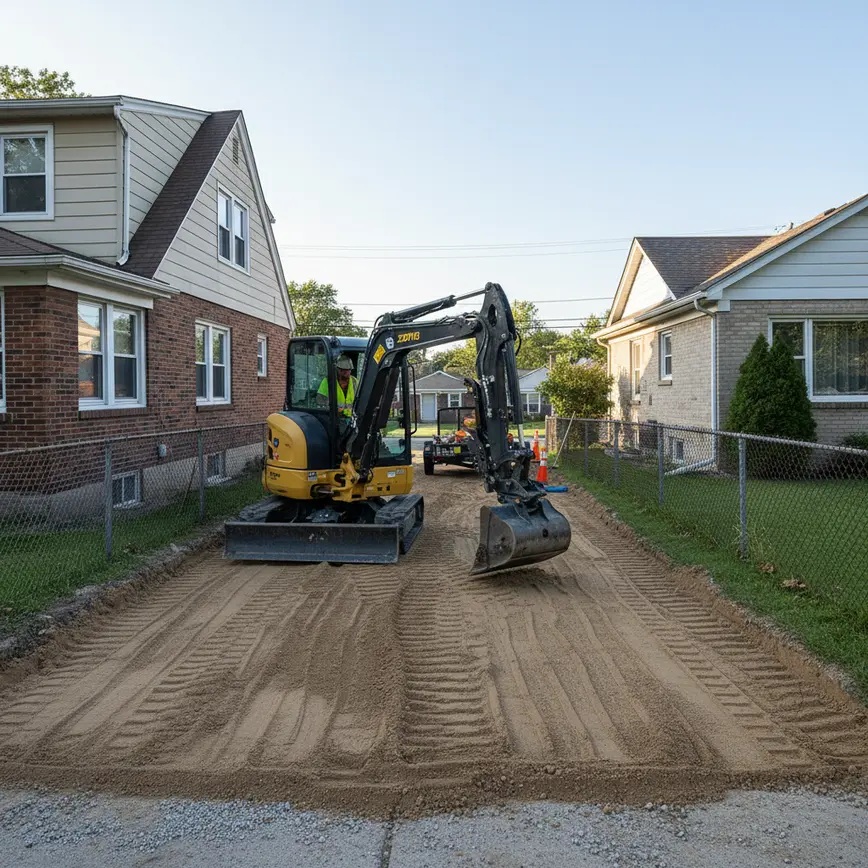
For Lithopolis food plot clearing, Fortress usually starts with a walk-through, then sends compact track loaders, mulchers, dozers, or excavators based on stem size and plot goals. The John Deere 333G with a Diamond drum mulcher can handle stems up to 14 inches and is productive on 1 to 5 acres per day.
That setup works well where Lithopolis blends village-lot work with rural edges, because the crew can stay nimble around fences, driveways, and tighter access points. On fertile valley farmland nearby, the team may open broader lanes, while clay uplands call for careful traction and reduced traffic. The goal is a clean hunting food plot, not unnecessary disturbance.
If the site needs stump removal, berm shaping, or heavier pushout, Fortress shifts to dozers and excavators. That matters on former farmland and subdivision prep ground as development pressure moves south from Pickerington into Lithopolis. The crew chooses tools to match the site, then clears enough cover to make seeding, mowing, and access manageable.
How should a Lithopolis property owner prepare before food plot clearing?
Before food plot clearing in Lithopolis, the owner should mark the intended plot area, confirm access for equipment, and schedule the Ohio 811 locate at least 48 hours before digging. Fortress then uses the walk-through to check soils, tree density, and any constraints from village lots, farmland edges, or subdivision layouts.
That prep matters in Lithopolis because parcels may shift from compact village space to larger former-farm ground within a short drive of Pickerington, Canal Winchester, or Carroll. The crew needs to know where trucks can enter, where the plot should taper, and whether the clay uplands will need lighter travel paths. A clear map saves time and cost.
If the site sits near water, drainage swales, or utility corridors, the locate step is non-negotiable under Ohio Revised Code 3781.28. Fortress schedules around that rule so the work can move smoothly once lines are marked. The team’s same-week walk-throughs help property owners get from planning to clearing without losing a planting window.
How does food plot clearing in Lithopolis support a better hunting plot?
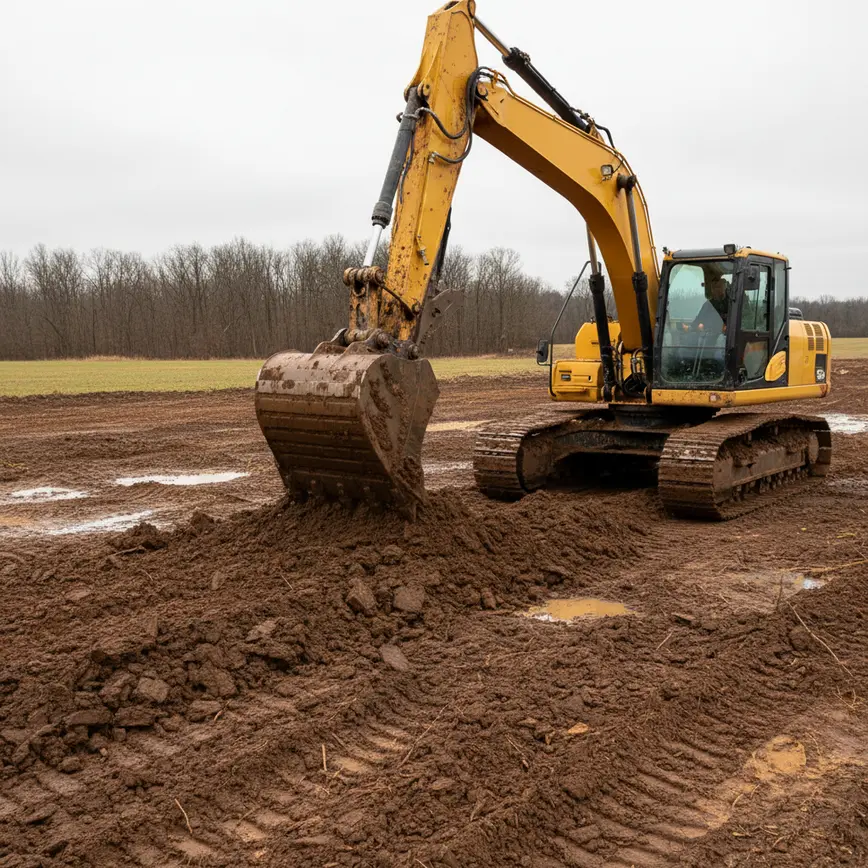
Food plot clearing in Lithopolis sets the stage for sunlight, access, and planting room, which are the core ingredients of a productive deer plot. Fortress clears just enough brush to open the site, manage edges, and keep the plot workable on former farmland, clay uplands, or small village parcels near Wagnalls Memorial Library.
A hunting food plot in Lithopolis often needs a balance between concealment and access. Too much clearing can expose the area, while too little leaves shade and root competition that weaken seed germination. The crew shapes the opening with the future planting plan in mind, which is especially useful where village character meets rural acreage south of Pickerington.
Because Lithopolis has a stone-quarrying heritage and a name meaning stone city, many owners want a site that feels purposeful and durable, not scraped up. Fortress uses mulching for a cleaner finish when possible, or full clearing where the plot needs a complete reset. The right method depends on the parcel, not a generic template.
Which food plot clearing method fits a Lithopolis property?
Lithopolis properties vary from village lots to former farmland, so the right food plot clearing method depends on access, stem size, and finish goals. Fortress compares mulching, full clearing, and mixed approaches during the walk-through, then gives a flat-rate quote that fits the site instead of forcing one method everywhere.
| Method | Best fit in Lithopolis | Typical equipment | Cost range |
|---|---|---|---|
| Forestry mulching | Brushy village lots or subdivision edges near Pickerington | John Deere 333G with Diamond drum mulcher | $1,850 to $3,500 per acre |
| Full clearing | Larger former-farmland plots that need a clean reset | Dozers and excavators | $4,000 to $8,000 per acre |
| Selective clearing | Plots that need lanes, shooting gaps, or edge control | Mulcher plus light excavation | Project priced after walk-through |
| Access-first clearing | Sites with tight entry, clay uplands, or wet ground risk | Compact track loaders and planning | Depends on terrain and access |
| Hybrid clearing | Common around Lithopolis as growth spreads south | Mulcher, dozer, and excavator mix | Quoted flat rate after inspection |
When is food plot clearing not the right call in Lithopolis, Ohio?
Food plot clearing is not the right call in Lithopolis when the site is too small to support safe equipment access, when the ground is too wet for traction, or when the goal is only minor mowing. In those cases, Fortress may suggest a lighter brush management plan or waiting for better ground conditions.
If your Lithopolis parcel is a tight village lot with minimal access, full clearing can be more disruption than the site should take. Likewise, on clay uplands, heavy equipment can churn soft soil if the timing is wrong. The better move may be selective mulching, a smaller opening, or a phased approach tied to a planting season.
If the problem is only grass, saplings, or light regrowth, food plot clearing may be more aggressive than needed. Fortress will still walk the site and explain whether the job belongs in the mulching range, the full clearing range, or a simple maintenance plan. That is especially useful on parcels near Wagnalls Memorial Library, Pickerington, or the rural edges toward Lancaster.
What should before and after food plot clearing look like in Lithopolis?
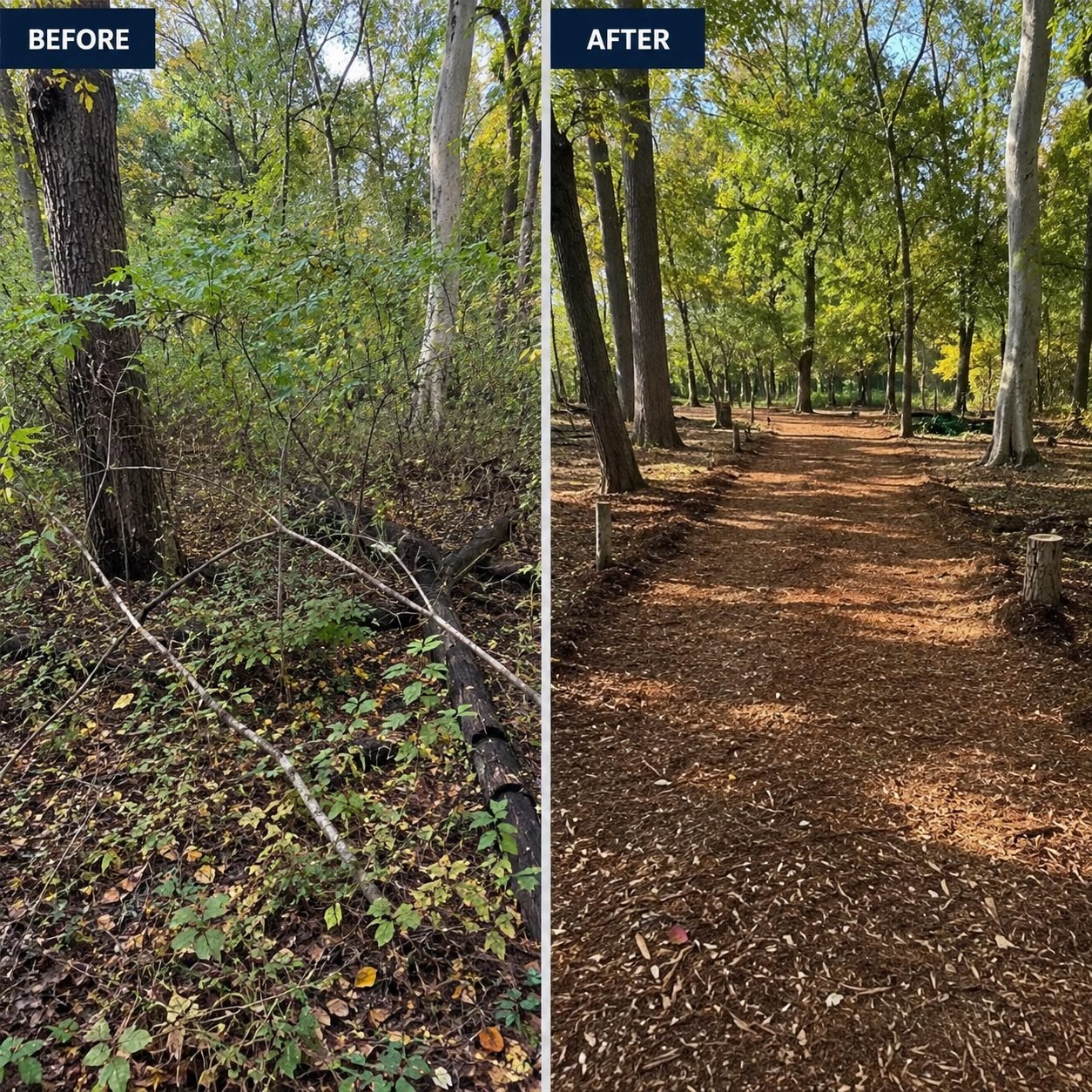
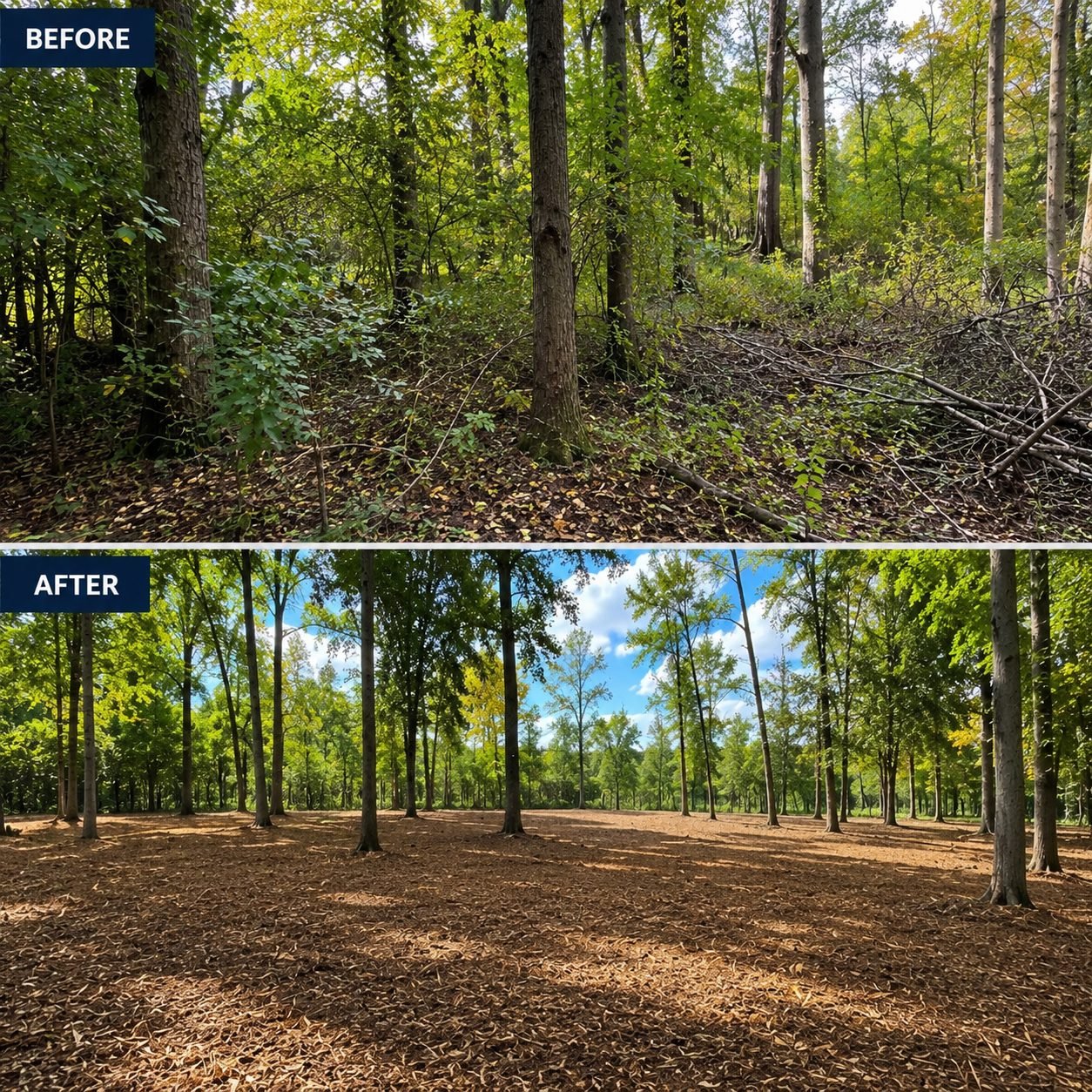
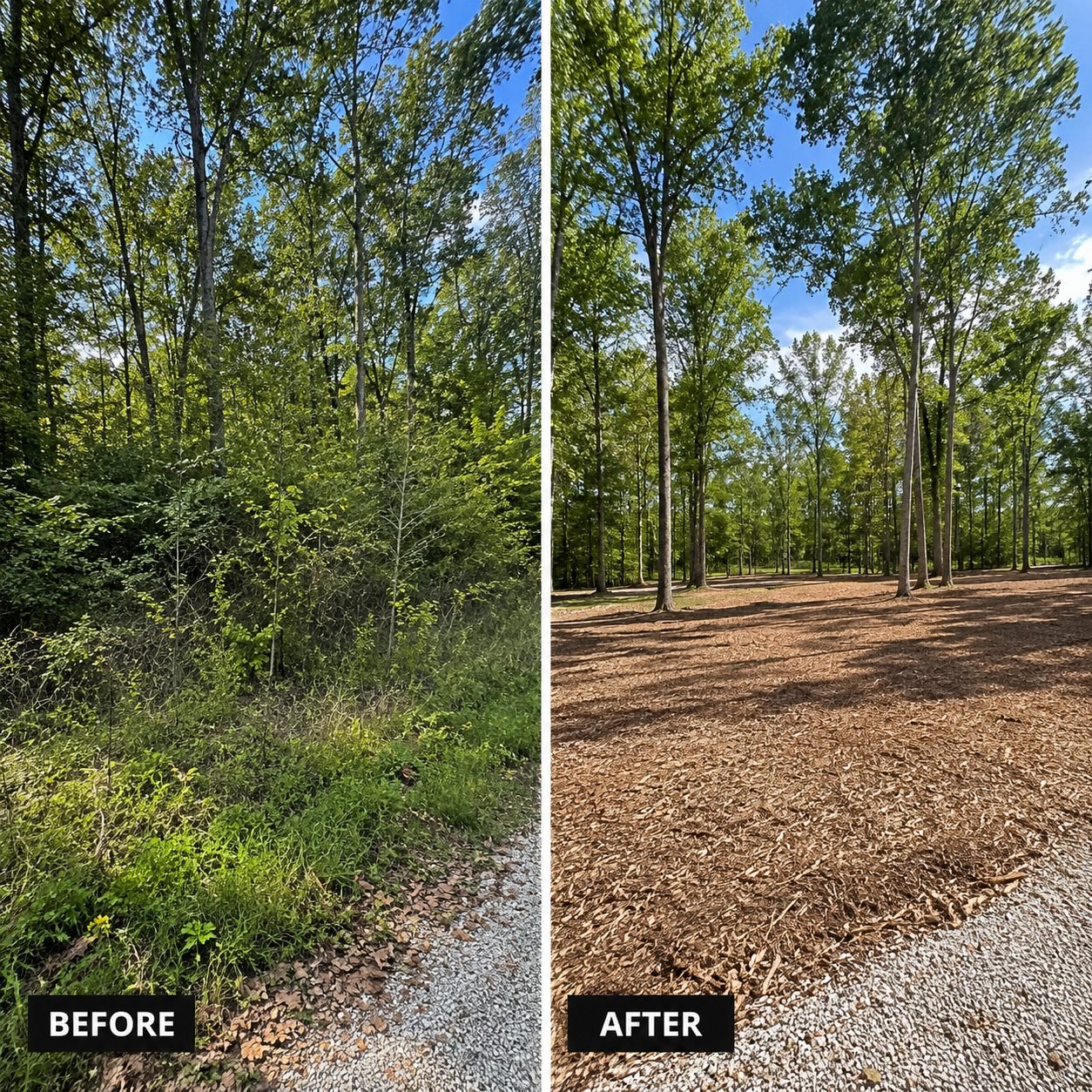
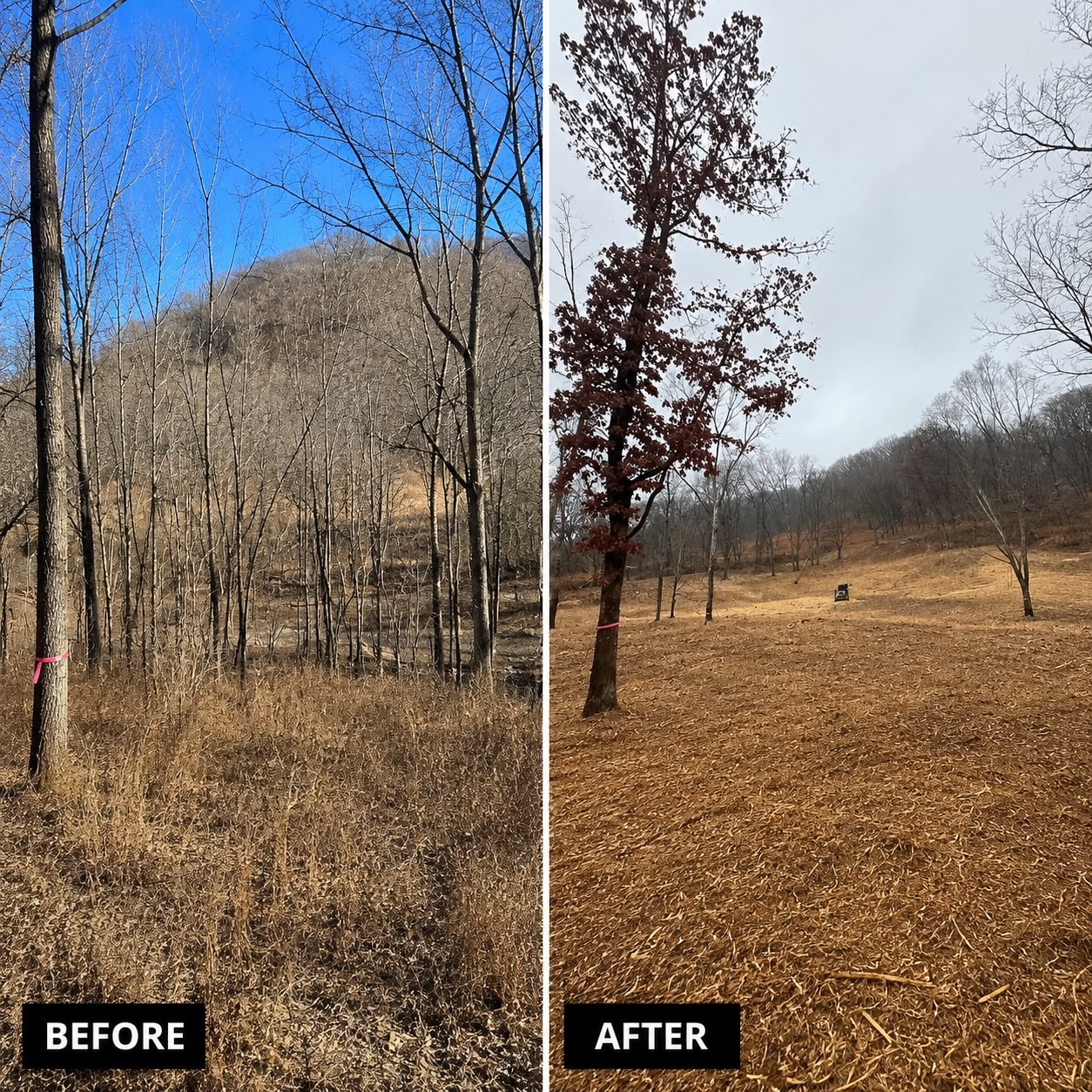
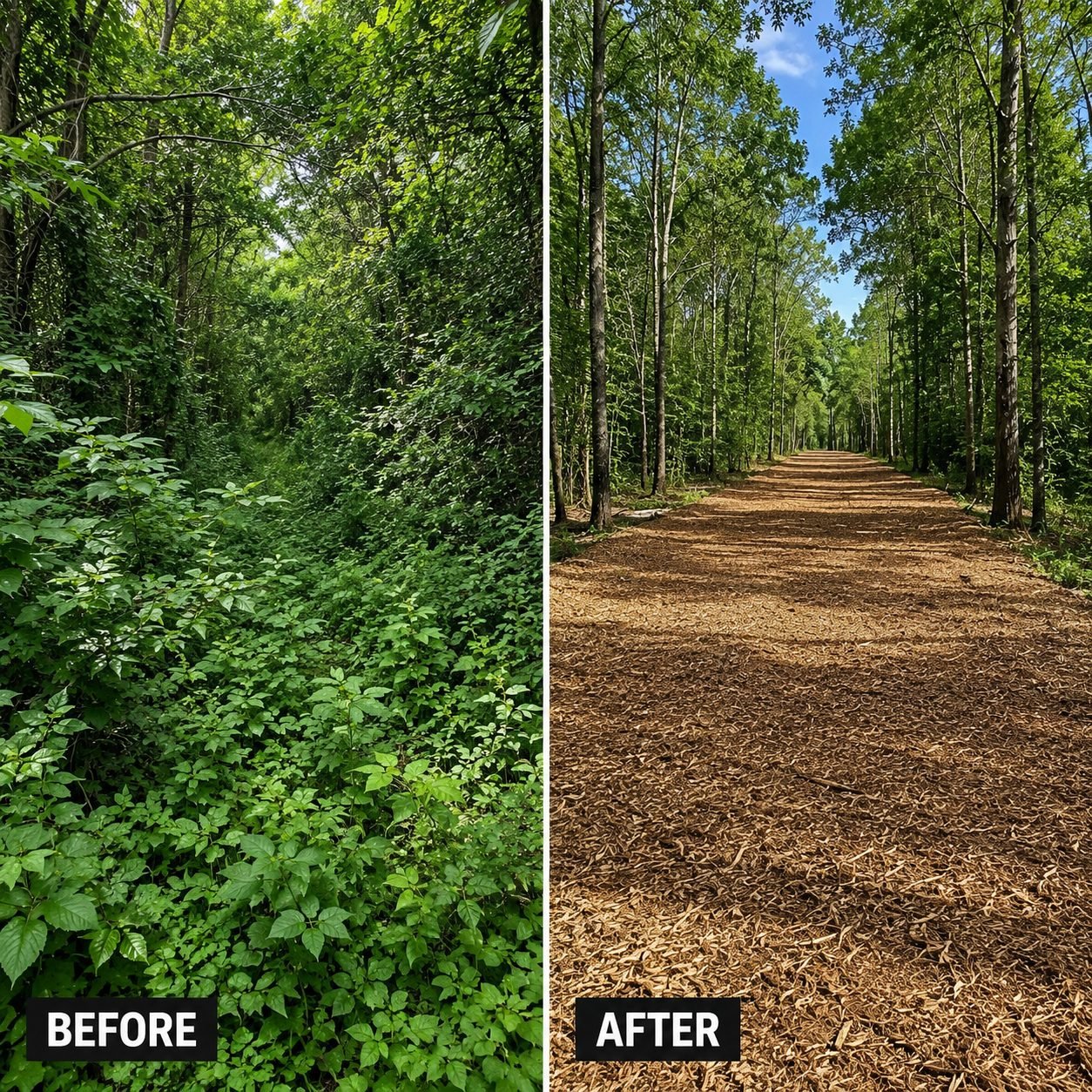
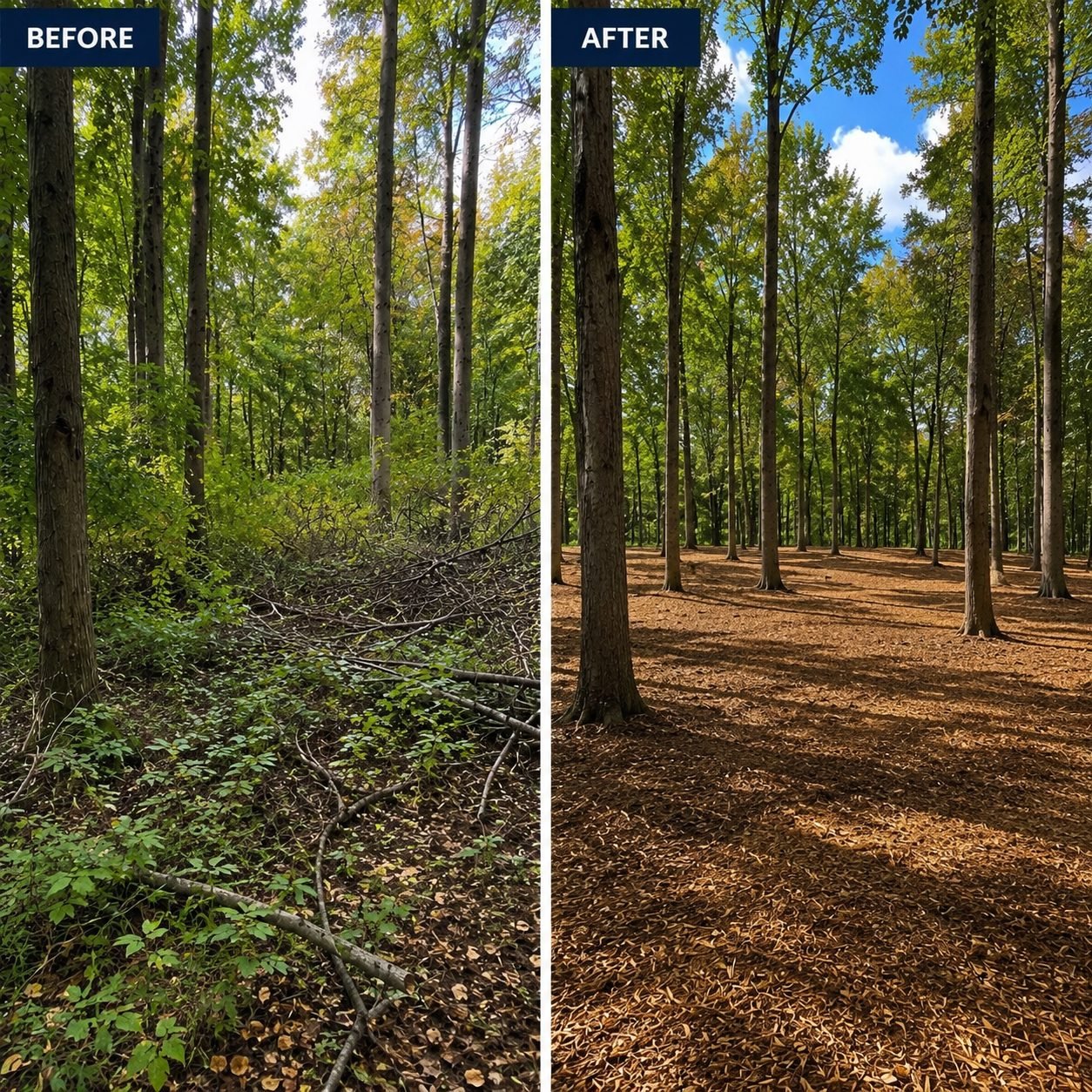
In Lithopolis, before-and-after food plot clearing should show a practical change: brushy former farmland or village-edge growth turned into a clean, plantable opening with usable access. Fortress aims for a finished look that fits the village’s rural character, not an overworked site that loses too much cover or stability.
Frequently asked questions
Fortress usually responds within 2 to 3 hours during business hours and can often set a same-week walk-through in Lithopolis. That matters when you are trying to line up a deer food plot before planting time. The quote is flat-rate after the crew sees the site, because access, slope, and stem density change the work.
Yes. Many Lithopolis jobs mix subdivision prep with rural clearing as growth spreads south from Pickerington. The crew can work around tighter lots, driveways, and nearby structures, then open just enough space for a hunting food plot. The walk-through helps Fortress choose between mulching, selective clearing, or a fuller reset.
If the project involves any digging, Ohio law requires an Ohio 811 utility locate at least 48 hours beforehand. Fortress builds that step into the schedule so the crew can work safely after lines are marked. Even when the main work is mulching, the locate is still the right move if excavators or dozers may be used.
Lithopolis sits on clay uplands with fertile valley farmland nearby, and that contrast changes how the crew stages the job. Clay can rut under heavy traffic, so Fortress may use compact track loaders to stay stable. The valley areas can support broader clearing, but the plot still needs drainage-aware shaping and sensible edge control.
The John Deere 333G compact track loaders with Diamond drum mulchers can handle stems up to 14 inches, which covers a lot of brush and sapling regrowth found around Lithopolis. If the site has larger material, the crew may switch to dozers or excavators and price the work as full clearing instead of mulching.
For Lithopolis food plot clearing, forestry mulching commonly runs about $1,850 to $3,500 per acre, while full clearing can land around $4,000 to $8,000 per acre. The real price depends on density, access, finish goals, and whether the parcel is a compact village lot or a larger former-farmland tract.
Food Plot Clearing Near Lithopolis
What Other Services Does Fortress Offer in Central Ohio?
Fortress Level Construction runs a full range of land-clearing, excavation, grading, and site-work services across Central Ohio, so one owner-operated crew can clear, grade, and prep a site end to end.
Get a Flat-Rate Quote from Lee Carson
Owner-operated land clearing across all five Central Ohio counties. Send your property details and Lee gets back to you within 2 to 3 hours during business hours with one flat number after a free on-site walk-through.