
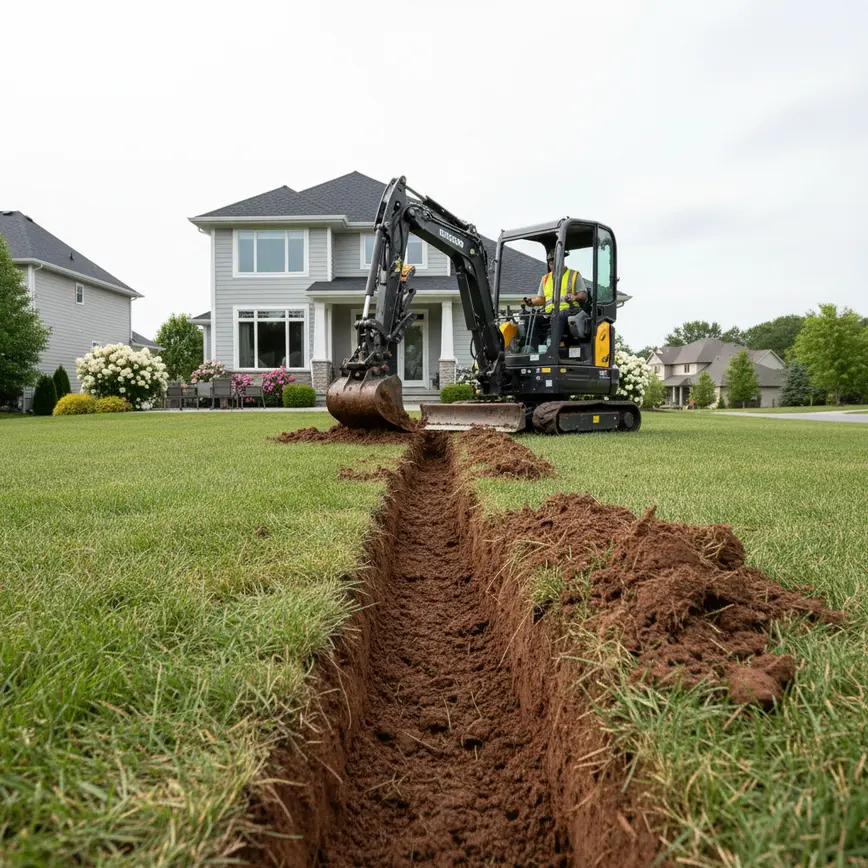

Trenching in Baltimore, Ohio means working through the steep Appalachian foothills and Coshocton silt loam soils, with frequent sandstone outcrops and erosion risk. Fortress Level Construction, led by Mr. Carson since 2009, handles complex trenching with the right equipment for the local terrain. Call (844) 656-0129 for a Baltimore site evaluation.
Trenching in Baltimore, Ohio
Trenching in Baltimore, Ohio, requires a precise understanding of the area’s variable slopes and Coshocton silt loam soils. The proximity to the Hocking River headwaters and the prevalence of steep grades make trenching work here more complex than much of Central Ohio. Erosion and runoff control are standard concerns, especially when navigating sandstone outcrops that can slow excavation and increase the need for specialized equipment. Every trench in Baltimore must account for these local soil conditions to ensure long-term stability and drainage performance.
Baltimore’s location in the Appalachian foothills means trenching projects often deal with sudden grade changes. Getting through the hard sandstone layers found in parts of Fairfield County demands high-torque trenchers and sometimes rock saws. Permitting with the Fairfield County Regional Planning office is a must before breaking ground, especially for utility trenching or drainage lines that cross sensitive erosion-prone zones. Mr. Carson and Fortress Level Construction have extensive experience planning and executing trenching that stands up to the local challenges.
In and around Baltimore, shallow groundwater and the silt loam’s water retention mean that proper bedding material and backfill techniques are not optional—they are required to avoid settling and pipe damage later. Fortress Level Construction uses tracked excavators to minimize turf disturbance on slopes, and always considers runoff paths to reduce post-project erosion. Whether it’s for water lines, drainage, or conduit, trenching in Baltimore demands real expertise with the land and soil.
Key Numbers at a Glance
Nearby Cities and Trenching Service Comparison
Compare trenching conditions and permit requirements in Baltimore and surrounding Fairfield County areas.
| Service | Population | Terrain | Soil Type | Permit Authority | Common Projects |
|---|---|---|---|---|---|
| Baltimore | 2,877 | Steep grades, Appalachian foothills | Coshocton silt loam, sandstone | Fairfield County Regional Planning | Trenching utility lines on hillsides, erosion control needed |
| Pickerington | 23,094 | Gentle rolling, urban fringe | Miamian silt loam | Fairfield County Building Dept. | Suburban trenching for water/sewer near clay pockets |
| Carroll | 524 | Valley flats, minor slopes | Cardington silt loam | Fairfield County Regional Planning | Trenching for drainage in low-lying fields |
| Lancaster | 40,505 | Urban, moderate hills | Rossmoyne silt loam | Lancaster City Engineering | Street utility trenching, traffic management required |
Trenching Services in Baltimore, Ohio
Utility Line Trenching
In Baltimore, utility line trenching often means navigating both the steep hillsides and the Coshocton silt loam, with sandstone layers that can surprise you mid-dig. Mr. Carson’s crew uses excavators with rock buckets and compact trenchers to cut clean, stable trenches for water, electrical, or gas lines. Our approach is tailored for Baltimore’s erodible slopes, minimizing disturbance and ensuring proper bedding so pipes stay protected from shifting soils and runoff.
Drainage and Stormwater Trenching
With the Hocking River headwaters nearby and high rainfall, Baltimore properties are prone to water pooling and erosion. Trenching for French drains and stormwater lines in this area means dealing with silt loam that holds water and steep grades that accelerate runoff. Fortress Level Construction plans trench depth and slope for optimal drainage, installing geotextile and gravel where needed to prevent future washouts and protect property foundations.
Foundation and Footing Trenching
Foundation trenching in Baltimore isn’t a simple task due to frequent grade changes and the presence of sandstone outcrops. Mr. Carson’s team uses laser levels and tracked mini-excavators to maintain proper depth and alignment, even on sloped lots. Attention to soil compaction and drainage is critical here, since Coshocton silt loam can shift when wet, risking structural problems if not handled correctly.
Trenching for Conduit and Fiber Optic Lines
Installing conduit or fiber in Baltimore means careful trench planning to avoid local rock layers and ensure stable backfill despite the area’s silt-heavy soils. Fortress Level Construction routinely works with telecom and contractors, providing precise trenching that meets utility specs and local permit requirements. We use narrow trencher attachments to reduce disruption and restore the site quickly, even in tight or uneven terrain.
“We needed a trench for a new water line on our sloped property just outside Baltimore. Fortress Level Construction handled the steep grade and rocky spots without any delays. The trench was clean, and they took time to prevent runoff issues. Would definitely recommend them for tricky sites in Fairfield County.”
Trenching Project Gallery — Baltimore, Ohio
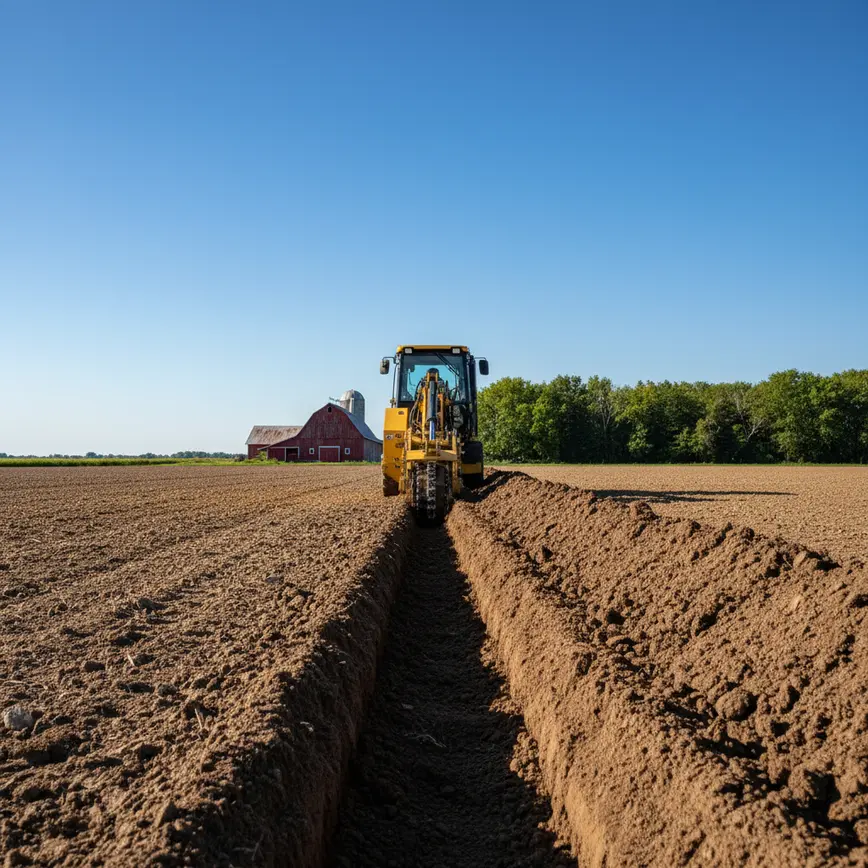
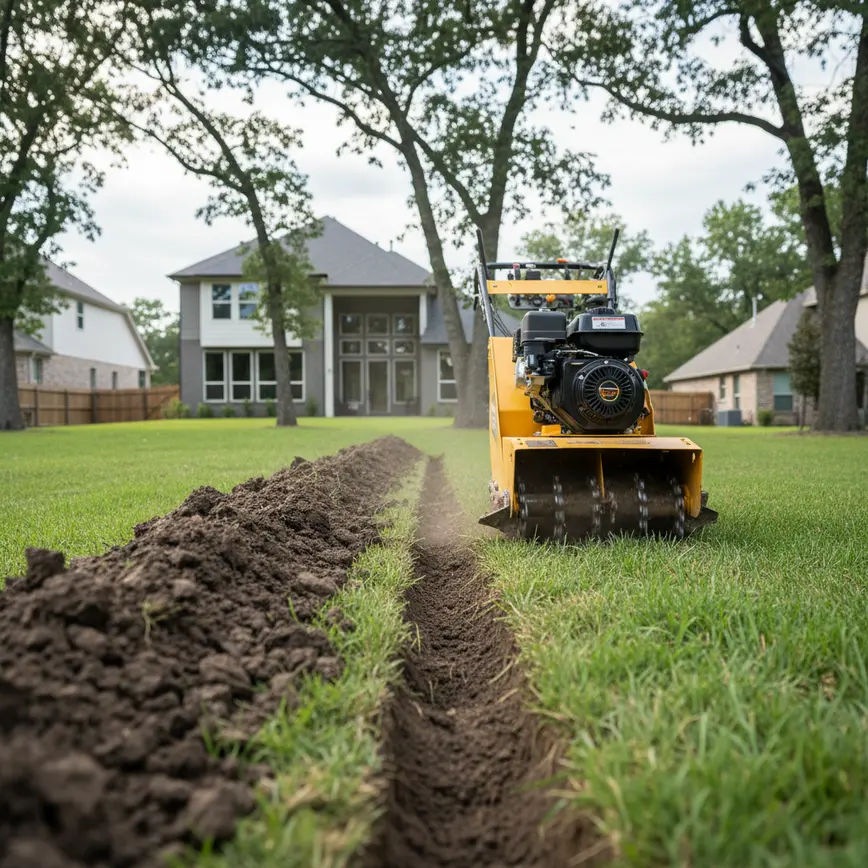
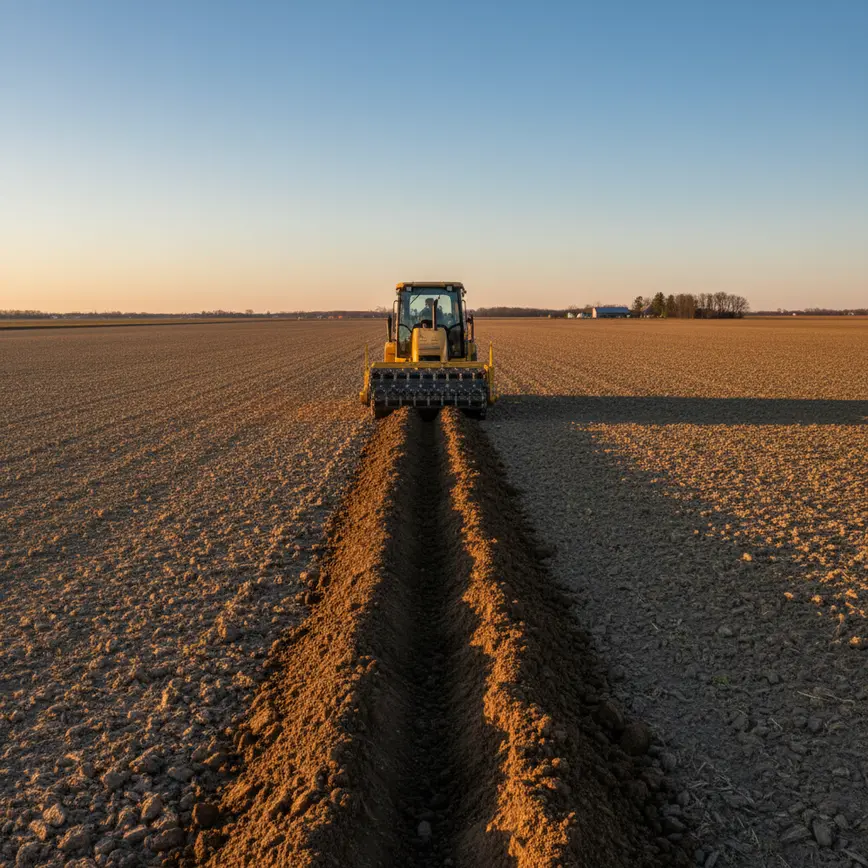
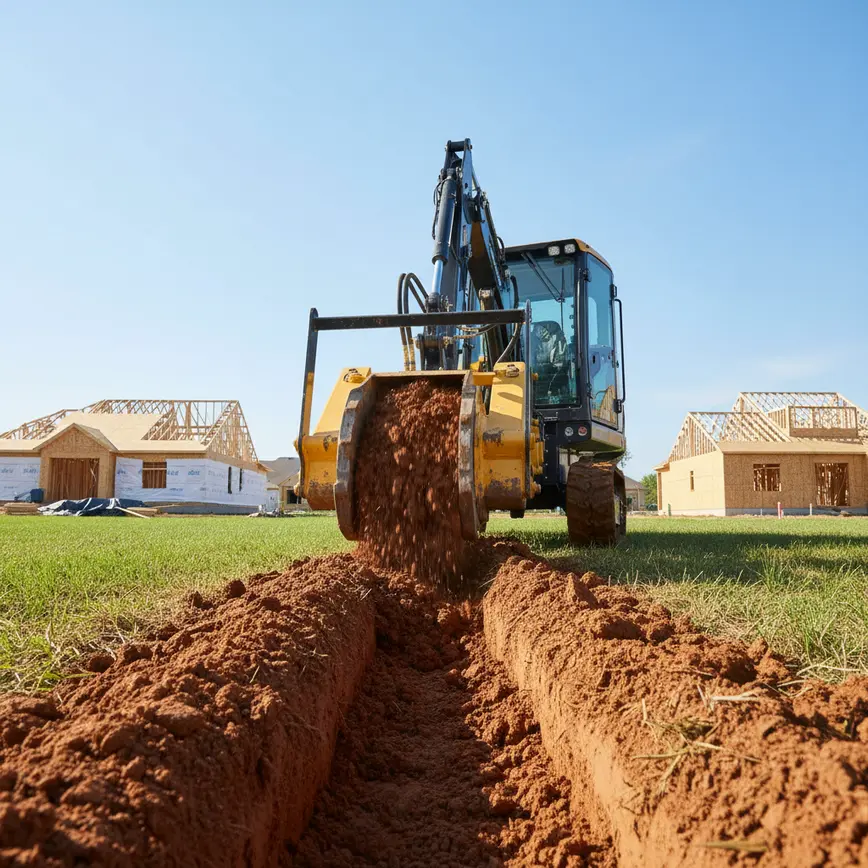
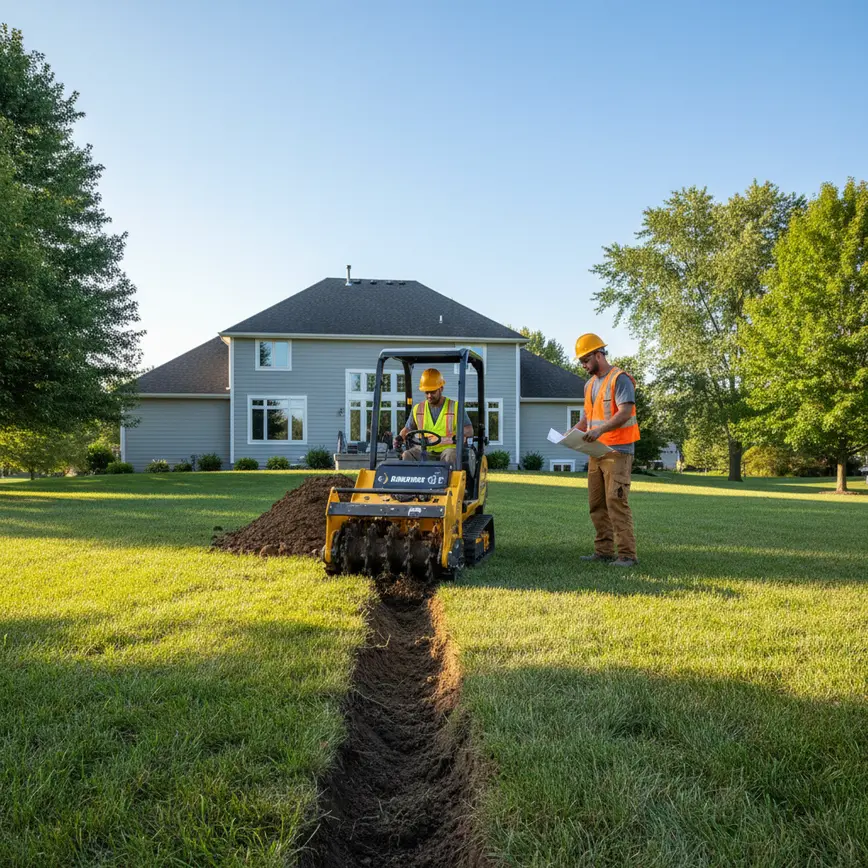
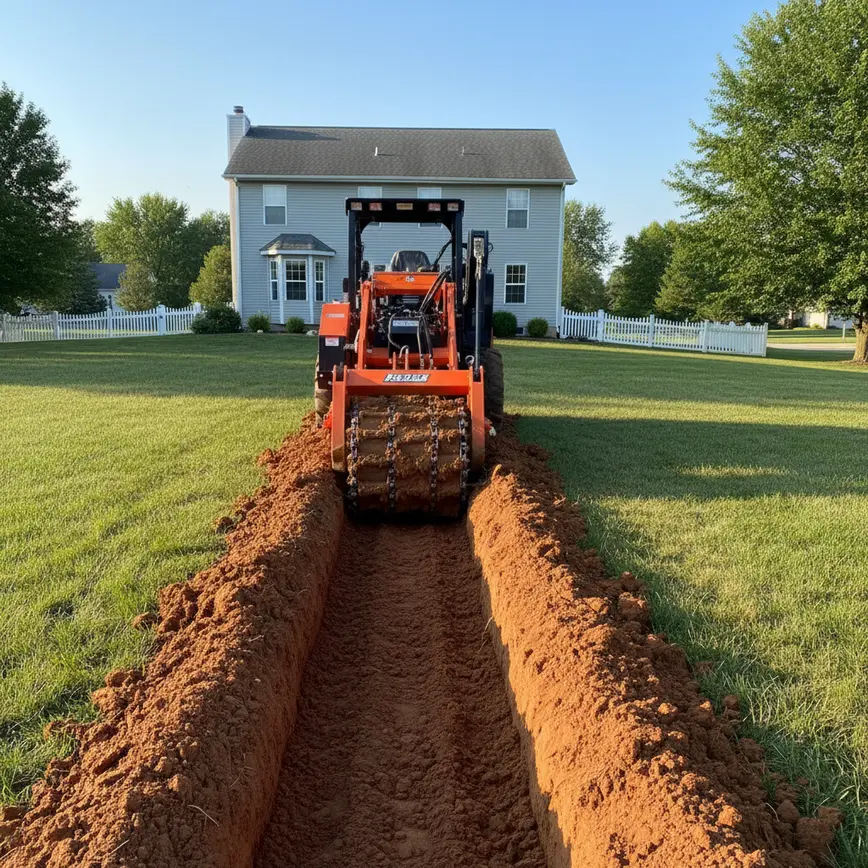
Mr. Carson walks every property personally. Estimates are written, site-specific, and include all permitting — no hidden costs anywhere in our service area.
Our Baltimore Trenching Process
Site Evaluation and Planning
Every Baltimore trenching job starts with a detailed site walk. Mr. Carson checks for grade changes, silt loam moisture, and any visible sandstone outcrops that could slow digging. We consult Fairfield County Regional Planning for permit needs, and flag all existing utilities before any equipment rolls onto your property.
Marking and Permitting
We mark the trench path in accordance with your project requirements and local code. Permit applications are filed with the Fairfield County Regional Planning office, ensuring compliance with erosion and stormwater rules, especially given Baltimore’s risk of runoff and hillside instability.
Trenching and Excavation
Using the right trencher or excavator for Baltimore’s mix of soft silt loam and occasional sandstone, we dig to the specified depth and width. If trenching on a slope, we use tracked machines to reduce ground disturbance and manage spoil piles to avoid erosion issues during wet weather.
Backfilling and Site Restoration
After utilities or drains are installed, we backfill in layers, compacting as we go to prevent future settling in Baltimore’s moist soils. We restore grade and spread grass seed or straw as needed to protect against erosion, especially on hillsides or near waterways.
Trenching Equipment for Baltimore Terrain
Tracked Mini-Excavator
8-ton, zero tail swing, 24-inch bucket — Handles steep slopes and tight spots in Baltimore properties, minimizing ground disturbance on silt loam.
Ride-On Trencher
Toro RT1200, 6-foot depth, rock chain — Cuts through Coshocton silt loam and sandstone outcrops found in Baltimore’s hills.
Laser Level System
Topcon RL-H5A, ±1/16" accuracy — Ensures trench grades meet drainage specs on Baltimore’s variable terrain.
Plate Compactor
Wacker Neuson, 3,500 lb centrifugal force — Compacts backfill in silt loam to prevent trench settling and erosion.
Serving Baltimore and Nearby Fairfield County Cities
ColumbusWestervilleDublinHilliardGrove CityGahannaUpper ArlingtonReynoldsburgWhitehallWorthingtonBexleyGrandview HeightsNew AlbanyGroveportDelawarePowellLewis CenterSunburyGalenaWesterville NorthOrange TownshipOstranderNewarkHeathPataskalaGranvilleJohnstownHebronBuckeye LakeEtna
Frequently Asked Questions
The steep grades in Baltimore require specialized equipment and careful planning to prevent sidewall collapse and manage runoff. Tracked excavators are used to maintain stability, and extra care is taken with backfill and compaction on slopes to avoid erosion or future trench settling.
Most trenching projects in Baltimore require permits from the Fairfield County Regional Planning office. Utility trenching, drainage lines, and anything near roadways or waterways must be reviewed for erosion control and local codes. Fortress Level Construction handles all paperwork and inspections for you.
Coshocton silt loam holds moisture and can shift when wet, increasing the risk of trench wall collapse or settling. We use bedding material and compact backfill in layers to protect pipes and prevent future ground movement. Working in this soil requires experience and the right approach.
Sandstone outcrops can slow excavation and may require a trencher with a rock chain or a breaker attachment. These layers are common in the Baltimore area, so we select equipment and plan for extra digging time when needed to keep the project on schedule.
Yes, Fortress Level Construction regularly trenches on residential slopes in Baltimore. We use tracked machines for stability and follow best practices for erosion control, including silt fences and immediate seeding of disturbed areas to comply with county requirements.
We restore grade, compact all backfill, and use straw or seed to stabilize soil on disturbed slopes. On steeper sites, we may install silt fences or erosion blankets. These measures are especially important in Baltimore, where heavy rain can quickly wash unprotected soil downhill.
Related Services in Central Ohio
Demolition BaltimoreStump Grinding BaltimoreErosion Control BaltimoreFrench Drain Installation Baltimore
Get a Baltimore Trenching Quote
Call Fortress Level Construction at (844) 656-0129 for a trenching assessment tailored to Baltimore’s steep terrain and silt loam soils. Mr. Carson is ready to review your site and provide a clear, local plan.