
What Is Brush Clearing? How It Prepares Your Ohio Property for Safer, Smarter Use
Brush clearing is the removal of overgrown vegetation, saplings, vines, undergrowth, and light woody debris to make land safer, more usable, and easier to maintain. It can be done by hand, with machines, or through brush hog clearing, depending on density, terrain, and the end use of the property.
The Quick Answer
- Brush clearing removes unmanaged vegetation so a site becomes safer, more functional, and easier to maintain.
- It is different from full land clearing because it often targets surface growth, saplings, and light woody material rather than large tree removal.
- Common methods include hand clearing, mowing, brush hog clearing, forestry mulching, and full mechanical clearing with haul-off.
- The right method depends on density, access, slope, soil, and what you plan to do with the land next.
- Costs are driven by acreage, thickness of vegetation, stumps, terrain, disposal, and how much finish work is needed.
- Central Ohio clay soil can make wet-site work slower and more disruptive, which affects timing and method choice.
- Ohio 811 locate requirements matter any time digging, grading, stump work, or excavation could disturb buried utilities.
- A qualified contractor should explain scope, equipment, disposal, permits, and protection of trees, drains, and structures before starting.
Related Questions People Ask Next
Brush clearing is used to open up land that has become overgrown with weeds, vines, saplings, thorny growth, and other light vegetation. Property owners use it to improve access, reduce fire and pest concerns, reclaim fence lines, prepare for grading or building, and make a lot easier to maintain long term. It is often the first step before more detailed land improvement work.
Not always. Brush clearing usually focuses on lower-density vegetation such as brush, small trees, and undergrowth. Land clearing can be broader and may include large trees, stumps, roots, demolition debris, grading, and full site preparation. In practice, the terms overlap, but a contractor should define exactly what is being removed, what stays, and whether material will be mulched, piled, hauled off, or ground.
Brush hog clearing is a strong option when the goal is to cut down tall grass, weeds, and lighter brush on relatively accessible land. It is fast and cost-effective for maintenance-style clearing, but it is not ideal for heavy saplings, dense thickets, stumps, or uneven terrain with hidden obstacles. It works best when the site is already fairly open and the finish standard is moderate.
Yes. Brush removal is often the first step in preparing a site for grading, drainage work, excavation, or a future structure. Clearing the vegetation makes it easier to inspect slopes, identify drainage issues, find buried hazards, and complete the rough work needed for a buildable pad or access path. In clay-heavy areas like much of Central Ohio, planning the sequence matters because wet soil can become difficult to work.
If the area is small, dry, and lightly overgrown, a property owner may be able to handle some clearing by hand or with rental equipment. But once the site includes steep slopes, hidden debris, thicker woody growth, stumps, buried utilities, or a need for grading and disposal, hiring a licensed, insured crew is usually safer and more efficient. The bigger the risk, the stronger the case for a pro.
What Is Brush Clearing and What Does It Remove?
Brush clearing means removing overgrown vegetation that blocks access, visibility, drainage, or future use. It typically includes brush, vines, saplings, briars, weeds, and light woody growth. Depending on the project, it may also include brush removal, stump work, and limited surface cleanup before grading or building begins.
At its core, brush clearing is a site preparation task. The goal is not just to make land look neat, but to turn an overgrown area into a space that can be walked, inspected, maintained, built on, or restored. A good brush clearing plan identifies what will be cut, what will stay, and how the material will be handled after removal. That distinction matters because different jobs require different tools, labor, and disposal methods.
This work sits somewhere between lawn maintenance and full land clearing. Clearing brush might mean cutting back a fence line that has filled in with honeysuckle and weeds. It might mean opening a trail through thick undergrowth. It might also mean removing dense regrowth after a prior clearing job. In many cases, the task is about reclaiming land that has been sitting unused long enough to grow back into a rough, tangled cover.
In Central Ohio, brush often grows aggressively in neglected areas, especially where drainage is poor or the soil stays damp. Clay soil can hold moisture, which can speed up regrowth in some spots but also make access harder after rain. That means the best brush clearing approach is not always the fastest one. It is the one that fits the vegetation, the soil, and the outcome you actually need.
Why Does Brush Clearing Matter for Safety, Access, and Property Value?
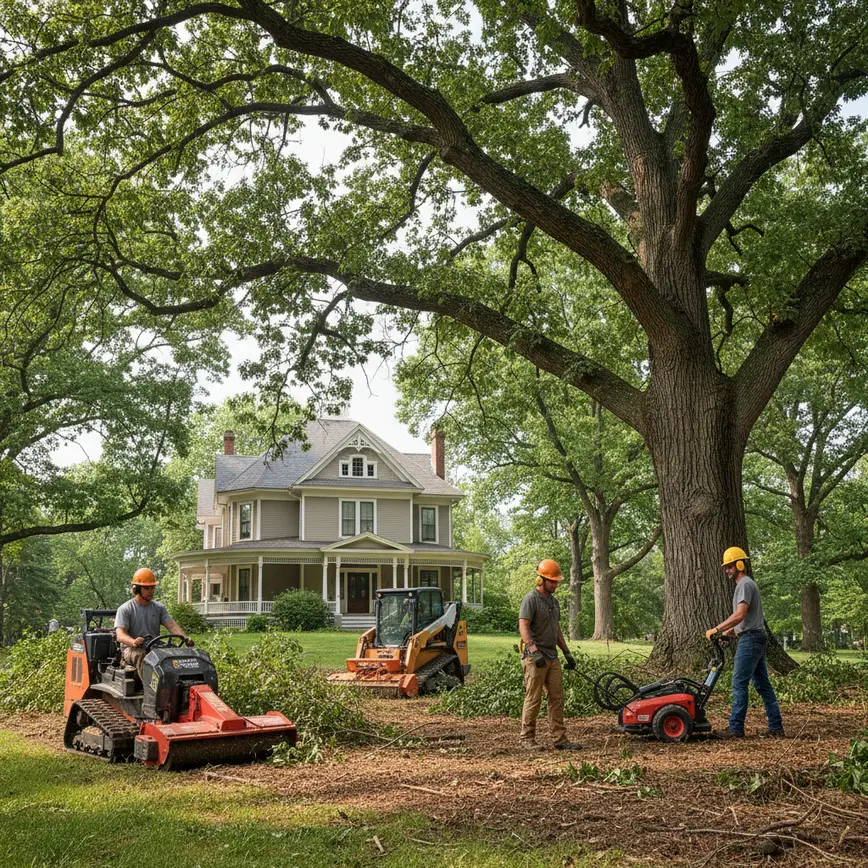
Brush clearing matters because overgrowth hides hazards, blocks access, attracts pests, and makes property harder to use. It can also reduce fire risk, improve drainage visibility, and create a cleaner starting point for construction, fencing, pasture recovery, or long-term land maintenance.
What Are the Main Brush Clearing Methods and Types?
Brush clearing can be done by hand, with mower-style equipment, with forestry mulching, or through full clearing and haul-off. The best method depends on vegetation thickness, terrain, access, desired finish, and whether you want the material removed, mulched in place, or left for follow-up work.
How Does the Brush Clearing Process Work Step by Step?
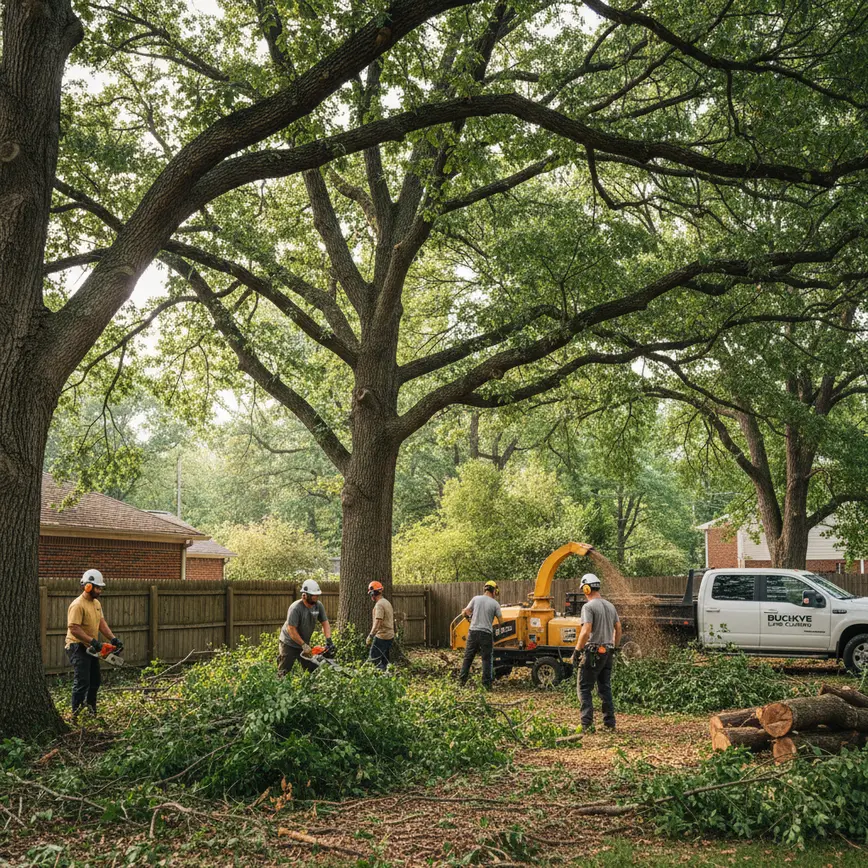
A proper brush clearing job starts with a site assessment, then utility checks, method selection, clearing, cleanup, and final walkthrough. Good planning reduces damage, controls cost, and helps the crew match the work to the land instead of forcing the land to fit the machine.
What Factors Affect Brush Clearing Cost?
Brush clearing cost depends on acreage, density, terrain, access, disposal, and whether the job is simple mowing or more involved land clearing. Forestry mulching often costs less than full clearing, while stump work, grading, and hauling off debris can raise the total quickly.
What Equipment Is Used for Brush Clearing?
Brush clearing equipment ranges from hand tools to tractors, skid steers, tracked mulchers, dozers, chainsaws, and stump grinders. The right machine depends on the size of the job, the density of growth, and whether the crew needs to cut, mulch, haul, or prepare the site for the next phase.
Should You DIY Brush Clearing or Hire Brush Clearing Services?
DIY brush clearing can work for small, light, low-risk areas, but professional brush clearing services are usually better for dense growth, steep terrain, buried utilities, stumps, or sites that need grading and a clean finish. The right choice depends on risk, time, and equipment access.
What Permits, Regulations, and Ohio 811 Rules Apply to Brush Clearing?
Brush clearing can trigger permit and utility requirements when it involves grading, excavation, stump work, drainage, or any ground disturbance. In Ohio, ORC 3781.28 requires an Ohio 811 locate at least 48 hours before digging, and local permit rules can vary by city, township, and county.
How Do You Choose the Right Contractor for Brush Clearing?
Choose a brush clearing contractor who is licensed, insured, clear about scope, and honest about methods, costs, and risks. The best companies explain whether the job needs hand clearing, brush hog clearing, forestry mulching, or a broader land clearing plan with cleanup and finish work.
Start with credentials and clarity. A legitimate contractor should be able to explain exactly what their brush clearing services include, what equipment they will use, and how they will protect the property. Ask whether they are licensed and insured, how they handle utility locates, and whether they have experience with the kind of site you have. A crew that works in land services every day will usually ask better questions than someone simply offering to cut brush cheap.
Also look for scope honesty. Good contractors do not overpromise. If your property needs only brush removal, they should not push full clearing. If the site actually needs grading, stump grinding, or excavation, they should say so and explain why. In Central Ohio, that can include talking about soil conditions, drainage, and access challenges. If the contractor skips those details and focuses only on price, you may not get the result you need.
Fortress Level Construction is a licensed, insured Central Ohio land-services company founded by Lee Carson, a combat veteran, and serving since 2009 with a real crew. That kind of background matters because brush clearing is not just cutting vegetation. It is a site-readiness decision. The contractor should understand what comes before and after the clearing, from utility checks to grading, so your property is handled correctly the first time.
How Do Brush Clearing Methods Compare by Use, Speed, and Finish?
This comparison helps you choose the right brush clearing method based on the site, the vegetation, and the outcome you need. The best method is not always the cheapest one upfront. It is the one that clears the property safely, matches the terrain, and avoids unnecessary damage or rework later.
| Method | Best use | Typical speed | Best finish |
|---|---|---|---|
| Hand clearing | Small areas, selective work, sensitive edges, around fences or trees | Slow | Most precise, least disturbance |
| Brush hog clearing | Open fields, tall grass, light brush, maintenance-style passes | Fast | Functional, rough cut |
| Forestry mulching | Dense brush, saplings, access roads, natural-looking finish | Moderate to fast | Clean with mulch left in place |
| Full clearing | Build sites, heavy growth, stumps, haul-off, prep for grading | Slower than mulching | Most complete site prep |
| Selective brush removal | Preserving desirable trees or features while removing problem growth | Moderate | Targeted, controlled |
| DIY clearing | Very small, low-risk projects with simple access | Variable | Depends on tools and experience |
When Is Brush Clearing Not the Right First Step?
Brush clearing is effective, but it is not a cure-all. Some sites need drainage correction, tree removal, stump grinding, or grading before clearing will actually solve the problem. Other properties should not be disturbed until utility locates, permits, and erosion controls are in place.
One common mistake is assuming all overgrowth is just a brush clearing job. If the land has major stumps, unstable slopes, poor drainage, or buried debris, clearing the surface alone can leave the real problem untouched. In those cases, the work may need to be sequenced as brush removal first, then stump grinding, excavation, grading, or erosion control. Skipping those steps can create a site that looks cleaner but performs worse.
Another limitation is wet ground. Central Ohio clay can become slick, soft, and highly prone to rutting when conditions are poor. Heavy equipment on saturated ground can do more harm than good, especially if the objective is to preserve grade or avoid compaction. Sometimes the right answer is to wait for better conditions or to change the equipment and method rather than forcing the job through. Good contractors will tell you when timing matters.
Brush clearing is also not ideal when utility locations have not been confirmed or when the property has legal or environmental restrictions. If digging, stumping, or grading is involved, Ohio 811 and local requirements must be handled first. In protected areas, floodplains, or sites with drainage concerns, the clearing plan may need to change. The best contractor knows when to slow down, ask questions, and avoid creating a bigger problem than the one being solved.
What Should a Brush Clearing Project Gallery Show?
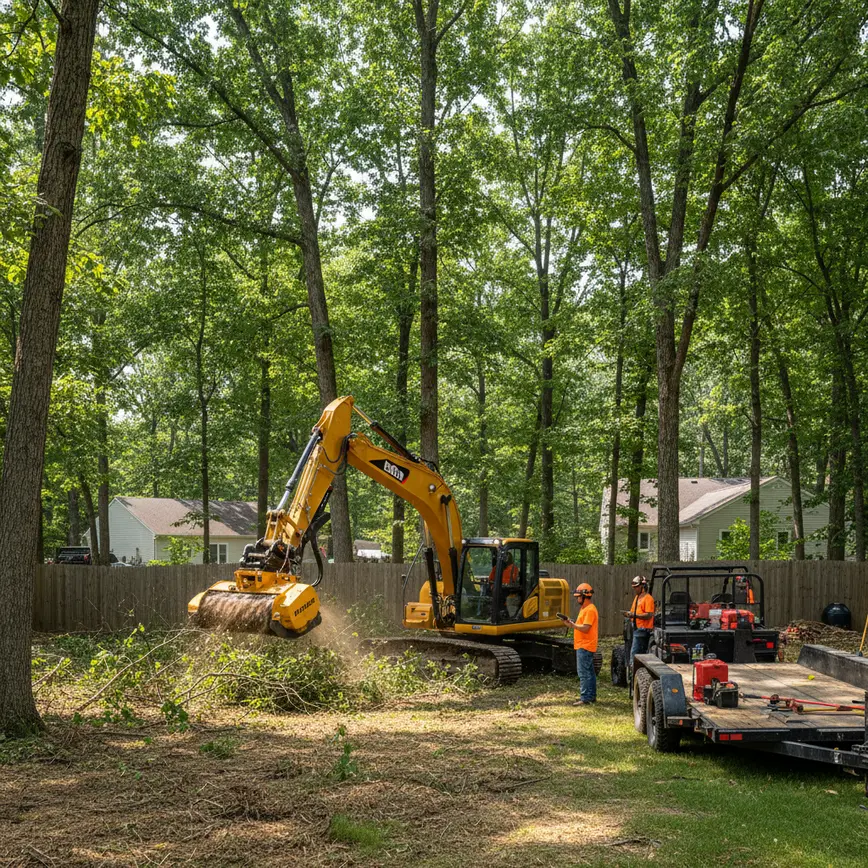
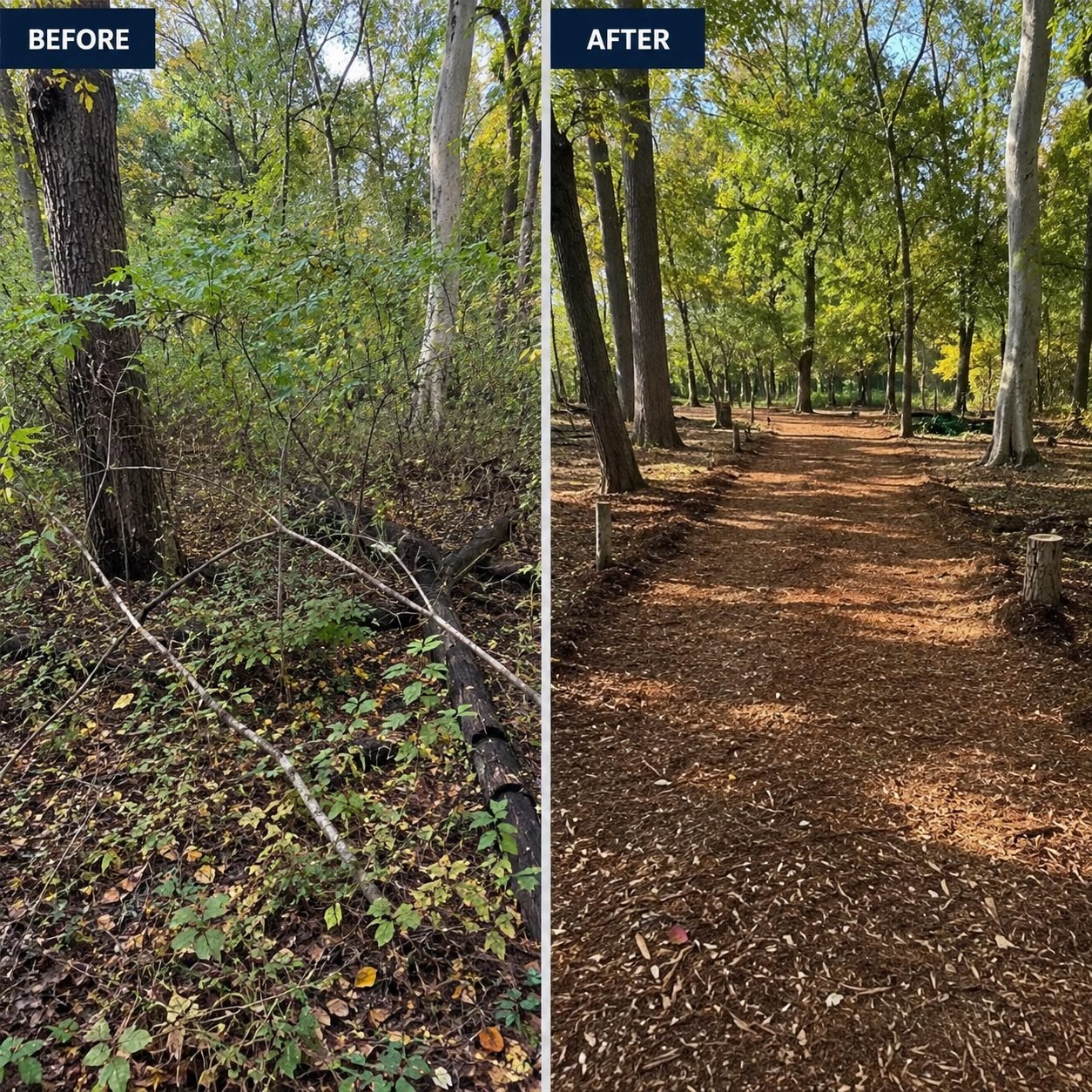
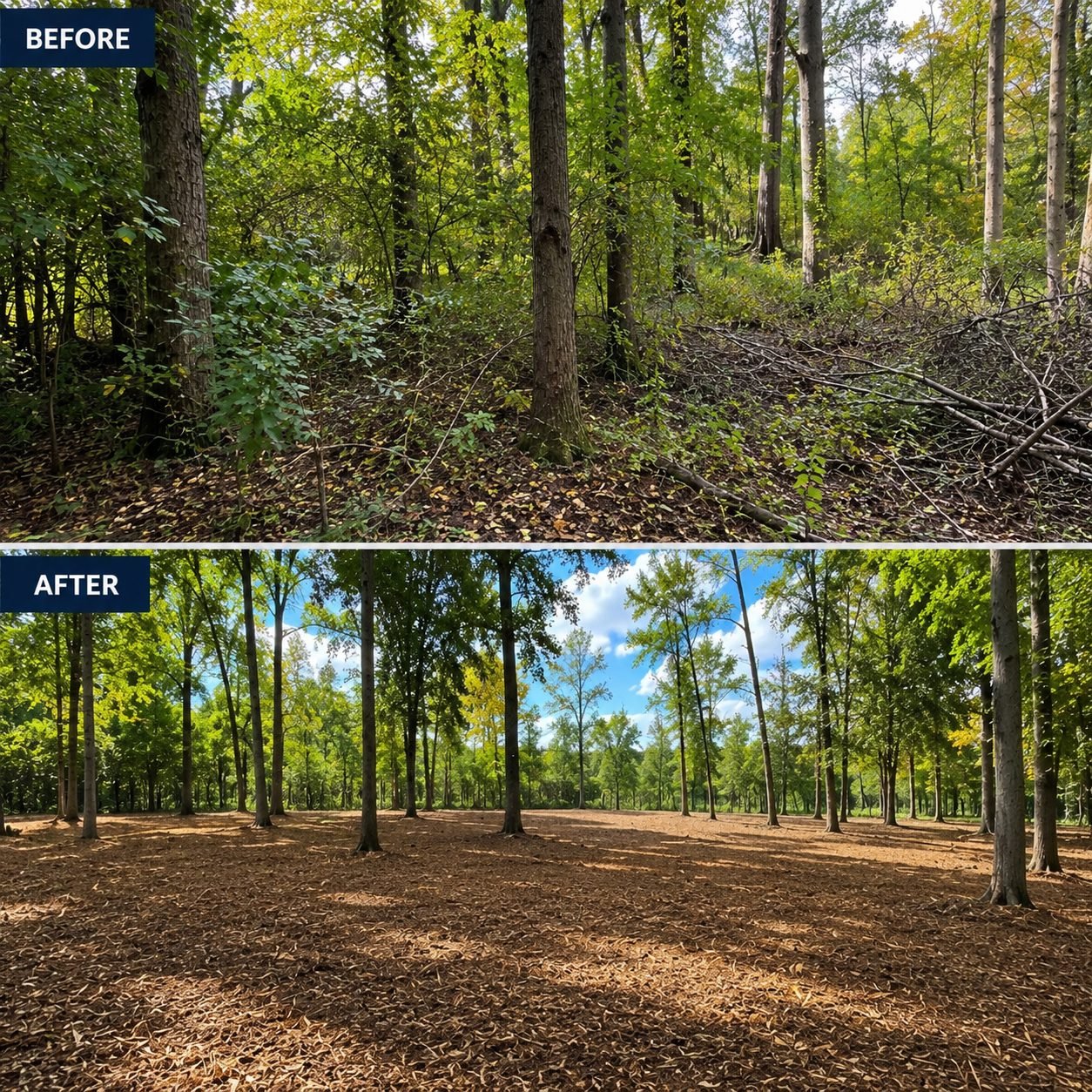
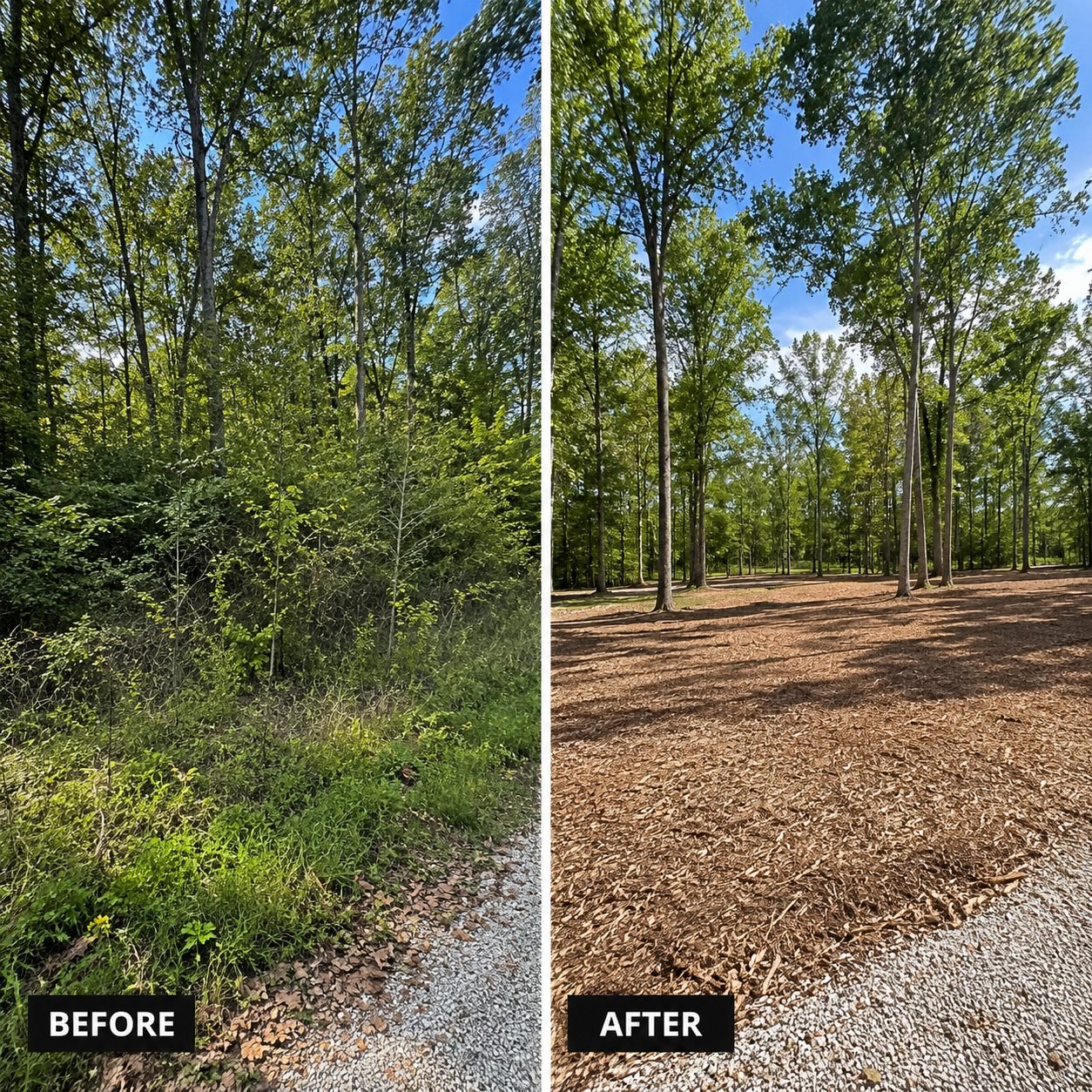
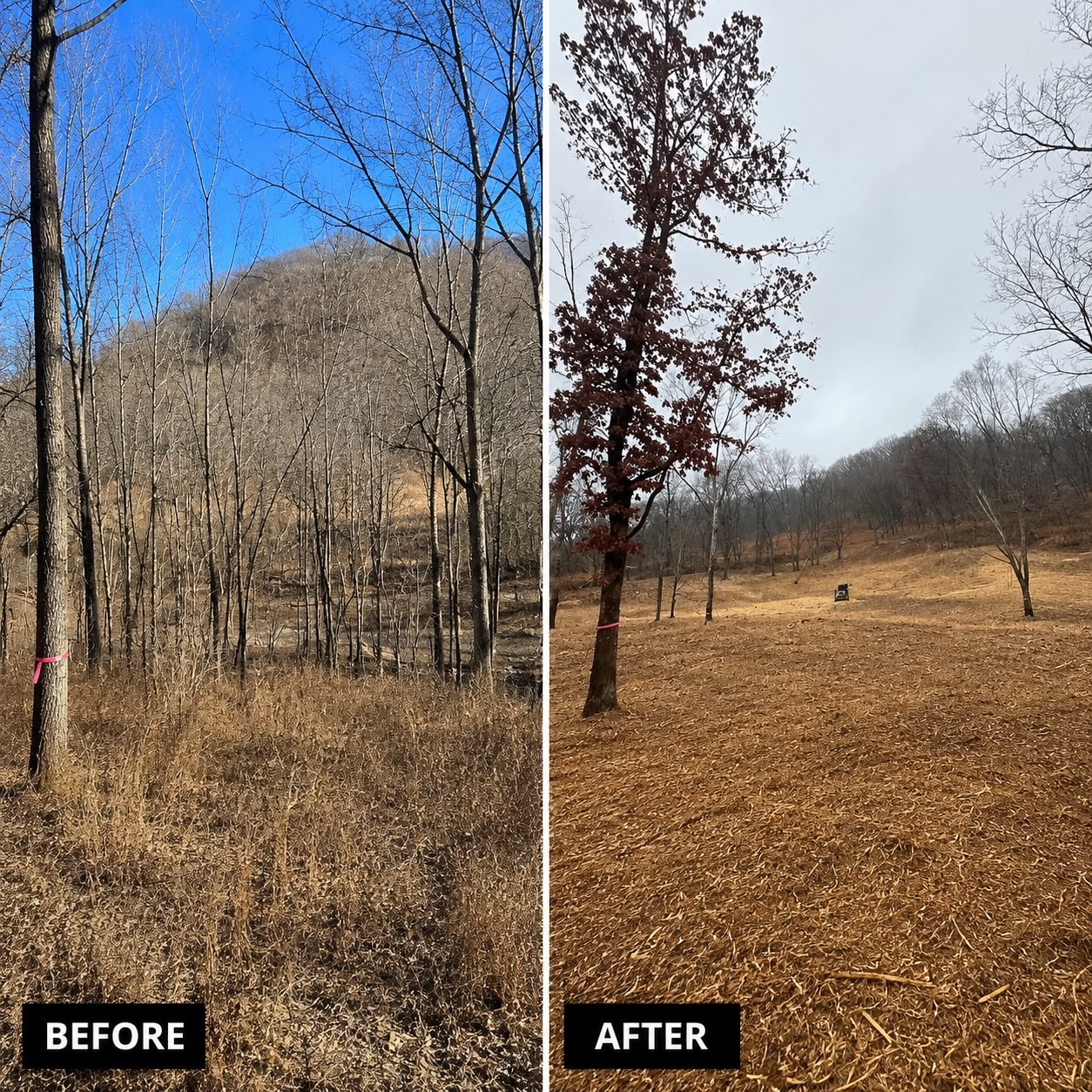
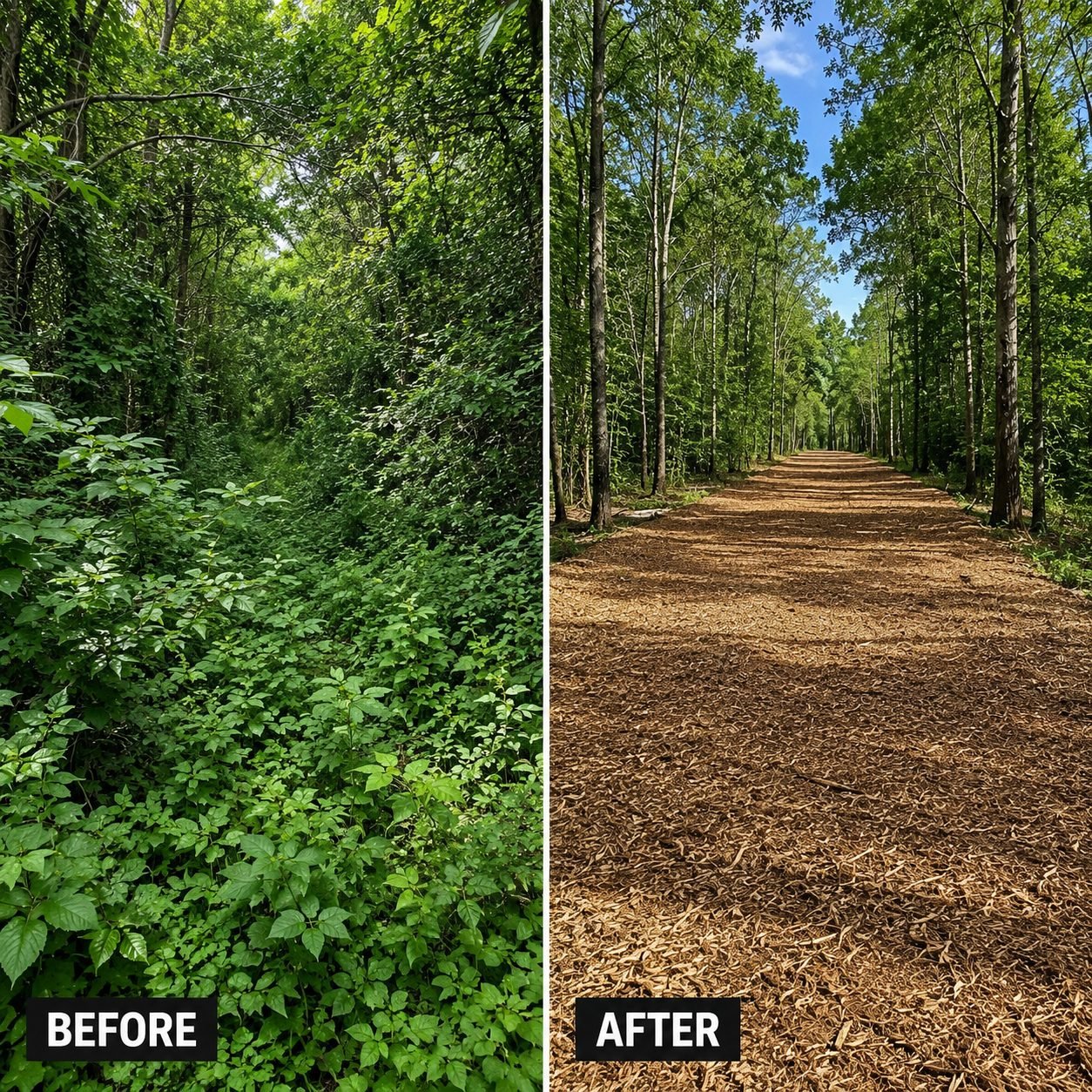
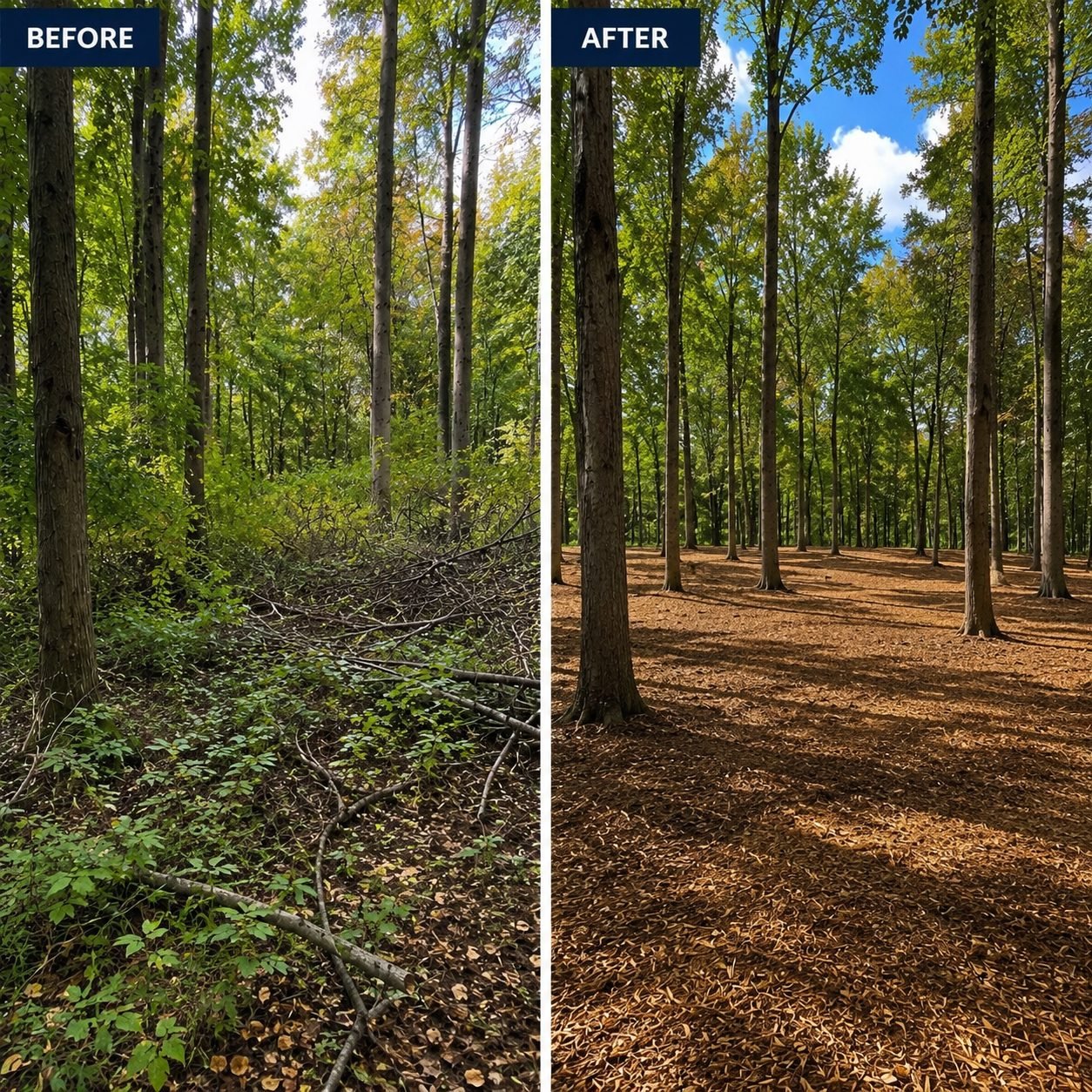
A strong project gallery should show the original overgrowth, access challenges, the equipment used, the cleared finish, and any details like preserved trees, fence lines, or drainage features. Good brush clearing photos prove that the work was thorough, controlled, and matched to the property’s end goal.
Frequently asked questions
Brush clearing usually refers to the overall process of opening up an overgrown area, while brush removal focuses more specifically on taking the vegetation off the site. Some jobs end with mulch left in place, while others involve cut, pile, and haul-off. In practice, the terms overlap, but a contractor should define exactly what is included so there is no confusion about cleanup or disposal.
It depends on the size of the area, how thick the growth is, the terrain, and whether the job includes stumps, hauling, or grading. A light maintenance project may move quickly, while dense overgrowth on rough ground takes much longer. Access is also a major factor because equipment needs room to work safely and efficiently. A site visit is the only reliable way to estimate time.
Sometimes, but not always. Brush hog clearing is best for tall grass, weeds, and light brush on relatively open ground. It is not usually the best choice for thick saplings, woody thickets, hidden debris, or areas that need a polished finish. If the vegetation is too dense or the ground is too rough, forestry mulching or full clearing may be a better fit.
Not automatically. Brush clearing may involve cutting vegetation at or near ground level, but stump grinding is usually a separate task unless it is clearly included in the scope. If stumps are part of the problem, ask whether they will be removed, ground, left flush, or worked around. That detail affects both cost and whether the property is truly ready for the next phase.
Yes, but only partially. Clearing brush can reveal low spots, swales, standing water areas, blocked ditches, and places where water is being held back by vegetation. That visibility makes it easier to plan grading or excavation. However, cutting the brush alone will not fix drainage by itself. If water is the issue, the site may need a broader drainage and grading solution.
Ask what method they recommend, what happens to the debris, whether stump work or grading is included, how they handle Ohio 811 locates, and whether they are licensed and insured. You should also ask how they protect trees, fences, and drainage features. A trustworthy contractor will explain the scope in plain language and tell you what is not included before the work starts.
No. Brush clearing is often one part of site prep, but site prep can also include demolition, excavation, grading, drainage work, and erosion control. If the goal is to make land build-ready, clearing is usually just the first step. The contractor should explain what comes before and after the clearing so the project is sequenced correctly.
Central Ohio often has clay-heavy soil that can rut, hold water, and become difficult to work when wet. That means equipment choice, timing, and access planning matter more than on drier, sandier ground. Even when the site is not Ohio-only, those local conditions are a useful example of why a good contractor looks at the soil, drainage, and end use before starting.
Brush Clearing Across Central Ohio
Fortress Level Construction handles brush clearing in every county and community across Central Ohio. See local details, drive times, and pricing for your area:
What Other Services Does Fortress Offer in Central Ohio?
Fortress Level Construction runs a full range of land-clearing, excavation, grading, and site-work services across Central Ohio, so one owner-operated crew can clear, grade, and prep a site end to end.
Get a Flat-Rate Quote from Lee Carson
Owner-operated land clearing across all five Central Ohio counties. Send your property details and Lee gets back to you within 2 to 3 hours during business hours with one flat number after a free on-site walk-through.