
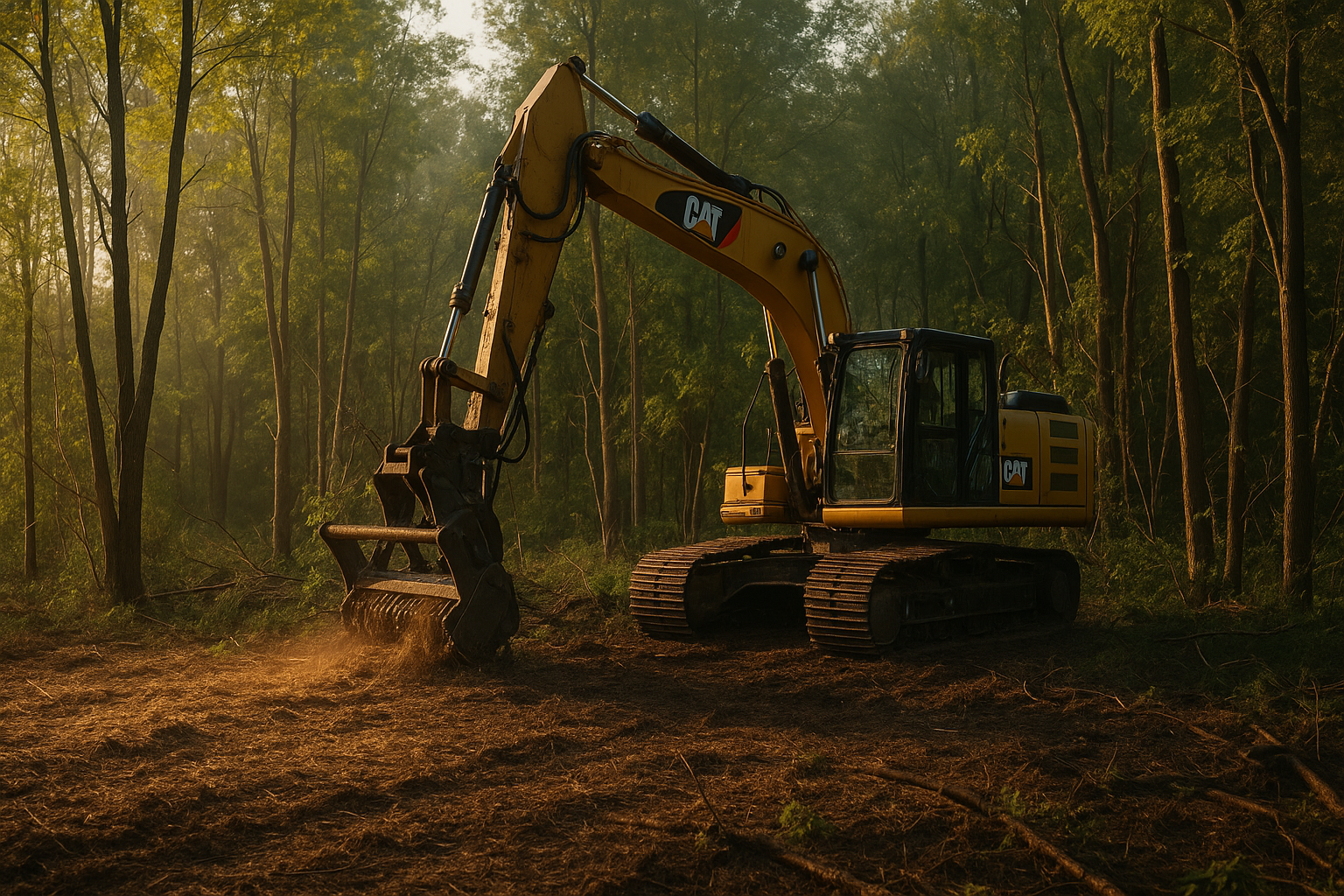

Clearing Land for a House in Ohio: What You Need to Know Before You Build
Clearing land for a house means removing trees, brush, stumps, rocks, debris, and uneven soil so a parcel is safe, buildable, and ready for excavation, utilities, and the foundation. Done correctly, it protects the schedule, controls cost, and helps the house pad clear meet code, drainage, and access needs.
The Quick Answer
- Clearing land for a house is the first major step in making a parcel build-ready, because it removes obstacles, establishes access, and prepares the site for grading, utilities, and foundation work.
- In Central Ohio, clay-heavy soil and seasonal wet conditions make drainage, erosion control, and timing just as important as cutting trees.
- Land clearing for construction is not one single service; it can include forestry mulching, full clearing, stump removal, grading, excavation, and demolition depending on the lot.
- A house pad clearing plan should match the home design, driveway route, utility layout, and finish grade before equipment ever enters the property.
- Costs are driven by acreage, density of vegetation, stump and debris volume, access, slope, soil condition, and whether the site needs grading or demolition.
- The right equipment can make or break a project, from mulchers and excavators to dozers, skid steers, stump grinders, and hauling equipment.
- DIY clearing can work for very small, simple jobs, but hidden utilities, poor drainage, and improper disposal often make professional clearing the safer and more economical choice.
- An experienced contractor will coordinate Ohio 811, review permit needs, protect the site, and sequence clearing so the build starts on a stable, compliant foundation.
Related Questions People Ask Next
If the lot has trees, dense brush, stumps, debris, uneven ground, soft spots, or no clear access for equipment, it likely needs clearing before construction starts. Even a parcel that looks open may still need house pad clearing, selective tree removal, grading, or stump grinding to meet the plan. A site walk with a contractor helps confirm what must happen before excavation.
Land clearing removes vegetation, stumps, and obstacles. Grading shapes the soil so water drains correctly and the site is level enough for the foundation, driveway, and utilities. Many projects need both. For example, clearing land to build a home in Ohio often means removing trees first, then grading after the rough site is open and the soil conditions are known.
Yes. Some projects use selective clearing, where only the building footprint, driveway corridor, utility routes, and safety buffer are opened. That approach can preserve shade, privacy, and mature trees that are healthy and outside the construction zone. It is common when the lot is large enough and the build plan allows it. The goal is buildability, not unnecessary clearing.
Clay soil holds water, compacts easily, and can become slick or unstable when disturbed. That matters because clearing land for a house is not just cutting brush. The soil has to support grading, stormwater movement, and the future foundation. In Central Ohio, a contractor has to watch moisture, rutting, and drainage very carefully so the site stays workable.
A proper site walk should identify access points, tree lines, utilities, slopes, wet areas, septic or well locations, the future house pad, haul-off needs, and any demolition or stump removal. It should also confirm whether Ohio 811 has been requested and whether local permits are needed. A good site walk prevents rework and surprise costs.
What Is Clearing Land for a House?
Clearing land for a house is the process of removing trees, brush, stumps, rocks, debris, and other obstacles so a parcel can be safely used for construction. It is more than cutting vegetation. Proper building lot clearing also supports access, drainage, grading, and the footprint for the house pad and utilities.
At the simplest level, land clearing for construction turns raw or overgrown property into a workable site. That may mean forestry mulching a wooded lot, removing large trees, grinding stumps, hauling away debris, or opening a corridor for a driveway and utility trench. Some lots need only light clearing. Others need full clearing plus grading and excavation before any foundation work can begin.
The exact scope depends on the lot and the build plan. A home site in a subdivision may only need brush cleared and a pad prepared. A rural parcel may need a full tree clearing operation, stump removal, and rough grading. In Ohio, especially around Central Ohio, clay soil and seasonal moisture can change the order of work. A smart plan starts with the finished building location, not with the biggest machine on site.
Clearing land to build is also about protecting the investment. If the site is opened poorly, the project can run into drainage problems, soft subgrade, hidden debris, unstable slopes, or damaged access routes. Those issues can delay excavation and foundation work. When done correctly, house pad clearing leaves a site that is open, compliant, and ready for the next phase of construction.
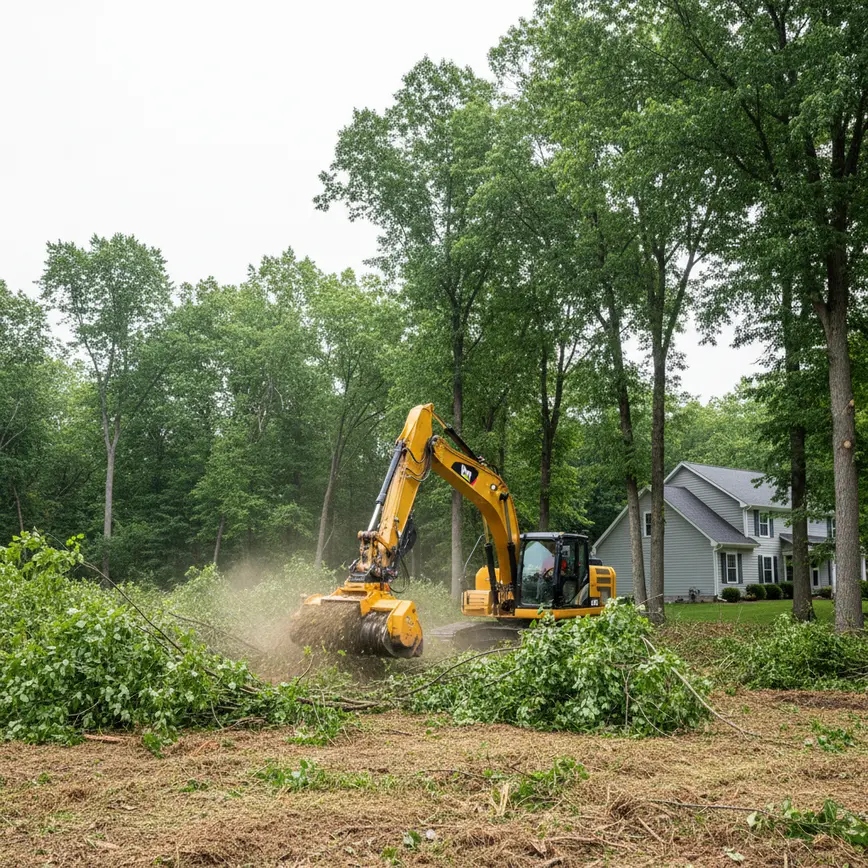
Why Does Clearing Land Matter Before Construction?
Clearing land before construction matters because the house, driveway, utilities, and drainage all depend on a stable, open site. It improves safety, reduces surprises, and helps the builder work efficiently. Good clearing also protects the future foundation from runoff, hidden roots, organic decay, and equipment access problems.
What Are the Common Methods of Land Clearing for Construction?
The main methods for land clearing for construction include forestry mulching, selective clearing, full clearing, stump removal, grading, excavation, and demolition. The right method depends on vegetation type, site access, soil conditions, and whether the goal is a minimally disturbed build pad or a fully prepared house site.
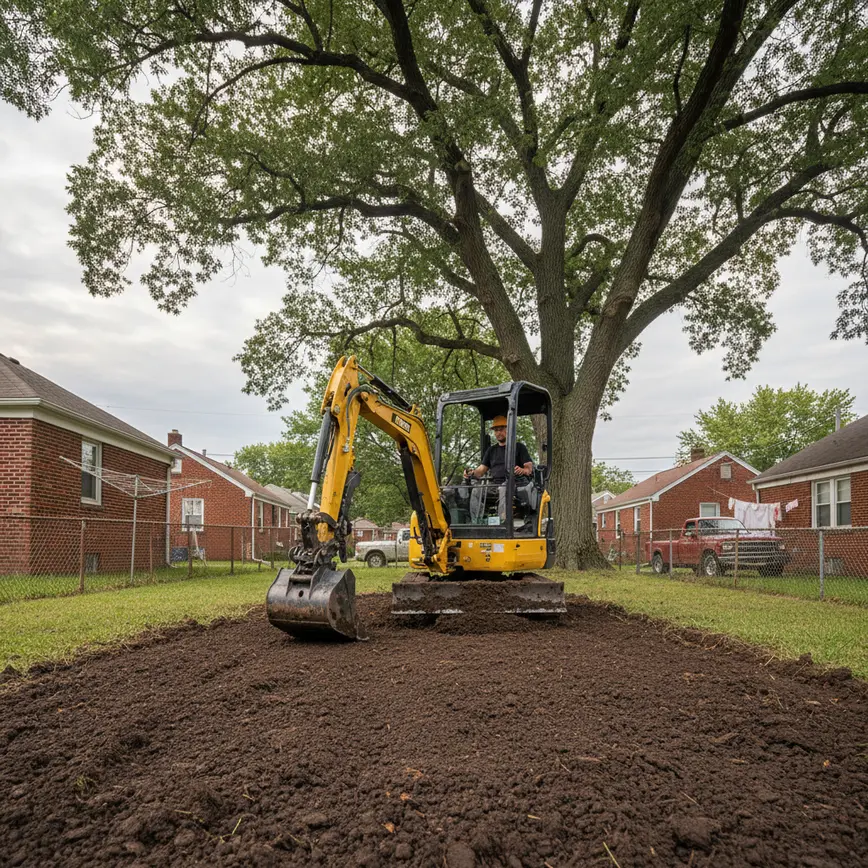
What Is the Step-by-Step Process for Clearing Land for a House?
A proper clearing process starts with site review, utility locates, and a build plan, then moves into clearing, stump and debris management, rough grading, drainage shaping, and final prep. The order matters because each step affects the next and mistakes become expensive once heavy equipment starts moving.
What Drives the Cost of Clearing Land to Build?
Cost for clearing land to build depends on acreage, vegetation density, stump volume, access, slope, soil condition, hauling, grading, demolition, and whether the site needs selective clearing or a full clearing. The cheapest quote is not always the best value if the site still needs major rework afterward.
What Equipment Is Used for Land Clearing and House Pad Clearing?
The main tools for land clearing include forestry mulchers, excavators, dozers, skid steers, stump grinders, chainsaws, brush cutters, and hauling equipment. The right mix depends on vegetation type, terrain, and whether the project is light clearing, full clearing, or precision house pad clearing.
Should You DIY or Hire a Professional Land Clearing Contractor?
DIY clearing can work for very small brush removal jobs, but professional clearing is usually the safer choice for building lots, stump-heavy sites, utility-sensitive areas, and any project that needs grading or excavation. A house build depends on accuracy, and mistakes in the clearing phase are expensive to fix.
What Permits, Regulations, and Ohio 811 Rules Apply Before Digging?
Permits and utility locates are critical before clearing land for a house. In Ohio, 811 must be contacted at least 48 hours before digging under ORC 3781.28. Local permit rules vary by municipality or county, and the clearing plan should be checked before trees, soil, or stumps are disturbed.
How Do You Choose the Right Contractor for Building Lot Clearing?
Choose a contractor with the right equipment, clear pricing, insurance, local knowledge, and a real process for utility locates, grading, and cleanup. The best team will ask detailed questions about the house location, driveway, soil, access, and drainage before giving a number.
Start by looking for a company that actually does land services, not just occasional tree work. Building lot clearing often overlaps with grading, excavation, demolition, stump grinding, and drainage prep. A contractor with those capabilities can plan the entire site instead of treating each task like a separate job. Fortress Level Construction, for example, is a licensed, insured Central Ohio land-services company founded by Lee Carson, a combat veteran, and backed by a crew, not a one-person setup.
Ask how the estimate was built. A credible contractor should explain whether the scope is forestry mulching, full clearing, selective clearing, stump removal, grading, or demolition. They should also tell you what is excluded, such as hauling, fill material, or permit fees. If the project is for a future home, they should ask where the house pad, driveway, and utility routes will go. That tells you whether the company is planning for the build or just chasing the easiest part of the lot.
Experience in your region matters. Central Ohio contractors understand clay soil, wet season constraints, and local permitting patterns, but the bigger point is responsiveness and professionalism. Ask about insurance, timeline, and whether they handle Ohio 811 coordination before work begins. For a project this important, you want a contractor that treats clearing land for a house as site preparation, not just tree removal. That difference affects everything that comes after.
How Do the Main Land Clearing Methods Compare for a House Build?
The right method depends on how much vegetation is on the site, how quickly the lot must be ready, and how much disturbance the build can tolerate. This comparison helps homeowners choose between mulching, selective clearing, full clearing, and stump-focused work based on typical use cases, speed, and site impact.
| Method | Best use | Speed and disturbance | Typical result |
|---|---|---|---|
| Forestry mulching | Brush, saplings, lighter tree cover, access lanes, larger parcels | Fast on accessible sites with lower soil disruption | Mulched surface that opens the property while leaving organic material in place |
| Selective clearing | Future homesites where some mature trees should remain | Moderate speed with controlled disturbance | Opened building area while preserving chosen trees and buffers |
| Full clearing | Dense lots, heavy vegetation, mature tree removal, full build pads | Slower and more intensive due to hauling and cleanup | Clean site ready for grading, excavation, and major construction prep |
| Stump grinding and removal | Sites where root systems would interfere with grading or foundations | Varies based on stump size and access | Reduced regrowth and a more usable subgrade for future work |
| Grading after clearing | Lots that need drainage, elevation, or pad shaping | Depends on soil and moisture conditions | Stable surface that supports the house pad and site drainage |
| Demolition plus clearing | Parcels with old sheds, slabs, barns, or abandoned structures | Usually the slowest due to debris handling and disposal | A truly build-ready lot without leftover structures or hidden obstructions |
What Are the Common Mistakes and When Is Clearing Not the Right First Move?
Clearing is not always the first or only answer. Common mistakes include clearing before utility locates, stripping too much vegetation, ignoring drainage, underestimating clay soil, and choosing the wrong equipment. In some cases, the site should be surveyed, designed, or marked first before a single tree comes down.
One common mistake is clearing without a plan for the finished house pad. If you remove trees and stumps before deciding where the building, driveway, and utilities will go, you may destroy useful trees or create a site that still does not work. Another error is ignoring water movement. On clay-heavy ground, poor grading or over-clearing can create runoff problems that become expensive later. Clearing land for a house should support the build, not just make the property look open.
A second mistake is thinking all land clearing for construction is the same. A brush-heavy rural lot, a wooded lot with mature trees, and a parcel with old concrete and debris require very different methods. Using the wrong equipment can rut the ground, break up soil structure, or leave stumps and roots that interfere with excavation. If the site has soft areas, slopes, wetlands, or utility conflicts, clearing may need to be staged or delayed until the plan is better defined.
Finally, clearing is not the right first move when the property boundaries, utility routes, or permit requirements are still unclear. If the house location is not marked, if a septic or driveway concept is still changing, or if the site may have protected drainage constraints, it is smarter to pause and confirm the plan. The best projects are sequenced. First comes the layout and compliance, then the building lot clearing, then grading and foundation prep.
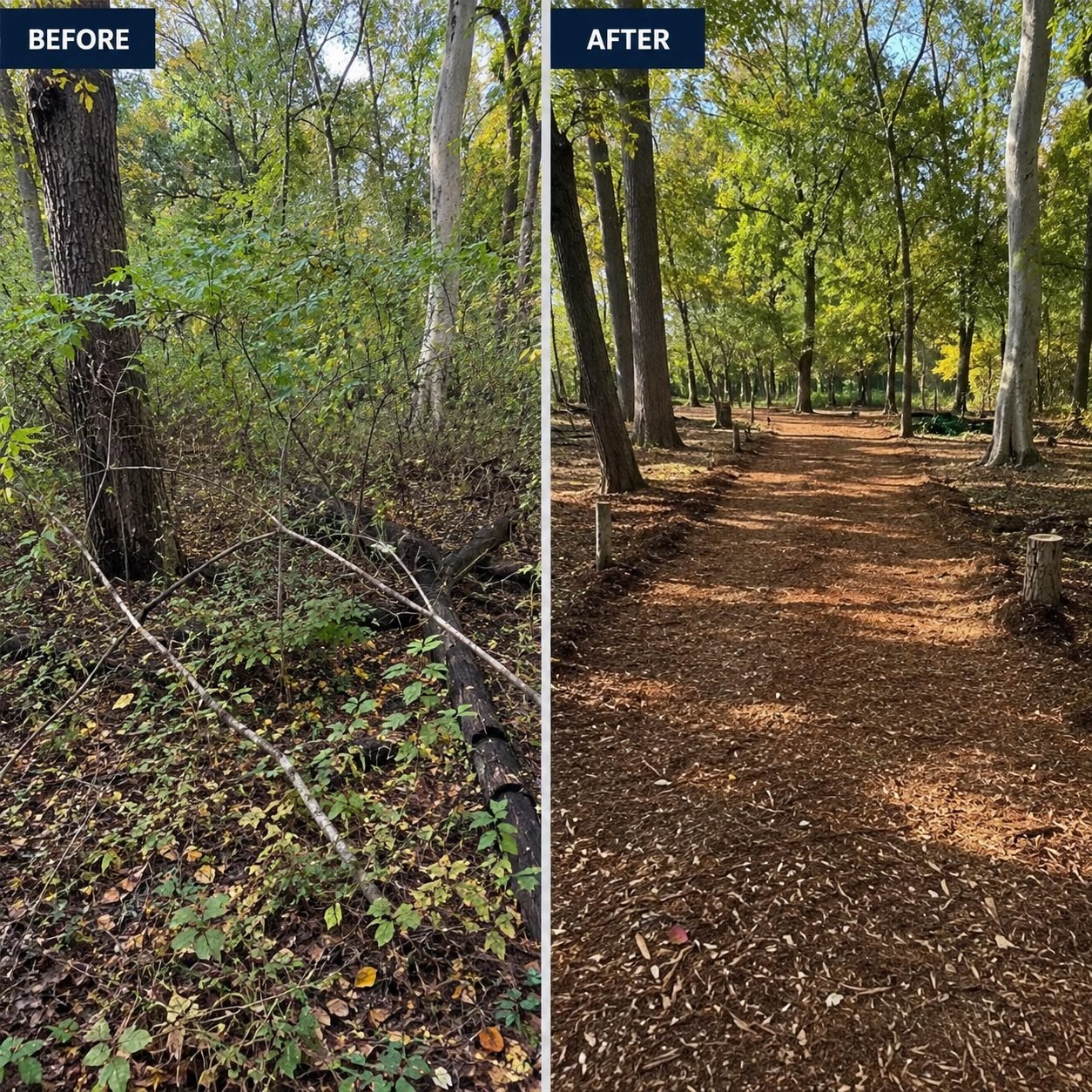
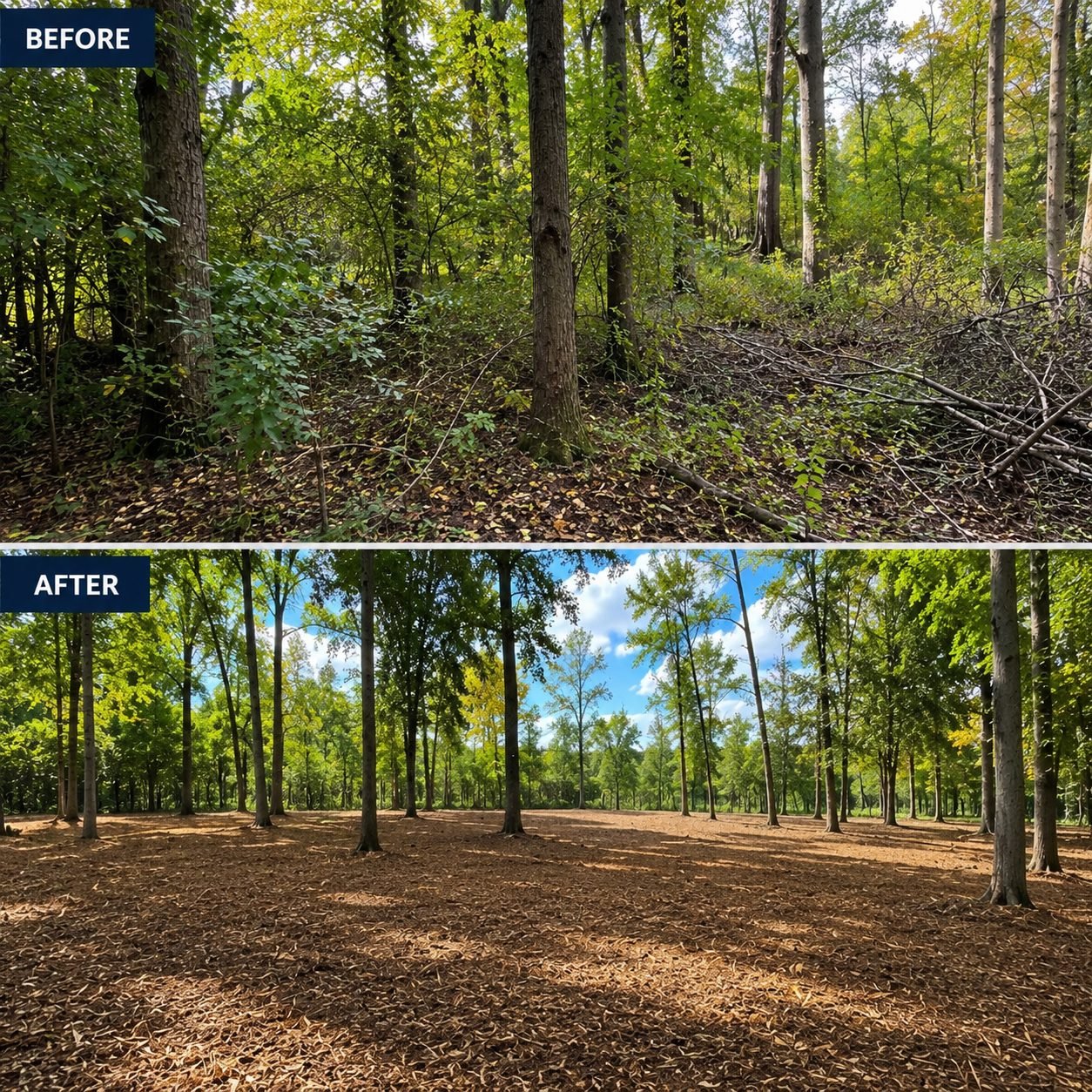
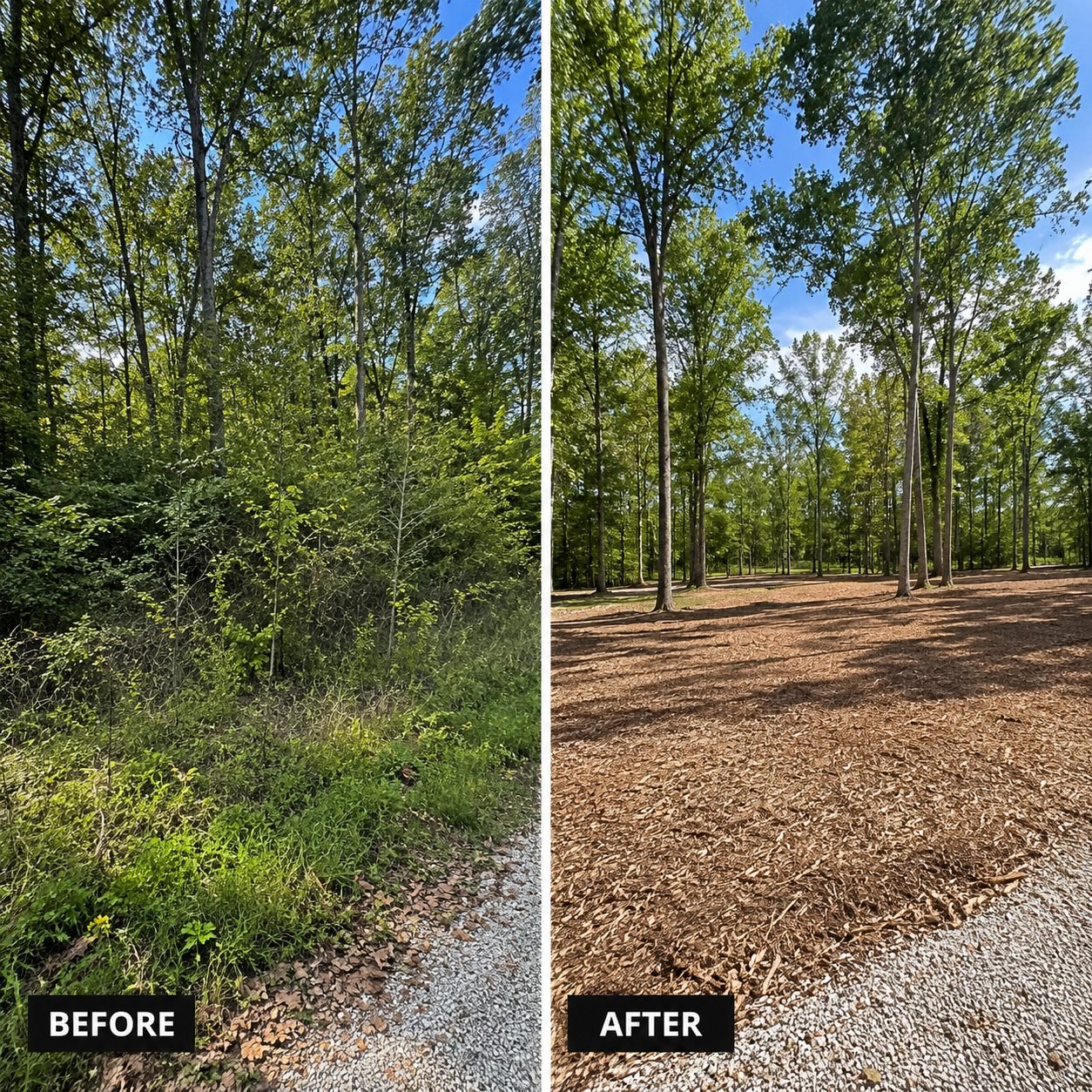
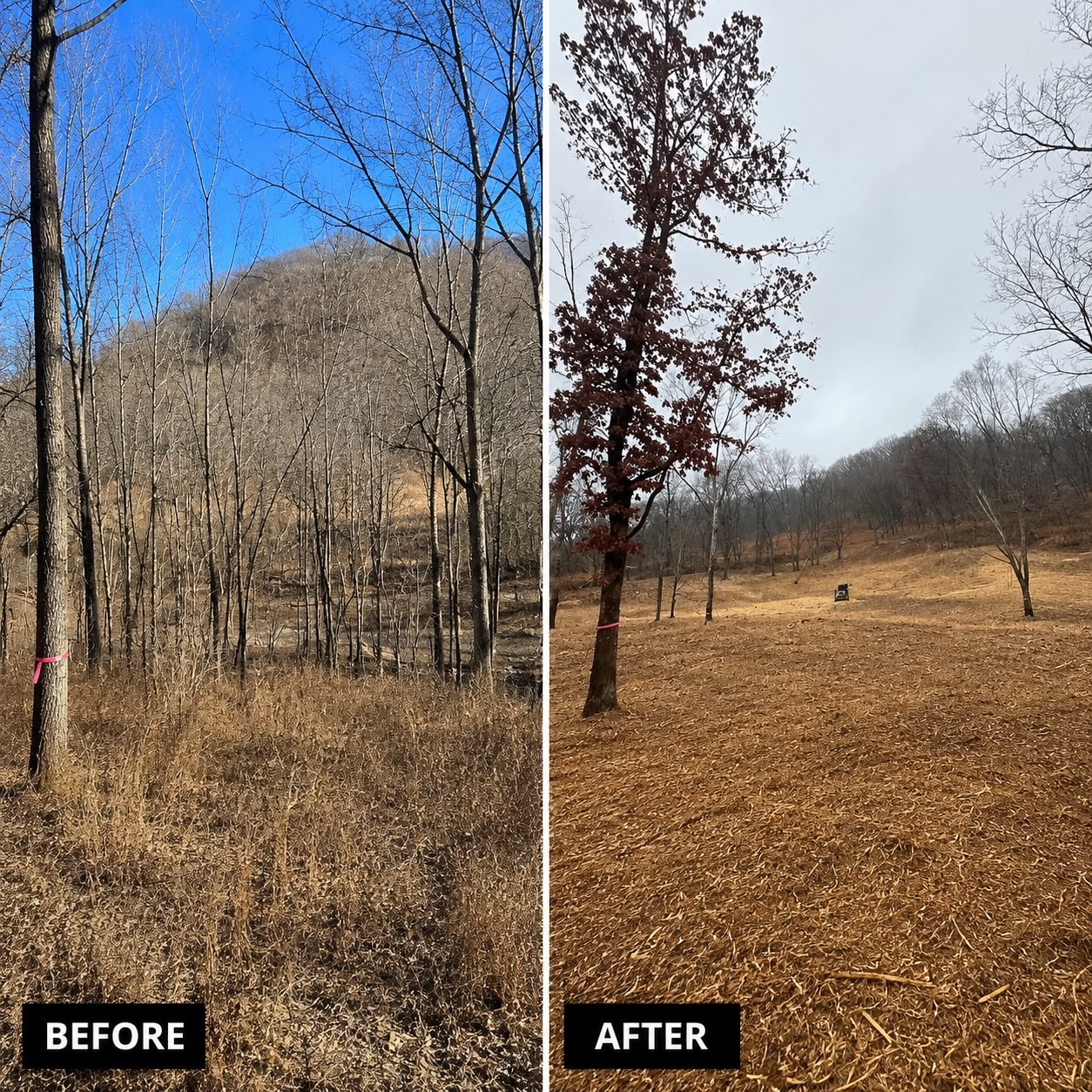
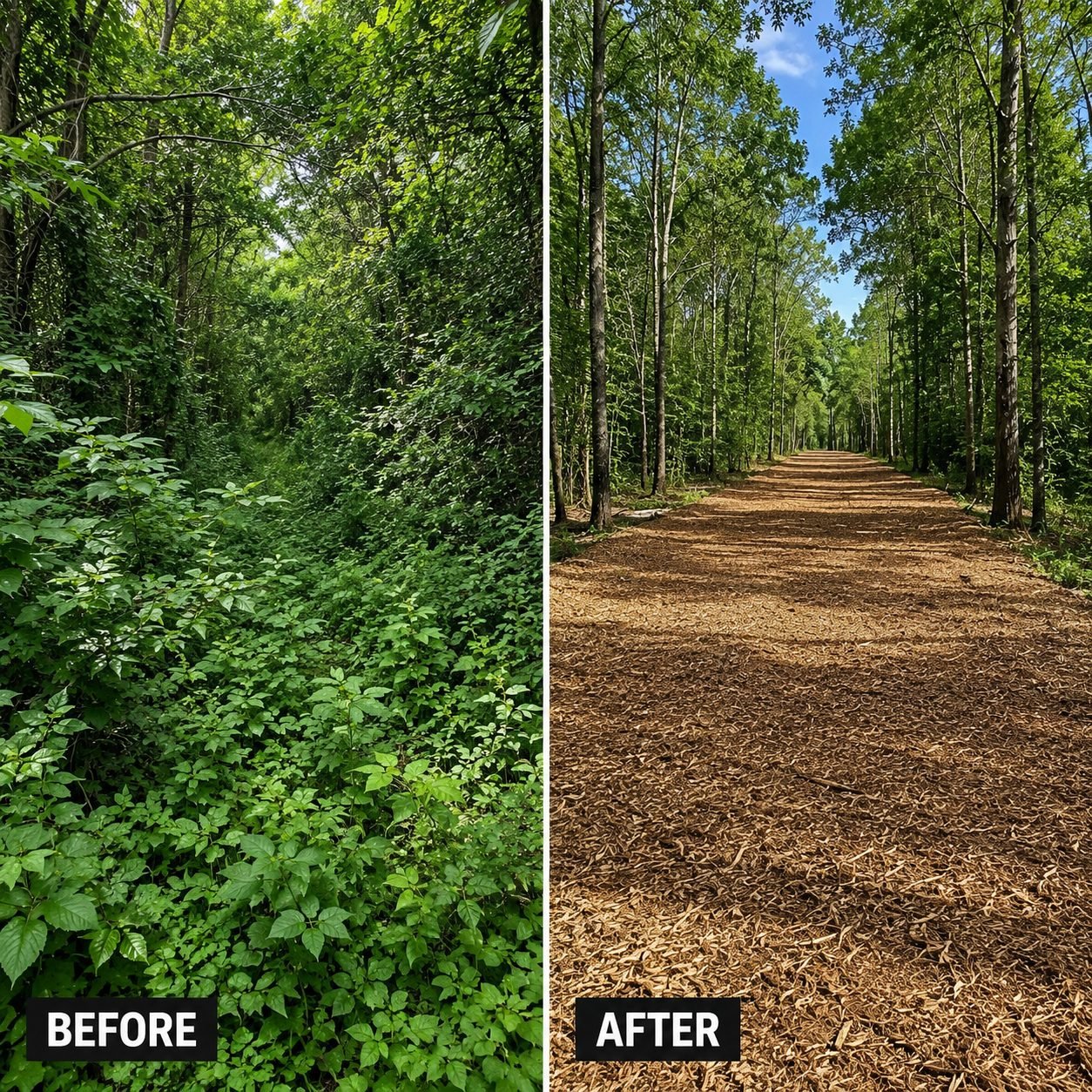
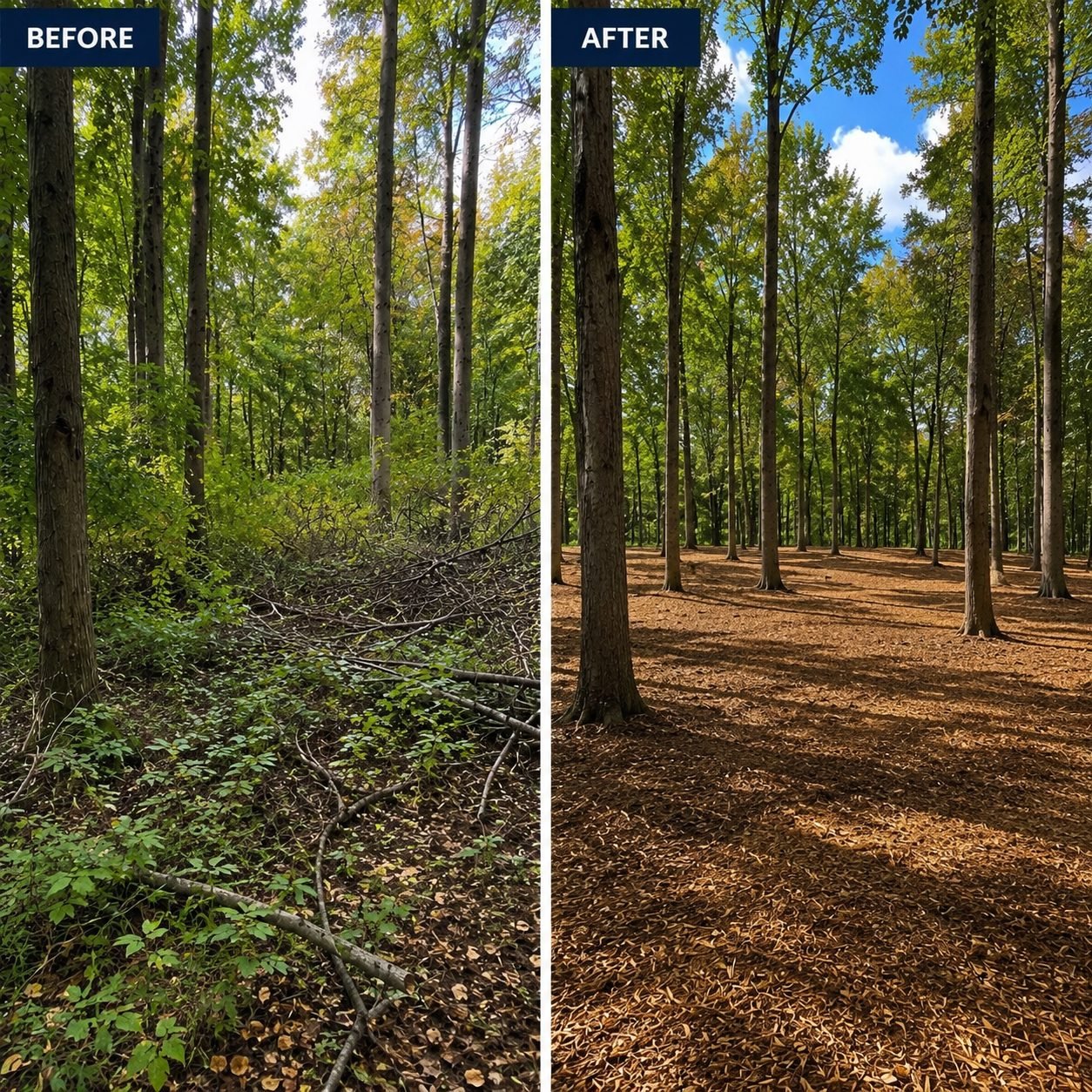
What Should a Project Gallery Show for Clearing Land for a House?
A helpful project gallery should show before, during, and after examples of clearing land for a house so homeowners can understand scope, equipment, and finish quality. Useful images include wooded lot opening, stump removal, rough grading, house pad clearing, and a clean final site ready for excavation.
Frequently asked questions
Timeline depends on acreage, density, access, soil moisture, and whether the project includes stumps, grading, or demolition. A small, lightly wooded lot can move quickly, while a dense or wet site takes longer. Clearing land for a house also slows when utilities, permit reviews, or weather interrupt work. A site walk is the best way to estimate duration accurately.
No. Many projects use selective clearing to keep healthy trees outside the building footprint, driveway, and utility corridors. That can save shade and privacy while still making the site buildable. The key is to protect the areas needed for construction and leave enough room for equipment, drainage, and setbacks. The final decision should be based on the site plan, not guesswork.
Sometimes, but not always. Forestry mulching is great for brush, lighter trees, and access paths, but a future home site may still need stump removal, grading, excavation, or selective clearing around the house pad. If the soil has to support a foundation or driveway, the site often needs more than a surface-level cleanup. The right scope depends on the build requirements.
Hidden issues are the biggest surprise cost, especially stumps, buried debris, poor access, wet clay, and extra grading needs. Old structures or heavy root systems can also change the job quickly. That is why a professional estimate should include a real site walk. When land clearing for construction is quoted from a satellite image alone, important details are often missed.
Sometimes limited clearing is allowed, but it is not safe to assume that major clearing can start before permits are in place. Local rules vary by township, municipality, and project scope. Even when clearing is allowed, Ohio 811 still applies before digging. The safest approach is to confirm the permit path first so you do not create compliance or timing problems.
The site should already be cleared, located, and roughly graded where needed. That means trees, brush, stumps, and debris are removed, the house pad area is accessible, and utilities are marked through Ohio 811. If the project includes driveway access, that should be opened too. The excavation crew should arrive to a site that is ready for precision earthwork, not obstacles.
Clay soil holds moisture, compacts under heavy equipment, and can rut or smear when worked too wet. That complicates clearing, grading, and pad preparation because the site may not hold shape well until the moisture content improves. In Central Ohio, contractors have to watch weather and sequence work carefully so the build pad stays stable and drainable.
Look for licensing, insurance, real equipment, and a clear process for permits and Ohio 811 locates. They should explain whether the job needs forestry mulching, full clearing, stump grinding, grading, excavation, or demolition, and they should ask about the home layout, driveway, and utilities. A qualified contractor talks like a site-prep partner, not just a tree remover.
Land Clearing Across Central Ohio
Fortress Level Construction handles land clearing in every county and community across Central Ohio. See local details, drive times, and pricing for your area:
What Other Services Does Fortress Offer in Central Ohio?
Fortress Level Construction runs a full range of land-clearing, excavation, grading, and site-work services across Central Ohio, so one owner-operated crew can clear, grade, and prep a site end to end.
Get a Flat-Rate Quote from Lee Carson
Owner-operated land clearing across all five Central Ohio counties. Send your property details and Lee gets back to you within 2 to 3 hours during business hours with one flat number after a free on-site walk-through.