
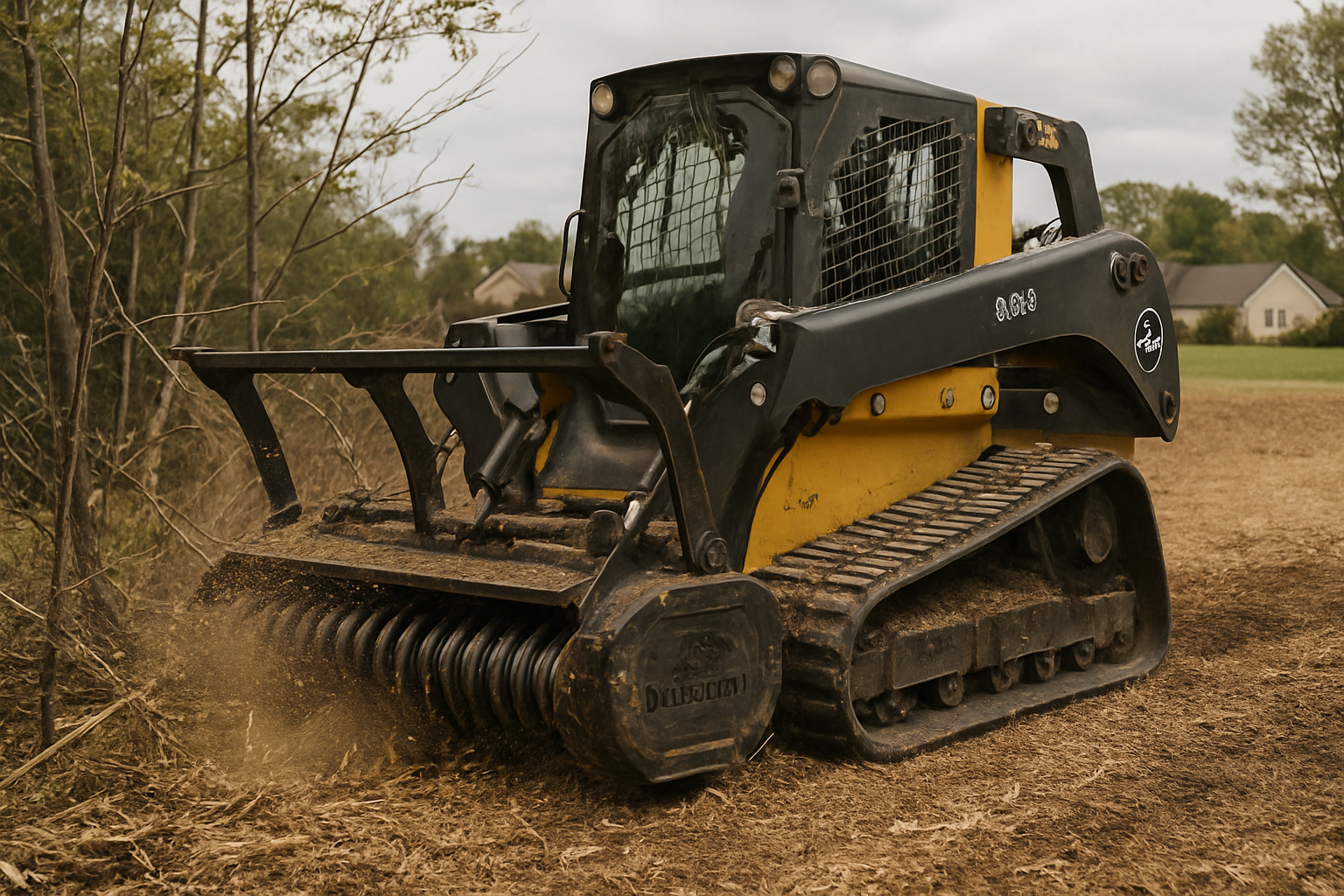

Does Clearing Land Increase Property Value? Ohio Buyers Need to Know How It Improves Buildability and Marketability
Clearing land property value often increases when the work improves access, visibility, drainage, and buildability, but it does not automatically create value on every parcel. The biggest gains usually come from making a lot easier to use, easier to maintain, and easier for a buyer, builder, or lender to evaluate.
The Quick Answer
- Does clearing land increase property value? Usually, yes when the work creates usable space, safer access, and a clearer path to development.
- Clearing land property value gains are strongest on lots that are overgrown, blocked by brush, or difficult for buyers to inspect and appraise.
- Land value after clearing depends on what is removed, whether stumps and roots remain, how the soil is graded, and whether drainage improves or worsens.
- Clearing land ROI is not just about resale price. It can also reduce carrying costs, improve marketability, and shorten time on market.
- In Central Ohio, clay soil and wet periods make drainage and grading especially important after land clearing.
- Full clearing, forestry mulching, stump grinding, excavation, grading, and demolition each affect value differently.
- Ohio law requires an Ohio 811 utility locate 48 hours before digging under ORC 3781.28.
- Fortress Level Construction is a licensed, insured Central Ohio land-services company serving a five-county area with a crew led by Lee Carson.
Related Questions People Ask Next
Appraised value usually improves when clearing makes the parcel more usable, accessible, and easier to evaluate. Appraisers do not automatically assign a higher number just because trees or brush were removed. They look at highest and best use, buildability, drainage, legal access, and comparable sales. If clearing exposes a prime homesite, improves site lines, or supports a permit-ready build, the land value after clearing can rise meaningfully.
Forestry mulching is often a strong choice when the goal is to improve appearance and control brush without stripping the site bare. For resale, that can be enough if the parcel is not being marketed as a build-ready lot. Full clearing is better when buyers need a clean slate for construction, septic work, utility installation, or grading. The better option depends on the future use, not just the look.
Clearing land ROI depends on whether the work increases marketability enough to justify the cost. On a vacant lot, ROI can come from a faster sale, a stronger offer, or reduced negotiation friction because buyers can see boundaries, slopes, and usable space. In some cases, the best return is not a higher raw sale price but a more financeable, builder-friendly property.
Stump grinding can help because stumps make a property harder to mow, survey, build on, and sell. It often improves safety and presentation, and it can make follow-up grading or excavation easier. On its own, stump grinding may not dramatically increase appraised value, but it can support land value after clearing by removing a visible obstacle that signals extra work to buyers.
Sometimes yes, especially if the work affects drainage, grading, setbacks, trees in regulated areas, or any structure demolition. Permit requirements vary by township, city, county, and project scope. Ohio 811 is separate from permits and is required before digging. A contractor familiar with local rules can help you figure out whether a permit is needed before work begins.
What Does Land Clearing Mean and What Gets Removed?
Land clearing is the process of removing trees, brush, stumps, rocks, debris, and sometimes old structures so a parcel can be used more safely and efficiently. Clearing land property value rises when the work aligns the site with its highest and best use, such as building, farming, access, or resale.
At its core, clearing land is about transforming an overgrown or obstructed parcel into a site that can be understood, used, and improved. Depending on the property, that can mean selective brush removal, forestry mulching, stump grinding, full tree and root removal, debris hauling, demolition, or rough grading. In Central Ohio, where clay soil can hold water and make access tricky, the difference between a merely cleared lot and a properly prepared one matters a lot.
Not every clearing project is the same. A wooded lot intended for a future home might need only selective clearing to open a building envelope and preserve desirable trees. A neglected parcel may require full clearing to remove invasive growth, dead trees, dumped debris, and structures that block use. The more a project helps a buyer, builder, or appraiser see the parcel’s potential, the more likely it is to improve land value after clearing.
This is also where expectations matter. Clearing does not create value from nothing. It generally converts hidden value into usable value by making the site easier to evaluate and develop. If a parcel has poor access, wet soils, topographic problems, easements, or zoning limits, clearing alone may not move the number much. In those cases, the right scope, sequencing, and site prep determine whether the work supports real clearing land ROI.
Why Does Clearing Land Matter for Property Value?
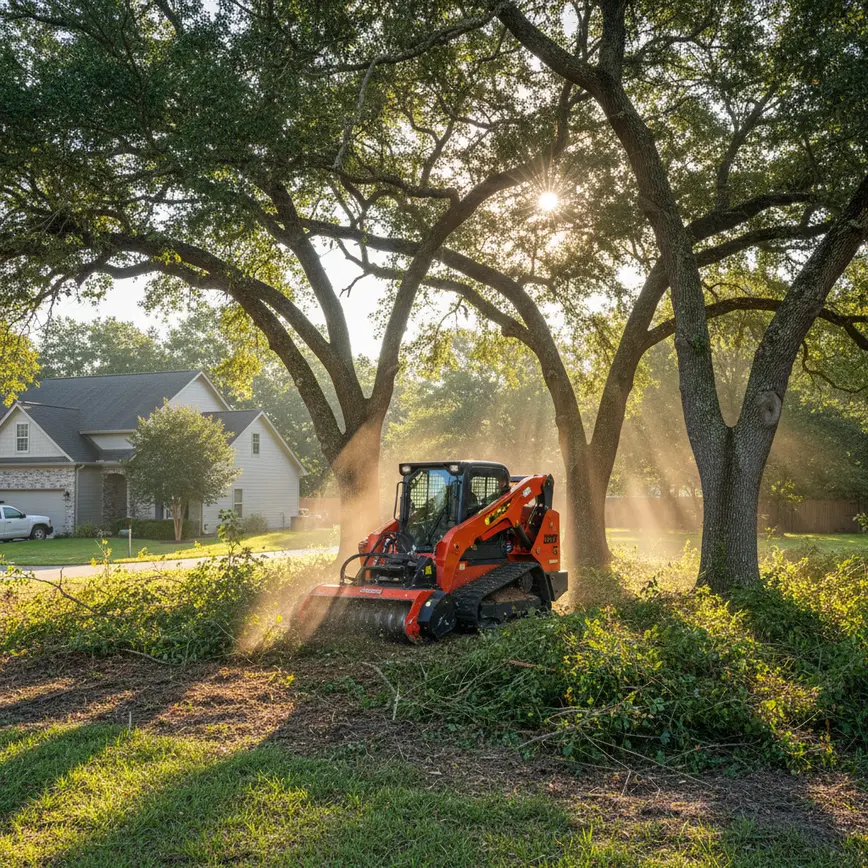
Clearing matters because buyers pay for usability, not just acreage. When land is overgrown, the market often discounts uncertainty. A cleaner site can improve first impressions, reveal boundaries and terrain, and reduce the work a buyer expects to do, which can strengthen asking price and shorten time on market.
Which Land Clearing Methods Affect Value the Most?
Different methods change value in different ways. Forestry mulching is often best for appearance and erosion control, while full clearing is better for build-ready sites. Stump grinding, excavation, demolition, and grading can have a bigger value impact than brush removal alone when the buyer needs a true construction-ready parcel.
What Is the Step-by-Step Land Clearing Process?
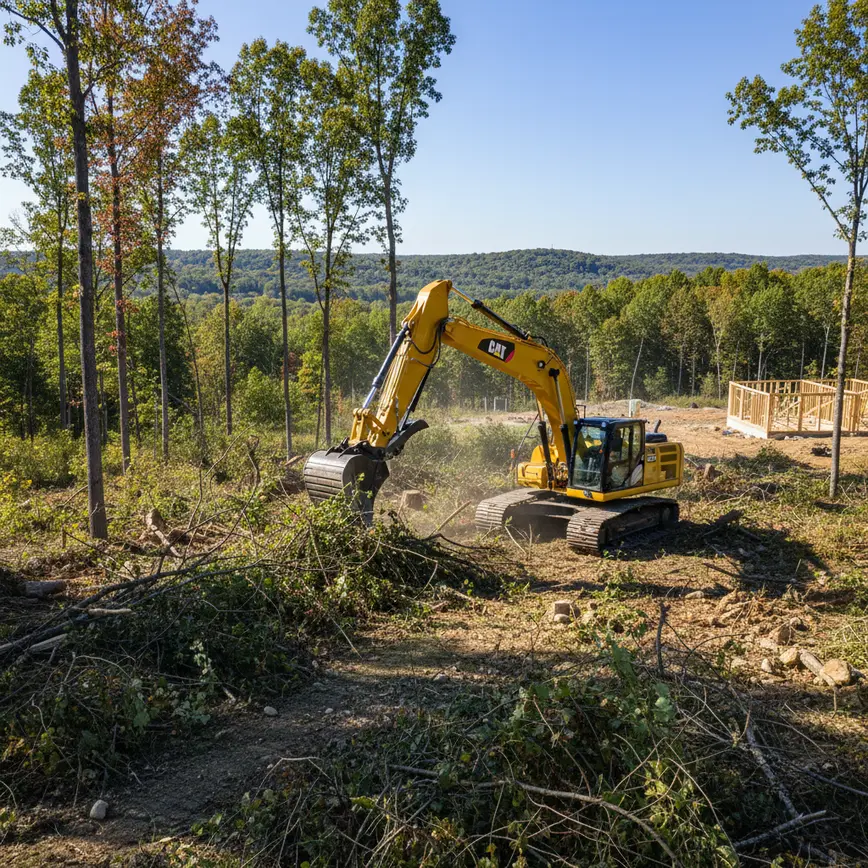
A good clearing project starts with a site review, utility locates, and a plan for access, drainage, and disposal. The best contractors sequence work to protect what should remain, remove what gets in the way, and leave the site stable enough for the next phase of construction or sale.
What Drives the Cost of Clearing Land and the ROI?
Clearing land ROI depends on scope, density, terrain, access, disposal, and whether the work includes grading or demolition. The cheapest project is not always the best value. A well-planned scope can improve the land more efficiently than a broad, expensive cleanup that removes features buyers actually want.
What Equipment Is Used to Clear Land?
The right equipment depends on vegetation, terrain, and finish goals. Common machines include forestry mulchers, excavators, skid steers, dozers, stump grinders, dump trailers, and grading attachments. Better equipment can reduce site damage, speed production, and improve the final look, which all influence value.
Should You Clear Land Yourself or Hire a Pro?
DIY works for very small, low-risk jobs, but most projects that influence property value are better handled by a professional crew. Heavy equipment, underground utilities, steep ground, drainage concerns, and debris disposal all raise the risk of costly mistakes that can wipe out any savings.
What Permits, Regulations, and Ohio 811 Rules Apply?
Before digging, Ohio law requires an Ohio 811 utility locate at least 48 hours in advance under ORC 3781.28. Permits may also be needed depending on grading, drainage, demolition, tree removal, setbacks, and local township or city rules. Rules vary, so always check before work starts.
How Do You Choose the Right Contractor for Land Clearing?
Choose a contractor who can explain the scope, protect utilities, handle grading or demolition if needed, and show that the work fits your end goal. The best partner is licensed, insured, experienced, and able to recommend the right level of clearing for your property and budget.
Start by asking whether the contractor has done projects similar to yours. A brush cleanup is not the same as preparing a build site, removing a house, or clearing acreage with stump and drainage issues. You want a crew that understands how clearing land property value changes with scope, because the wrong approach can leave the property looking unfinished or create new problems. Experience with site prep, excavation, and grading is a strong sign they understand the whole picture.
Next, ask how they approach permits, Ohio 811, and disposal. A professional should explain what needs to be located, whether a permit may be required, what equipment will be used, and what the finished site will look like. If a contractor cannot clearly explain how the work will affect land value after clearing, that is a warning sign. You do not want a vague promise that the land will look nicer. You want a practical plan for usability and long-term performance.
Fortress Level Construction is a licensed, insured Central Ohio land-services company founded in 2009 by Lee Carson, a combat veteran, with a real crew that handles land clearing, grading, excavation, demolition, and stump grinding. That matters because the right contractor should solve the full site problem, not just cut down what is in the way. When the end goal is resale, building, or better usability, choose the team that understands the value of doing the job in the correct order.
How Do Land Clearing Methods Compare for Cost, Speed, and Value Impact?
The right method depends on whether you are improving appearance, preparing to build, or removing obstacles that depress marketability. This comparison shows how common methods differ in cost, speed, and best use, so you can better judge clearing land ROI and land value after clearing.
| Method | Typical use | Value impact | Practical tradeoff |
|---|---|---|---|
| Forestry mulching | Brush control, trails, selective openings, visual cleanup | Often strong for appearance and maintenance with minimal disturbance | Leaves organic material on site and may not create a fully build-ready surface |
| Full clearing | Construction prep, open lots, major cleanouts | Often strongest for buildability and marketability | Higher cost and more soil disturbance than mulching |
| Stump grinding | Remove visible obstacles after tree work | Supports mowing, access, and finish quality | Does not always address roots or subgrade issues |
| Grading | Drainage correction, smoothing, access prep | Can protect or increase value by making the site usable | Poor grading can create runoff and erosion problems |
| Excavation | Pads, utilities, drainage, foundations, heavy site work | High value when needed for the intended use | More expensive and requires a clear end plan |
| Demolition | Remove structures that block resale or development | Can dramatically improve marketability if an old structure is hurting value | Requires disposal, safety planning, and often permits |
When Does Clearing Land Not Increase Property Value?
Clearing is not always the right move. If the property’s value comes from mature trees, privacy, habitat, or conservation use, clearing can lower appeal. The same is true if the project ignores drainage, legal access, or zoning limits and turns a usable parcel into a harder problem.
One common mistake is removing too much. Buyers often like open build areas, but they may also want mature shade, privacy, windbreaks, or a natural buffer. On rural and suburban parcels, clear-cutting every tree can make the site feel exposed and less desirable. If the parcel’s market value depends on timber, woodland character, or environmental features, clearing land property value can go down instead of up.
Another problem is creating surface damage. A site that is cleared but rutted, compacted, or poorly drained may look worse to sophisticated buyers than a well-managed wooded lot. This is especially true in clay-heavy regions where water can sit after rainfall. If the work is done out of sequence, you may need extra grading or soil correction to fix what clearing exposed. That means the expected clearing land ROI can shrink fast.
Finally, clearing is not a substitute for solving legal or physical constraints. Easements, setbacks, floodplain concerns, zoning restrictions, septic limitations, and utility conflicts can all cap value. If a parcel has no good access or cannot support the intended use, brush removal alone will not change the appraisal much. The right question is not just does land clearing increase property value, but what specific improvement will a buyer actually pay for.
Project Gallery Ideas That Help Buyers Understand the Work
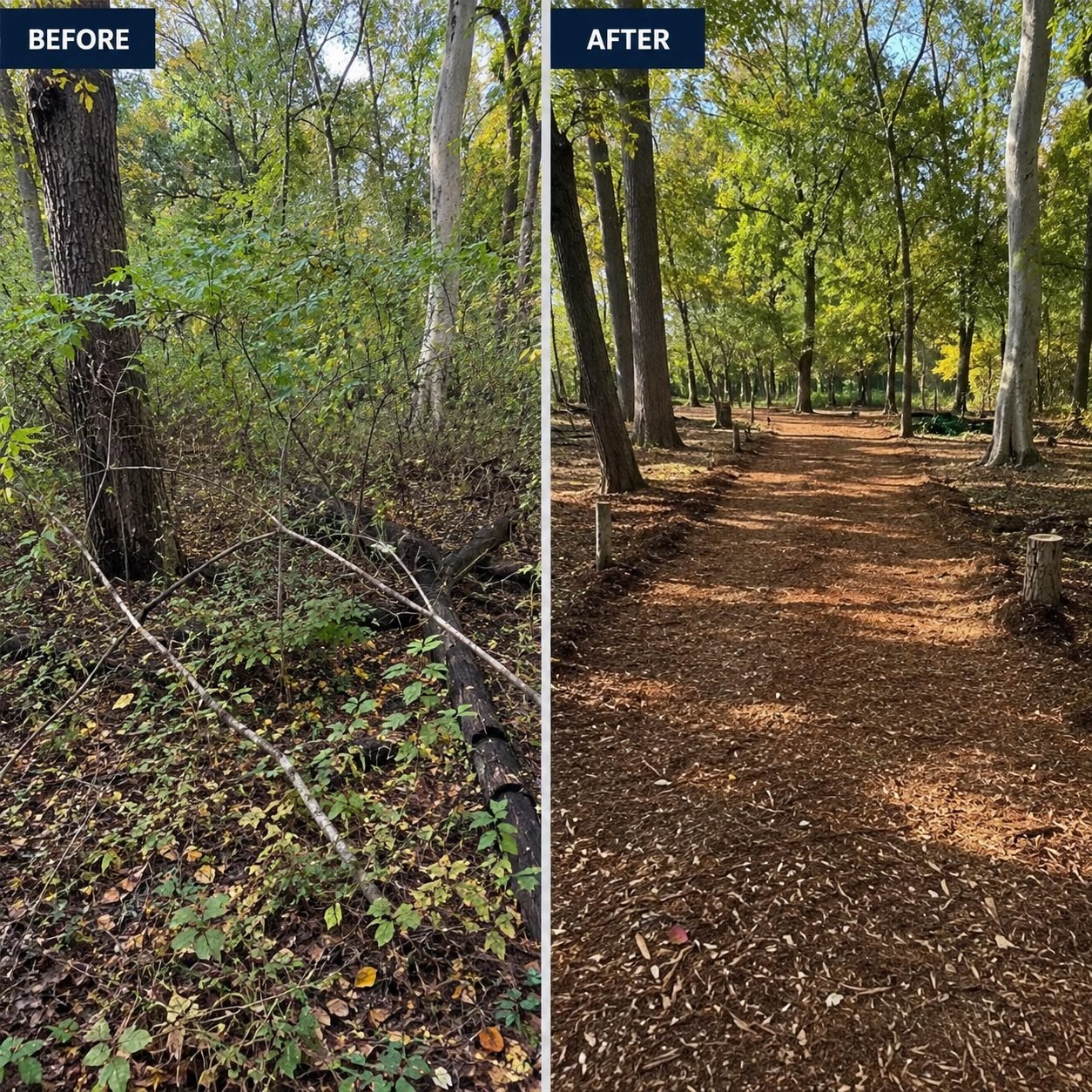
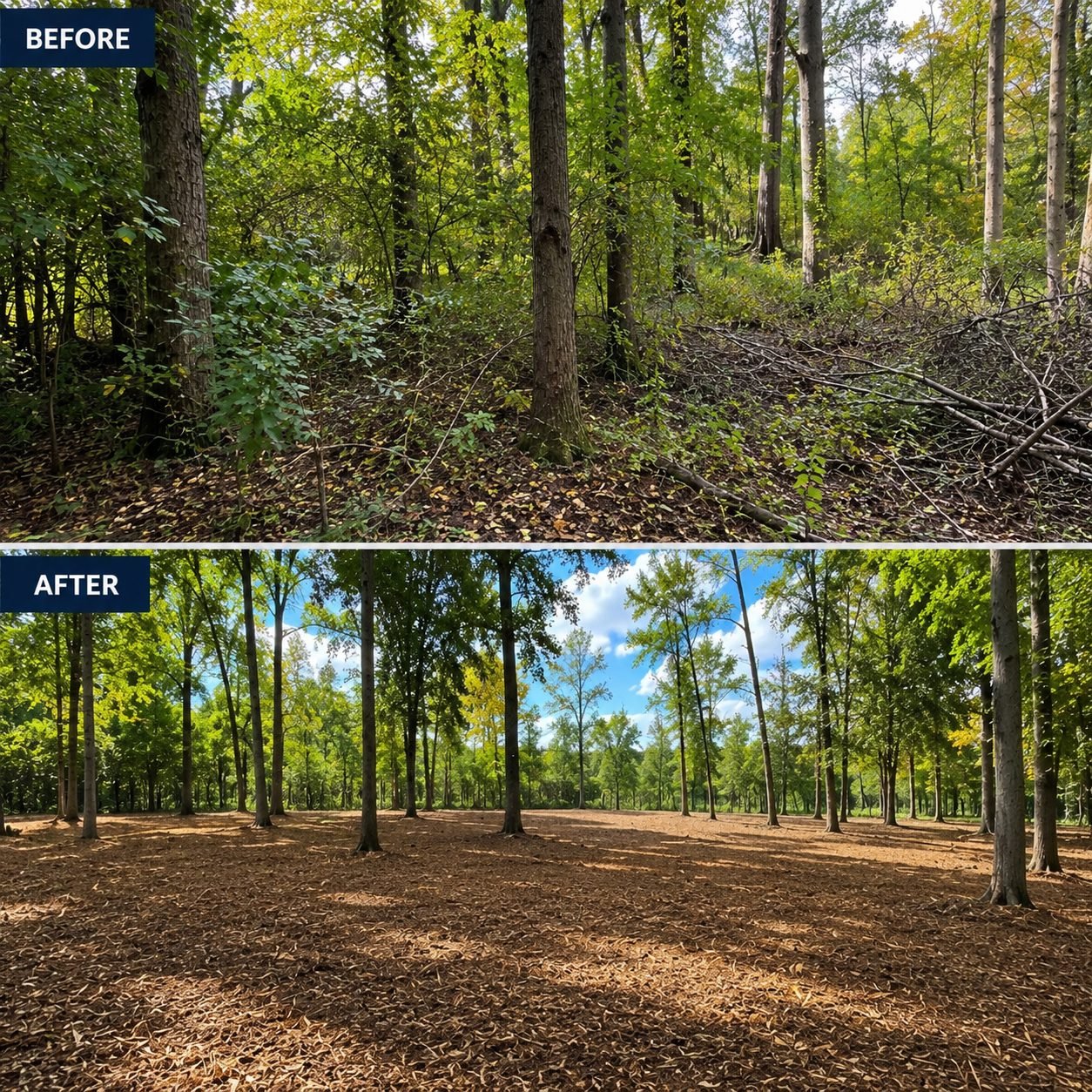
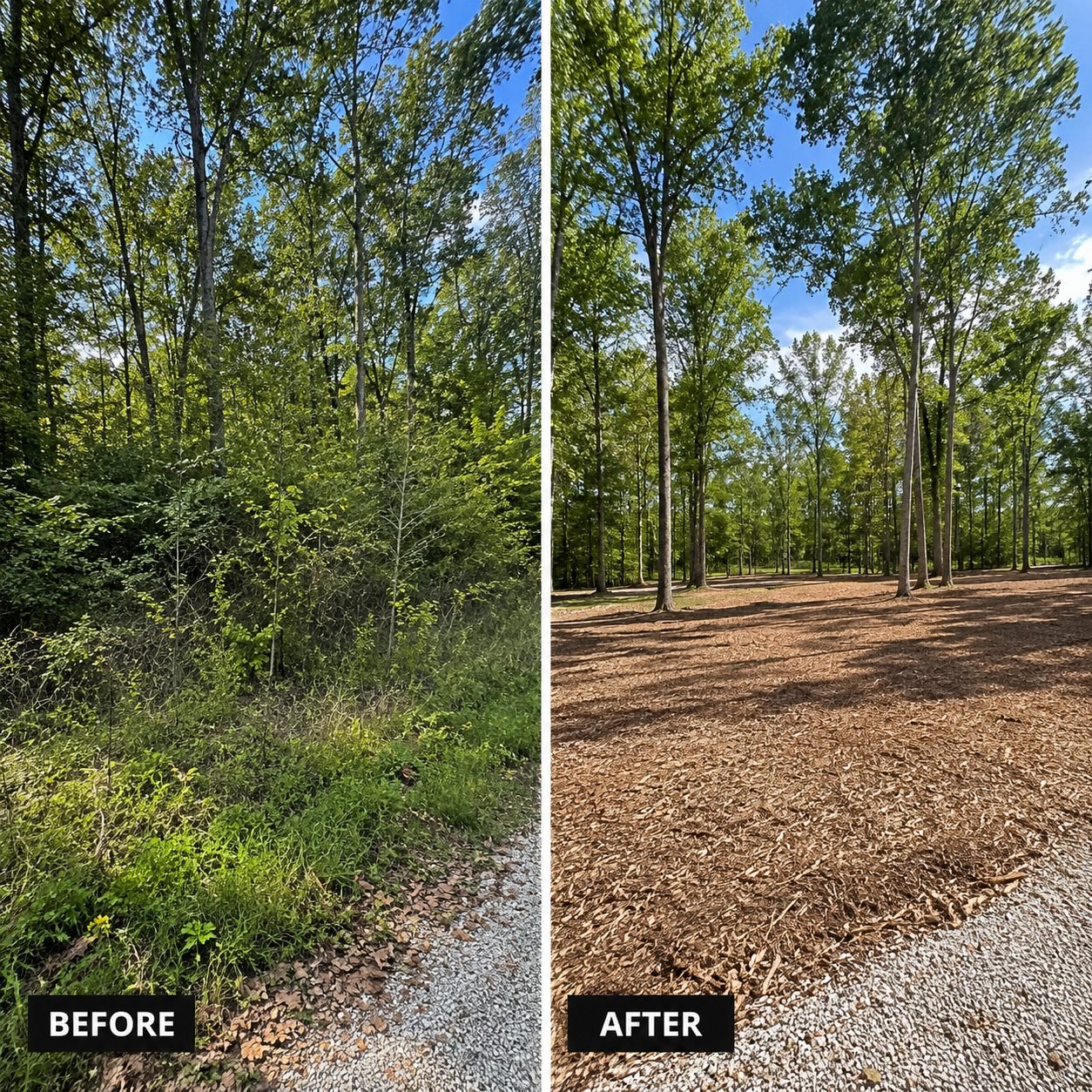
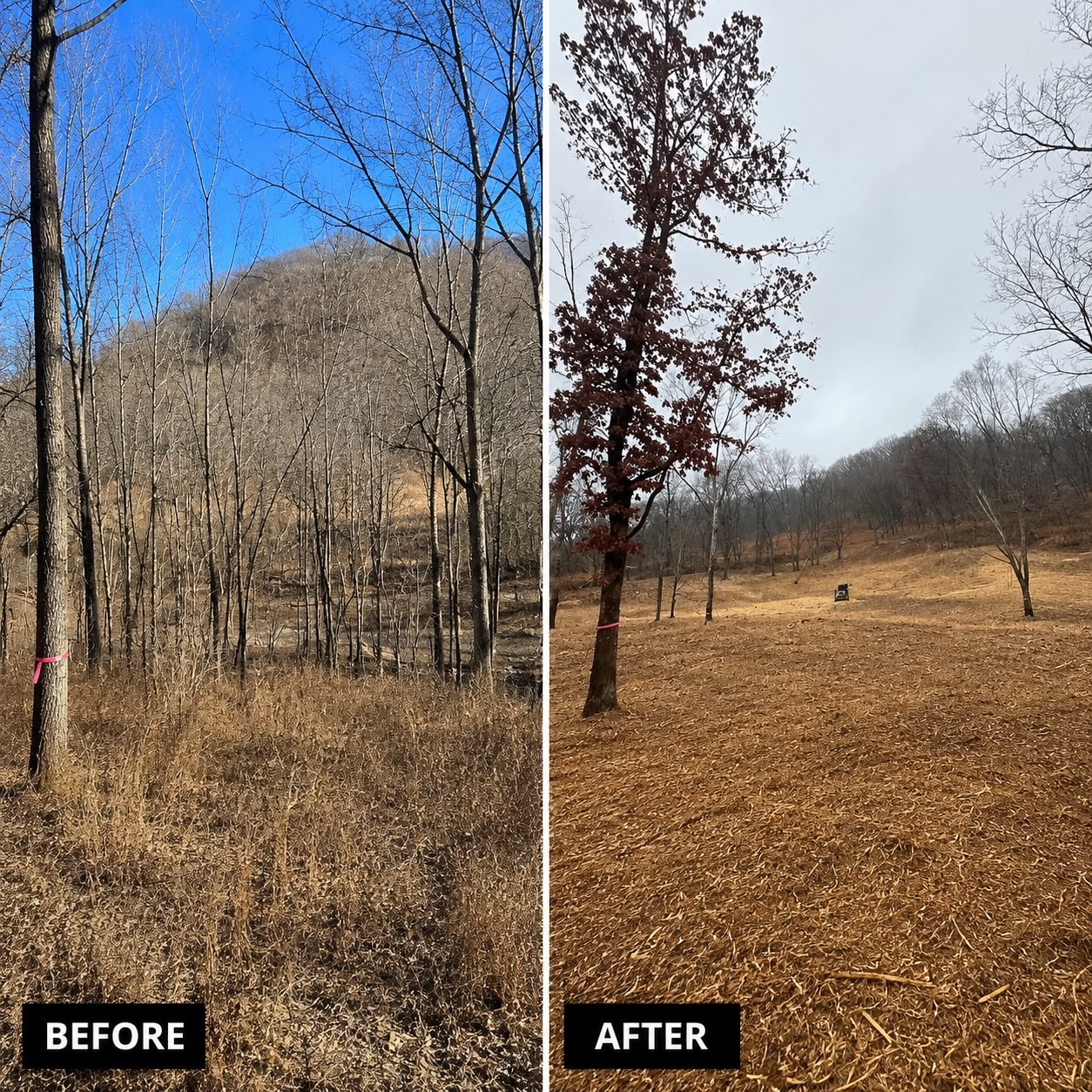
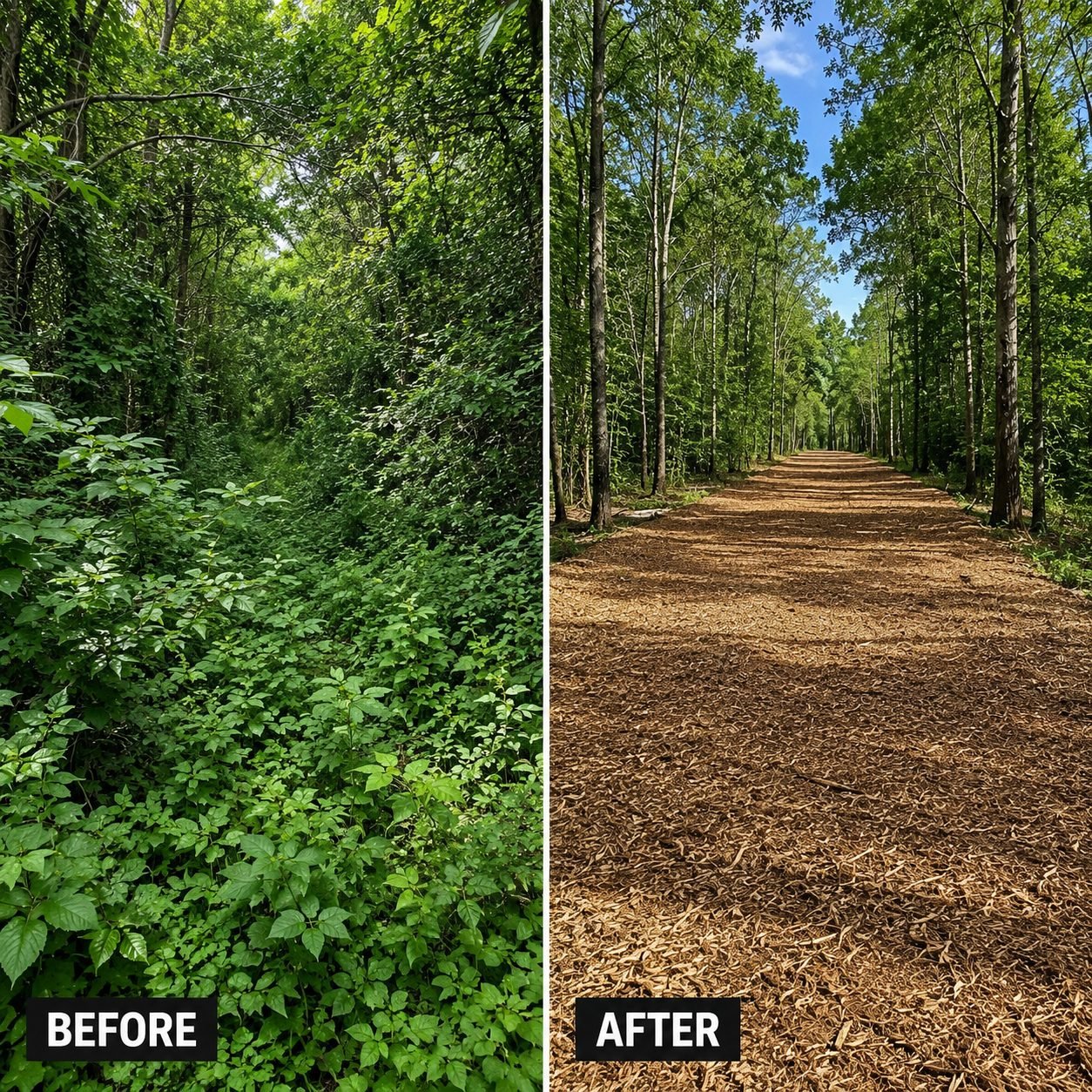
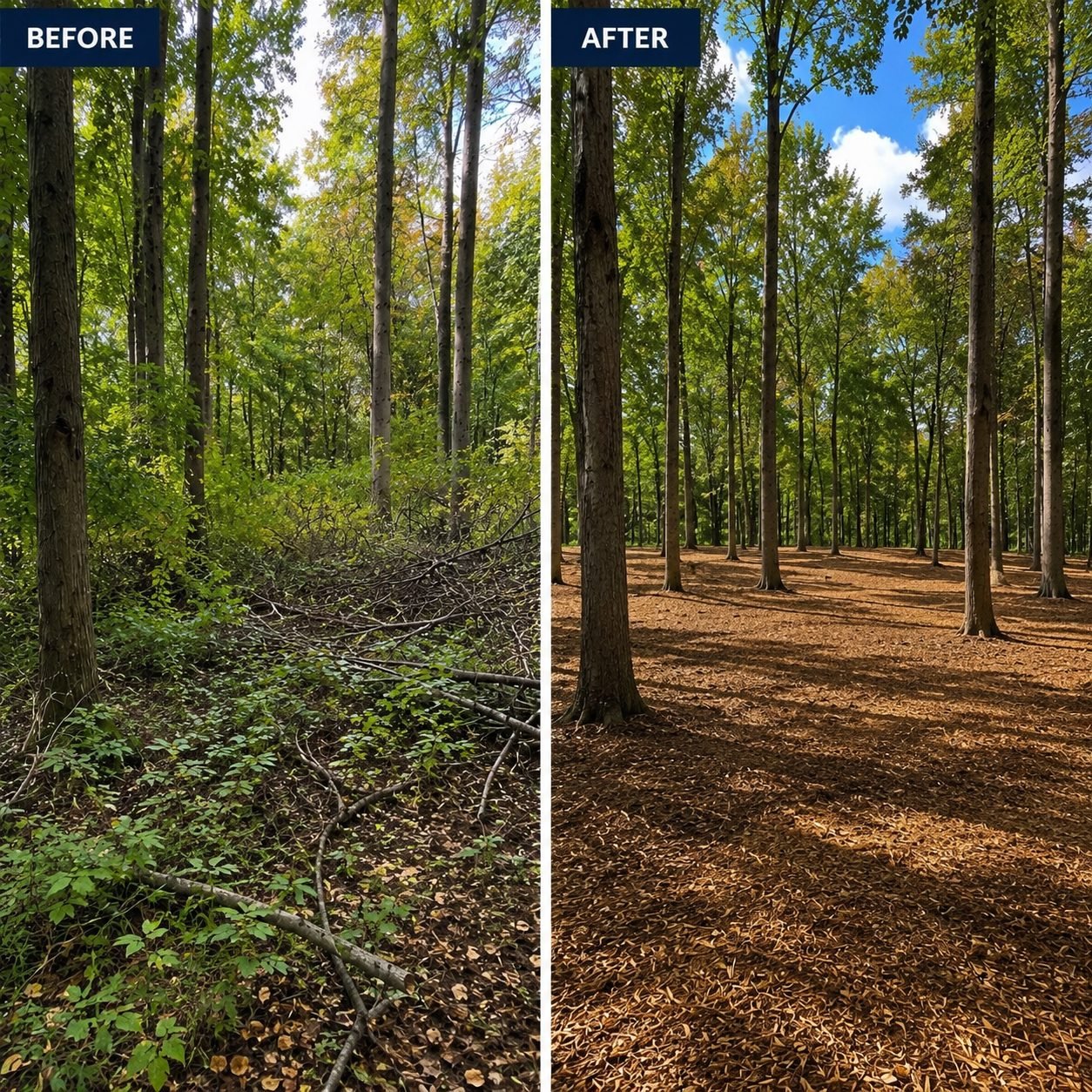
A strong gallery should show the property before clearing, during the work, and after cleanup so viewers can see the change in access, visibility, and usability. Include wide shots, close-ups of problem areas, grading details, stump removal, and finished edges to demonstrate the real improvement in site value.
Frequently asked questions
No. Clearing land property value usually rises when the work makes the site easier to use, easier to build on, or easier to sell. But if the property is valued for timber, privacy, habitat, or mature landscaping, clearing too much can reduce appeal. The key is matching the scope to the property’s highest and best use rather than assuming more clearing always means more value.
There is no universal number because land value after clearing depends on the starting condition, the intended use, local buyer demand, and whether the site becomes build-ready. A heavily overgrown lot that suddenly has access and visibility may see a much stronger response than a partially wooded parcel with no drainage or utility access. The value gain is usually market-specific, not automatic.
Often yes for the right property. Forestry mulching can create cleaner views, better access, and easier maintenance without stripping the land bare. That makes it useful for rural lots, trails, and selective openings. But if the buyer needs a construction-ready parcel, mulching alone may not be enough. You may also need stump grinding, grading, excavation, or full clearing to support the intended sale.
The best method is usually the one that makes the site build-ready while preserving what should stay. For some parcels, that means selective clearing plus grading. For others, it means full clearing, stump removal, and excavation. Clay soil, slope, drainage, and utility locations all matter. A contractor should look at the build plan first and then recommend the right sequence.
It is usually part of the broader clearing process, especially when the goal is to create a usable or buildable surface. Stump grinding removes visible obstacles and helps with mowing, access, and finish work. It does not always replace full stump removal or excavation, but it can be an important step in improving the site’s appearance and reducing future maintenance.
Clay soil can reduce ROI if the project ignores drainage or compacts the ground during wet weather. It can also increase value when the clearing plan includes proper grading and access. In Central Ohio, clay tends to hold moisture, so sequencing and equipment choice matter a lot. A clean site that drains well is worth more than a bare site that turns into mud.
Yes if the work involves digging, stump removal, grading, or any ground disturbance where buried utilities could be present. Ohio law requires an Ohio 811 locate at least 48 hours before digging under ORC 3781.28. Even when mulching seems shallow, a professional should confirm the exact scope so utility risks are handled correctly.
Ask how they plan to leave the site, not just what they will remove. A value-focused contractor should talk about access, drainage, stumps, grading, utilities, and the property’s intended use. If they only describe cutting vegetation, they may not be thinking about resale, buildability, or long-term maintenance. The best results come from crews that understand the whole site, not just the trees.
Land Clearing Across Central Ohio
Fortress Level Construction handles land clearing in every county and community across Central Ohio. See local details, drive times, and pricing for your area:
What Other Services Does Fortress Offer in Central Ohio?
Fortress Level Construction runs a full range of land-clearing, excavation, grading, and site-work services across Central Ohio, so one owner-operated crew can clear, grade, and prep a site end to end.
Get a Flat-Rate Quote from Lee Carson
Owner-operated land clearing across all five Central Ohio counties. Send your property details and Lee gets back to you within 2 to 3 hours during business hours with one flat number after a free on-site walk-through.