

What does a Lithopolis, Ohio grading company do for village lots and farmland conversions?
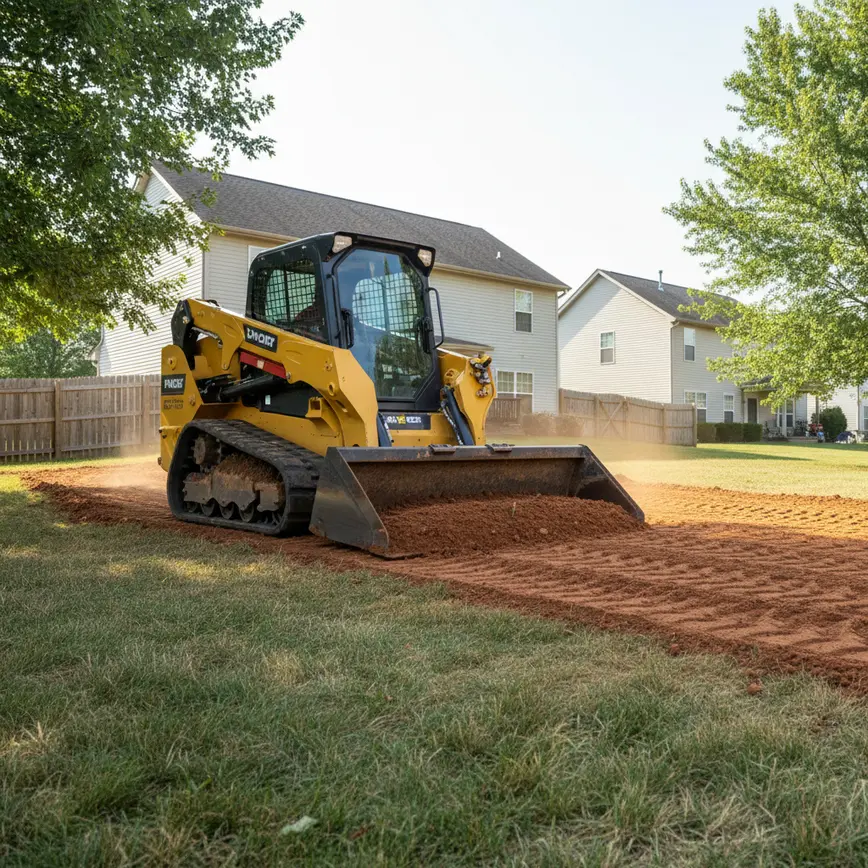
A Lithopolis, Ohio grading company shapes clay uplands, village lots, and former farmland so foundations, drives, and drainage work correctly. Fortress Level Construction uses licensed crews, dozers, excavators, and John Deere 333G compact track loaders for flat-rate grading quotes. Near Pickerington and the Wagnalls Memorial Library, the team plans each job for soil and runoff.
The Quick Answer
- A Lithopolis grading company here has to handle village lots, new subdivisions, and larger former-farmland parcels without assuming the site is flat or uniform.
- Fortress gives flat-rate quotes after a free on-site walk-through, then schedules same-week visits when possible and answers during business hours in about 2 to 3 hours.
- Clay uplands around Lithopolis can hold water and rut easily, so the crew grades for drainage before base stone, pads, or final finish work.
- Ohio law requires an Ohio 811 utility locate at least 48 hours before digging, and Fortress builds that step into the schedule.
- The team uses John Deere 333G compact track loaders, Diamond drum mulchers, dozers, and excavators to cut, shape, and move material efficiently.
- Small village lots near the Wagnalls Memorial Library need tighter finish grading than larger parcels south of Pickerington, where subdivision prep is more common.
- Fortress is a licensed and insured land-services company founded by Lee Carson, a combat veteran, with a real crew handling the work.
- Typical grading projects here often land in the $1,000 to $3,000 range, depending on access, drainage needs, and how much soil has to be moved.
Related Questions People Ask Next
Lithopolis grading often mixes small village lots with larger former-farmland parcels, so the crew has to adjust for tighter access, changing elevations, and clay uplands. Fortress starts with a free walk-through, then sets a flat-rate quote that reflects drainage, driveway tie-ins, and finish tolerance instead of guessing from satellite images.
Clay uplands can stay wet, move slowly, and hold water against foundations or drives if the grade is wrong. In Lithopolis, Fortress grades to direct runoff away from the structure and toward workable drainage paths. That approach matters on village lots and on newer subdivision pads built from former farmland.
Fortress uses John Deere 333G compact track loaders, Diamond drum mulchers, dozers, and excavators for Lithopolis grading work. The compact track loaders help on tighter village lots, while the heavier machines shape larger parcels. That mix fits the area south of Pickerington, where subdivision prep and rural lots can sit side by side.
During business hours, the team responds in about 2 to 3 hours, and free on-site walk-throughs are usually scheduled the same week. That is useful in Lithopolis, where a small village site near the Wagnalls Memorial Library may need quick drainage decisions before construction can move ahead.
How does a Lithopolis grading company prepare a site before digging starts?
Fortress starts Lithopolis grading with a free on-site walk-through, not a guess from photos. On clay uplands near Pickerington, the crew checks access, runoff, and finish elevations before quoting flat-rate work. Because Ohio 811 locates must be in place 48 hours before digging, the schedule is built around that rule.
On village lots in Lithopolis, the first pass is about fitting the plan to a small footprint. The crew marks where soil must be cut or filled, then chooses compact track loaders for tight turns and dozers for broader shaping. That keeps the work practical when the lot sits close to existing homes or roads.
On larger parcels on former farmland, the process shifts toward drainage control and pad preparation. Fortress uses excavators to open swales, move heavier spoils, and correct low spots, which is important in Fairfield County where clay can pond water. Flat-rate pricing usually falls in the $1,000 to $3,000 range depending on scope.
What grading equipment works best on Lithopolis village lots and new subdivisions?
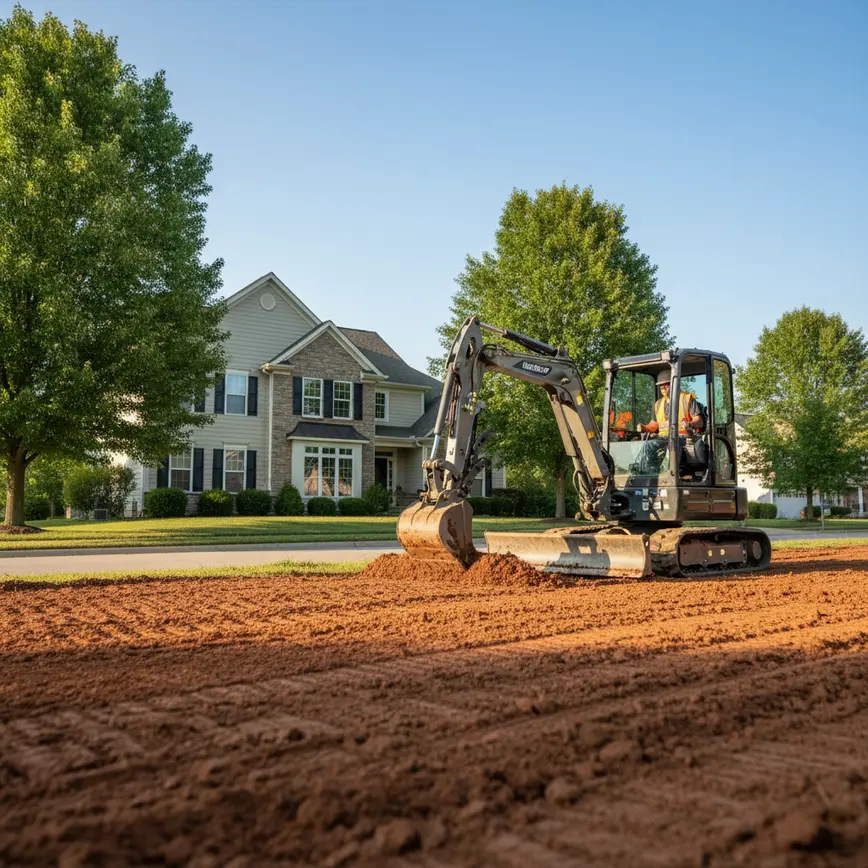
Lithopolis grading needs equipment that can move between compact village lots and broader subdivision prep south of Pickerington. Fortress brings John Deere 333G compact track loaders, Diamond drum mulchers, dozers, and excavators. The compact machines help around tighter access, while the heavier equipment handles rough shaping, removal, and base elevation control.
A compact track loader is useful when a Lithopolis site has limited room for staging. The John Deere 333G can manage grading, cleanup, and material movement without tearing up the ground as quickly as a less stable machine might. That matters on small lots near the village core and around the Wagnalls Memorial Library area.
For larger tracts, especially where farmland is being converted to subdivision lots, Fortress leans on dozers and excavators to reset slopes and establish positive drainage. The Diamond drum mulchers help when overgrowth or stems need clearing before the final grading pass, and their output can cover 1 to 5 acres per day depending on site conditions.
How does grading cost get set for Lithopolis projects?
Fortress sets Lithopolis grading costs with a free walk-through and flat-rate quote, then sizes the job by access, soil movement, and drainage needs. Most projects here fall in the $1,000 to $3,000 range. Clay uplands, former farmland, and tighter village parcels all affect how much machine time the crew needs.
A small grading job in Lithopolis may only need finish work, a driveway correction, or a drain-relief adjustment. In that case, the quote reflects limited material movement and compact access. If the lot is part of a new subdivision on former farmland, the price can rise within the stated range because there is more shaping, haul-off, or pad prep to complete.
The crew does not price by guesswork. It looks at slope, drainage path, and what equipment is required to do the work correctly the first time. In a village with about 2,100 residents, that matters because one lot may be narrow and another may sit on open ground closer to Carroll or Canal Winchester.
Why does Lithopolis drainage planning matter so much for grading work?
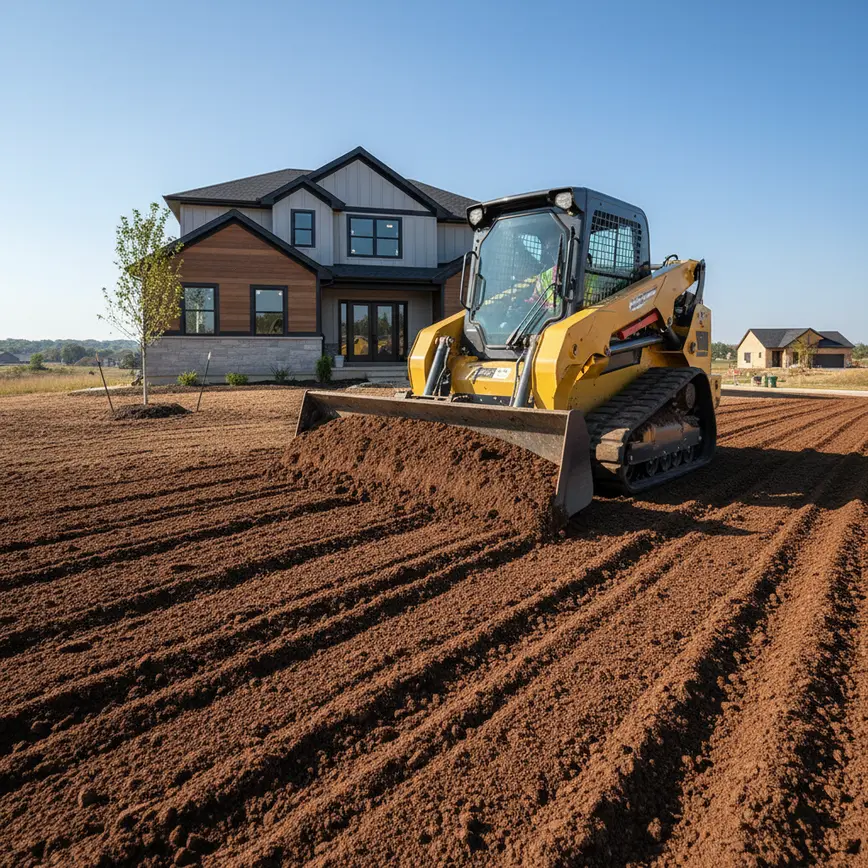
Lithopolis grading has to account for clay uplands, nearby valley farmland, and runoff that can collect quickly if the slope is wrong. Fortress grades for drainage before finish work so water moves away from structures and paved areas. That is especially important on village lots that were never meant for larger modern building footprints.
A good grading plan in Lithopolis does more than make the lot look level. It creates usable elevation changes that protect foundations, keep drives from holding water, and reduce erosion after rain. The crew checks how water will leave the site, then uses dozers, excavators, and compact track loaders to shape the ground in controlled passes.
Growth south from Pickerington has added more subdivision prep to the mix, but the soil and terrain still matter. Former farmland can hide soft spots or low seams that need correction before building. Fortress accounts for those conditions during the walk-through so the final grade works with the site instead of against it.
Which Lithopolis grading approach fits your site?
Lithopolis sites range from tight village lots to larger former-farmland parcels, so the right grading approach depends on access, drainage, and how much soil has to move. Fortress matches the machine to the job, whether the project is finish grading, subdivision prep, or rough shaping near Pickerington and Canal Winchester.
| Site type | Main grading need | Fortress approaches | Best fit in Lithopolis |
|---|---|---|---|
| Village lot | Tight access and finish elevation | Compact track loader finish grading | Near the Wagnalls Memorial Library and other small in-village parcels |
| New subdivision lot | Pad prep and drainage control | Dozer and excavator shaping | Growth areas south of Pickerington |
| Former farmland parcel | Rough cut and larger soil movement | Dozer-led grading with excavator support | Larger lots near Carroll or Lancaster |
| Wet clay upland site | Runoff correction and stable base | Drainage-first grading pass | Anywhere clay holds water after rain |
| Cleared overgrown parcel | Access and visibility before grading | Mulching plus grading sequence | Sites with stems and leftover field growth |
When is a Lithopolis grading company not the right call, and what should you do instead?
Grading is not the first call for every Lithopolis site. If the issue is a broken utility, unknown line, or active water main conflict, stop and confirm locates before any soil work. If you only need lawn seeding or landscape cleanup, a grading contractor may be more than you need.
If your Lithopolis project is only cosmetic, such as minor yard smoothing with no drainage or building concern, a smaller landscaping scope may fit better than full grading. But if the lot is clay-heavy, slopes toward a structure, or is part of a subdivision pad on former farmland, grading is the safer starting point.
If there is any chance of buried utilities, Ohio 811 must be called at least 48 hours before digging under Ohio Revised Code 3781.28. Fortress can help sequence the work after locate marks are set, but the crew will not skip that step on a village lot, rural parcel, or site near Pickerington.
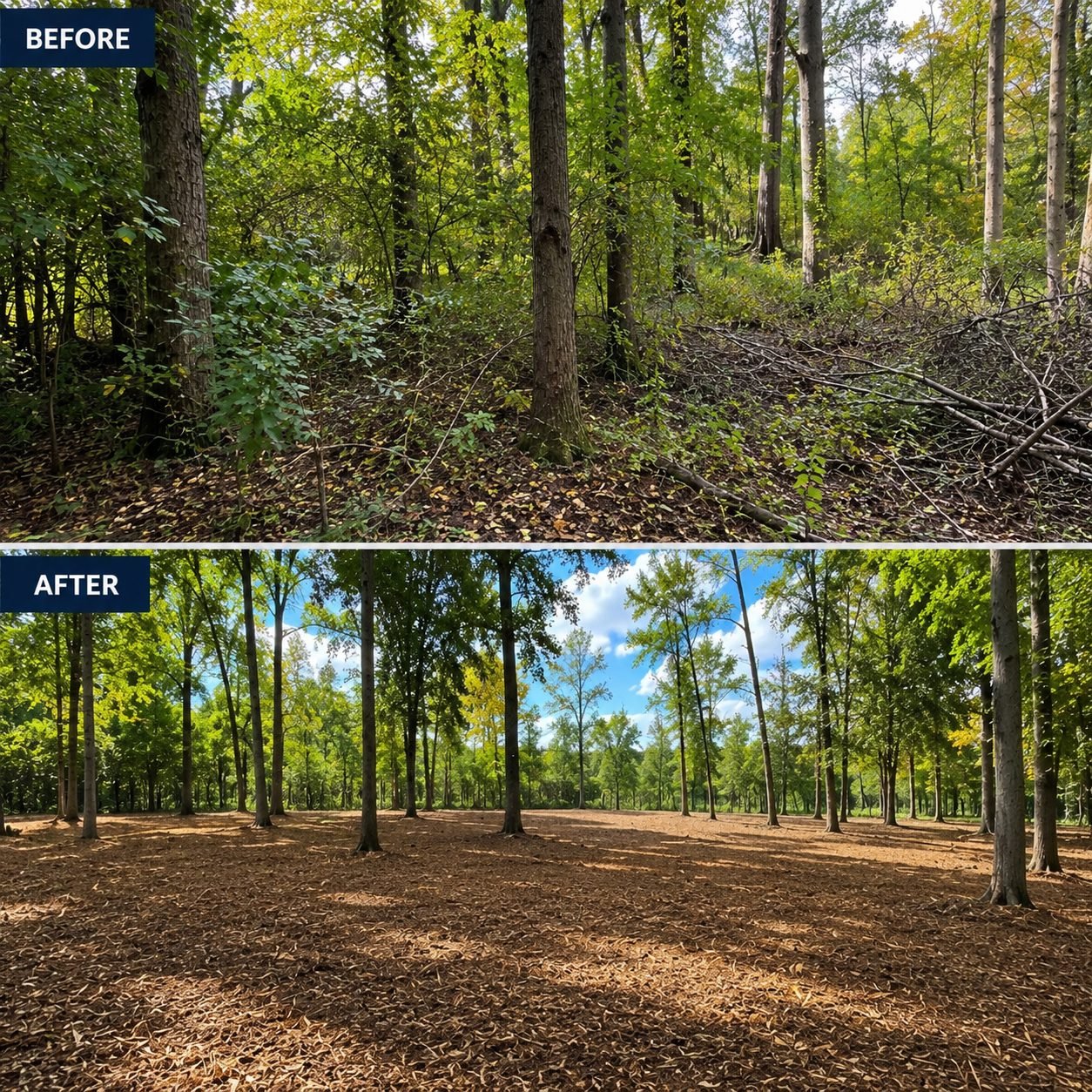
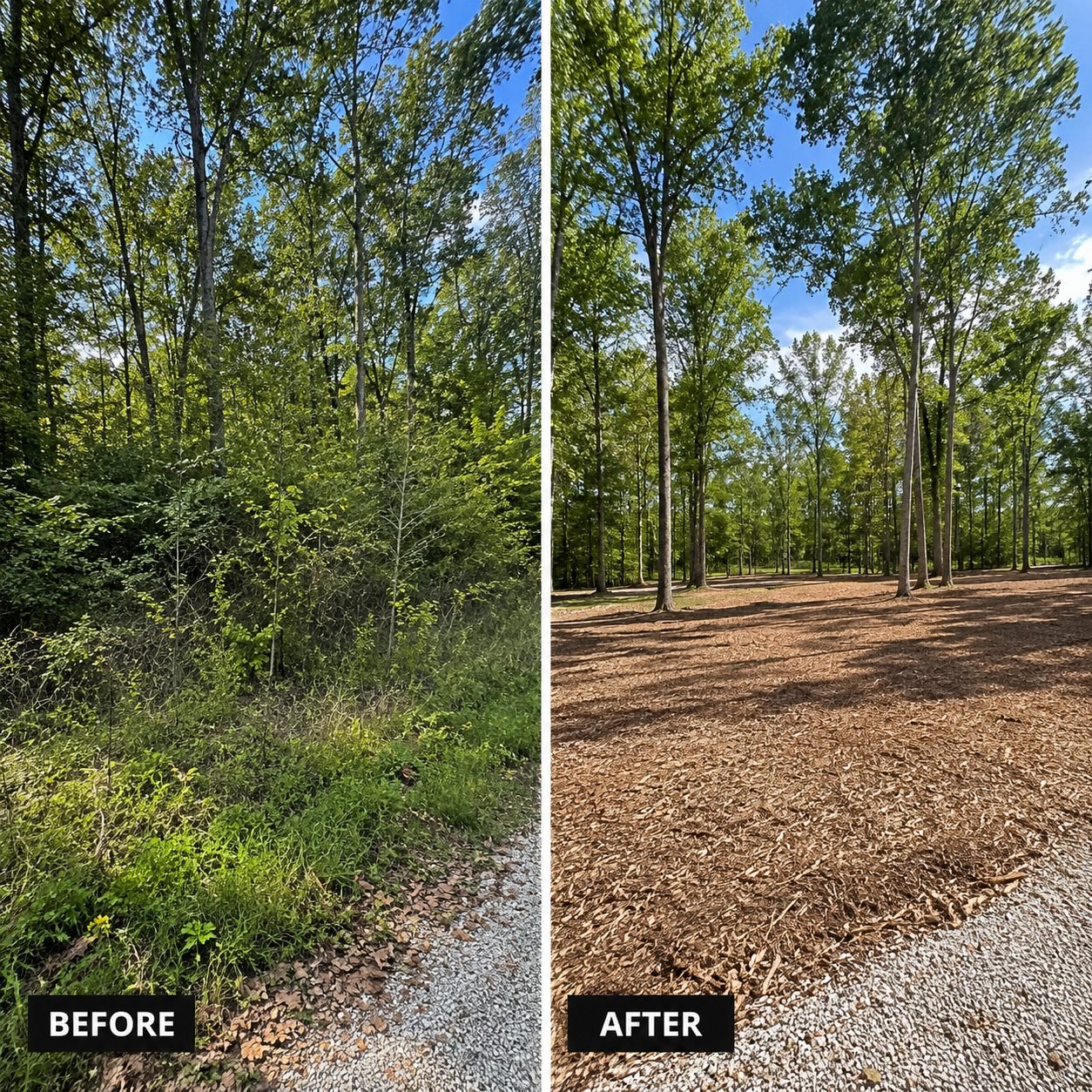
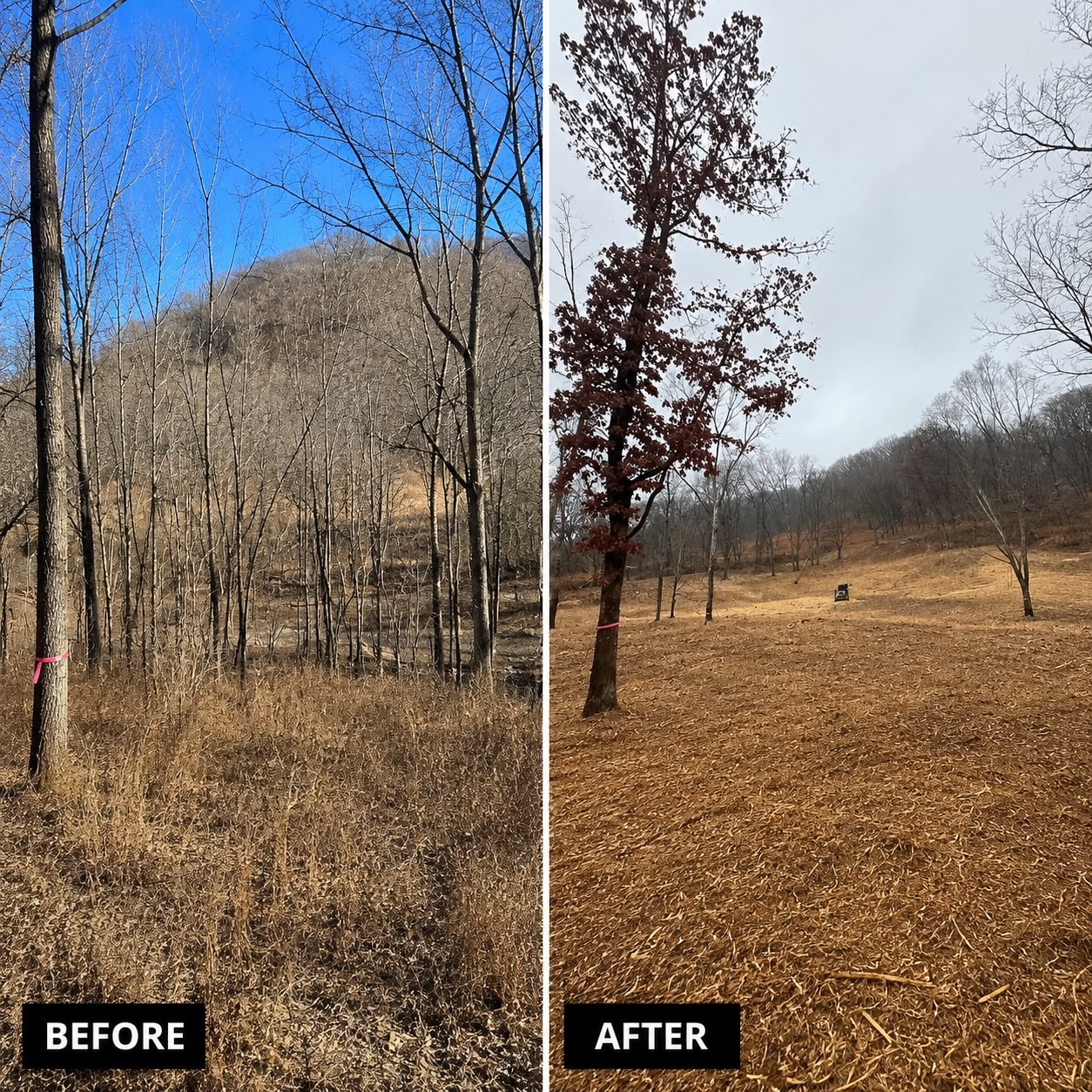
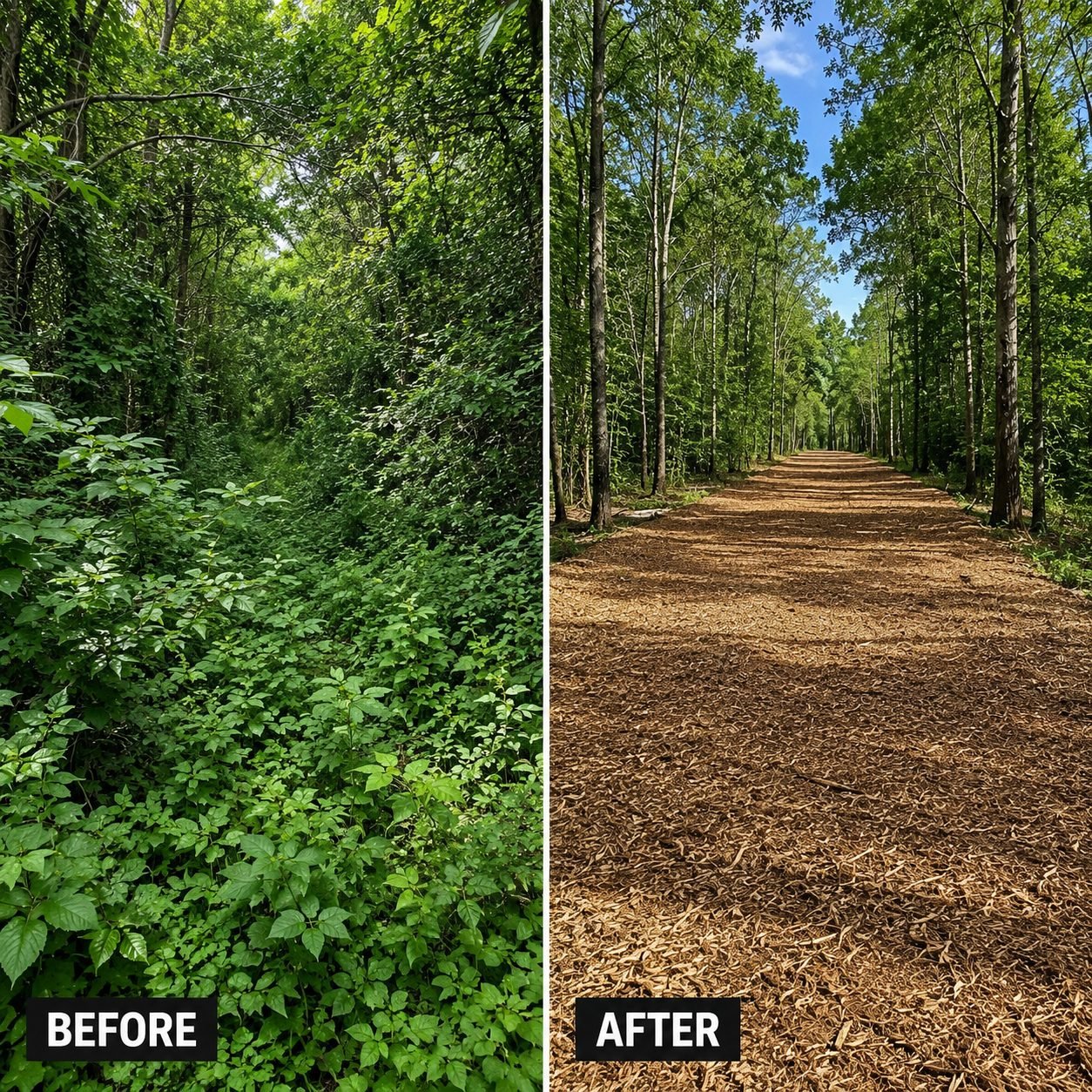
What does before-and-after grading look like on a Lithopolis lot?
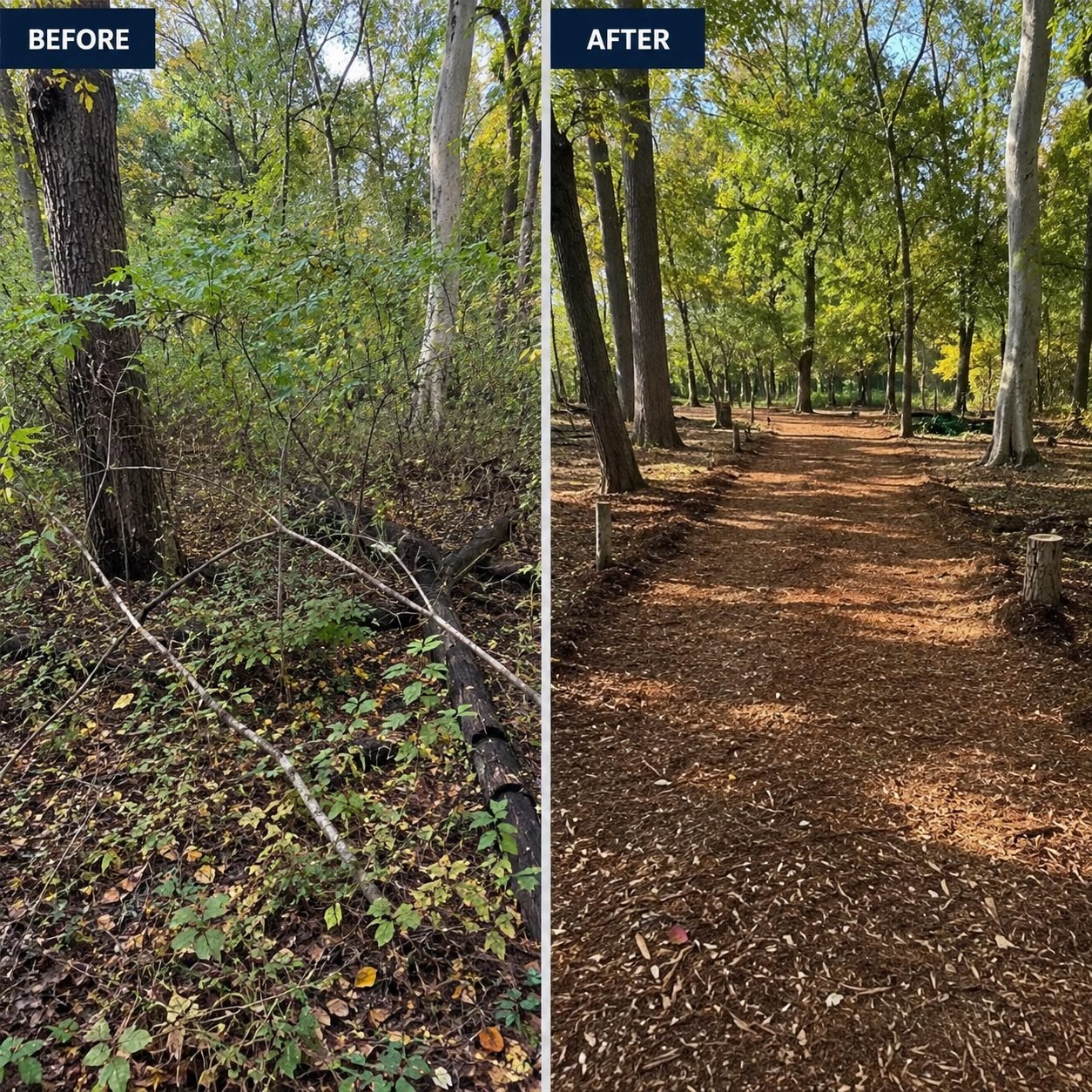
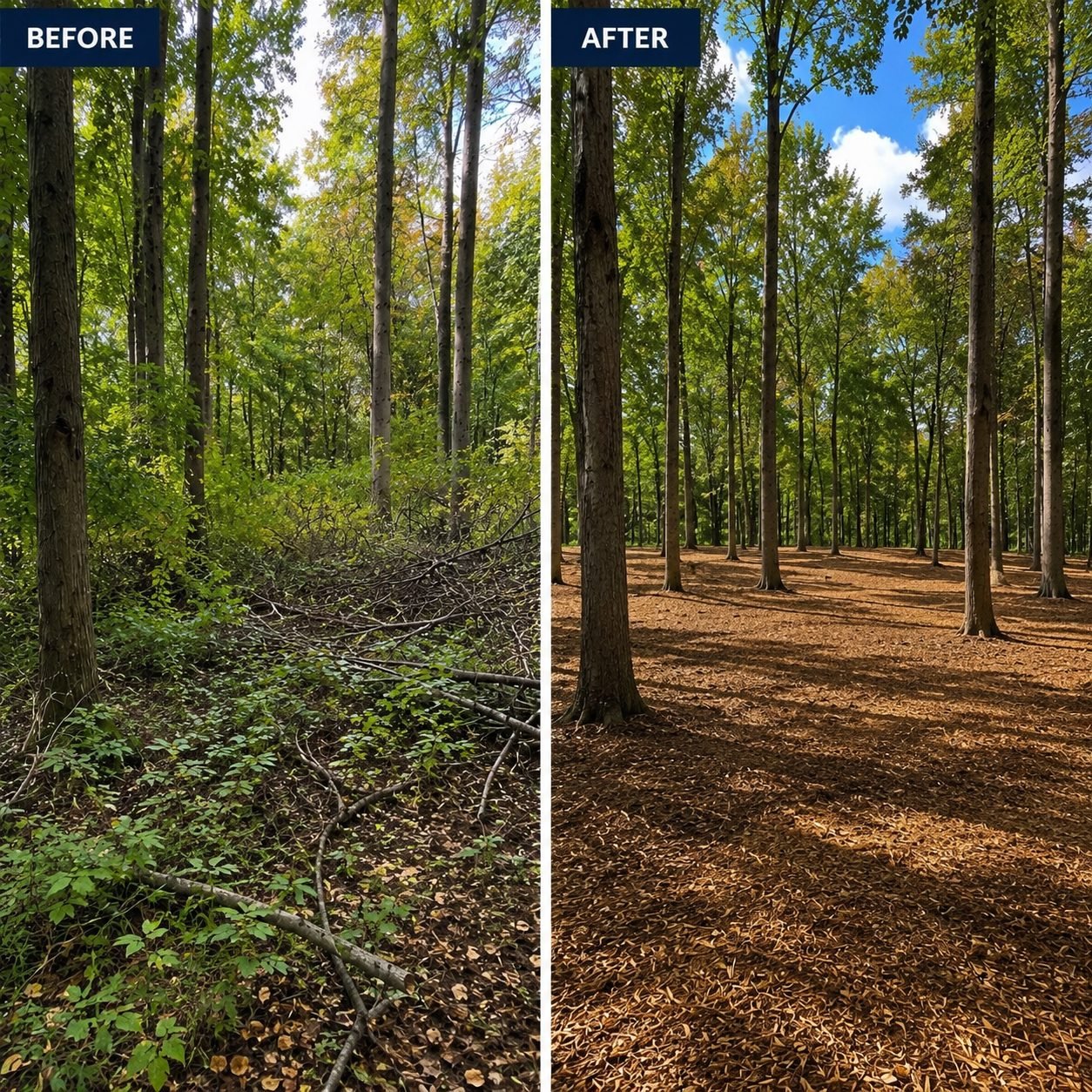
Before and after Lithopolis grading should show more than a flatter surface. Before, a village lot or former-farmland parcel may hold water, slope toward the structure, or feel rough from prior use. After, the grade is shaped for drainage, buildability, and cleaner access for the next phase.
Frequently asked questions
Yes. Lithopolis has no named neighborhoods and mixes village lots with larger former-farmland parcels, so Fortress sizes the equipment to the site. Compact track loaders work well on tight access, while dozers and excavators handle broader shaping, drainage cuts, and subdivision prep as growth spreads south from Pickerington.
During business hours, Fortress usually responds in 2 to 3 hours and can schedule same-week walk-throughs. That speed helps in Lithopolis, where a small lot near the Wagnalls Memorial Library or a newer subdivision parcel may need quick answers on drainage, finish elevation, or access before work can move forward.
The crew checks slope, clay soil conditions, access, existing drainage, and how much cut or fill the lot needs. In Lithopolis, that review matters because village sites, former farmland, and lots near Pickerington can all require different machine choices and different ways of moving water away from the project.
Ohio law requires an Ohio 811 utility locate at least 48 hours before digging. In Lithopolis, that step protects village lots, subdivision pads, and rural parcels from hitting buried lines. Fortress builds the locate timing into the schedule so grading can start legally and with less interruption.
Most Lithopolis grading projects fall in the $1,000 to $3,000 range. The final flat-rate quote depends on site access, soil movement, drainage correction, and whether the job is a small village-lot finish grade or a larger subdivision prep project on former farmland.
Lithopolis means stone city, and that history fits a place where soil and terrain still matter on every job. Fortress has to work around clay uplands and drainage changes, not just move dirt. That is why the crew plans each grading project around the actual site conditions before machines start.
Grading Company Near Lithopolis
What Other Services Does Fortress Offer in Central Ohio?
Fortress Level Construction runs a full range of land-clearing, excavation, grading, and site-work services across Central Ohio, so one owner-operated crew can clear, grade, and prep a site end to end.
Get a Flat-Rate Quote from Lee Carson
Owner-operated land clearing across all five Central Ohio counties. Send your property details and Lee gets back to you within 2 to 3 hours during business hours with one flat number after a free on-site walk-through.