

Stump Removal in Ohio: How to Clear Tree Stumps Safely, Affordably, and for Good
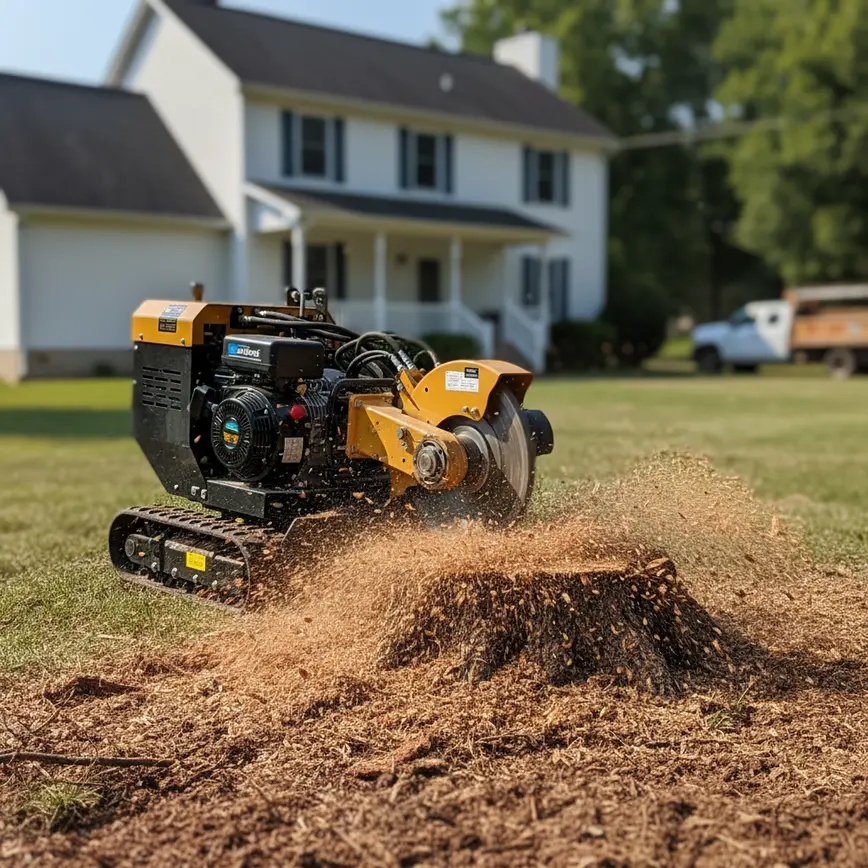
Stump removal is the process of eliminating a tree stump and, when needed, its major roots so the area can be reused safely for grading, planting, paving, or construction. The right method depends on stump size, wood hardness, access, soil conditions, and whether you want full extraction or stump grinding.
The Quick Answer
- Stump removal is not the same as cutting the stump flush with the ground; it means clearing the remaining trunk base and, in many cases, the root mass.
- For most homeowners, stump grinding is the fastest and least disruptive option, while full removal is better when you need a clean grade, new planting, or a structural project.
- Central Ohio clay soil can make digging and root extraction harder, especially after rain, because saturated clay holds equipment, sticks to buckets, and slows cleanup.
- The biggest cost drivers are stump diameter, species, root spread, access, slope, nearby utilities, debris haul-off, and whether the work includes backfill and grading.
- Stump grinding vs removal is a tradeoff between speed and completeness: grinding leaves roots in the ground, while removal creates a bigger excavation but clears more of the root system.
- Before any digging, Ohio 811 must be contacted at least 48 hours in advance, and that applies even when a contractor is only partially excavating around the stump.
- DIY stump removal can work for small, shallow stumps, but large or old stumps often need specialized equipment, experienced operators, and a safer plan for hidden roots.
- A good contractor explains the method, cleanup, disposal, and whether the final surface will be left ready for lawn restoration, driveway work, or future building.
Related Questions People Ask Next
For many properties, stump grinding is the easiest method because it is fast, compact, and causes less disruption than digging out the full root ball. The easiest approach depends on stump size, access, soil moisture, and your end goal. If you only need the stump out of the way, grinding is usually the practical answer. If you need the area fully cleared, excavation may be the better choice.
A small stump can sometimes be handled quickly, while larger stumps or those in tight, utility-heavy areas take more time. The process includes locating utilities, setting up equipment, removing the stump or grinding it below grade, and cleaning the area. Clay soil, root depth, slope, and access all affect timing. A contractor should give you a realistic schedule after seeing the site.
Sometimes, but not always. Stump grinding leaves the deeper root system in place, and that wood slowly decays below grade. For turf restoration or light landscaping, grinding is often enough once the chips are managed and the hole is backfilled. For planting a new tree in the exact same spot, or for construction, full stump removal may be the more dependable option.
Small stumps may be removed manually with a shovel, axe, saw, mattock, and digging bar, but the work gets difficult fast as the stump size and root spread increase. In Ohio clay, manual digging can become especially exhausting because wet soil clings and compacted roots resist cutting. If the stump is large, near utilities, or near a structure, a machine-based approach is usually safer and more efficient.
After stump grinding, the remaining wood chips and sawdust are usually raked level, then the cavity is backfilled with soil or a soil-compost mix depending on the intended use. The area may settle over time as buried roots break down, so some sites need additional topsoil later. If you want grass, grading and seeding help the area blend into the rest of the yard.
What Is Stump Removal?
Stump removal is the process of eliminating the visible stump and, in many cases, the larger root structure left after a tree is cut down. The right approach can mean grinding the stump below grade, excavating the entire base, or combining cutting, digging, and cleanup so the area can be reused properly.
If you are wondering how to remove a tree stump, start with the difference between a stump that is simply cut low and a stump that is actually removed. A flush cut leaves the stump in place. Stump removal means that remaining wood is taken out enough to restore the area for lawn, landscaping, or construction. Some projects only need stump grinding, while others need full tree stump removal to avoid future settlement or obstruction.
The method you choose depends on what comes next. If the area will become turf, a play area, a garden bed, or a driveway edge, grinding may be enough. If it will be graded, excavated, or built on, more complete removal is often better. In Central Ohio, clay soil can hold moisture and compact around roots, which is one reason stump removal can be more labor intensive than it looks from the surface.
A good contractor will explain whether the stump is isolated or connected to major roots, whether the site has utilities nearby, and whether the final grade matters. That matters because stump removal is not just about getting wood out of the ground. It is about preparing the site so the surface remains stable and the work does not create later problems with settling, regrowth, or hidden obstacles.
Why Does Stump Removal Matter?
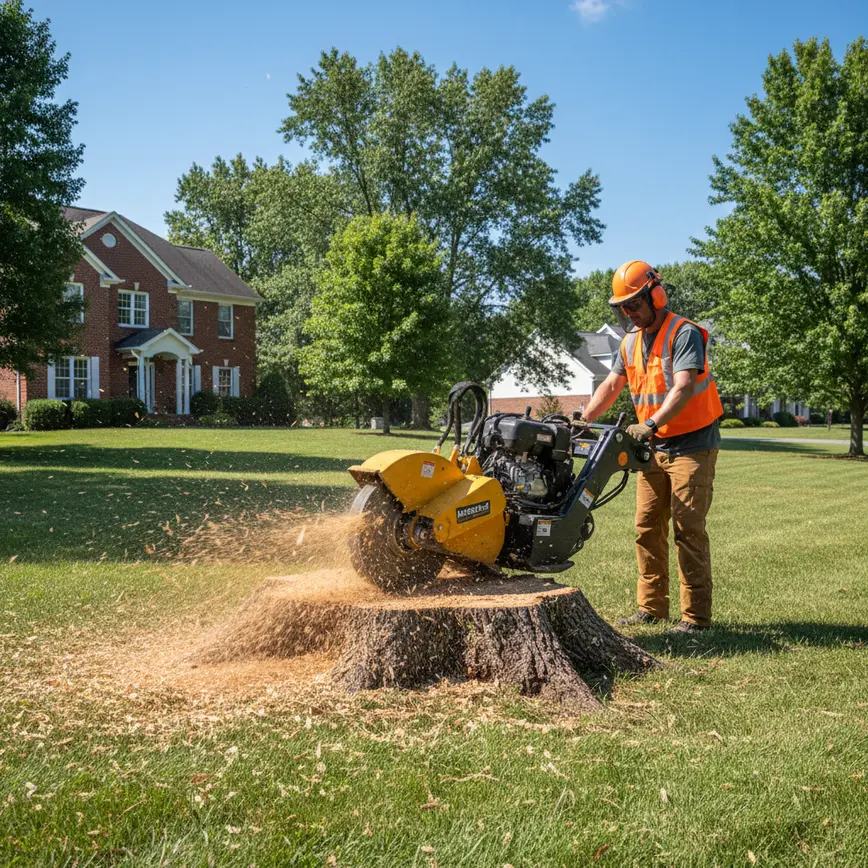
Stump removal matters because leftover stumps can block mowing, attract pests, create tripping hazards, interfere with new landscaping, and complicate grading or future construction. Removing the stump also helps the property look finished and makes the site safer, easier to maintain, and more usable for the next phase of work.
What Methods Are Used for Stump Removal?
The main stump removal methods are stump grinding, full excavation, manual removal for small stumps, chemical decay methods, and burn-based methods where allowed. Each approach has different speed, labor, cleanup, and site-impact tradeoffs. The best method depends on stump size, access, utilities, and what you plan to do with the property afterward.
How Does the Stump Removal Process Work?
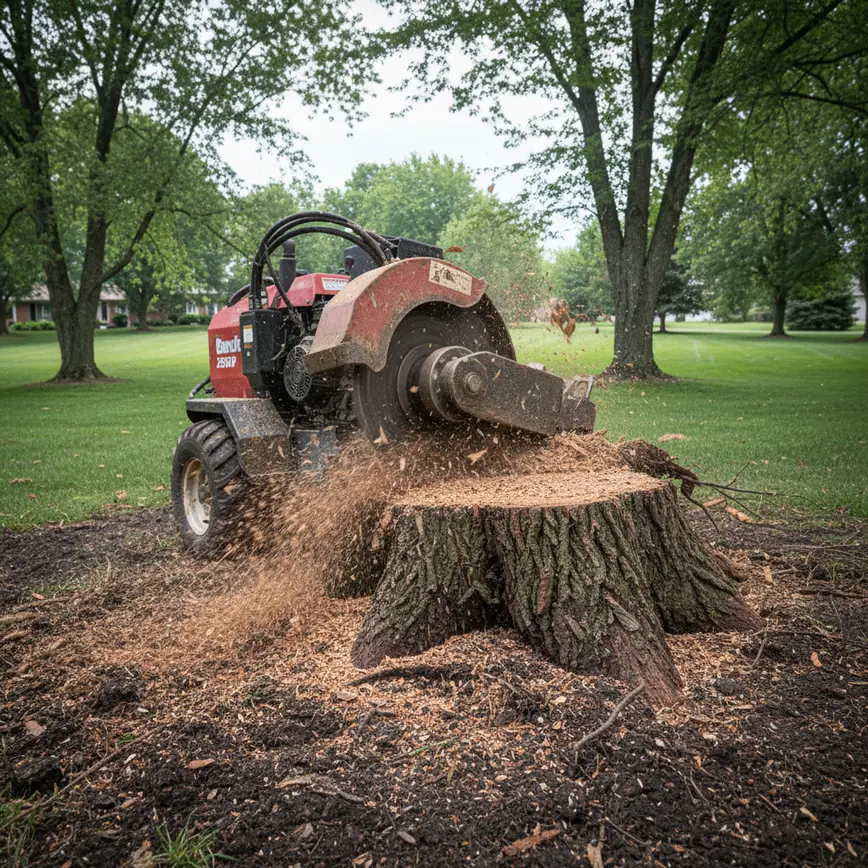
A proper stump removal process starts with site inspection, utility locate, and access planning, then moves to cutting, grinding or excavation, debris cleanup, backfill, and final grading. The goal is not just to remove wood but to leave the area safe, level, and ready for its next use.
What Drives Stump Removal Cost?
Stump removal cost depends on stump diameter, species, root spread, access, soil conditions, method chosen, cleanup needs, and whether the crew must haul debris or restore grade. Grinding is usually less expensive than full extraction, but the right choice depends on how complete you need the site to be.
What Equipment Is Used for Stump Grinding and Removal?
The right equipment can turn a difficult stump into a manageable job. Common tools include stump grinders, mini excavators, skid steers, backhoes, chainsaws, root saws, digging bars, and hand tools for cleanup. The machine choice depends on access, stump size, and whether the goal is grinding or full excavation.
Should You DIY or Hire a Pro for Tree Stump Removal?
DIY stump removal can save money on small, accessible stumps, but hiring a pro is usually safer and more efficient for larger stumps, tight access, buried utilities, or final grades that need to be precise. The real question is not just cost, but risk, time, and the quality of the finished site.
What Permits, Regulations, and Ohio 811 Rules Apply?
Before digging, Ohio law requires an Ohio 811 utility locate request at least 48 hours in advance under ORC 3781.28. Local permit needs vary by city, township, and project scope, especially if stump removal is part of grading, excavation, drainage work, or land clearing. Always check before starting.
How Do You Choose a Stump Removal Contractor?
Choose a stump removal contractor based on licensing, insurance, equipment, local experience, utility awareness, scope clarity, and cleanup standards. The best contractor explains whether stump grinding or full removal is appropriate and gives a clear plan for access, backfill, grading, and debris handling.
Start by asking what method the contractor recommends and why. A credible company should explain the difference between stump grinding vs removal in plain language and tie the recommendation to your actual site conditions. If the answer sounds generic or rushed, that is a warning sign. You want someone who considers stump size, access, soil type, and the final use of the area. The right plan should be specific, not one-size-fits-all.
Next, verify that the company is licensed and insured and that it has real equipment and a real crew. Fortress Level Construction has operated in Central Ohio since 2009 and is founded by Lee Carson, a combat veteran, which reflects a disciplined, field-tested approach to land services. A contractor should also be able to discuss utility locate requirements, cleanup, and whether the finish grade will be restored. Those details matter more than a low initial quote.
Finally, look for clarity on pricing and scope. A good contractor tells you what is included, what is not, and what could change the price. Ask whether chips will be hauled away, whether the hole will be backfilled, and whether any surface settling is expected. The best stump removal contractors leave the property ready for the next step, not with a half-finished crater. For questions or scheduling, Fortress can be reached at (844) 656-0129.
Stump Grinding vs Removal: Which Method Fits Your Site?
Stump grinding vs removal comes down to speed, disruption, cost, and how complete you need the result to be. Grinding is usually best for quick surface restoration, while full removal is better when the area will be excavated, regraded, or built on. Use this comparison to match the method to the project.
| Method | Best use | Typical impact | Key tradeoff |
|---|---|---|---|
| Stump grinding | Lawns, landscaping, surface hazard removal | Low to moderate disturbance | Leaves the root system in the ground |
| Full stump removal | Construction prep, regrading, complete clearance | Moderate to high disturbance | Creates a bigger excavation and more cleanup |
| Manual removal | Very small stumps with easy access | Low machine impact, high labor | Slow, physical, and limited in size |
| Chemical decay | Non-urgent situations where time is available | Minimal surface disturbance | Very slow and not ideal for immediate reuse |
| Burning | Rare situations where local rules allow it | Variable and risk-prone | Often restricted and hard to control |
| Contractor removal | Most projects needing a clean, safe finish | Controlled with proper equipment | Higher upfront cost, better outcome for complex sites |
When Is Stump Removal Not the Right First Move?
Not every stump needs full extraction. In some cases, stump grinding is enough, while in others the better first step is utility locating, drainage planning, or broader site grading. The wrong method can waste money, disturb the yard unnecessarily, or create settlement and access problems later.
A common mistake is assuming full stump removal is always better. It is not. If the goal is simply to remove a trip hazard or improve the look of a lawn, grinding is usually more practical. Full excavation is more disruptive and can create a larger hole than most homeowners expect. If the area does not need to be built on or regraded, over-removal can add cost without adding value.
Another limitation is timing. Wet clay soil can turn a straightforward stump project into a messy one. If the ground is saturated, equipment can rut the yard, cleanup takes longer, and the finish grade may be harder to restore. In those conditions, the contractor may recommend waiting or adjusting the method. That is not a sales delay. It is often the smarter way to protect the property and the final outcome.
The final limitation is hidden infrastructure. If there is any chance the stump is near gas, electric, water, sewer, irrigation, or communications lines, digging should not begin until Ohio 811 has marked the area. A stump that looks isolated may have roots or utilities closer than expected. Choosing the wrong approach in a utility-heavy area can create serious risk, so safety and planning come first.
Stump Removal Gallery: What to Expect on a Real Jobsite
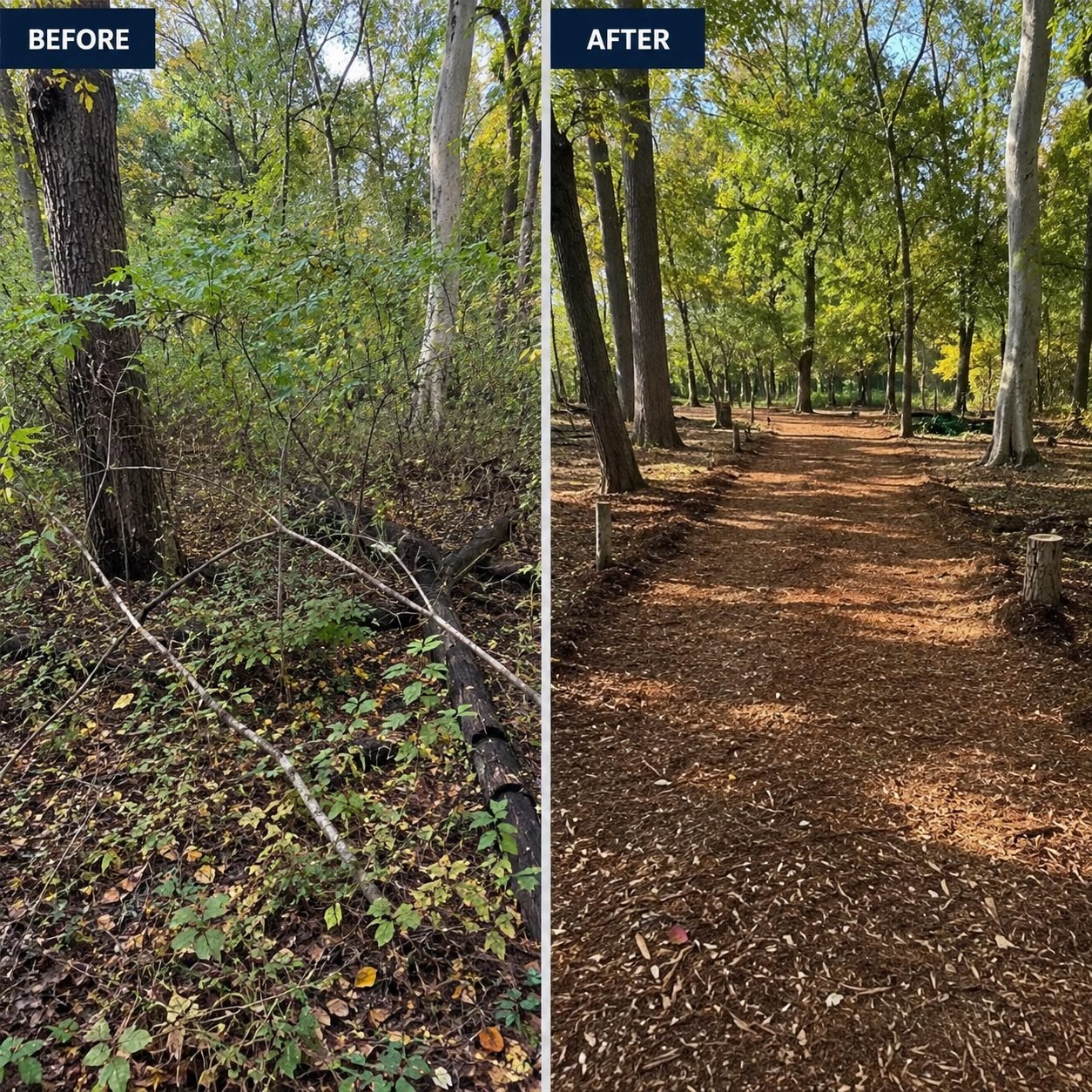
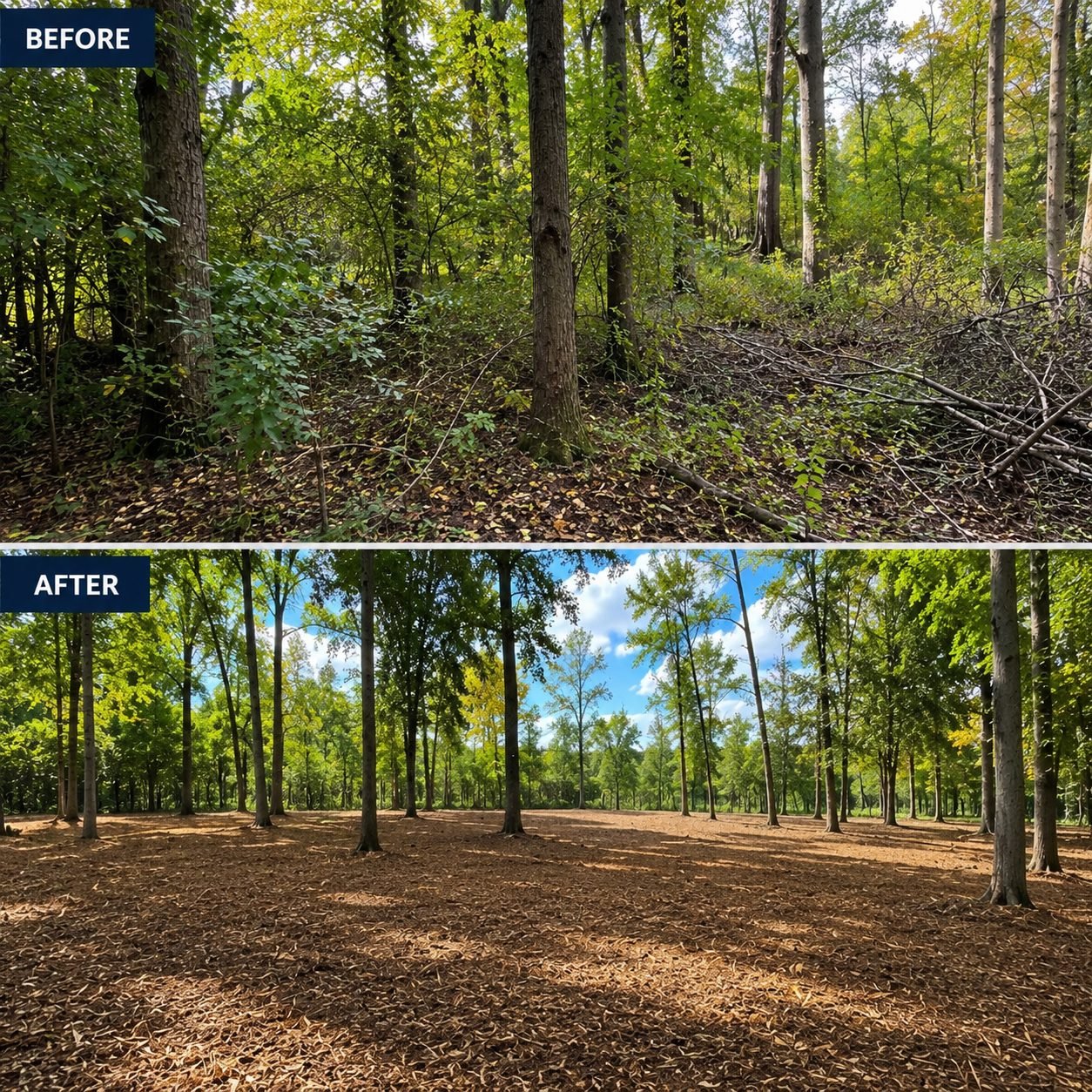
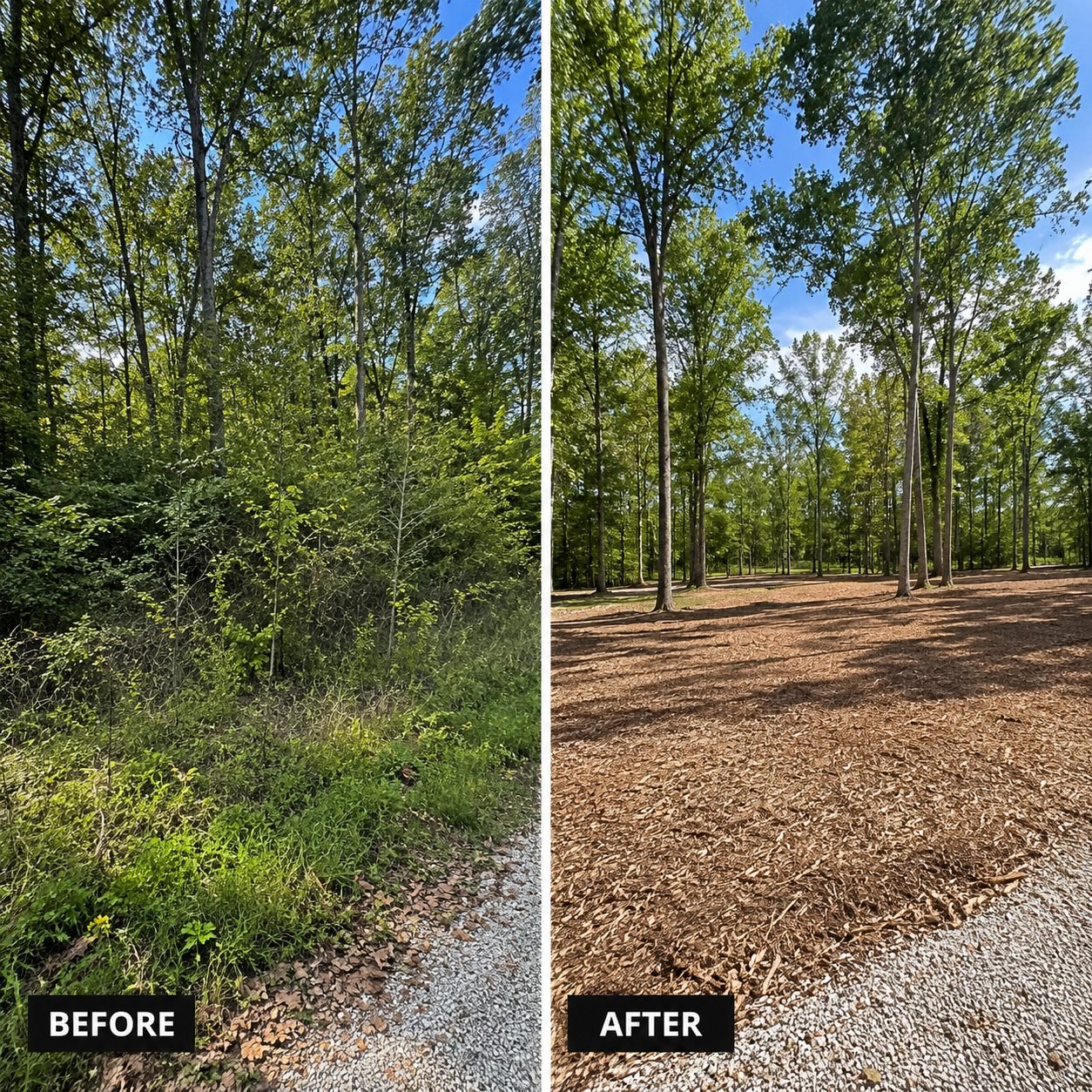
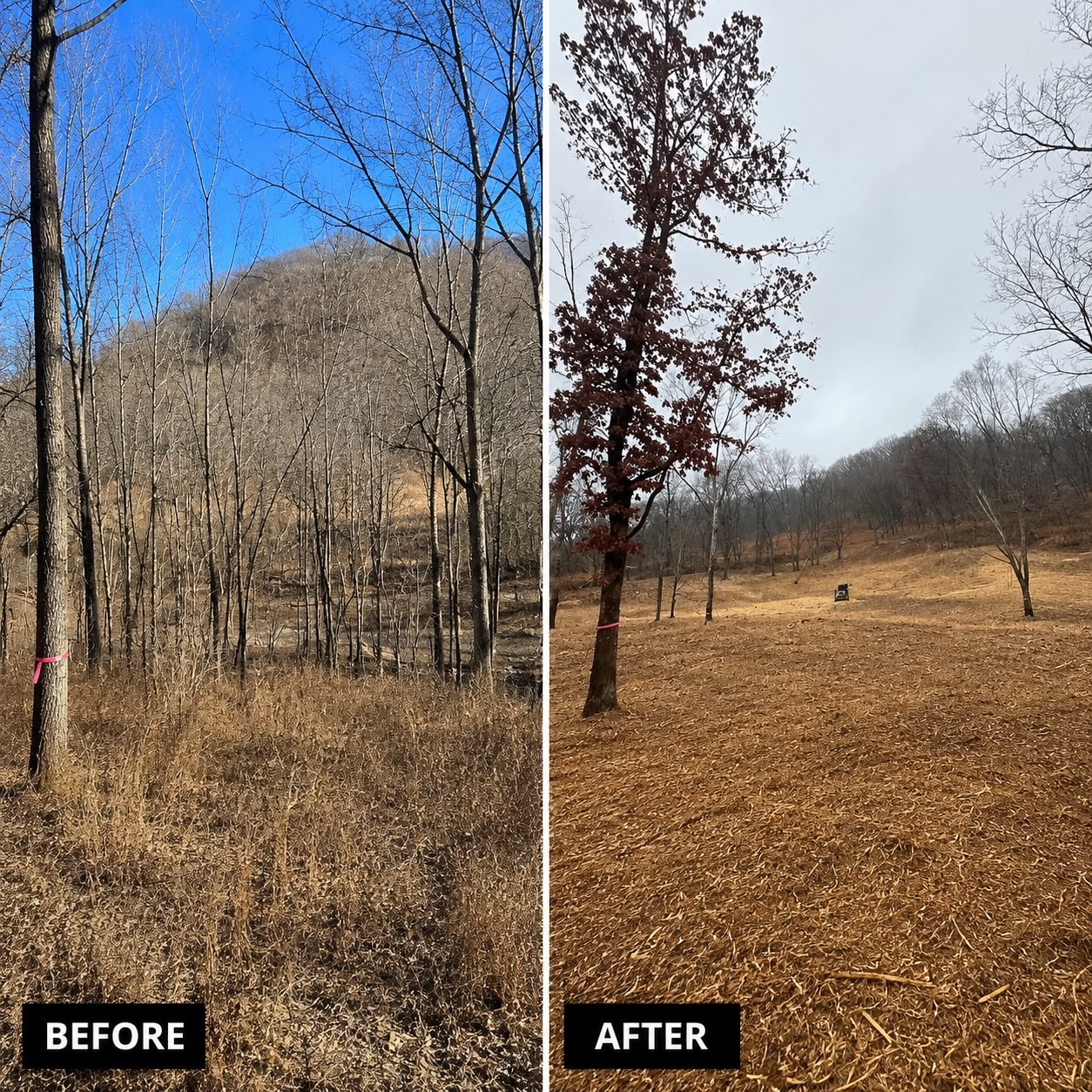
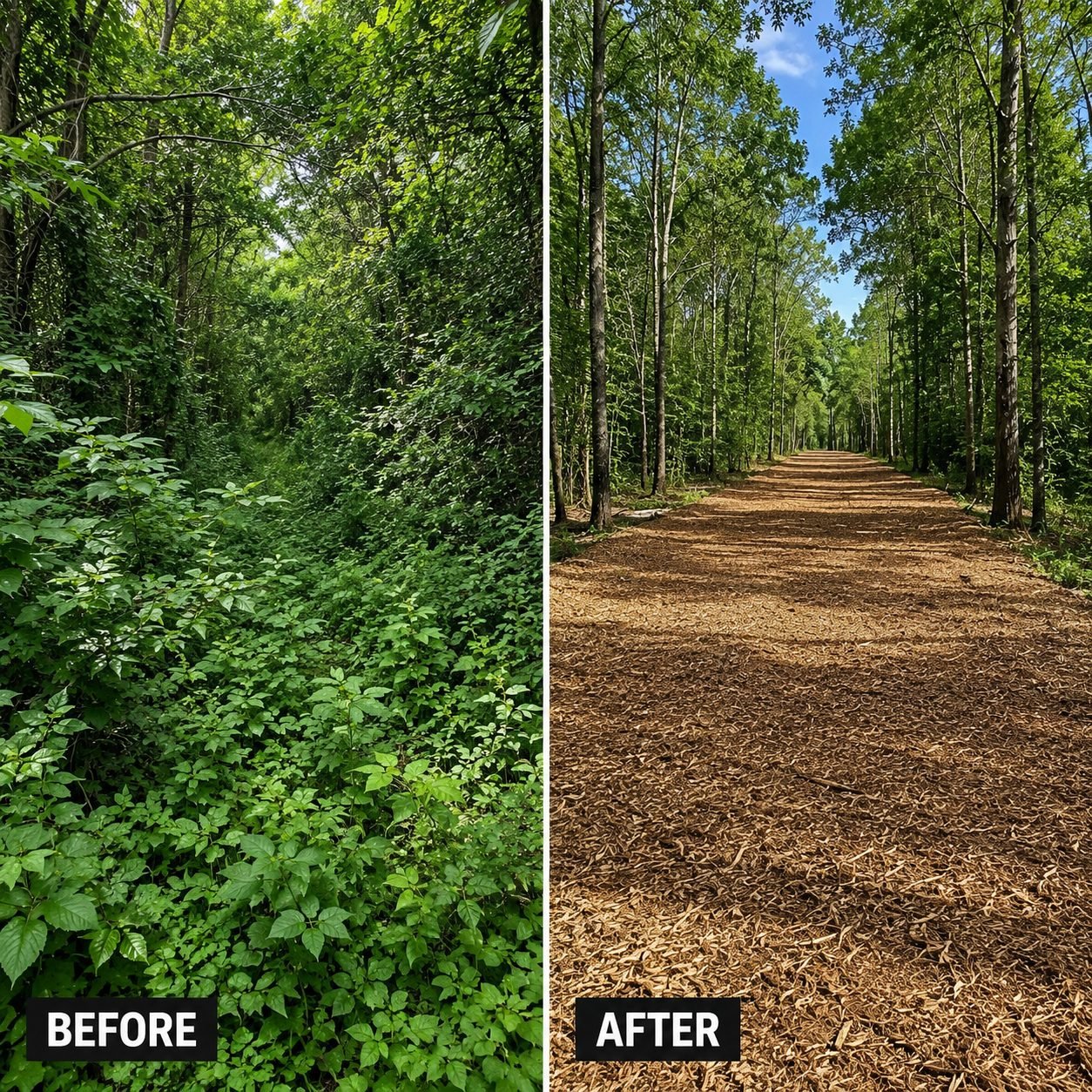
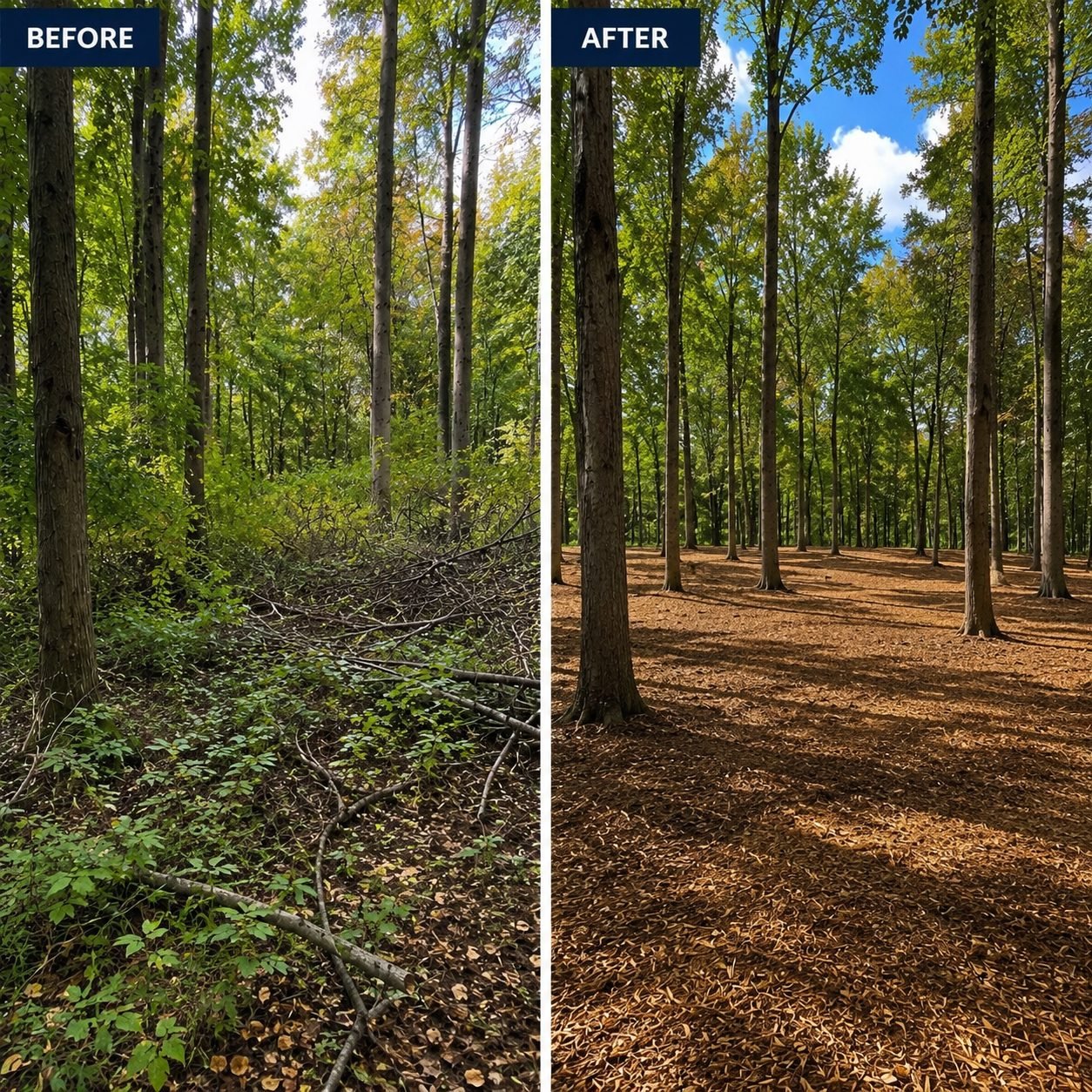
A useful stump removal gallery should show the site before work, the utility locate marks, the chosen removal method, the cleaned stump cavity, and the finished grade. These images help property owners understand the difference between stump grinding and full removal, and what a professional finish looks like after cleanup.
Frequently asked questions
You remove a tree stump without grinding by excavating around it, cutting the roots, and lifting or prying the stump out with manual tools or machinery. This approach is better when the area must be fully cleared for regrading, planting, or construction. It is usually more disruptive than stump grinding, and it takes more cleanup.
Stump grinding should go deep enough to remove the visible stump and leave the surface below the finished grade you want to maintain. For turf restoration, that usually means below the mowing surface. For landscape beds or construction prep, the target depth may be different. The contractor should grind based on your intended use, not a one-depth-fits-all assumption.
It can, especially if the hole is backfilled with loose material and the underlying roots continue to decay. That is why final grading and backfill matter. In some cases, the area may need a second pass later if the site settles. This is more common when the stump was large or the soil is heavy and moisture-retentive, such as clay.
Stump grinding is not bad for the lawn when it is done carefully and the site is restored afterward. There will be some disturbance around the stump area, plus chips or sawdust to manage. With proper cleanup, backfill, and grading, the surrounding lawn can recover well. The bigger concern is usually how the area is finished after the grind.
Old roots usually do not regrow into a new tree once the stump is gone, but some species can send up shoots if living tissue remains. Stump grinding reduces that risk, and full removal reduces it even more. If you are worried about regrowth, ask the contractor how much of the base and root flare will be removed and whether follow-up treatment is needed.
Stump grinding chips the stump down below the surface and leaves the root system in the ground. Stump removal excavates the stump and more of the roots so the area is more fully cleared. Grinding is usually faster and less invasive. Removal is better when the site needs to be regraded, built on, or completely reset.
Sometimes, but not always. Simple stump grinding may not require a permit, while excavating, grading, drainage work, or broader land clearing can trigger local permit requirements. Rules vary by city, township, and county. Because local requirements differ, it is smart to ask before work starts so the project does not stall or violate a local rule.
The best quote comes from an on-site review because stump size, access, soil, and cleanup needs all affect the price. A contractor should look at whether grinding or full removal is better, identify any utility concerns, and explain what is included in the scope. For Fortress Level Construction, call (844) 656-0129 to discuss your site and next steps.
Stump Grinding Across Central Ohio
Fortress Level Construction handles stump grinding in every county and community across Central Ohio. See local details, drive times, and pricing for your area:
What Other Services Does Fortress Offer in Central Ohio?
Fortress Level Construction runs a full range of land-clearing, excavation, grading, and site-work services across Central Ohio, so one owner-operated crew can clear, grade, and prep a site end to end.
Get a Flat-Rate Quote from Lee Carson
Owner-operated land clearing across all five Central Ohio counties. Send your property details and Lee gets back to you within 2 to 3 hours during business hours with one flat number after a free on-site walk-through.