
Clear Land Services in Ohio: What’s Included and What to Expect Before You Build
Clear land services prepare a property for building, access, drainage, or new use by removing trees, brush, stumps, rocks, debris, and other obstacles, then shaping the site so work can continue safely. The right approach depends on your goals, soil, slope, utilities, and whether you need minimal clearing or a fully build-ready lot.
The Quick Answer
- Clear land services are the process of removing vegetation, stumps, debris, and obstructions so a property can be safely used, graded, built on, or improved.
- The right scope can range from light brush removal to full residential land clearing, and the method you choose affects cost, soil disturbance, and final usability.
- In Ohio, clay-heavy soils, wet seasons, and hidden utilities can make clearing more complex than it looks from the roadside.
- Professional lot clearing services usually include site review, locate coordination, equipment mobilization, clearing, debris handling, and rough finish grading or cleanup.
- Costs are driven by acreage, vegetation density, stump work, slope, access, hauling, and whether the job needs forestry mulching, excavation, or demolition.
- A forestry mulcher can speed up clearing while reducing haul-off and soil disturbance, but it is not the same as full excavation and disposal.
- DIY clearing can be fine for tiny brush jobs, but larger sites often require trained operators, heavy equipment, insurance, and utility awareness.
- The best contractor is licensed, insured, responsive, clear about scope, and willing to explain what is included before any machine starts.
Related Questions People Ask Next
Clear land services usually include removing trees, brush, saplings, vines, stumps, rocks, trash, and other site obstacles. Depending on the job, they may also include hauling debris, grinding stumps, rough grading, erosion control, and preparing access for future construction. For residential land clearing, the exact scope matters more than the label.
They overlap, but lot clearing services usually refer to smaller residential or commercial parcels, while land clearing services can describe anything from a backyard to several acres. A lot may only need selective tree removal, while a larger tract may need mulching, excavation, demolition, and finish grading. Scope determines the right method.
Look for a local company with insurance, licensing where required, equipment suited to your terrain, and a process for utility locates before digging. A legitimate contractor should explain what is included, what is excluded, and how they handle debris, stumps, and grading. Ask for a written scope, not just a rough verbal estimate.
Clay-heavy soil, common in Central Ohio, can stay wet, rut easily, and compact under heavy equipment. That affects machine choice, timing, and whether the job should be done with forestry mulching, excavation, or a more careful staged approach. Soil conditions can also influence how much grading is needed after clearing.
Expect the site to be cleared to the agreed scope, with debris removed or processed, stumps addressed as specified, and the area left in a condition that supports the next phase. Depending on the contract, that may mean rough grade only, or a cleaner, more build-ready surface with access paths or drainage improvements.
What Are Clear Land Services?
Clear land services are professional site-preparation services that remove vegetation, stumps, debris, and obstacles so a parcel can be built on, improved, or managed safely. The work may be light brush clearing or full residential land clearing, depending on the property, the end use, and the condition of the ground.
At the most basic level, clear land services turn a raw or overgrown parcel into a usable site. That can mean cutting and mulching brush, removing small trees, grinding stumps, hauling junk, or clearing a path for utilities and equipment. On a house lot, the goal is often to make the property build-ready without over-disturbing the soil. On larger acreage, the scope may include access routes, drainage shaping, or selective clearing around trees that should remain.
Not every job needs the same approach. Some lot clearing services are intentionally light, especially when the owner wants to preserve trees, minimize erosion, or control costs. Other projects call for full clearing because the site must support a foundation, septic system, driveway, pad, or outbuilding. In those cases, the contractor may need to use excavation equipment, haul-off, and finish grading after the vegetation is gone.
In Central Ohio, the word “clearing” often sounds simpler than it is. Clay soil can hold moisture, become slippery, and rut under heavy equipment, so the clearing plan needs to fit both the vegetation and the ground conditions. A good contractor explains what is included before work starts, because clear land services are not just about cutting down what is visible. They are about creating a safe, usable surface for the next step.
Why Do Clear Land Services Matter for Your Property?
Clear land services matter because they make a site safer, more usable, and more predictable for construction, drainage, access, and future improvements. When done correctly, they reduce hidden hazards, support better planning, and help prevent the costly problems that happen when a project starts on overgrown or unstable ground.
What Methods and Types of Clearing Are Used?
Clear land services can be performed several ways, including forestry mulching, full clearing, selective clearing, stump grinding, excavation, and demolition-related site clearing. The best method depends on vegetation density, tree size, access, soil, and whether you want minimal disturbance or a fully stripped and graded site.

What Is the Step-by-Step Process for Clearing Land?
The clearing process usually starts with a site walk, then utility locates, scope planning, equipment mobilization, clearing, debris management, and finish work like rough grading or stump cleanup. A well-run job stays organized so the crew can work safely, protect the property, and leave the lot ready for the next phase.
What Factors Drive the Cost of Clear Land Services?
Clear land services are priced based on acreage, vegetation density, stump work, access, slope, soil conditions, debris handling, and whether the project needs mulching, full clearing, grading, excavation, or demolition. A simple, open lot can cost far less than a tight, overgrown site with difficult access and heavy material.
What Equipment Is Used for Clearing Land?
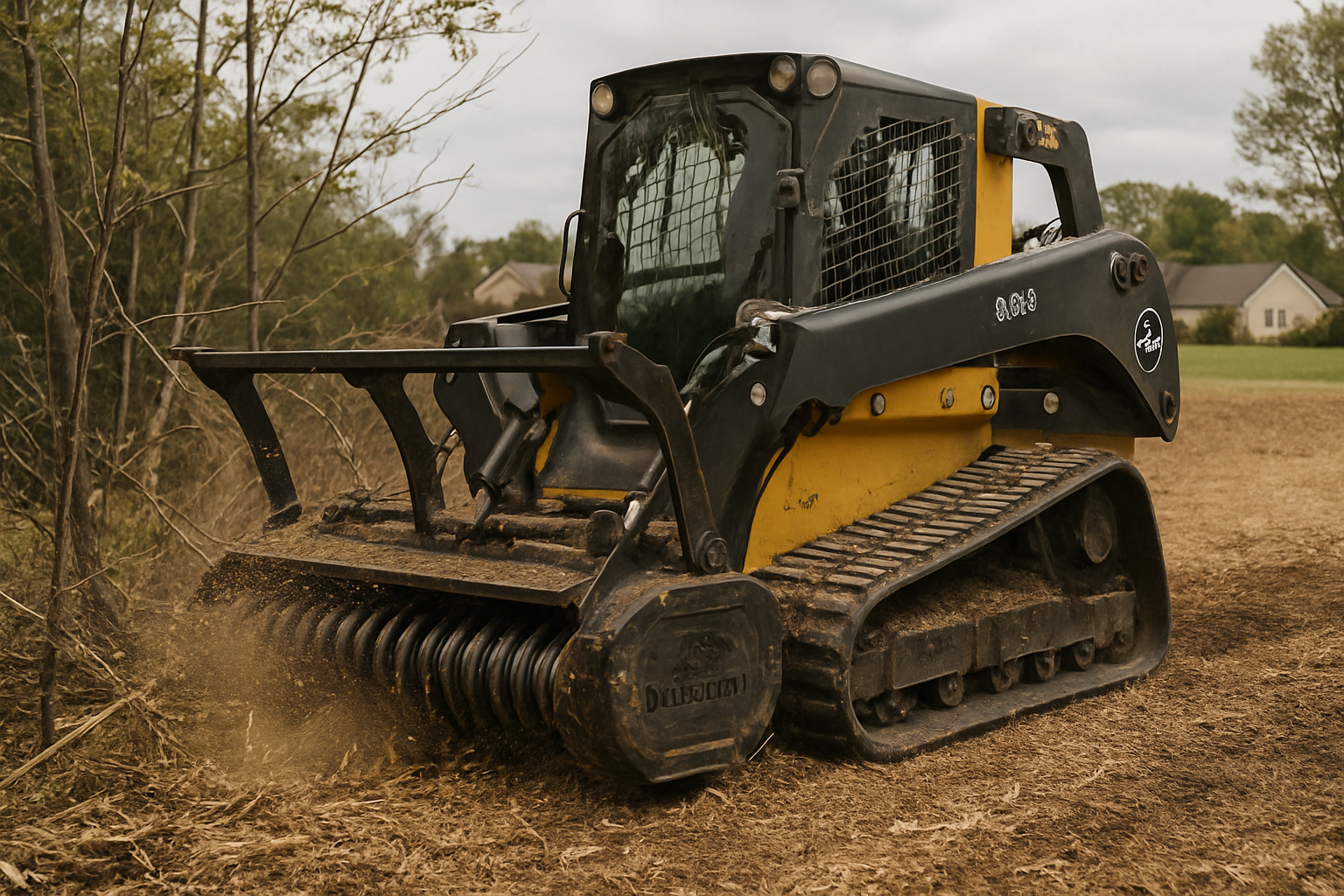
Clear land services rely on the right combination of machines, attachments, and support equipment, from mulchers and excavators to dozers, skid steers, grinders, dump trailers, and brush cutters. The best equipment depends on the terrain, vegetation, and whether the job is light clearing, heavy clearing, or full site preparation.
Should You DIY or Hire a Pro for Residential Land Clearing?
DIY land clearing can work for very small brush removal, but most meaningful projects are safer and more efficient with a licensed, insured contractor. Heavy equipment, buried utilities, stumps, unstable soil, and debris disposal can quickly turn a simple-looking job into a costly problem if it is handled without the right experience.
What Permits, Regulations, and Ohio 811 Rules Apply to Land Clearing?
Most clear land services must account for local permits, erosion or grading rules, and Ohio 811 locate requirements before ground is disturbed. In Ohio, the utility locate request must be made at least 48 hours before digging, and local municipalities may also require permits for clearing, grading, or demolition.
How Do You Choose the Right Contractor for Clear Land Services?
Choose a contractor for clear land services by checking licensing, insurance, local experience, equipment, scope clarity, and how well they explain the work before you sign. The best company is responsive, honest about limitations, and able to match the method to your property rather than forcing one approach onto every job.
Start with the basics: make sure the contractor is licensed where required and carries proper insurance. Ask how long they have been in business, what types of sites they handle, and whether they do this work with their own crew and equipment. Fortress Level Construction, for example, is a licensed, insured Central Ohio land-services company founded by Lee Carson, a combat veteran That background matters less as a marketing line and more as a signal that the company understands disciplined field operations and site safety.
Then evaluate how clearly the contractor defines the scope. A strong bid will tell you whether the price includes brush removal, stump grinding, haul-off, grading, debris disposal, and utility locate coordination. It should also explain what happens if the site turns out to be wetter, denser, or more obstructed than expected. A vague estimate can look cheap up front and become expensive once the work starts. Good lot clearing services are transparent about method, schedule, and site conditions from the beginning.
Finally, look for local experience and practical answers. Central Ohio clay soil, seasonal moisture, and a mix of rural, suburban, and exurban properties create real differences in how a site should be cleared. A contractor familiar with these conditions can better advise on access routes, machine selection, and finish grading. If you are comparing land clearing services near me, ask who will be on-site, what equipment will be used, and how they handle changes. The right company should make the process easier to understand, not harder.
How Do Clear Land Services Methods Compare?
Different clearing methods solve different problems. Comparing them side by side helps property owners choose the right approach for cost, speed, soil disturbance, and final site readiness. The cheapest option is not always best, especially when the next step is construction, septic work, or grading.
| Method | Typical Use | Pros | Tradeoffs |
|---|---|---|---|
| Forestry mulching | Brush, saplings, light-to-moderate overgrowth, access paths | Fast, lower haul-off, less soil disturbance | Not ideal for full root removal or build-ready excavation |
| Full clearing | House lots, pads, larger open-build areas | Most complete site prep, removes more obstacles | Higher cost and more disturbance than mulching |
| Selective clearing | Residential lots where some trees stay | Preserves desired trees, flexible and targeted | Requires careful planning and a clear scope |
| Stump grinding | When stumps must be reduced below grade | Cleaner finish than leaving stumps in place | Roots may remain; not the same as full excavation |
| Excavation and grading | Pads, drainage correction, build prep | Shapes the site for the next phase | Needs more planning, utility awareness, and equipment |
| Demolition-related clearing | Sites with old sheds, slabs, or structures | Removes major obstacles in one coordinated scope | Often requires more permits, disposal, and coordination |
When Land Clearing Is Not the Right Approach
Clear land services are not always the answer, especially if the property only needs minimal trimming, if the ground is too wet, or if the planned work would disturb areas that should stay protected. The biggest mistakes usually come from over-clearing, skipping locates, or choosing the wrong method for the site.
A common mistake is clearing too much. Property owners sometimes assume the best result is the most open result, but that can destroy useful shade trees, increase erosion, and create drainage problems. On residential lots, preserving the right trees can improve the appearance and long-term value of the property. If your only goal is visibility or access, forestry mulching or selective clearing may be a better fit than full clearing. The right amount of clearing is the one that supports the project without making future work harder.
Another limitation is wet or unstable ground. In Central Ohio, clay soil can become soft and slick, especially after rain or during seasonal saturation. Heavy equipment on a wet site can create deep ruts, compact subsoil, and damage access routes. In some cases, it is smarter to wait, stage the work, or change the equipment plan. A rushed clearing job can create more grading and repair work than the original overgrowth would have caused.
Finally, clearing is not a substitute for planning. If there is a structure to remove, drainage to fix, utilities to protect, or a permit requirement to satisfy, the project has to be coordinated before machines arrive. Choosing a contractor who only wants to “start cutting” is a red flag. Clear land services should solve a problem, not create one. If a proposed method seems aggressive, ask what happens to the stumps, soil, access, and next-step construction.
What Should a Well-Run Clearing Project Look Like?
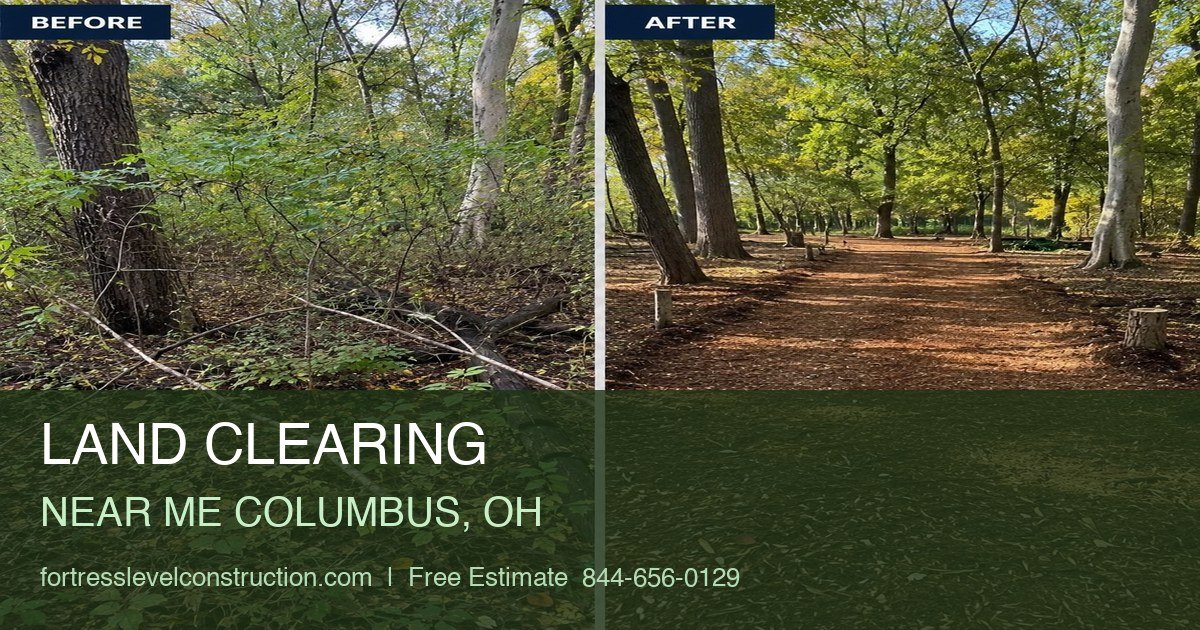
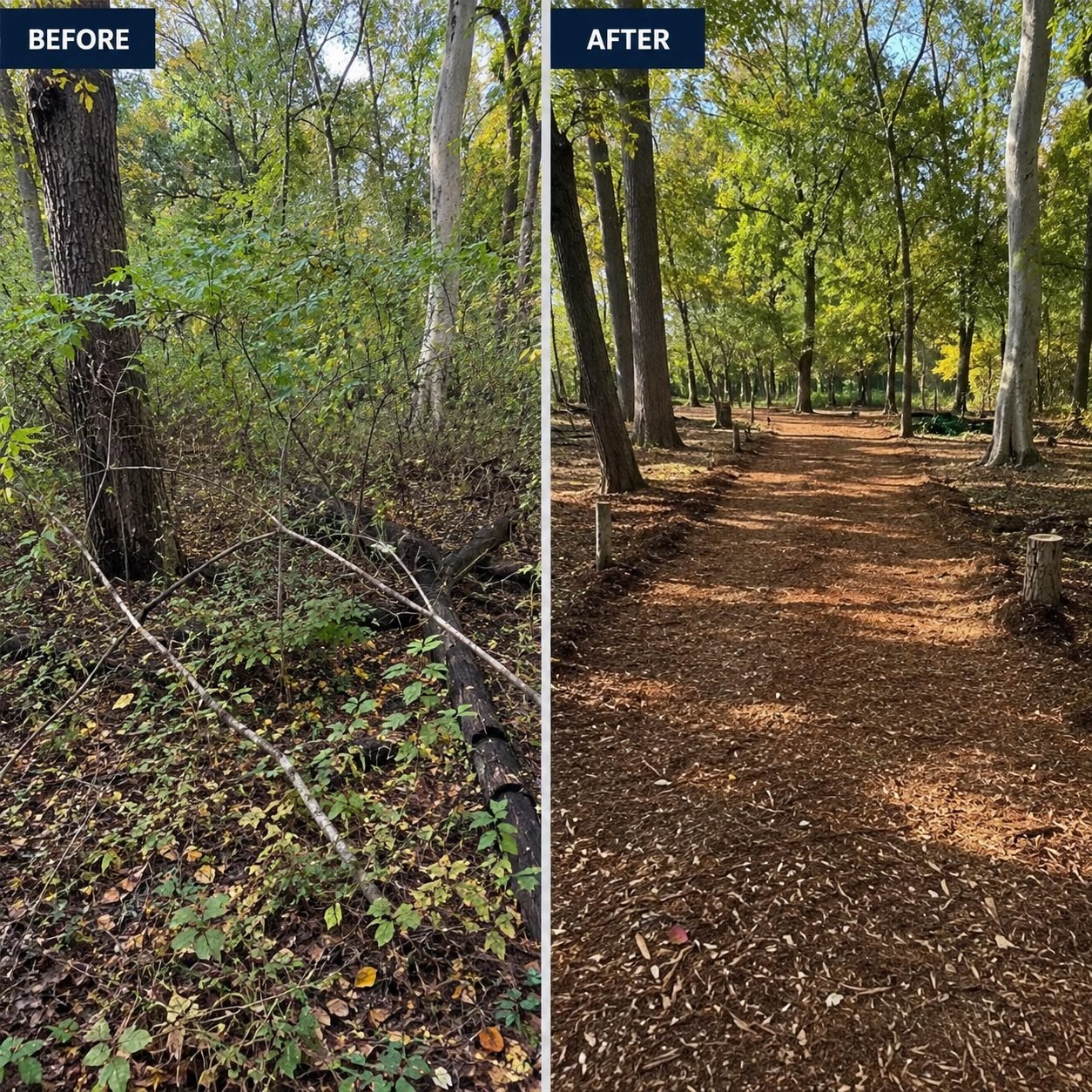
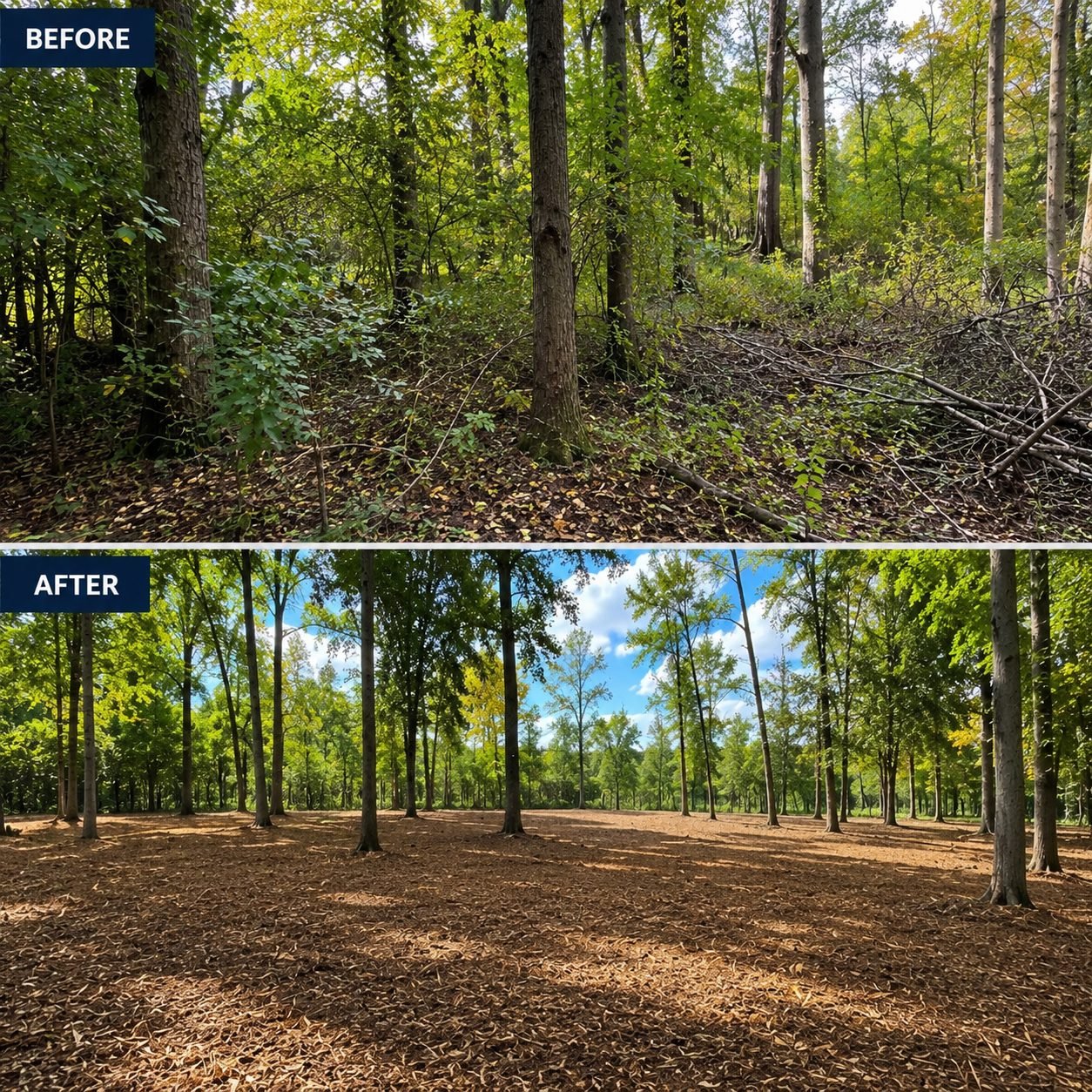
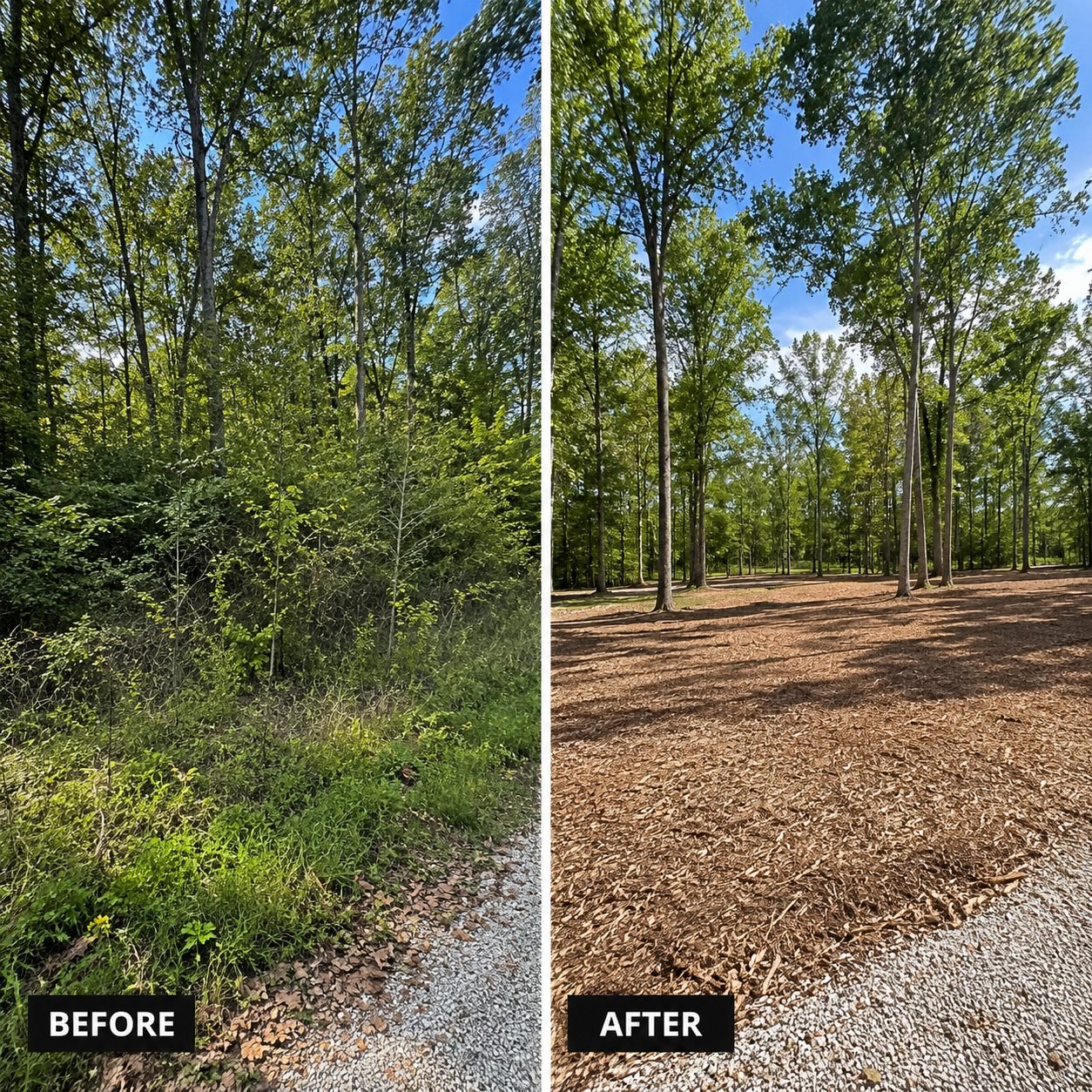
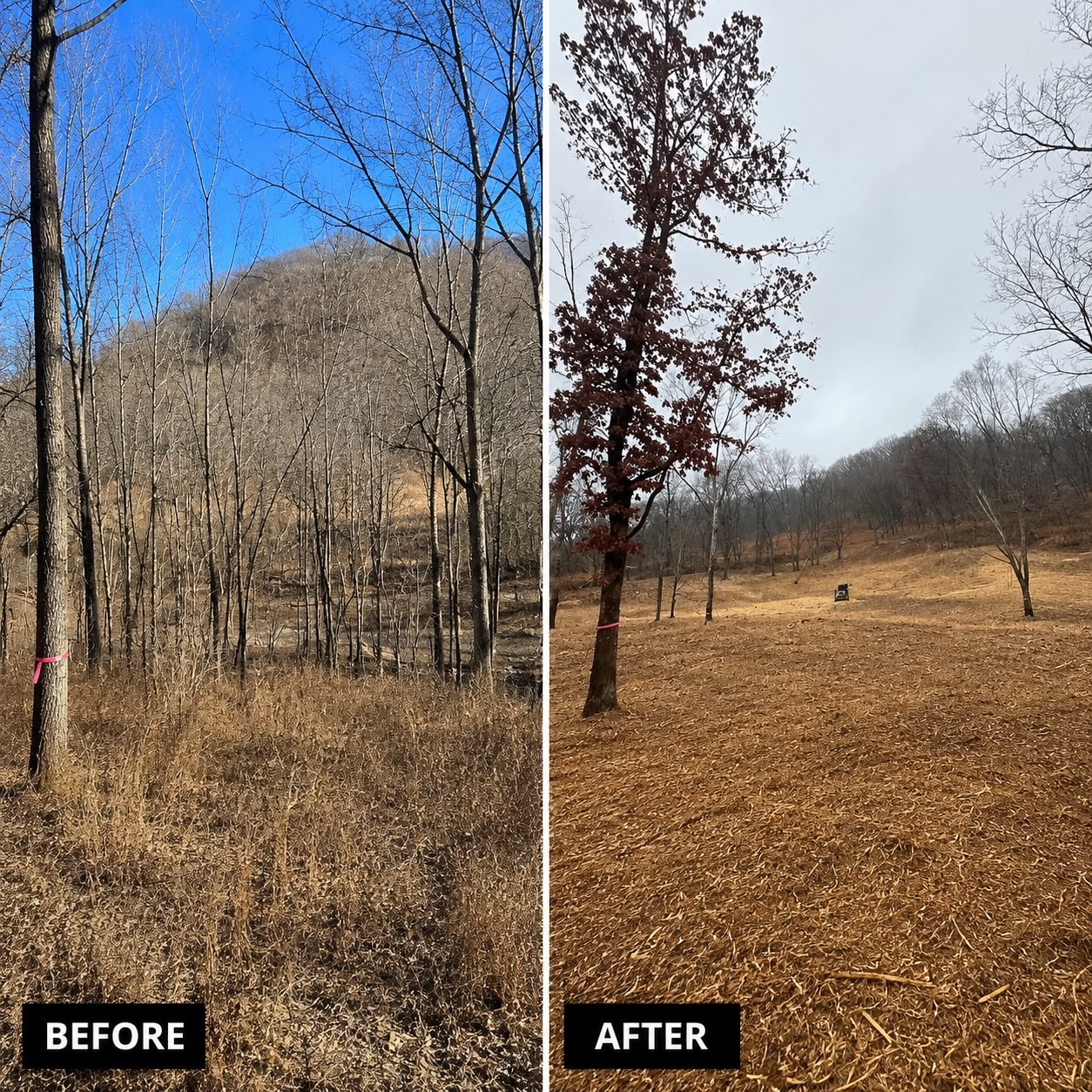
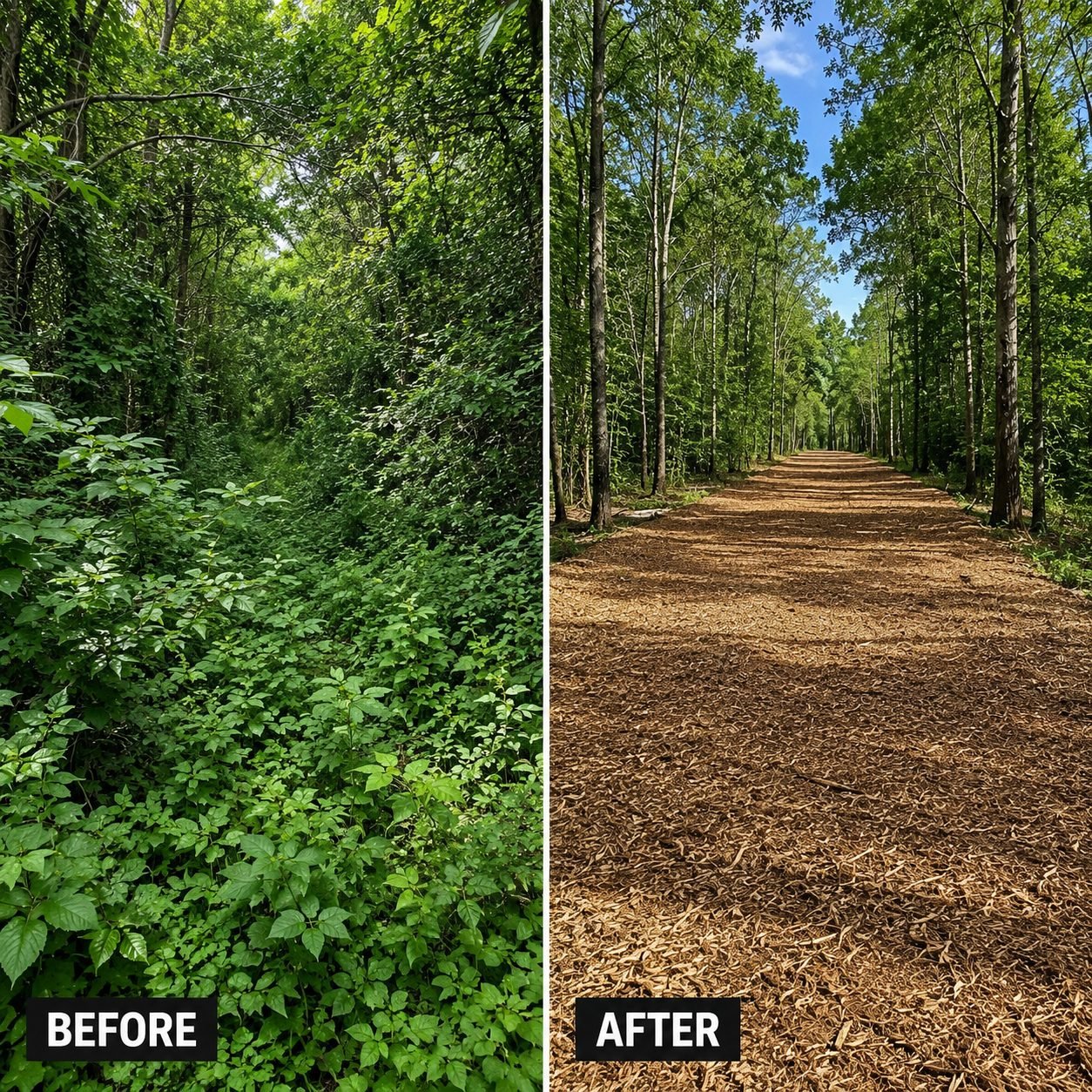
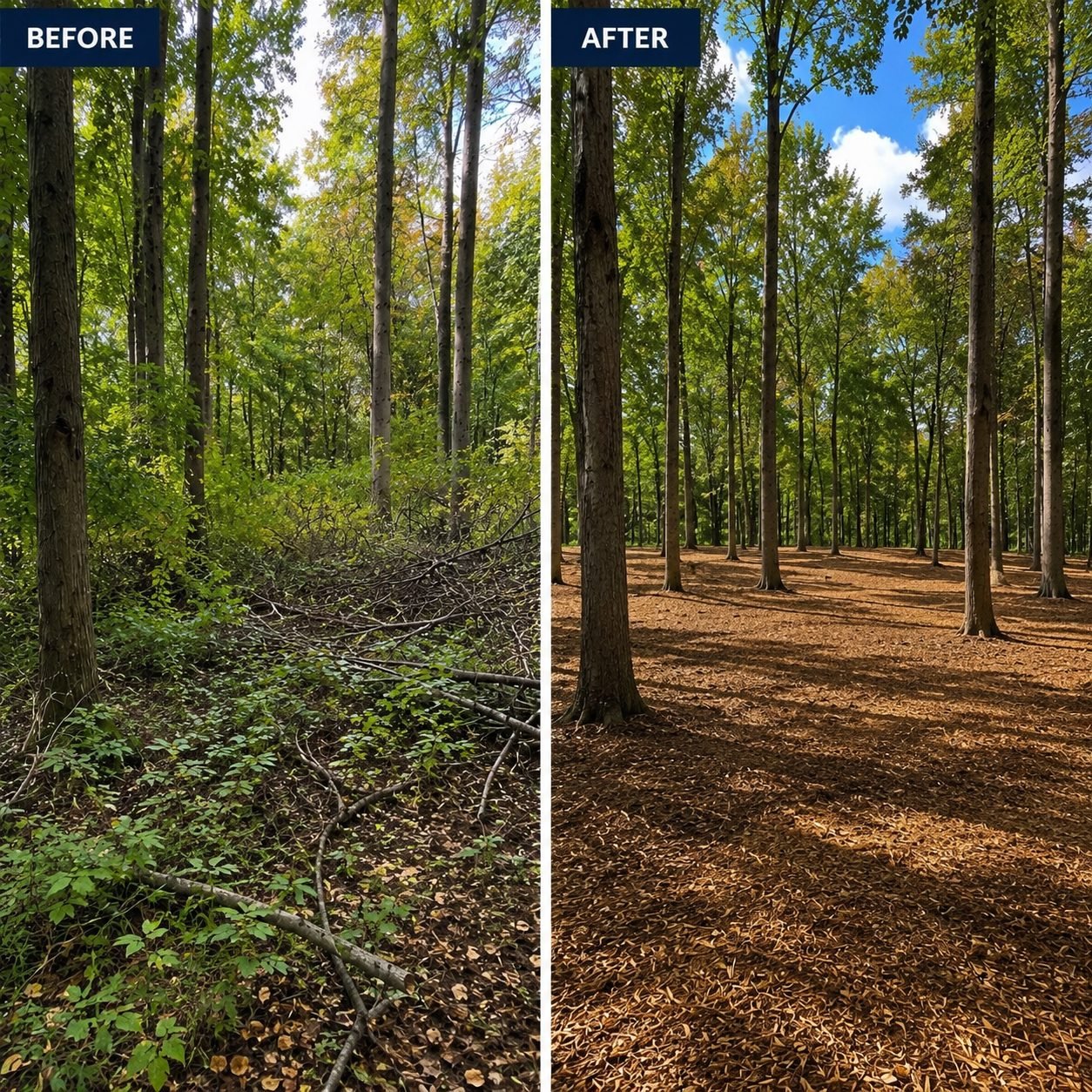
A good clearing project should show organized access, clearly marked boundaries, the right equipment for the site, managed debris, and a finish condition that matches the contract. Before-and-after results should reflect the actual scope, whether that means mulched brush, a fully cleared lot, or a rough-graded site ready for the next trade.
Frequently asked questions
Clear land services can include brush removal, tree cutting, stump grinding, root reduction, debris hauling, selective clearing, rough grading, and sometimes excavation or demolition. The exact scope depends on the property and the end goal. A small residential lot may only need selective clearing, while a larger site may require full clearing and finish work.
Time depends on acreage, density, access, soil conditions, stump work, and whether debris has to be hauled away. A small residential job may take far less time than several acres of dense growth. The best contractor will explain the sequence and let you know whether the work is a one-day, multi-day, or staged project.
Sometimes yes, sometimes no. Forestry mulching is excellent for brush, saplings, and opening a lot without major soil disturbance. But if you need stumps removed, a foundation area cleared, or a site prepared for heavy construction, you may need full clearing, excavation, or grading. The method should match the end use, not the marketing term.
If the work will disturb the ground, yes, a locate request is required before digging, under Ohio law. That includes excavation, stump removal below grade, and many grading jobs. The safe rule is to contact Ohio 811 at least 48 hours before digging. Even on a simple-looking site, buried utilities can be present where you do not expect them.
Typical approved ranges are $1,850 to $3,500 per acre for forestry mulching and $4,000 to $8,000 per acre for full clearing. Grading may add $1,000 to $3,000, excavation can range from $50 to $200 per cubic yard, demolition from $6,500 to $15,000, and stump grinding from $100 to $500. Actual price depends on site conditions and scope.
A better quote clearly states what is included, what is excluded, and what site conditions may change the price. It should identify whether the work includes stumps, debris hauling, grading, permits, and utility locate coordination. A quote that only gives a number without scope is harder to trust and harder to compare with other bids.
You can handle very small brush jobs yourself, but bigger projects quickly become risky. Rented equipment can be difficult to control on slopes or soft ground, and buried utilities, hidden debris, and stump systems can cause damage or injury. If the project affects a future building site, hiring a pro is usually the safer and more efficient path.
Ask what method they recommend, whether the price includes stumps and cleanup, how they handle permits and Ohio 811 locates, what equipment they use, and how they manage wet soil or access limits. You should also confirm licensing and insurance. A good contractor will answer directly and explain why their method fits your property.
Land Clearing Across Central Ohio
Fortress Level Construction handles land clearing in every county and community across Central Ohio. See local details, drive times, and pricing for your area:
What Other Services Does Fortress Offer in Central Ohio?
Fortress Level Construction runs a full range of land-clearing, excavation, grading, and site-work services across Central Ohio, so one owner-operated crew can clear, grade, and prep a site end to end.
Get a Flat-Rate Quote from Lee Carson
Owner-operated land clearing across all five Central Ohio counties. Send your property details and Lee gets back to you within 2 to 3 hours during business hours with one flat number after a free on-site walk-through.