

Permit to Demolish in Ohio: How to Remove a Structure Safely, Legally, and Without Costly Surprises
A permit to demolish is the local approval required before tearing down a structure, and it is usually only one part of the full demolition process. The real job includes utility disconnects, inspections, debris removal, grading, and site cleanup so the property is safe for its next use.
The Quick Answer
- A permit to demolish is the legal starting point, but safe demolition also requires utility locates, disconnection, debris planning, and final grading.
- Land demolition is not the same as land clearing, excavation, or grading, and the scope changes the equipment, schedule, and price.
- The biggest cost drivers are structure size, material type, access, hazards, utility work, disposal volume, and whether asbestos or other regulated materials are present.
- Central Ohio clay soil can make site work slower and more equipment intensive, especially after rain or when heavy debris has to be moved.
- Ohio law requires an Ohio 811 utility locate 48 hours before digging, and that step should happen before any excavation or grading begins.
- DIY demolition is risky because hidden utilities, structural instability, and disposal rules can create major safety and liability problems.
- A qualified contractor should explain the permit, sequence, haul-off plan, grading needs, and what is excluded before work starts.
- Fortress Level Construction is a licensed, insured Central Ohio land-services company founded by Lee Carson, a combat veteran, with a crew that handles demolition and site prep.
Related Questions People Ask Next
In most searches and many local forms, these phrases mean the same thing: official approval to tear down a structure. The exact title may vary by city, county, or township, but the purpose is consistent. The permit helps confirm that the demolition has been reviewed for safety, utility coordination, and code compliance before the building comes down.
Safe building demolition starts with planning, not equipment. You disconnect utilities, secure a permit, complete an 811 locate, verify hazards, and choose the right method for the structure. The building is then removed in a controlled sequence, debris is sorted or hauled off, and the site is left stable for grading or future construction.
No. Land demolition removes existing structures, foundations, slabs, and associated debris. Land clearing removes trees, brush, stumps, and vegetation so the site can be built on or improved. Many projects need both, but they are different scopes, different costs, and sometimes different permits or utility steps.
Site demolition is expensive because you are paying for labor, heavy equipment, transport, disposal, safety controls, and often special handling for utilities or regulated materials. Costs rise fast when access is tight, the structure is built with dense materials, or the site needs extra cleanup and grading after removal.
Ask who handles the permit, whether utility locates are included, what disposal is included, how grading is handled, what hazards are excluded, and whether the contractor is licensed and insured. A trustworthy company should explain the full process clearly and put the scope in writing before demolition begins.
What Is a Permit to Demolish and What Does It Cover?
A permit to demolish is local government approval to remove a structure and, in many cases, its foundation, slab, or attached site elements. It usually covers safety, utility coordination, debris handling, and code compliance. It does not mean the work is simple, only that it is allowed after review.
A permit to demolish is the formal green light from a city, county, or township before a building, house, garage, barn, or other structure is torn down. The exact paperwork varies by jurisdiction, but the purpose is similar everywhere: confirm that the structure can be removed safely and that utilities, access, debris disposal, and site conditions have been considered. If a project includes land demolition, the permit process is often tied to future grading, excavation, or redevelopment plans.
In practical terms, the permit helps prevent uncontrolled demolition. Officials may want to know the structure type, address, utility status, and whether the site contains basement walls, foundations, septic components, or other items that affect the work. Some municipalities also require proof that water, gas, electric, and sewer service have been disconnected. A demolition permit may also trigger inspection steps before backfill, especially when the structure is removed to grade or when the property will be rebuilt.
A permit does not decide the method. It does not tell you whether a machine tear down, selective demolition, or full site demolition is best. That decision depends on size, access, materials, adjacent buildings, and the next planned use of the property. In Ohio and across the country, the smartest approach is to treat the permit as one part of the project plan, not the whole project.

Why Does Demolition Matter Before Building, Selling, or Reusing Land?
Demolition matters because an unsafe or incomplete teardown can delay building plans, reduce property value, and create code or utility problems. Proper site demolition clears the path for new construction, removes hazards, and leaves a stable base for grading or foundation work. It also helps buyers and lenders understand the site condition.
What Are the Main Demolition Methods and Types?
Different demolition methods fit different structures. Selective demolition removes only chosen parts. Mechanical demolition uses equipment like excavators and attachments. Deconstruction is slower and more material recovery focused. Site demolition is the broader process of clearing the structure and preparing the lot for the next phase.
What Is the Step-by-Step Demolition Process?
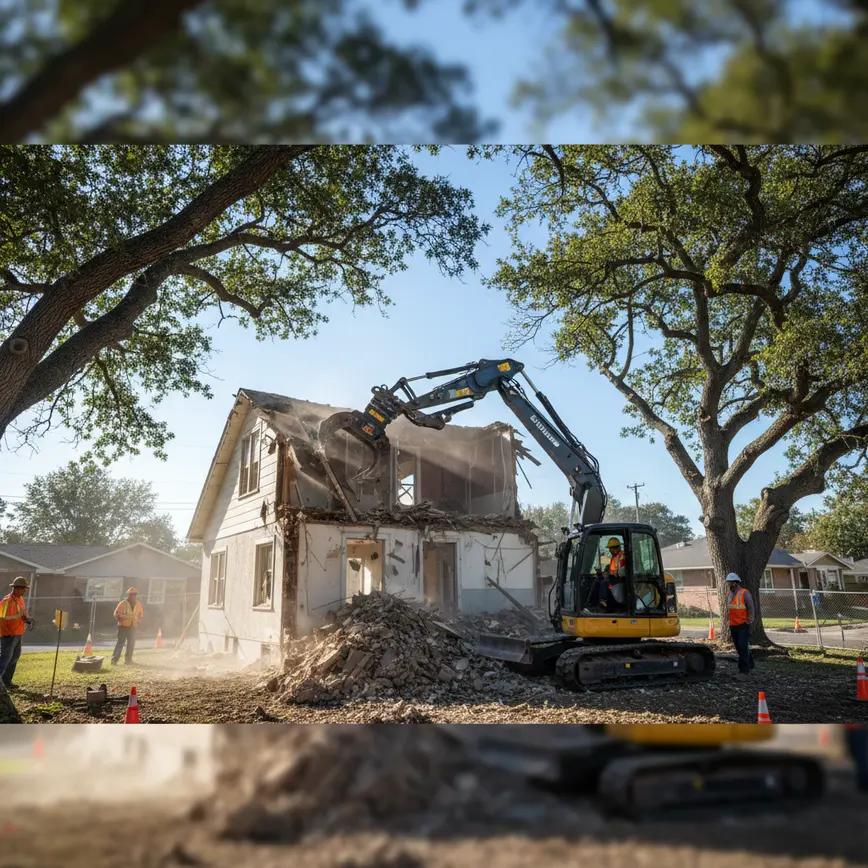
A demolition project usually follows a sequence: site review, permit work, utility disconnects, 811 locates, hazard checks, tear down, debris removal, and grading. The safest jobs are planned backward from the final condition so the crew knows what remains, what gets hauled off, and how the ground will be left.
What Factors Drive Demolition Cost the Most?
Demolition cost is driven by the size of the structure, the materials involved, access, disposal volume, hazard handling, utility work, and how much site restoration is included. A simple job can stay near the lower end of the range, while a complex site demolition with cleanup and grading costs more.
What Equipment Is Used for Demolition, Land Demolition, and Cleanup?
Demolition crews use excavators, skid steers, bulldozers, loaders, dump trailers, and specialized attachments based on the structure and site conditions. The right equipment makes the job faster, safer, and cleaner. Equipment choice also matters for land demolition and site demolition because it affects how debris is separated and how the ground is restored.
When Should You DIY Versus Hire a Pro for Demolition?
DIY demolition can look cheaper, but it is often dangerous and more expensive once equipment, hauling, permits, and mistakes are added up. Hiring a pro makes more sense when utilities are involved, the structure is large, access is tight, debris is heavy, or the site needs grading and compliance support.
What Permits, Regulations, and Ohio 811 Rules Apply Before Digging?
Before demolition starts, most projects need a permit to demolish, utility disconnects, and a locate request. In Ohio, ORC 3781.28 requires an Ohio 811 locate 48 hours before digging. That step protects against utility strikes during excavation, grading, or foundation removal and should be treated as mandatory planning.
How Do You Choose the Right Demolition Contractor?
Choose a contractor who is licensed, insured, responsive, and clear about scope, safety, and cleanup. The best demolition contractor explains the permit, utility locates, method, haul-off, grading, and exclusions before work starts. Good communication matters as much as equipment because demolition jobs have many moving parts.
Start with basic qualifications. Ask whether the company is licensed and insured, whether it regularly performs demolition, and whether it has the equipment needed for your type of structure or lot. A contractor who handles site demolition should be able to talk about structure type, access, utility disconnects, haul routes, disposal, and final grading without vague answers. If the job includes land clearing or excavation, the contractor should clearly separate those scopes so you know what is included and what is not.
Then look at the quality of the estimate. A useful proposal should identify the structure to be removed, whether the foundation or slab is included, whether debris haul-off is included, whether grading is included, and what hazards are excluded. It should also say who is responsible for permits and Ohio 811 locate requests. If the contractor cannot explain the process of how to demolish a building in plain language, that is a warning sign. Professional teams do not hide the sequence or the cost drivers.
Finally, pay attention to how the company communicates. Fortress Level Construction, based in Central Ohio, has been serving clients since 2009 and was founded by Lee Carson, a combat veteran. That background does not replace good workmanship, but it does reflect discipline, accountability, and field experience. The right contractor should answer questions directly, show up prepared, and leave the property cleaner and safer than they found it.
Which Demolition Method Fits the Job Best?
The best demolition method depends on what you are removing, how much material must come off, and what the property needs afterward. Some methods are faster and cheaper, while others protect reusable materials or reduce site disturbance. Comparing them side by side helps owners choose the right approach for the job.
| Method | Typical speed | Best use | Notes |
|---|---|---|---|
| Selective demolition | Moderate to slow | Partial removal, remodels, additions | Useful when only part of a structure or specific components need to come out. |
| Mechanical demolition | Fast | Full structure removal | Common for houses, garages, barns, and many light commercial buildings. |
| Deconstruction | Slowest | Salvage-focused projects | Best when reusable materials are important and extra labor is acceptable. |
| Site demolition | Varies | Full teardown plus cleanup | Includes debris removal, backfill, and preparation for future use. |
| Land clearing | Fast to moderate | Brush, trees, and stumps | Often paired with demolition when a site needs a clean building pad. |
| Excavation and grading | Moderate | Foundation prep and site correction | Usually follows demolition to stabilize the ground and shape drainage. |
When Is Demolition Not the Right First Step?
Demolition is not always the first or best move. If the real problem is utility uncertainty, hazardous materials, drainage failure, or a structure that can still be repaired, tearing everything down may waste money. The wrong approach can also create code issues, erosion problems, and avoidable delays.
One common mistake is rushing into demolition before confirming the full scope. If the structure is tied to buried utilities, septic components, retaining walls, or neighboring improvements, removal can become much more complex than expected. Another mistake is treating the permit to demolish as the only requirement. A permit does not replace utility locates, disconnects, or site planning. If the project includes excavation, grading, or foundation removal, those steps need their own attention.
Another limitation is assuming all demolition is the same. A small shed in open ground is not the same as a house with a basement, a garage on a tight lot, or a commercial structure with concrete and slab work. The method, cost, and timeline can change drastically. In clay soil conditions, especially after rain, heavy equipment can struggle and may damage the site if the work is rushed. Sometimes delaying the job for better conditions is smarter than forcing it.
Finally, demolition is not the right first move when the building can be repaired, repurposed, or partially removed instead. Selective demolition or deconstruction may be better when the goal is renovation rather than total removal. A good contractor should be willing to say when full teardown is not the most practical solution. Honest advice matters because the cheapest-looking option can become the most expensive once cleanup, hauling, and grading are included.
What Should a Demolition Project Gallery Show?
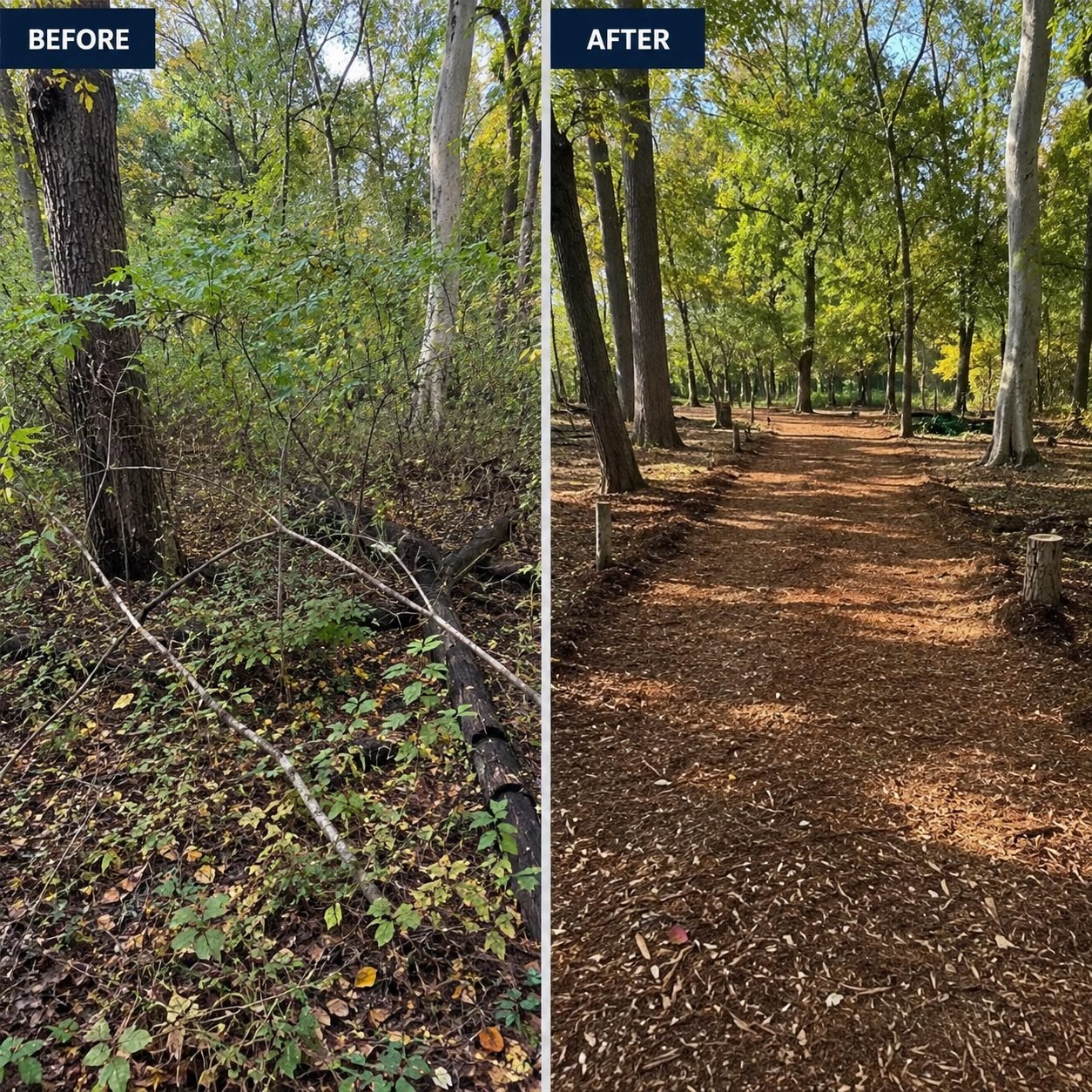
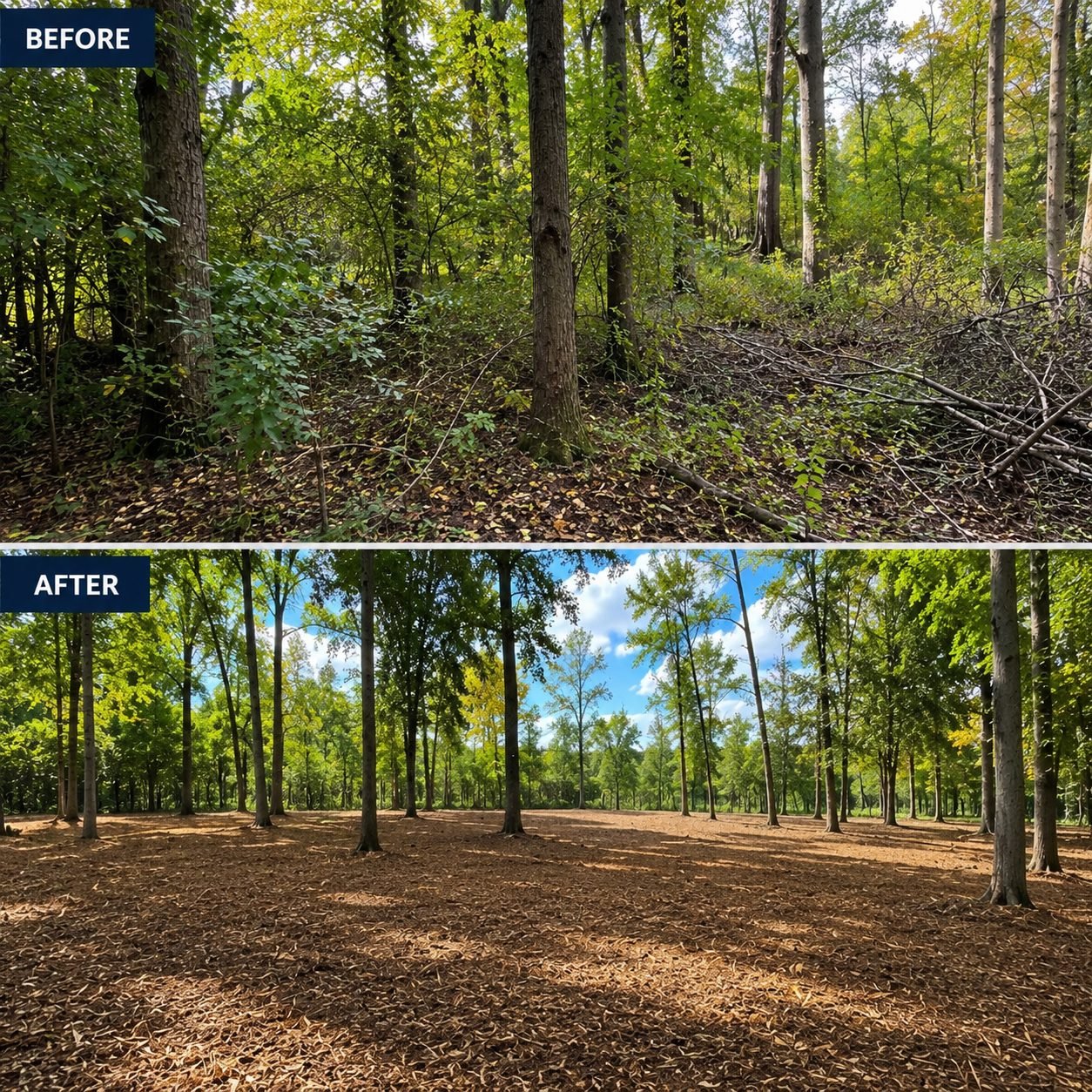
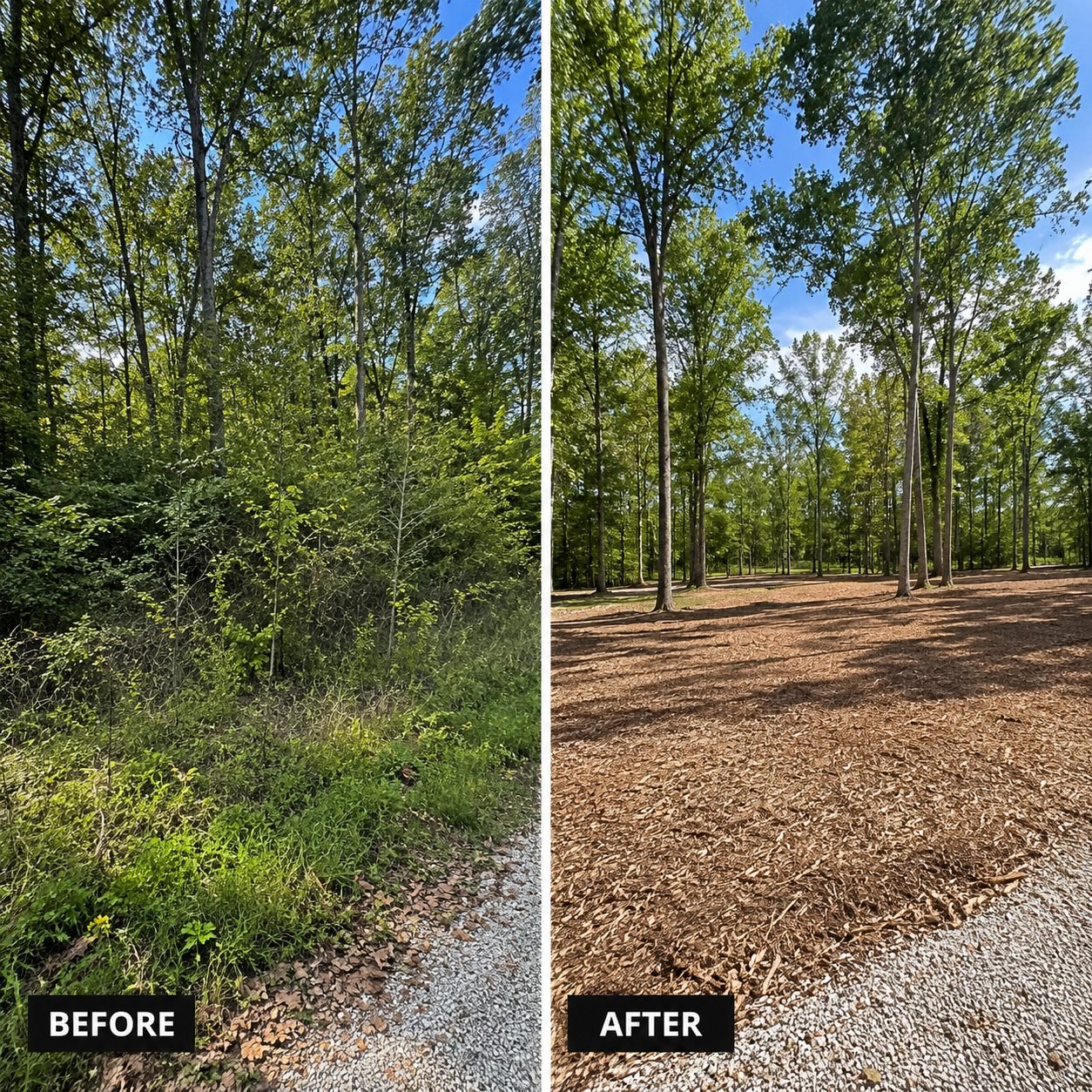
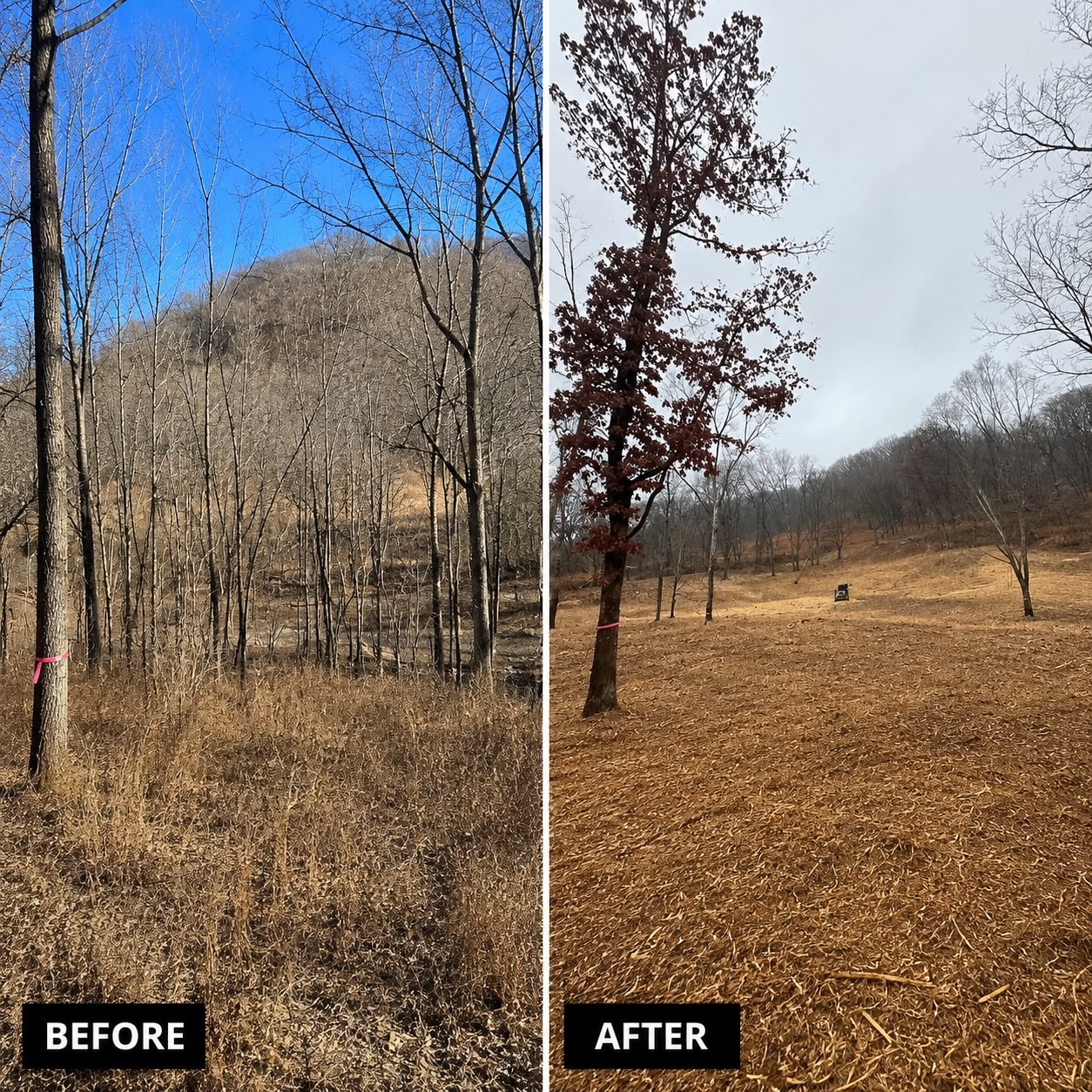
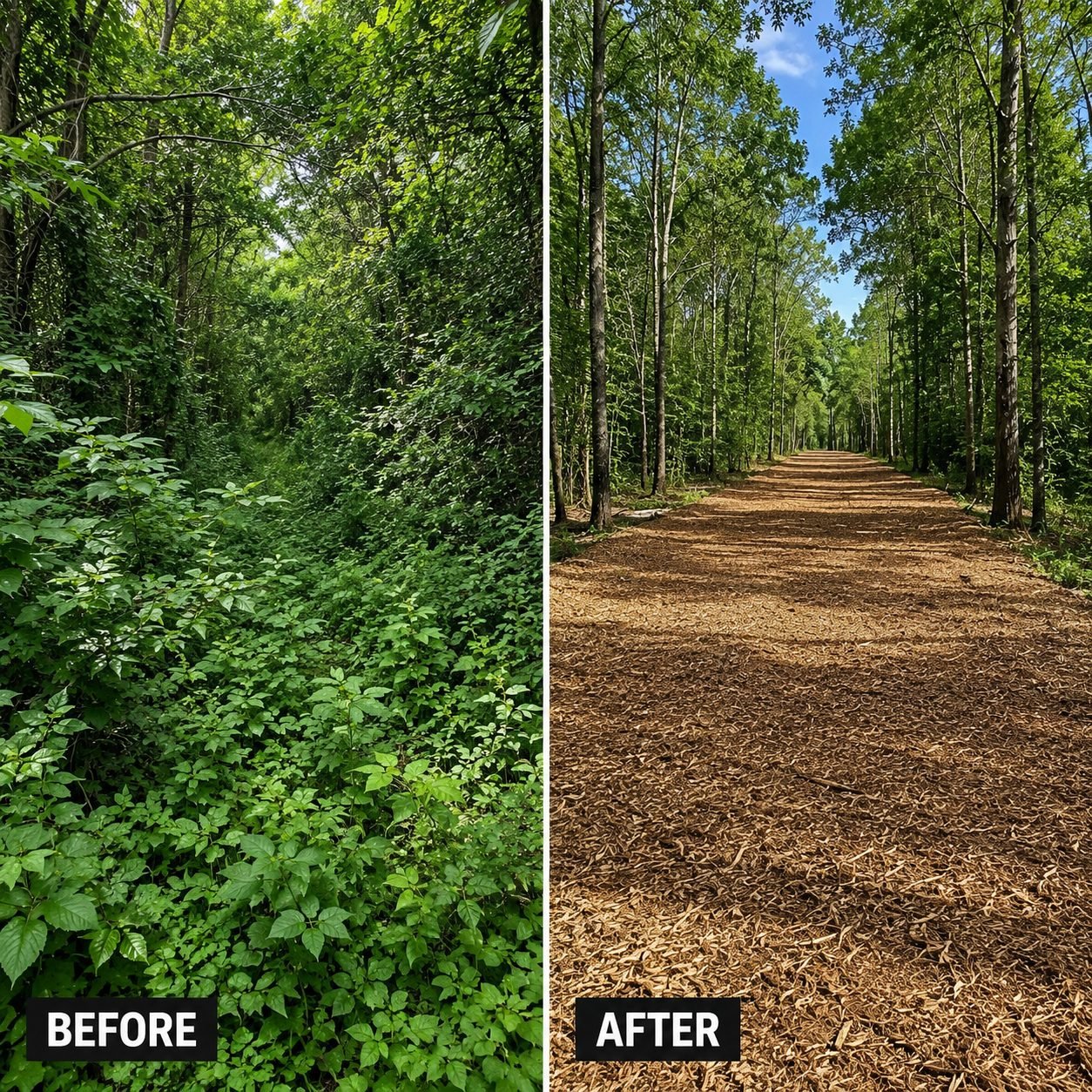
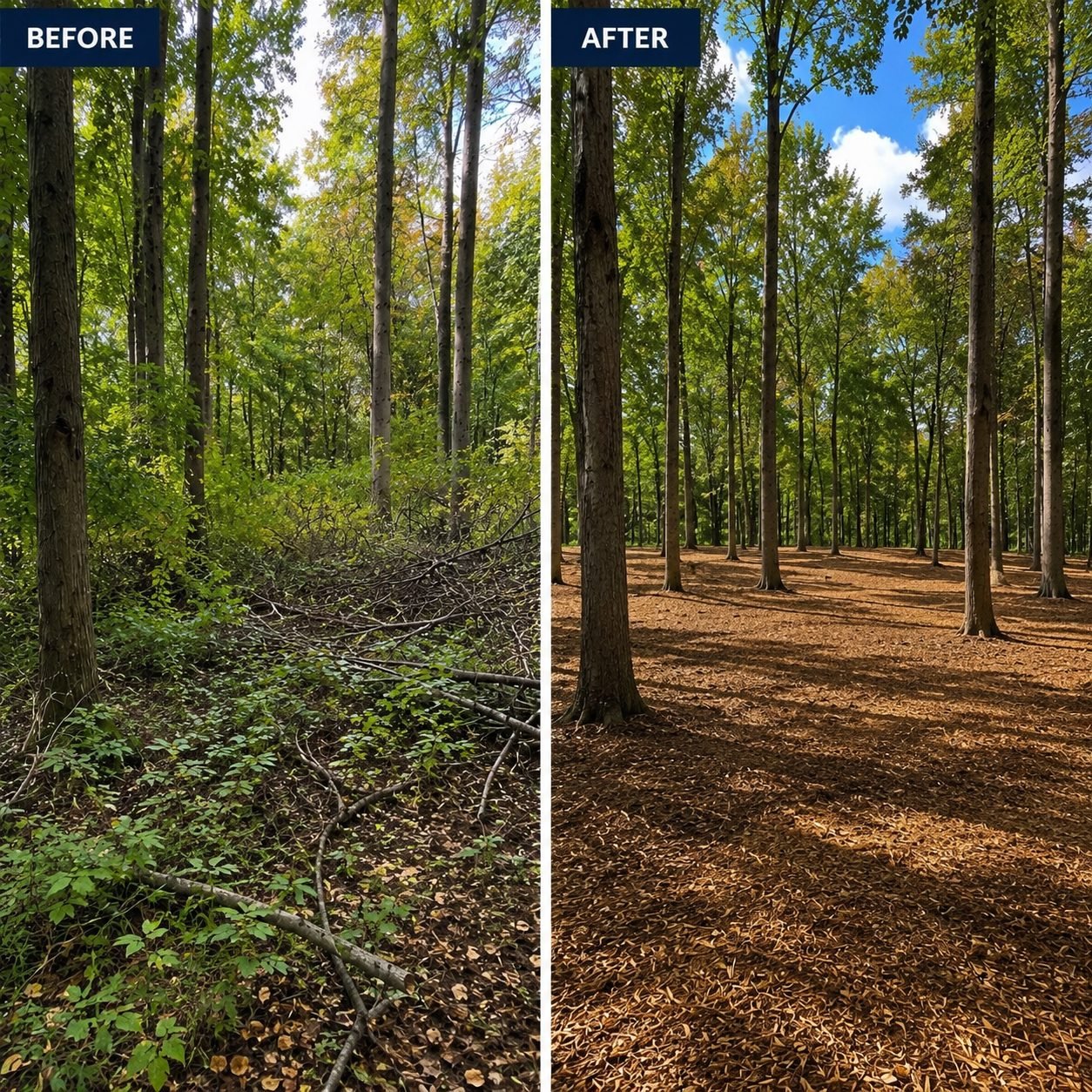
A strong demolition gallery should show the full story, not just the finished empty lot. Good images include the pre-demo condition, utility marking, equipment on site, controlled tear down, debris loading, foundation removal, grading, and the final cleaned property so visitors can understand the process and scope.
Frequently asked questions
In many places, yes, a permit to demolish is required before structure removal begins. The exact rules depend on the local building department, the type of structure, and whether utilities or foundations are involved. Even when a small structure seems minor, it is still smart to confirm the local requirements first because permit rules can vary widely.
The field work for a typical demolition can be fast, but the total timeline includes permits, utility disconnects, 811 locates, inspections, weather delays, hauling, and grading. A simple structure may be removed quickly once approved, while a larger or more complex site demolition can take longer because of debris volume or restricted access.
Site demolition usually means more than tearing down the building. It can include structure removal, foundation or slab removal, debris hauling, backfill, rough grading, and sometimes stump or brush removal if the property needs a clean buildable area. Always ask exactly what is included so the scope matches your expectations.
Small non-structural removals may be possible for some owners, but full building demolition is usually not a good DIY project. Hidden utilities, collapse hazards, disposal rules, and equipment handling make the risk high. If the project involves a roofed structure, slab, basement, or buried lines, hiring a pro is the safer choice.
Because demolition is not finished when the structure is down. The contractor has to leave the site stable and ready for the next step. In areas with clay soil, water can linger and equipment can rut the ground, so drainage and grading matter. Soil conditions affect access, compaction, and whether the site can support future construction.
Ask who gets the permit, who files the Ohio 811 locate, what utilities must be disconnected, whether debris haul-off is included, whether foundation removal is included, and whether final grading is part of the price. The contract should also identify exclusions such as asbestos, tanks, or hidden debris so there are no surprises.
Not automatically. Demolition removes the building or structure, while land clearing removes vegetation, brush, and stumps. Some contractors can do both, but the scopes should be priced separately because the equipment, labor, and disposal needs are different. If you need a build-ready site, you may need both services.
A complete quote should state the structure to be removed, the method if known, the permit responsibility, utility locate responsibility, disposal plan, grading plan, and any exclusions. If the price seems low but the scope is vague, the project may be missing key items. A good estimate reads like a plan, not a guess.
Demolition Across Central Ohio
Fortress Level Construction handles demolition in every county and community across Central Ohio. See local details, drive times, and pricing for your area:
What Other Services Does Fortress Offer in Central Ohio?
Fortress Level Construction runs a full range of land-clearing, excavation, grading, and site-work services across Central Ohio, so one owner-operated crew can clear, grade, and prep a site end to end.
Get a Flat-Rate Quote from Lee Carson
Owner-operated land clearing across all five Central Ohio counties. Send your property details and Lee gets back to you within 2 to 3 hours during business hours with one flat number after a free on-site walk-through.