
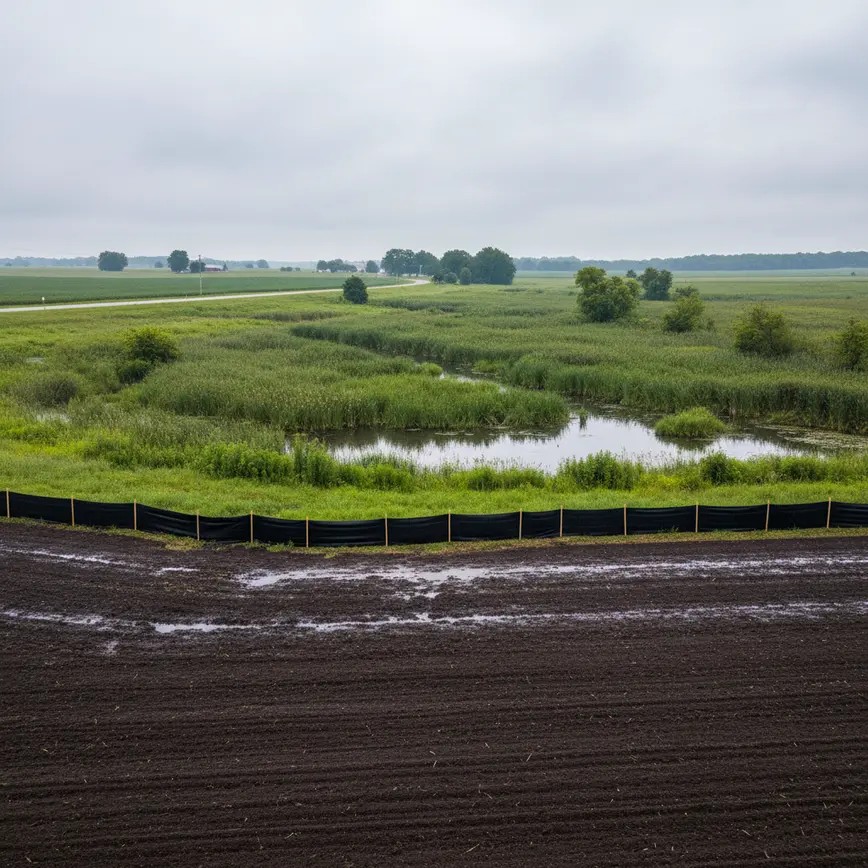

How does Site Clearing in Etna, Ohio handle big logistics lots and former farmland?
Site clearing in Etna, Ohio is built for large warehouse and industrial parcels carved from former farmland along the I-70 logistics corridor. Fortress Level Construction uses forestry mulching, dozers, and excavators to open ground fast, while the crew plans around clay-heavy glacial till, Blacklick Creek drainage, and Ohio 811 locate timing before digging.
The Quick Answer
- Site clearing in Etna is mostly about large warehouse and industrial parcels, not small urban lots.
- Former farmland, clay-heavy glacial till, and wooded ground change how the crew stages equipment and removes vegetation.
- Fortress uses John Deere 333G compact track loaders with Diamond drum mulchers, plus dozers and excavators.
- Mulching can fit rough clearing budgets in the $1,850 to $3,500 per acre range.
- Full clearing for building pads and heavier grade work often falls in the $4,000 to $8,000 per acre range.
- Ohio law requires an Ohio 811 utility locate at least 48 hours before digging.
- The team responds in 2 to 3 hours during business hours and can schedule same-week walk-throughs.
- Etna sits along the I-70 logistics corridor near the Intel and New Albany growth zone, so speed and access matter.
Related Questions People Ask Next
Etna clearing is usually scaled for logistics, warehouse, and industrial development along the I-70 corridor, not a simple backyard cleanup. The crew often clears former farmland with clay-heavy glacial till, wooded edges, and broad pads for trucks and building footprints. That changes machine choice, haul-off, and cost compared with smaller residential work.
Pricing depends on density, acreage, access, and whether the job is mulching or full clearing. In Etna, large former-farm parcels and industrial tracts often fit forestry mulching at $1,850 to $3,500 per acre, while full clearing for pad-ready work can run $4,000 to $8,000 per acre. The free walk-through sets the scope.
For Etna parcels, the team typically brings John Deere 333G compact track loaders with Diamond drum mulchers for stems up to 14 inches, plus dozers and excavators for heavier clearing, pushes, and rough grading. That mix works well on clay-heavy glacial till and on the wide commercial sites being carved out near Blacklick Creek and US-40.
Many Etna sites sit on active growth corridors where utilities, drainage, and new service runs are tight to the work area. Ohio Revised Code 3781.28 requires an Ohio 811 locate at least 48 hours before digging. Fortress builds that into the schedule, then uses the locate marks to plan safer clearing and excavation.
What does site clearing look like on Etna’s warehouse and industrial ground?
In Etna, site clearing usually starts on very large former-farm parcels along the I-70 logistics corridor, where warehouse pads need open access fast. The crew maps timber, brush, and drainage, then uses mulchers for lighter cover and excavators for thicker edges near Blacklick Creek. Clay-heavy glacial till can change timing and cleanup.
Fortress handles these jobs with John Deere 333G compact track loaders and Diamond drum mulchers, which are efficient on brush and stems up to 14 inches. On Etna’s broad industrial tracts, that lets the team clear acreage quickly, often 1 to 5 acres per day depending on density, access, and how much material needs full removal.
When the parcel needs a building pad rather than just visual clearing, the crew brings dozers and excavators to push debris, open haul routes, and leave the site ready for grading. That matters in Etna because the township’s growth around the old National Road and the Intel and New Albany zone favors fast turnaround on commercial ground.
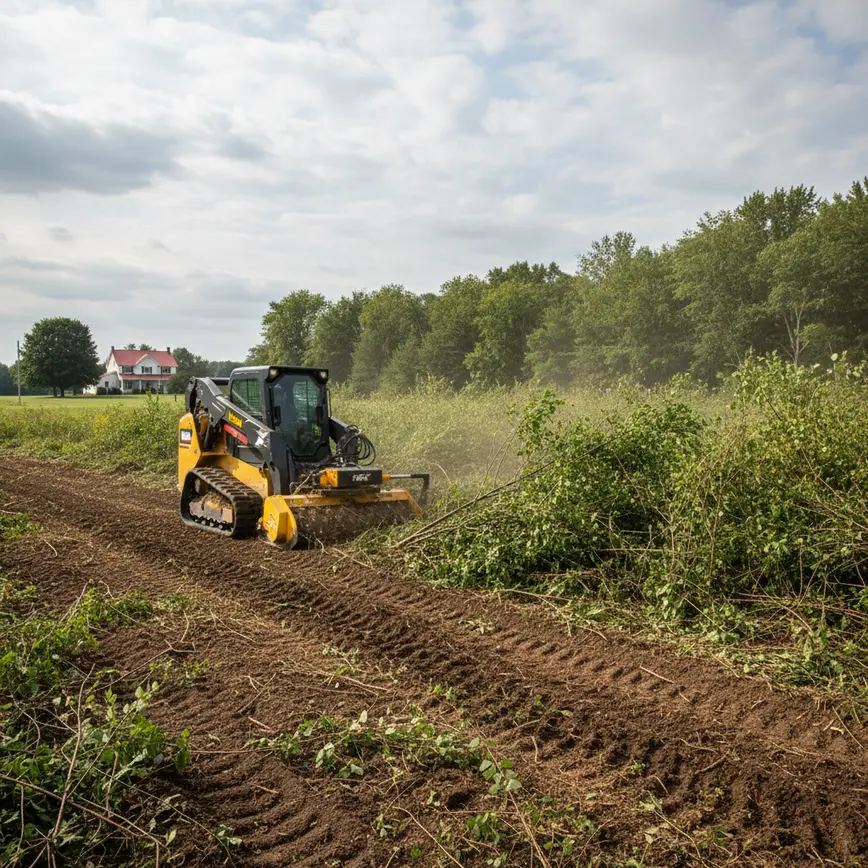
How do Fortress quotes work for Etna site clearing costs?
Fortress gives flat-rate quotes after a free on-site walk-through, which is the right way to price Etna’s mixed farmland, wooded ground, and newer subdivisions. For forestry mulching, a common range is $1,850 to $3,500 per acre. For full clearing, expect $4,000 to $8,000 per acre, depending on density and access.
The crew responds in 2 to 3 hours during business hours and can usually set same-week walk-throughs, which helps buyers moving on logistics sites near Pataskala, Reynoldsburg, Kirkersville, and Pickerington. On Etna parcels, access roads, wet ground near Blacklick Creek, and clay-heavy soil all affect how much machine time the job needs.
The quote also has to reflect Ohio 811 locate timing before any digging begins. For industrial clearing in Etna, that locate step is not a formality, because the real cost drivers are heavier material, larger pads, and the difference between mulch-only clearing and full removal for construction-ready ground.
Which equipment is best for Etna site clearing jobs?
Etna site clearing is best handled with a mixed fleet because the township’s lots range from wooded farm edges to huge warehouse tracts. Fortress uses John Deere 333G compact track loaders with Diamond drum mulchers for fast vegetation reduction, then adds dozers and excavators where roots, stumps, or grade work demand more power.
That equipment mix matters on clay-heavy glacial till, which can hold moisture and slow lighter machines. On former farmland near US-40 and the I-70 corridor, the 333G mulchers keep the job moving on brush and light timber, while dozers stabilize routes and excavators deal with denser clusters, berms, and cleanup around drainage features.
Because Etna is small enough to have no named neighborhoods, work is often planned by parcel type, not by subdivision. That means a distribution site, a rural acre, and a new residential tract may all need different clearing sequences, but they still benefit from the same on-site coordination and same-week walkthrough scheduling.

How should site clearing be planned around Etna’s utility and growth conditions?
Site clearing in Etna should be scheduled around Ohio 811 locates, site access, and the township’s fast commercial growth near the Intel and New Albany zone. The crew confirms boundaries, flags no-go areas, and sequences clearing so trucks, equipment, and drainage paths stay organized on big parcels carved from farmland.
That planning is especially useful along the old National Road and Blacklick Creek, where warehouse and fulfillment-center projects often need large open areas before grading starts. A clear sequence reduces rework, keeps the mulcher and excavator from crossing into unmarked utility corridors, and helps the property move from raw ground to buildable ground faster.
For buyers, the practical takeaway is simple: the site should be staked, located, and walked before pricing is finalized. Fortress uses that walk-through to decide whether the parcel is a mulching job, a full clearing job, or a phased job with brush removal first and heavier excavation later.
How does Etna site clearing compare by scope, equipment, and cost?
Etna projects lean larger and more commercial than many Central Ohio clearing jobs because they often start on former farmland along the logistics corridor. The right choice depends on whether the buyer needs brush reduction, full tree and stump removal, or pad-ready ground for warehouses and industrial buildings.
| Scope | Typical Etna fit | Equipment | Cost shape |
|---|---|---|---|
| Forestry mulching | Brush and light timber on farm edges, setback areas, and preliminary clearing | 333G compact track loader with Diamond drum mulcher | $1,850 to $3,500 per acre |
| Full clearing | Warehouse pads, industrial expansions, and buildable commercial ground | Mulcher plus dozers and excavators | $4,000 to $8,000 per acre |
| Phased clearing | Large Etna parcels that need staged work before grading or utility installs | Mix of mulching, pushing, and excavation | Quoted by site conditions after walk-through |
| Utility-sensitive clearing | Areas near active utility runs, access roads, and drainage channels | Hand-marked no-go zones, then machine work | Affected by Ohio 811 timing and layout |
| Rural transition clearing | Former farmland turning into logistics, warehouse, or subdivision land | All three machines as needed | Depends on density, acreage, and access |
When is site clearing not the right call in Etna?
Site clearing is not the first move if the parcel has not been located, staked, or checked for wet access, especially near Blacklick Creek or on clay-heavy glacial till. In that case, the better step is an on-site walk-through, an Ohio 811 locate, or a phased plan before any digging starts.
If the project is only a light cleanup on a small residential yard, full industrial clearing equipment may be more than needed. In Etna, where the village center is small but the township’s parcels can be huge, Fortress may recommend mulching only, brush removal, or a smaller scope instead of full clearing.
If the goal is final building pad elevation, site clearing alone is not enough. The next step is usually grading, drainage coordination, and excavation after the clearing phase. The team will say that directly during the free walkthrough so the buyer does not pay for work that does not match the construction sequence.
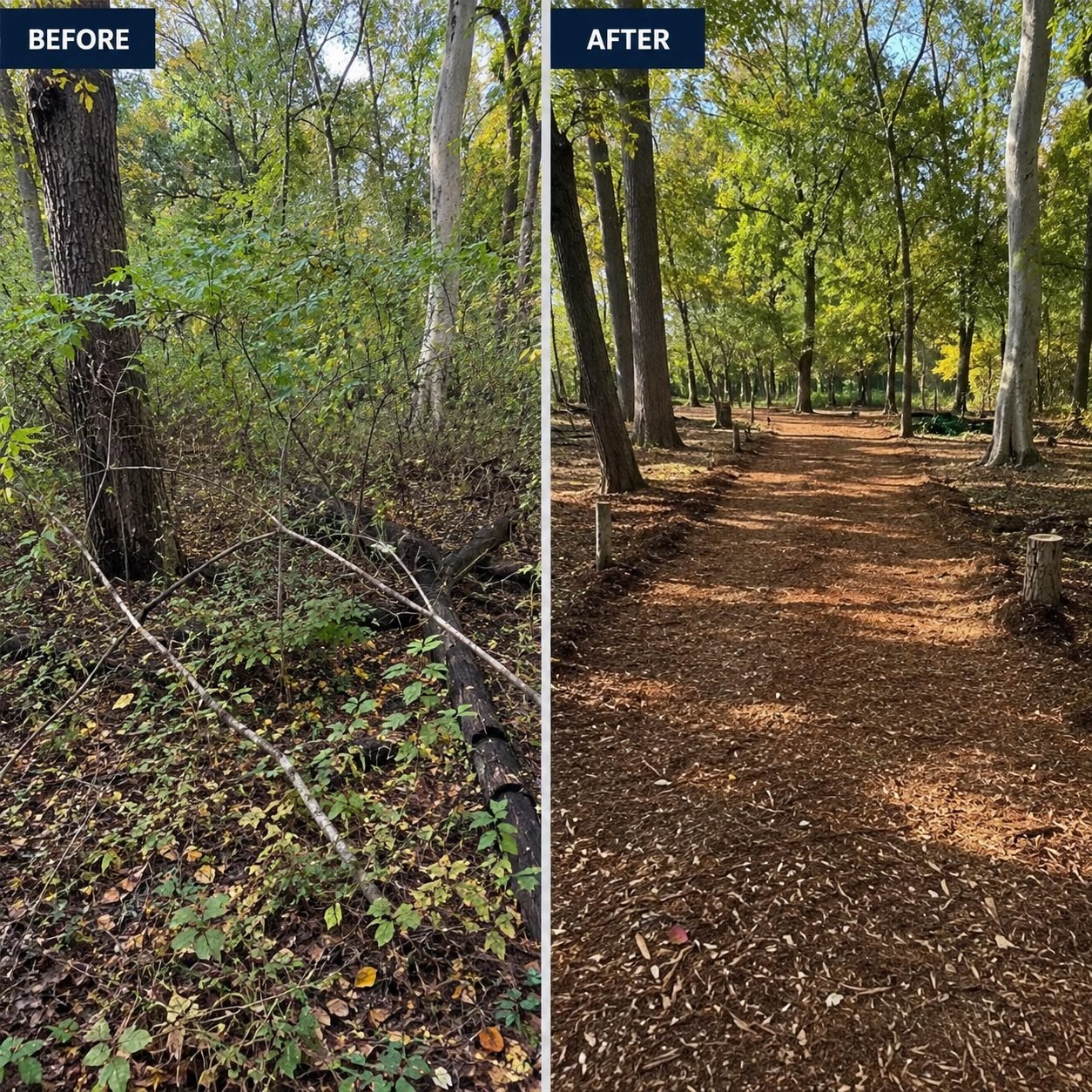
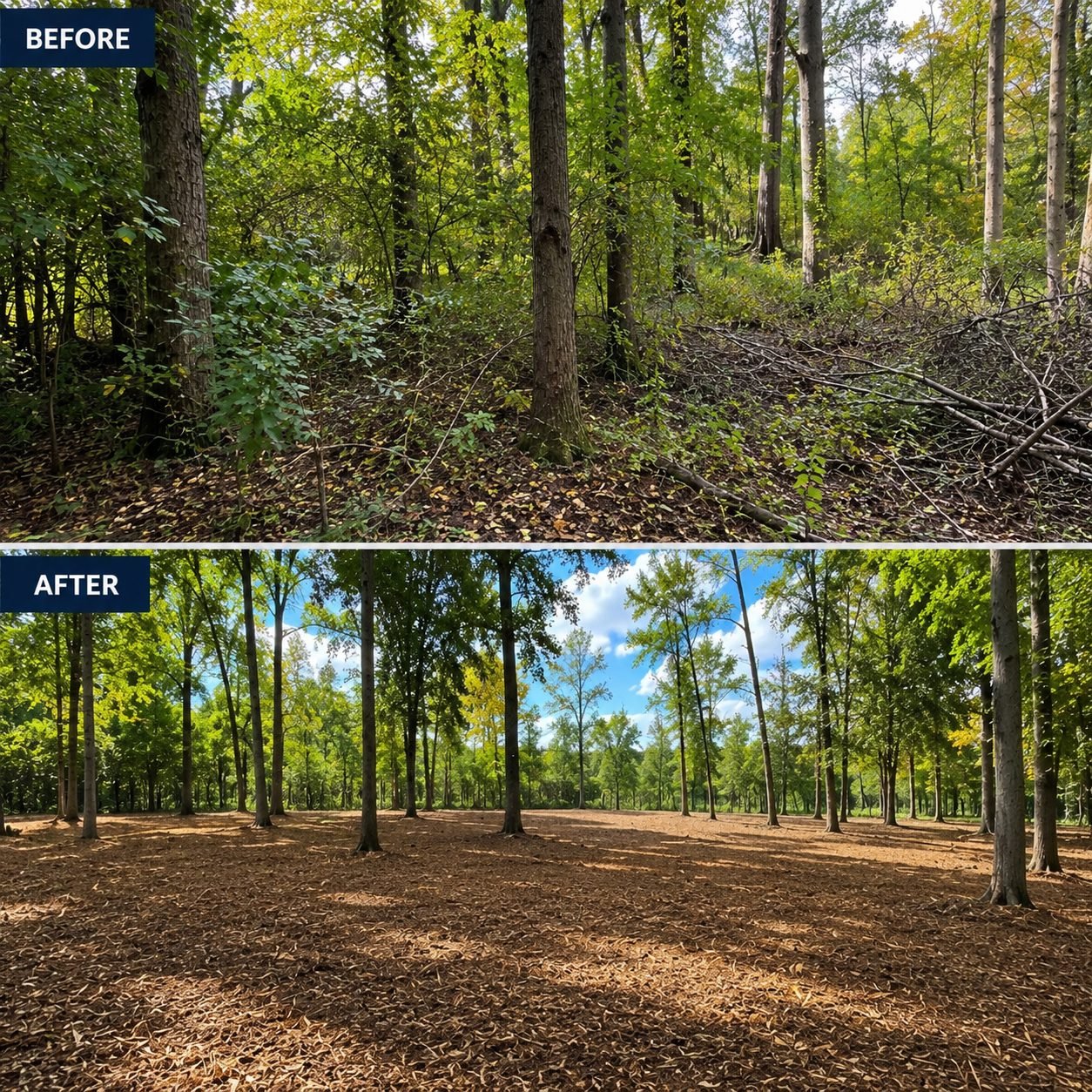
What should a before-and-after site clearing gallery show for Etna?
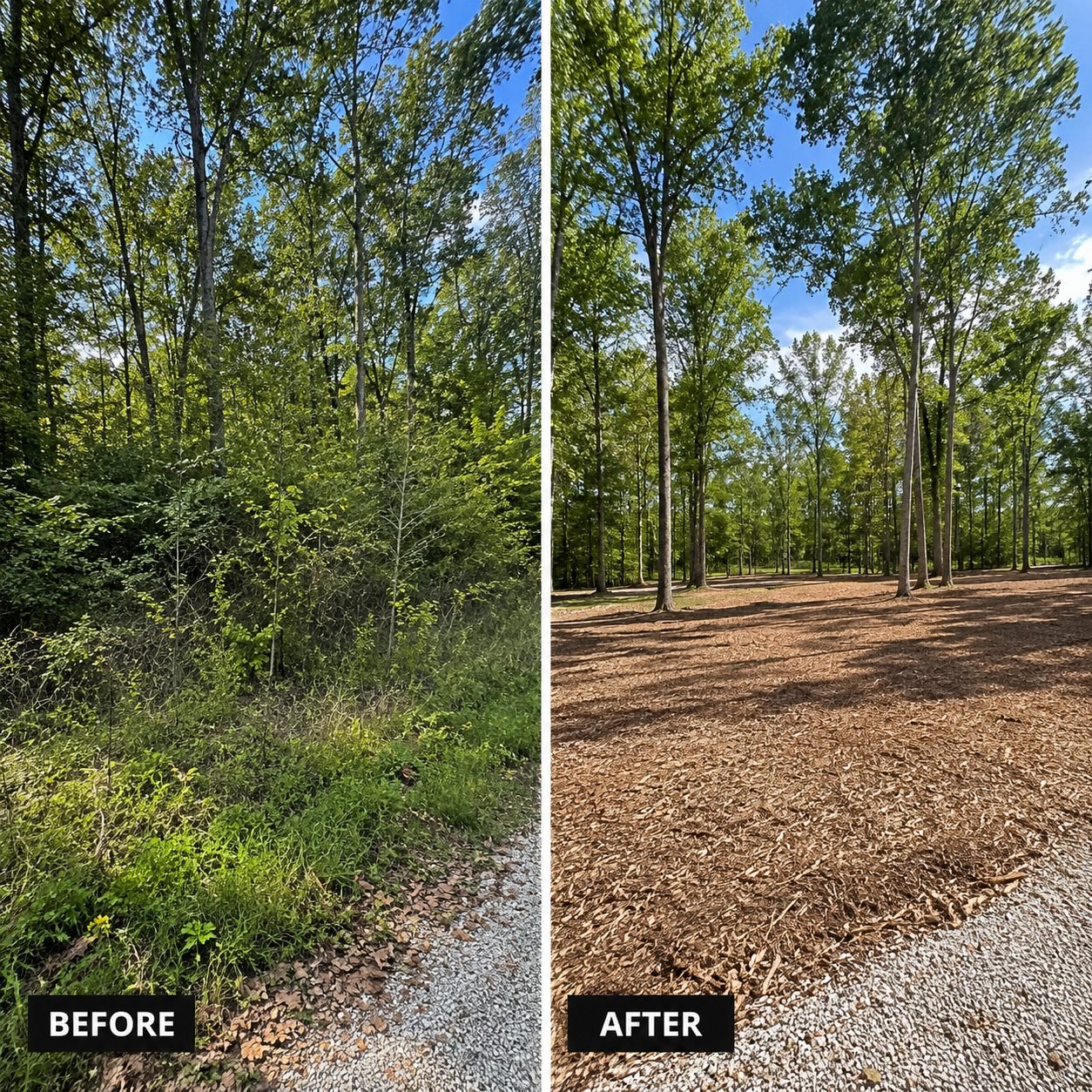
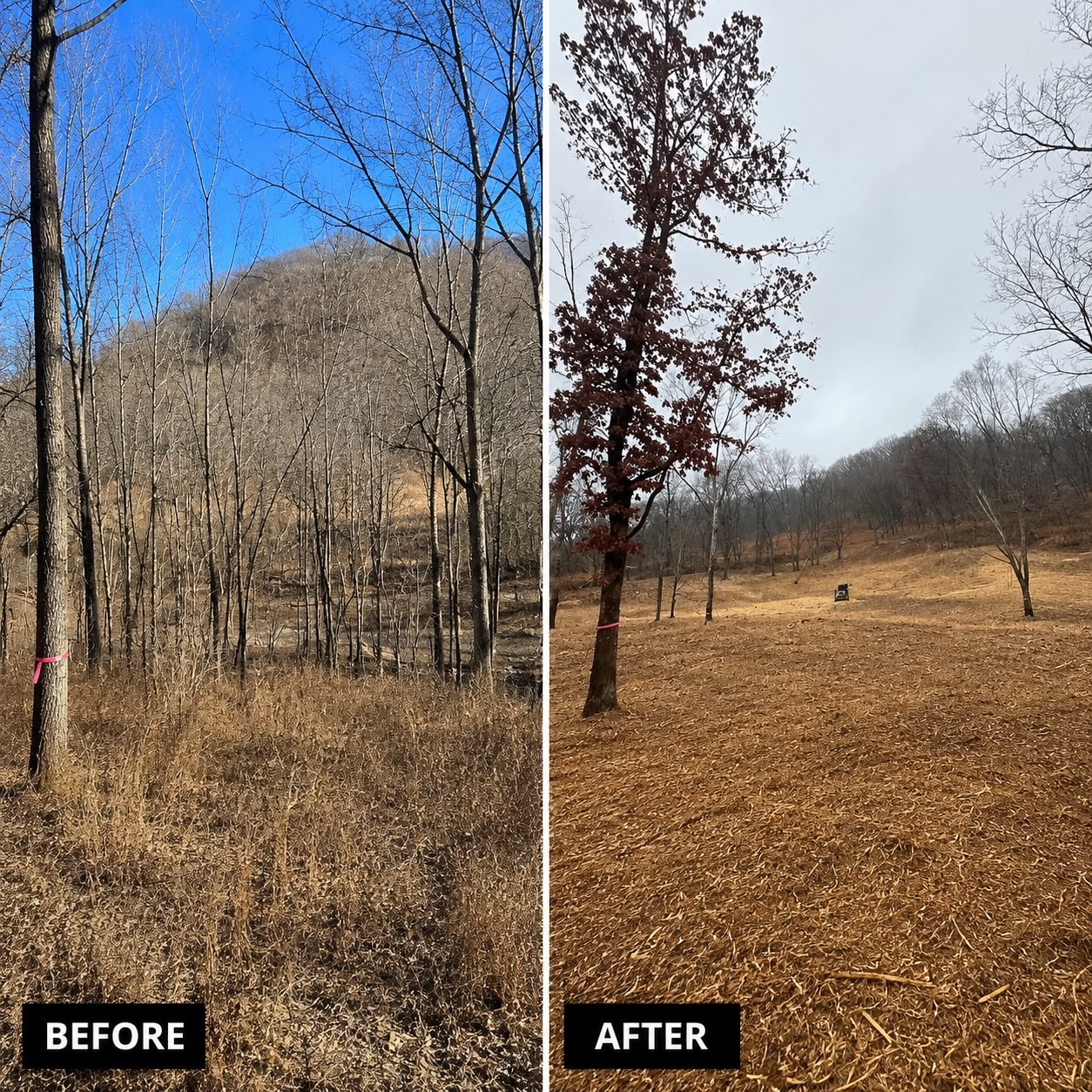
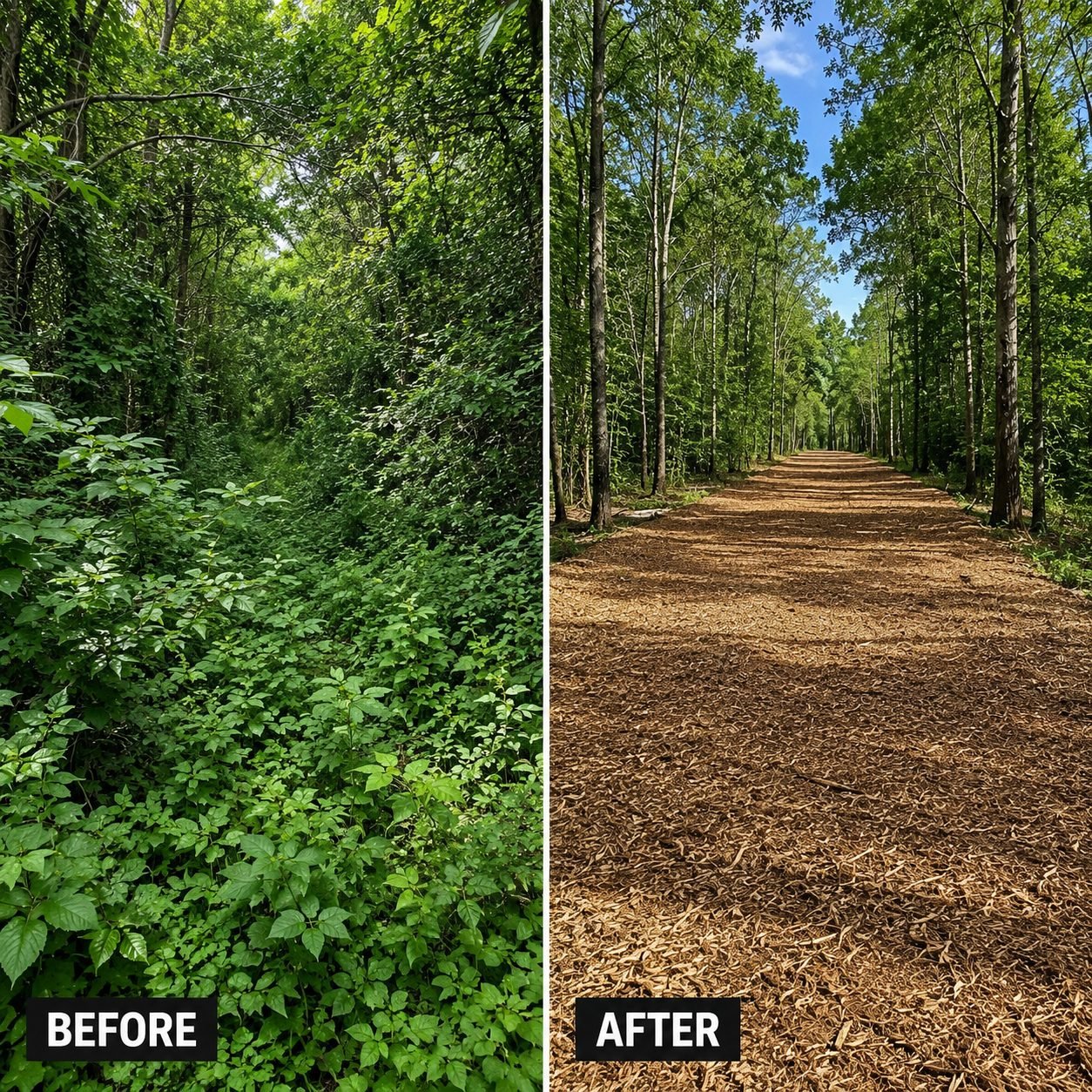
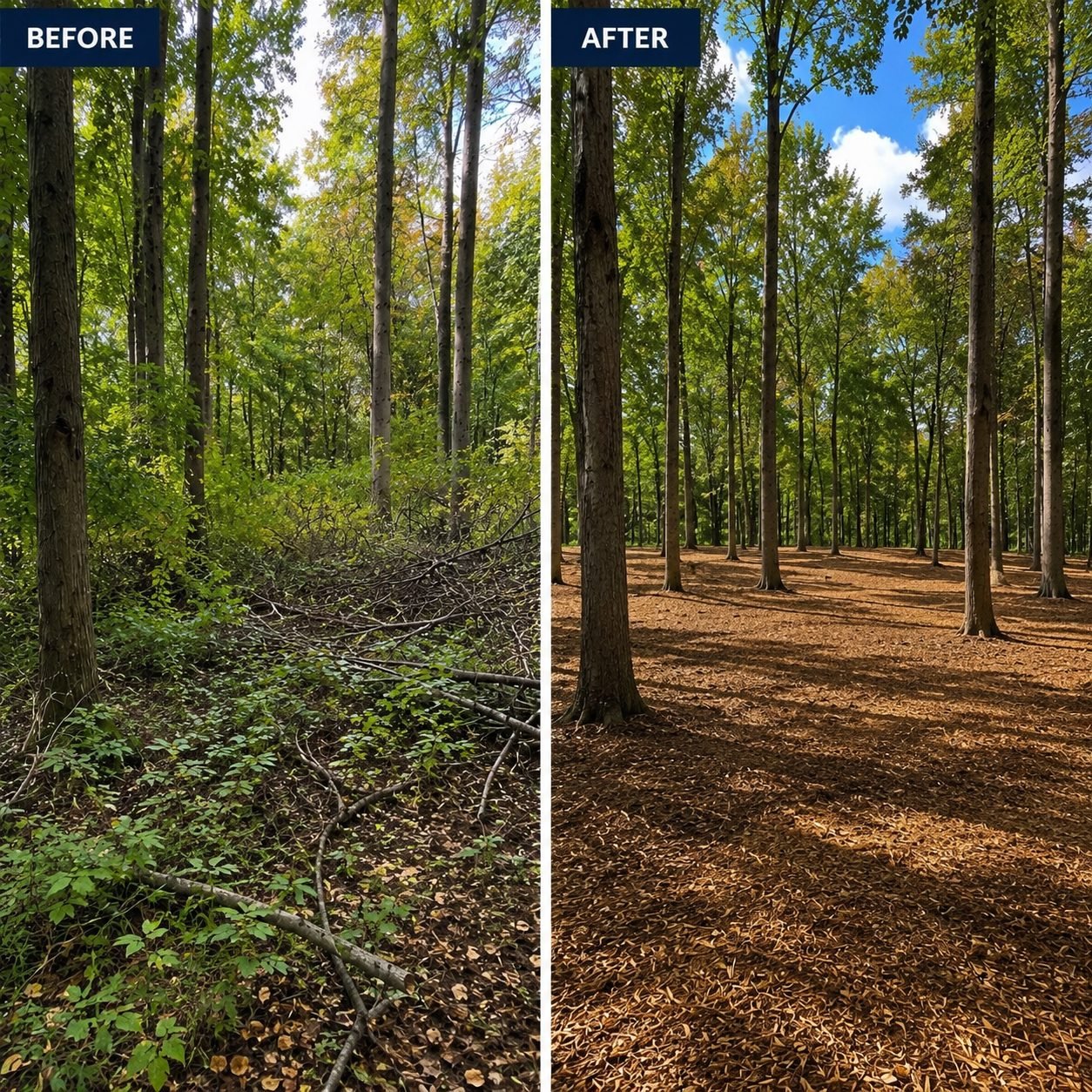
A useful Etna gallery should show former farmland or wooded edge before clearing, then the same parcel opened for warehouse access, parking, or a residential pad after the crew finishes. The before image should reveal brush, stumps, and clay ground; the after image should show a clean, usable corridor ready for grading or buildout.
Frequently asked questions
Yes. Ohio law requires an Ohio 811 utility locate at least 48 hours before digging, and Fortress builds that into the schedule. Even on large Etna parcels carved from farmland, utility lines, drainage, and service runs can be closer than they look, so the locate protects the project before the mulcher, dozer, or excavator starts.
During business hours, the team usually responds in 2 to 3 hours and can often schedule same-week walk-throughs. That is helpful in Etna because many buyers are pushing warehouse and industrial sites along the I-70 corridor, and the quote is easier to lock down once the crew sees the clay soil, access, and vegetation density.
The most common Etna jobs are large commercial and industrial parcels carved from former farmland, plus newer residential subdivisions. The township does not have named neighborhoods, so scope is usually discussed by parcel type and location near US-40, Blacklick Creek, or the logistics corridor rather than by subdivision name.
Yes, but the soil and moisture matter. Clay-heavy glacial till can hold water and make access slower, especially on rural or wooded ground. Forestry mulching works well for brush and lighter stems, while dozers and excavators are better if the job needs stumps removed, haul routes opened, or a full buildable pad.
For forestry mulching, a common Etna range is $1,850 to $3,500 per acre. For full clearing, the range is $4,000 to $8,000 per acre. The exact quote depends on acreage, density, access, and whether the ground is former farmland, wooded, or already disturbed by warehouse development.
Fortress Level Construction is a licensed and insured land-services company with a real crew. Lee Carson founded it in 2009, and Lee and the team handle the jobs across Central Ohio. For Etna buyers, that means the work is planned, scheduled, and executed by a crew that brings the right equipment for the site.
Site Clearing Near Etna
What Other Services Does Fortress Offer in Central Ohio?
Fortress Level Construction runs a full range of land-clearing, excavation, grading, and site-work services across Central Ohio, so one owner-operated crew can clear, grade, and prep a site end to end.
Get a Flat-Rate Quote from Lee Carson
Owner-operated land clearing across all five Central Ohio counties. Send your property details and Lee gets back to you within 2 to 3 hours during business hours with one flat number after a free on-site walk-through.