
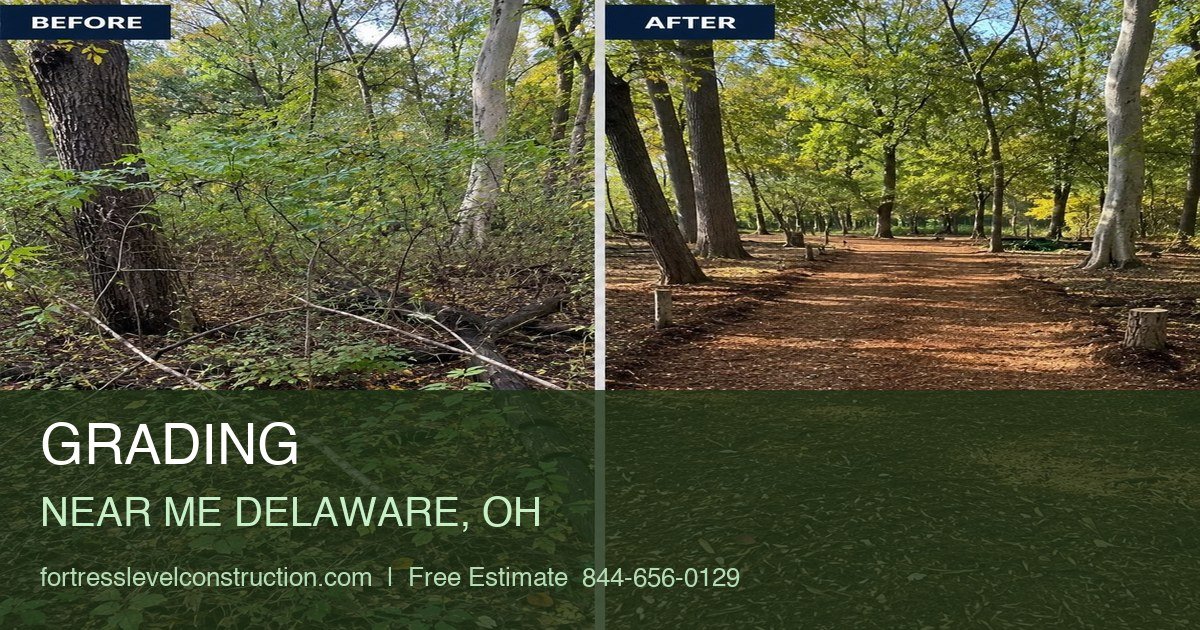

Site Preparation in Ohio: 7 Common Mistakes to Avoid Before You Build
Site preparation is the set of clearing, grading, excavation, drainage, and utility-locate steps that make a parcel safe and build-ready. Done correctly, it protects the foundation, reduces delays, and helps the entire project move faster. Done poorly, it creates costly surprises that show up long after the crew leaves.
The Quick Answer
- Site preparation is the work that turns raw land into a buildable site by clearing, grading, excavating, and checking drainage and utilities.
- The biggest mistakes are skipping utility locates, underestimating drainage, overclearing the site, and starting with the wrong grade.
- Central Ohio clay soil can hold water and move slowly, so drainage and soil handling matter more than many property owners expect.
- Ohio 811 is not optional. Call before digging and wait the required 48 hours so buried lines can be marked.
- The right method depends on the lot, trees, access, soil, slope, and final use, not just on the cheapest quote.
- Land clearing, grading, excavation, and demolition each have different equipment, timelines, and cost drivers.
- A licensed, insured crew is usually the better choice for larger sites, tight schedules, drainage-sensitive projects, and utility-heavy properties.
- A good contractor should explain the process, identify risks, and give you a clear plan instead of a vague promise.
Related Questions People Ask Next
Site preparation is the set of tasks that ready a parcel for building, including clearing trees and brush, removing obstacles, grading the land, handling drainage, and marking utilities. Good construction site preparation helps prevent foundation issues, water problems, access delays, and rework. It also makes the site safer for crews and equipment.
Land grading for construction controls how water moves across and away from the future structure. If the site slopes the wrong way or holds water, you can get soft subgrade, erosion, standing water, and foundation distress. Proper grading is one of the most important parts of how to prepare a construction site because it affects everything that follows.
Timelines vary widely based on parcel size, tree density, access, weather, soil conditions, and whether permits or utility locates are needed. A simple site prep job may move quickly, while larger or more complex lots can take longer because clearing, grading, excavation, hauling, and compaction all need to happen in the right order.
Not every small project requires a contractor, but many do. If the work involves grading, drainage, excavation, buried utilities, trees, stumps, or a foundation pad, hiring an insured professional is usually the safer and more efficient option. The risk of damaging utilities or creating drainage problems can far outweigh any short-term savings.
The first step is evaluating the lot and confirming what needs to stay, what must be removed, and whether any permits or utility locates are required. Before soil is disturbed, the crew should understand access, slopes, drainage, setbacks, and buried utility concerns. A rushed start is one of the most expensive mistakes in site prep.
What Is Site Preparation?
Site preparation is the process of getting raw or underused land ready for construction by clearing vegetation, removing obstacles, grading the ground, managing drainage, and confirming utilities. It is the foundation of a buildable site, and mistakes here affect every phase that follows, from excavation to the finished structure.
At its core, site preparation is about turning a natural parcel into a controlled work area. That may include land clearing, stump removal, demolition, excavation, and land grading for construction, but the exact scope depends on the property and the project. A house pad, shop, barn, driveway, or commercial pad each has different site prep needs. The point is not just to make the land look clean. The goal is to create a stable, accessible, and predictable surface for building.
Good construction site preparation starts with understanding what the land is doing now. Where does water flow? Where is the high ground? Is the soil clay-heavy, sandy, rocky, or filled with old fill? In Central Ohio, clay soil is common enough that drainage and compaction deserve serious attention. Clay can hold water, shrink, swell, and slow down work if crews ignore soil conditions. That is why a careful plan matters more than brute force.
A lot of site prep problems begin with a narrow view of the job. People think they only need trees removed or a patch graded level, but the building envelope often requires more than that. You may need access roads, erosion control, utility coordination, topsoil stripping, rough grading, and finish grading. Knowing how to prepare a construction site means treating the whole parcel as a system, not a single task.
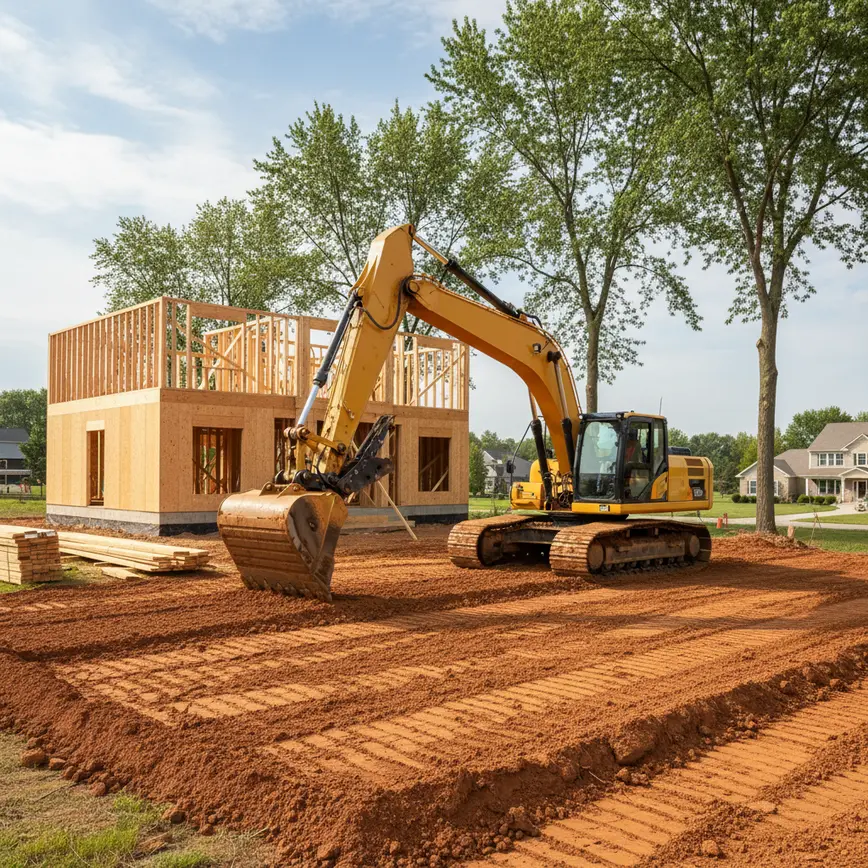
Why Does Site Preparation Matter Before You Build?
Site prep matters because a building is only as good as the ground, drainage, and access beneath it. Proper preparation reduces foundation risk, prevents water issues, makes excavation safer, and keeps schedules on track. It also helps the rest of the project run cleaner, from utility work to final grading.
What Methods and Types of Construction Site Preparation Should You Know?
Construction site preparation can include forestry mulching, full land clearing, stump grinding, demolition, excavation, rough grading, and finish grading. The right method depends on vegetation, soil, slopes, access, and what the finished site needs. A smart plan uses the least disruptive method that still meets the build requirements.
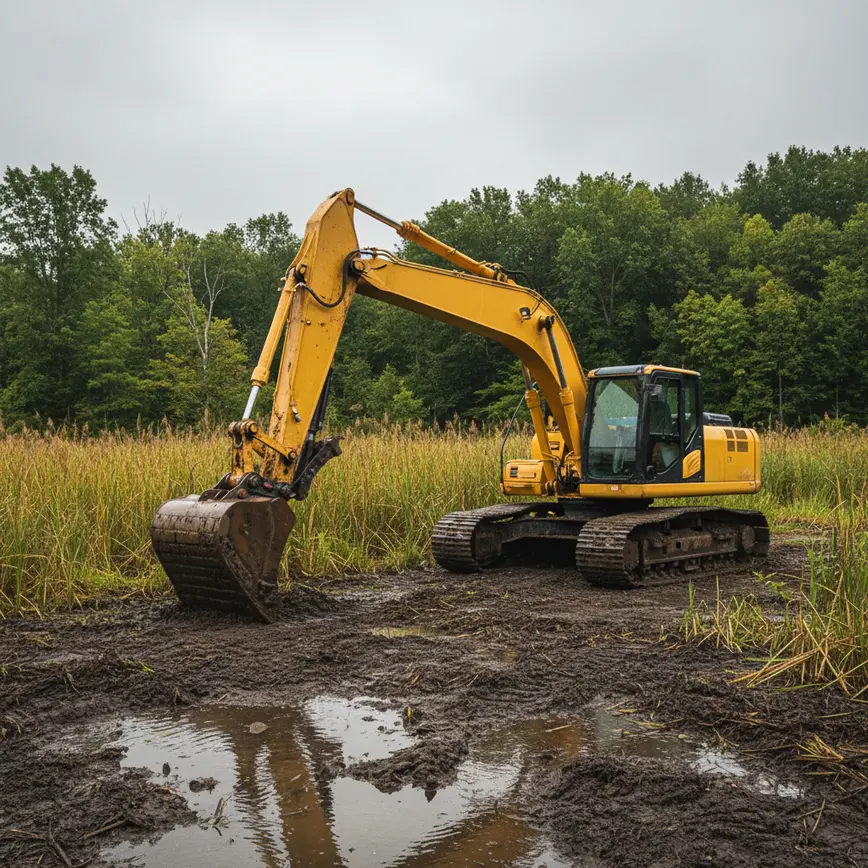
How Do You Prepare a Construction Site Step by Step?
How to prepare a construction site starts with evaluating the lot, verifying utilities, planning access, clearing only what is needed, stripping unsuitable material, grading the ground, and compacting the surface as required. The sequence matters. If you do steps in the wrong order, you can create drainage, access, or utility problems that are hard to unwind.
What Factors Drive the Cost of Site Preparation?
Site preparation costs depend on acreage, tree density, access, soil type, slope, hauling needs, debris disposal, equipment time, and whether permits or utility coordination are required. The cheapest quote is not always the best value if it ignores grading, drainage, or hidden site conditions that later require rework.
What Equipment Is Used in Site Preparation?
Site prep equipment can include excavators, skid steers, forestry mulchers, dozers, compactors, dump trucks, stump grinders, and demolition attachments. The right machine depends on whether the job is clearing, grading, excavation, or debris removal. Good equipment choice improves speed, precision, and site protection.
Should You DIY Site Prep or Hire a Professional Crew?
DIY site prep can work for small, low-risk cleanup tasks, but grading, excavation, stump removal, demolition, and utility-sensitive work are usually better left to a professional crew. The decision comes down to safety, equipment, skill, permits, and the cost of a mistake. The hidden risk is often greater than the visible savings.
What Permits, Regulations, and Ohio 811 Rules Apply Before Digging?
Permits, rules, and Ohio 811 are nonnegotiable parts of site preparation. In Ohio, ORC 3781.28 requires an Ohio 811 utility locate at least 48 hours before digging. Local permit needs vary, and many site prep jobs also involve erosion control, drainage, or tree removal rules depending on the jurisdiction.
How Do You Choose a Site Preparation Contractor?
Choose a contractor for site preparation based on licensing, insurance, equipment, local experience, communication, and a clear scope of work. The right company will explain the process, discuss drainage and utility risks, and give you a practical plan for clearing, grading, and excavation instead of a vague estimate.
Start by asking whether the company regularly handles the kind of work your site needs. A contractor who does land clearing, grading, excavation, demolition, and stump grinding as part of a real crew operation is usually better equipped for complex site prep than a generalist who only occasionally rents equipment. Ask how they approach drainage, soil conditions, access, and utility awareness. A strong answer should sound specific, not rehearsed. You want a team that understands how the site behaves, not just how to move dirt.
Next, verify that the contractor is licensed and insured, and ask for a clear scope. That scope should describe what will be cleared, how much grading is included, what material will be removed, what permits may be needed, and who is responsible for Ohio 811 coordination. If a quote is vague, it is hard to compare it to anything else. The best contractors explain where the price comes from and what conditions could change it. That transparency protects both sides.
It also helps to choose a company with local experience in Central Ohio and surrounding markets because soil, rainfall, and development patterns matter. Fortress Level Construction has been serving the region since 2009 under founder Lee Carson, a combat veteran That background does not replace the need for a good plan, but it does reflect the kind of disciplined crew culture that site prep demands. If you need help evaluating a parcel or planning the next step, a direct conversation at (844) 656-0129 is often the fastest way to get aligned.
What Should You Compare When Choosing Site Prep Methods?
Different site prep methods solve different problems. Use this comparison to match the method to the lot, the timeline, and the build goal. The best choice is rarely just the fastest or the cheapest. It is the method that prepares the site with the least risk of rework.
| Method | Typical Use | Strengths | Tradeoffs |
|---|---|---|---|
| Forestry mulching | Brush, saplings, light to moderate timber, access lanes | Fast, less soil disturbance, leaves mulch behind, useful for rural parcels | Not ideal for full root removal or sites needing total vegetation removal |
| Full clearing | Build pads, heavily wooded lots, complete site resets | Removes trees, brush, and debris for a clean slate | More disturbance, more hauling, usually higher cost than mulching |
| Grading and rough shaping | Pads, drainage correction, access routes, prep for construction | Creates slope and elevation control, supports drainage and buildability | Can reveal hidden soft spots or require additional fill or compaction |
| Excavation and demolition | Basements, footings, utility trenches, structure removal | Handles below-grade work and obstacle removal that clearing cannot solve | Requires careful utility awareness, disposal planning, and heavier equipment |
| Stump grinding | Removing stump interference after tree removal | Reduces surface obstruction and helps with grading or access | Does not remove every root, and some sites still need further soil work |
| DIY cleanup only | Small brush removal, light property cleanup | Low cost if the work is minor and low risk | Not suitable for buried utilities, drainage shaping, or heavy site prep |
What Are the Common Mistakes and When Is Site Prep Not the Right DIY Project?
Site preparation is not a good DIY project when the work involves buried utilities, heavy grading, drainage corrections, stumps, demolition, or a future foundation. The biggest mistake is treating all dirt work as simple cleanup. If the site is risky or the build depends on it, professional help is usually the safer choice.
One of the most common mistakes is skipping the locate step and assuming the property is clear because nothing is visible above ground. Another is overclearing the lot and then discovering erosion or runoff problems that were created by removing too much vegetation. A third is assuming the ground should be perfectly flat, when many sites actually need controlled slope so water moves away from the structure. Those errors can be hard to fix after the site is already disturbed.
Site prep is also not ideal for situations where the soil is soft, wet, rocky, or mixed with fill and buried debris. Those conditions make it easier to get stuck, damage equipment, or create an unstable base. Central Ohio clay can be especially unforgiving when it is wet, because it does not always respond well to rushed grading or compaction. If the parcel has complicated drainage or access constraints, a professional review often saves money by avoiding unnecessary rework.
The work is not the right DIY project if you do not have a clear plan for spoil handling, erosion control, disposal, or material compaction. A site can look acceptable at first glance and still fail once rain hits or the builder starts layout. That is the hidden risk of site prep. A professional crew is not just moving soil. It is sequencing tasks so the parcel can support the next phase of construction without avoidable problems.
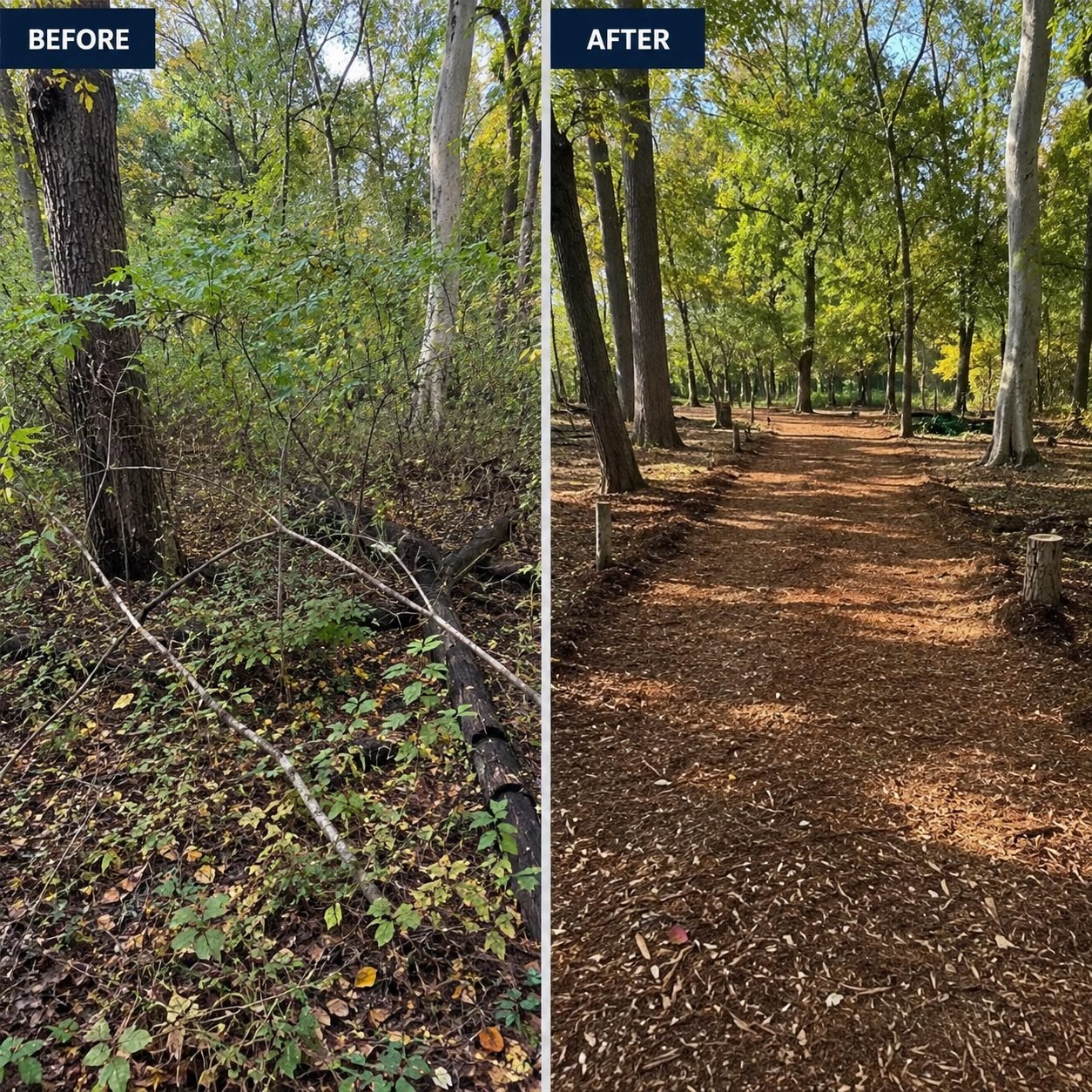
What Should a Site Preparation Gallery Show?
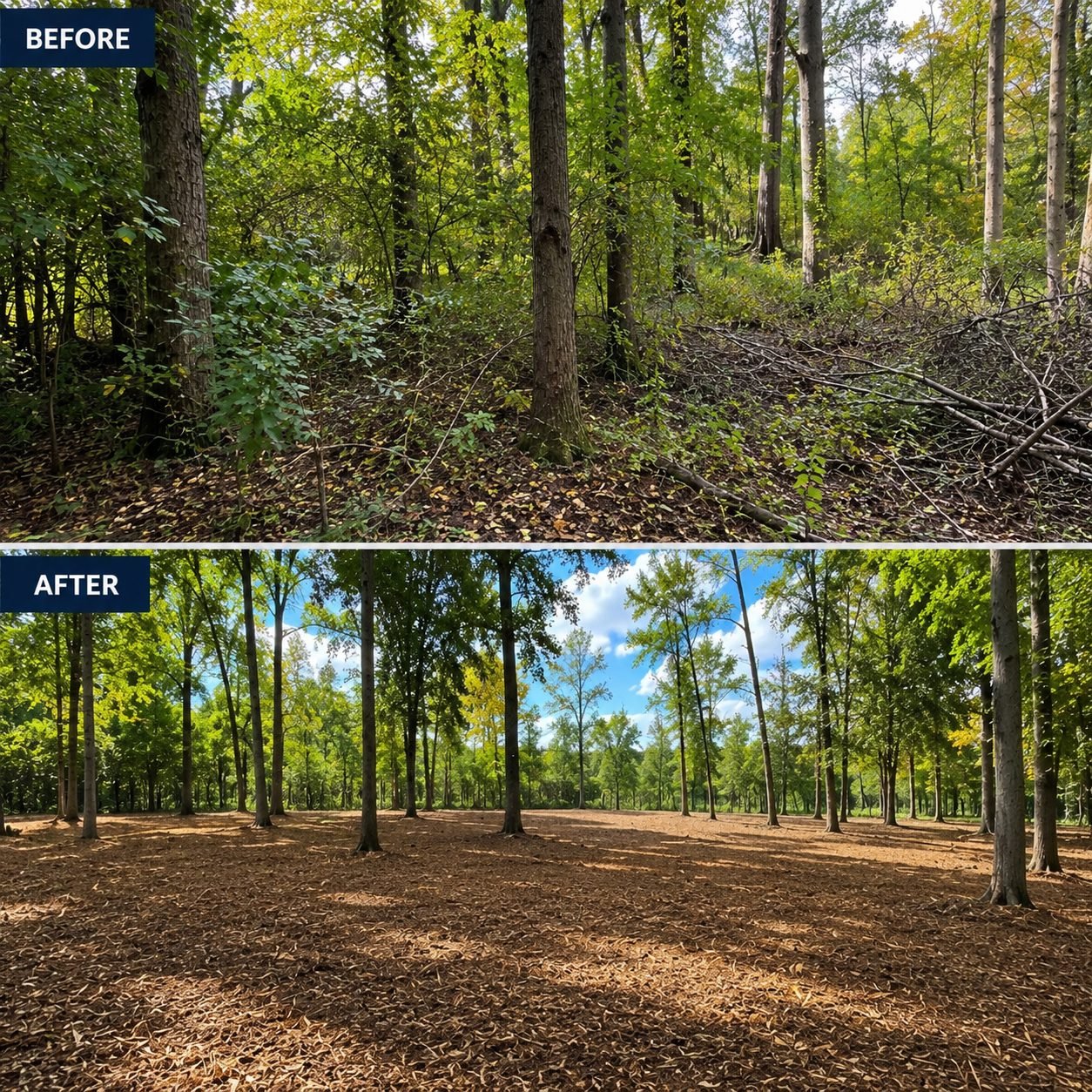
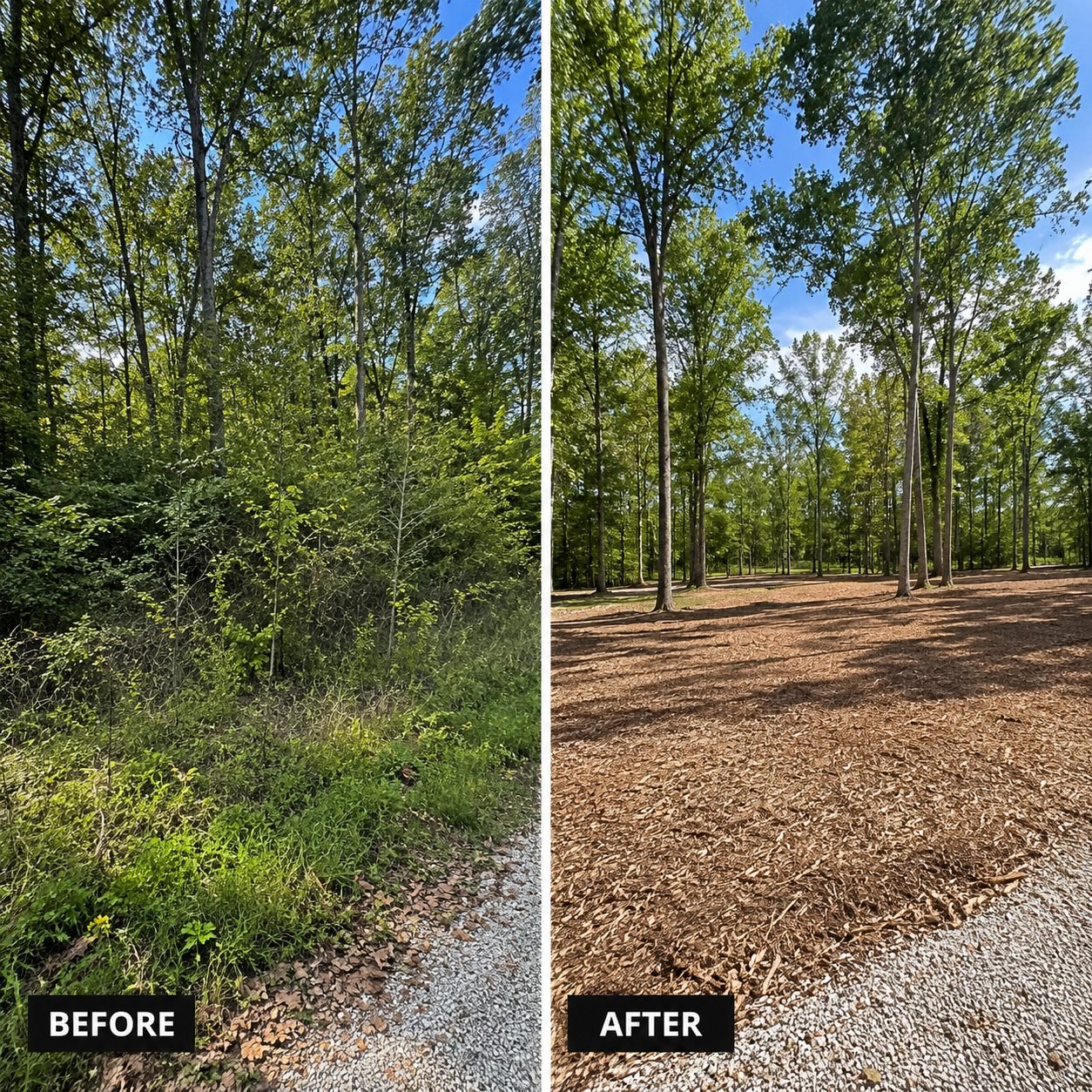
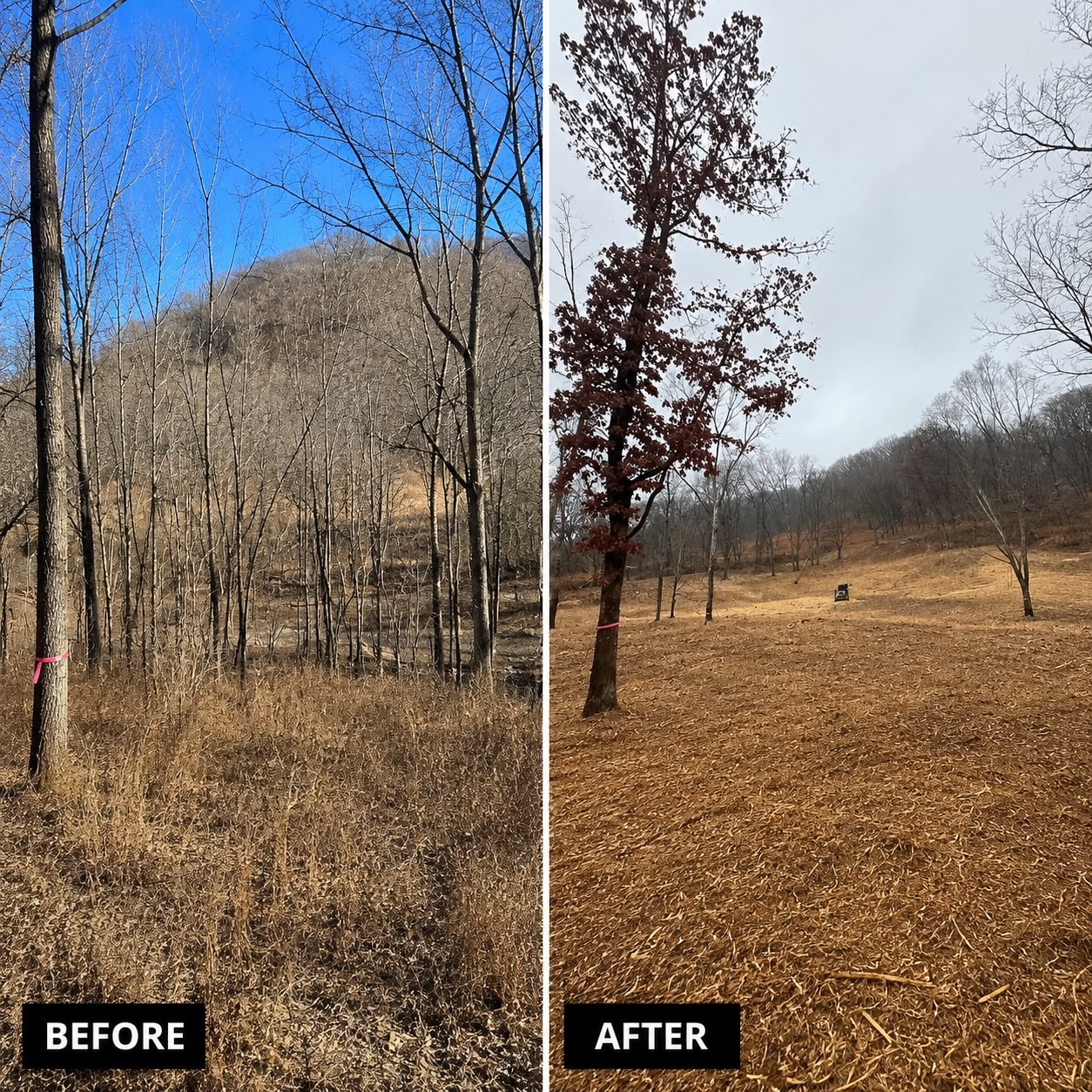
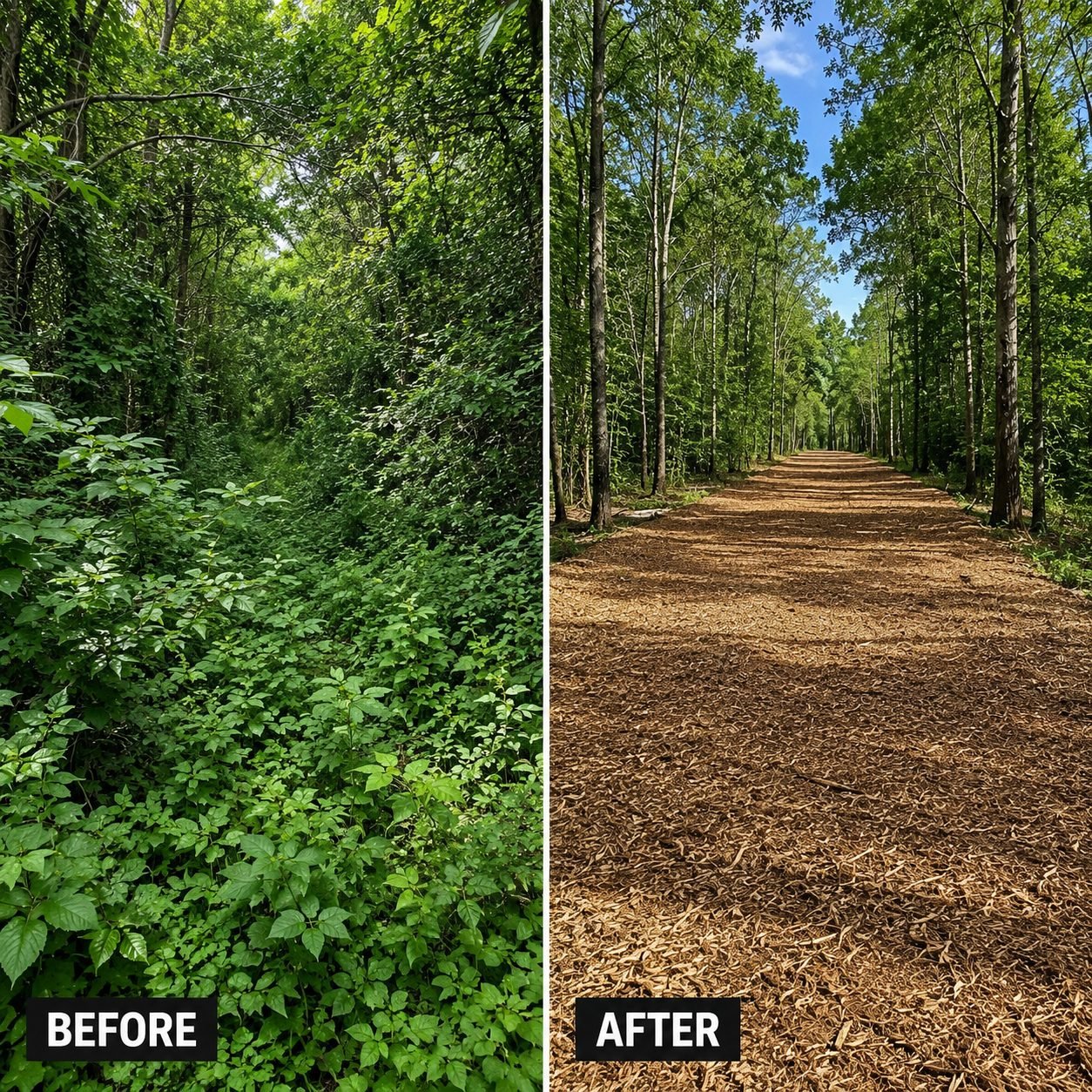
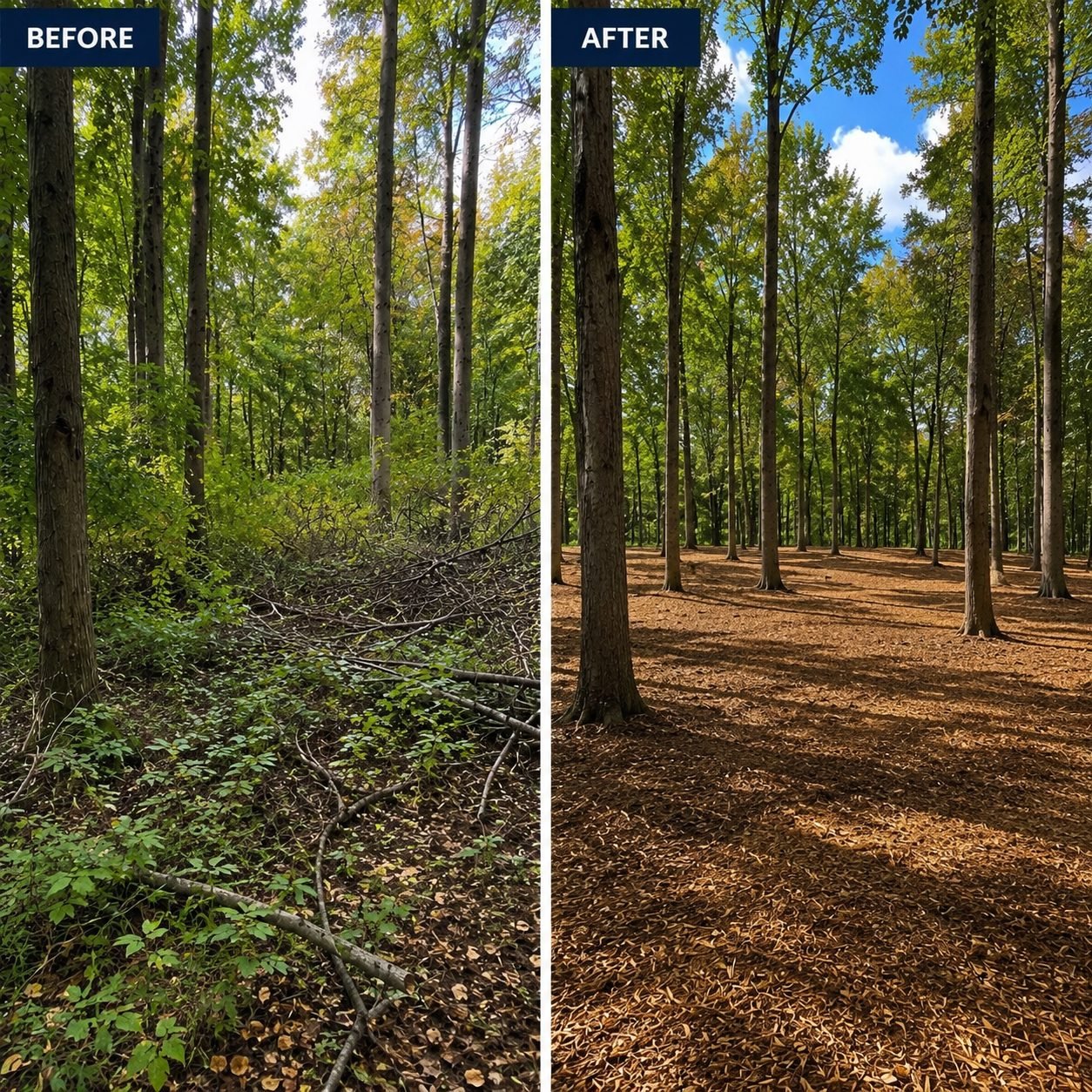
A strong site prep gallery should show the property before work, the clearing and grading stages, utility locate markings, equipment in use, and the finished build-ready surface. The goal is to document progress and help property owners understand what changed, why it changed, and how the site was prepared for the next phase.
Frequently asked questions
Land clearing is one part of site preparation. It removes trees, brush, stumps, debris, or structures that block the build area. Site preparation is broader. It can include clearing, grading, excavation, drainage work, utility locates, access planning, and compaction. If a project only clears vegetation but does not shape or stabilize the ground, it may not be truly build-ready.
If water pools on the site, the slope points toward the future building, or the ground is uneven where a pad or driveway will go, grading is likely needed. A proper site evaluation should also consider how clay soil behaves, where runoff will go, and whether the ground can support the planned structure. Grading is one of the key parts of how to prepare a construction site correctly.
No. Ohio law requires an Ohio 811 utility locate at least 48 hours before digging under ORC 3781.28. That rule exists to reduce the risk of hitting buried gas, electric, water, sewer, or communications lines. Even a shallow dig can be dangerous if a line is present. Site preparation should never begin with excavation until the locate process is complete.
The biggest mistake is usually treating site preparation like simple cleanup instead of a technical build phase. People often ignore drainage, skip utility coordination, or overestimate how easy the soil will be to shape. Another common error is choosing the lowest bid without confirming what is included. A good site prep plan should be specific about clearing, grading, and risk management.
Clay soil can hold water, slow drainage, and make grading or compaction more sensitive to weather conditions. In Central Ohio, that means timing and technique matter. Wet clay can rut easily and may not support equipment well, while poorly managed slopes can lead to runoff or soft spots. Good site prep accounts for soil behavior instead of forcing the same method onto every parcel.
The most important equipment depends on the job, but excavators, skid steers, dozers, and compactors are common on many projects. Forestry mulchers are useful for brush and light timber, while stump grinders help remove below-surface obstacles. The right machine is the one that matches the site conditions and the scope of work. Good operators matter just as much as the machines themselves.
Costs vary widely based on the size of the lot, the amount of clearing, the need for excavation, access, and drainage work. Real Fortress ranges that can help frame a project include grading at $1,000 to $3,000, excavation at $50 to $200 per cubic yard, and land clearing from $1,850 to $8,000 per acre depending on the method. The actual scope matters most.
Choose a licensed, insured contractor with real experience in land clearing, grading, excavation, and utility-aware work. Ask for a clear scope, find out who handles Ohio 811 coordination, and make sure the company can explain drainage and soil concerns. A contractor should help you understand how the site will be prepared, not just hand you a vague price.
Site Preparation Across Central Ohio
Fortress Level Construction handles site preparation in every county and community across Central Ohio. See local details, drive times, and pricing for your area:
What Other Services Does Fortress Offer in Central Ohio?
Fortress Level Construction runs a full range of land-clearing, excavation, grading, and site-work services across Central Ohio, so one owner-operated crew can clear, grade, and prep a site end to end.
Get a Flat-Rate Quote from Lee Carson
Owner-operated land clearing across all five Central Ohio counties. Send your property details and Lee gets back to you within 2 to 3 hours during business hours with one flat number after a free on-site walk-through.