
What Is Dirt Work in Ohio Construction and How It Sets Your Project Up for Success
Dirt work is the land preparation phase of construction that reshapes, compacts, grades, clears, and excavates soil so a site is ready for building, drainage, utilities, or hardscape. Done well, dirt work prevents settlement, water problems, and expensive rework later. It is foundational, not optional.
The Quick Answer
- Dirt work is the site-prep phase that makes a property buildable, drain properly, and support foundations, driveways, utilities, or landscaping.
- The biggest dirt work jobs include clearing, grading, excavation, compaction, stump removal, demolition, and drainage correction.
- Central Ohio clay soil can hold water, shift when wet, and make grading and compaction more important than they look on paper.
- Good dirt work starts with planning: survey, utilities locate, permit review, drainage plan, access plan, and soil conditions.
- Costs are driven by access, soil type, slope, debris, haul-off, depth of cut or fill, and whether the site needs clearing or demolition first.
- The right equipment depends on the task and may include excavators, skid steers, dozers, graders, mulchers, compactors, and dump trucks.
- DIY dirt work can be fine for very small non-structural tasks, but foundations, drainage, and utility trenches usually require a pro.
- Choosing dirt work contractors means checking licensing, insurance, local experience, equipment, process, and whether they handle Ohio 811 and permits correctly.
Related Questions People Ask Next
Dirt work in construction means shaping the ground so a project can be built safely and correctly. That can include clearing trees and stumps, excavating soil, filling low spots, compacting subgrade, and grading for drainage. The goal is to create a stable surface that matches the site plan, supports the structure, and keeps water moving away from problem areas.
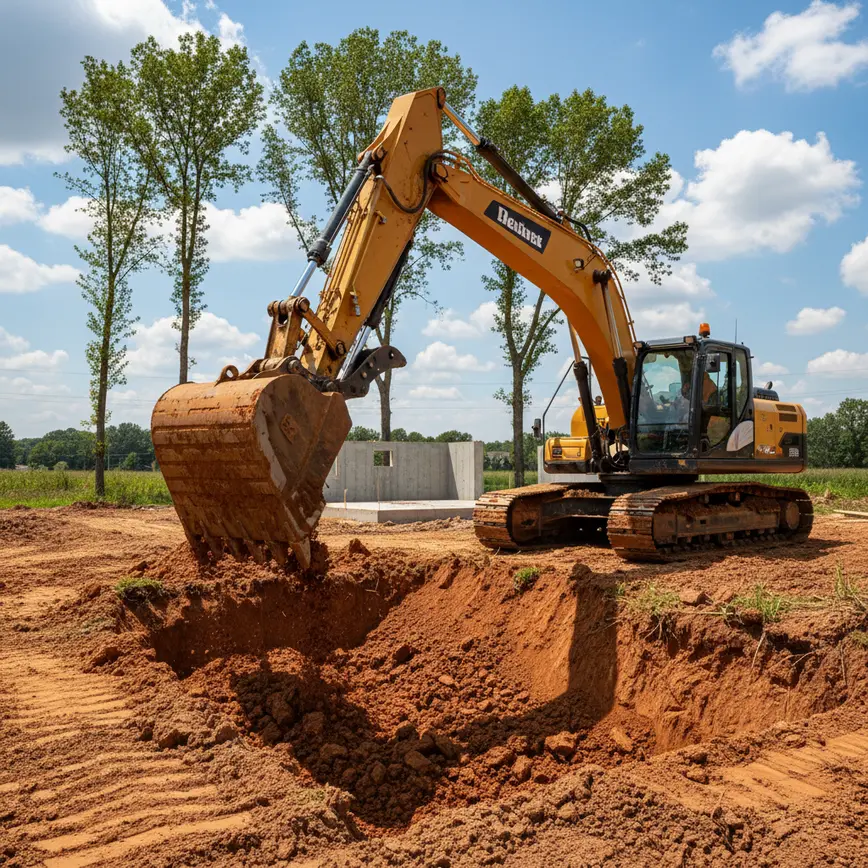
No. Excavation is one part of dirt work, but dirt work is broader. Excavation removes soil for foundations, trenches, basements, or utilities. Dirt work can also include grading, clearing, compaction, erosion control, and site cleanup. In other words, excavation moves earth, while dirt work covers the whole process of preparing and shaping the land.
Because the ground is the base everything else depends on. If the soil is not cleared, graded, and compacted correctly, a structure can settle unevenly, drain poorly, or fail to meet elevation requirements. Good dirt work reduces future repairs, helps foundations perform as designed, and supports safer access for construction equipment and material deliveries.
It depends on the task. Approved Fortress Level ranges include grading at $1,000 to $3,000, excavation at $50 to $200 per cubic yard, demolition at $6,500 to $15,000, stump grinding at $100 to $500, and land clearing from $1,850 to $3,500 per acre for forestry mulching or $4,000 to $8,000 per acre for full clearing. Permits may add $100 to $300.
Yes, if your dirt work involves digging in Ohio. Ohio law requires an Ohio 811 utility locate at least 48 hours before excavation. That helps identify underground gas, electric, water, sewer, and telecom lines before equipment breaks ground. Skipping the locate is one of the fastest ways to create a dangerous and expensive problem.
What Is Dirt Work in Construction?
Dirt work is the broad term for preparing soil and site conditions before or during construction. It includes clearing, excavation, grading, filling, compacting, and drainage shaping. The purpose is simple: make the ground stable, usable, and aligned with the project design so the finished work performs correctly.
In dirt work construction, the site gets transformed from raw land into a build-ready pad, trench, driveway base, yard grade, or utility corridor. That can mean removing trees and stumps, stripping topsoil, moving cut and fill, and compacting the subgrade. The work may be rough and heavy or highly precise, depending on whether the project is a home, commercial pad, barn, road, or drainage correction.
People sometimes use dirtwork as one word, but the meaning is the same. It is the earth-moving and site-preparation phase that happens before the visible project rises above ground. If the site is not prepared correctly, everything that follows can inherit the problem. A slab can crack, a driveway can rut, and water can pool where it should have been directed away.
For homeowners searching for dirt work companies near me, it helps to think in terms of outcomes rather than a single machine or task. Are you trying to fix drainage, build a house, add a driveway, clear a lot, or prepare for utilities? The answer determines the right sequence, the right equipment, and the right dirt work contractors for the job.
Why Does Dirt Work Matter for Every Project?
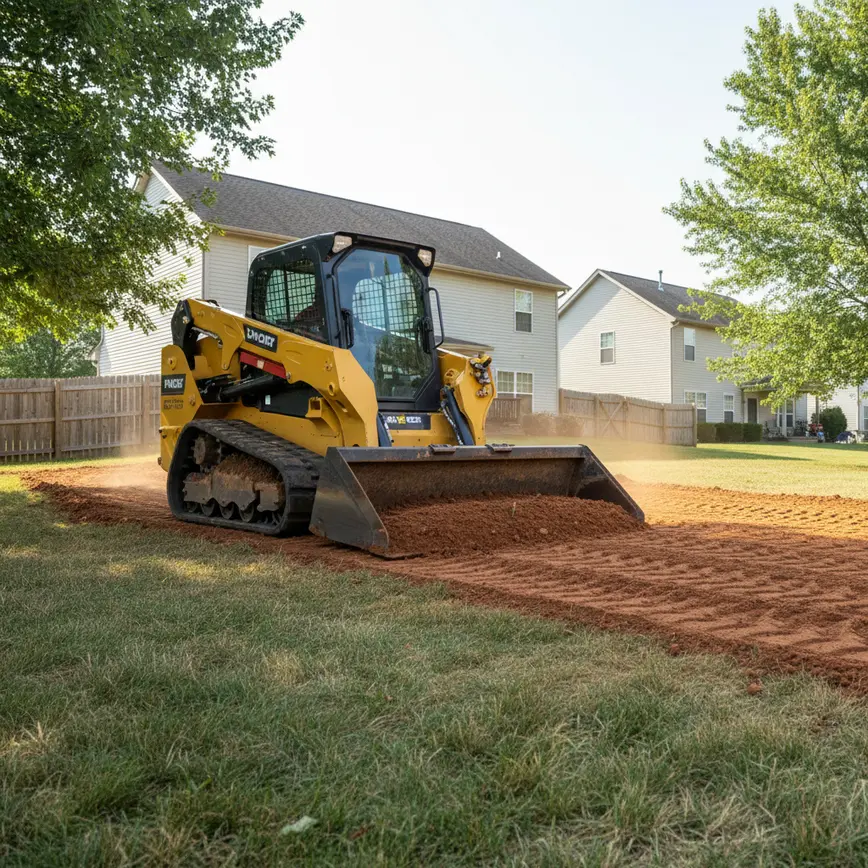
Dirt work matters because the ground controls drainage, load support, access, and long-term performance. Good site prep lowers the risk of settlement, erosion, ponding, and utility damage. It also helps projects pass inspections, fit elevations, and move forward on schedule instead of getting stuck in avoidable rework.
What Are the Common Dirt Work Methods and Types?
Dirt work includes several distinct methods, each with a different purpose. Clearing removes vegetation and obstacles, excavation removes soil, grading shapes elevations, compaction strengthens the base, and mulching or demolition may be needed before the site can be prepared. The right mix depends on the property and the end use.
How Does the Dirt Work Process Step by Step?
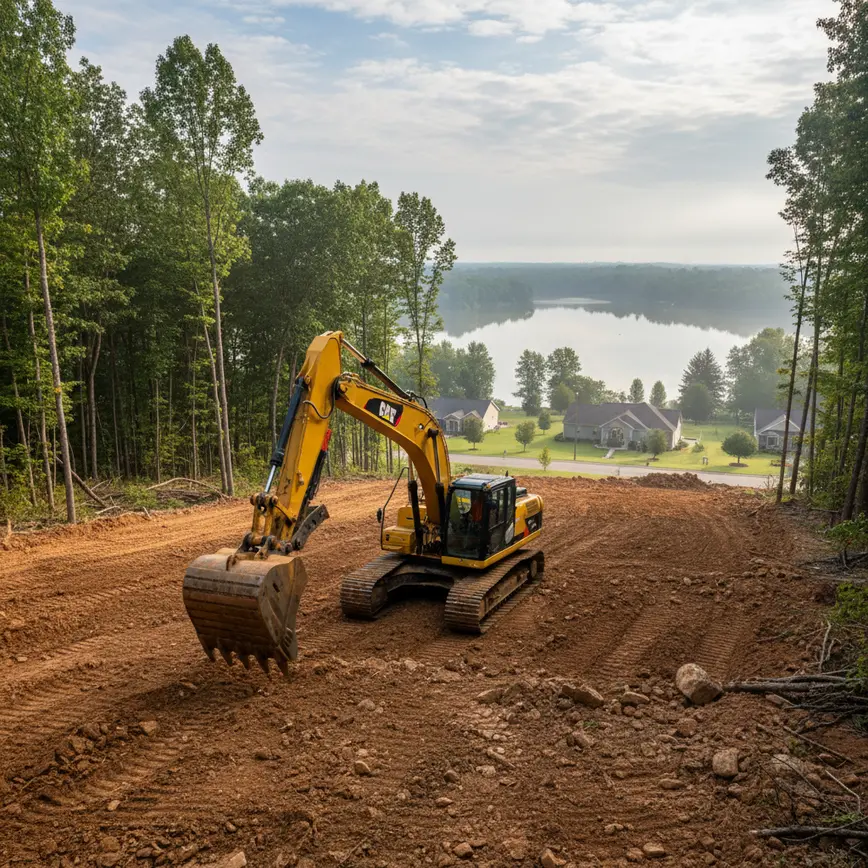
A proper dirt work process starts with planning and ends with verification. The site is reviewed, utilities are located, soil and access are assessed, clearing or demolition happens if needed, earth is moved and compacted, then final grading and drainage checks confirm the work is ready for the next phase.
What Drives Dirt Work Cost?
Dirt work costs are driven by scope, soil, access, slope, volume, hauling, clearing, and whether the site needs utilities, demolition, or drainage corrections. The bigger the unknowns, the harder it is to price accurately. Simple grading is much different from full site preparation with removal and excavation.
What Equipment Is Used in Dirt Work?
Dirt work uses a mix of heavy machinery and support equipment chosen for the soil, site size, and task. Common tools include excavators, dozers, skid steers, compactors, graders, dump trucks, and mulchers. The right equipment improves speed, precision, compaction quality, and site safety.
Should You DIY Dirt Work or Hire a Pro?
DIY dirt work can work for very small, low-risk tasks, but most structural, drainage, and utility-related work should be done by professionals. The risks include poor drainage, improper compaction, hidden utilities, equipment damage, and costly mistakes that may not show up until after construction is underway.
What Permits, Regulations, and Ohio 811 Rules Apply to Dirt Work?
Dirt work often requires permits and always requires careful utility awareness before digging. In Ohio, you must contact Ohio 811 at least 48 hours before excavation. Depending on the scope and location, local permits may also be required, and approval often depends on drainage, grading, and disturbance limits.
How Do You Choose the Right Dirt Work Contractors?
Choose dirt work contractors based on licensing, insurance, equipment, process, local experience, and whether they communicate clearly about scope and safety. The best contractor does not just quote a price. They explain what the site needs, what can change the price, and how the work will be sequenced.
Start by verifying that the company is licensed and insured and that it actually handles the type of work you need. Dirt work is broad, so not every contractor is right for every job. Some crews are better at clearing and forestry mulching, while others focus on excavation, drainage, or grading. Ask what machines they use, how they handle compaction, how they deal with wet clay, and whether they will coordinate utilities and permits. Real answers matter more than a polished sales pitch.
Local experience is especially valuable in Central Ohio because soil behavior changes with moisture and season. A contractor who understands clay can explain when to wait, when to dry out a site, and when to stabilize or rework a section. Fortress Level Construction, founded by Lee Carson, has been serving the region since 2009 with a real crew and land-services experience. That kind of depth matters when a project has multiple phases and timing really counts.
If you are comparing dirt work companies near me, ask for a site walk, a clear scope, and a written explanation of inclusions and exclusions. A strong contractor should be able to tell you whether the work is simple grading, excavation, clearing, or a full dirt work construction package. If the job has unknowns, the contractor should say so. Honest uncertainty is better than false certainty, especially where drainage or structural performance is involved.
How Do Dirt Work Methods Compare?
Different dirt work methods solve different problems. Some are fast and light-touch, others are slower but better for build-ready preparation. Comparing method, best use, speed, and typical cost drivers helps property owners choose the right approach before hiring dirt work contractors.
| Method | Best use | Speed | Cost drivers |
|---|---|---|---|
| Forestry mulching | Brush, saplings, light tree clearing, low-disturbance site cleanup | Fast on suitable vegetation and access | Acreage, density, access, and whether stumps must be removed |
| Full clearing | Heavier vegetation removal, lot development, total site reset | Slower because debris is removed off site | Acreage, debris volume, disposal, and haul-off |
| Excavation | Foundations, basements, utilities, drainage, trenches | Moderate to slow depending on depth and soil | Cubic yards moved, soil type, access, depth, and hauling |
| Grading | Drainage correction, pad prep, driveway base, finish shape | Often faster than deep excavation | Slope, precision required, fill needs, and site size |
| Compaction | Structural support, fill placement, trench backfill, subgrade prep | Depends on lift size and moisture conditions | Soil moisture, lift thickness, equipment, and rework risk |
| Demolition plus dirt work | Old structures, slabs, debris, rebuild sites | Usually the slowest because it adds removal and cleanup | Structure size, material type, haul-off, permits, and site restoration |
What Are the Common Dirt Work Mistakes and When Is It Not the Right Approach?
Dirt work is not a cure-all. If the problem is actually drainage design, poor surveying, unstable fill, buried debris, or a structural issue, moving soil alone may make things worse. The best contractors know when dirt work is the right solution and when another fix is needed first.
One common mistake is treating every low spot as a simple fill problem. If water is collecting because the broader drainage path is wrong, adding soil in one place can send the water somewhere worse. Another mistake is failing to compact fill in lifts. Loose fill may look finished for a while and then settle under a driveway, slab, or footing. Dirt work that ignores compaction is not really finished work.
Another issue is underestimating wet conditions. In clay soil, working too early after rain can smear the grade, rut the site, and trap moisture. That leads to poor compaction and a sloppy finish. A project may need to wait, be stabilized, or be approached in a different sequence. Good dirt work is often about timing, not just force. Rushing is one of the easiest ways to create expensive correction work.
Finally, dirt work is not the right first step when the project has an unresolved legal, utility, or design issue. If there is no site plan, no locate, no permit clarity, or no agreement on where water should go, the crew may only be guessing. That is why honest dirt work contractors will pause and ask questions before moving machines onto the property.
What Should a Dirt Work Project Gallery Show?
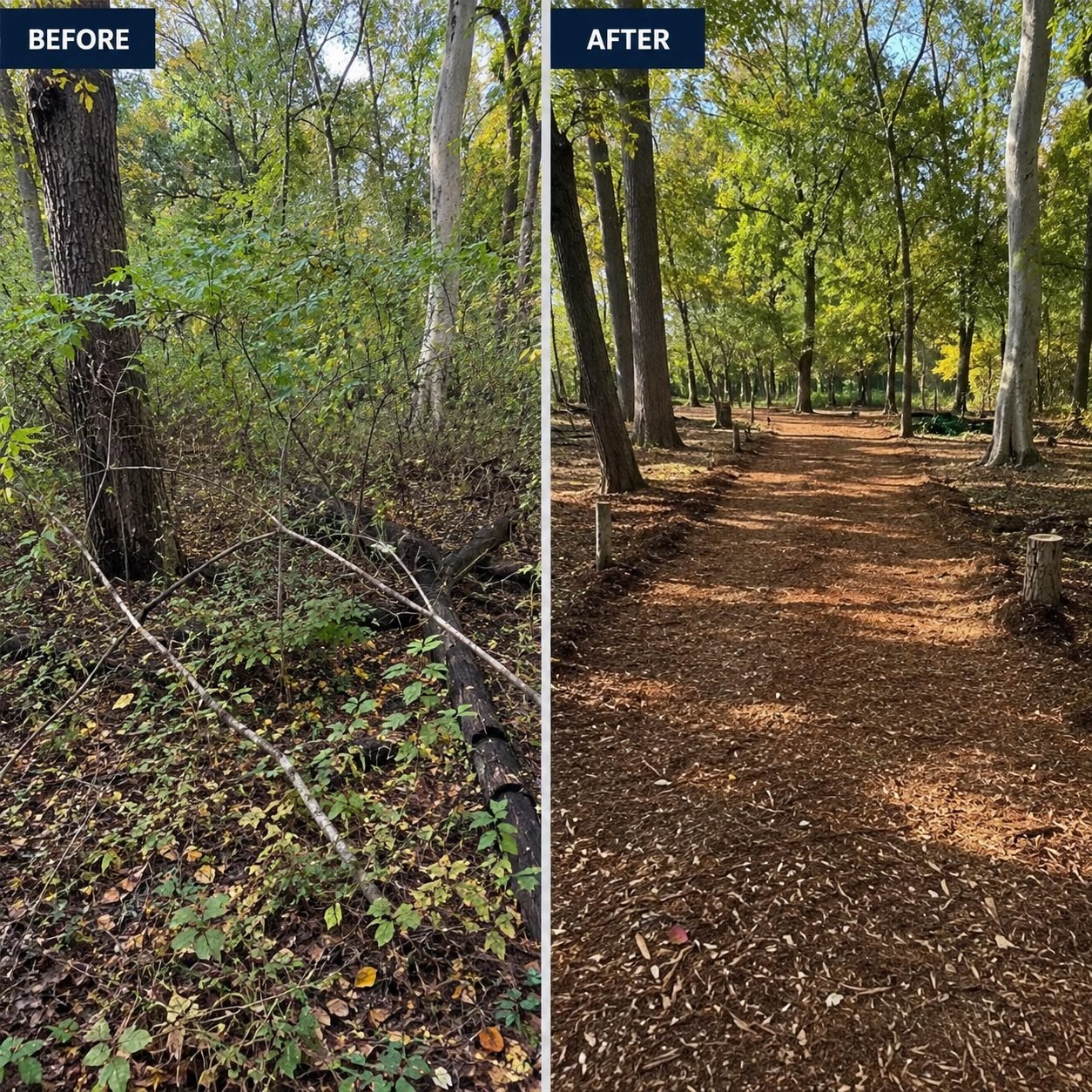
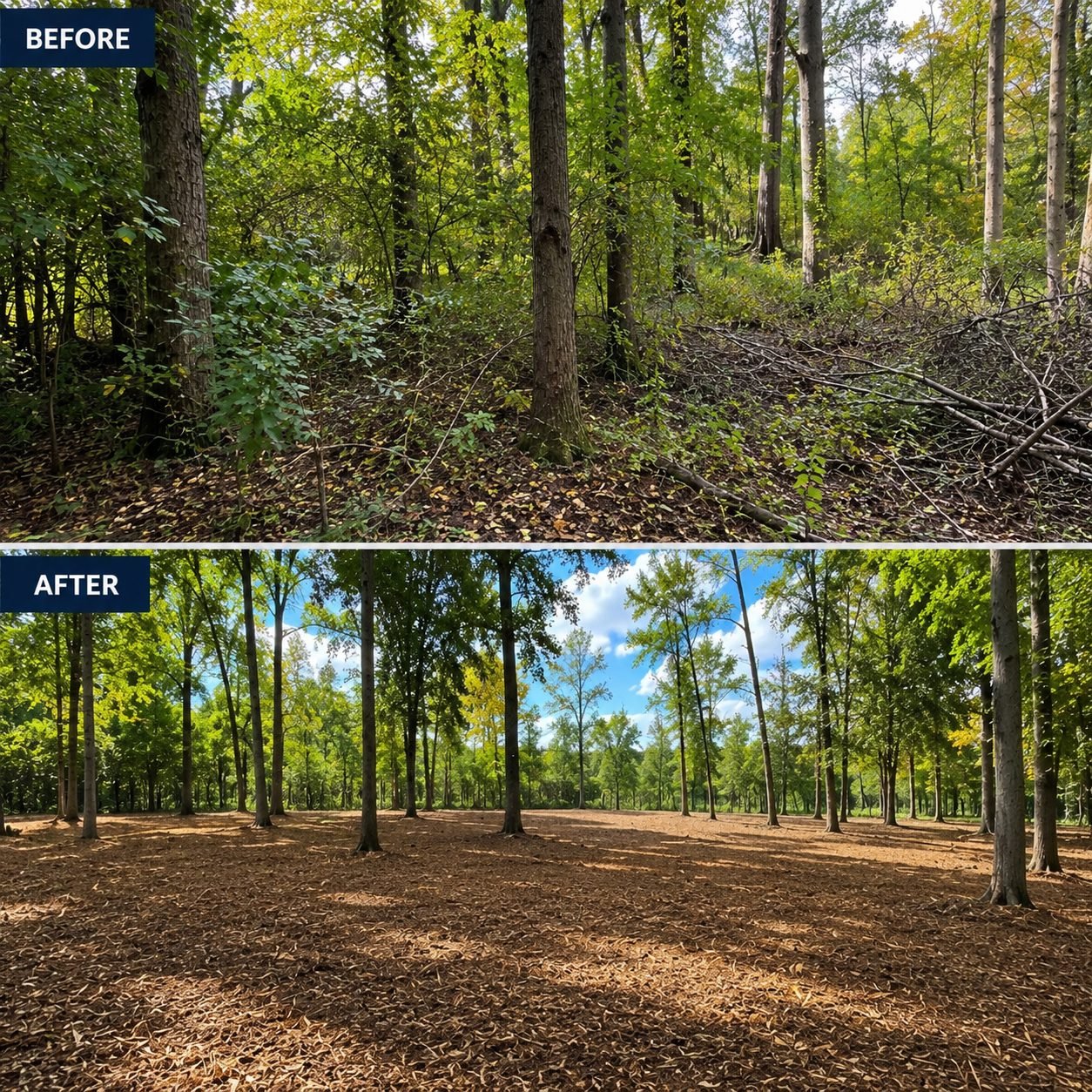
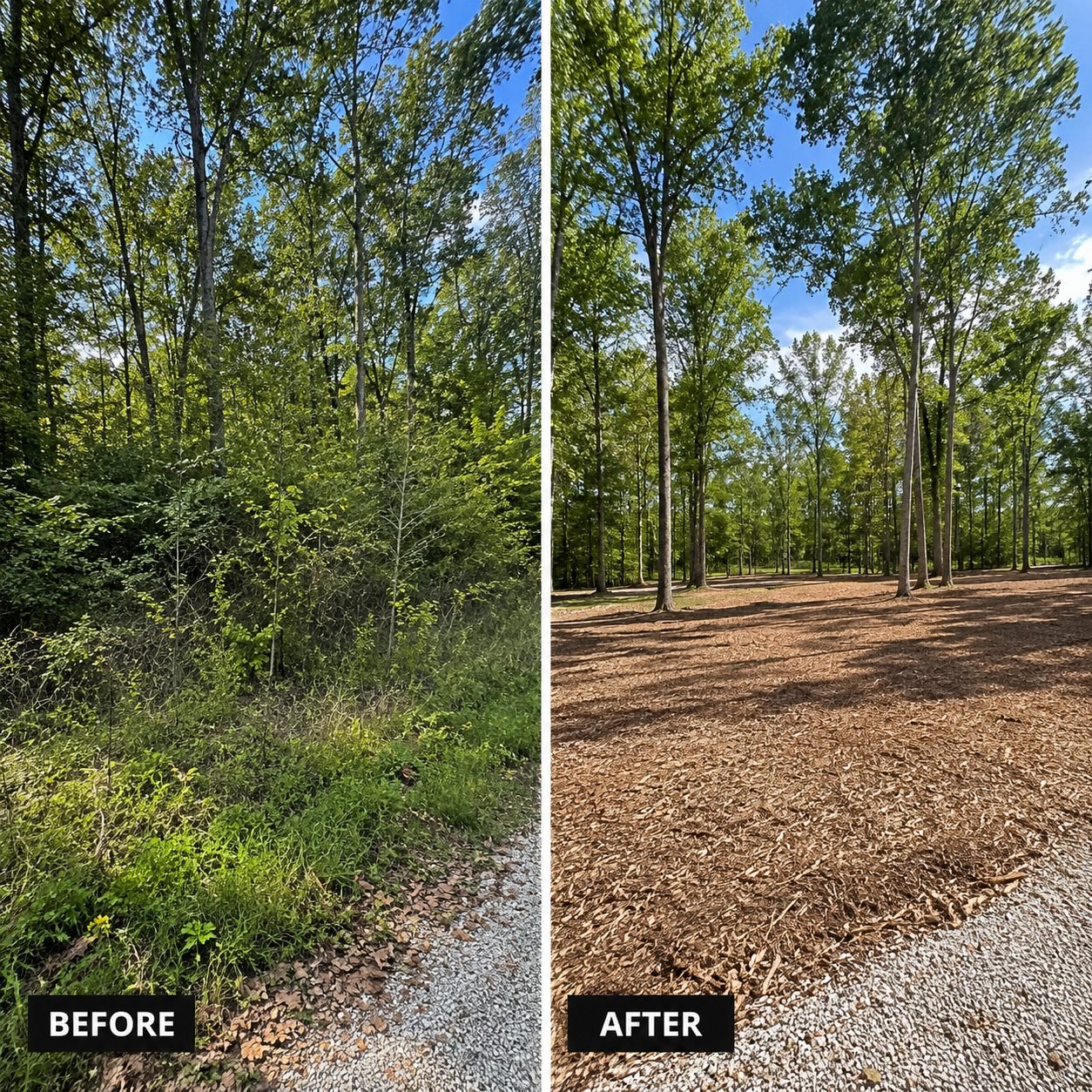
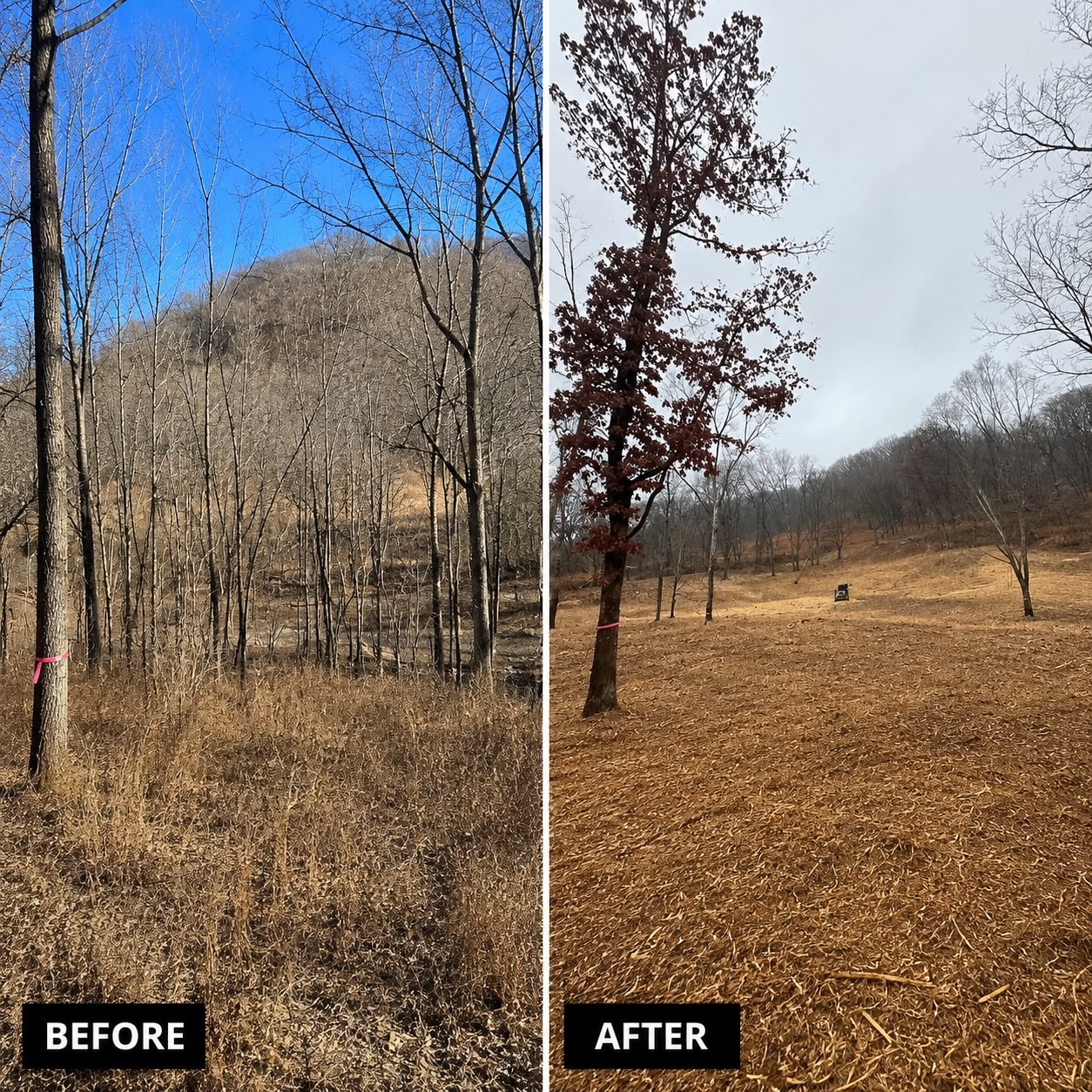
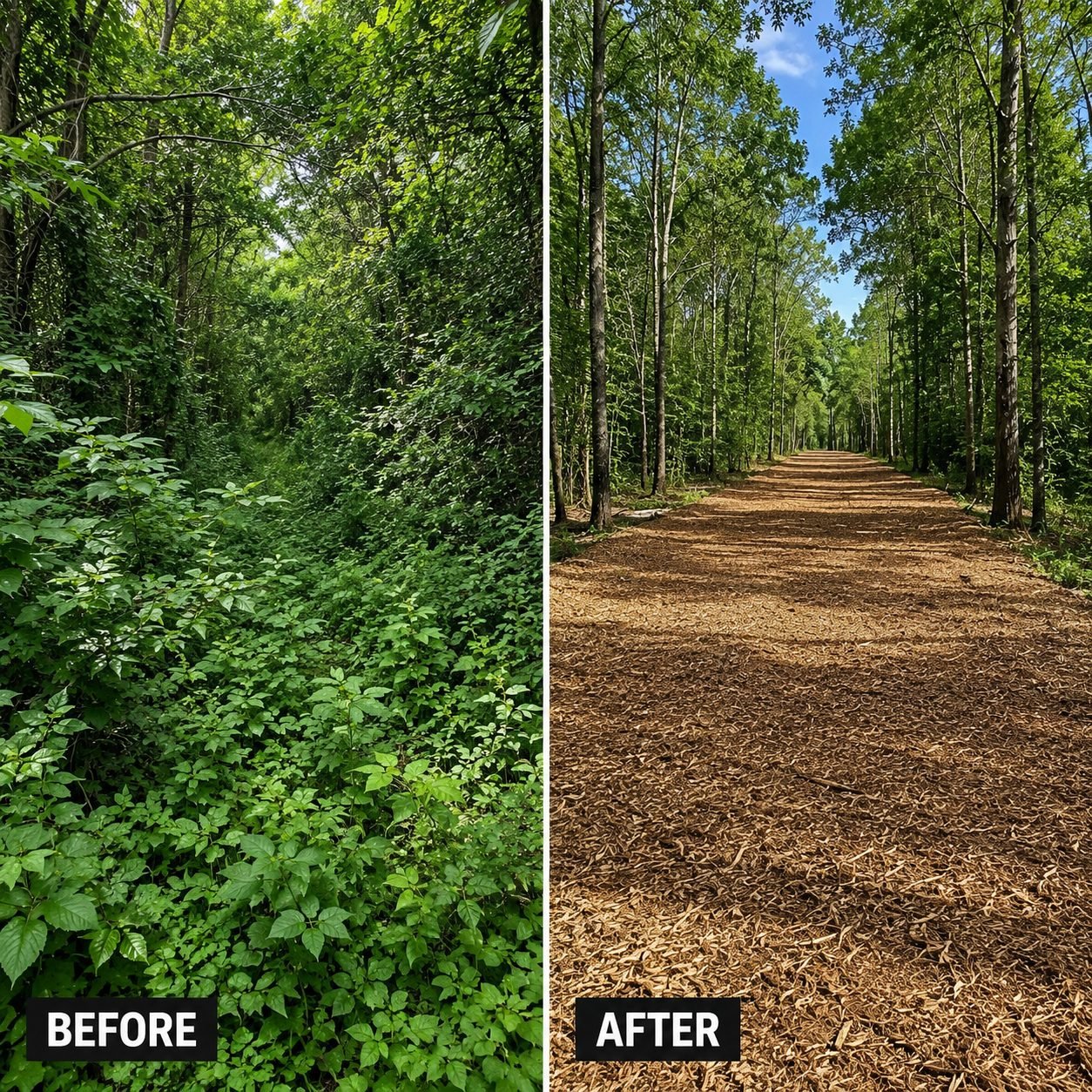
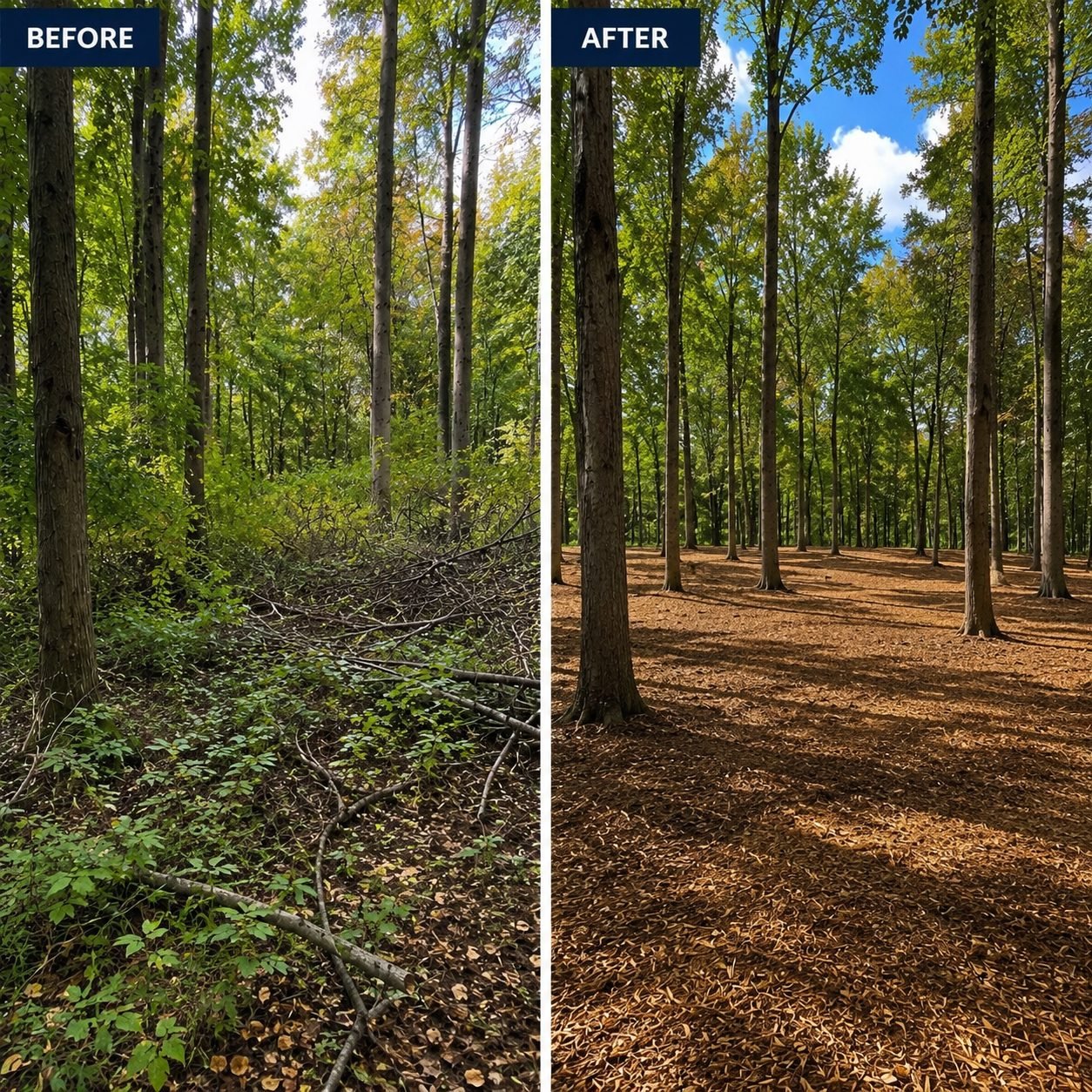
A strong project gallery should show the real sequence of dirt work, not just the finished result. Useful images include before-and-after clearing, excavation in progress, grading lines, compacted subgrade, drainage features, equipment on site, and final finish grade. This helps property owners understand the process and the quality of the work.
Frequently asked questions
Dirt work is the process of preparing, moving, shaping, and stabilizing soil for construction. It can include clearing vegetation, excavation, grading, compaction, filling, and drainage shaping. The goal is to create a reliable site that supports the project above it and helps water move away from structures instead of collecting around them.
Excavation is one part of dirt work, but dirt work covers the larger site-prep scope. Excavation removes earth for foundations, trenches, or utilities. Dirt work can also include clearing, grading, stump grinding, compacting, and erosion control. If excavation is one tool, dirt work is the full toolbox used to prepare the ground properly.
Because many Central Ohio sites contain clay-heavy soil, which holds water and can become difficult to compact or grade correctly if conditions are wrong. That means timing, drainage, and compaction matter more than they might on sandier ground. Local experience helps contractors decide when to cut, fill, stabilize, or wait for better site conditions.
It varies widely by scope. Approved ranges you can use as a reference include grading at $1,000 to $3,000, excavation at $50 to $200 per cubic yard, demolition at $6,500 to $15,000, stump grinding at $100 to $500, and land clearing at $1,850 to $3,500 per acre for forestry mulching or $4,000 to $8,000 per acre for full clearing.
Sometimes. Many jurisdictions require permits for grading, excavation, demolition, or major land disturbance, and the rules depend on the city, township, county, and project scope. Approved permit costs can fall in the $100 to $300 range, but the key is whether the work triggers review. A contractor should help you confirm that before starting.
Before any excavation in Ohio, you need an Ohio 811 utility locate at least 48 hours in advance under ORC 3781.28. That requirement helps identify underground utilities before a machine digs. It is one of the most important safety and liability steps in dirt work, even for projects that seem small or shallow.
You can handle very small non-structural tasks if you understand drainage and soil conditions, but most foundation, utility, driveway, and major grading work is better left to professionals. The risks include poor compaction, hidden utilities, wrong elevations, drainage problems, and equipment damage. For most important projects, hiring a crew is the safer path.
Look for licensing, insurance, real equipment, local soil knowledge, and clear communication about scope and exclusions. Ask how they handle utility locates, permits, compaction, and wet-weather conditions. A good contractor should explain what the site needs, not just quote a number. That is especially important if the project affects drainage or structural support.
Dirt Work Across Central Ohio
Fortress Level Construction handles dirt work in every county and community across Central Ohio. See local details, drive times, and pricing for your area:
What Other Services Does Fortress Offer in Central Ohio?
Fortress Level Construction runs a full range of land-clearing, excavation, grading, and site-work services across Central Ohio, so one owner-operated crew can clear, grade, and prep a site end to end.
Get a Flat-Rate Quote from Lee Carson
Owner-operated land clearing across all five Central Ohio counties. Send your property details and Lee gets back to you within 2 to 3 hours during business hours with one flat number after a free on-site walk-through.