
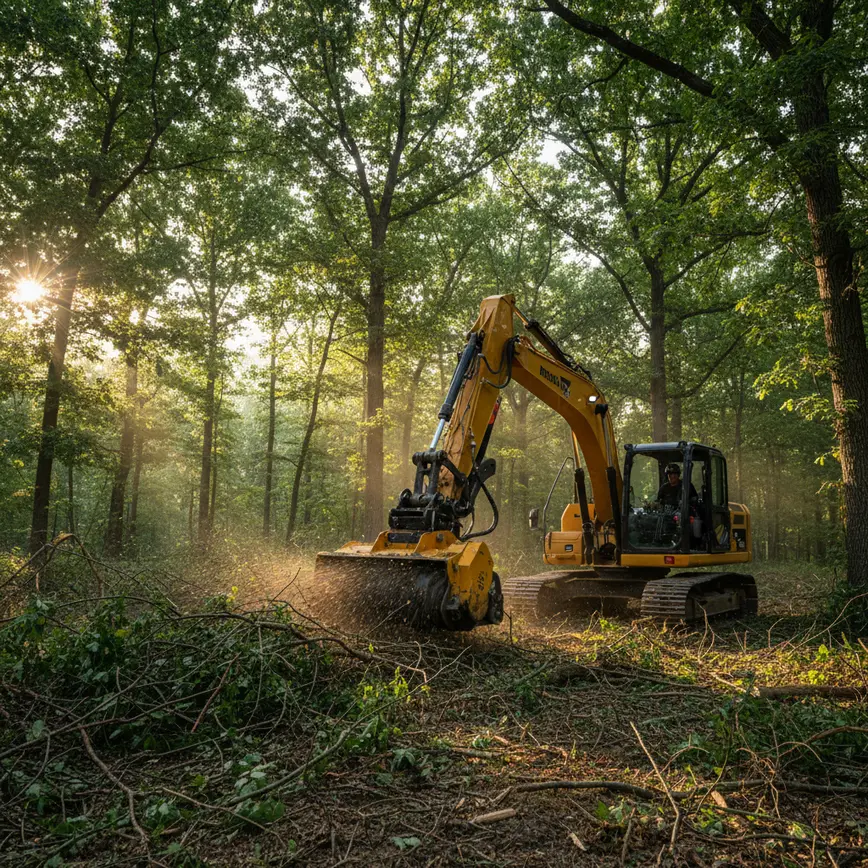

What Is Fence Line Clearing in Ohio and How It Protects Your Property Line
Fence line clearing is the removal of brush, saplings, vines, weeds, and small trees along an existing or planned fence row so the fence can be installed, repaired, inspected, and maintained without obstruction. Done correctly, it improves access, visibility, drainage, and fence life while reducing future overgrowth.
The Quick Answer
- Fence line clearing is the process of removing brush, saplings, vines, and other growth along a property line so fencing can be built, repaired, inspected, and maintained.
- It helps prevent fence damage, improves visibility and access, supports drainage, and reduces the chance that hidden growth will create long-term maintenance problems.
- Methods include hand clearing, brush cutting, forestry mulching, stump grinding, and full clearing, with the right choice depending on width, density, terrain, and fence goals.
- A proper fence row clearing project usually starts with locating utilities, marking the line, choosing the method, clearing vegetation, handling stumps or roots, and finishing with cleanup or grading.
- Cost is driven by vegetation density, acreage, access, slope, soil, debris handling, stump removal, permit needs, and whether hauling or grading is part of the scope.
- Ohio clay soil can make clearing a fence line more difficult because it holds moisture, compacts easily, and can turn rut-prone when equipment is used at the wrong time.
- DIY clearing can work for light brush along fence, but professional crews are better for dense growth, hidden utilities, tight property lines, steep terrain, and jobs that need heavy equipment.
- The right contractor should be licensed and insured, explain the method clearly, verify Ohio 811, and provide a scope that matches the actual fence line conditions rather than a guess.
Related Questions People Ask Next
Fence line clearing focuses on a narrow strip along an existing or planned fence row, while land clearing usually addresses a larger area for construction, pasture, access, or redevelopment. Fence line clearing may use lighter methods such as brush cutting or forestry mulching, but it can also require stump removal, grading, or full clearing if the fence line is heavily overgrown.
The width depends on the fence type, terrain, future maintenance access, and whether you need room for equipment now or later. A narrow line may be enough for a simple boundary fence, but wooded or brush-heavy properties often need a wider maintenance corridor so vegetation does not immediately grow back into the fence or make repairs difficult.
Yes, forestry mulching is often a strong option for brush along fence where the goal is to remove overgrowth and leave behind mulch that can help suppress regrowth. It is best when the site has manageable tree size, safe access, and no need for haul-off. Dense woody material, large stumps, and utility concerns may call for a different approach.
It can if it is done without marking the line, checking utilities, or respecting drainage and soil conditions. Done correctly, fenceline clearing protects the property by reducing root pressure, improving visibility, and allowing the fence to be maintained. The key is matching the method to the site instead of forcing heavy equipment into a tight or wet area.
The best time is before layout, posts, and digging begin, because clearing first lets you confirm the line, access the route, and avoid moving around hidden brush or saplings after the fence design is set. In Ohio, it is also important to confirm utilities through Ohio 811 before any digging for posts, footings, or drainage work.
What Is Fence Line Clearing and What Does It Include?
Fence line clearing is the process of removing vegetation and obstacles from the path of a fence row so a boundary can be built, repaired, or maintained safely. It usually includes brush, vines, saplings, small trees, debris, and in some cases stump removal, grading, or access prep depending on the site.
At its simplest, fence line clearing means making room for a fence and the work around it. That can be a narrow strip of brush along fence that has grown through wire, swallowed posts, or blocked access for repairs. On bigger rural properties, fence row clearing may also include tree growth, deadfall, and old debris that has accumulated over years. The goal is not just to make the line visible, but to make it workable.
The scope changes with the property. For a pasture fence, clearing might only need to open a maintenance corridor and remove a few saplings. For a heavily wooded edge, fenceline clearing can involve forestry mulching, stump grinding, or full clearing if old wire, roots, and fallen material are tangled together. In Central Ohio, clay soil and seasonal wetness can make access harder, which is why the cleanup method matters as much as the cutting itself.
Good clearing also protects future fence performance. If growth is left too close to wire or posts, it can trap moisture, bend panels, hide damage, and make inspection difficult. A properly cleared fence line gives the property owner room to service the fence, spray or mow the edge if desired, and keep the boundary visible. That is especially important on long rural runs where minor neglect becomes expensive over time.
Why Does Fence Line Clearing Matter and What Are the Benefits?
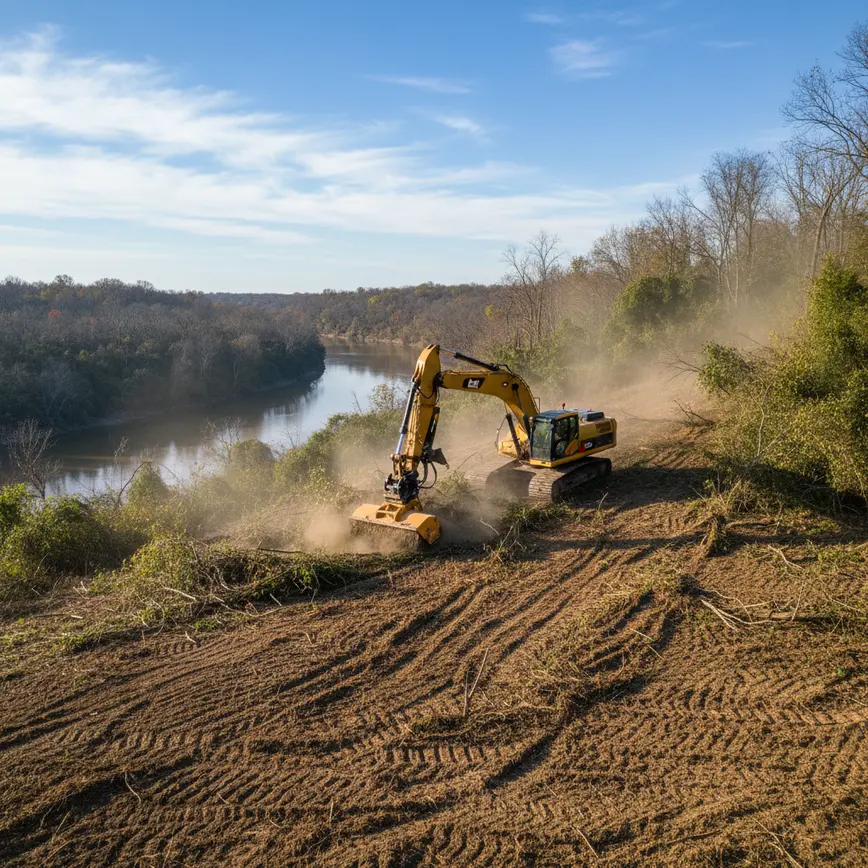
Fence line clearing matters because fences fail faster when vegetation is allowed to push, twist, rot, and hide problems. Clearing improves access, visibility, drainage, and maintenance while reducing repair costs and making the property easier to manage for livestock, boundaries, and future construction.
What Methods Are Used for Fence Row Clearing and When Does Each One Fit?
Fence line clearing can be done by hand, with brush cutters, forestry mulchers, stump grinders, excavators, or full clearing equipment. The right method depends on vegetation thickness, terrain, desired finish, access, and whether the goal is temporary opening or a long-term fence-ready corridor.
How Does the Fence Line Clearing Process Work from Start to Finish?
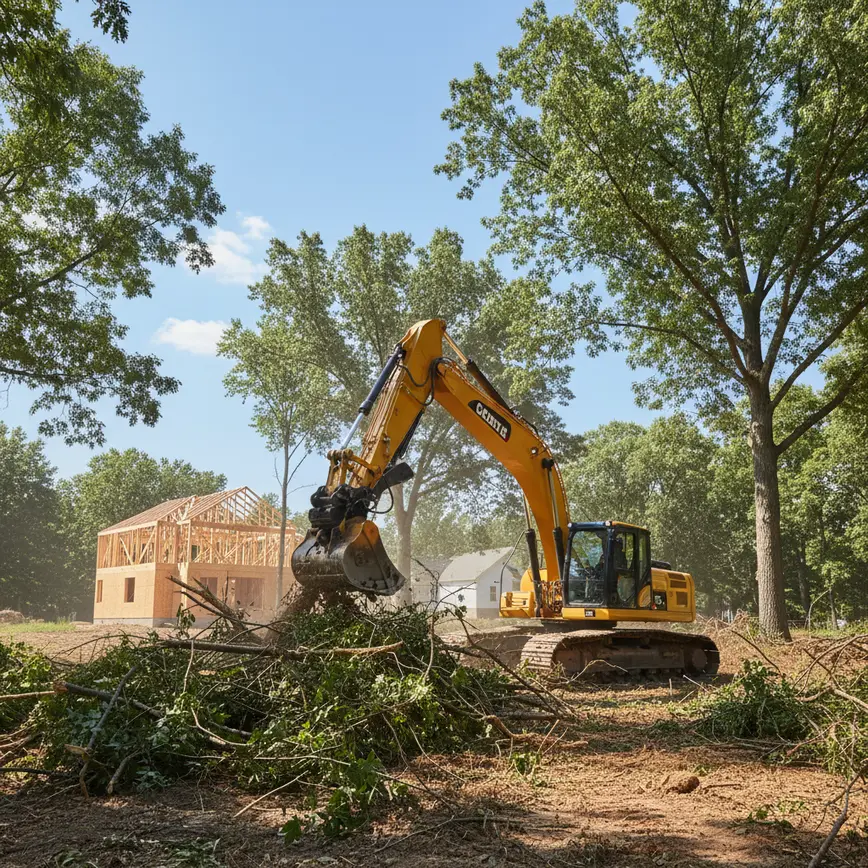
A proper fence line clearing process starts with a site review and utility locate, then moves through line marking, method selection, vegetation removal, stump or debris handling, and final cleanup. The best projects end with a fence-ready corridor that matches the land, soil, and intended use.
What Drives Fence Line Clearing Cost and How Is It Priced?
Fence line clearing cost depends on how thick the growth is, how far the crew must work, how much access exists, and whether the project needs mulching, hauling, stump removal, or grading. A narrow brush job can be relatively simple, while dense fence row clearing with heavy equipment costs more.
What Equipment Is Used for Fence Line Clearing and Why Does It Matter?
The right equipment makes fence line clearing faster, safer, and less disruptive to the property. Common tools include chainsaws, brush cutters, skid steers, excavators, tracked mulchers, stump grinders, and hauling equipment. The best setup depends on vegetation size, access, soil conditions, and finish quality.
Should You Clear a Fence Line Yourself or Hire a Professional Crew?
DIY clearing can work for light brush along fence, but professional crews are usually the better choice for dense overgrowth, hidden utilities, steep terrain, or any project that needs heavy equipment and a clean, lasting result. The real decision comes down to safety, time, and finish quality.
What Permits, Regulations, and Ohio 811 Rules Apply to Fence Line Clearing?
Fence line clearing can involve permits, utility locates, and local rules depending on how much soil is disturbed and where the work happens. In Ohio, the key requirement before digging is Ohio 811 locate marking at least 48 hours in advance. That step is nonnegotiable for safety.
How Do You Choose the Right Contractor for Fence Line Clearing?
Choose a contractor who can explain the method, verify safety steps, handle the equipment needed for your site, and give you a scope that fits the actual fence row conditions. For reliable fence line clearing, experience, insurance, local knowledge, and clear communication matter more than a low guess.
A good contractor should start by asking the right questions. How long is the fence row? What kind of growth is there? Is the goal to clear for a new fence, restore access, or maintain an existing boundary? Do you need haul-off, stump grinding, or grading? If a contractor gives a price without understanding the site, that is a warning sign. Real fence line clearing is site-specific, especially where clay soil, poor access, or hidden debris can change the work.
You also want a company that is licensed and insured, uses a real crew, and can explain how it will protect your property. In Central Ohio, Fortress Level Construction has been serving property owners since 2009. The company was founded by Lee Carson, a combat veteran and built as a land-services crew, not a one-person operation. That matters because clearing a fence line often needs more than a chainsaw. It may require machine coordination, utility awareness, cleanup, and a finish that supports the next phase of work.
Finally, look for clarity. A contractor should tell you whether forestry mulching, full clearing, or selective clearing is the right fit. They should also be upfront about expected pricing ranges, permit needs, and the 811 process. If the answer to every question is vague, the job may end up being more expensive than expected. The best contractor is not the cheapest estimate. It is the one who understands the site, respects the property line, and delivers the result you actually need.
How Do Fence Line Clearing Methods Compare?
The best clearing method depends on how thick the growth is, how much finish quality you need, and whether you want debris removed or processed in place. This comparison helps property owners choose between hand clearing, mulching, full clearing, and stump grinding for the fence row.
| Method | Typical Use | Speed | Best Fit |
|---|---|---|---|
| Hand clearing | Light brush, vines, small saplings, tight access | Slow | Short fence rows, selective clearing, utility-sensitive areas |
| Brush cutting | Weeds, grass, light regrowth, routine maintenance | Fast | Maintenance corridors and repeated cleanup work |
| Forestry mulching | Brush, saplings, small trees, overgrown fence rows | Fast to very fast | Projects that need a clean corridor with minimal haul-off |
| Full clearing | Heavy trees, roots, tangled debris, old fence material | Moderate | New fence installation, severe overgrowth, complete site reset |
| Stump grinding | Remaining stumps after cutting or clearing | Moderate | When a flatter, more usable fence line is needed |
| Selective trimming | Encroaching limbs and isolated problem plants | Fast | Ongoing fence maintenance and spot correction |
When Is Fence Line Clearing Not the Right Approach?
Fence line clearing is not always the best first step. In some situations, the problem is not just vegetation but unstable soil, buried utilities, drainage issues, boundary disputes, or a need for full site preparation. Knowing when not to over-clear protects the property and avoids unnecessary cost.
One common mistake is clearing too aggressively when a lighter method would do. If the goal is only to maintain an existing fence, full removal may create unnecessary cost, expose soil, and invite erosion or new weed growth. Another mistake is clearing a line without confirming the actual fence location. If the line is uncertain, the work can create conflict or force rework. Good fence line clearing respects the boundary, the end use, and the minimum amount of disturbance required to do the job right.
Another limitation is wet or unstable ground. In Ohio clay, heavy equipment can leave ruts, smear soil, and create drainage problems if the timing is wrong. If the site is soft, it may be better to wait, use lighter equipment, or stage the work in sections. This is also true where slopes, ditches, or existing erosion are present. Clearing a fence line does not fix those problems automatically. Sometimes the smarter move is to address grading or drainage before removing more growth.
Fence line clearing is also not the right answer when the site needs more than vegetation removal. If there is buried debris, broken fence, old posts, or structures that need demolition, the scope becomes more complex. Likewise, if the project requires excavation for posts, footings, or drainage features, Ohio 811 and local permit rules come into play. In those cases, a contractor should recommend the full sequence instead of treating the job like simple brush cutting.
What Should a Fence Line Clearing Project Gallery Show?
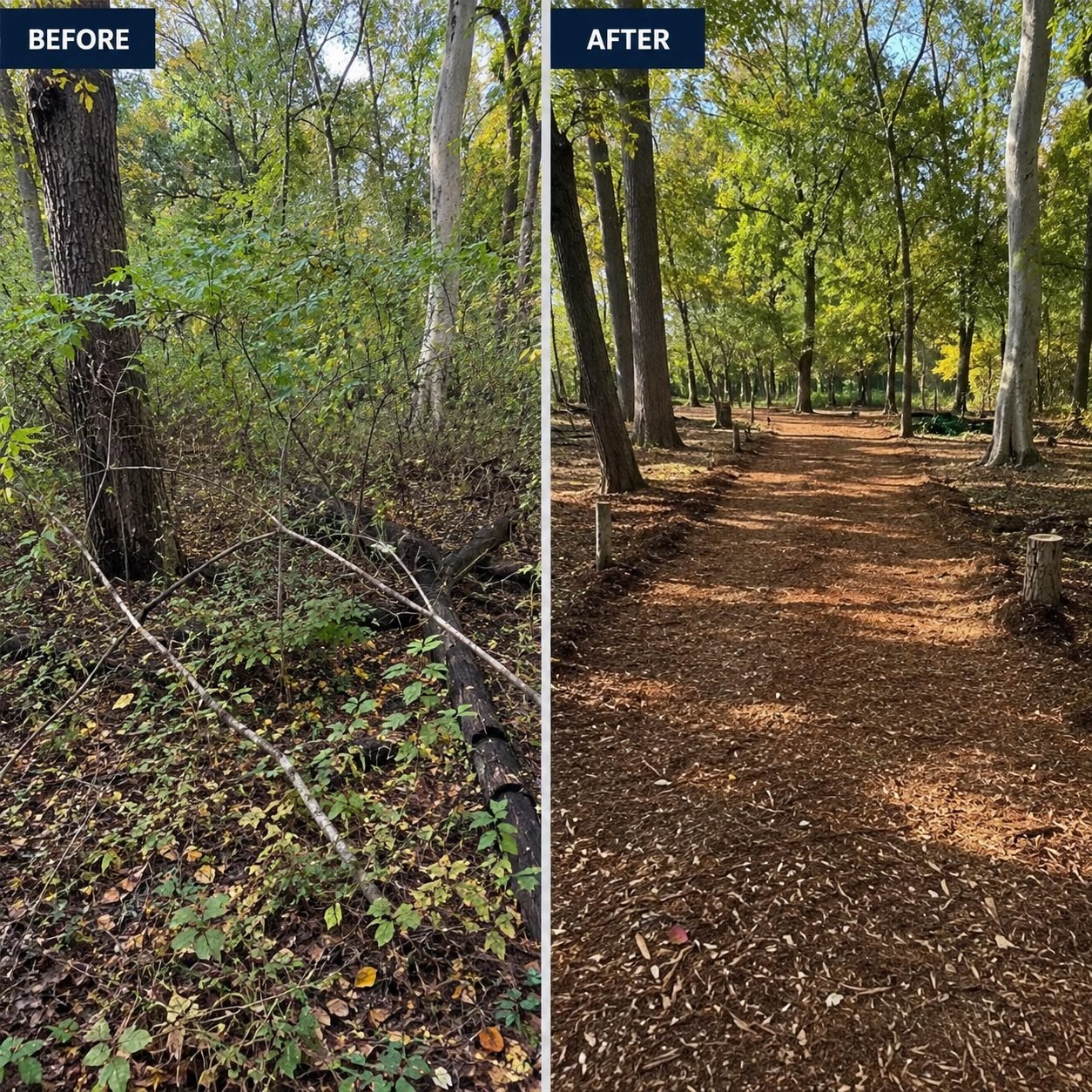
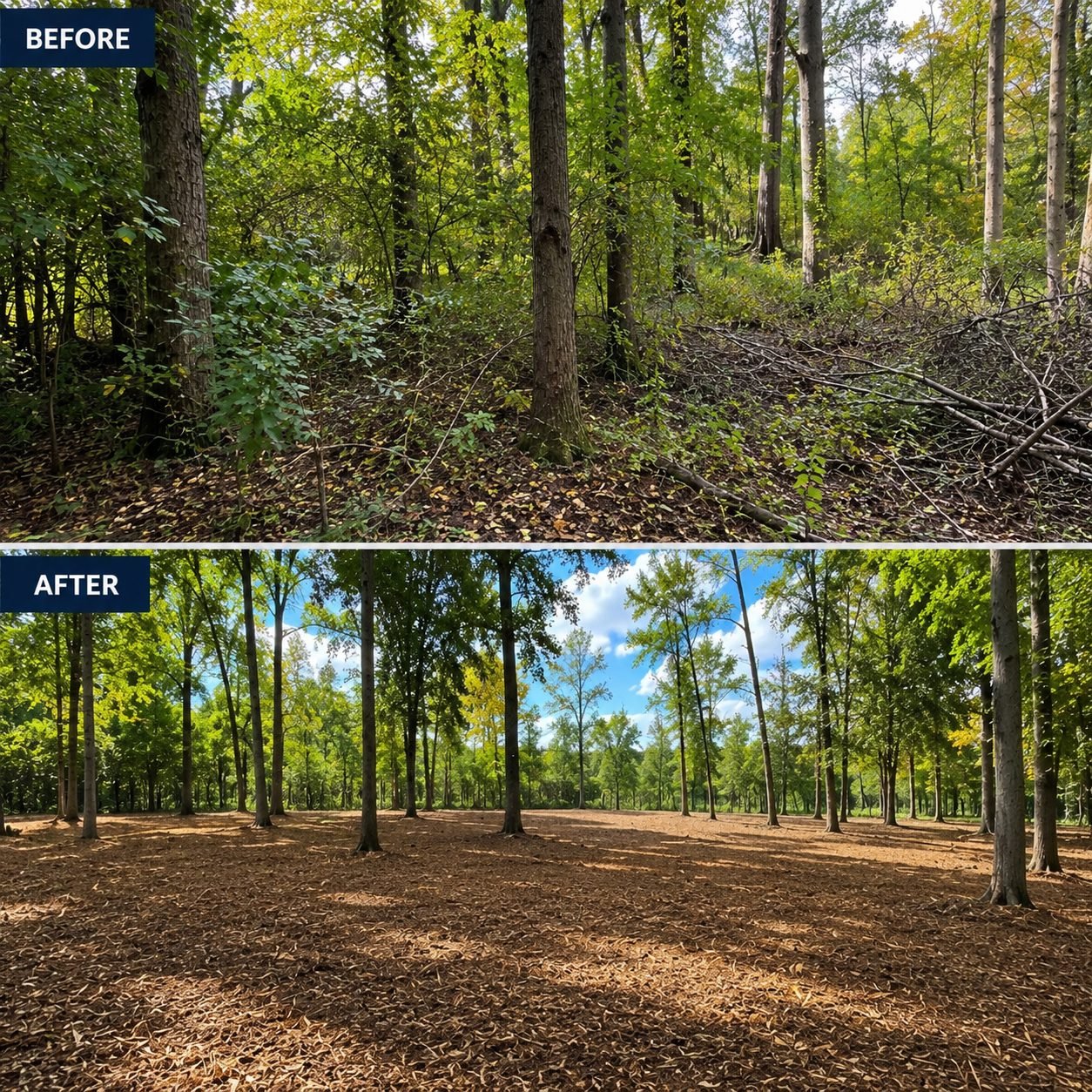
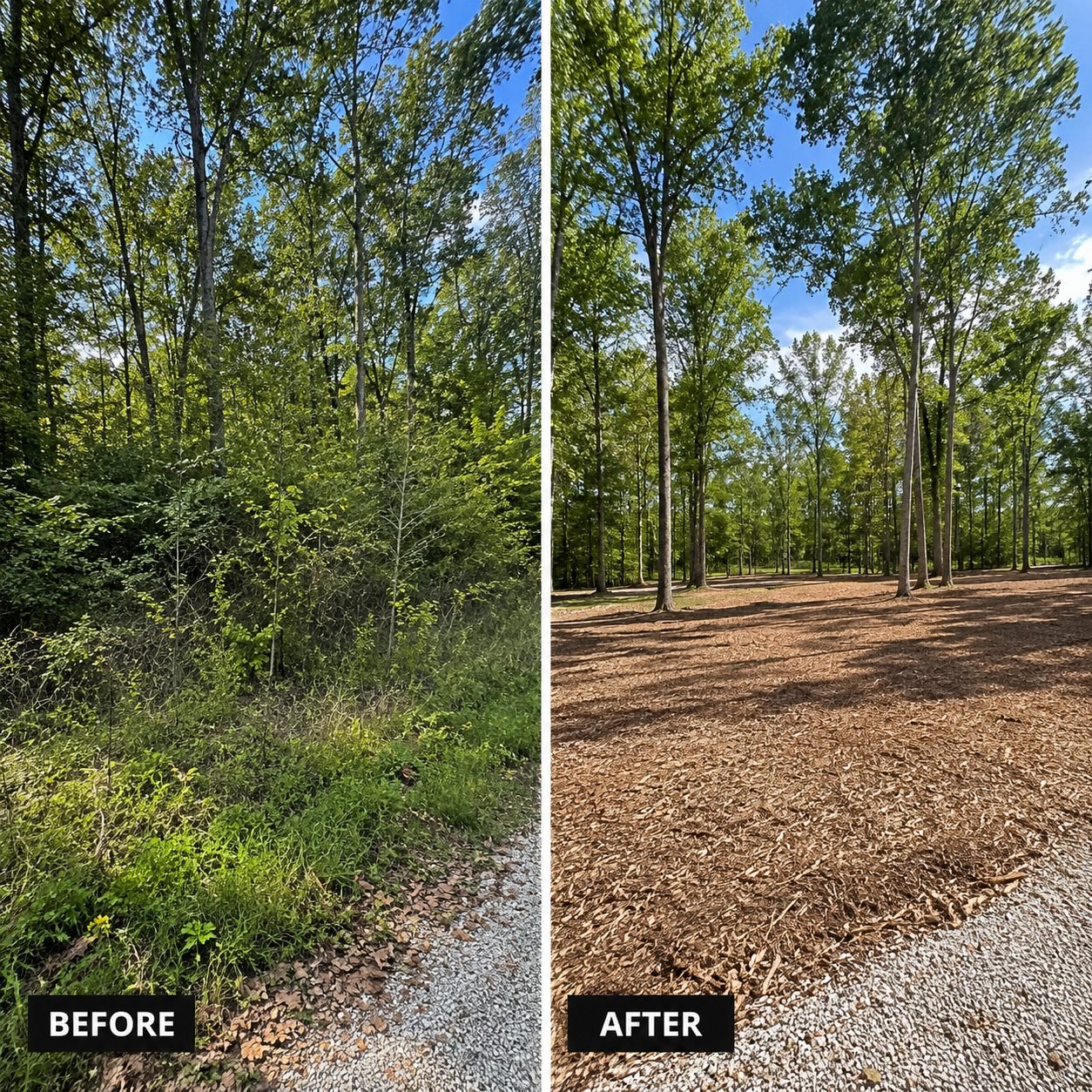
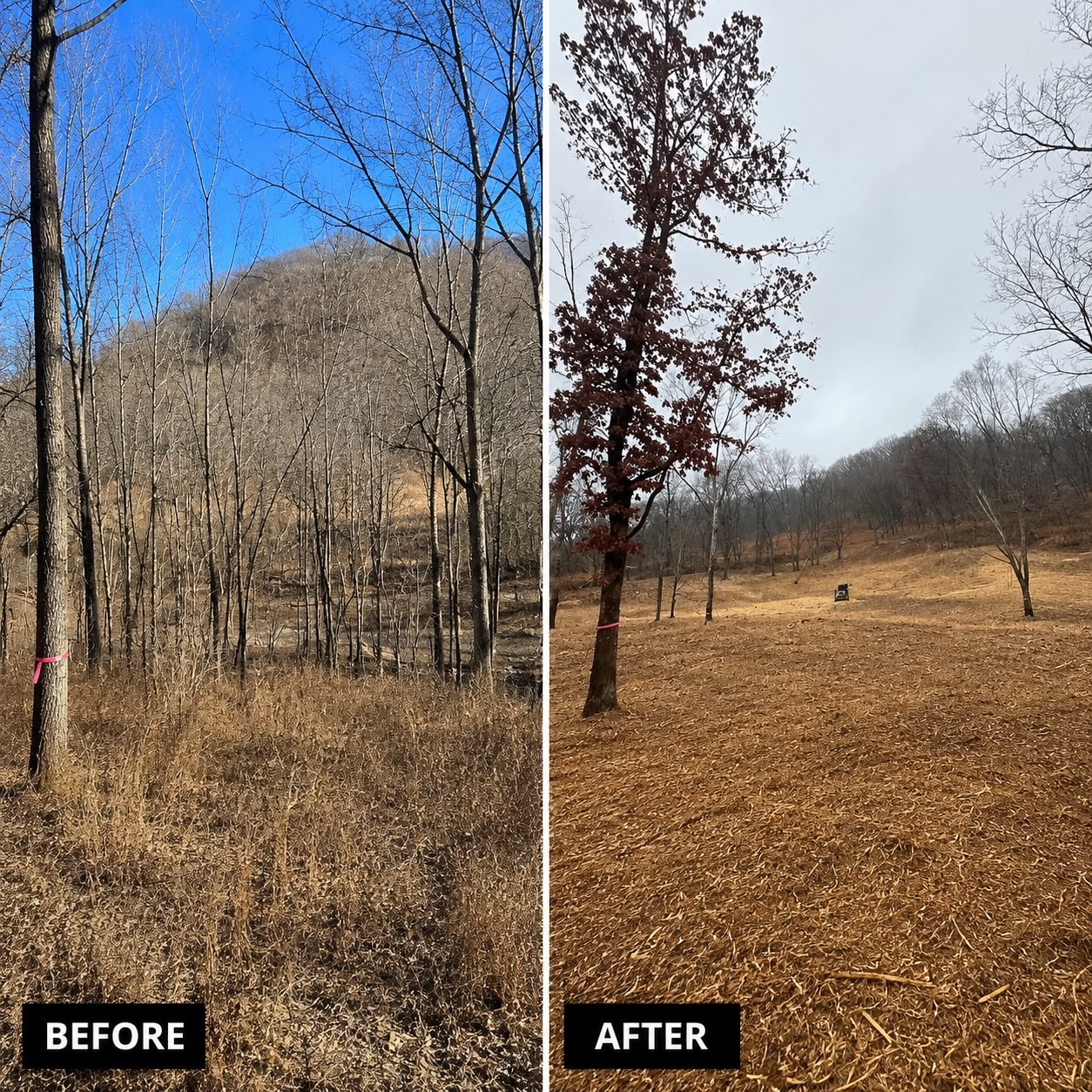
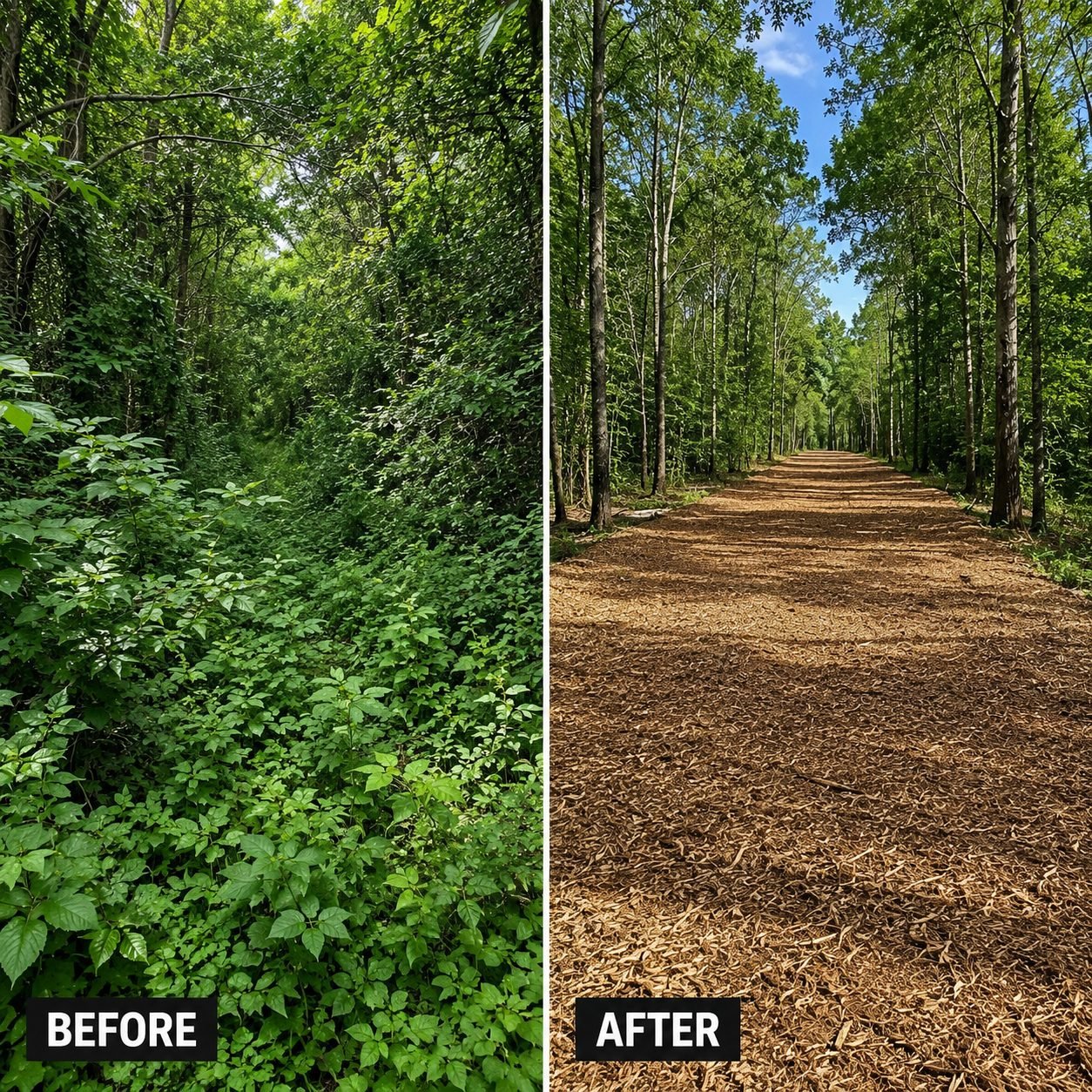
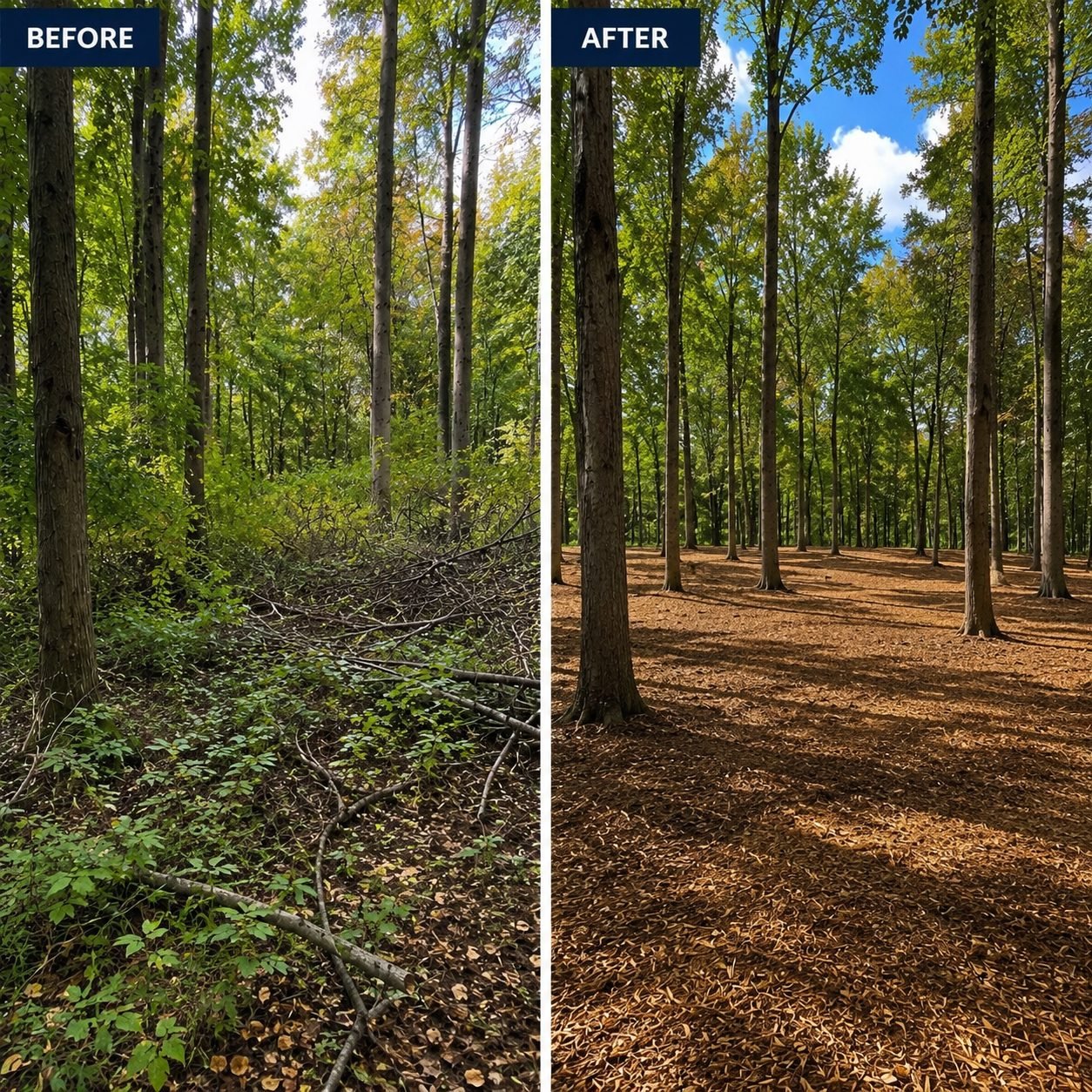
A strong project gallery should show the fence row before work, during clearing, and after cleanup so property owners can see the difference in access, visibility, and finish quality. Useful images include overgrown brush along fence, mulching or cutting in progress, stump and debris removal, and a completed fence-ready corridor.
Frequently asked questions
Fence line clearing is the process of removing brush, saplings, weeds, vines, and sometimes stumps or debris from along a fence row so the boundary is visible, accessible, and easier to maintain. It can be a small maintenance task or a more involved land-services project depending on how overgrown the area has become.
Mowing only cuts what is above the ground surface and usually works for grasses or light weeds. Fence row clearing goes deeper because it addresses woody growth, vines, encroaching branches, and obstacles that can damage or block a fence. In many cases, mowing is maintenance while clearing is restoration.
Yes. Removing brush along fence reduces pressure on posts, prevents vines from twisting around wire, improves airflow, and makes it easier to spot broken sections or leaning posts. It also lowers the chance that hidden vegetation will hold moisture against the fence and shorten the life of wood or metal components.
Forestry mulching is often the best method when the goal is to remove thick brush and small trees while leaving the site usable and minimizing haul-off. If the area includes large stumps, buried debris, or old fence material, full clearing or a mixed approach may be needed to get the result the property actually requires.
If the project includes digging, stump removal, post installation, grading, or any soil disturbance, yes, you should have an Ohio 811 locate before work begins. Ohio law requires a locate at least 48 hours before digging. Even when the project is mostly above ground, it is smart to confirm utility conditions before heavy equipment enters the area.
The cost varies widely based on the amount of brush, access, soil conditions, and whether debris must be removed. For larger clearing projects, forestry mulching may fall in the $1,850 to $3,500 per acre range, while full clearing can run $4,000 to $8,000 per acre. Smaller fence row jobs can price differently depending on scope and site conditions.
Forestry mulching can suppress regrowth by leaving a mulch layer that shades the soil, but it does not permanently prevent vegetation from returning. Some plants will come back, especially in fertile areas or where sunlight remains high. Long-term control usually requires maintenance, spot treatments, or periodic follow-up clearing.
Often yes, if access, maintenance, and visibility matter on both sides. But the right answer depends on property ownership, existing agreements, terrain, and how the fence will be used. A professional can help decide whether one side, both sides, or a wider maintenance corridor is the most practical approach.
Fence Line Clearing Across Central Ohio
Fortress Level Construction handles fence line clearing in every county and community across Central Ohio. See local details, drive times, and pricing for your area:
What Other Services Does Fortress Offer in Central Ohio?
Fortress Level Construction runs a full range of land-clearing, excavation, grading, and site-work services across Central Ohio, so one owner-operated crew can clear, grade, and prep a site end to end.
Get a Flat-Rate Quote from Lee Carson
Owner-operated land clearing across all five Central Ohio counties. Send your property details and Lee gets back to you within 2 to 3 hours during business hours with one flat number after a free on-site walk-through.