
How does grading work in Delaware, Ohio?
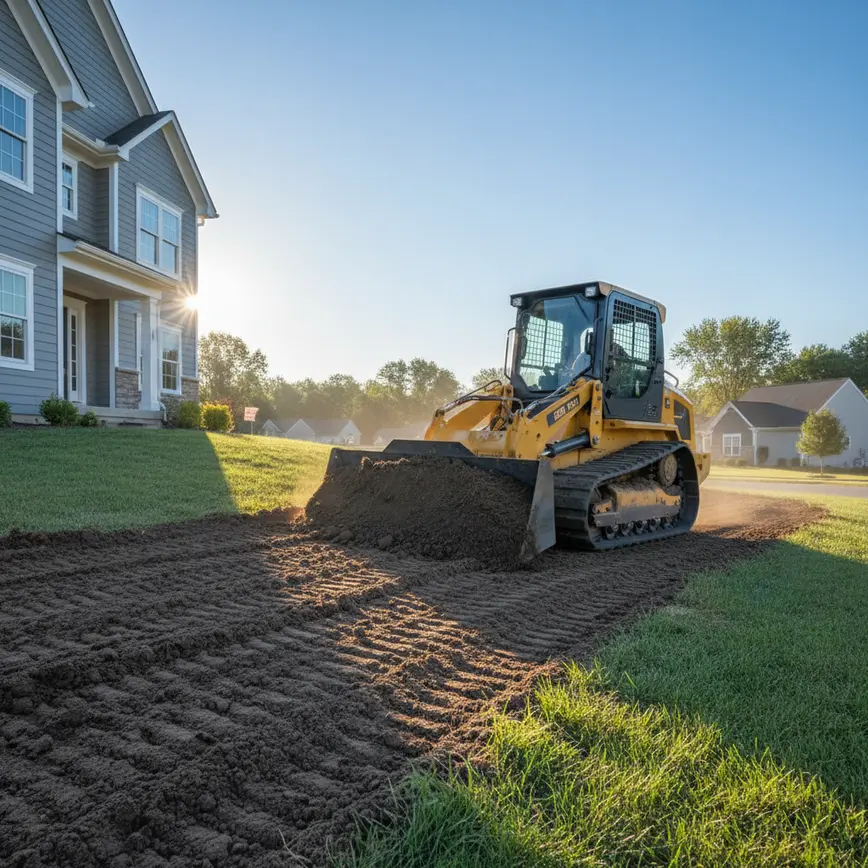
Grading in Delaware, Ohio starts with shaping site drainage around a historic county-seat mix of in-town lots and former farmland. Fortress Level Construction uses compact track loaders, dozers, and excavators to cut high spots, fill low spots, and set a stable finish grade for building pads, yards, and access routes.
The Quick Answer
- Grading in Delaware must fit a county-seat mix of established in-town lots and fast-growing subdivisions carved from surrounding farmland.
- Fortress Level Construction gives flat-rate quotes after a free on-site walk-through, with response times of 2 to 3 hours during business hours.
- The crew uses John Deere 333G compact track loaders with Diamond drum mulchers, plus dozers and excavators, to move soil efficiently.
- Ohio shale near creeks and Bennington, Cardington, and Pewamo clays can change how water leaves a lot and how the subgrade should be shaped.
- Ohio law requires an Ohio 811 utility locate at least 48 hours before any digging.
- Typical Delaware grading jobs range from clearing a tight town lot near downtown to prepping acreage for subdivision streets and pads.
- Project pricing commonly falls in the $1,000 to $3,000 range, depending on access, soil, drainage goals, and how much cut and fill is needed.
- The team schedules same-week walk-throughs and handles the work as a crew, not a one-person operation.
Related Questions People Ask Next
Delaware combines a historic college town core, the county seat, and outward pressure from subdivision growth on former farmland. That means grading often has to solve two very different site types: compact in-town lots with limited access and rural-edge parcels where drainage must be reset before buildout. The crew plans cut, fill, and finish grades around both.
For Delaware grading, Fortress uses John Deere 333G compact track loaders with Diamond drum mulchers for vegetation, plus dozers and excavators for shaping. That setup works well on rolling terrain and clays because it can open a site, move material, and refine grade without dragging mud across the whole lot.
During business hours, the team typically responds in 2 to 3 hours and can usually set a same-week walk-through. Before any digging, the Ohio 811 locate must be completed at least 48 hours in advance under Ohio law. That sequence helps keep a Delaware site moving without creating utility delays.
A Delaware quote usually reflects access, soil type, drainage targets, and the amount of cut and fill needed. A small in-town lot near downtown may be priced differently from a former farm parcel that needs more shaping. Fortress uses flat-rate quotes after the on-site walk-through, often landing in the $1,000 to $3,000 range.
What does site grading solve on Delaware lots?
Site grading in Delaware solves drainage, pad elevation, and access on lots that may sit near Sandusky Street, Ohio Wesleyan University, or open subdivision ground outside town. The crew cuts down high spots, moves fill to low areas, and sets slopes so water sheds away from structures and driveways.
That matters in Delaware because the city is a county-seat mix of established in-town parcels and fast-growing subdivisions carved from surrounding farmland. On a tight lot, the crew may need to trim an uneven backyard, build a clean building pad, and preserve access for trucks. On a larger edge-of-town site, grading can reset the whole flow pattern before footers or utility work begin.
Local ground conditions also change the plan. Rolling terrain, Ohio shale near creeks, and Bennington, Cardington, and Pewamo clays can hold water or move differently under equipment, so Fortress chooses the right machine for each pass. John Deere 333G compact track loaders, dozers, and excavators let the team shape the lot without overworking the soil, which helps keep finish grade stable.
How does Fortress grades around Delaware’s rolling ground?
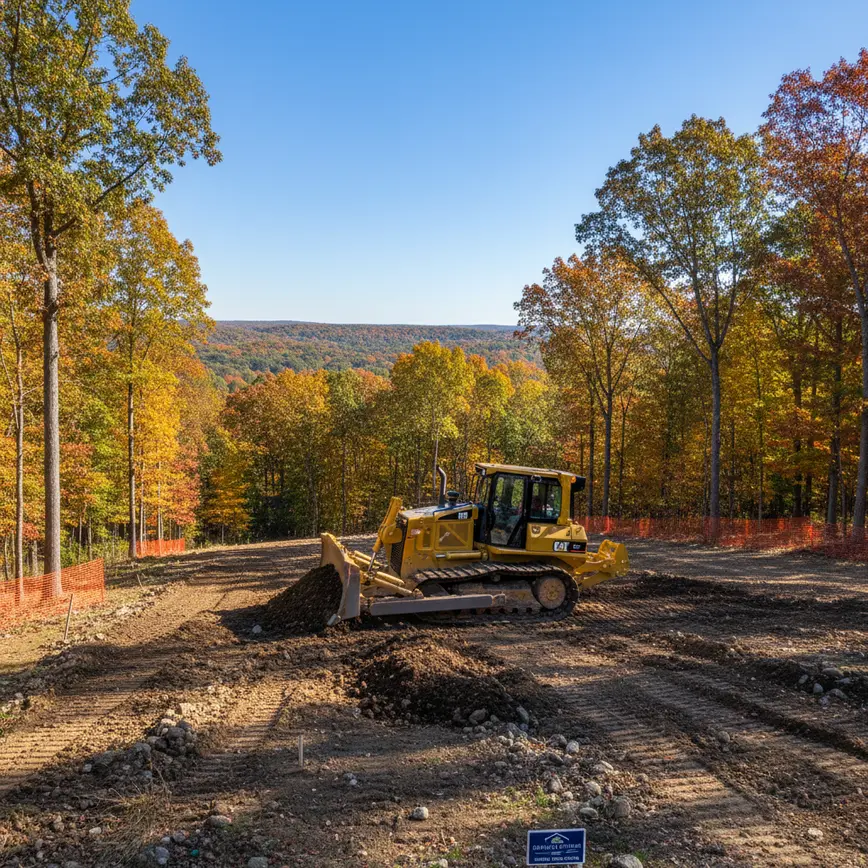
Fortress starts with a walk-through, measures where water stands, and maps the high and low areas before any cut is made. In Delaware’s rolling ground, that review often finds shale seams or clay pockets that need different handling, especially when the lot drains toward a creek, reservoir edge, or lower rear yard.
The crew then sequences the work. A compact track loader can strip topsoil, a dozer can move bulk material, and an excavator can cut swales or clean up a sharper transition. On Delaware acreage near Powell, Lewis Center, Ostrander, or Sunbury, that process helps turn raw ground into a buildable platform without guessing at the slope.
Because Delaware has both a historic downtown and areas growing from farmland, grading is often about matching the finish to the end use. A lot near the downtown core may need precision around sidewalks and drive approaches, while a newer subdivision lot may need consistent pad height and drainage controls before the next trade starts.
What equipment and soil conditions shape Delaware grading costs?
Cost in Delaware depends on machine time, soil behavior, haul distance, and the amount of rework needed to reach finish grade. Fortress uses 333G compact track loaders with Diamond drum mulchers for stems up to 14 inches, then dozers or excavators for heavier cuts, so the quote matches the actual site conditions.
A project that only needs light re-leveling on an established in-town lot will usually cost less than a former farmland parcel that needs clearing, pad prep, and drainage shaping. In Delaware, that difference shows up quickly because clay can stick, shale can interrupt excavation, and access may be tighter near the older parts of town. Flat-rate quotes make the scope easier to read before work starts.
Most grading projects land in the $1,000 to $3,000 range, but the final number depends on the job, not the address alone. A same-week walk-through helps the crew see whether the site is a small correction near downtown, a lot near Delaware State Park and reservoir, or a larger subdivision prep outside the core.
Why does Delaware subdivision growth change grading plans?
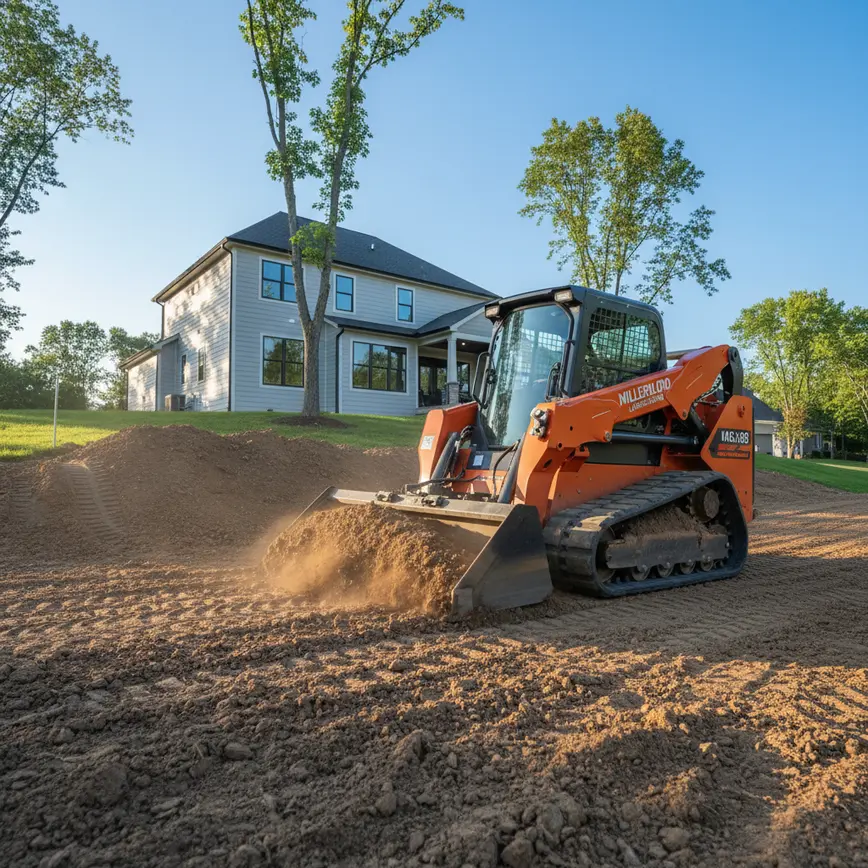
Subdivision grading in Delaware often starts on former farmland, where the crew has to clear, rough grade, and then build a dependable finish surface for future homes and roads. That is different from a simple yard regrade, because the site has to support traffic, drainage, and construction sequencing from the start.
Near Delaware’s growing edges, the team may need to control runoff across longer slopes and establish stable access for framing, concrete, and utility crews. The county-seat setting also means the work has to respect nearby in-town traffic and tighter lot lines, especially when a project sits between an older area and newer growth corridors.
Fortress responds in 2 to 3 hours during business hours, then uses the walk-through to decide whether the job calls for mulching, bulk moving, or fine finish grading. That approach fits Delaware because the same day can bring a compact city lot, a county-edge build site, and a clay-heavy parcel all within a short drive.
How does Delaware grading compare by site type?
Delaware grading changes sharply from one site type to another because the city blends a historic downtown, in-town lots, and farmland conversion on the edge of growth. Fortress sizes the effort to the soil, slope, and access so the finish grade works for the next phase of construction.
| Site type | Typical Delaware condition | Grading focus | Fortress approaches |
|---|---|---|---|
| Downtown or near Sandusky Street | Tighter access and older lot patterns | Drainage correction and finish smoothing | Compact equipment and precise cuts |
| Near Ohio Wesleyan University | Established urban fabric with limited staging room | Pad leveling and controlled runoff | Sequenced machine passes |
| Former farmland on the edge of growth | Open ground with rolling terrain and clays | Bulk cut, fill, and access prep | Dozers, excavators, and track loaders |
| Near Delaware State Park and reservoir | Water-sensitive ground and slope transitions | Slope shaping and swale control | Careful finish grade and soil handling |
| Lots near Powell, Lewis Center, Ostrander, or Sunbury | Rapid subdivision growth and mixed soil conditions | Buildable pads and construction-ready access | Free walk-through and flat-rate quote |
When is grading not the right first step in Delaware?
Grading is not the first call when the site has active utility conflicts, a drainage problem caused by an off-site source, or a design issue that needs an engineer before dirt moves. In Delaware, some clay-heavy or creek-adjacent sites need planning first, not immediate machine work.
If the property needs utility work, the Ohio 811 locate must be completed at least 48 hours before any digging. If water is coming from neighboring land, grading alone may not solve it and the crew may recommend a drainage plan or design review instead. That is especially important on rolling ground with shale or clay.
If the lot is too wet to support equipment, or if permits and building layout are still undecided, the smarter move is to pause and get the site plan aligned first. Fortress can still do the walk-through, identify the grading scope, and tell you whether rough grading, finish grading, or a different step should come next.
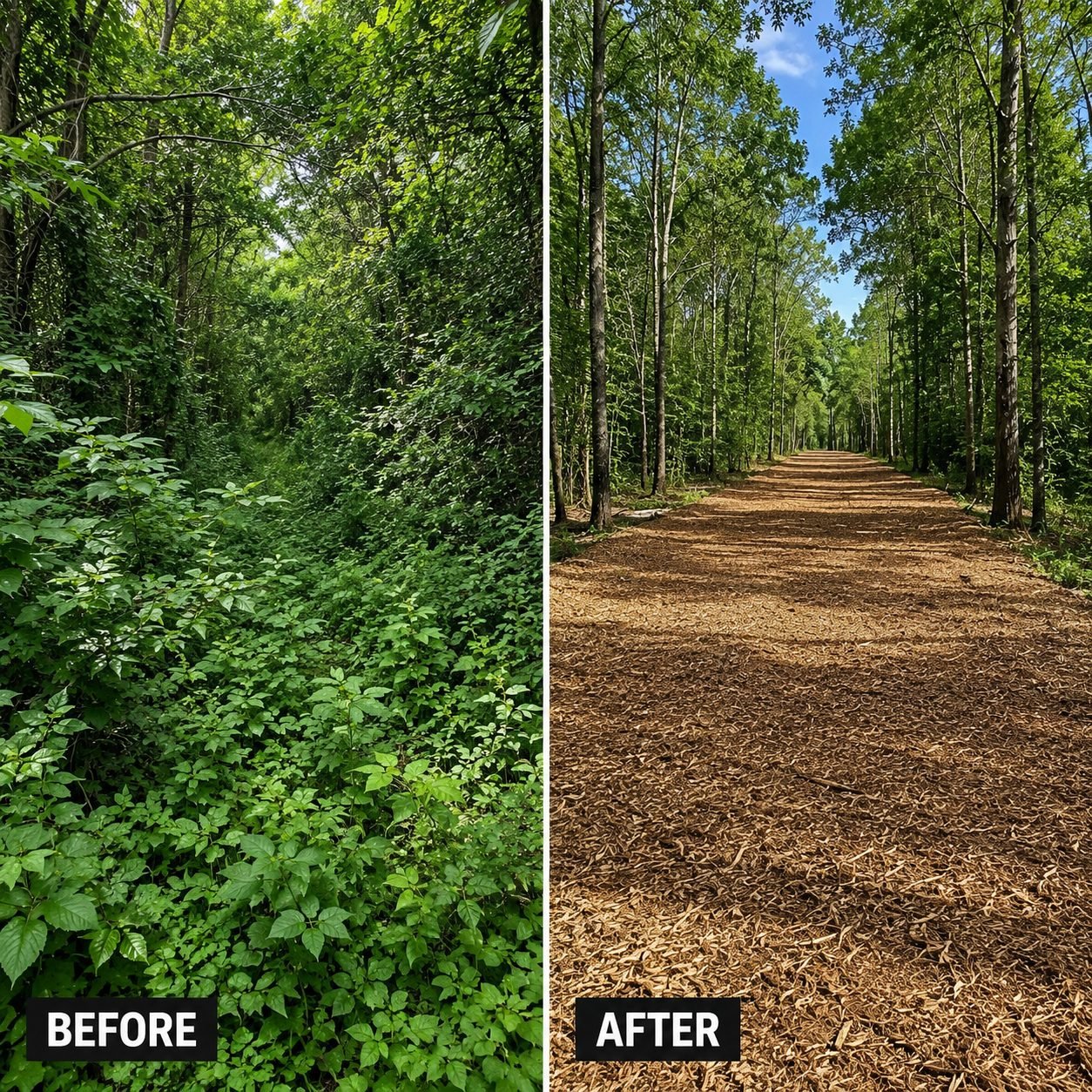
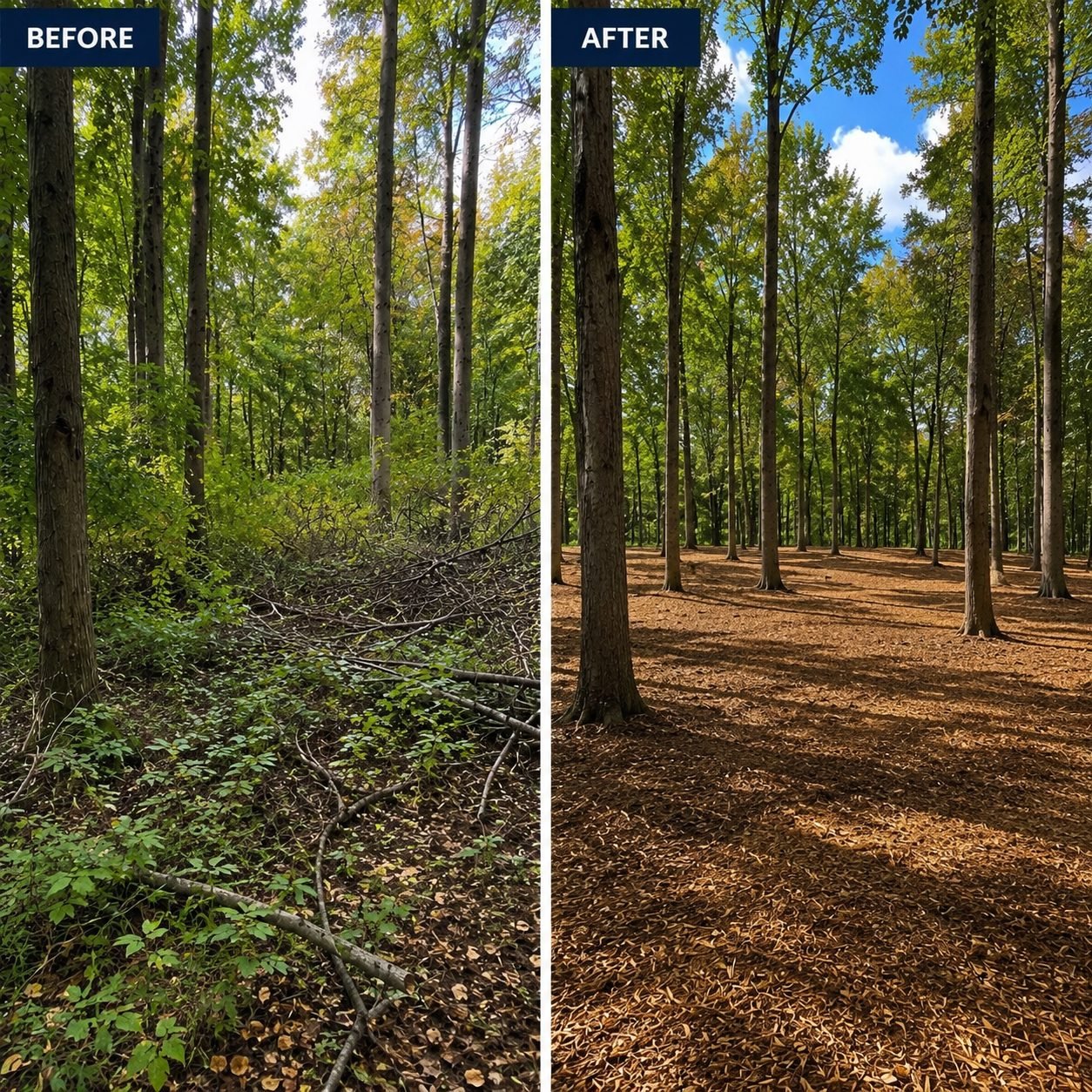
What does a Delaware grading before-and-after usually show?
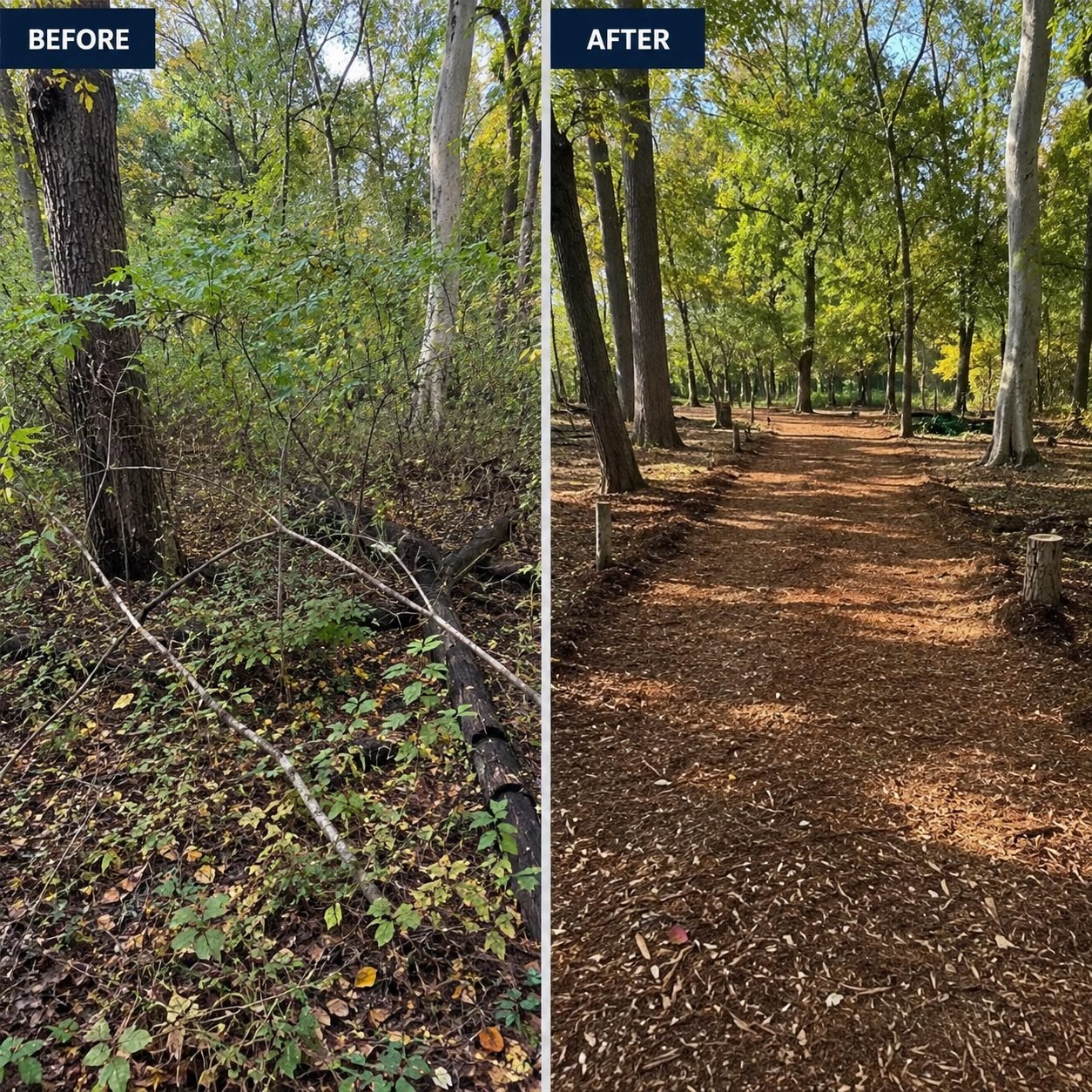
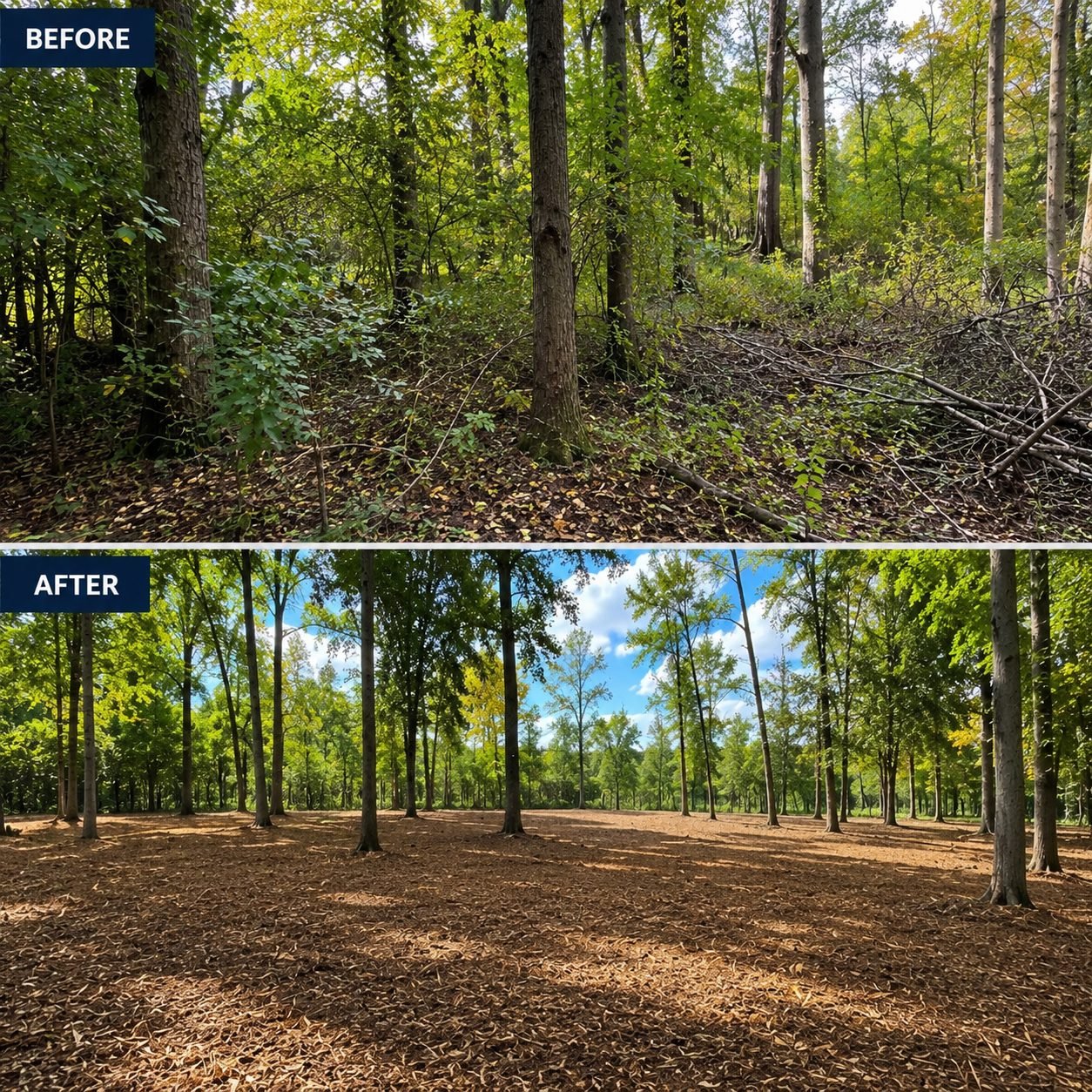
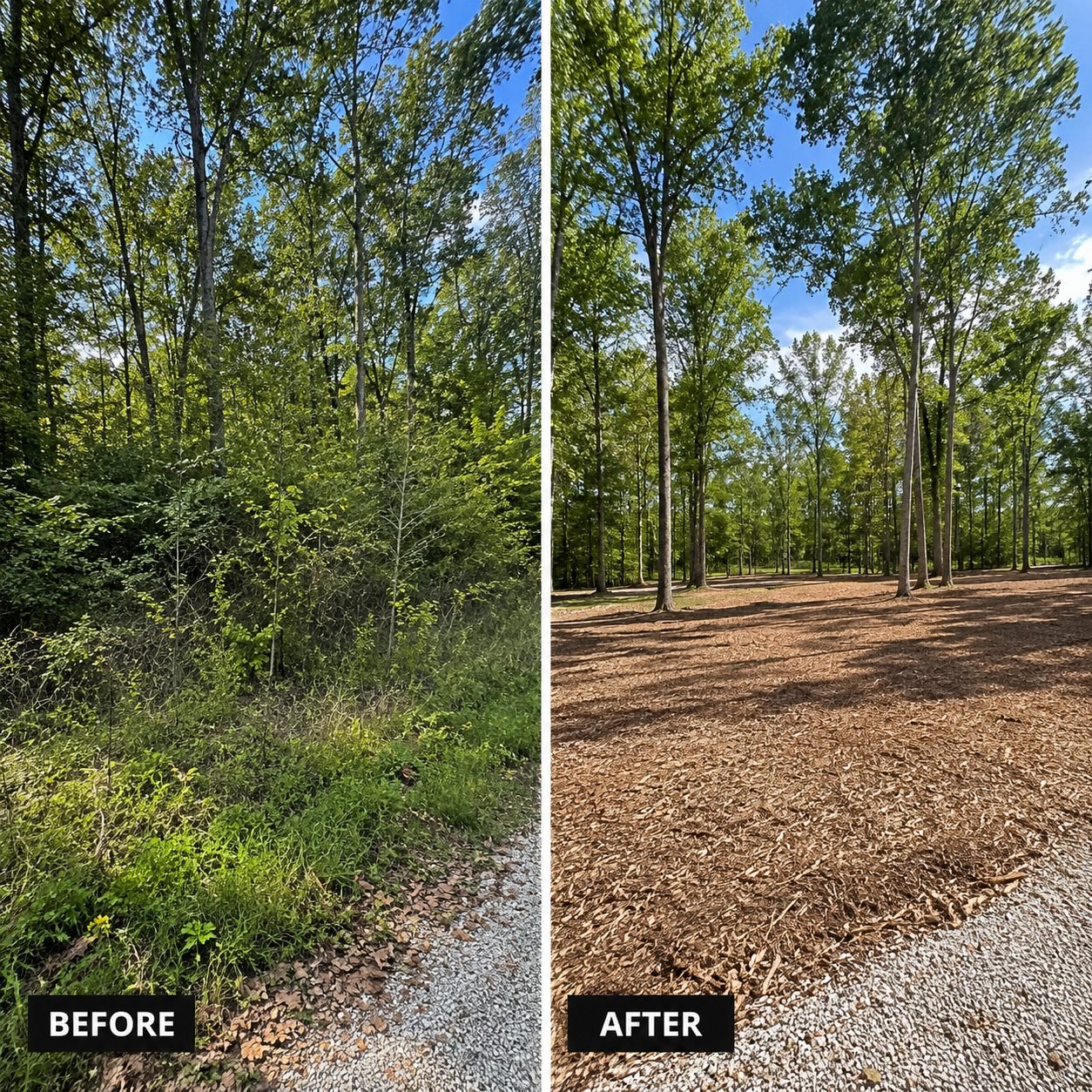
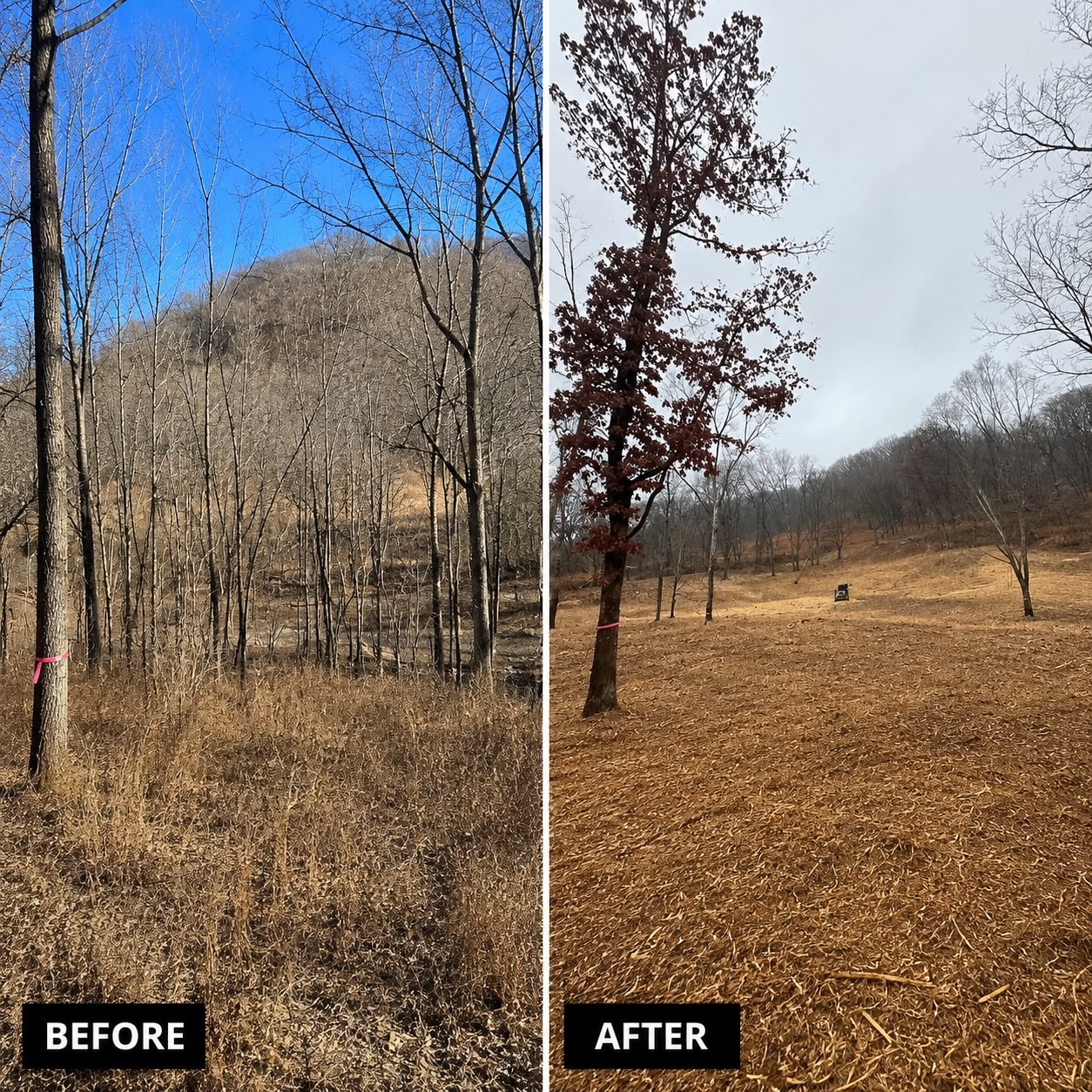
A Delaware grading before-and-after usually shows a rough, uneven lot turned into a level, drainable surface with clean transitions around the future building area. On former farmland, the change is often broader. In town, the difference is often tighter: clearer pad edges, better runoff, and a lot that is ready for the next trade.
Frequently asked questions
It depends on the lot. On former farmland near Delaware’s growth areas, the crew may clear and rough grade first, then return for finish shaping. On an established in-town parcel near downtown or Ohio Wesleyan University, the job may start closer to finish grade because less material has to be moved.
Ohio shale near creeks can change excavation speed and the way water moves off a lot. The crew may need to adjust cut depth, slope transitions, or drainage paths so the finish grade stays usable. That is one reason the walk-through matters before Fortress gives a flat-rate quote.
Yes. Delaware includes tight in-town lots and larger parcels carved from farmland, and Fortress sizes the equipment to the site. The crew can use compact track loaders for precision work or bring in dozers and excavators when the grading call involves more bulk movement or access preparation.
The team typically responds within 2 to 3 hours during business hours and can often schedule a same-week walk-through. After seeing the site, Fortress gives a flat-rate quote based on the actual grading needs, which may include cut and fill, drainage shaping, or finish grading.
Bennington, Cardington, and Pewamo clays can hold moisture and affect how equipment moves. In Delaware, that can change when the site is ready to grade and how aggressively the crew can shape it. The right machine choice helps avoid rutting and supports a cleaner finish grade.
Have the site address, rough lot dimensions, and any known drainage concerns ready. If digging will be involved, make sure the Ohio 811 locate is scheduled so the crew can stay compliant with Ohio law. That information helps Fortress quote the job accurately and move toward the walk-through quickly.
What Other Services Does Fortress Offer in Central Ohio?
Fortress Level Construction runs a full range of land-clearing, excavation, grading, and site-work services across Central Ohio, so one owner-operated crew can clear, grade, and prep a site end to end.
Get a Flat-Rate Quote from Lee Carson
Owner-operated land clearing across all five Central Ohio counties. Send your property details and Lee gets back to you within 2 to 3 hours during business hours with one flat number after a free on-site walk-through.