
How to Clear Brush in Ohio Without Damaging the Land: A Practical Guide to Safer, Cleaner Site Prep
Clear brush means removing unwanted vegetation, saplings, vines, weeds, and low woody growth without stripping healthy topsoil or harming the trees and drainage you want to keep. The best approach depends on your goals, slope, soil, access, and whether you need light underbrush removal or full brush removal.
The Quick Answer
- Clear brush is the removal of unwanted vegetation while protecting soil, drainage, and the trees or grades you want to keep.
- The right brush removal method depends on density, slope, soil type, root structure, access, and whether the finish goal is buildable, mowable, or wildlife-friendly.
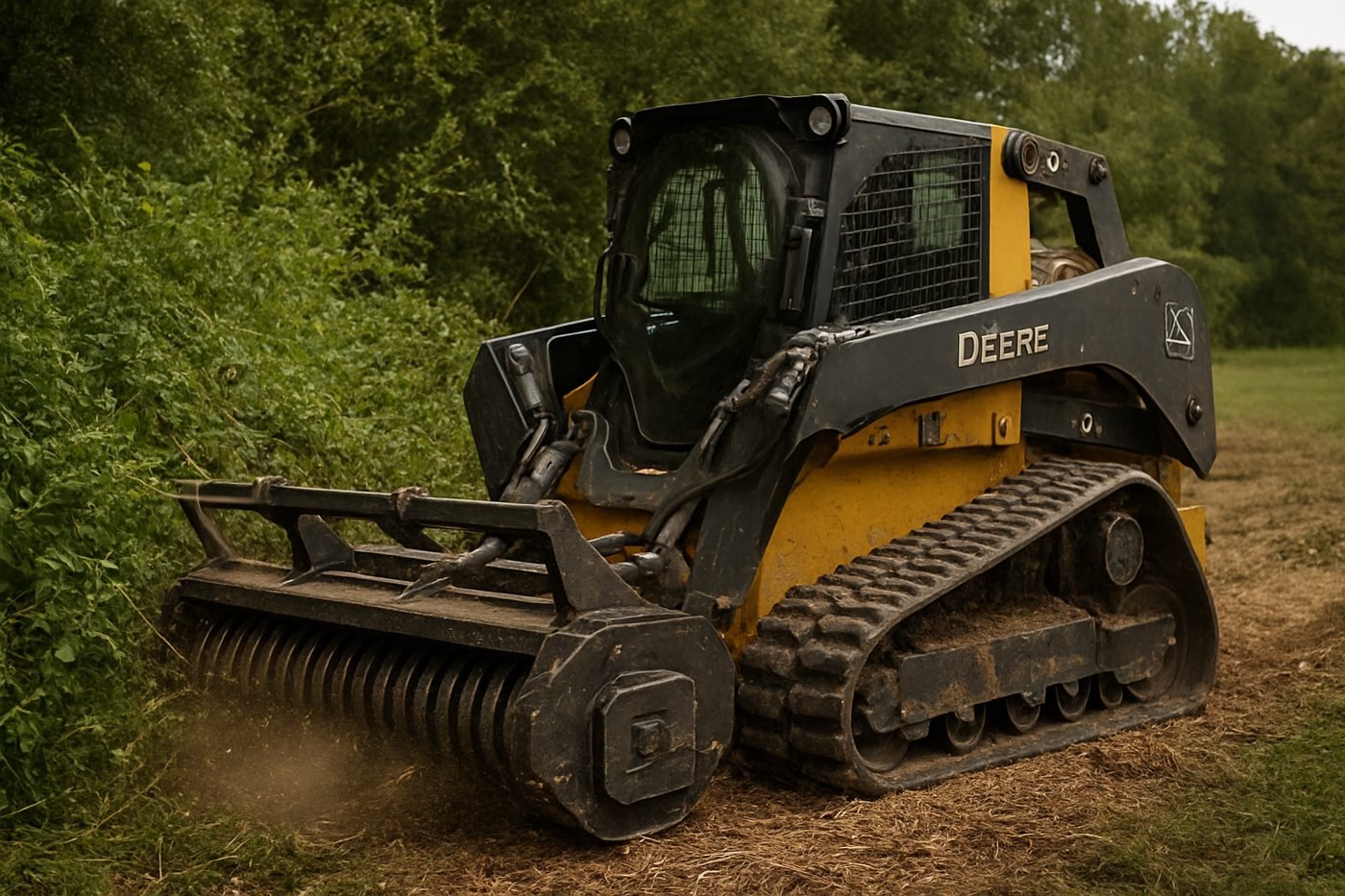
- Forestry mulching is often the least disruptive option for selective clearing underbrush because it leaves roots in place and minimizes soil disturbance.
- Full clearing is different from brush removal and may require stump extraction, grading, hauling, and additional site work when you need a clean build pad.
- Central Ohio clay soil can rut, smear, and hold water when disturbed, so timing and equipment choice matter more than many property owners expect.
- The safest way to clear brush starts with utility locating, boundary verification, and a plan for erosion control before any machine enters the site.
- DIY clearing can work for small areas, but steep slopes, hidden utilities, heavy saplings, and dense thorny growth are better handled by a pro crew.
- A qualified contractor should explain methods, protect trees, follow Ohio 811 rules, and give a scope that matches your long-term land use.
Related Questions People Ask Next
The safest way to clear brush without damaging trees is to start with a marked plan, protect tree root zones, and use selective methods such as hand clearing or forestry mulching instead of full-scale excavation. Keep equipment away from trunks, avoid piling debris against desirable trees, and work from the outside in so you can preserve shade, drainage, and root health while removing the underbrush that is choking the site.
On clay soil, the main goal is to prevent rutting and smearing, because wet clay can compact fast and drain poorly after disturbance. The best approach is to wait for workable moisture, use low-ground-pressure equipment when possible, and avoid repeated passes. If you need underbrush removal on Central Ohio clay, a lighter footprint method like forestry mulching is often cleaner than dragging and piling material across the site.
If the area includes hidden utilities, steep slopes, dense saplings, thorn thickets, storm-damaged trees, or you need the land ready for construction, a contractor is usually the better call. DIY brush removal can save labor on small jobs, but once the work involves grading, stumps, haul-off, or erosion risks, the cost of mistakes can exceed the savings quickly.
Sometimes, yes. Simple brush removal may not need a permit, but work near wetlands, streams, floodplains, easements, protected trees, or planned building areas can trigger local or county review. If the project includes grading, excavation, driveway work, or stormwater changes, ask the local authority before you begin so you do not create an expensive compliance problem later.
Forestry mulching is better when you want to clear brush while preserving soil structure, minimizing disturbance, and leaving a usable natural finish. Full clearing is better when the goal is to remove everything, including roots and stumps, so the ground can be built on or reworked heavily. The right choice depends on how permanent and how clean you want the result to be.
What Does It Mean to Clear Brush Without Damaging the Land?
To clear brush without damaging the land means removing unwanted vegetation in a way that protects topsoil, drainage, tree roots, and future land use. Good brush removal should improve access and visibility while avoiding unnecessary excavation, compaction, erosion, and harm to desirable vegetation or buried utilities.
Clear brush is not the same as stripping a property clean. In the field, it usually means removing vines, briars, saplings, volunteer trees, and dense undergrowth that make the site unusable or unsafe. The best underbrush removal keeps the ground stable and preserves features you still want, such as mature trees, slope shape, wildlife cover, and natural drainage paths. That distinction matters whether the property is a future homesite, pasture edge, trail corridor, or overgrown yard.
A landowner often asks how to clear brush, but the real question is how much disturbance the site can handle. On healthy loam, some methods are forgiving. On Central Ohio clay soil, heavy equipment can cut ruts, smear the surface, and create drainage issues that show up later as ponding or erosion. Good contractors do not just remove vegetation. They think through access routes, soil moisture, edge protection, and final use so the land stays functional after the job is done.
Brush removal also includes deciding what not to remove. Many sites benefit from leaving root systems in place when the goal is visual cleanup or selective clearing around a building envelope. Forestry mulching and hand clearing are often better than full excavation in those cases. If you need a pad, driveway, or utility corridor, the plan changes. The right answer is usually method-specific, not one-size-fits-all, and that is where experienced crews add real value.
Why Clearing Underbrush Matters for Access, Safety, and Land Use?
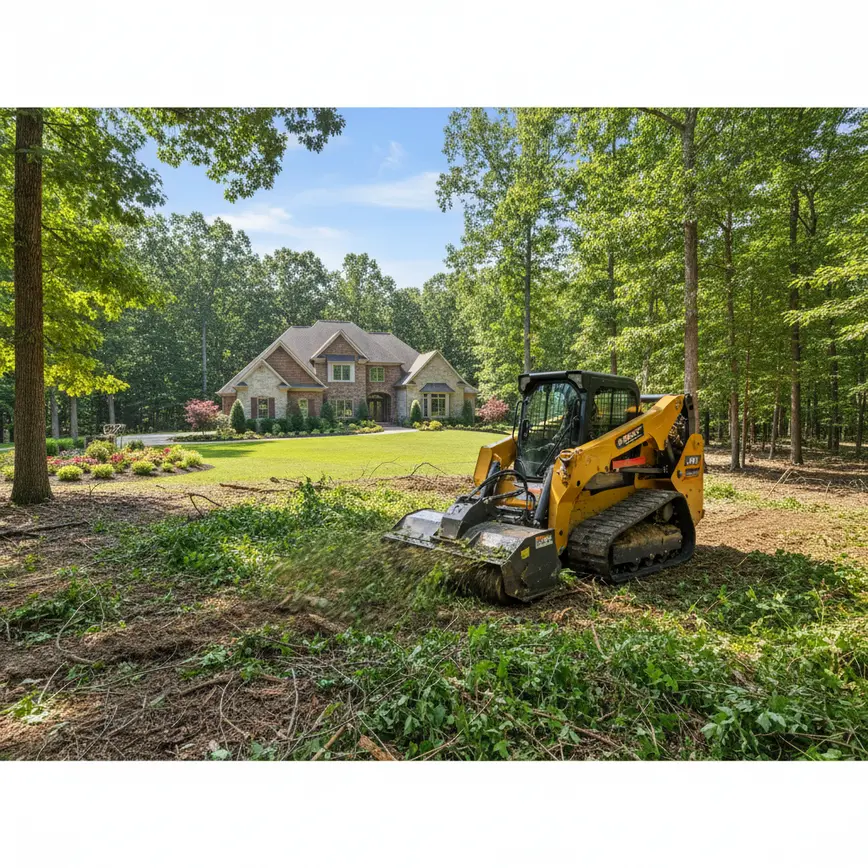
Clearing underbrush improves visibility, reduces fire and pest pressure, opens access for people and equipment, and makes future grading or construction easier. It also helps landowners understand what is actually on the property before they invest in heavier site work or building plans.
Which Brush Removal Methods Work Best for Different Sites?
The main methods are hand cutting, brush hogging, forestry mulching, machine piling and hauling, stump grinding, and full clearing with excavation. Each has a different effect on soil disturbance, finish quality, speed, and cost, so the best method depends on whether you need light cleanup or a build-ready site.
How Do You Clear Brush Step by Step Without Creating Erosion or Ruts?
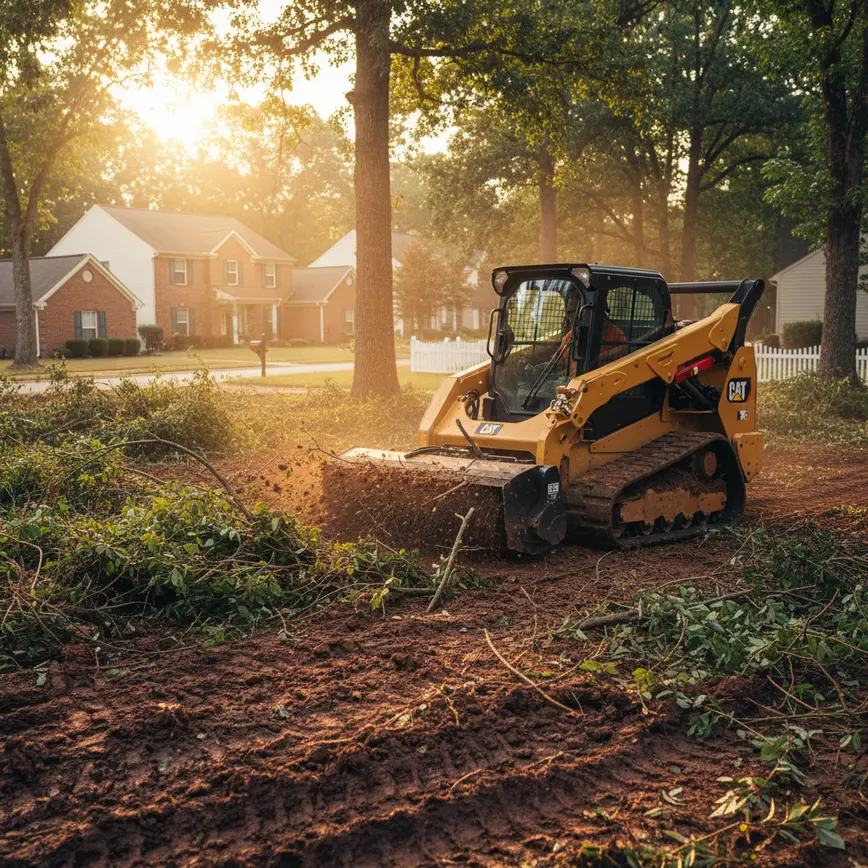
The safest process is to inspect the site, mark boundaries and utilities, choose the lightest effective method, clear in a controlled sequence, and finish with cleanup and erosion control. The order matters because most land damage comes from poor planning, wet ground, and moving equipment across the same area too many times.
What Drives the Cost of Brush Removal and Land Clearing?
Brush removal cost depends on density, acreage, terrain, access, soil conditions, stump work, haul-off, and whether the project is selective or full clearing. A light forestry mulching job can be far different from full clearing with grading, stump grinding, and excavation.
What Equipment Is Used to Clear Brush and Protect the Ground?
The right equipment ranges from hand tools and chainsaws to brush cutters, forestry mulchers, compact track loaders, excavators, stump grinders, and dump trucks. Good crews choose equipment based on terrain and soil, not just speed, because the wrong machine can damage the land while doing the job faster.
Should You Clear Brush Yourself or Hire a Professional?
DIY brush removal can make sense for small, low-risk areas with light growth and easy access. Hire a pro when the site has slopes, stumps, hidden utilities, dense woody growth, drainage issues, or a future build plan. The risk difference gets bigger as the property gets more complex.
What Permits, Regulations, and Ohio 811 Rules Apply?
Before digging or disturbing underground areas, Ohio law requires an Ohio 811 locate request at least 48 hours in advance. Beyond that, permits may be needed for grading, drainage, wetlands, streams, floodplains, or development work, depending on the property and local jurisdiction.
How Do You Choose the Right Contractor for Brush Removal?
Choose a contractor who explains the method, protects what should stay, knows local locate rules, carries insurance, and gives a scope that matches the land’s long-term use. A good brush removal contractor should talk about soil, access, drainage, and cleanup, not just speed.
Start by asking how the contractor plans to clear brush on your specific site. The answer should not be generic. A good company will ask about slope, water, trees you want saved, access for equipment, and what the property needs after the work is done. If the goal is underbrush removal around a future home site, the contractor should discuss grading and erosion control. If the goal is wildlife or trail improvement, the plan should focus on selective clearing and preserving the natural look. The scope should fit the property, not force the property into a canned process.
Insurance, licensing, and crew capability matter as much as equipment. You want a company that can handle the work with an actual crew, not a one-person operation trying to improvise heavy land work. Ask whether they can manage brush removal, stump grinding, grading, excavation, and related site prep if the project grows. That matters because many jobs start as simple clearing and then reveal the need for follow-up work. A contractor that can coordinate the whole sequence will usually deliver a cleaner result with fewer handoffs.
Fortress Level Construction is a licensed, insured Central Ohio land-services company founded by Lee Carson, a combat veteran The company has served the region since 2009 and works with a crew, which matters on projects where planning and execution have to line up. If you are comparing bids, look for clear communication, realistic methods, and a willingness to explain tradeoffs. The best contractor is the one who helps you preserve the land you want to keep while removing the brush that no longer serves the property.
How Do Brush Removal Methods Compare?
Use this comparison to match the method to the site. The best brush removal approach balances land disturbance, finish quality, speed, and long-term goals. A method that is cheap upfront can become expensive if it damages soil, roots, or drainage.
| Method | Best use | Land disturbance | Typical strengths |
|---|---|---|---|
| Hand clearing | Small, selective areas around trees, fences, or sensitive edges | Very low | Most precise; protects roots and surfaces; ideal for fine cleanup |
| Brush hogging | Light vegetation, tall grass, and small saplings on open ground | Low to moderate | Fast for maintenance; good for broad overgrowth but not root removal |
| Forestry mulching | Underbrush removal, trails, selective clearing, and low-impact site prep | Low | Leaves mulch in place; minimal hauling; strong option for preserving soil |
| Full clearing | Build sites, pads, and projects that need a clean open finish | High | Removes more material; works when roots, stumps, and cleanup must be addressed |
| Stump grinding | After cutting trees or woody brush where stumps need to be below grade | Moderate | Helps create a cleaner surface; useful before grading or landscaping |
| Excavation and haul-off | Heavy site prep, drainage correction, and complete removal projects | High | Most thorough; best when the land must be reshaped or made build-ready |
When Brush Clearing Is the Wrong Approach or Needs a Different Plan?
Brush removal is not always the right first step. If the site has active drainage issues, protected trees, wet soils, unstable slopes, or buried utilities, clearing without a plan can make the land worse. Some projects need selective work, erosion control, or engineering before heavy equipment enters.
One common mistake is clearing too aggressively because the site looks messy. If the goal is a future building area, removing every bit of vegetation without a grading plan can expose drainage problems or trigger erosion. In wooded properties, removing too much cover can also change runoff and increase surface drying. The land may look cleaner for a week and perform worse for years. Good brush removal starts with the final use in mind, not just with what looks overgrown today.
Another problem is clearing at the wrong time. Wet clay soil can turn a straightforward project into a rutting problem, especially in parts of Central Ohio where moisture hangs around. Heavy equipment on saturated ground can leave damage that costs more to fix than the original clearing. If a contractor promises to rip through any site in any condition, that is a warning sign. The right team knows when to work, when to wait, and when to change methods to protect the property.
A third limitation is assuming brush removal solves every site issue. It does not fix drainage, unstable fill, buried debris, or bad grades on its own. It also does not make a project compliant if permits, utility locates, or erosion controls are missing. If the work is tied to construction, fencing, or a driveway, the brush phase should be part of a larger sequence. That is why a contractor who can also handle grading and excavation is often a better fit than a clearing-only operator.
Brush Clearing Project Gallery Ideas
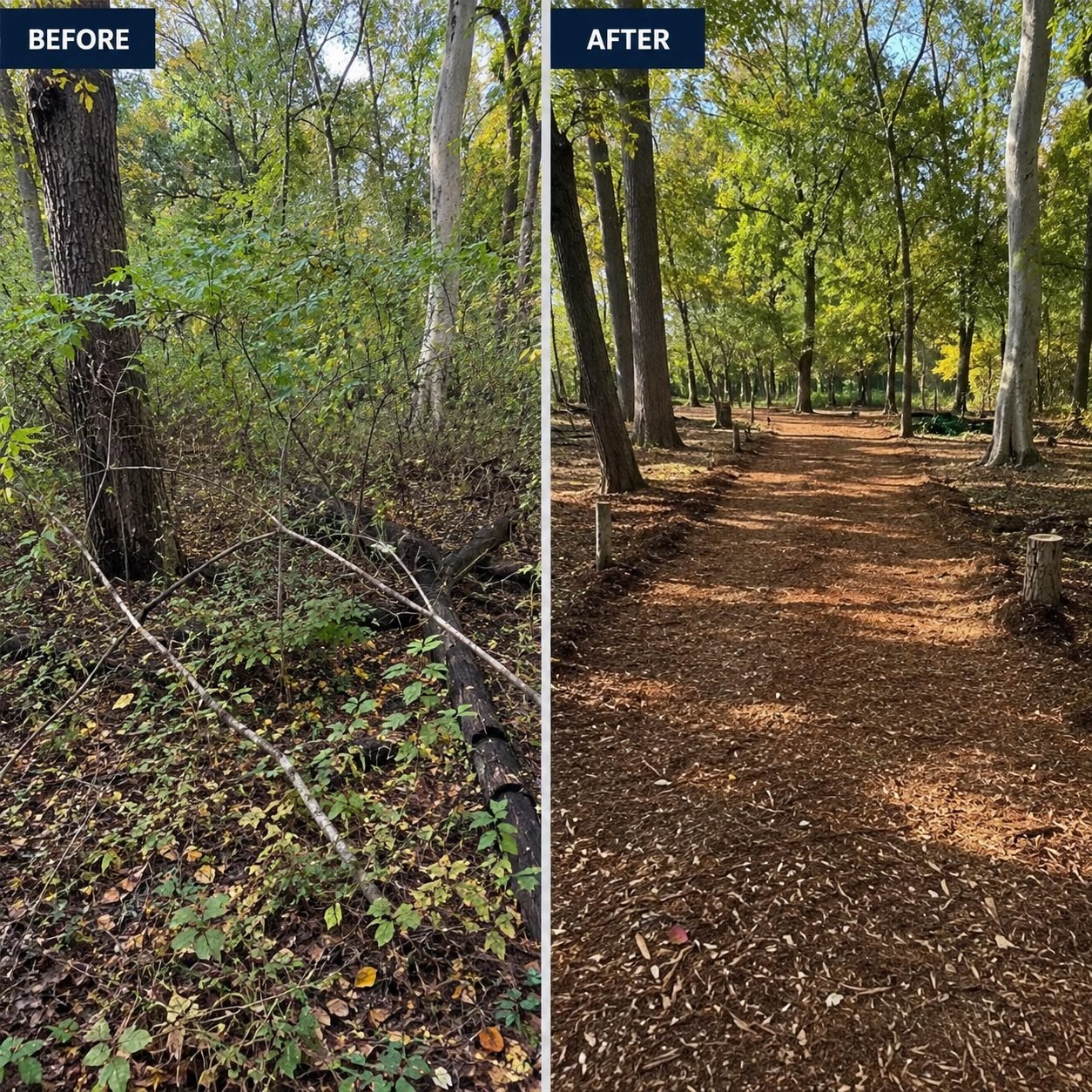
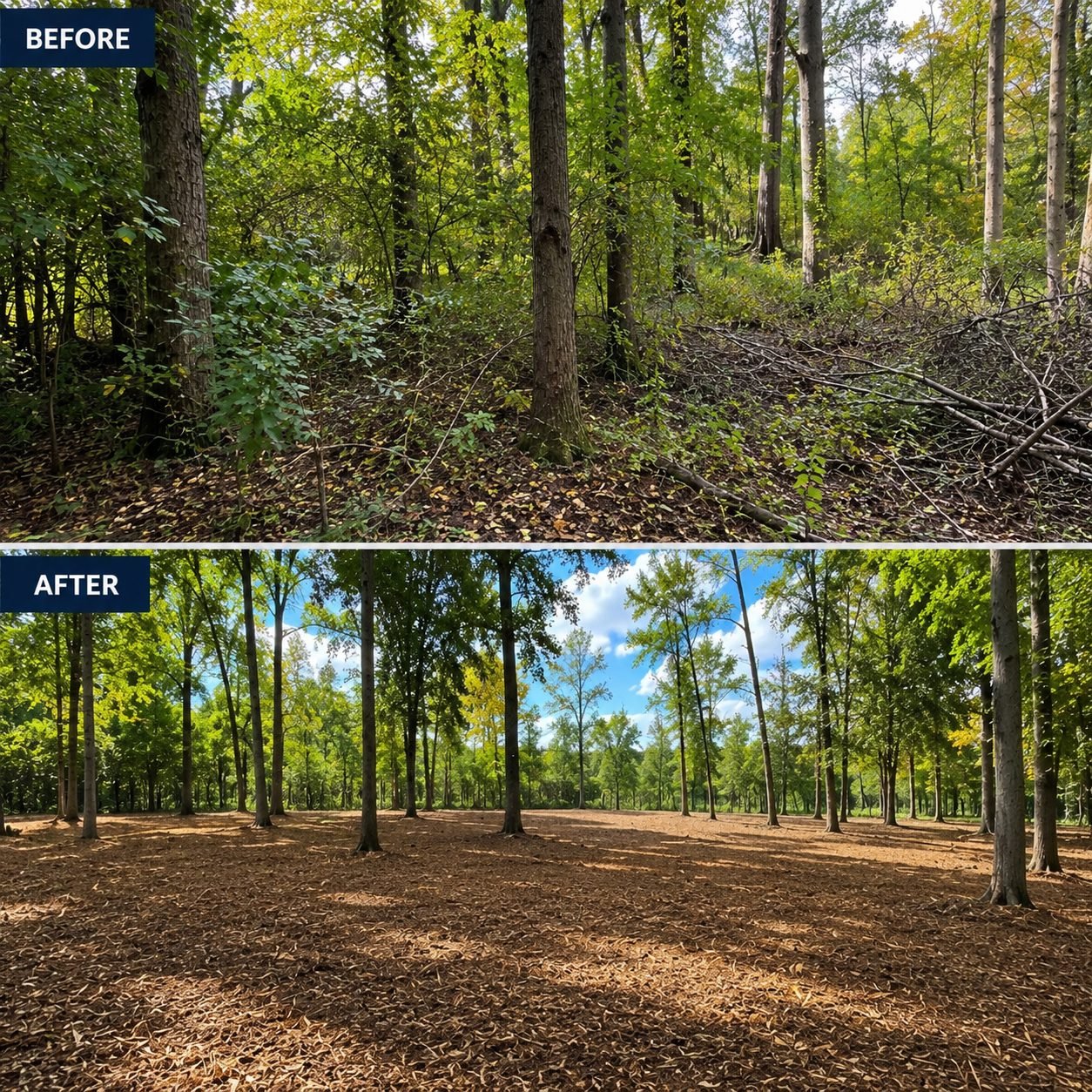
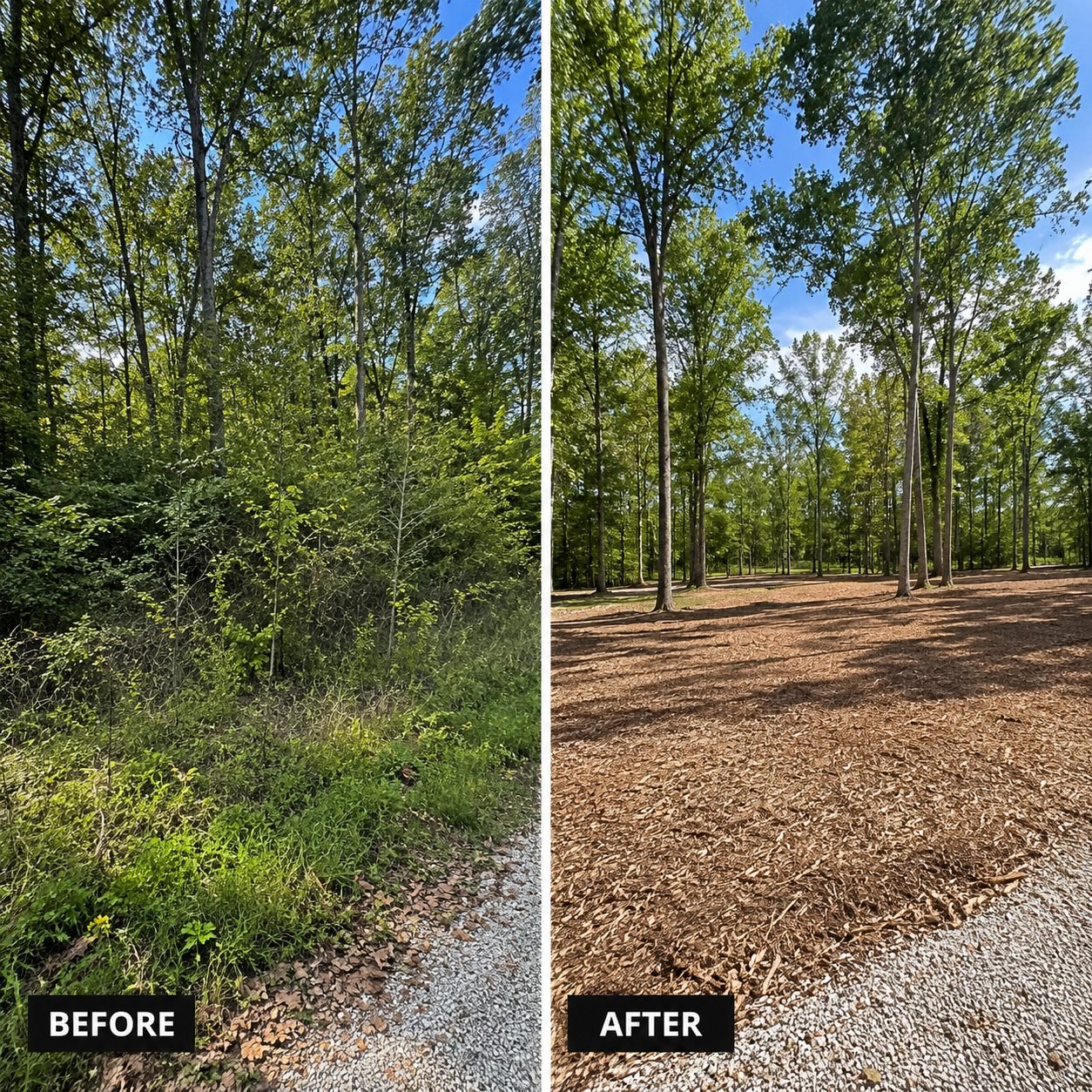
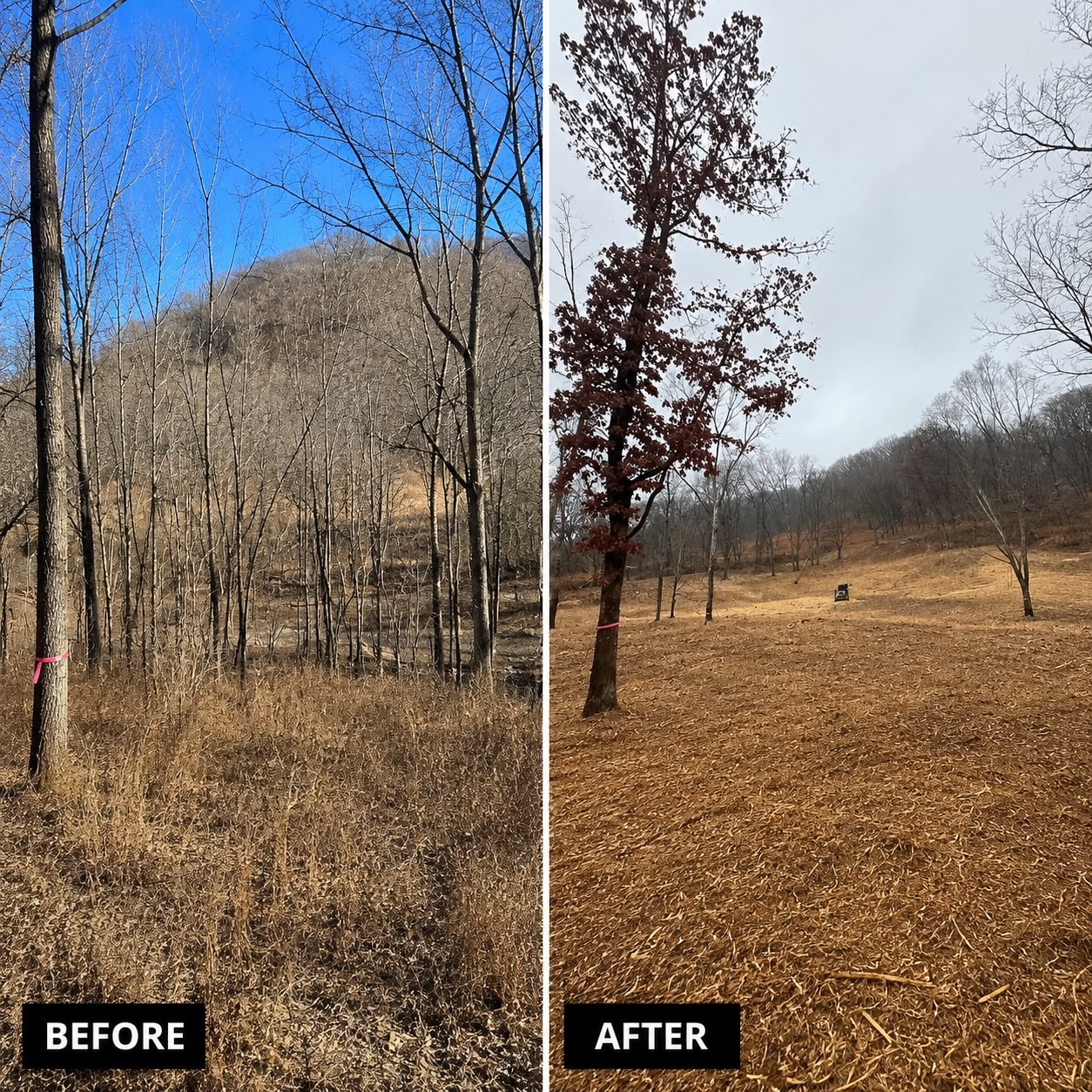
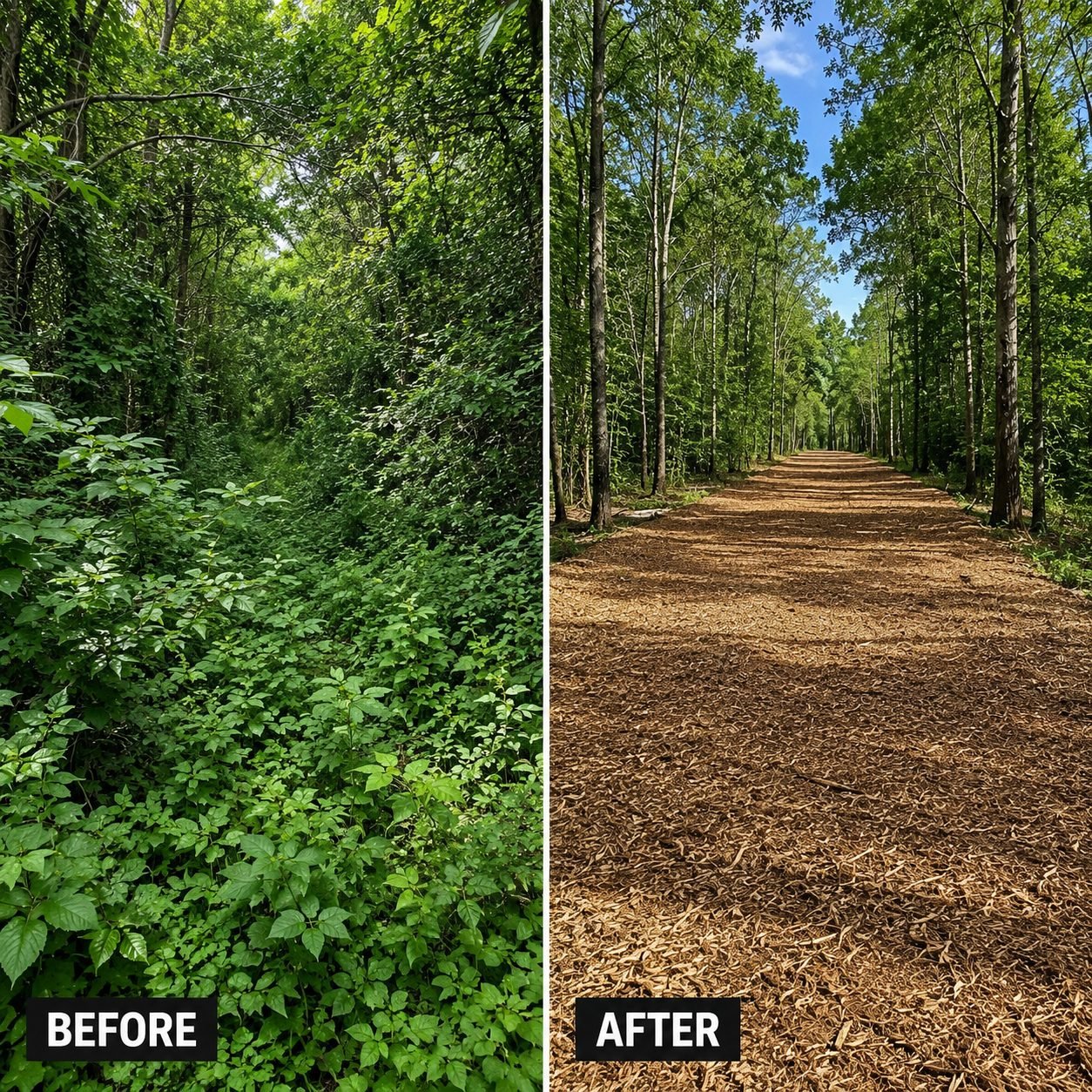
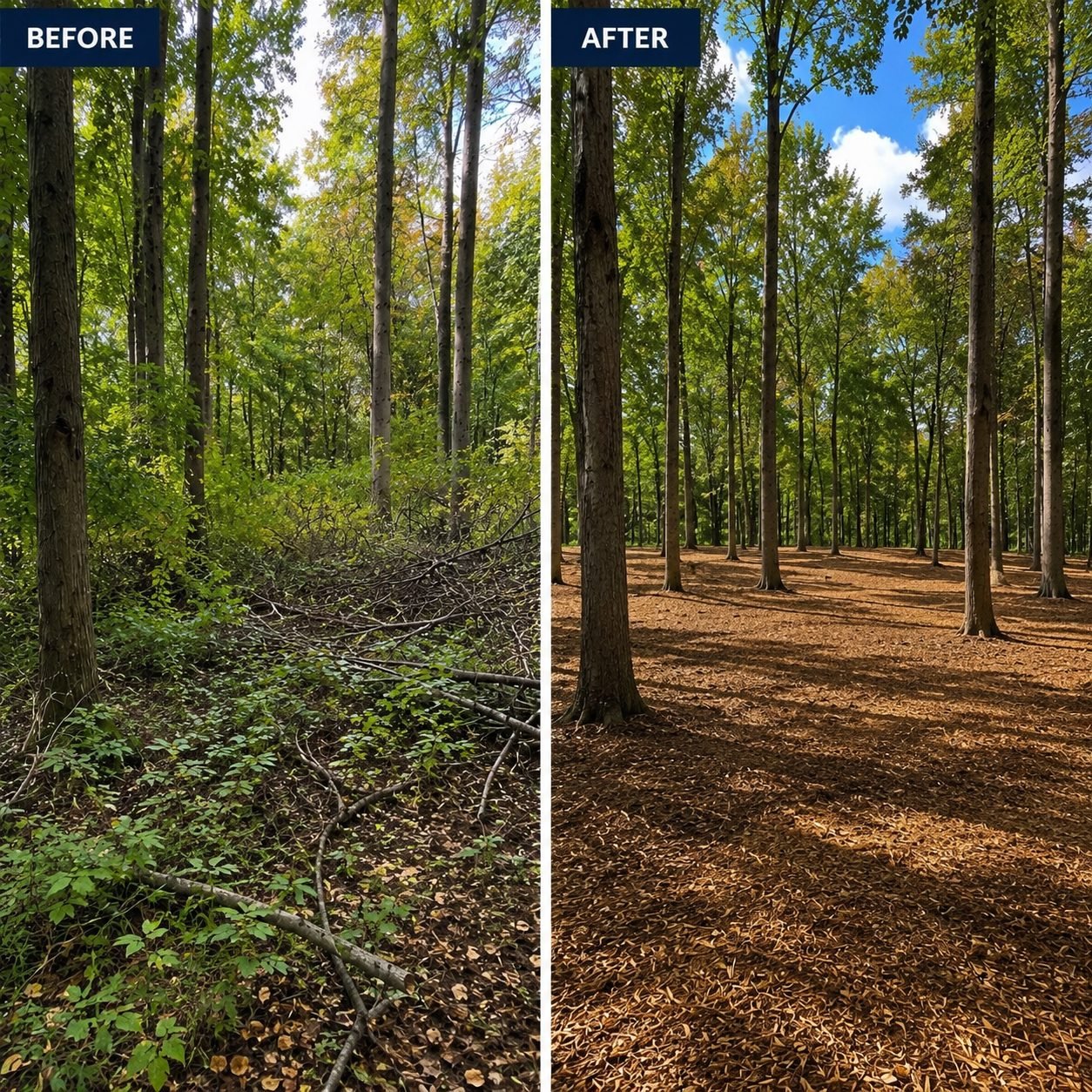
A strong gallery should show the property before clearing, during the controlled removal process, and after cleanup or grading. Include close-ups of selective underbrush removal, forestry mulching, stump work, and final site condition so landowners can see the difference between light cleanup and full clearing.
Frequently asked questions
Brush removal usually means cutting or mulching unwanted vegetation while leaving the underlying land largely intact. Land clearing is broader and may include removing stumps, larger trees, roots, debris, and sometimes hauling or grading. If you only need to open a trail, fence line, or wooded edge, brush removal may be enough. If the property must be built on or heavily reshaped, land clearing is usually the right term and the broader scope.
Yes, if it is done carelessly. Forestry mulching is often a low-impact method, but the operator still has to protect root zones, avoid hitting trunks, and keep the machine from carving into the soil around desirable trees. Good planning matters. Trees can also be damaged by repeated traffic, piled debris, or soil compaction near the base, even if the mulcher itself never touches the trunk.
Work from the most stable access point, keep equipment passes to a minimum, and avoid stripping all cover at once if the slope is fragile. In many cases, selective clearing and mulch-in-place are safer than dragging material downhill. Once the brush is removed, you may need seeding, mulch, or other stabilization measures. The goal is to reduce vegetation without exposing bare soil to runoff faster than the site can absorb it.
Not usually. Brush hogging is good for lighter vegetation and maintenance-style cleanup, but thick woody stems, saplings, and vine tangles often need a more precise method. If the area is dense enough to hide stumps or obstacles, a forestry mulcher, hand clearing, or full clearing may be the better choice. Brush hogging is often a first pass, not the final answer, on heavily overgrown land.
Ask what method they recommend, how they will protect trees and soil, whether they understand Ohio 811 requirements, what happens with stumps and debris, and whether they can handle grading or excavation if needed. You should also confirm insurance and ask for a clear scope. The best contractor will explain tradeoffs instead of just promising to finish fast.
If the work is strictly above ground and no digging is involved, a locate request may not be required. But many brush projects lead to stump removal, post holes, grading, or drainage work, and that is when Ohio 811 becomes essential. Because underground lines are easy to miss in overgrown areas, it is smart to confirm locate needs before the job begins rather than after equipment is already on site.
Timing depends on acreage, density, access, terrain, and whether the job is selective or full clearing. A small fence line can be quick, while thick wooded underbrush on uneven ground can take much longer. The biggest time drivers are how much material must be cut, whether stumps are involved, and how many cleanup steps follow. A contractor should estimate based on site conditions, not just acreage.
It can help by opening clogged ditches, revealing low spots, and making it easier to see how water moves across the property. But brush removal alone does not solve drainage problems. If the grade is wrong or the soil is compacted, you may still need excavation, regrading, or drainage work. Clearing is often the first step in solving a drainage issue, not the last.
Brush Clearing Across Central Ohio
Fortress Level Construction handles brush clearing in every county and community across Central Ohio. See local details, drive times, and pricing for your area:
What Other Services Does Fortress Offer in Central Ohio?
Fortress Level Construction runs a full range of land-clearing, excavation, grading, and site-work services across Central Ohio, so one owner-operated crew can clear, grade, and prep a site end to end.
Get a Flat-Rate Quote from Lee Carson
Owner-operated land clearing across all five Central Ohio counties. Send your property details and Lee gets back to you within 2 to 3 hours during business hours with one flat number after a free on-site walk-through.